
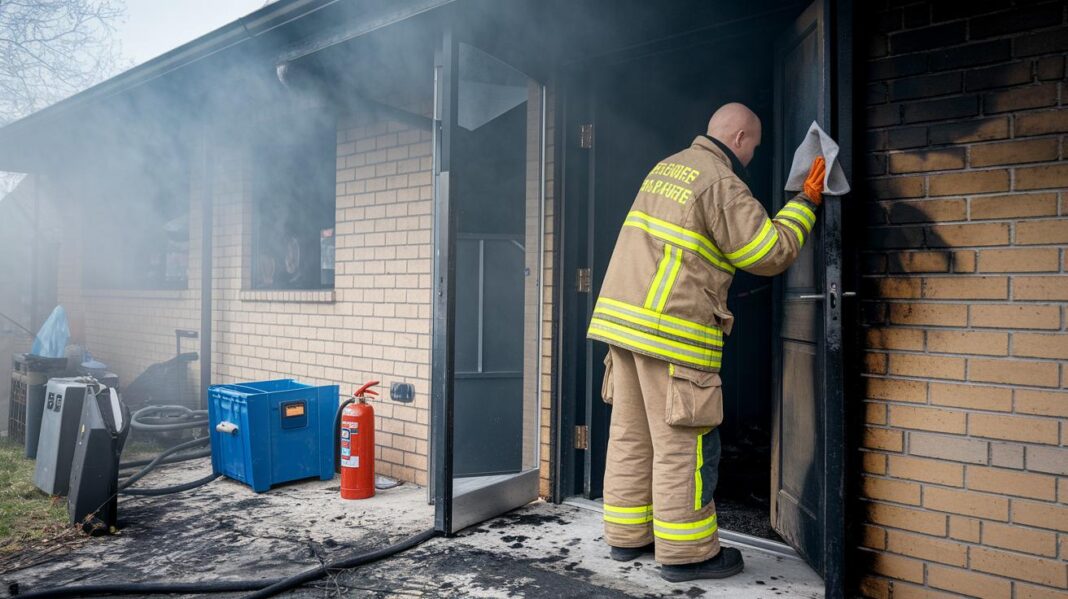

Have you ever felt lost after a fire? You are not alone. A fire can quickly change your home from a safe space into a place full of chaos. We understand how overwhelming this can be. That’s why we put together a simple cleanup checklist with fast, clear recovery tips.
In this guide, we explain every step in plain language. We cover everything from calling your insurance company to checking your home’s safety (making sure it is free from hazards). By following these steps, you'll be able to start the cleanup process and work toward restoring your home to a calm and secure space.
Remember, we’re here to help you get back on your feet.
House Fire Cleanup Checklist: Fast Recovery Tips
We know this time is stressful. Here’s a simple set of steps to help you get back on track after a fire.
- Call your insurance company right away and let them know what happened.
- Check that your home is safe before you go inside. Ask local fire officials or a trusted engineer (an expert in building structure) for help.
- Turn off all utilities like gas, electricity, and water at the main valves to keep everyone safe.
- Remove any water and wet items left from firefighting. Use tools like pumps and wet-dry vacuums (machines that suck up water).
- Go through your belongings carefully. Decide what can be saved and what needs to be thrown away.
- Start cleaning items that are salvageable using proper cleaning solutions and methods.
- Secure your property by boarding up windows and doors so no one gets in and nothing else is damaged.
- Fix or reinforce any damaged parts of your home, like beams or floors, that might be unsafe.
- Take photos and write down every step you take. Keep receipts and contractor details for your records and insurance.
- Arrange for professional help to finish repairs and make sure everything meets safety standards.
By following these steps, you protect your home and help ensure a smooth, safe recovery. We’re here to help guide you through each stage.
House Fire Cleanup Checklist: Safety and Structural Inspection
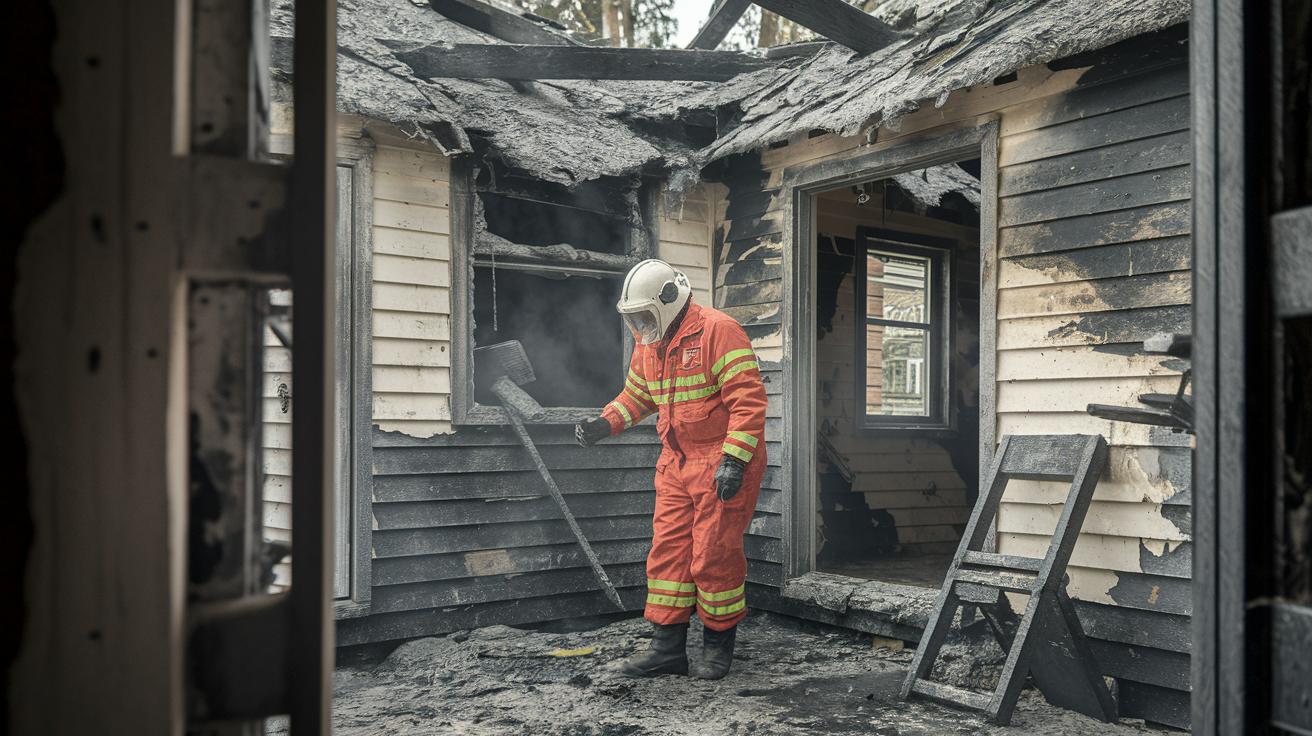
Before you enter, put on your protective gear. Wear a respirator mask (to filter harmful particles), safety goggles, heavy-duty gloves, and a hard hat to keep ash, soot, and debris away from you. This equipment helps keep you safe as you work.
Turn off your water, gas, and electricity by closing the main valves. This step stops risks like electric shock or gas leaks and prevents more damage.
Only enter the house after local fire officials or a qualified structural engineer say it is safe. Check for signs like weak beams, melted wires, or unstable floors. Their confirmation gives you the confidence to start repairs safely.
House Fire Cleanup Checklist: Debris Removal and Soot Cleanup
After a fire, cleaning up debris is essential to help restore your home safely. First, sort out charred materials like wood, metal, and insulation into separate piles. Then, dispose of ash and contaminated items following your local hazardous waste rules to prevent dangerous reactions.
Soot cleanup is just as important. Use vacuums with HEPA filters (air filters that trap tiny particles) to pick up even the smallest soot bits. You can also use chemical sponges and surface cleaners to remove stubborn residue from walls and floors. Negative air machines and air scrubbers help filter the air, reducing hazards and improving indoor air quality.
| Equipment | Purpose | Notes |
|---|---|---|
| Pumps | Remove residual fluids | Essential for liquid cleanup |
| Vacuums | Extract soot particles | HEPA-filtered for fine dust |
| Sponges | Apply cleaning chemicals | For surface treatments |
| Scrubbers | Deep clean surfaces | Effective on stubborn soot |
| Air Filters | Capture airborne particles | Improves indoor air quality |
Always wear proper protective gear and ensure good ventilation while working. This clear, step-by-step approach reduces hazards and helps set the stage for a safe and complete recovery.
House Fire Cleanup Checklist: Water Extraction and Drying

After a fire, water used by firefighters can soak into your floors, walls, and insulation. We use pumps and wet-dry vacuums (machines that suck up water) to remove as much water as we can. Removing water quickly helps limit damage and stops further issues.
Next, we dry the wet areas with industrial dehumidifiers (machines that pull moisture from the air) and air movers. These machines speed up evaporation, keeping surfaces dry and reducing the chance of mold growth. Fast drying is key to protecting your home from long-term water problems.
Finally, we check for hidden moisture using moisture meters and infrared imaging (tools that find hidden wet spots). This process helps us find water that might be trapped under floors or behind walls. Making sure every spot is dry prevents mold and other water-related issues.
House Fire Cleanup Checklist: Cleaning and Sanitizing Salvageable Items
Start by sorting your belongings. Separate furniture, fabrics (like curtains and clothing), and electronics. Tag and log each group and then store them in a climate-controlled area. This keeps items safe and helps you use the right cleaning method for each type.
When cleaning furniture and fabrics, gently lift surface soot with a dry-cleaning sponge. For deeper soot and smoke residue, you may need to use steam or chemical cleaning. We use sanitizers (germs-killing agents) that remove harmful pathogens and neutralize chemical residues. In some cases, methods like ozone treatment or thermal fogging help cut down stubborn smoke odors.
For electronics, do not use wet-cleaning methods because they can cause extra harm. Instead, we clean them with ultrasonic baths, a method that gently removes soot from small parts while protecting sensitive components. Matching the right cleaning technique to each material not only saves your belongings but also creates a safer space free of smoke and chemical residues.
House Fire Cleanup Checklist: Documentation and Insurance Claims
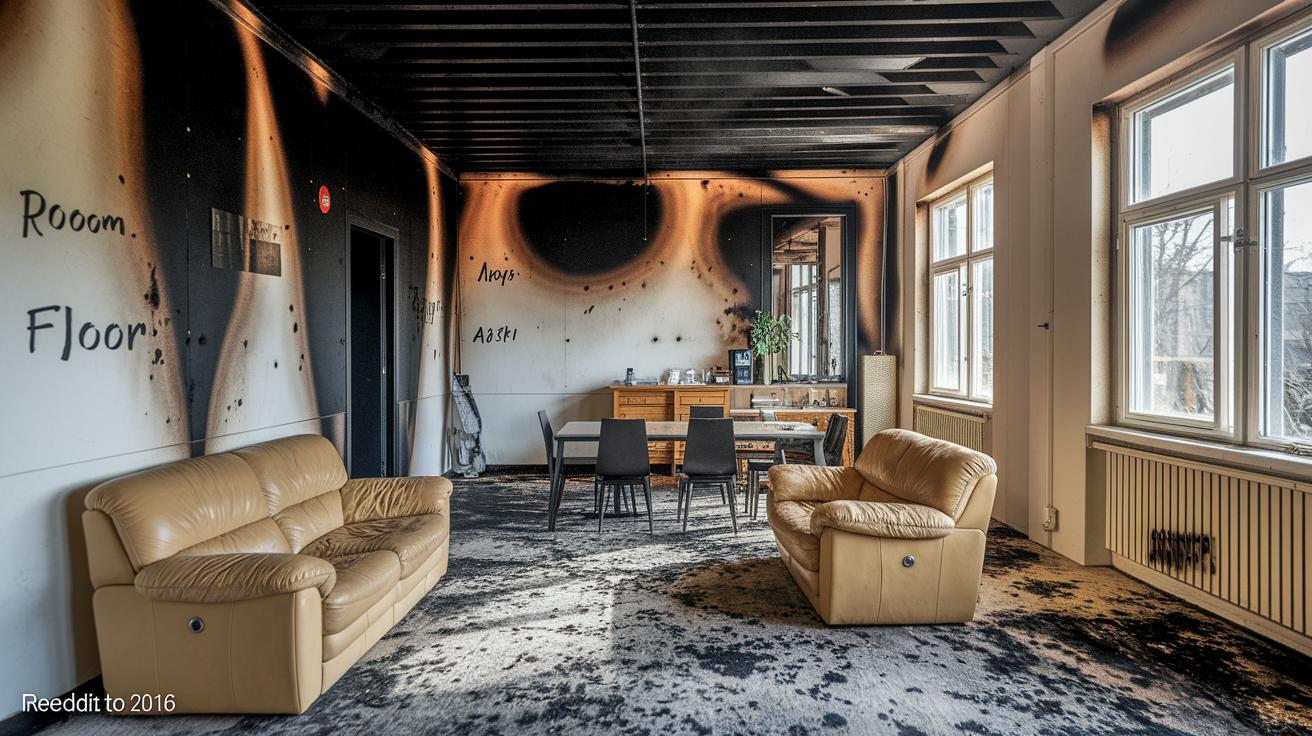
Start by taking clear pictures of every area and item damaged by the fire. Label each photo with the room and the date. These images show the full damage for insurance adjusters. Write down what you see on walls, furniture, and personal items. For more help, check the guide "How to document fire damage for an insurance claim" (https://firefloodrescue.com?p=211).
File your claim as soon as possible. Call your insurance agent right away. Write down every phone call, meeting, or email you have with your insurance company or contractors. Note the service dates, names, and what was done during the cleanup. This careful record keeping can speed up your claim and prevent disputes.
Keep a detailed list of every expense for the cleanup and repairs. Save all receipts and invoices for materials, services, and repairs. This paperwork shows the total loss and helps you get the right amount from your insurance provider.
House Fire Cleanup Checklist: Preventive Measures and Next Steps
After the initial cleanup, we work to lower future risks with key safety fixes. We replace old smoke alarms, install fire-resistant drywall and doors, and upgrade electrical panels to handle today’s needs. Adding sprinkler systems and new insulation further protects your home from fire damage. These upgrades boost safety and can even help lower your insurance costs over time. For more details, check out Preventive home upgrades to reduce fire and water damage risk.
Next, schedule final professional restoration services to finish any structural repairs and ensure all updates meet current building codes. A qualified contractor will inspect your home and suggest any extra improvements needed by local standards. This last professional check not only restores your home but also makes it stronger against future fires, keeping your family safe.
Final Words
In the action, we walked through a house fire cleanup checklist that covers everything from contacting your insurer to safely cleaning and repairing your home. We shared clear steps for safety checks, water extraction, debris removal, and careful documentation.
Following this guide keeps you on track, reduces further damage, and sets the stage for lasting improvements. Remember, a solid house fire cleanup checklist puts you in control and helps steer your home to a safe, livable condition.
FAQ
- Q: How can I access a house fire cleanup checklist template or PDF?
- A: The house fire cleanup checklist template is available as a free downloadable PDF that guides you through steps from insurance contact to final restoration, ensuring you follow proper safety protocols.
<dt>Q: What should I do after a house fire if I don’t have insurance?</dt>
<dd>A: The checklist for a house fire without insurance involves securing your property, contacting local help, and documenting damage. This approach helps you access victim assistance and FEMA resources when needed.</dd>

<dt>Q: What kind of assistance does FEMA offer after a house fire?</dt>
<dd>A: FEMA house fire assistance supports families with resources like temporary housing, essential repairs, and guidance through recovery steps, helping you stabilize your home after a fire.</dd>

<dt>Q: How do I clean a house after a fire?</dt>
<dd>A: Cleaning a house after a fire means removing debris, cleaning soot with HEPA vacuums, extracting water, and sanitizing salvageable items. This ensures safe entry and proper restoration efforts.</dd>

<dt>Q: What is the 30/30/30 rule for fire cleanup?</dt>
<dd>A: The 30/30/30 rule for fire cleanup is a guideline outlining the timing for safe reentry, technical assessments, and cleanup actions to minimize damage after a fire incident.</dd>

<dt>Q: How much does it typically cost to clean up after a house fire?</dt>
<dd>A: The cost to clean up after a house fire varies widely based on damage extent, necessary equipment, and professional services, with expenses ranging from a few thousand dollars up to much higher amounts.</dd>

<dt>Q: What are the 5 P's of fire evacuation?</dt>
<dd>A: The 5 P's of fire evacuation—planning, practicing, prepping, packing, and proceeding—guide you to prepare for, rehearse, and execute a safe exit during a fire emergency.</dd>