
Ever wonder how fast water removal can save your home? When water gets inside, every second matters. Quick extraction keeps mold from growing and protects your belongings. We start by carefully inspecting your home. Then we stop the water source and use the right machines (devices that pull water out) to remove the moisture fast. We work quickly and smartly so your home stays safe, dry, and ready for you. Let us show you how each step makes a difference.
Understanding How Water Extraction Works
Water damage needs fast action. When water gets into your home, removing it quickly helps stop mold from growing in just one to two days. Taking action right away safeguards your property and lowers health risks.
Every second matters. We start by checking the situation so we can plan a fast water removal process that also stops any new water from coming in. Our aim is clear and immediate action.
- Initial inspection and assessment – We look at the damage and decide how to handle it. We classify the water as clean (safe water), gray (water that may be slightly contaminated), or black (highly contaminated water).
- Identifying and stopping the water source – We find where the water is coming from and turn it off so no more water enters.
- Using submersible pumps and industrial vacuums – We pick the right equipment based on how much water there is and how dirty it is.
- Bulk water removal and drying – We use powerful machines like high-speed air movers and refrigerant dehumidifiers (machines that help remove moisture) to speed up drying.
- Moisture verification with meters – We use special tools to check that all the moisture is gone.
Each step is key to a full restoration. The initial check guides our work and makes sure we work safely. Stopping the water source is important to avoid more damage. Choosing the right pumps and vacuums makes sure we remove the water effectively. Using air movers and dehumidifiers helps dry the area quickly and reduces mold risk. Finally, our moisture check confirms your home is safe and dry, ready for you to return to a healthy living space.
Key Water Extraction Equipment and Technologies
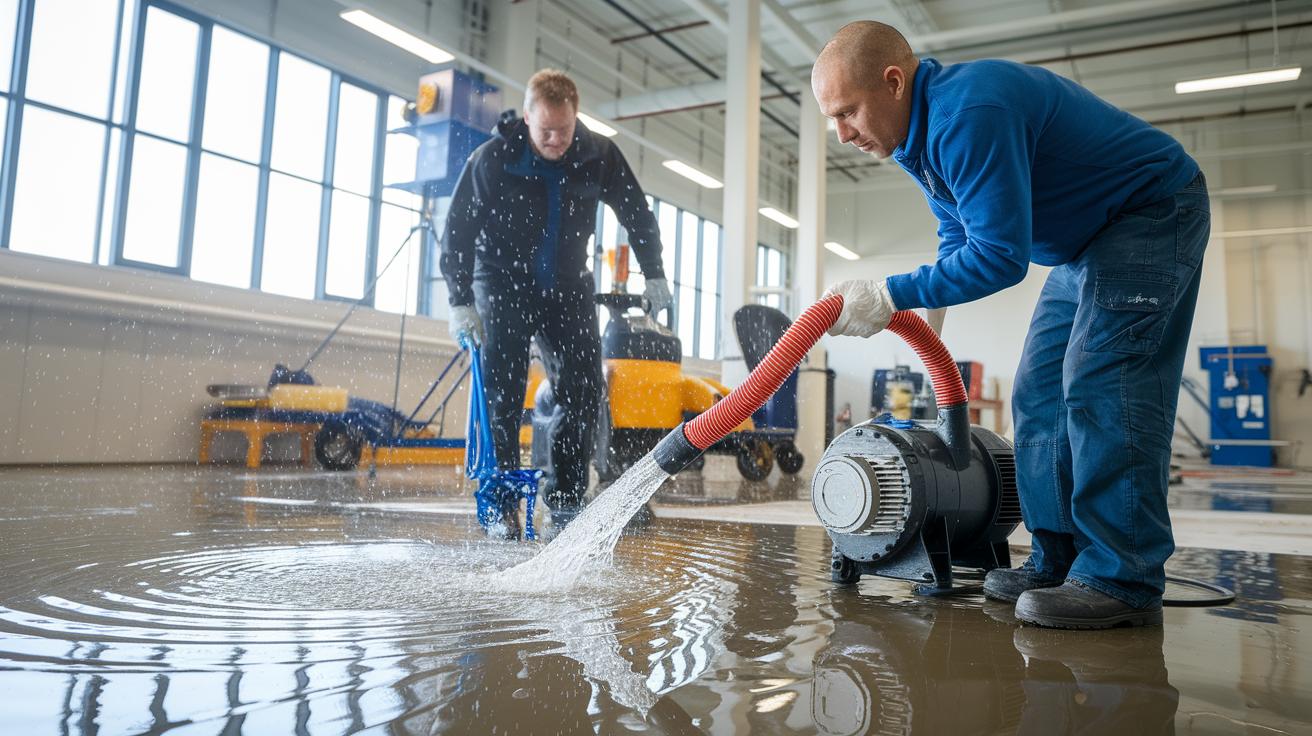
Choosing the right equipment really matters. We use tools made to remove water quickly and efficiently. Our submersible pumps and industrial wet and dry vacuums, like our trusted water extraction machine, handle big spills and large water volumes. High-speed air movers create strong airflow to speed up evaporation, while refrigerant dehumidifiers (machines that remove moisture by cooling the air) pull moisture out, stopping hidden dampness from causing mold. We carefully select each tool to dry your home fast while keeping it safe.
| Equipment Type | Capacity | Typical Application |
|---|---|---|
| Submersible Pumps | Up to 5,000 gallons/hr | Basements and crawlspaces |
| Industrial Wet–Dry Vacuums | Heavy-duty extraction | Carpets and hard floors |
| High-Speed Air Movers | 1,500–3,000 CFM | Accelerated evaporation |
| Refrigerant Dehumidifiers | Up to 140 pints/day | Ambient moisture removal |
Using the right mix of tools speeds up the restoration. Each machine targets specific water problems to ensure water is removed quickly and safely while protecting your home’s structure and your health.
how does water extraction work: Innovative & Efficient
Water extraction uses strong suction (like a vacuum that pulls water away) to lift water off surfaces. When we apply this force, water easily separates from materials. This stops water from seeping into wood, carpet, or drywall through capillary action (the way water soaks into porous items). Removing standing water quickly helps prevent further damage and sets the stage for a successful recovery.
Next, heat and airflow speed up drying. Warm air makes the remaining moisture evaporate faster. We use hygroscopic dehumidifiers (machines that pull moisture out using special chemicals or refrigerants) to actively remove water from the air. This combination of suction and warmth gets rid of both puddles and hidden damp spots, keeping your property safe from mold and structural issues.
Main Water Extraction Techniques in Restoration

Mechanical Extraction Methods
We start by using powerful pumps and heavy-duty vacuums to get the water out fast. Our pumps can handle thousands of gallons each hour, and our industrial vacuums lift water from carpets and hard floors. This step stops water from soaking into walls and floors. Removing water quickly helps cut damage and lowers the chance of mold (a fungus that grows in damp areas). Did you know that before modern machines, crews had to rely on mops to clear water? That made quick removal nearly impossible.
Thermal Extraction Approach
Next, we use heat or steam to speed up the drying process. Hot water extraction uses warm water and controlled steam (steam is hot water vapor) to loosen and remove moisture from carpets and upholstery. This method raises the temperature to turn the remaining water into vapor. Using heat helps break down stubborn wet spots that regular drying might miss, leaving surfaces not only drier but also refreshed.
Integrated Drying and Extraction
Finally, we combine mechanical extraction with focused drying. After most of the water is removed, high-speed air movers (powerful fans) boost airflow to clear out any leftover moisture. Dehumidifiers (machines that pull moisture from the air) then finish the job by removing any remaining water vapor. This coordinated step-by-step approach makes sure every damp spot is addressed, reducing further damage and helping your space return to a safe, livable state.
Applications and Best Practices for Water Extraction Work
Water extraction helps in many situations, such as removing water from carpets, drying out subfloors, and cleaning up leaks from appliances. In emergencies like burst pipes, sewage backups, or floods, quick water extraction is vital to stop mold growth, prevent structure weakening, and avoid health risks.
Safety and timing are essential in every restoration project. We work 24/7, quickly combining extraction with drying and full restoration to help your home return to its pre-damage condition. Our technicians wear protective gear and use proven methods to remove water and contaminants safely. Working together with drying and repair teams prevents long-term issues and eases your stress.
For a quick response in urgent situations, call our emergency water extraction service at emergency water extraction.
Final Words
In the action, we broke down the water extraction process from start to finish. We explained the stages: initial inspection, stopping the source, bulk removal, drying, and moisture verification. We also looked at the right equipment and the science behind pulling water from surfaces.
Our clear overview shows how does water extraction work step by step. We’re here to help you restore your home, keeping the process safe, simple, and effective. Stay positive and remember that every step takes you closer to a safe, livable space.
FAQ
What is water extraction and how does a water extractor work?
The water extraction process removes standing water during damage restoration. We use pumps, vacuums, and air movers to lift and remove water quickly, limiting mold growth and further damage.
What are common water extraction tools and equipment?
Water extraction tools include pumps, industrial wet–dry vacuums, high-speed air movers, and refrigerant dehumidifiers. They work together to remove water in bulk and dry out surfaces effectively.
What does a water extraction pump do?
A water extraction pump removes large volumes of water rapidly from flooded areas. It is essential in reducing water damage by quickly lowering the water level.
What are water extraction services and how do companies help?
Water extraction services provide 24/7 emergency response for floods and leaks. Companies dispatch trained technicians who use specialized equipment to remove water, reducing damage and starting restoration quickly.
How long does water extraction take?
The water extraction process usually takes a few hours, depending on damage severity and water volume. Quick response helps limit additional structural damage and mold risk.
How does your body flush out water?
Your body flushes out water primarily through the kidneys, which filter excess fluid and waste. This removal occurs via urine and helps maintain a healthy fluid balance.
What is a water extraction method for plants?
In plant or landscaping settings, water extraction methods use pumps to remove excess water from flooded areas. This same principle ensures plants and green spaces recover swiftly from overwatering or flooding.