


Think a few snapshots will make an insurance claim easy? Think again.
Insurance adjusters make decisions from what you show them, not what you remember.
This guide walks you through the fast, practical steps that matter: checking safety before you enter, taking wide and close photos and timestamped videos, making an itemized inventory of damaged drywall, floors, furniture, and electronics, collecting receipts and estimates, and logging every call with your insurer.
Follow these steps and you’ll build a clear, verifiable record that supports your claim.
Immediate Actions for Safely Documenting Damage

First, make sure the building’s actually safe to enter. Look for visible cracks in walls or ceilings, sagging floors, exposed electrical wires, gas odors, or standing water near outlets. If you spot any of these, stay outside and call the fire department or your utility company.
If the structure looks stable, put on closed-toe boots, heavy gloves, long pants, and a dust mask or respirator if there’s dust or mold around. Bring a flashlight even during daylight because power might be out or unsafe.
Once you’ve confirmed it’s safe to enter, start documenting damage right away. Delays make it harder to prove what happened and when. Insurers want evidence captured before cleanup, repairs, or weather changes.
- Turn off the main water supply if pipes are broken or leaking.
- Photograph every hazard you see before touching or moving anything.
- Take wide shots of each room and the building exterior from all four sides.
- Record a slow video walkthrough, narrating what you see and where you’re standing.
- Enable timestamp functions on your phone camera or download a timestamp camera app.
- If you must move debris to prevent injury or stop active leaks, photograph its original position first.
Effective Photo and Video Techniques for Insurance Documentation

Take both overview shots and close-ups. Wide shots show the full scope of the loss. Close-ups prove the severity. Shoot every damaged area from at least three angles so the adjuster can see depth, scale, and context.
Use natural daylight when possible. Open curtains and blinds. If the power’s out or rooms are dark, use a bright flashlight or a phone flashlight aimed at the damage, not straight into the camera. Blurry or shadowed photos reduce claim value because adjusters can’t confirm details.
Always keep your phone’s date and time stamp turned on. If your default camera app doesn’t embed visible timestamps, download a free timestamp camera app. Save all original image files without filters, cropping, or edits. Back up photos and videos to cloud storage the same day you take them in case your phone gets lost or damaged.
Photograph all four exterior walls, the roof (from the ground or a drone if safe), and any broken windows, doors, or siding. Take close-up shots with a tape measure or ruler in the frame to show the size of cracks, holes, or water stains. Capture damage to floors, walls, ceilings, cabinetry, appliances, furniture, electronics, and personal belongings.
Record a continuous video walkthrough of every room, moving slowly and adding verbal notes about what was damaged and when. Save security camera or doorbell camera footage that captured the storm, fire, or break-in. Photograph undamaged adjacent areas for comparison. Use your phone’s panorama mode for large rooms or long stretches of fence or roofline.
Creating a Detailed Inventory of Damaged Items
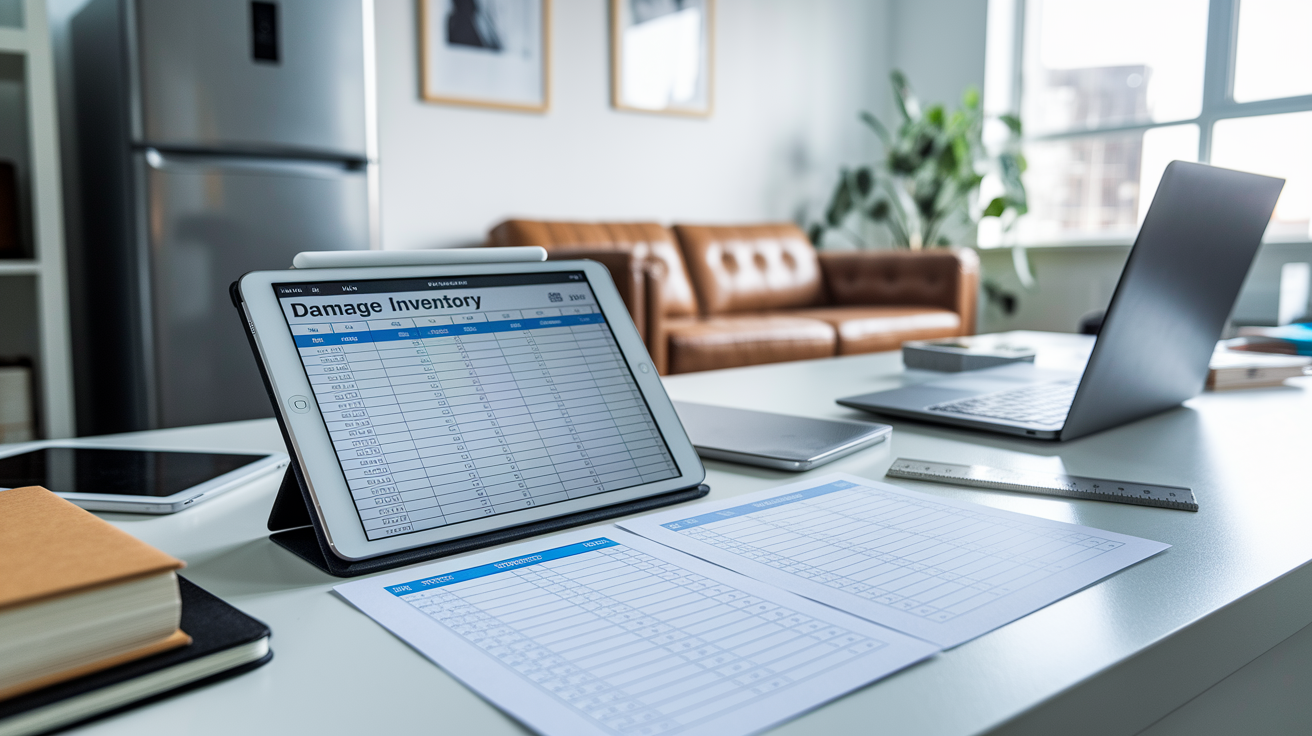
List every item that was destroyed, broken, or stained. Start with the big things like appliances, furniture, and electronics. Then add clothing, kitchenware, tools, and personal items. Even small losses add up, and insurers won’t reimburse what you don’t report.
For each item, write down the brand, model number, serial number if visible, approximate purchase date, and what you paid or what it would cost to replace today. If you kept receipts, include those. If not, check email confirmations, credit card statements, or warranty paperwork. When proof’s missing, write your best estimate and note that it’s an approximation.
Separate structural damage from personal property. Roof shingles, drywall, flooring, trim, and windows belong in the building category. Furniture, clothes, and electronics are contents. Use a spreadsheet or a notebook with one item per row so you can update values and add photos as you go.
| Item | Description | Estimated Value | Proof |
|---|---|---|---|
| Refrigerator | Samsung stainless steel, purchased 2021 | $1,800 | Receipt and photo of model tag |
| Living room sofa | Gray sectional, fabric, bought from local store 2019 | $1,200 | Credit card statement, no receipt |
| Laptop computer | Dell Inspiron 15, serial number ABC123XYZ | $650 | Email confirmation from Dell.com |
| Bedroom carpet | Beige plush, installed 2018, 12 × 15 feet | $900 | Contractor invoice for installation |
How to Describe Damage Clearly and Accurately
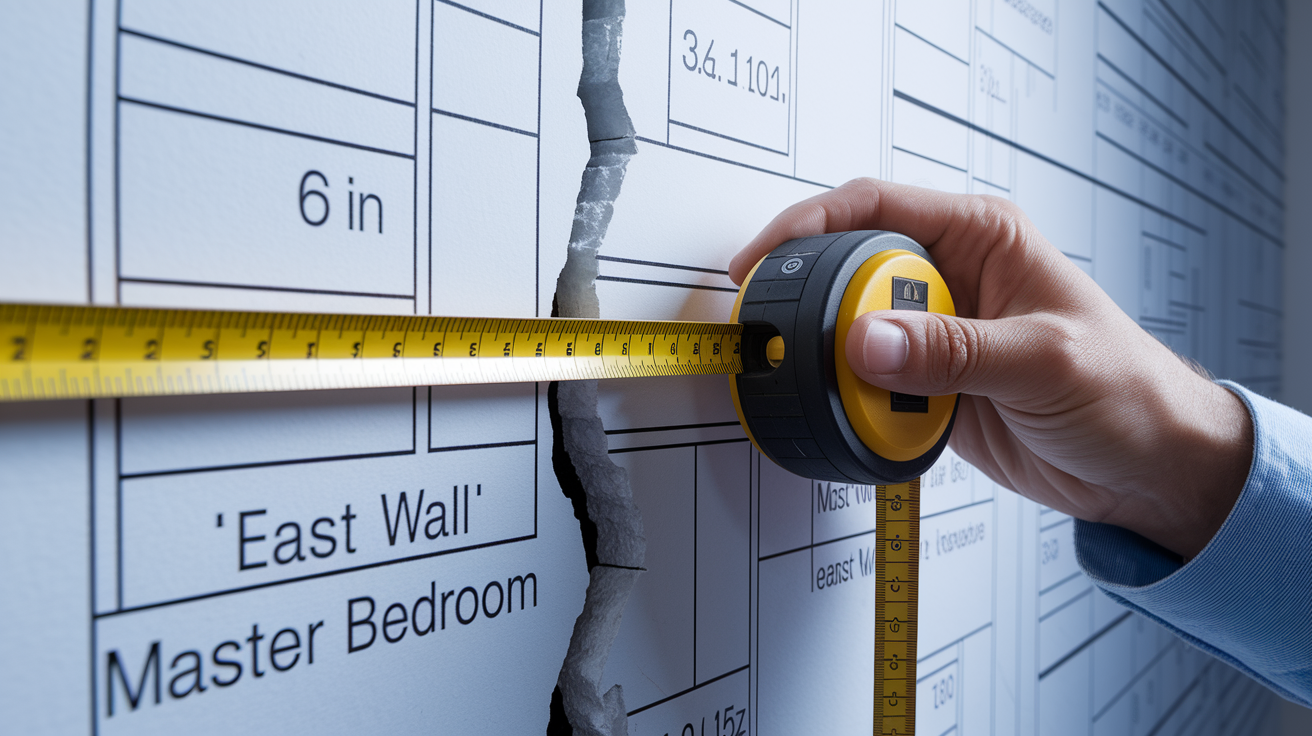
Use specific measurements and locations instead of general terms. Say “six-inch crack running vertically down the east wall of the master bedroom” instead of “wall is cracked.” Insurers can’t estimate repair costs from vague descriptions.
Note the material and condition before the loss when you can. For example, “water stained and warped the oak hardwood flooring in the hallway, which was in good condition before the pipe burst.” This helps prove the damage was sudden and recent, not wear and tear.
Avoid emotional language. Don’t write “the kitchen is destroyed” or “everything is ruined.” Instead, write “all lower cabinets are water damaged and doors won’t close” or “ceiling drywall collapsed in a four-foot section above the stove.” Objective descriptions carry more weight with adjusters and prevent disputes over what actually happened.
Collecting Receipts, Estimates, and Supporting Documents
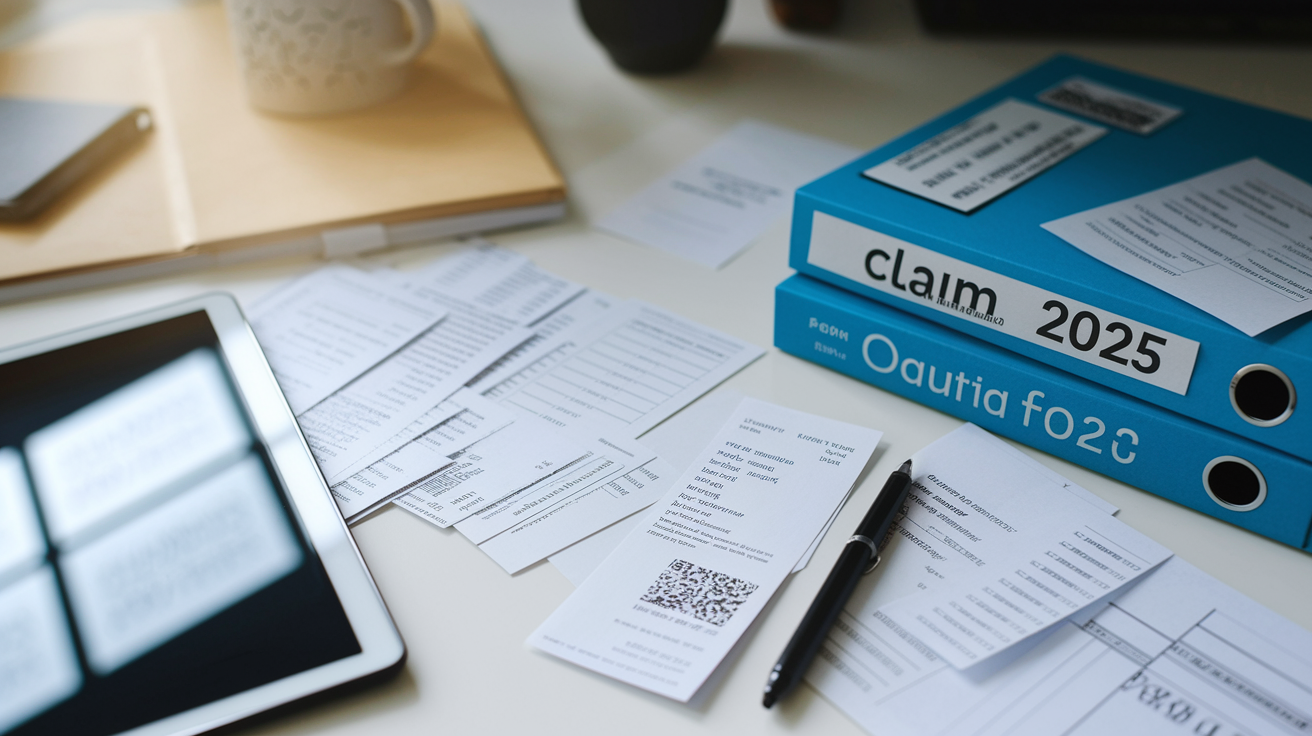
Gather proof of ownership and value for damaged items. Pull receipts, order confirmations, credit card statements, product manuals, and warranty cards. If you registered appliances or electronics online, log in and download your account history.
Get written repair estimates from licensed contractors. Most insurers require at least one estimate, and some request two or three for comparison. Keep copies of every bid and highlight line items that match your damage photos.
Store all paperwork in one dedicated folder, both digital and physical. Scan paper receipts and save PDFs with clear file names like “2025-03-living-room-floor-estimate.pdf” so you can find them quickly when the adjuster asks.
Receipts for emergency repairs, tarps, boarding materials, or pump rentals. Contractor estimates and invoices for permanent repairs. Appliance manuals and warranty documents showing model numbers and purchase dates. Tax returns or depreciation schedules if the damaged property’s part of a rental or business. Service records for HVAC, roofing, or plumbing if the damaged system was recently maintained.
Communicating with Your Insurance Company

Call your insurer as soon as it’s safe to do so. Most policies require “prompt” notice, which usually means within a few days. Provide the date and time of the loss, a brief description of what happened, and your contact information. Ask for a claim number and write it down.
Keep a log of every conversation. Note the date, time, the name of the person you spoke with, and a one-sentence summary of what was discussed. Save all emails and text messages in a dedicated folder. If your insurer makes a request over the phone, follow up with an email repeating the request and asking for written confirmation.
Submit your documentation package as soon as you have photos, videos, an inventory, and at least one contractor estimate. Don’t wait for perfection. You can supplement the file later if you discover hidden damage or find additional receipts.
Preparing for the Adjuster Visit
Have your photos, videos, inventory list, and receipts printed or ready on your phone or tablet before the adjuster arrives. Walk them through each damaged area slowly and point out details they might miss, like water stains on subfloors or cracks behind furniture.
Ask the adjuster to explain their process and timeline. Find out when you’ll receive their estimate, how to submit supplemental documentation, and who to contact if you disagree with their findings. Take notes during the visit and ask for a copy of their inspection report and photos.
Don’t agree to a settlement on the spot. Review the adjuster’s estimate carefully, compare it with your contractor bids, and consult a public adjuster or attorney if the numbers are far apart or if the insurer denies coverage for items you documented.
Timelines for Documenting, Filing, and Updating Your Claim

Document damage within 24 to 48 hours whenever safely possible. Early photos show conditions before rain, wind, or temperature changes cause secondary damage. Waiting too long makes it harder to prove what the original event caused.
File your claim within days of the loss. Check your policy for specific deadlines, but assume you have less time than you think. Coastal wind policies and flood insurance often impose strict reporting windows, sometimes as short as a few weeks.
You can update your claim as you discover new damage. Hidden moisture, mold growth, and structural issues often appear days or weeks later. Photograph the new findings, document when you first noticed them, and submit a supplemental claim in writing with photos and a contractor’s assessment. Keep a timeline of discovery dates to show the loss wasn’t immediate but developed over time.
- Day 1: Ensure safety, take initial photos and video, enable timestamps.
- Days 2 to 3: Create inventory, collect receipts, call insurer to open claim.
- Week 1: Obtain contractor estimates, organize documentation, submit claim package.
- Week 2 to 4: Schedule and complete adjuster visit, review their estimate, request written clarifications.
- Ongoing: Monitor for hidden damage, supplement claim as needed, keep communication log updated.
Common Documentation Mistakes to Avoid
Missing the first 48 hours is the most common reason claims get denied or reduced. Damage changes quickly. Water evaporates, debris shifts, and weather can worsen or mask the original loss. Photograph everything as soon as you safely enter the property.
Cleaning up before the adjuster inspects invites disputes. Insurers want to see the damage in place. If you must remove debris for safety, photograph its original location and explain in writing why you moved it and when.
Failing to document hidden damage costs homeowners thousands. Water behind walls, under floors, and in attics often goes unnoticed until mold or rot appears. Use a moisture meter or hire a restoration company to scan for moisture and photograph the readings.
Taking only wide shots without close-ups, or only close-ups without context. Deleting or editing photos, or failing to back them up before your phone breaks. Not enabling timestamps or losing metadata when transferring files. Throwing away damaged items before the adjuster sees them. Relying on verbal conversations instead of keeping written records of all requests and agreements. Submitting incomplete inventories or skipping receipts because you assume the insurer won’t pay.
Final Words
Act fast: make sure everyone is safe, stop ongoing leaks or hazards, and photograph conditions before cleanup.
Then use clear photos and walk‑through video, build a room-by-room inventory with values and proof, and write short, exact descriptions. Gather receipts and contractor estimates and log every contact with your insurer.
Stick to the claim timeline and avoid common mistakes like tidying too soon.
Doing these steps for how to document property damage for insurance gives your claim the best chance and helps get repairs moving.
FAQ
Q: How to write a damage report for insurance?
A: A damage report for insurance should state what happened, list rooms and items affected with measurements, note visible conditions, and attach time-stamped photos, receipts, and contractor estimates for clear proof.
Q: What not to say to the insurance adjuster?
A: You should avoid admitting fault, guessing causes, minimizing damage, or agreeing to repairs before the adjuster inspects; stick to clear facts, photos, and documentation instead.
Q: What is an example of property damage coverage?
A: Property damage coverage commonly pays for physical losses like water from a burst pipe that soaks floors and drywall, fire damage to structure and contents, or storm damage to a roof and siding.
Q: How long do I have to file an insurance claim for property damage?
A: The time to file a claim varies by policy and state, often 30 to 120 days; report damage as soon as possible and check your policy or call your insurer for the exact deadline.