
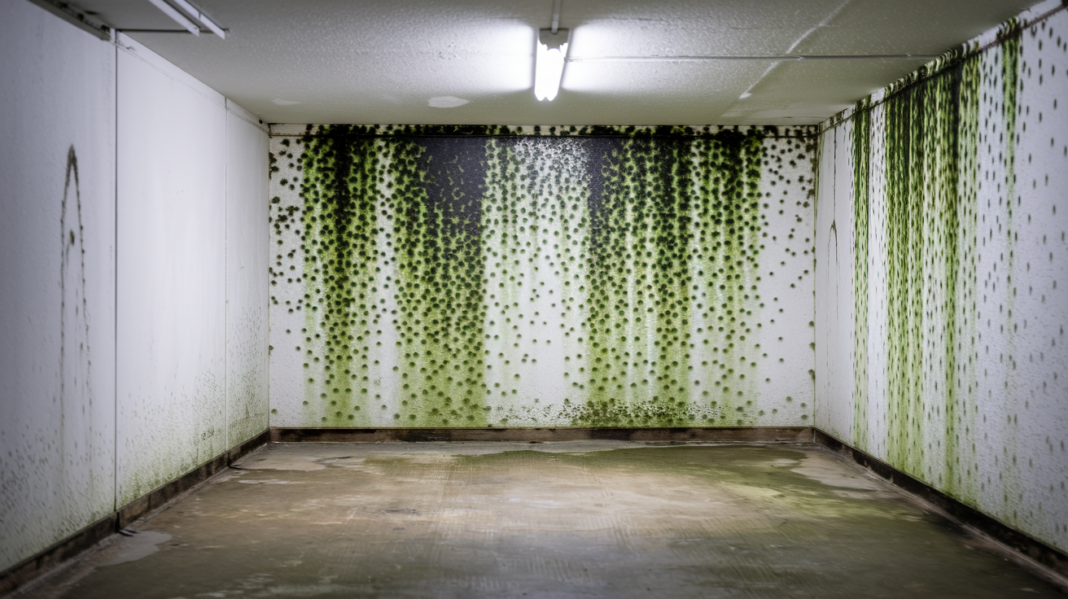

What if that dark, musty patch in your bathroom is black mold, and it’s been quietly growing for months?
You need to know fast because mold spreads where moisture lingers and can make people sick.
This post shows simple, safe ways to test for black mold at home, what clues to trust, how to use an at-home kit or basic tools, and when to call a trained inspector.
No guesswork. Just clear steps to find, document, and stop the problem before it gets worse.
Key Indicators of Black Mold in Your Home

Black mold usually shows up as dark green to black patches with a slimy, wet texture. It grows in concentric rings or irregular blotches, especially on surfaces with cellulose content like drywall, wood trim, paper backing on insulation, and fabric. If you run your finger over it, it often feels slippery or damp. Not dry or powdery. The color can range from deep black to greenish black, and the growth may spread quickly when moisture levels stay high.
The smell is usually the first warning. Black mold produces a persistent musty or earthy odor, sometimes described as similar to wet soil or rotting wood. If you walk into a room and notice that smell, especially in areas that stay damp (bathrooms, basements, crawlspaces, or around leaky windows), there’s a good chance mold is growing somewhere nearby. Even if you can’t see it yet.
Common locations for black mold include bathroom grout and caulk, under sinks where pipes sweat or leak, behind washing machines, in basements with poor drainage, attic spaces with roof leaks, around window frames where condensation builds, and inside HVAC ducts. It thrives anywhere moisture lingers for more than a day or two.
Most definitive signs to watch for:
- Dark discoloration on walls, ceilings, or floors (green black or deep black spots)
- Slimy or fuzzy texture rather than flat staining
- Strong musty or earthy smell that doesn’t go away after cleaning
- Visible moisture, water stains, or condensation in the same area
- Patches that spread over days or weeks
- Staining on fabric, carpet, or wallpaper that feels damp to the touch
Visual Characteristics to Differentiate Black Mold

Black mold has a darker, wetter look compared to common mildew, which usually appears white, gray, or light yellow and has a dry, powdery surface. Mildew sits on top of materials and wipes off fairly easily. Black mold penetrates porous surfaces, so scrubbing it away without removing the underlying material often just spreads the spores or leaves growth embedded in the substrate.
Look at the growth pattern. Black mold often forms irregular patches or circular colonies with defined edges. It may appear in layers, with older growth looking darker or thicker. If the surface feels soft, warped, or spongy underneath the mold, that’s a sign moisture has soaked into the material for a while. Mildew doesn’t usually cause structural changes. It stays surface level and cosmetic. Black mold signals deeper moisture problems.
Using Smell, Moisture, and Environmental Clues

A damp or musty smell is often the first clue that mold is growing somewhere you can’t see. That odor comes from microbial volatile organic compounds released as the mold feeds on organic material. If a closet, basement corner, or bathroom always smells musty even after you clean, check behind baseboards, inside walls near plumbing, or under flooring.
Moisture presence is the key environmental clue. Mold needs water to grow, so any sign of leaks, condensation, or high humidity points to potential growth. Feel walls and floors for dampness. Check for water stains, peeling paint, bubbling wallpaper, or warped trim. If a surface stays cold or feels clammy, moisture may be trapped inside.
You can detect humidity problems without tools by watching for condensation on windows, wet spots on carpet after rain, or a general sticky feeling in the air. If towels or clothing stored in a room take a long time to dry, relative humidity is likely too high. Keeping indoor humidity below 50 percent reduces mold risk significantly.
At Home Mold Testing Kits

DIY mold test kits let you collect samples and confirm whether what you’re seeing is black mold or another species. Most kits use tape lifts, surface swabs, or petri dishes to capture growth, then send the sample to a certified lab for species identification. Results typically come back within three to seven business days.
Step by step process for using a home test kit:
-
Collect the sample. Press a clear tape strip onto the suspected mold, peel it off, and place it sticky side down on the slide provided. For swab kits, gently rub the swab across the moldy area, then seal it in the sterile tube. For air sampling kits, expose the petri dish to room air for the time specified in the instructions, usually one to two hours.
-
Seal and label. Close the sample container or slide case immediately to avoid contamination. Write the location, date, and any notes about moisture or odor on the label.
-
Send to the lab. Pack the sample according to kit instructions and mail it to the lab address provided. Some kits include prepaid return envelopes.
-
Wait for results. Labs analyze the sample under a microscope and identify species present. Reports usually list genus and species names, spore counts, and whether the growth is considered significant.
-
Interpret the findings. If the lab confirms Stachybotrys chartarum or another potentially harmful species, follow up with remediation. If results show common environmental molds at low levels, focus on fixing the moisture source and monitoring.
Home kits are useful for screening, but they have limits. They only test the specific spot you sampled, so hidden growth elsewhere may go undetected. Lab analysis adds cost, often thirty to one hundred dollars per sample on top of the kit price, but it gives you species level identification that a visual inspection can’t provide.
When to Call a Professional Mold Inspector

DIY methods work for small, visible patches, but professionals have equipment and training to find hidden contamination. Certified inspectors use air sampling devices to measure spore counts throughout your home, moisture meters to detect wet materials inside walls, and infrared cameras to locate cold spots where water may be pooling. They can cut small inspection holes in drywall to confirm growth behind surfaces without tearing apart entire rooms.
Call a professional if visible mold covers more than ten square feet, if you smell mold but can’t find the source, if occupants have unexplained respiratory symptoms that improve when they leave the building, or after flooding or major leaks where water soaked into walls, floors, or insulation. Professionals also help when mold appears in HVAC systems or ductwork, since disturbing it without containment spreads spores throughout the house. If you’re buying or selling a home and suspect mold, an independent inspection with lab backed results protects both parties and informs repair negotiations.
Health Risks Linked to Black Mold Exposure

Exposure to black mold can cause coughing, sneezing, wheezing, nasal congestion, itchy or watery eyes, and skin rashes. People with asthma often experience worsened symptoms like tightness in the chest, difficulty breathing, more frequent attacks. These reactions happen because mold releases spores and microbial compounds into the air, triggering allergic and inflammatory responses in the respiratory system.
Long term exposure can lead to chronic sinus infections, persistent fatigue, headaches, difficulty concentrating, and mood changes. In rare cases, prolonged contact with high spore levels has been linked to more serious lung infections, particularly in people with weakened immune systems. While most healthy adults experience mild to moderate symptoms, the effects are real and disruptive, especially when mold growth is extensive or when occupants spend many hours in contaminated spaces.
Children, elderly individuals, people with asthma or chronic lung disease, and anyone with a compromised immune system face the highest risk. Infants and young children are more vulnerable because their respiratory systems are still developing. If anyone in your household has ongoing respiratory issues, allergies that won’t resolve, or unexplained illness that improves away from home, investigate for mold and consider medical evaluation.
What to Do After Confirming Black Mold

Once you confirm black mold, your first priority is stopping the moisture source. Fix leaks, improve drainage, repair roof damage, seal foundation cracks, or install dehumidifiers to bring indoor humidity below fifty percent. Mold won’t stop spreading until the water problem is resolved.
Next, decide whether you can handle cleanup yourself or need professional remediation. Small areas (less than ten square feet) can usually be cleaned by homeowners if the growth is on non porous surfaces and you follow safety procedures. Larger infestations, growth inside walls, contamination of porous materials like drywall or insulation, or mold in HVAC systems require professional containment and removal to prevent spore spread.
Immediate steps after detection:
- Wear personal protective equipment: nitrile gloves, goggles without vent holes, and a NIOSH approved N95 respirator minimum (a half face respirator with P100 filters is better for heavy contamination)
- Isolate the affected area by closing doors, sealing vents with plastic sheeting, and turning off HVAC to that zone
- Stop the moisture source before starting any cleaning or removal work
- Clean small non porous surfaces with detergent and water or EPA registered mold cleaners; remove and replace porous materials that are moldy (drywall, insulation, carpet)
- Decide if you need professional remediation based on area size, material type, and occupant health risks
Final Words
in the action, we covered spotting dark, slimy patches, that musty smell, and the usual hiding spots, plus how black mold looks different from mildew.
We walked through using smell and moisture clues, step-by-step DIY test kits, when to call a pro with moisture meters and cameras, the health signs to watch for, and the first steps to protect your home.
If you’re wondering how to test for black mold, start with a simple kit or call an inspector. Quick action keeps the problem from getting worse, and you’ll get this fixed.
FAQ
Q: Can you test for black mold yourself?
A: You can test for black mold yourself with DIY kits (tape lifts, swabs, petri dishes), but kits have limits and often need lab analysis. Call a professional if infestation, hidden growth, or health concerns appear.
Q: What are signs of mold sickness? / What are the 10 warning signs of mold toxicity?
A: The signs of mold sickness or toxicity include coughing, wheezing, nasal congestion, frequent headaches, chronic fatigue, brain fog, eye or skin irritation, persistent sinus infections, worsening asthma, and unexplained digestive upset.
Q: How can you tell if black mold is in your house?
A: You can tell if black mold is in your house by dark green or black slimy spots, a musty odor, recurring stains, damp areas, spreading patches, or warped materials. Confirm with moisture readings or a professional inspection.