


Smoke doesn’t just disappear when the fire’s out. It soaks into walls, settles into fabrics, and keeps releasing acidic compounds that corrode metal and eat through finishes every single hour you wait. The smell isn’t the worst part. The worst part is watching smoke residue destroy surfaces you could have saved if you’d moved faster. Interior restoration after smoke damage follows a specific sequence: stop the contamination from spreading, get the air clean, remove residues the right way, seal what’s affected, and rebuild anything that’s too far gone. Skip a step or do them out of order, and you’ll chase problems that don’t go away.
The Complete Smoke Damage Restoration Workflow
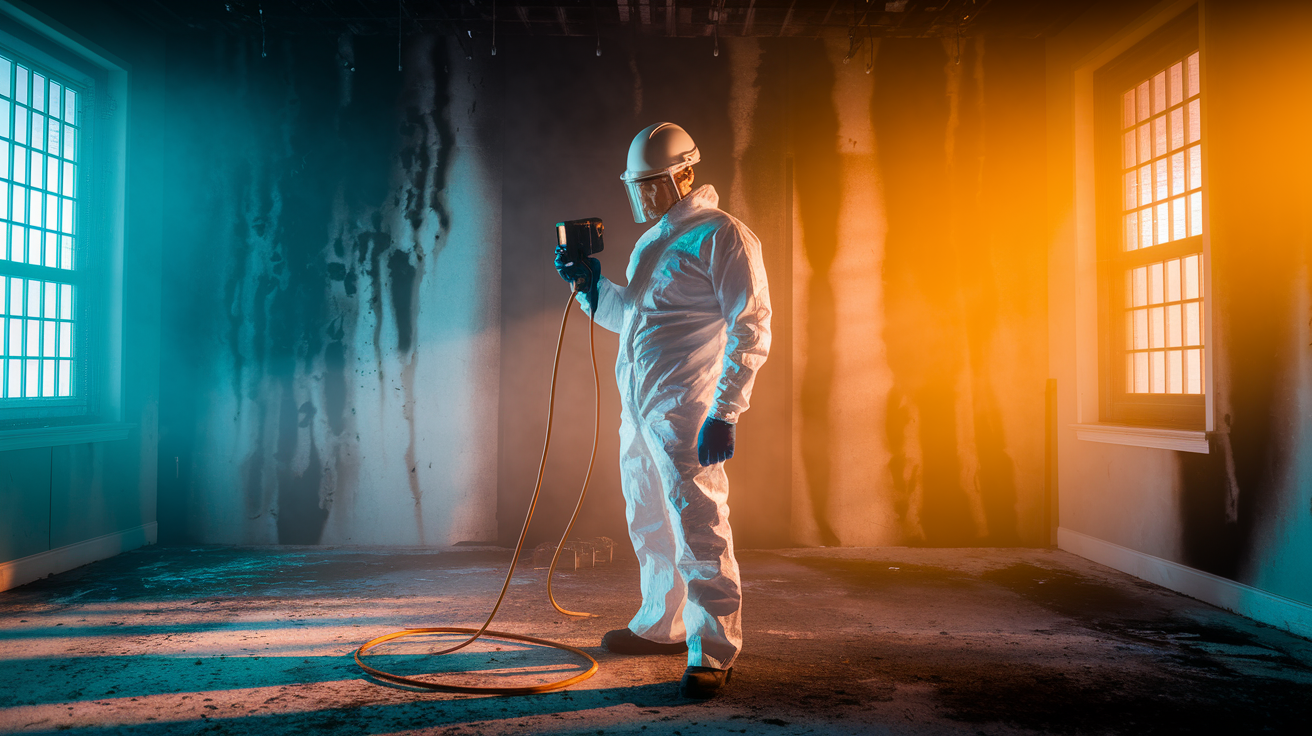
Smoke damage gets worse every hour you wait. Acidic residues start eating away at metal, smoke particles work their way deeper into anything porous, and the smell becomes nearly impossible to get rid of. Moving fast stops all of that and saves what can still be saved.
Professional restoration starts with damage inspection and figuring out if the structure is safe. Certified techs go room by room, taking photos of affected surfaces and using thermal imaging to find smoke that’s hidden where you can’t see it. They check whether it’s even safe to work inside before anything else happens. This assessment figures out how bad things are, what needs to happen next, and how long it’s all going to take. The inspection also creates documentation with photos and detailed notes for your insurance company, building the foundation for accurate estimates.
The core restoration sequence follows specific steps: ventilation and air purification with HEPA filters, containment barriers so contamination doesn’t spread, systematic soot removal from everything that’s affected, deep cleaning with specialized products, odor elimination using thermal fogging or hydroxyl generators, material restoration including drywall replacement and repainting when you need it, and a final walkthrough to make sure everything’s done right. Each phase builds on the one before it. You can’t clean surfaces effectively until the air quality is under control. You can’t eliminate odors until residues are gone. The order matters.
Assessment takes one to two days for most homes. Cleaning and getting rid of odors requires three to seven days depending on how severe the damage is and how much square footage you’re dealing with. Material restoration takes one to three weeks, sometimes longer when reconstruction involves multiple trades or custom finish work. Total timeline depends on how deep the smoke went and whether you need structural repairs. Smoke damage restoration runs between $200 and $1,200 per room, with variables like residue type, what materials got hit, and whether your stuff needs to be packed out and cleaned somewhere else. Heavy soot removal adds $2,000 to $6,000 to the total cost.
Final inspection confirms that all surfaces are clean, indoor air quality is safe, odors are gone, and repairs match what your home looked like before. Pros conduct follow-up inspection to catch anything that might pop up later and make sure the restoration meets both industry standards and what you expected.
Safety Protocols and Health Hazards During Smoke Restoration
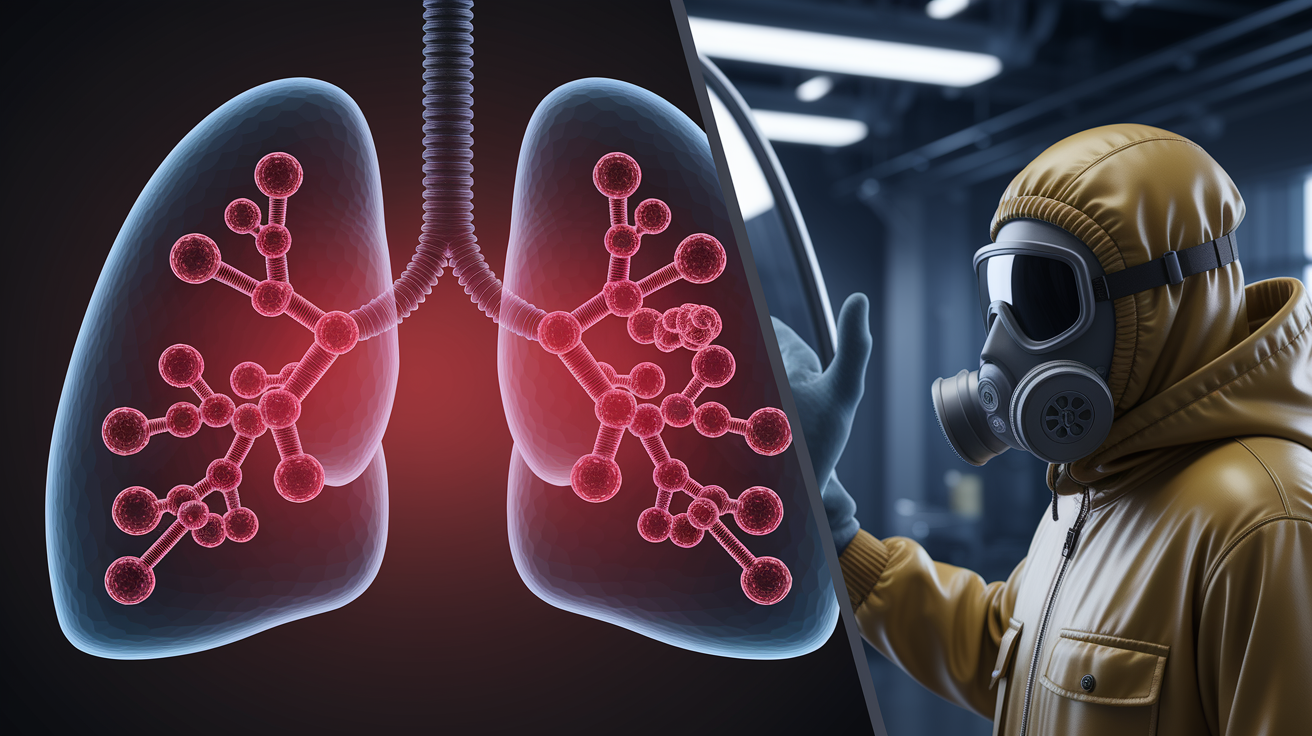
Smoke residue isn’t just dirty. It’s toxic. Living in a home with untreated smoke damage exposes everyone in the house to respiratory irritation, skin contact risks, and chemical compounds that cause serious health problems over time.
Soot contains acidic compounds that eat through surfaces, carbon monoxide left over from incomplete combustion, volatile organic compounds released when synthetic materials burn, and protein residue that creates stubborn odor and health hazards. These toxic compounds soak into porous materials like drywall, insulation, and upholstery, creating buildup that keeps releasing harmful particles into your indoor air. Respiratory irritation starts right away. Long-term exposure leads to worse problems, especially for kids, elderly family members, and anyone with existing respiratory conditions. This is why DIY restoration is dangerous. Without proper training and protective gear, homeowners expose themselves to these hazards while often spreading contamination instead of removing it.
Certified technicians wear full protective equipment during restoration: respirators with filters rated for smoke particles and chemical vapors, heavy duty gloves designed for chemical contact, eye protection against residue and cleaning agents, and full body coverage to prevent skin exposure. They follow safety protocols that include air monitoring, controlled ventilation, and decontamination procedures when leaving work areas. This isn’t optional equipment. It’s the minimum required to work safely around smoke residue. Trained experts understand which cleaning methods work for specific types of residue and how to handle toxic compounds without creating additional exposure risks.
Assessing Smoke Damage Severity and Restoration Scope
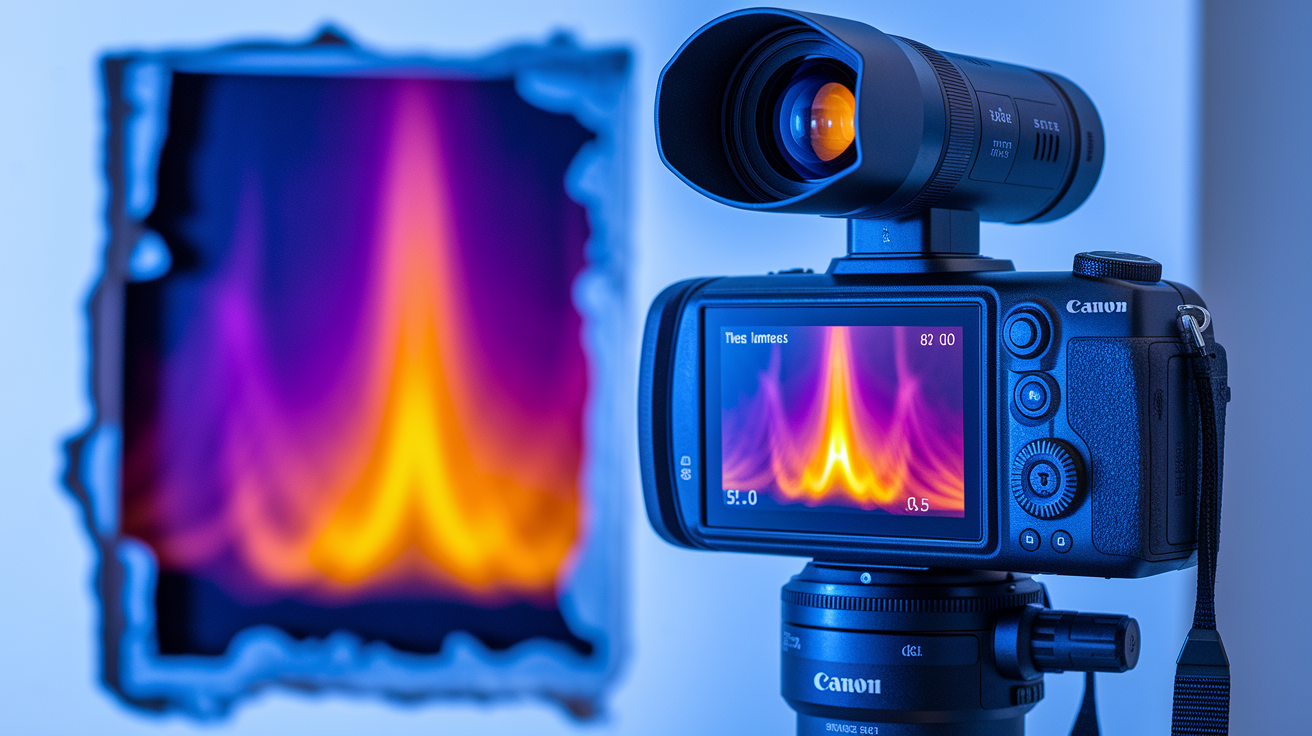
Professionals use thermal imaging cameras during room-by-room evaluation to find hidden smoke inside wall cavities, above ceilings, and throughout HVAC components. Smoke travels through the smallest gaps, which means areas not directly affected by fire often show significant contamination. Thermal imaging reveals temperature differences that show where smoke particles collected, even when surfaces look clean to the naked eye. This technology identifies the true scope of damage rather than just the obvious discoloration.
Porous materials absorb smoke differently than non-porous surfaces, and that determines how you approach restoration and what it costs. Drywall, insulation, ceiling tiles, upholstered furniture, and carpeting act like sponges, pulling smoke particles and acidic residues deep into their structure. These materials often need replacement when damage goes beyond what surface cleaning can handle. Non-porous surfaces (glass, metal, sealed countertops, tile) are easier to clean because smoke sits on top instead of soaking in. Hardwood floors fall somewhere in between, depending on finish condition and how long smoke sat on them. Structural assessment looks at each material type separately to figure out whether cleaning, sealing, or replacement gives you the best outcome.
| Damage Severity | Affected Materials | Typical Restoration Approach |
|---|---|---|
| Light smoke exposure | Surface soot on walls, ceilings, hard surfaces; minimal penetration | HEPA vacuuming, dry sponging, chemical cleaning, odor treatment; no replacement |
| Moderate smoke damage | Penetration into drywall surface layer, upholstery staining, HVAC contamination | Deep cleaning, sealing with specialized primers, contents pack-out, duct cleaning; selective replacement |
| Heavy smoke and heat damage | Charred surfaces, saturated insulation, destroyed finishes, structural compromise | Complete material removal, structural repairs, full reconstruction; extensive replacement required |
Comprehensive evaluation extends to areas homeowners usually miss: inside closets, behind appliances, under sinks where gaps let smoke migrate, attic spaces above affected rooms, and crawl spaces below. Smoke follows air currents and pressure differences throughout your home. A fire in one room often creates contamination three rooms away. Professional assessment identifies all affected areas so restoration addresses the complete problem instead of just visible damage.
Ventilation, Air Purification, and Contamination Control
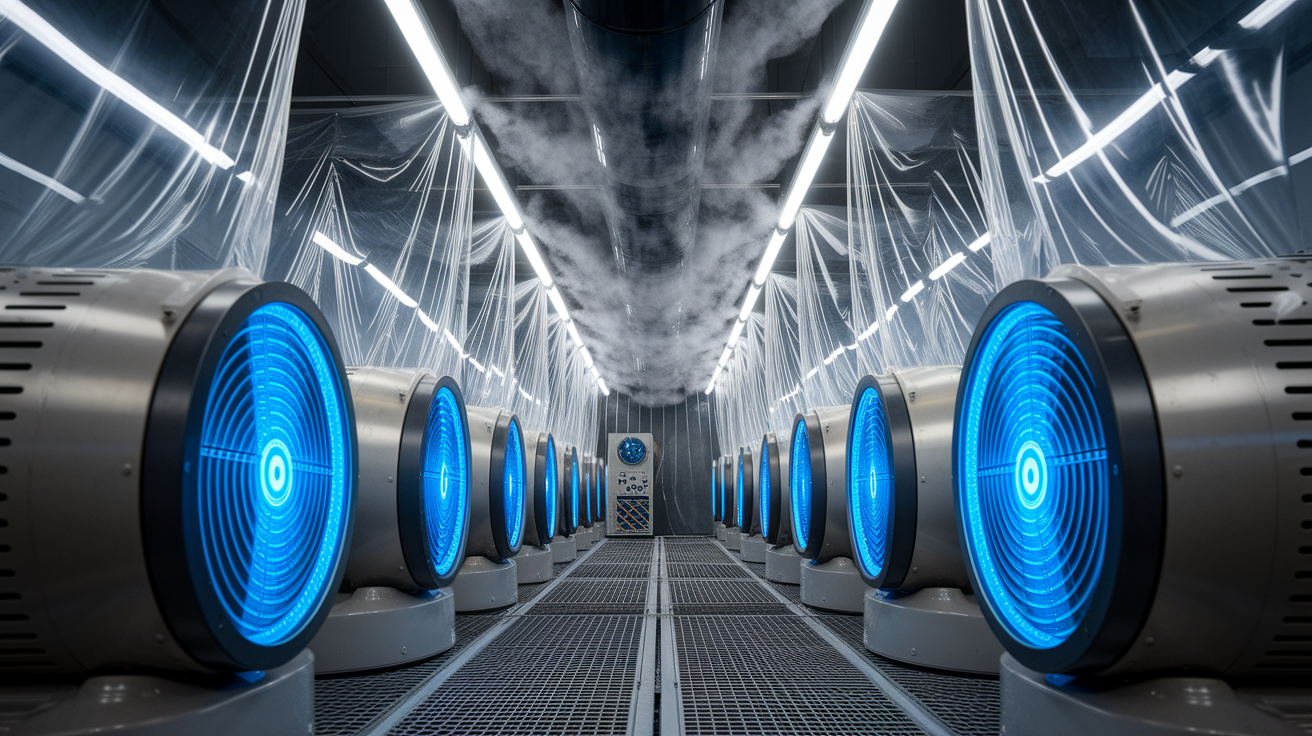
Smoke particles stay suspended in the air long after flames go out, settling slowly onto every surface while continuing to circulate through rooms. Cleaning surfaces while contaminated air keeps depositing new particles creates an endless loop. That’s why air quality has to be addressed first.
Air scrubbers with HEPA filters capture fine smoke particles down to 0.3 microns, removing airborne contamination before cleaning starts. These industrial units pull huge volumes of air through multiple filtration stages, trapping both visible soot and microscopic particles you can’t see. HEPA filters meet specific efficiency standards, removing 99.97% of particles at the most penetrating particle size. Professionals position multiple air scrubbers throughout affected areas, calculating placement based on room volume and how bad the damage is. The equipment runs continuously during early restoration phases, sometimes for several days, until air quality testing confirms that smoke particles are gone from the breathing zone. This step protects restoration workers and prevents recontamination of surfaces as they’re being cleaned.
Containment barriers and negative air pressure systems prevent smoke particles from spreading into unaffected areas during restoration work. Technicians seal doorways with plastic sheeting, creating isolated work zones. Negative air pressure machines exhaust air from the contained space to the outside, making sure airflow moves from clean areas toward contaminated zones rather than the other way around. This controlled environment is critical when restoration happens while homeowners are living in other parts of the building. Without containment barriers, restoration activities stir up settled particles that spread throughout the property, expanding damage scope and increasing costs. Professional contamination control means cleaning happens in a sealed work zone where every particle can be captured by filtration systems instead of deposited somewhere new.
Ongoing air quality monitoring throughout the restoration process verifies that indoor air meets safety standards before moving to the next phase. Technicians use air quality meters that measure particulate levels, letting them confirm that ventilation and filtration have reduced contamination to acceptable thresholds. This testing happens multiple times: after initial air scrubbing, during cleaning phases, and before final clearance. The goal is measurable improvement, not guesswork.
Soot and Residue Removal Techniques by Surface Type
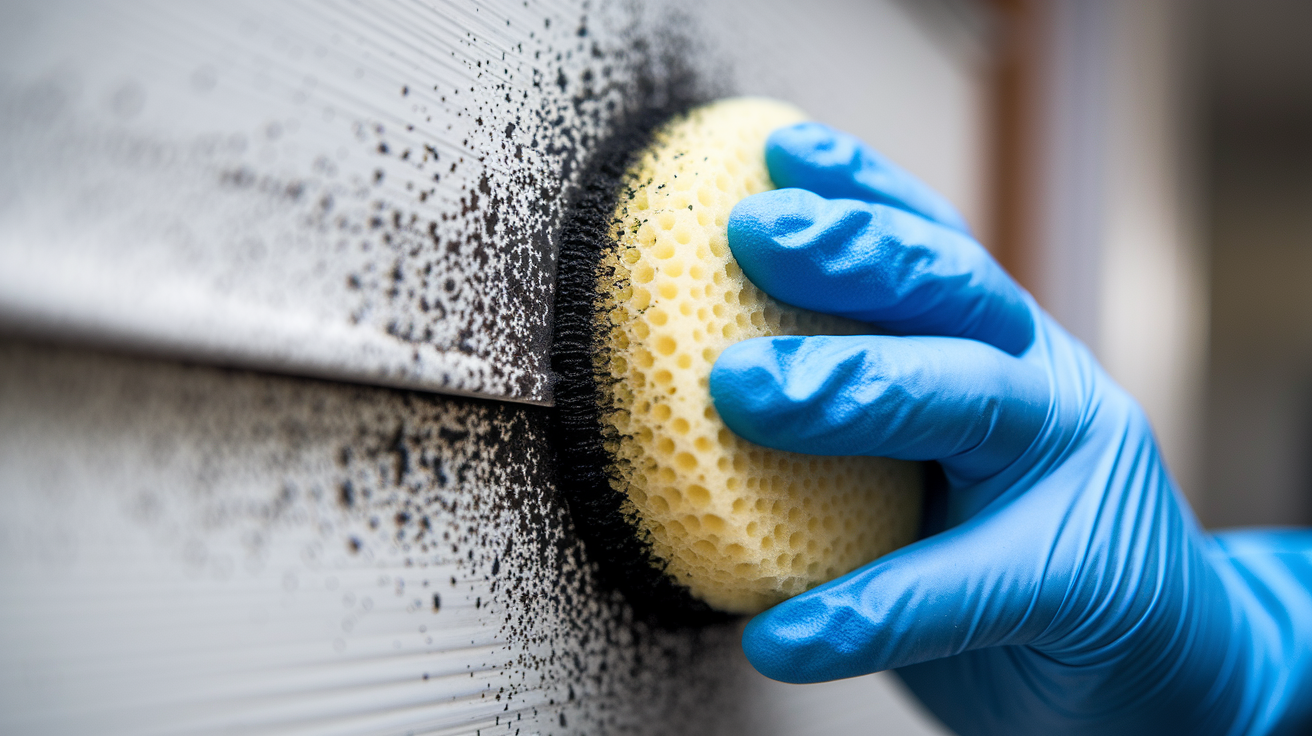
Water spreads soot and creates permanent staining if you skip dry removal first. Smoke residue contains oily components that, when mixed with water, drive deeper into porous surfaces and smear across painted walls, leaving discoloration that no amount of scrubbing removes. Professional soot removal always starts dry. HEPA vacuum systems pull loose particles from surfaces without grinding them in, and dry cleaning sponges (specialized rubber sponges that lift residue through friction) remove surface deposits before any wet cleaning begins. This sequence prevents the most common DIY mistake that turns fixable smoke damage into a staining disaster requiring complete repainting or replacement.
Different residue types need matched cleaning methods. Protein residue from burned natural materials (wood, cotton, food) creates a sticky, nearly invisible film that discolors surfaces and generates intense odor. It responds to alkaline cleaning solutions. Synthetic smoke residue from plastics, electronics, and modern furnishings leaves oily, black deposits that require degreasing agents and sometimes solvent products. Heavy soot buildup with visible charring needs mechanical removal before chemical cleaning can reach the underlying surface. Certified technicians identify residue type during assessment because using the wrong cleaning approach either fails to remove contamination or damages the surface you’re trying to save.
Surface specific soot removal techniques:
Drywall and painted walls: HEPA vacuum loose soot, dry sponge remaining residue, chemical clean with TSP solution or commercial alkaline cleaner, rinse if appropriate for paint type, seal with odor blocking primer before repainting.
Wood paneling and trim: Vacuum dust and loose particles, dry sponge to lift surface deposits, clean with wood appropriate degreasing agents, refinish or reseal after cleaning to restore appearance and seal in any residual odor.
Hardwood floors: Vacuum with soft brush attachment, dry sponge or microfiber mop for residue, damp clean with pH neutral wood cleaner, inspect finish condition and refinish if smoke penetrated through worn areas.
Tile, countertops, and non-porous surfaces: HEPA vacuum, degreasing agents for oily residue, alkaline cleaners for general soot, acidic cleaners only if needed for specific mineral deposits, thorough rinsing to remove cleaning residue.
Metal surfaces: Vacuum loose particles, solvent cleaners for persistent residue, immediate drying to prevent water spotting or corrosion, polish or protective coating application to restore appearance.
Upholstered furniture and textiles: HEPA vacuum all surfaces including seams and crevices, dry cleaning sponges on accessible surfaces, professional contents cleaning or pack-out services for items requiring specialized treatment.
Baseboards, door frames, and millwork: Vacuum accumulated soot (these horizontal and detailed surfaces collect heavy deposits), dry sponge, chemical cleaning with appropriate product for finish type, touch-up or refinishing to match pre-loss condition.
Cabinet surfaces: Vacuum including top surfaces and edges where soot settles, degrease with appropriate cleaner, clean and degrease hardware separately, refinish or repaint if cleaning leaves persistent discoloration.
Chemical Cleaners and Specialized Restoration Products
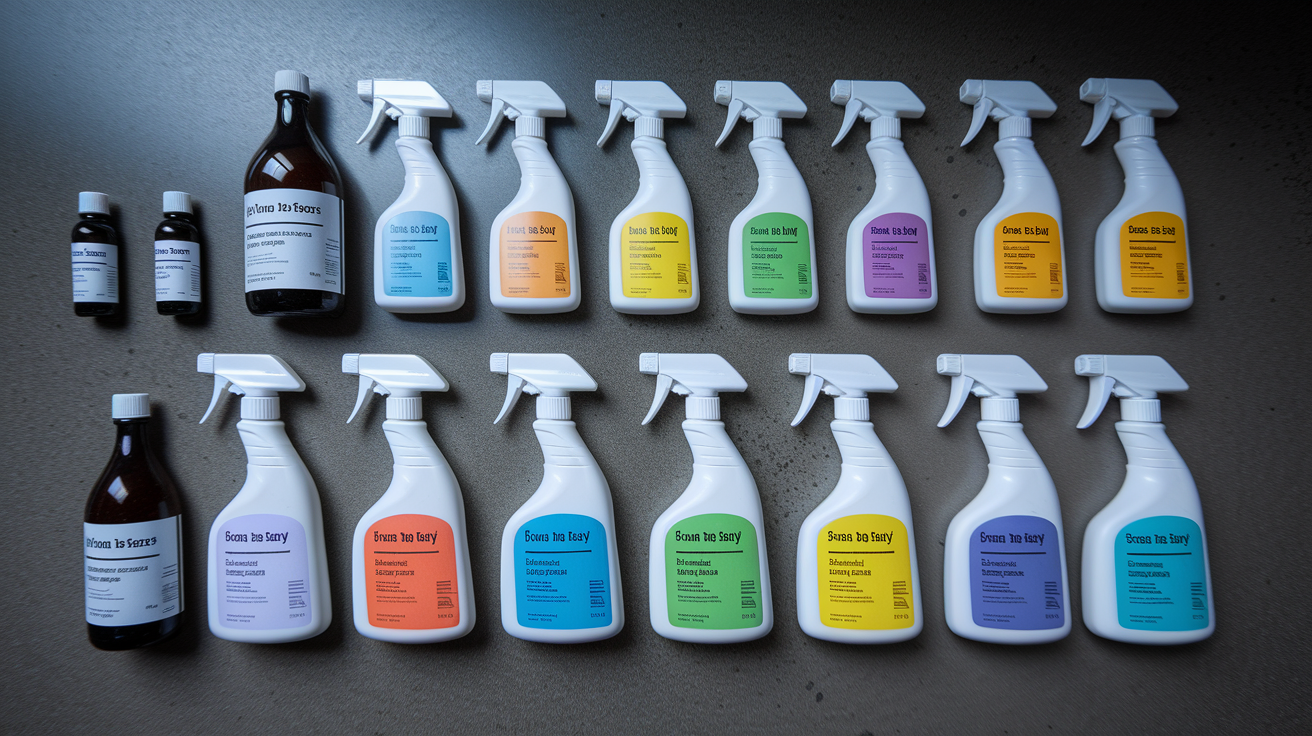
TSP solution (trisodium phosphate mixed with water) serves as the standard alkaline cleaner for wall cleaning and general residue buildup on painted surfaces. It cuts through smoke film effectively, doesn’t require excessive scrubbing that damages paint, and rinses clean without leaving its own residue. Professional grade alkaline cleaners offer similar chemistry with additives that improve performance on specific residue types: surfactants that help solution penetrate oily deposits, chelating agents that prevent minerals in rinse water from leaving new stains, and deodorizing compounds that begin odor neutralization during cleaning. Alkaline cleaners work best on protein residue and general soot but struggle with heavy grease or certain synthetic residues that need different chemistry.
Acidic cleaners handle specific challenges that alkaline products can’t address: mineral deposits from firefighting water, certain discoloration patterns on tile and grout, and residual staining after initial cleaning removes most contamination. Degreasing agents target oily smoke residue common with synthetic material fires, using solvent action or specialized surfactants to break down and emulsify residues that water cleaners leave behind. The choice between product types depends on residue type and surface material. Using acidic cleaners on alkaline sensitive surfaces or applying strong degreasers to delicate finishes causes damage, which is why product selection requires knowledge of both smoke chemistry and material compatibility.
Solvent products work on metal surfaces, glass, sealed tile, and other non-porous materials where water cleaners prove ineffective against stubborn residue. These products evaporate quickly, reducing moisture exposure risks, and cut through the most persistent oily deposits. Certified technicians maintain a range of specialized restoration products because no single cleaner handles every situation. They test products in inconspicuous areas before full application, making sure they’re compatible with surface materials and confirming that the selected cleaner delivers results without creating new damage.
Odor Elimination Methods: Thermal Fogging and Advanced Deodorization
Cleaning removes visible residue, but smoke particles penetrate deep into porous materials where brushes and cleaning solutions don’t reach. Lingering smell comes from these embedded particles continuing to off-gas odor compounds. Surface cleaning alone never eliminates odor completely.
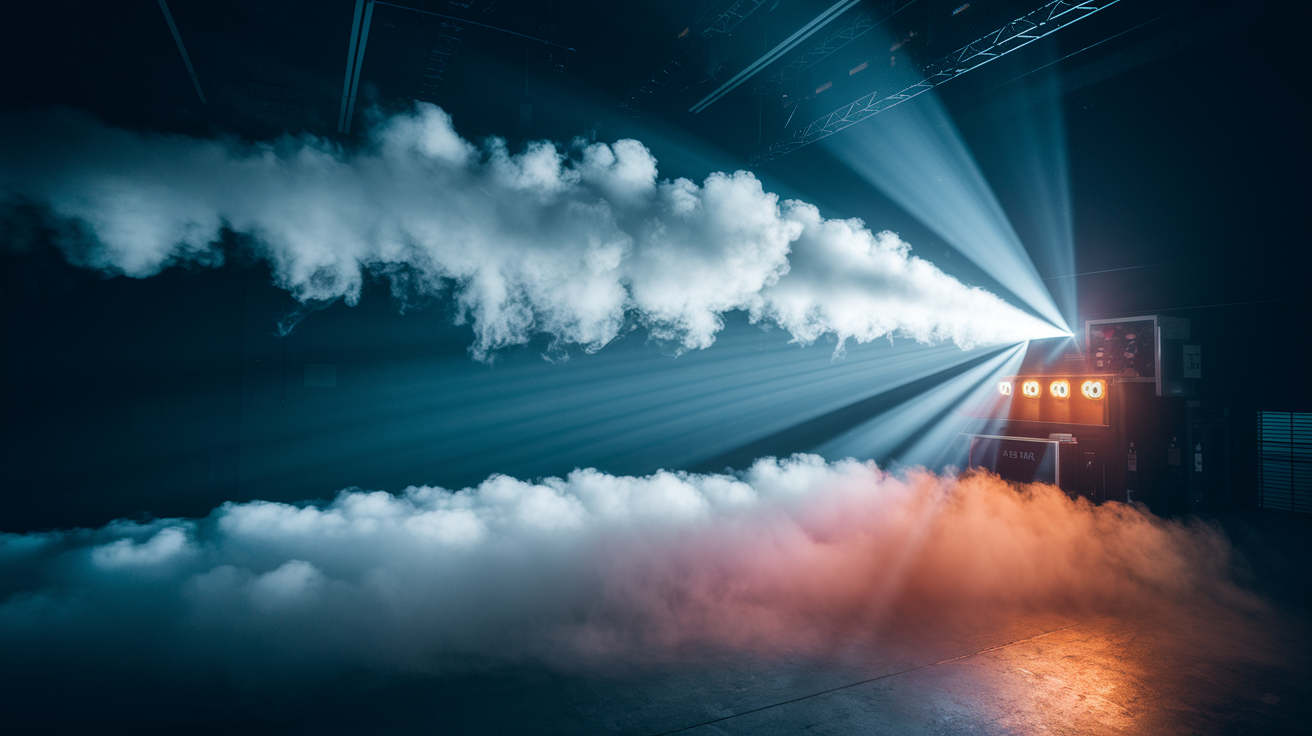
Thermal fogging technology generates heated deodorizing fog (microscopic droplets of deodorizing solution suspended in a heated vapor) that penetrates materials at the molecular level, reaching the same depths that smoke particles reached during the fire. The fog travels through wall cavities, into upholstery padding, throughout carpet backing, and into every crevice where smoke settled. The deodorizing compounds neutralize odor at its source rather than masking smell with fragrance. Technicians operate thermal fogging equipment throughout affected areas, sometimes requiring multiple applications depending on damage severity. The property has to remain unoccupied during treatment and for several hours afterward while fog settles and deodorizing action completes. Thermal fogging addresses odor that cleaning can’t reach, handling the embedded contamination that causes lingering smell weeks or months after restoration appears complete.
Ozone treatment works differently. Ozone molecules (O₃) are highly reactive oxidizers that break down odor molecules by chemically altering their structure. Ozone generators flood unoccupied spaces with ozone gas that penetrates materials and oxidizes odor compounds. The treatment effectively eliminates organic odors but requires complete evacuation because ozone at treatment concentrations is hazardous to people, pets, and plants. Hydroxyl generators offer safer alternatives for occupied spaces or situations where complete evacuation isn’t practical. Hydroxyl radicals (OH) attack odor molecules through similar oxidation but at lower concentrations that don’t require evacuation. Hydroxyl treatment takes longer than ozone but allows phased restoration where some areas remain in use. Both technologies break down odor molecules rather than covering them, providing true elimination instead of temporary masking.
Carbon filtration systems provide ongoing air purification after initial odor elimination treatments, capturing any residual odor compounds released as materials continue off-gassing during the weeks following restoration. Portable air scrubbers with activated carbon filters supplement HEPA filtration, targeting odor molecules specifically. This ongoing treatment makes sure that lingering smell doesn’t return as materials adjust to post-restoration conditions.
Contents Cleaning, Furniture Salvage, and Pack-Out Services
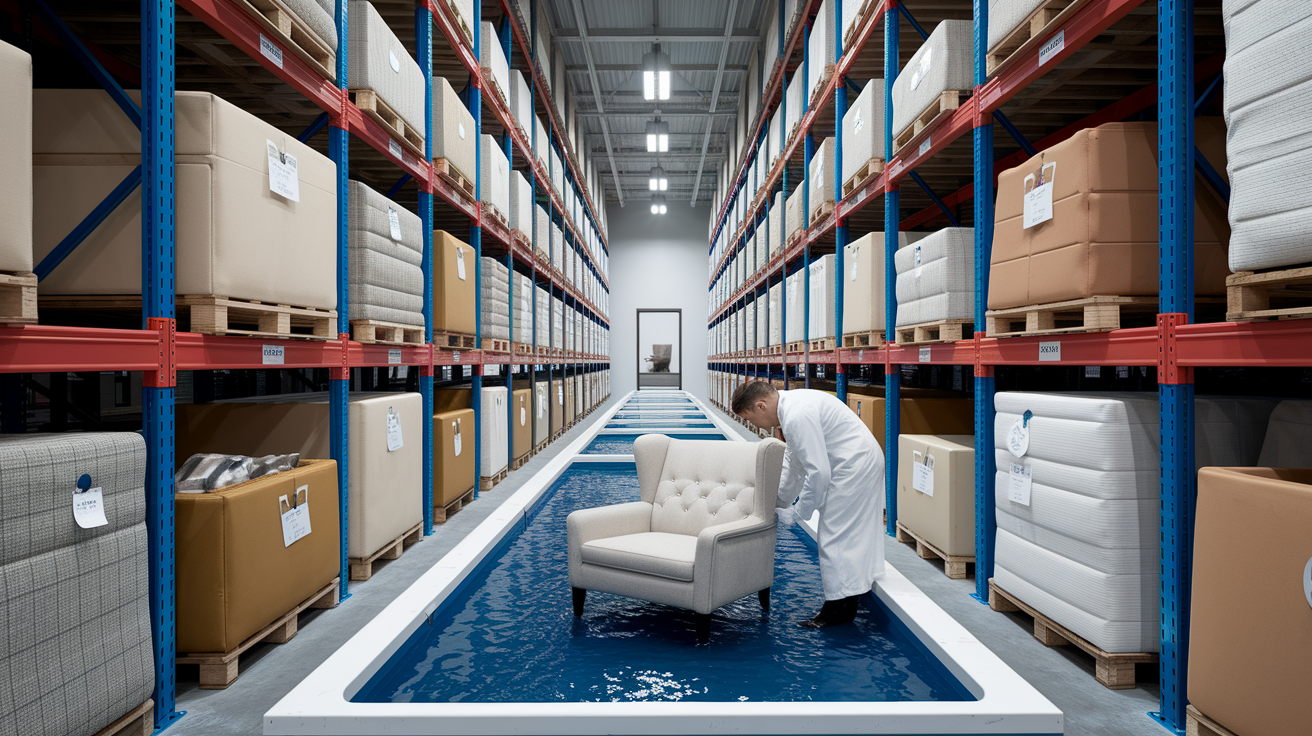
Non-porous materials (glass, hard plastics, sealed ceramics, most metals) are typically salvageable because smoke sits on the surface instead of penetrating. These items respond well to specialized cleaning techniques. Heavily smoke damaged porous materials often require replacement: upholstered furniture with saturated padding, mattresses and bedding directly exposed to smoke, soft toys and fabric items belonging to children (health precaution), and carpeting in rooms with heavy smoke exposure. Decision criteria include depth of smoke penetration, whether odor elimination is achievable, structural integrity for furniture and cabinets, and whether restoration cost approaches replacement value. Items are unsalvageable when structural parts are destroyed (interior wood frames in upholstered furniture, cabinet joinery compromised by charring), excessive charring makes refinishing impossible, surface damage extends too deep for stripping and sanding to reach clean material, or when restoration involves hazardous materials like asbestos in older items.
Pack-out services remove contents to a storage facility for off-site cleaning when on-site restoration work would damage items or when specialized cleaning equipment is needed. Technicians inventory every item photographed and documented, pack contents using appropriate materials and methods, transport to secure climate controlled storage facility, perform specialized cleaning, and store items until property restoration is complete. This protects valuable and sentimental belongings during demolition, reconstruction, and finish work. It also allows thorough property restoration without working around furniture and contents. Pack-out particularly benefits situations with extensive reconstruction, homes requiring extended restoration timeline, or valuable items needing specialized treatment.
Specialized contents cleaning techniques:
Ultrasonic cleaning: Submerging items in solution filled tanks where ultrasonic waves create microscopic bubbles that gently lift contamination from intricate surfaces, ideal for jewelry, small decorative items, and delicate objects.
Dry-cleaning methods: Solvent cleaning for textiles and upholstery that can’t tolerate water exposure, removing smoke residue and odor without moisture damage risks.
Ozone chambers: Sealed cabinets where concentrated ozone treatment eliminates odor from clothing, small furniture pieces, and porous items in a controlled environment.
Thermal deodorization: Heating items in controlled chambers while applying deodorizing treatments, accelerating odor elimination for salvageable upholstered pieces.
Precision cleaning for electronics: Specialized cleaning of sensitive electronic components, circuit boards, and interior mechanisms using appropriate solvents and compressed air.
Sentimental value plays a big role in furniture salvage decisions. Professional restorers work harder to save heirlooms and irreplaceable items than generic furnishings, even when restoration cost exceeds replacement value for comparable pieces. They help homeowners understand what’s technically achievable, provide honest assessment of likely outcomes, and support informed repair versus replace decisions that consider both practical restoration capability and emotional significance. A family dining table may be worth extensive refinishing that wouldn’t make economic sense for a mass produced piece. Restoration companies recognize this and adjust recommendations accordingly.
Material Restoration and Reconstruction After Smoke Penetration
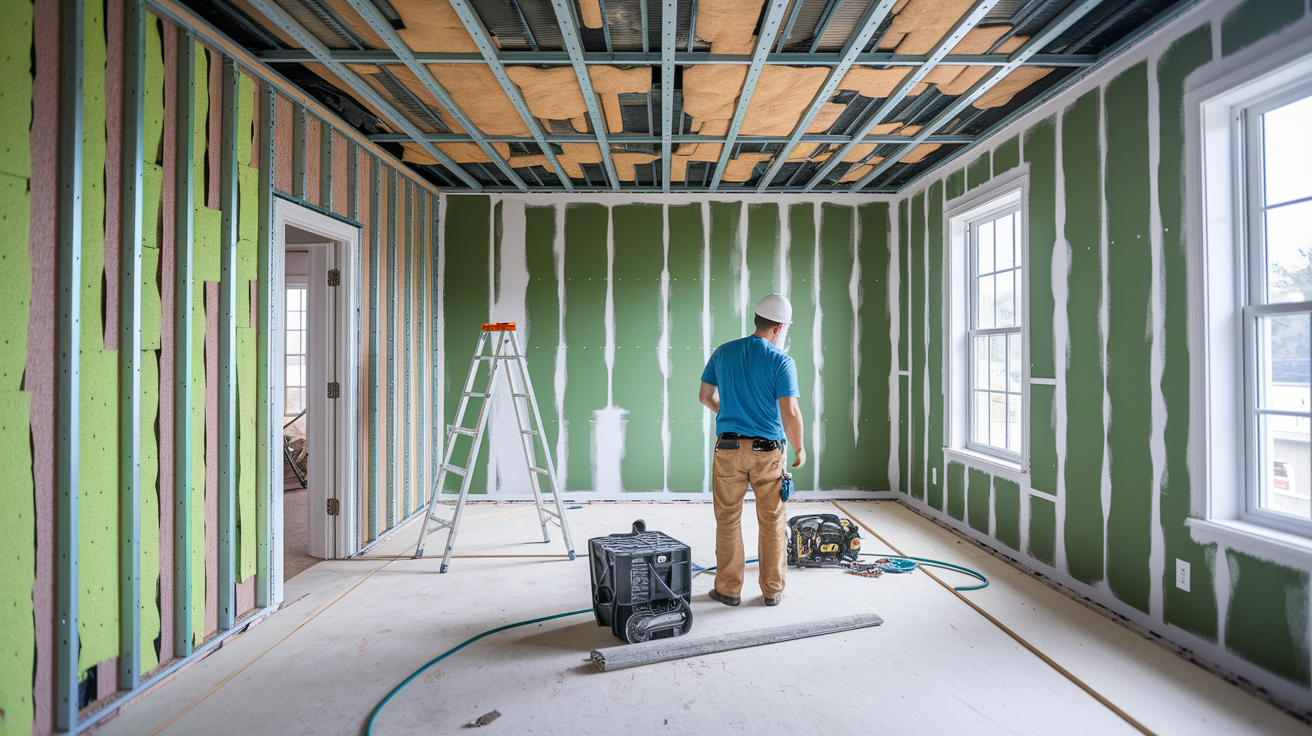
Sometimes cleaning isn’t enough. When smoke saturates porous materials too deeply for cleaning and sealing to eliminate odor or when structural damage extends beyond surface repair capability, replacement becomes necessary for complete restoration.
Drywall replacement happens when smoke penetrated through paint and paper surface into the gypsum core, creating persistent odor that sealing primers can’t block. Technicians remove affected drywall sections, often cutting to the nearest studs for clean edges. They inspect wall cavities for insulation damage because insulation acts like a filter, trapping massive amounts of smoke particles. Insulation removal becomes necessary when discoloration, odor, or contamination is present. New insulation goes in before drywall replacement, making sure you have proper R-value and creating a clean barrier. Drywall installation, taping, mudding, and texturing follow standard construction practices, with the critical addition that all new surfaces receive odor blocking primer before final painting. This reconstruction phase transforms heavily damaged areas back to clean, functional spaces.
Sealing surfaces with specialized primers forms a barrier that locks in any residual odor molecules and prevents staining from bleeding through new paint. Standard primers don’t block smoke odor effectively. Professionals use shellac or synthetic shellac primers specifically formulated for smoke damage (products like BIN or Kilz Original that create impermeable barriers). These primers seal wood, drywall, and previously painted surfaces before finish coats. Repainting walls requires color matching to blend repaired areas with undamaged spaces, texture matching when ceilings or walls have knockdown or other decorative finishes, and attention to sheen levels so patched areas don’t stand out under lighting. The goal is making repairs invisible, restoring your home to pre-loss condition instead of creating obvious patched zones.
Subflooring inspection addresses hidden damage from firefighting water and smoke that traveled through floor penetrations. Technicians check subfloor for warping, staining, or moisture damage that threatens new flooring installation. Structural repairs happen before finish work: replacing damaged floor joists, sister reinforcing weakened framing members, addressing roof decking if attic spaces showed smoke damage. These hidden repairs make sure the structure supporting visible finishes is sound, preventing future problems that surface repairs alone wouldn’t address.
Specialized Restoration for HVAC, Appliances, and Fixed Components
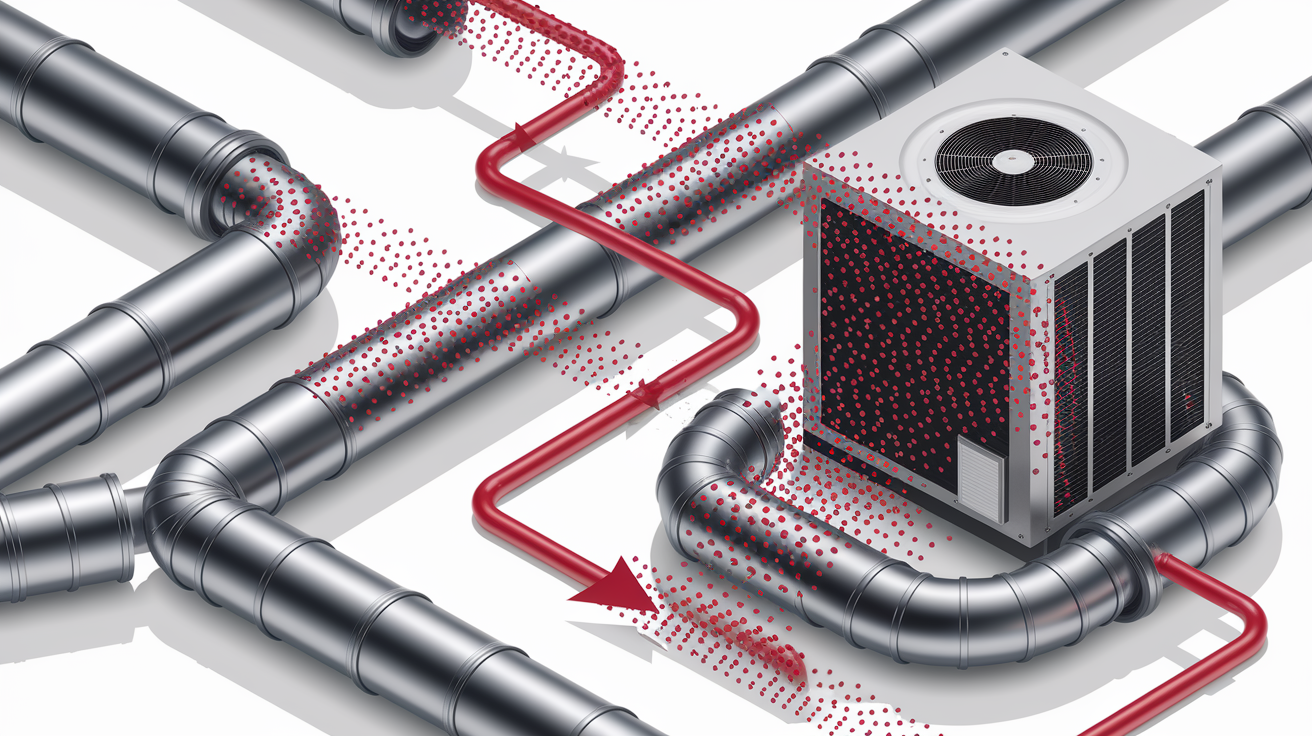
HVAC system cleaning ranks as one of the most critical restoration steps because the system circulates air throughout your entire property. Smoke particles infiltrate ductwork during the fire, settling on interior duct surfaces, in return grilles, on the evaporator coil, throughout the blower assembly, and inside the air handler cabinet. Every time the system runs after a fire, it distributes smoke particles from these contaminated components back into rooms, recontaminating cleaned surfaces and creating persistent odor despite thorough room cleaning. This circulation problem explains why some homes smell fine until the heating or cooling kicks on, then suddenly smell like smoke again.
Comprehensive HVAC restoration starts with ductwork inspection using cameras that reveal contamination extent inside supply and return ducts. Professionals clean ventilation ducts using rotary brush systems, compressed air tools, and HEPA vacuum collection that physically removes deposited particles from duct interiors. They access ducts through existing registers when possible or cut temporary access panels for thorough cleaning. Filter replacement is obvious. Filters after a fire are saturated with smoke particles and have to be discarded. Evaporator coil cleaning requires removing the coil assembly or accessing it through service panels, then cleaning fins and surfaces with appropriate coil cleaner that removes smoke residue without damaging delicate aluminum fins. Blower components get disassembled and cleaned individually: the squirrel cage blower accumulates heavy residue, motor housings show contamination, and the cabinet interior needs HEPA vacuuming and cleaning before reassembly. Some systems require duct sealing with specialized sealants that encapsulate any remaining particles, particularly in flex duct that’s difficult to clean thoroughly. Complete HVAC restoration makes sure the system distributes clean air instead of redistributing smoke contamination.
Ventilation ducts act as distribution networks during fires. Smoke follows the path of least resistance, and that path often includes open supply ducts, return air grilles, and transfer ducts between spaces. A fire in one room can deposit smoke particles in ductwork serving rooms three floors away. This explains why smoke damage assessment has to include areas with no direct fire exposure. Professional cleaning with specialized equipment addresses these hidden contamination sources that homeowners can’t reach and often don’t know exist.
Electrical components and light fixtures require careful evaluation. Light fixtures directly exposed to heat may have compromised wiring insulation or damaged sockets that create safety hazards. Professionals test electrical components instead of assuming they’re safe, replacing fixtures when necessary. Many light fixtures retain odor in porous shades, fabric components, or fixtures with internal insulation, making replacement more practical than cleaning. Appliance exterior restoration focuses on removing smoke film from refrigerators, ranges, dishwashers, and other kitchen equipment. Non-porous appliance surfaces clean successfully with appropriate degreasers, though care is required around control panels, vents, and areas where cleaning solution intrusion could damage electronics.
Cabinet surfaces, window treatments, and door frames require on-site restoration because they’re fixed components. Cabinets receive the same cleaning sequence as other wood surfaces: vacuum, dry sponge, chemical cleaning, and refinishing when necessary. Cabinet removal procedures may be required for heavily damaged units, with countertops requiring temporary bracing for support during restoration work. Window treatments made from fabric typically go to contents cleaning specialists, while blinds and hard surface treatments clean on-site. Door frames and baseboards often show the most visible discoloration because they’re at boundaries where smoke deposits heavily. They require careful color matching during refinishing to blend with adjacent trim and maintain your home’s finish quality.
Documentation, Insurance Claims, and Cost Estimation
Thorough documentation photos protect homeowners during insurance claim processes. Restoration companies photograph damage before beginning work: overall room conditions showing smoke discoloration patterns, close-up shots of heavily damaged areas, contents requiring cleaning or replacement, and damage to fixed components like cabinets and flooring. These images establish baseline conditions, support scope of damage arguments when insurance adjusters question claim extent, and provide visual evidence for disputed items. Comprehensive damage inventory accompanies photos (itemized lists of affected contents with descriptions, estimated replacement values, and restoration recommendations). Professional damage assessments document technical findings: smoke penetration depth in porous materials, HVAC contamination extent, structural concerns requiring repairs, and material testing results when contamination levels need verification.
Cost estimates vary based on multiple factors: room size and number of affected spaces, residue type and depth of smoke penetration, contents requiring pack-out services, reconstruction scope when materials need replacement, and timeline constraints. Smoke damage restoration costs $200 to $1,200 per room, with small bedrooms at the lower end and large open plan spaces or rooms with extensive built-ins at the higher end. Heavy soot removal adds $2,000 to $6,000 depending on square footage and residue depth. Full fire damage restoration (combining smoke restoration with structural repairs, water damage mitigation, and complete reconstruction) ranges from $3,000 to $50,000. These broad ranges reflect the enormous variation in damage severity. Light smoke in three rooms differs dramatically from heavy smoke throughout a multi-story home requiring HVAC replacement and extensive reconstruction.
| Restoration Scope | Typical Cost Range | Key Cost Factors |
|---|---|---|
| Single-room smoke cleaning | $200 – $1,200 | Room size, residue type, contents volume, whether odor elimination treatments are needed |
| Heavy soot removal (multiple rooms) | $2,000 – $6,000 | Square footage, soot depth, surface types affected, whether reconstruction is required |
| Whole-home smoke restoration | $5,000 – $15,000 | Home size, HVAC cleaning, contents pack-out, material replacement scope, timeline urgency |
| Complete fire and smoke restoration with reconstruction | $3,000 – $50,000+ | Structural damage extent, materials requiring replacement, custom finish matching, permit requirements, temporary relocation duration |
Insurance coverage variations depend on policy type, fire cause, and specific policy language about smoke damage. Standard homeowners policies typically cover smoke damage from sudden and accidental fires, including restoration costs, temporary relocation expenses during uninhabitable periods, and replacement items when cleaning proves insufficient. Coverage may be limited or denied if the fire resulted from neglect, intentional acts, or excluded causes. Professionals help establish pre-loss condition documentation by comparing damaged areas against unaffected spaces, using photos from before the fire when homeowners have them, and documenting original finishes to support restoration scope arguments. Restoration companies assist with documentation for insurance claims throughout the process: initial assessment reports with damage descriptions and photos, itemized scope of work with labor and material breakdowns, progress documentation showing work completion, and final paperwork submission after project completion. This support helps homeowners navigate claim processes, makes sure documentation meets insurance company requirements, and speeds approval and payment timelines.
Hiring Certified Restorers: IICRC Standards and Professional Qualifications
IICRC standards (established by the Institute of Inspection, Cleaning and Restoration Certification) provide the certification framework that separates trained restoration professionals from general contractors or cleaning services. IICRC certifies technicians in specific disciplines: fire and smoke restoration, water damage restoration, odor control, contents cleaning, and other specialized areas. Certification requires classroom training, technical knowledge testing, and ongoing education to maintain credentials. When restoration companies employ certified technicians, homeowners gain professionals who understand smoke chemistry, know which cleaning methods work for specific residue types, follow industry protocols that insurance companies recognize, and use equipment properly. Certification matters because improper restoration techniques cause additional damage, leave contamination that creates long-term problems, or fail to eliminate odor despite appearing clean.
Full service restoration covers emergency response through follow-up inspection: 24-hour availability for fire aftermath situations requiring immediate stabilization, complete damage assessment identifying all affected areas and systems, mitigation steps that stop damage progression, coordinated cleaning using appropriate techniques for different surfaces and materials, reconstruction services when materials require replacement, project management that coordinates multiple trades and keeps work sequenced properly, and follow-up inspection after homeowners reoccupy to verify satisfaction and address any emerging concerns. This comprehensive approach means one team manages the entire restoration instead of homeowners juggling separate contractors for cleaning, repairs, HVAC work, and finish carpentry. Single point contact simplifies communication, clear timelines reduce uncertainty, and coordinated work prevents the gaps that occur when multiple contractors work independently.
When vetting restoration companies, ask about IICRC certification status and specific credentials held by technicians who will work on your property, equipment capabilities including air scrubbers, thermal foggers, and moisture detection tools, experience with insurance claims and whether they provide documentation support, warranty coverage on completed restoration work, and references from recent smoke damage projects. Ask whether they perform all work with their own crews or subcontract portions of restoration, how they handle contents cleaning and whether pack-out services are available, what their typical timeline looks like for projects similar to yours, and how they communicate progress updates during multi-week restoration projects. Professional restoration companies answer these questions clearly and provide documentation of their capabilities.
Moisture Control, Dehumidification, and Preventing Secondary Damage
Fire aftermath typically includes significant water damage from firefighting efforts (thousands of gallons from fire hoses, water from sprinkler systems, and moisture from steam and smoke combining during extinguishment). This creates dual restoration challenges: smoke damage requiring specialized cleaning plus water intrusion requiring drying and moisture control. Ignoring the moisture component while focusing only on smoke creates mold growth risks, structural deterioration, and material damage that compounds original fire losses.
Dehumidification systems and moisture control measures run at the same time as smoke restoration from day one. Commercial dehumidifiers extract moisture from air and materials, reducing relative humidity to levels where microbial growth cannot occur (typically below 60% relative humidity). Air movers position strategically to promote evaporation from wet materials: hardwood floors, drywall, insulation, and structural framing all require controlled drying. Moisture meters track progress, with technicians documenting moisture content readings in affected materials daily until readings reach dry standards. This systematic moisture control prevents secondary damage that often exceeds original smoke damage costs when left unaddressed. Dehumidification continues throughout cleaning phases because wet cleaning methods introduce additional moisture that has to be managed.
Mold prevention strategies center on speed and thoroughness. Mitigation steps addressing moisture begin within 24 to 48 hours of the fire, before mold growth establishes. Professionals remove wet porous materials that can’t be dried effectively: saturated insulation, wet drywall that’s delaminating or showing moisture wicking, and carpeting soaked by firefighting water. Quick action on both smoke damage and water intrusion prevents further damage beyond the original loss. Delays create cascading problems: smoke residue corrodes while moisture promotes mold growth, restoration costs increase as damage expands, and insurance coverage may be affected if preventable secondary damage occurs due to mitigation delays. Professional restoration addresses smoke and water issues in coordinated mitigation steps (simultaneous air purification and dehumidification, concurrent surface cleaning and structural drying, integrated approaches that handle both damage types efficiently instead of treating them as separate problems requiring separate solutions).
Final Words
Interior restoration after smoke damage isn’t something you tackle with household cleaners and hope.
Smoke penetrates deep. It corrodes. It keeps causing problems until you address it properly.
The right team stops the damage, cleans it correctly, and rebuilds so your home looks whole again.
If you’re dealing with smoke damage now, you don’t have to figure this out alone.
We’ll assess what happened, explain what needs fixing, and finish it right. One team, start to finish.
FAQ
What materials can typically be saved after smoke damage?
Materials that can typically be saved after smoke damage include non-porous surfaces like glass, metal, hard plastics, and sealed countertops. Painted walls often respond well to specialized cleaning, and many wood surfaces can be restored through stripping and refinishing. Porous materials like upholstery, carpets, and drywall may require replacement if smoke penetration is extensive or cleaning proves inadequate.
Is smoke damage repairable or does everything need replacement?
Smoke damage is repairable in most cases through professional restoration methods including soot removal, deep cleaning, odor elimination, and surface sealing. Replacement becomes necessary when structural components are destroyed, porous materials are saturated beyond effective cleaning, or surface damage penetrates too deeply for refinishing. Certified technicians assess each material to determine the most effective approach.
How should walls be cleaned after smoke exposure?
Walls should be cleaned after smoke exposure by first using HEPA vacuums and dry cleaning sponges to remove surface soot before applying any liquid. Once dry residue is removed, professionals apply specialized alkaline cleaners like TSP solution to address remaining discoloration. Heavily damaged drywall may require sealing with odor-blocking primer or complete replacement if smoke penetration is extensive.
What products do professional restoration companies use to eliminate smoke odor?
Professional restoration companies use thermal fogging systems that disperse heated deodorizing fog to penetrate materials, hydroxyl generators that break down odor molecules at the molecular level, and ozone treatment for unoccupied spaces. These advanced deodorization methods work alongside HEPA filtration and carbon filtration systems to address lingering smell that surface cleaning alone cannot eliminate.
Why does smoke damage require immediate professional attention?
Smoke damage requires immediate professional attention because acidic residues cause progressive corrosion and permanent staining that worsens over time. Smoke particles penetrate porous materials, HVAC systems, and hidden structural areas, creating health hazards and spreading contamination. Quick response prevents further damage, reduces restoration costs, and protects indoor air quality throughout your home.
How long does complete smoke damage restoration typically take?
Complete smoke damage restoration typically takes between one and four weeks depending on severity. Assessment and safety evaluation require one to two days, cleaning and deodorization span three to seven days, and material restoration takes one to three weeks. Timeline variations depend on damage extent, required reconstruction, and whether contents need pack-out services.
What health risks exist when living in a smoke-damaged home?
Living in a smoke-damaged home creates serious health risks from toxic compounds, acidic residues, respiratory irritants, and volatile organic compounds that remain in materials and air. Exposure causes respiratory irritation, skin reactions, and long-term health concerns. Professional restoration with proper protective equipment and certified techniques is necessary to eliminate these hazards safely.
How do restoration professionals determine what can be saved versus replaced?
Restoration professionals determine salvageability through room-by-room evaluation using thermal imaging to detect hidden smoke penetration, material porosity assessment, and structural integrity inspection. Non-porous items generally clean successfully while porous materials with deep saturation often require replacement. Decision factors include restoration costs versus replacement value, structural soundness, and surface damage depth.
Why must HVAC systems be cleaned during smoke restoration?
HVAC systems must be cleaned during smoke restoration because smoke particles infiltrate ductwork and circulate throughout the property, recontaminating cleaned areas if the system remains dirty. Professional cleaning includes duct inspection, HEPA vacuuming, filter replacement, and component decontamination. Neglecting ventilation ducts undermines all other restoration efforts by continuously spreading smoke particles.
What documentation is needed for smoke damage insurance claims?
Documentation needed for smoke damage insurance claims includes initial assessment photos showing all affected areas, comprehensive damage inventory with itemized contents lists, and professional cost estimates detailing restoration scope. Restoration companies assist with documentation throughout the process and help submit final paperwork. Thorough records of pre-loss condition support fair claim settlements and coverage for restoration costs.
How does firefighting water damage complicate smoke restoration?
Firefighting water damage complicates smoke restoration by creating moisture intrusion that requires concurrent dehumidification and mold prevention measures alongside smoke cleaning. Fire aftermath typically involves dual restoration challenges requiring coordinated mitigation steps. Delays in addressing moisture lead to secondary damage including microbial growth, making quick professional response essential for complete restoration.
What certifications should smoke damage restoration companies have?
Smoke damage restoration companies should have IICRC certification, which provides industry-standard training for certified technicians in proper restoration protocols. Look for companies offering full-service restoration from emergency response through follow-up inspection, specialized equipment like HEPA filtration and thermal fogging systems, and experience coordinating insurance claims. Proper certification ensures safe, effective restoration using proven methods.