


Have you noticed a cough that just won't go away or constant congestion that feels worse indoors? It might be mold exposure (the growth of mold in your home that can cause health issues). When your symptoms get worse inside, it could be a sign that something isn’t right with your health. In this post, we list the common signs of mold exposure and explain when you should see a doctor. We’ll help you spot these clues early so you can act quickly and keep your family safe.
Recognizing Mold Exposure Symptoms and Doctor Visit Triggers
Mold in your home can affect your health in many ways. You might notice a little congestion or a cough at first. When you go outside, symptoms may lessen, only to return when you step back indoors. This pattern could mean that mold is the cause. Recognizing these signs early can help you act before the problem grows.
Here are some symptoms to watch for:
- Constant stuffy nose that just won't clear
- Coughing that keeps you up at night or affects your day
- Frequent headaches without a clear reason
- Itchy, red, or watery eyes
- Trouble breathing or a tight feeling in your chest
- A sudden high fever
- Feeling confused or out of it when indoors
- Unexplained tiredness or mood changes
If you or a loved one begins to have strong symptoms like trouble breathing, a high fever, or confusion, please get medical help right away. Quick treatment not only protects your health, but it also helps you decide what to do about the mold in your home.
Respiratory Distress Markers and Allergic Signals from Mold Exposure
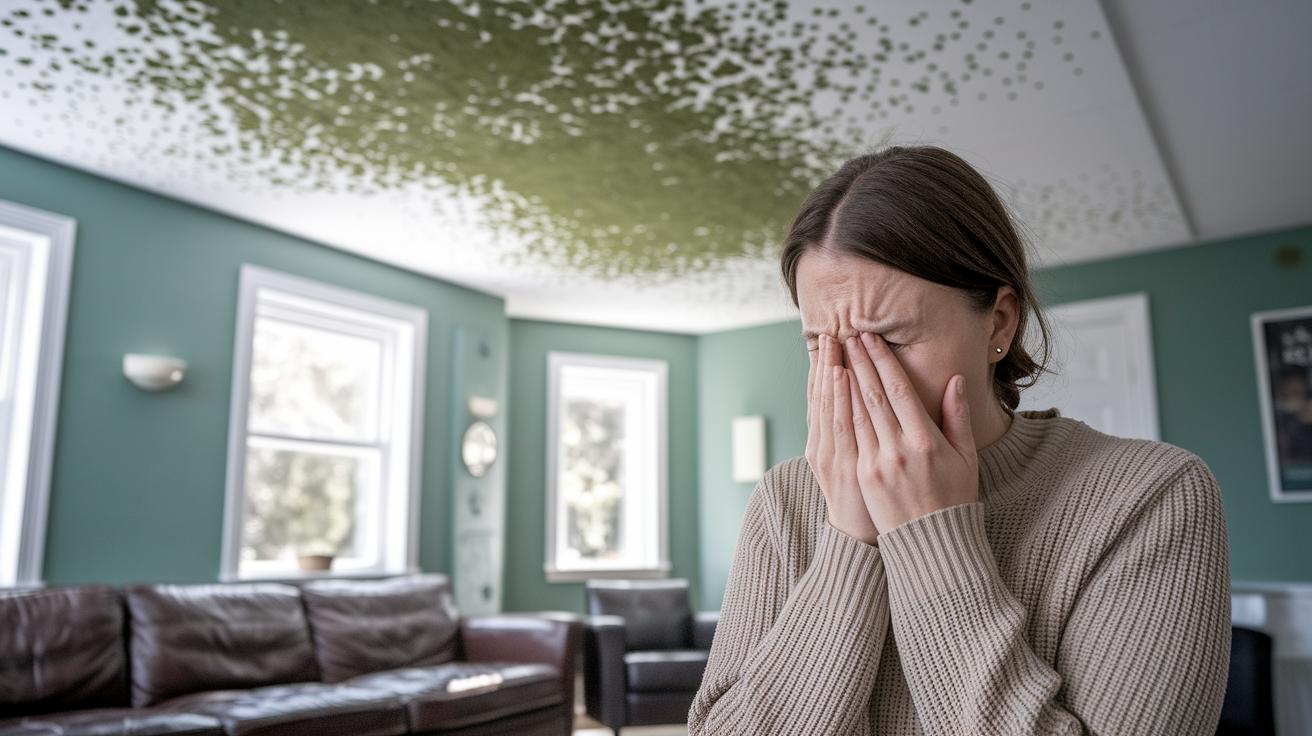
Indoor mold can irritate your airways and make breathing difficult. You may start sneezing a lot, feel like your nose is blocked, or sense pressure around your sinuses that makes your face feel heavy. A dry, lingering cough might stop you from sleeping well. When these signs happen often, they are more than just a seasonal cold, they suggest that mold in your home is affecting your breathing.
You might also notice your eyes becoming red, itchy, or watery. Some people feel a fullness in their ears or hear a slight ringing, which can happen when the lining inside your nose (mucosa) swells. Unlike typical seasonal allergies that come and go, these eye and ear issues tend to stick around with constant mold exposure. Recognizing the difference between common allergies and mold-related reactions is key to getting the proper care.
Systemic Fungal Toxicity Signs and Severe Health Indicators
Breathing in a lot of mold spores can do more than just affect your lungs. You might feel very tired, get strong headaches, feel dizzy (vertigo), or notice changes in your memory and mood. These signs happen because your body is reacting to mycotoxins (toxic substances made by mold). When you see these symptoms, it is a warning that mold exposure may be harming you.
Mycotoxins can also make other parts of your body inflamed. You might experience joint pain or a foggy mind that makes daily tasks hard. Your muscles may ache and your thoughts may feel cloudy. Catching these signs early can help prevent more damage. If your symptoms continue or get worse, please get help from a doctor immediately.
High-Risk Demographics and Long-Term Mold Exposure Consequences

Mold can be especially dangerous for some people. Children, older adults, and those with breathing problems like asthma (sensitive airways) or COPD (trouble breathing) are more likely to have a strong reaction. Even a little mold can cause more than just a simple allergy.
Here are some high-risk groups to watch for:
- Young children with developing immune systems
- Older adults with lower immunity and lung strength
- People with asthma whose airways are already sensitive
- Individuals with COPD who already face breathing challenges
- Anyone with a weak immune system (body defense) prone to mold infections
- Those who have had frequent respiratory infections
Being around mold for a long time can make breathing problems worse. Over time, breathing in mold spores might lead to repeated bronchitis and can harm lung function further. This lasting exposure may make everyday activities feel more difficult. It’s important to address mold quickly to keep your home safe and protect your health.
Clinical Diagnostic Methods and Recommended Tests for Mold Exposure
If you start feeling symptoms that may be linked to mold, you might visit an urgent care center first. These centers generally do not offer the special blood tests for mold (like mold-specific IgE or mycotoxin tests) that can identify toxic exposures. Instead, doctors begin with simple allergy tests.
They may run a total IgE panel to check your overall allergic reaction, perform a skin prick test (a test where a tiny bit of allergen is placed on your skin), or use spirometry (a test that measures how well your lungs work). These tests help show if your body is reacting to mold.
Sometimes, if the initial tests raise concerns, further checkups with indoor air or environmental hazard tests are done to see how many mold spores are around. In more complex cases, specialists might use an ELISA mycotoxin test (a lab test that looks for toxic substances) but only after the first tests suggest it is needed.
| Test | Purpose | Setting |
|---|---|---|
| Total IgE Panel | Checks your overall allergic reaction | Urgent Care/Clinic |
| Spirometry | Measures lung function | Respiratory Clinic/Hospital |
| Skin-Prick Test | Detects sensitivity to mold | Allergy Clinic |
If these early tests indicate an issue, you may be referred to a specialist like an allergist or lung doctor. They will use more detailed tests to confirm how mold is affecting you and decide if additional treatment is needed.
Mold Remediation Practices and When to Consult Professionals
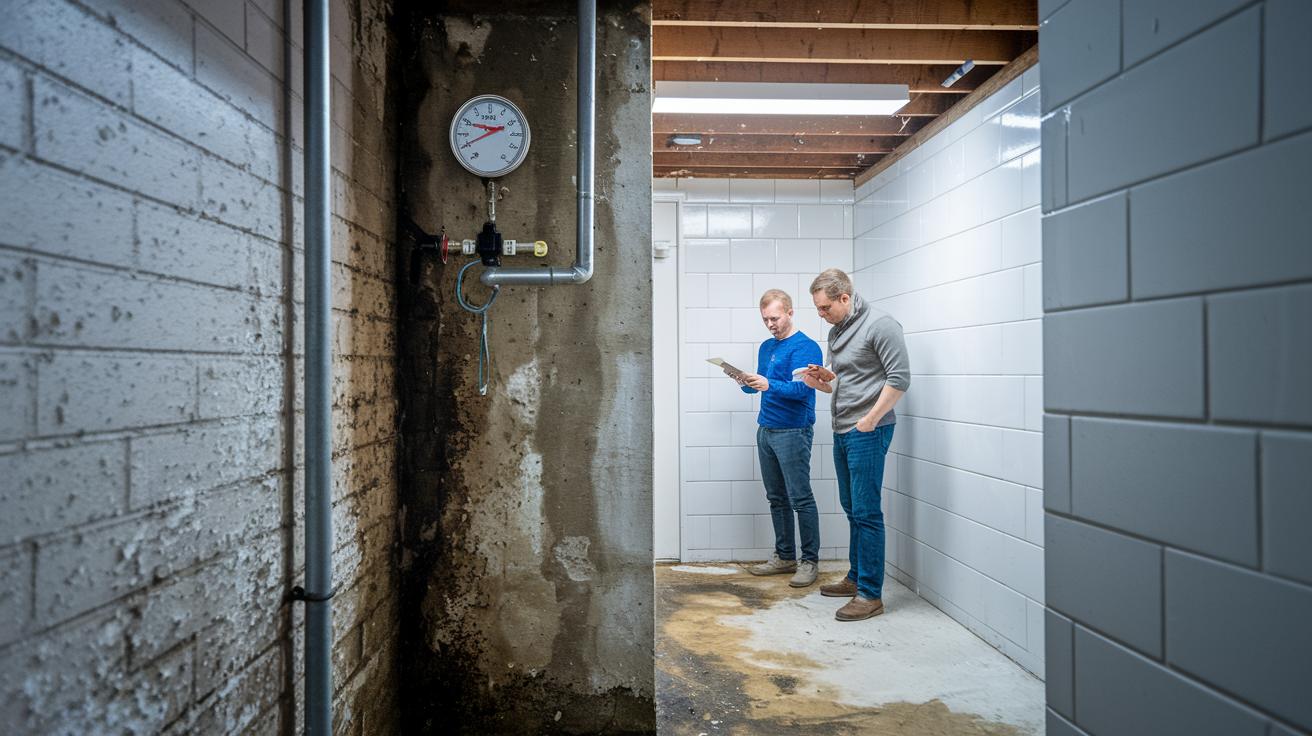
Preventing mold starts with simple steps. Fix leaks right away, keep indoor humidity below 50% (the level at which moisture is too low for mold to thrive), and ensure proper airflow. Regular checks behind appliances and in basements help spot mold before it becomes a big problem and leads to costly repairs.
When you see mold or smell a musty odor, it’s best to call certified experts. They use special equipment to remove mold, clean the surfaces, and improve the air you breathe. Quick action can stop further damage and prevent issues like breathing problems.
If you notice symptoms such as a constant cough, sneezing, or a blocked nose when you’re indoors, it might be time to seek help. If you feel unwell in a specific space but better when you leave, please talk to a mold specialist and consult a doctor. This dual approach helps ensure your home stays safe and your health is protected.
Final Words
In the action, we surveyed early mold signs, breathing trouble, and overall health shifts. We spotted common issues and signals that should prompt quick help.
Our post broke down everything from mild hints like nasal congestion to severe signs that require urgent evaluation. We explained tests, risks, and safe cleanup steps.
Keep an eye on mold exposure symptoms and when to see a doctor. We trust this overview helps you take swift, sure steps toward a healthier home.
FAQ
What are the warning signs of mold toxicity and illness?
The warning signs include nasal congestion, coughing, headaches, and fatigue that improve outdoors but worsen indoors. These signals suggest mold exposure and warrant professional advice if they continue.
What neurological symptoms can result from mold exposure?
Neurological symptoms include confusion, mood changes, vertigo, and memory lapses. These issues may appear with significant mold exposure and should prompt an evaluation to prevent further health challenges.
What mold exposure symptoms are common in adults?
Adult symptoms typically include persistent coughing, sinus pressure, watery eyes, and respiratory distress. These signs can indicate indoor mold problems that need prompt remediation and possibly a medical review.
How do I test for mold exposure?
Testing for mold exposure often involves air quality diagnostics and specific blood tests for mold sensitivity. Professionals use these methods along with environmental assessments to verify mold presence.
What treatment options are available for mold exposure?
Treatment focuses on removing the mold source, alleviating allergy-like symptoms with medications, and improving ventilation. In some cases, professional mold remediation is needed to prevent further exposure.
What are the symptoms of black mold exposure?
Black mold exposure can lead to severe respiratory issues, persistent coughing, headaches, and fatigue. These symptoms suggest the need for prompt remediation and a consultation with a healthcare provider.
Should I see a doctor after mold exposure?
Seeing a doctor is recommended if you experience severe symptoms such as trouble breathing, confusion, or high fever. A medical evaluation ensures that you receive the proper treatment and advice for safety.
When should I be concerned about mold exposure, and how soon do symptoms appear?
Concern is warranted if symptoms continue or worsen, often appearing within hours or a few days after exposure. Persistent signs may indicate a need for immediate medical evaluation.
How do I check if mold is making me sick?
Checking involves monitoring if symptoms like congestion and coughing persist indoors while easing outdoors. Consulting a doctor or mold testing service can help confirm if mold is affecting your health.