
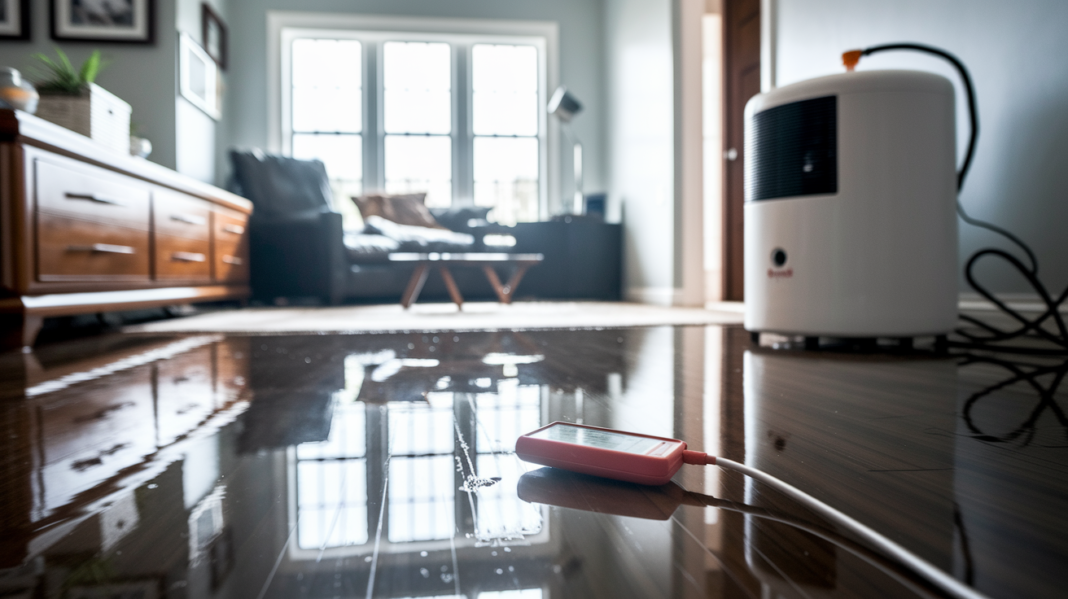

Most flood damage restoration costs between $1,300 and $6,000, but here’s the surprise: your homeowner’s policy probably won’t cover a penny if it’s actual flooding. Standard policies cover burst pipes and leaking appliances. They don’t cover water that comes through doors, windows, or foundation cracks from outside. That means your biggest risk might leave you paying the entire bill out of pocket unless you carry separate flood insurance. We’ll walk through what different policies cover, what you’ll pay directly, and how to navigate the insurance process when you’re dealing with water damage right now.
What You’ll Pay for Professional Flood Damage Restoration
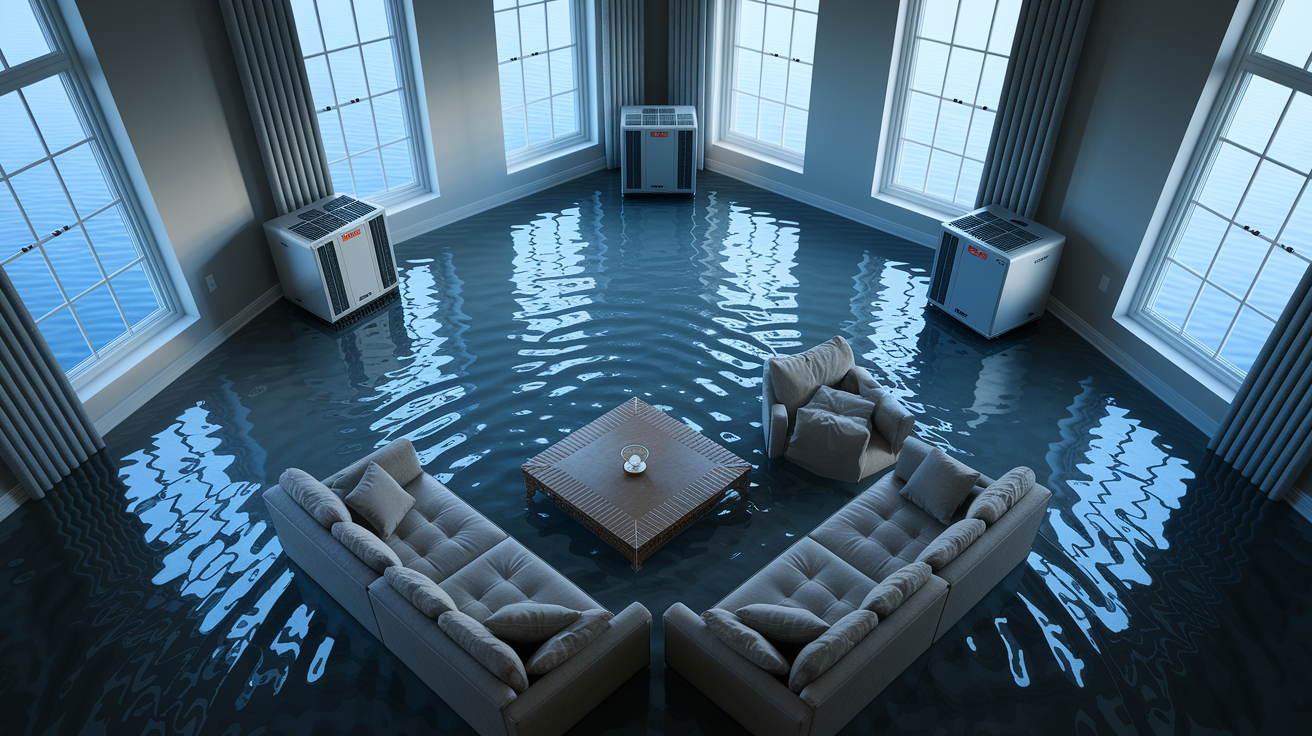
Most homeowners spend between $1,300 and $6,000 on flood damage restoration. But costs can range from $150 for minor surface water in a single room to over $100,000 for severe structural flooding. Your final bill depends on how much water got in, how long it sat there, what it touched, and whether you’re dealing with contamination. These numbers reflect the complete process, from when professionals arrive through final repairs.
Pricing depends on how extensive the damage is and which parts of your home got hit. A bedroom with surface water from a broken supply line costs way less than a flooded basement that soaked into subfloors, wall cavities, and insulation. Square footage pricing gives you a baseline estimate, but contamination level and damage severity determine what you actually pay.
Here’s how damage severity breaks down into typical cost ranges:
| Damage Severity | Typical Cost Range | What’s Involved |
|---|---|---|
| Class 1 (Minor, Single Area) | $150 to $500 | Small area with minimal water absorption, mostly surface moisture |
| Class 2 (Moderate, Partial Room) | $500 to $1,000 | Water up to 12 inches, affecting carpets and baseboards |
| Class 3 (Significant, Multiple Areas) | $1,000 to $3,000 | Water in floors, subfloors, wall cavities, and ceilings |
| Class 4 (Severe Structural Damage) | $20,000 to $100,000 | Deep penetration from flooding or hurricanes, extensive reconstruction needed |
Water Contamination Categories and Cost Impact
The source and cleanliness of the water directly affects restoration costs. Contamination determines which materials can be saved versus what must be removed and replaced. Category 1 clean water from broken supply lines costs $3 to $4 per square foot to remediate. This water hasn’t contacted contaminants, so carpets and materials can often be dried and salvaged. Quick response is everything with clean water.
Category 2 gray water comes from appliances like dishwashers, washing machines, or sump pumps. It costs $4 to $7 per square foot. It contains moderate contamination levels and potential bacteria, so affected materials require more aggressive cleaning and sanitization. Some materials can be saved, but anything porous that stays wet too long gets removed.
Category 3 black water costs at least $7 per square foot and often more. This comes from sewage backups, toilet overflows, or floodwater that’s been sitting. It carries serious health hazards, which means complete removal of all affected materials including drywall, flooring, furniture, and clothing. Nothing porous stays. The cleanup involves full protective equipment, aggressive antimicrobial treatment, and careful containment to prevent contamination spread.
Comprehensive Breakdown of Restoration Service and Repair Costs
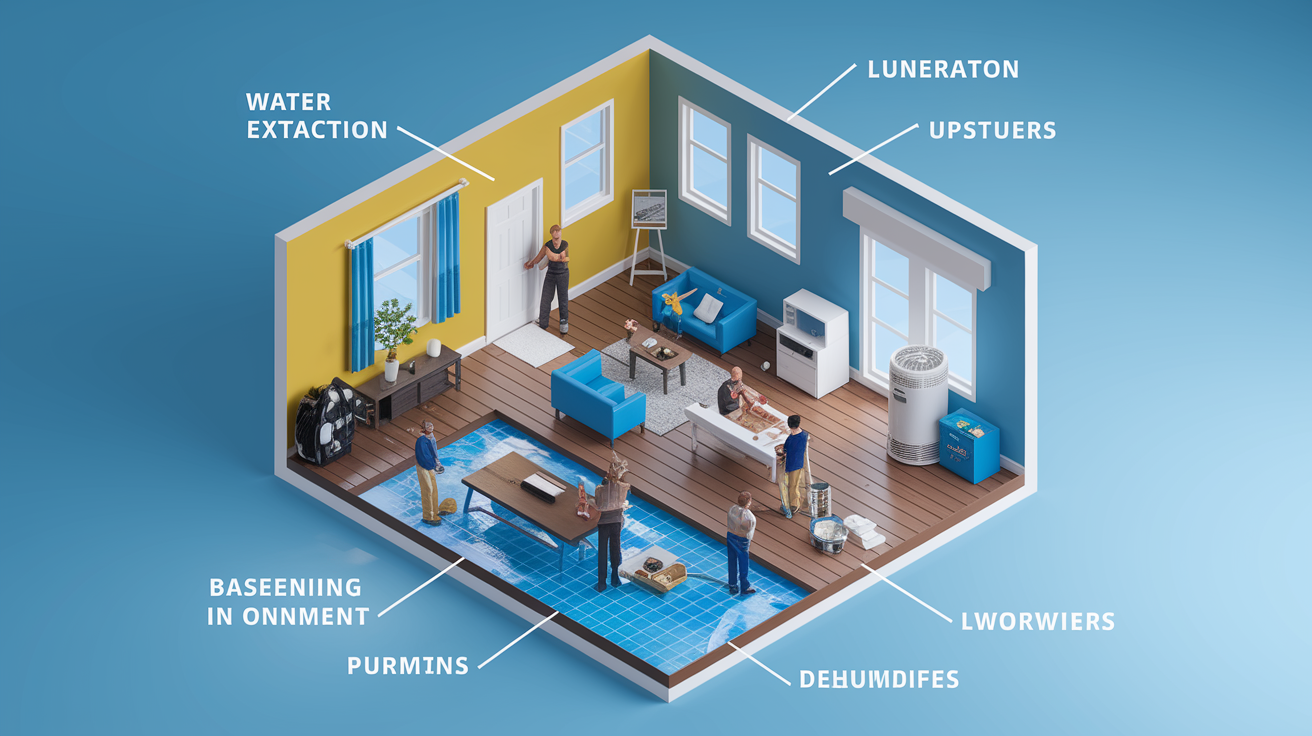
Professional restoration follows a structured sequence that starts when technicians arrive and continues through final repairs. The process includes damage assessment to measure moisture levels and plan extraction strategy, water removal using industrial pumps, drying and dehumidifying with commercial equipment, sanitizing all affected surfaces, and rebuilding damaged components. Each phase carries separate costs. The timeline stretches from a few days for minor damage to several weeks for structural work.
Standard labor rates for certified restoration technicians range from $70 to $200 per hour depending on your location and the company’s experience level. Equipment deployment adds to hourly charges because industrial dehumidifiers, air movers, moisture meters, and thermal imaging cameras are expensive to purchase, maintain, and transport. Most companies bundle equipment and labor into daily rates during the drying phase.
Here’s what specific restoration services typically cost:
Damage assessment and moisture inspection runs $100 to $400. It includes thermal imaging and moisture mapping. Water extraction and pump out services cost $200 to $1,000 depending on volume and location. Drying equipment deployment costs $300 to $1,200 per day, covering dehumidifiers and air movers placed throughout affected areas. Antimicrobial treatment runs $150 to $500 to prevent growth on surfaces. Moisture detection and monitoring costs $50 to $150 per visit for follow up readings. Final inspection and testing runs $100 to $300 to verify complete drying before reconstruction begins.
Once water is removed and surfaces are dry, damaged materials must be replaced or repaired. This phase often exceeds extraction and drying costs because building materials, labor, and finish work add up quickly. The range runs from cosmetic repairs like repainting drywall to major structural work involving framing, subfloors, and insulation replacement.
| Material/Component | Typical Repair Cost |
|---|---|
| Drywall Replacement | $1.50 to $3.00 per square foot, or $300 to $1,000 total for typical rooms |
| Carpet Restoration or Replacement | $1 to $11 per square foot depending on carpet quality and contamination level |
| Hardwood Floor Repair | $200 to $550 for small areas, more for extensive warping |
| Ceiling Repairs | $350 to $1,600 depending on damage extent and ceiling type |
| Subfloor Replacement | $500 to $3,000 depending on area size and access difficulty |
| Insulation Replacement | $1 to $5 per square foot depending on insulation type |
| Trim and Baseboards | $200 to $800 for typical rooms |
Emergency rates are 2 to 3 times normal rates, reaching $120 to $600 per hour versus standard pricing. That sounds expensive until you understand why immediate action saves money overall. Quick response prevents issues within the 24 to 48 hour window after flooding. It stops structural damage from water sitting in wall cavities and reduces total material loss. A $300 emergency call that starts extraction tonight often prevents $3,000 in remediation and additional structural repairs next week. The premium hourly rate pays for itself by shrinking the total project scope.
Additional Expenses Beyond Water Removal
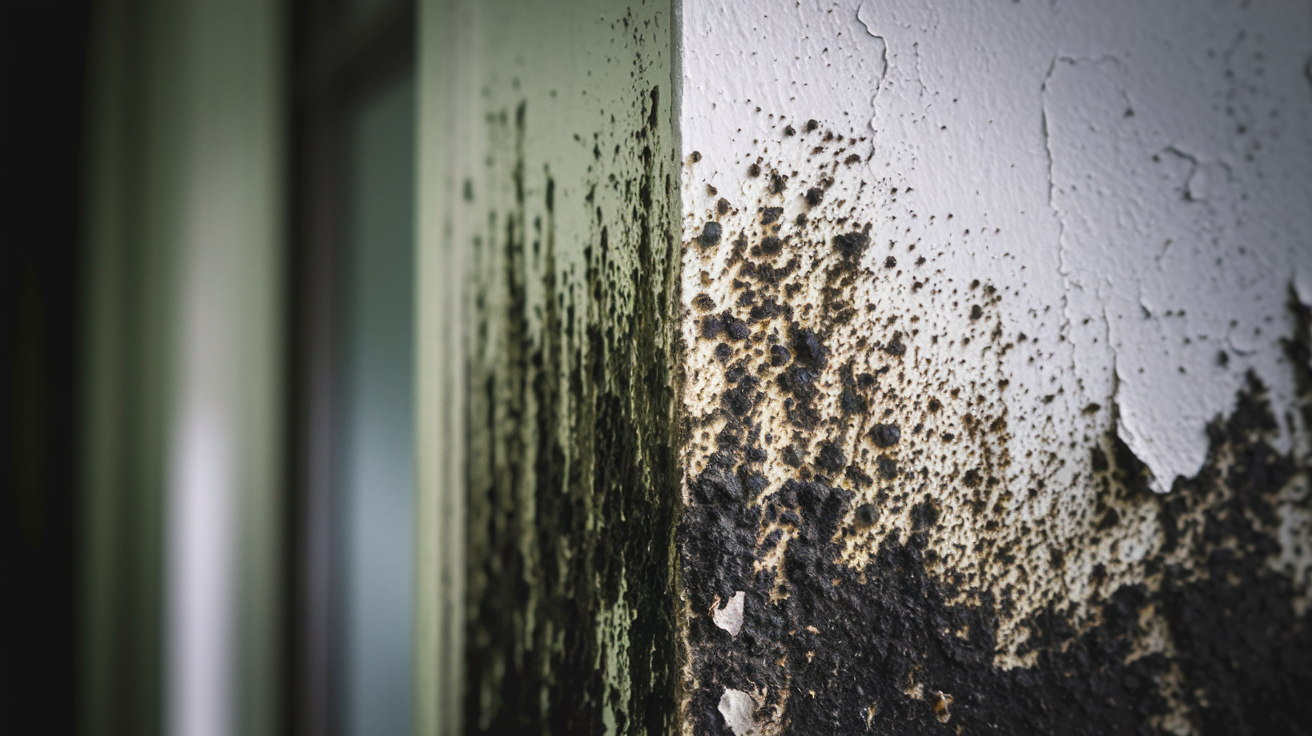
Flood damage creates cascading expenses beyond initial restoration work. Secondary costs develop when water creates conditions for issues, contaminates belongings, or requires specialized services to handle documents, electronics, and furniture.
Remediation adds $1,000 to $3,500 to your total restoration costs and becomes necessary when moisture sits for 24 to 48 hours. Once problems start developing, professionals must contain affected areas, remove contaminated materials, treat surfaces with antimicrobial solutions, and verify complete removal before reconstruction begins. The cost jumps higher when issues spread through HVAC systems or inside wall cavities that require extensive opening and treatment.
Other common additional expenses include pack out and storage of belongings while restoration work happens, typically $500 to $2,000 depending on home size. Contents cleaning and restoration for salvageable furniture, electronics, and personal items ranges from $200 to several thousand. Furniture repair or replacement when upholstered items absorb contaminated water. Document recovery services for important papers, photographs, and business records. Debris removal and disposal fees for unsalvageable materials, carpet, drywall, and damaged belongings.
These additional services can add thousands to your final bill, especially when flooding is severe or contaminated. Extensive damage combining structural repairs with remediation often reaches $7,000 to more than $16,000 total.
Location-Specific Factors in Flood Restoration Pricing

Geographic location affects restoration costs significantly. Coastal areas and high flood risk regions experience more demand for restoration services, which drives up pricing. Companies in flood prone zones often charge premium rates year round because they maintain larger equipment inventories and standby crews. The same Class 2 water damage that costs $800 in a low risk area might cost $1,200 in a coastal flood zone.
Urban areas typically charge more than rural locations due to higher labor costs, office overhead, and operational expenses in cities. Permit fees and inspection requirements in urban jurisdictions add administrative costs to every job. Rural properties sometimes face trip charges or minimum service fees when restoration companies must travel significant distances with equipment.
Basement flooding involves additional complexity and costs ranging from $700 for minor surface water to more than $75,000 for complete reconstruction after severe flooding. Basements are harder to dry because they sit below grade, have limited ventilation, and often contain finished living spaces with more materials to remove and replace. Multi story buildings add equipment hauling costs and access challenges that extend labor hours.
Local building codes and permit requirements create regional cost differences that affect final bills. Some jurisdictions require permits for drywall replacement or electrical work during restoration, adding fees and inspection delays. Areas with strict contractor licensing requirements and high insurance standards tend to have higher service rates but also more qualified professionals.
Understanding Insurance Coverage for Flood Damage Restoration

Standard homeowners insurance policies cover sudden internal water damage but exclude flooding from external sources. That distinction matters because it determines whether your claim gets approved and how much you pay out of pocket.
Homeowners insurance typically covers burst pipes, failed water heaters, washing machine supply line breaks, and storm damage that lets rain through a compromised roof. These are sudden accidental events. Policies exclude gradual leaks from poor maintenance, seepage through foundation cracks over time, and rising floodwater from rivers, storm surge, or heavy rain overwhelming drainage. External flooding requires separate flood insurance through the National Flood Insurance Program or private insurers.
Typical deductibles range from $500 to $2,500 depending on your policy. Coverage limits affect how much the insurance company pays toward restoration and contents replacement. If your policy limit for water damage is $50,000 and repairs cost $60,000, you’re responsible for the $10,000 difference plus your deductible. Review your policy limits before you need them.
Insurance claims require detailed documentation. Photographs of damage before cleanup begins. Professional moisture assessments with readings. Itemized repair estimates. Receipts for all work performed. Take photos of everything, save damaged items until the adjuster inspects them, and keep detailed records of conversations with your insurance company.
Insurance adjusters evaluate damage extent and determine what’s covered under your policy terms. They might dispute whether damage resulted from a covered sudden event or excluded gradual leak. Having professional restoration documentation strengthens your claim because certified technicians provide objective assessments and industry standard moisture readings that support your case.
Professional Restoration Company Costs vs DIY Approaches
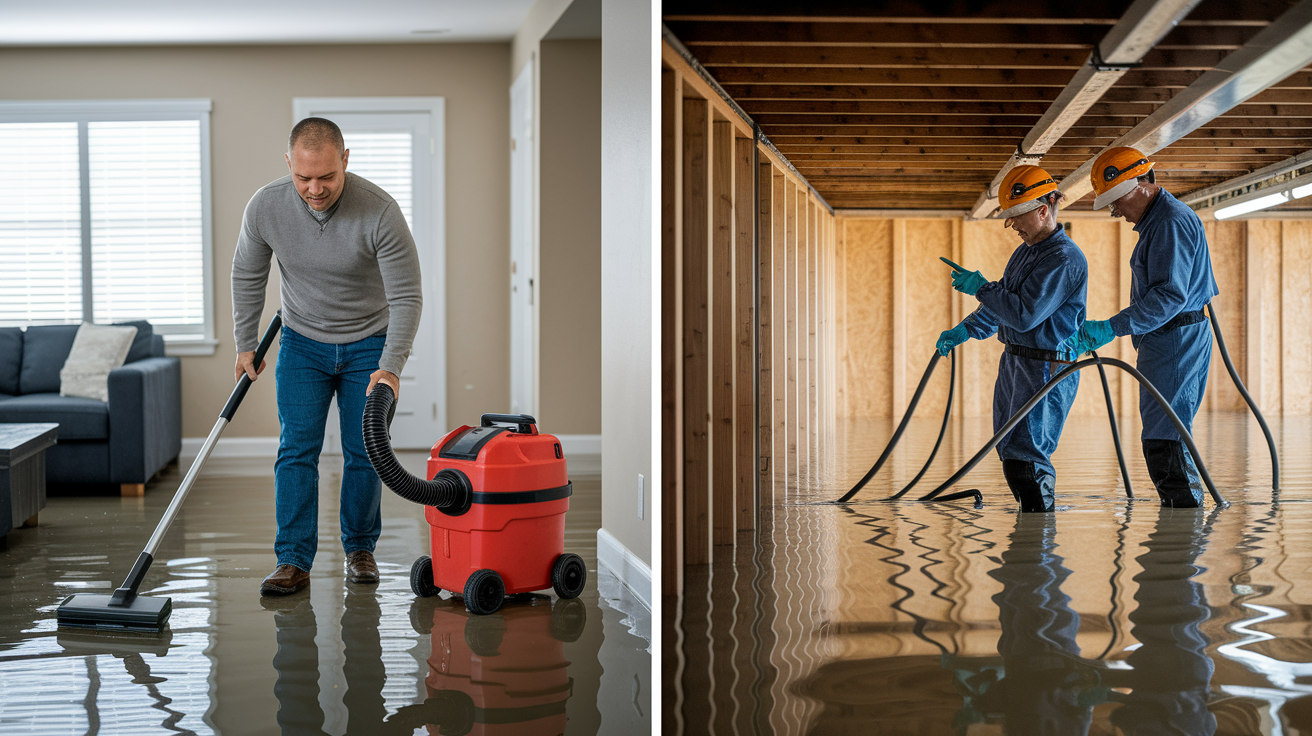
The decision between DIY cleanup and hiring professionals comes down to weighing immediate costs against long term risks and potential for incomplete work that requires professional correction later.
DIY Flood Cleanup Limitations and Hidden Costs
Equipment rental for wet vacuums, dehumidifiers, and air movers costs $50 to $150 per day. That adds up quickly over the 3 to 5 days required to dry a typical flooded room properly. You’ll spend significant time moving furniture, pulling up carpet, cutting out drywall, and monitoring moisture levels. The bigger problem is that homeowner equipment lacks the power and capacity to dry structural cavities. You can’t detect hidden moisture in wall cavities or subfloors without professional meters.
DIY methods often fail to address moisture trapped inside walls, under flooring, and in ceiling spaces where it causes hidden damage for months. Incomplete drying leads to problems that spread through your HVAC system and affect indoor air quality. When DIY attempts fail, you end up calling professionals anyway to fix both the original flood damage and new problems created by incomplete drying. Total costs often exceed what professional restoration would have cost from the start.
Professional Restoration Value and Certifications
Certified restoration technicians hold credentials from the Institute of Inspection, Cleaning and Restoration Certification (IICRC), which means they follow industry standards for water damage restoration. They use commercial grade extractors that remove more water faster. Industrial dehumidifiers that process hundreds of pints per day versus the 50 pints from homeowner models. Thermal imaging cameras that detect moisture inside building cavities without destructive investigation.
Professionals provide documentation for insurance claims. Moisture maps. Daily progress logs. Equipment placement photos. Final dry out verification readings. Most restoration companies guarantee their work and provide warranties covering the completed restoration. This matters because your insurance company wants proof that drying was thorough and complete before they close your claim.
Professional restoration costs more upfront but reduces long term risks. The investment buys peace of mind that the job is complete and your home is safe.
Cost Saving Strategies for Flood Damage Restoration

Quick response is the single most effective way to reduce total restoration costs. The moment you discover flooding, immediate action minimizes damage spread and prevents secondary problems that multiply your final bill. Each hour of delay allows water to spread across floors, seep deeper into porous materials, travel through wall cavities, and create conditions for rapid development. The difference between calling for help within an hour versus waiting until tomorrow often means saving thousands in remediation and material replacement.
Here are specific strategies that reduce costs without compromising quality. Act immediately when flooding occurs and call a restoration company right away. Shut off the water source to prevent ongoing damage and additional water entering your home. Remove salvageable belongings quickly from standing water to prevent furniture damage. Work with your insurance company promptly to start the claim process and get adjuster approval for emergency services. Get multiple estimates from certified restoration companies and compare itemized pricing. Ask about preventative measures during restoration like adding waterproofing or upgrading sump pumps. Consider financing options or payment plans if your insurance doesn’t cover the full amount or you face high deductibles.
Comparing estimates from multiple restoration companies helps identify fair pricing and reveals which contractors provide detailed scopes versus vague proposals. Look for itemized breakdowns that separate water extraction, drying, demolition, and reconstruction costs. Ask about equipment deployment fees, daily monitoring charges, and what’s included versus what costs extra. Companies that explain their process clearly and answer questions directly tend to deliver better results than those pushing immediate commitments.
Preventing Future Flood Damage and Long Term Cost Considerations
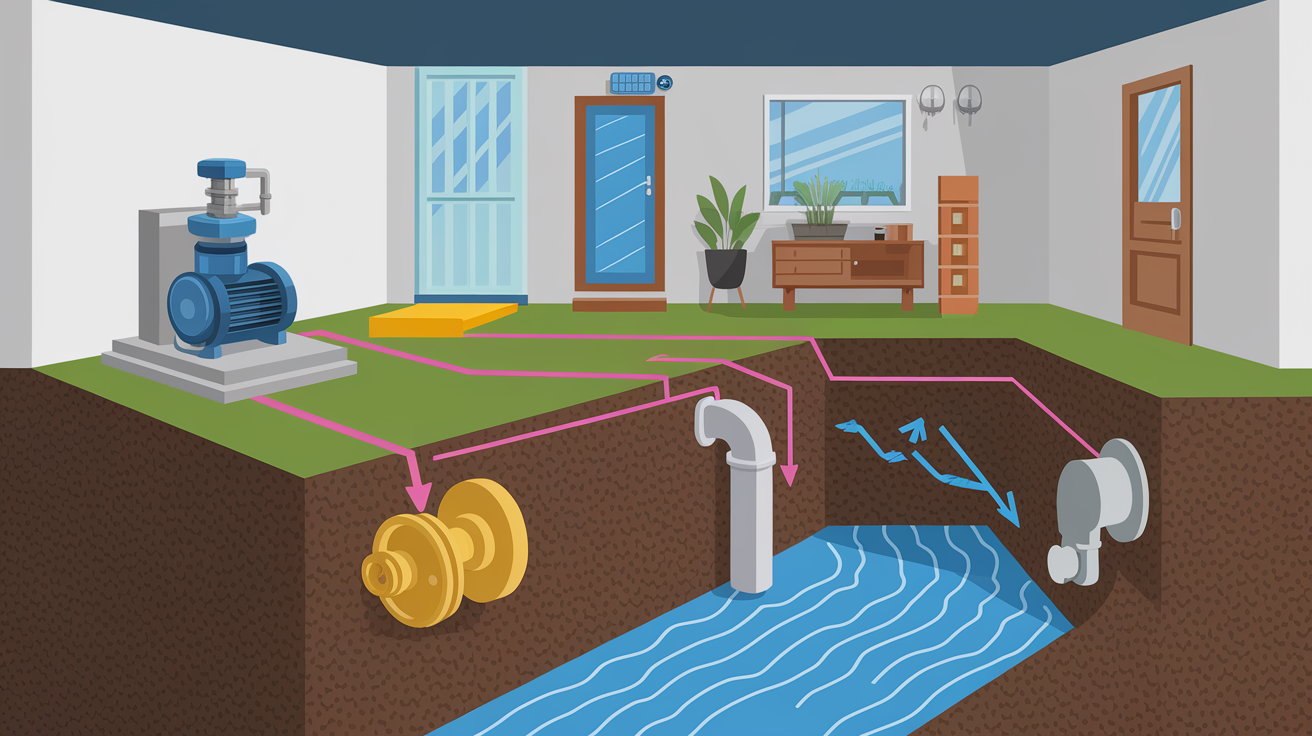
Investing in prevention is more cost effective than paying for repeated restoration work. A homeowner who spends $2,000 on preventative upgrades once avoids potential $5,000 restoration bills every few years when the next heavy rain or plumbing failure happens.
Specific preventative measures and typical costs include sump pump installation at $500 to $1,500 depending on pump capacity and whether battery backup is included. Backwater valve installation runs $150 to $500 to prevent sewage backup through floor drains. Regular plumbing inspections cost $100 to $300 annually to catch small leaks before they become floods. Gutter and downspout maintenance runs $100 to $400 per year to ensure water diverts away from foundation. Basement waterproofing costs $2,000 to $10,000 for interior or exterior waterproofing systems. Water detection alarm systems run $50 to $300 for sensors that alert you to leaks immediately.
Regular maintenance tasks catch problems before they become floods. Check supply line connections to washing machines, dishwashers, and water heaters every six months for signs of wear or slow leaks. Test your sump pump quarterly by pouring water into the pit and verifying it activates. Clear gutters twice yearly and extend downspouts at least six feet from your foundation. These simple routines prevent most common flooding scenarios.
Flood damage history reduces property resale value and increases insurance premiums for years. Buyers request disclosure of past water damage, and inspection reports note evidence of previous flooding or repairs. Insurance companies raise rates after claims and may exclude flood coverage entirely if you have multiple losses. Some insurers won’t renew policies after repeated water damage claims. Preventing flooding protects both your immediate finances and long term property value.
Electrical, Plumbing, and HVAC Restoration Expenses

Building systems require inspection and often repair after flood exposure. Water affects more than just visible surfaces and finishes.
Electrical systems exposed to flooding must be inspected before reconnection. Water damages wiring insulation, corrodes connections, and creates shock hazards. Flood damaged outlets, switches, and service panels often require replacement even if they appear dry. Licensed electricians charge $75 to $150 per hour for inspection and repairs. Panel replacement adds $500 to $2,000 depending on your home’s electrical service size. Safety codes prohibit reusing electrical components that contacted contaminated water.
Plumbing systems need inspection for compromised pipes, failed water heaters, and sewage system backups after flooding. Water heaters that flood must be replaced because contaminated water enters the tank and damages heating elements. The cost runs $800 to $2,500 for replacement including installation. Sewage backups require professional cleaning and sanitization of drain lines, which adds $350 to $1,500 to your restoration bill. Supply lines may need replacement if flooding caused movement or stress on connections.
HVAC systems suffer ductwork contamination when water enters air handling systems, and equipment damage when furnaces or air conditioners flood. Ductwork cleaning costs $300 to $1,000 depending on system size and contamination extent. Furnace or AC replacement runs $3,000 to $8,000 when flooding damages motors, controls, or refrigerant lines. Comprehensive systems sanitization prevents spreading contaminants through your home every time the system runs.
Restoration Process Overview and Timeline Impact on Costs
Longer restoration timelines mean more equipment rental days, additional labor hours, and increased risk of secondary damage that expands the scope. Quick completion reduces costs while protecting your home.
The restoration process follows this progression. Damage assessment takes a few hours and includes thermal imaging and moisture mapping to identify all affected areas. Water extraction happens immediately after assessment and takes several hours to a full day depending on volume. Drying takes 3 to 5 days typically, with equipment running continuously and technicians monitoring moisture levels daily. Sanitization follows complete dry out and takes several hours to treat all surfaces. Repairs and reconstruction range from a few days for minor drywall replacement to several weeks for extensive structural rebuilds.
Equipment rental charges daily, making fast drying completion financially important. Industrial dehumidifiers cost $50 to $100 per unit per day. Most jobs require multiple units plus several air movers. A typical setup running five days costs $1,500 to $2,500 just for equipment. Every delay extends these charges.
| Damage Level | Typical Timeline | Key Cost Drivers |
|---|---|---|
| Minor (Class 1) | 1 to 3 days | Minimal equipment deployment, small affected area, quick dry out |
| Moderate (Class 2) | 3 to 5 days | Multiple rooms, carpet and pad removal, extended equipment runtime |
| Significant (Class 3) | 5 to 10 days | Wall cavity drying, subfloor moisture, extensive demolition and reconstruction |
| Severe (Class 4) | 2 to 6 weeks | Structural repairs, specialty drying, remediation, complete rebuilds |
The 24 to 48 hour window matters. Problems begin developing rapidly once moisture and warm temperatures combine. Quick response and aggressive drying within this timeframe prevent issues from establishing, which eliminates the need for costly remediation work later. Every hour counts when water sits in your home.
Delays from insurance disputes or material sourcing extend costs through continued equipment rental, additional monitoring visits, and potential secondary damage development while work waits. Clear communication with insurance adjusters and ordering materials early minimize timeline extensions.
Getting Accurate Restoration Estimates and Choosing a Contractor
Accurate estimates require on site inspection. Water damage severity can’t be assessed over the phone. A restoration company needs to see the affected areas, measure moisture levels, identify contamination category, and evaluate structural access before providing reliable pricing. Phone quotes based on descriptions often underestimate actual costs and lead to surprise charges mid project.
Good estimates itemize water extraction, drying equipment deployment, daily monitoring, antimicrobial treatment, demolition, material costs, and reconstruction labor separately. This breakdown helps you understand where money goes and compare proposals from different companies accurately. Watch for vague line items like “complete restoration” without detail. They make cost comparison impossible and hide potential upcharges.
When choosing a restoration contractor, verify IICRC certifications proving technicians completed water damage restoration training. State contractor licensing and proper business registration. General liability insurance and workers compensation coverage protecting you from liability. References from recent similar projects you can contact. Written estimates detailing scope, timeline, payment terms, and what’s excluded. Warranties on workmanship and guarantees on complete drying.
Red flags include unusually low bids that are 30 percent or more below other estimates. Pressure tactics demanding immediate decisions or upfront payment. Contractors who discourage insurance involvement or offer to waive deductibles. Lack of physical business address or proper licensing. Refusal to provide references or proof of insurance.
Get at least three estimates from certified restoration companies before deciding. Compare their approaches, communication style, and whether they answer questions clearly. The right contractor explains their process, walks you through what’s needed, and provides documentation supporting their proposal.
For local restoration estimates and 24/7 emergency response, contact FireFloodRescue.com to schedule an inspection and receive a detailed scope and pricing for your specific situation.
Final Words
Most homeowners spend between $1,300 and $6,000 on flood damage restoration cost, but your actual expenses depend on water contamination level, affected square footage, and how fast you act.
The difference between a manageable repair and a costly rebuild often comes down to response time. Water spreads, materials absorb moisture, and mold starts growing within 48 hours.
Get detailed written estimates from certified restoration contractors who can assess your specific situation. Quick action, clear documentation, and choosing experienced professionals will protect both your home and your budget.
FAQ
Is water damage restoration worth it?
Water damage restoration is worth it because it prevents mold growth, protects structural integrity, and preserves your home’s value. Acting fast stops minor damage from becoming a major rebuild. Professional restoration catches hidden moisture that leads to bigger problems later.
How much does it usually cost to repair water damage?
Water damage repair usually costs between $1,300 and $6,000 for most homeowners. Minor single-area damage starts around $150 to $500, while severe structural damage can reach $20,000 to $100,000. Your final cost depends on damage severity and affected square footage.
Does insurance cover water damage restoration?
Insurance covers water damage restoration when the damage is sudden and accidental, like burst pipes or appliance failures. Standard homeowners policies typically exclude flooding from external sources, which requires separate flood insurance. Your deductible and coverage limits determine out-of-pocket costs.
How much does it cost to rebuild after a flood?
Rebuilding after a flood costs between $1,300 and $6,000 for typical damage, but severe structural cases reach $20,000 to $100,000 or more. Black water contamination from sewage adds $7 per square foot minimum. Basement reconstruction alone ranges from $700 to over $75,000 depending on extent.
What affects flood restoration pricing the most?
Flood restoration pricing is affected most by water contamination level, damage severity, and affected square footage. Category 3 black water costs over twice as much as clean water damage. Emergency after-hours service rates run two to three times normal hourly rates.
How long does professional flood restoration take?
Professional flood restoration takes three to five days for drying alone, with total project timelines ranging from one week to several weeks. Minor damage resolves in days, while severe structural repairs extend to weeks. Fast response matters because mold develops within 24 to 48 hours.
What’s included in water extraction costs?
Water extraction costs include pump-out services, industrial equipment deployment, moisture detection, and initial damage assessment. Professional labor runs $70 to $200 per hour for standard rates. Emergency response increases rates to $120 to $600 per hour but prevents secondary damage.
Do I need mold remediation after flooding?
You need mold remediation after flooding if water sat for more than 24 to 48 hours or if visible growth appears. Mold remediation adds $1,000 to $3,500 to restoration costs. Professional assessment identifies hidden growth behind walls and under flooring.
Can I do flood cleanup myself to save money?
You can do flood cleanup yourself for minor surface water, but DIY methods miss hidden moisture that professionals detect with thermal imaging and moisture meters. Incomplete drying leads to mold growth and structural damage, often requiring professional correction later at higher total cost.
How do I get an accurate restoration estimate?
You get an accurate restoration estimate through on-site inspection by certified technicians who assess damage extent, moisture levels, and contamination category. Request itemized written estimates covering extraction, drying, repairs, and materials separately. Compare estimates from multiple IICRC-certified restoration companies.
What are typical drywall replacement costs after flooding?
Typical drywall replacement costs run $1.50 to $3.00 per square foot, with total repairs averaging $300 to $1,000 for minor damage. Extensive ceiling and wall replacement reaches several thousand dollars. Costs include material removal, installation, finishing, texture matching, and paint.
Does emergency flood response cost more?
Emergency flood response costs two to three times normal rates, reaching $120 to $600 per hour versus standard $70 to $200 hourly rates. Despite premium pricing, immediate response reduces total project costs by preventing mold growth, structural damage, and material loss.
What’s the difference between clean water and black water damage costs?
Clean water damage costs $3 to $4 per square foot and often allows material salvage. Black water damage from sewage costs $7 per square foot or higher and requires complete removal of drywall, flooring, and contaminated belongings due to serious health hazards.
How much does basement flooding restoration cost?
Basement flooding restoration costs range from $700 to over $75,000 depending on damage extent and finished space involvement. Basement work involves additional complexity including foundation concerns, limited access, and below-grade moisture challenges that increase labor and material expenses.
What additional costs come with flood damage restoration?
Additional costs with flood damage restoration include pack-out and storage of belongings, contents cleaning, furniture repair or replacement, document recovery, and debris disposal. These secondary expenses can add thousands to your final bill beyond basic water extraction and drying.