


Are you sure your gear will keep you safe during mold cleanup? Even a small patch of mold can release toxins that hurt your eyes and lungs. We know how serious this is, so we recommend using proper protective gear (PPE stands for personal protective equipment). Use goggles that do not let air in, long rubber gloves, coveralls, and at least an N95 mask (a mask that filters very small particles). In this guide, we explain each piece and its role so you can clean up safely and stop harmful spores from spreading.
Essential PPE Components for Effective Mold Cleanup
Mold can grow fast indoors and release toxins that may irritate your eyes and inflame your lungs. This can be especially risky if you have allergies or breathing problems. For small mold areas (under 30 square feet), you should use non-vented goggles to protect your eyes, long rubber gloves to cover your hands, disposable coveralls to keep mold spores off your skin and clothes, and an N95 respirator (a mask that stops tiny particles) to help keep your lungs safe. For more tips on small-area cleanups, visit our DIY mold cleanup guide at https://firefloodrescue.com?p=
If the mold covers a larger area, your risk goes up. In these cases, you need full-body protective clothing and stronger breathing protection like a powered air-purifying respirator (PAPR, a mask that uses a battery-powered blower to filter the air). Using disposable personal protective equipment (PPE) helps trap mold spores and stops them from spreading. Following strict safety guidelines is important for protecting your health.
| Equipment | Why You Need It |
|---|---|
| Non-vented safety goggles | Keep harmful spores and chemical splashes away from your eyes |
| Long rubber or chemical-resistant gloves | Protect your hands from irritants |
| Disposable coveralls (like Tyvek®) | Stop mold spores from touching your clothes and skin |
| N95 respirators or PAPR systems | Filter out dangerous particles when you breathe |
Each piece of PPE is chosen to lower your exposure and avoid spreading mold to clean areas. When you use the right safety gear, you create a safe zone that helps protect your health and controls mold during cleanup.
Respiratory Protection Options and Guidelines
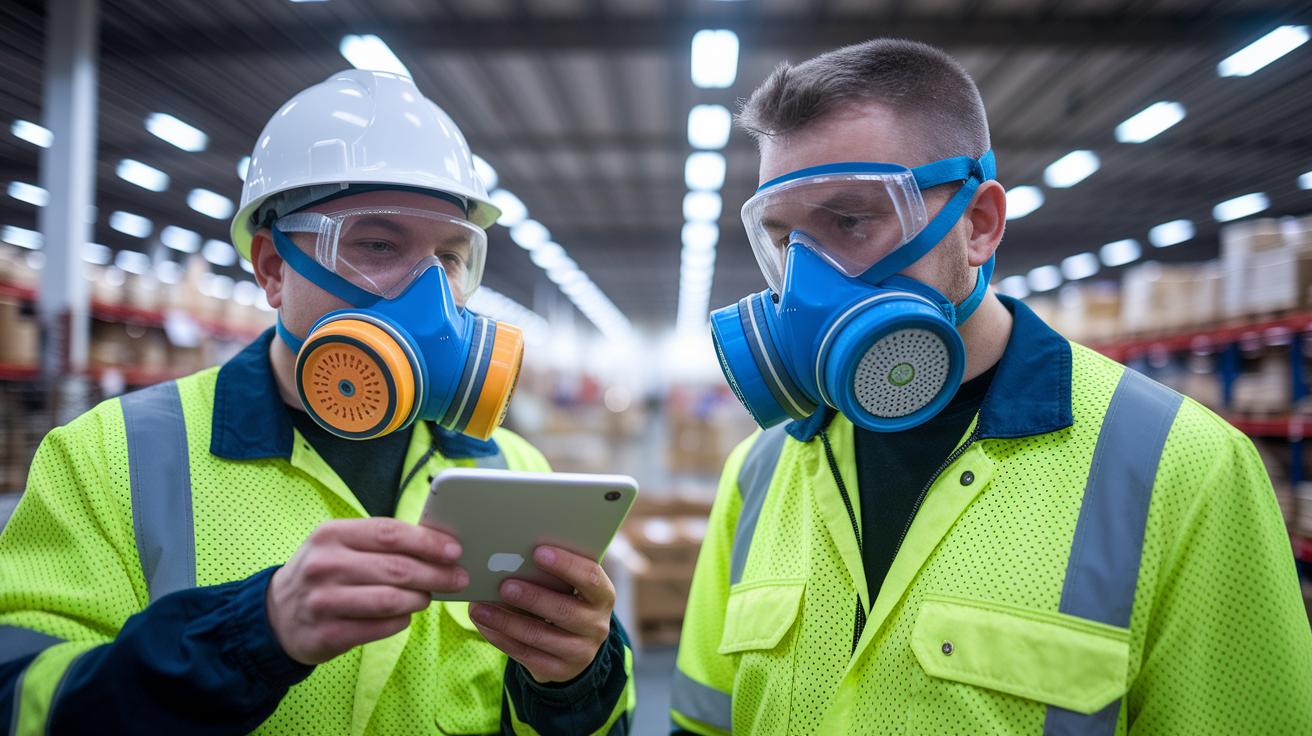
When cleaning mold, keeping your breathing safe is essential. You can choose between half-face and full-face elastomeric masks. These masks cover your nose and mouth and use filter cartridges (devices that trap particles) to catch mold spores and tiny debris. For larger jobs, a powered air-purifying respirator (PAPR) pushes air through high-performance filters to give you extra protection. If you find yourself in a high-risk zone, you can also use an emergency escape breathing device to quickly get out.
One example is International Enviroguard’s Body Filter 95+®. This mask filters particles as small as 0.3 microns with 95 to 99 percent efficiency, much like an N95 mask. OSHA (a government agency that sets work safety rules) and CDC (a public health organization) require each mask to pass a fit test. A fit test is like checking that a door locks perfectly, it makes sure your mask seals tightly so no bad air sneaks in. For example, if you notice a gap around the edges of your mask, fixing it right away keeps your air clean and protects you during cleanup.
The right mask for you depends on how much mold is around and the size of the cleanup area. When there are lots of spores or the area is large, upgrading to a high-grade respirator can greatly lower your risk of breathing in harmful aerosols.
PPE for mold cleanup: what to wear and why
When cleaning up mold, protecting your skin is key. We use chemical-resistant gloves made from nitrile or neoprene (materials that protect against chemicals). These gloves stop cleaning agents from seeping through and causing irritation. Underneath, wearing long cotton liners adds extra comfort and safety.
We also use disposable coveralls, like Tyvek suits, to keep mold spores off your skin and clothes. These suits are made with waterproof materials and sealed seams, which block liquid-borne spores during spray cleaning. For bigger mold problems, full-body coveralls give you complete protection with sealed zippers and snug cuffs that shield every part of your body.
Using the right protective gear helps keep you safe and stops contaminants from spreading further.
Eye, Face, and Headgear: Safeguarding Against Spores
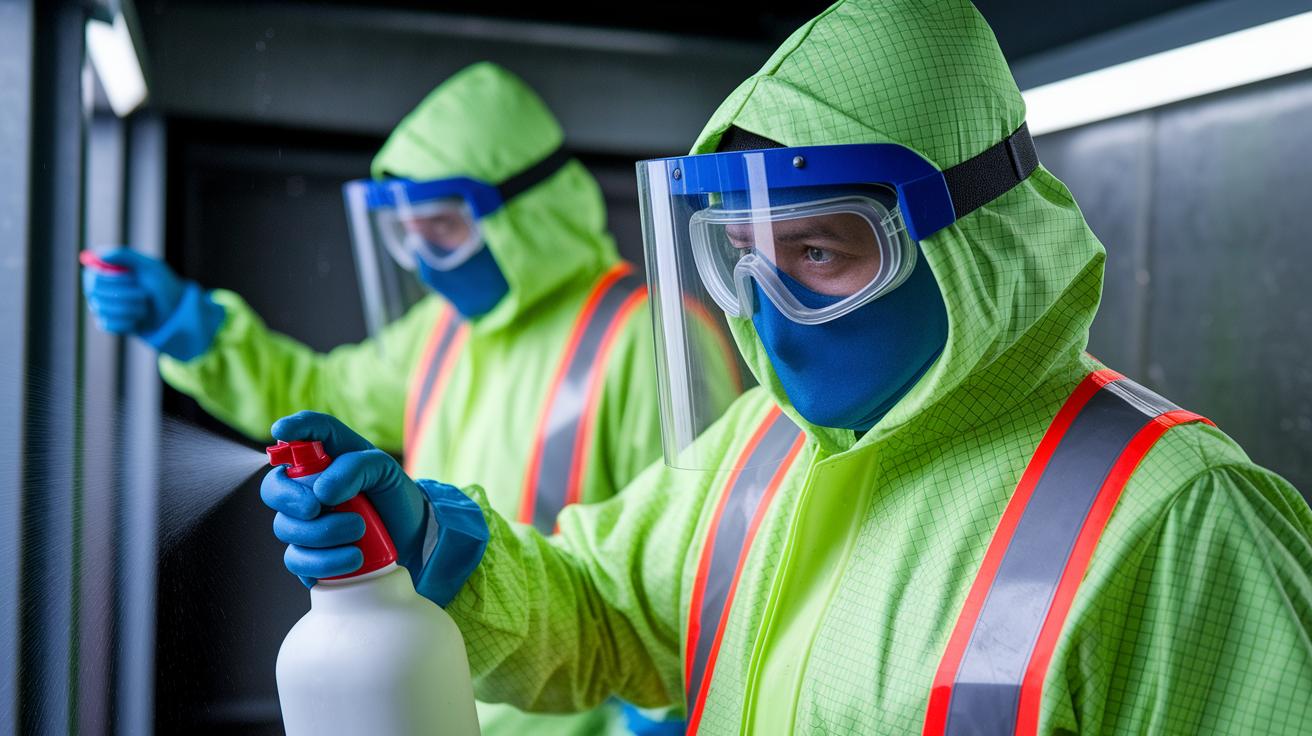
Your eyes, face, and head are common entry points for mold spores and chemical splashes during cleanup. Non-vented safety goggles form a tight seal around your eyes to block airborne particles and droplets. Think of them as a shield that stops stray water from reaching your eyes.
Face shields cover your entire face to guard against splashes and fine particles, especially when working with strong sprays or cleaning chemicals. This extra barrier keeps your face safe and lets you work with confidence.
Wearing head coverings or hoods with your coveralls ensures that spores do not settle in your hair or on your scalp. Even a small amount of mold can cause further issues if it sticks around. We choose gear that meets strict safety guidelines, such as those in the OSHA standard ANSI Z87.1, so you can trust that you are well protected.
Footwear Shields and Foot Protection Strategies
When cleaning mold, we know you need to protect your feet. Mold spores can stick to your shoes and spread to clean areas. Using disposable boot covers made of polyethylene (a sturdy plastic) or Tyvek (a protective fabric) stops spores from riding on your footwear. They act as a barrier so you can safely dispose of them later.
Chemical-resistant boots with sealed seams give extra protection from liquid hazards. These boots keep cleaning chemicals and water (used to remove mold) from reaching your skin. In wet or flooded areas where mold grows easily, waterproof overboots add another safety layer. They help keep your feet dry and lower your risk of infection from dirty water.
Using proper foot protection is a key step to control mold and keep you safe.
Comparing Disposable and Reusable PPE in Mold Cleanup
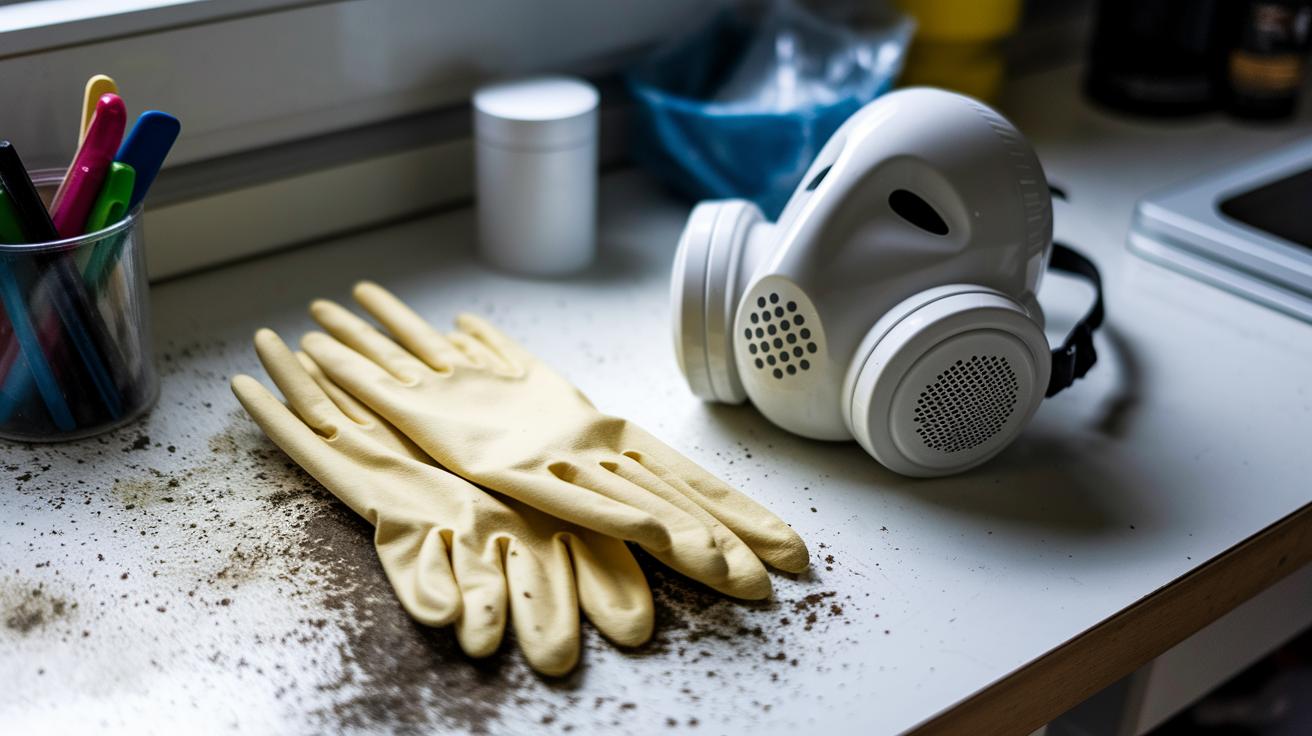
Disposable PPE is an easy and effective choice when cleaning up mold. By using these items once and then disposing of them following local hazardous waste rules, you reduce the chance of spreading mold spores. This method saves you the hassle of cleaning items that have been exposed to mold, which is especially useful when contamination is heavy or when you need quick cleanup.
Reusable gear like elastomeric respirators (protective face masks you can reuse) and strong gloves can save money over time. However, they need a strict cleaning process. You must wash them with detergent, disinfect them with EPA-approved solutions (approved by the Environmental Protection Agency), and let them air dry completely. This careful cleaning helps keep harmful particles from sticking around and protects you for future tasks.
Here are the key things to know:
- Disposable items lower the risk of spreading spores without extra cleaning.
- Reusable gear needs thorough decontamination after every use.
- Be sure to follow local regulations for hazardous waste disposal when using disposable PPE.
The best choice depends on the size of the job, your budget, and the level of mold exposure you're dealing with.
Correct PPE Removal, Disposal, and Decontamination Processes
Mold cleanup can be stressful. We’ve put together these clear steps to help you safely remove your personal protective equipment (PPE) and keep mold spores from spreading.
- Set Up Two Zones: Create one “dirty” area for taking off your gear and one “clean” area for washing your hands.
- Start with Your Gloves: Carefully remove your gloves first to prevent spreading spores.
- Remove Your Coverall: Peel the coverall away from your body and immediately place it in a disposable waste bag.
- Take Off Your Goggles: Remove your goggles next. If they are disposable, put them in the bag. If they are reusable, send them for decontamination (cleaning to remove germs).
- Remove Your Respirator: Take off your respirator slowly to avoid kicking up any spores. Then, wash your hands with soap and water.
For any gear you plan to use again, such as respirators or goggles, decontaminate them in a controlled area using EPA-approved disinfectants (cleaning agents approved by the Environmental Protection Agency). Seal and label waste bags following local biohazard rules and arrange for licensed disposal. These steps help keep you and your home safe during mold cleanup.
Knowing When to Seek Professional Mold Remediation Services
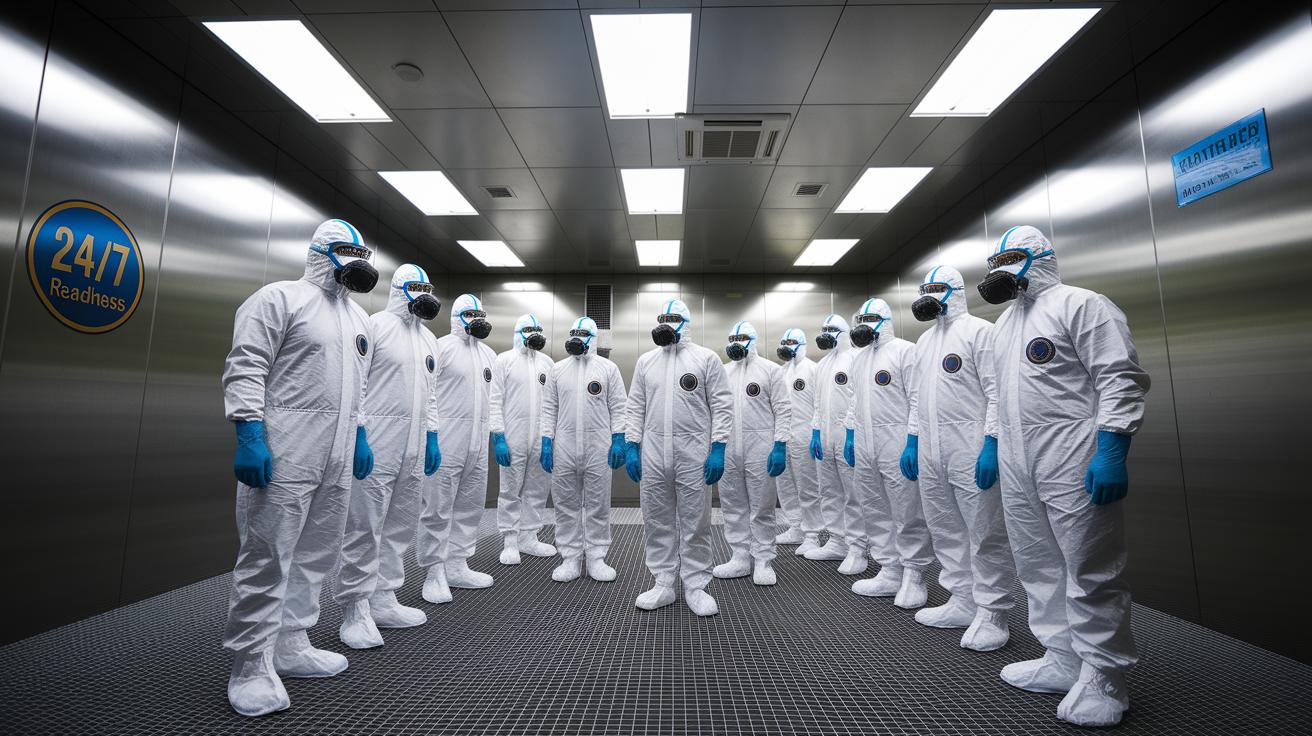
When you find mold covering over 30 square feet or hidden behind walls, it's time to call in experts. They use safe gear that meets strict safety standards, including special suits that block mold spores. They also set up systems with negative pressure (a way to keep air from escaping a work area) and HEPA filters (air filters that trap tiny particles). These tools protect you while stopping the mold from spreading.
Our expert teams have over 12 years of experience and are ready to help 24/7. They can tackle tricky, high-risk spots and find hidden mold that you might miss with a DIY fix. With every step of the cleanup, their careful use of protective gear gives you peace of mind.
If the mold problem is large or reaches into tight, hard-to-clean areas, professional help is essential. For a thorough, safe, and effective removal, consider our services at https://firefloodrescue.com?p=. We'll work quickly to restore your home to a safe, livable condition.
Final Words
In the action, we broke down each essential element for safe mold remediation. We explained the benefits and limits of disposable gear, the importance of proper respiratory and skin protection, and the best ways to remove contaminated PPE. Each safety tip ensures you stop damage now and keep injuries at bay.
This guide on PPE for mold cleanup: what to wear and why gives you clear steps to a safer, quicker restoration. Things will get back to normal soon.
FAQ
What should you wear for mold cleanup and why?
The proper PPE for mold cleanup includes non-vented goggles, chemical-resistant gloves, disposable coveralls, and an N95 respirator. These items protect your eyes, skin, lungs, and clothing from harmful mold spores and toxins.
How do you clean mold without spreading spores?
Cleaning mold without spreading spores involves sealing off the area, using disposable PPE, cleaning surfaces with an EPA-approved cleaner, and working in a well-ventilated space to minimize airborne contamination.
When is mold remediation required?
Mold remediation is required when mold covers more than 30 square feet or if black mold is present because it produces harmful toxins that may impact your health and requires professional intervention.
What PPE is needed for black mold removal?
For black mold removal, you need full PPE including a high-grade respirator, chemical-resistant gloves, disposable coveralls, goggles, and boot covers to protect against the stronger toxins and potential health hazards.
How can mold spores in the air be reduced naturally?
Using natural methods like HEPA air purifiers and increasing ventilation helps reduce air mold spores. These approaches lower indoor spore levels, though severe infestations may still need professional remediation.
What kills mold permanently?
Killing mold permanently is challenging; using EPA-approved biocides and eliminating moisture sources are crucial steps. Removing the water source stops growth, while professional treatments help achieve lasting control.
Is P100 or N95 better for mold cleanup?
A P100 respirator offers higher filtration than an N95, but for small cleanups an N95 may suffice when properly fit tested. The choice depends on the mold concentration and the cleanup scope.
What is a key OSHA recommendation for mold cleanup?
OSHA recommends using proper PPE, including chemical-resistant gloves, ANSI-standard goggles, and fit-tested respirators, to protect workers against inhaling mold spores and exposure to cleaning chemicals.