
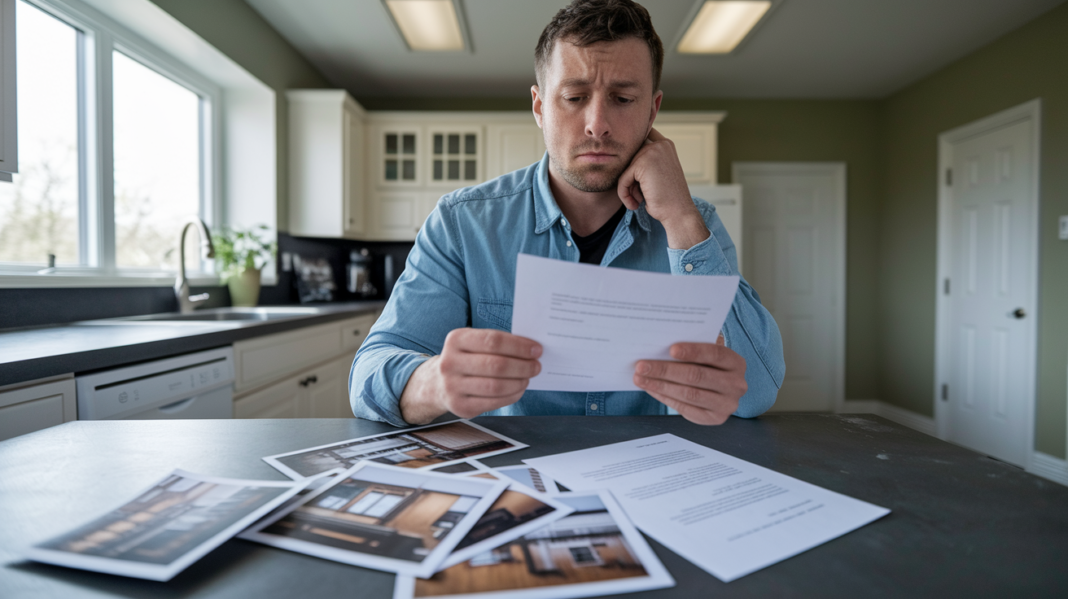

What if your insurer sends a denial letter and you think there’s nothing you can do?
Read it again. You have a short window to act, and taking the right steps now can turn a denial into payment.
This post walks you through what to do in the first 24 to 48 hours, how to find why they denied the claim, how to gather the evidence you need, how to file a strong appeal, and when to bring in an independent assessment.
You’ll get clear, practical steps so you stop more damage and rebuild with proof.
Immediate Actions After a Claim Denial (First 24–48 Hours)

When that denial letter shows up, the clock starts running. Your policy and your state’s insurance rules both set deadlines for fighting back, and most insurers give you somewhere between 30 and 60 days to start an appeal. Wait even a few days and you’re shrinking your window to pull evidence together, ask for a second look, or bring in someone who can actually reverse this thing.
First thing you do? Open the letter and read every single word. The denial has to say why they’re rejecting your claim, which part of your policy they’re using to justify it, and what you can do next. Write down the claim number, the adjuster’s name, the date on the letter, and the exact reason they gave. If there’s a deadline listed, put it on your calendar right now and set a reminder for five days before.
Right after you finish reading, protect what’s left. If your roof’s still torn open or water’s still coming in, do what you need to stop more damage from happening. Take timestamped photos before and after you make any temporary fix. Keep every receipt. Tarps, water extraction, boarding up broken windows… all of it counts as mitigation, and your policy usually requires it. Don’t mitigate and let things get worse? The insurer can deny whatever additional damage piles up.
Here’s exactly what to do in those first 24 to 48 hours:
-
Read the denial letter carefully. Highlight the reason they gave, the policy section they’re citing, the claim number, the adjuster’s name, and any deadline for appeal.
-
Pull out your insurance policy and find the section the insurer mentioned. Read it yourself to see if the denial actually makes sense or if they got it wrong.
-
Take fresh, timestamped photos and video of the damage. Shoot wide to show the full space, then zoom in on specifics like cracked walls, soaked drywall, broken shingles, charred framing. Aim for at least 20 to 50 clear images.
-
Request a copy of the claim file and adjuster notes in writing. Send it by email with read receipt or certified mail. This file shows what the adjuster documented, what they missed, and how they valued your loss.
-
Call the insurer and ask for a second inspection or reinspection by a different adjuster. Write down the date, time, and name of whoever you talk to. Follow up with an email confirming the conversation.
-
Stop further damage by making temporary repairs. Before you touch anything, photograph it. After you stabilize things, photograph the work you did and save those receipts. Don’t toss damaged materials unless the insurer gives you written permission.
Understanding Why Your Claim Was Denied

The denial letter should tell you why they refused to pay, but the language can be vague or buried in jargon. Most denials fall into a few buckets, and knowing which one applies helps you figure out what evidence to gather and whether you’ve got a real shot at reversing this.
Some denials are procedural. The insurer might say you reported the loss too late, missed a deadline for proof of loss, or didn’t cooperate with their investigation. Others are coverage based. They claim the damage isn’t covered because it was caused by something excluded, like flood, earthquake, or gradual wear. A third type involves disputes over how much damage there is or what your claim is worth. Those are easier to fight because the insurer isn’t denying coverage outright, just disagreeing on the repair cost.
If the denial cites a specific exclusion, go to your policy and read that section word for word. Compare what the exclusion actually says to what happened. For example, if they say the damage was “earth movement” but your foundation cracked because a pipe burst and saturated the soil, that exclusion might not apply. Misapplying exclusions is one of the most common reasons appeals succeed.
Most frequent denial reasons:
- Policy exclusion for the peril that caused damage (flood, earthquake, wear and tear, mold from long term moisture)
- Late notice or failure to report within the timeframe your policy requires
- Insufficient proof of loss, missing documentation, or failure to provide estimates or receipts they requested
- Pre-existing damage or maintenance issues the insurer claims caused or contributed to the loss
- Suspected fraud, misrepresentation, or inconsistencies in what you submitted
How to Gather and Strengthen Evidence for a Reversal

Insurers change their minds when you give them facts they can’t ignore. A denial isn’t always final. It’s often a starting position, especially if the adjuster missed damage, underestimated repair costs, or used the wrong policy section. Your job now is to build a file so complete they have to reconsider.
Start by organizing everything in one place. Physical folder and digital backup. Label it with your claim number and update it every time you add a document, photo, receipt, or report. This becomes your appeal package, and you’ll refer to it when you write your appeal letter, talk to an attorney, or file a complaint with your state insurance department.
Evidence that reverses denials usually includes:
- Timestamped, high resolution photos and videos showing the full extent of damage, taken from multiple angles and distances (shoot for 20 to 50 images minimum)
- At least two independent contractor estimates with itemized line costs for labor, materials, and any demo or disposal fees
- Expert reports from licensed professionals. Structural engineers for foundation or framing damage, roofers for wind or hail claims, plumbers for water damage, electricians for fire related issues. Typical cost per report runs 300 to 2,000 dollars.
- Receipts and invoices for emergency repairs, temporary housing, meals, storage, and any other expenses you racked up because of the damage
- Maintenance and repair records proving you kept the property in good shape before the loss, especially if the insurer’s claiming pre-existing damage or neglect
- Police reports, fire department incident reports, weather service records, or municipal inspection reports that document the event or confirm the date and cause
- Before and after photos if you have them, or any prior home inspection reports, appraisals, or real estate listings showing the property’s condition before damage occurred
Steps to Appeal an Insurance Claim Denial

An appeal is your formal request for the insurer to reconsider and pay your claim. Most policies and state laws require insurers to accept appeals and review them within a set timeframe, usually 30 to 60 days. Miss the deadline to file and you may lose the right to dispute through the insurer’s internal process, forcing you straight to a state complaint or lawsuit.
The internal appeal is almost always faster and cheaper than going to court, so use it. Even if you plan to hire an attorney or public adjuster later, filing a clear, evidence backed appeal can resolve things without extra cost or delay.
Writing an Effective Appeal
Your appeal letter should be direct, organized, and backed by evidence. Start with your policy number, claim number, and the date of the denial letter. In the first paragraph, state you’re appealing the denial and briefly explain why you believe the claim is covered.
Next, address the specific reason the insurer gave. If they cited an exclusion, quote the exclusion language and explain why it doesn’t apply to your situation. If they said you lacked proof of loss, list the documents you’re attaching. If they valued your damage too low, attach contractor estimates showing the real repair or replacement cost.
Attach a clear list of supporting documents. Photos, estimates, expert reports, receipts, and any incident reports. Number each attachment and reference it in the body of the letter so the reviewer can match your argument to the evidence.
End with a specific request. State the dollar amount you’re claiming and ask for payment within a defined period, commonly 30 days. Send the letter by certified mail with return receipt and by email if the insurer accepts electronic submissions. Keep copies of everything you send and note the delivery date.
Five steps to complete your appeal:
-
Draft a concise appeal letter with your policy number, claim number, denial date, and a clear statement requesting reconsideration.
-
Attach all supporting evidence in a numbered list. Photos, contractor bids, expert reports, receipts for mitigation and temporary expenses, and any incident or inspection reports.
-
Reference the specific policy language supporting your claim and explain why the denial reason doesn’t apply or is based on incorrect facts.
-
State your demand clearly. Request payment of a specific dollar amount and ask for a written response within 30 days.
-
Send the appeal package via certified mail and email, keep proof of delivery, and log the date you submitted it so you can track response time.
When to Request a Second Opinion or Independent Assessment

Sometimes the adjuster who inspected your property missed damage, used outdated pricing, or applied the wrong repair method in their estimate. When the insurer’s valuation is way lower than what contractors are quoting you, or when the adjuster didn’t inspect hidden damage like wet insulation or cracked framing, an independent assessment can give you the evidence you need to challenge the denial or the settlement amount.
An independent adjuster works for you, not the insurance company. They inspect the property, document damage the company adjuster may have overlooked, and prepare a detailed report with photos, measurements, and an itemized scope of repairs. Licensed contractors can also provide written assessments and repair estimates that break down labor, materials, and timelines. These third party reports carry weight because they come from professionals with no financial stake in minimizing your claim.
If your insurer denied based on the cause of loss or extent of damage, a report from a structural engineer, certified roofer, or licensed plumber can directly contradict the adjuster’s conclusions. For example, if the insurer says your roof damage was wear and tear but a roofer’s report shows impact marks and shingle tears consistent with hail, that report becomes the centerpiece of your appeal. Expect to pay between 300 and 2,000 dollars for a detailed expert report, depending on scope and the professional’s qualifications.
Formal Complaints and Escalation Options

If the insurer denies your appeal or ignores your submission, you’ve got options beyond negotiation. Every state has a department of insurance that regulates insurers and accepts complaints from policyholders. Filing a complaint doesn’t guarantee they’ll reverse the denial, but it does trigger a formal review and requires the company to justify its decision to a state regulator.
State insurance departments investigate complaints, request claim files and correspondence, and can order insurers to re-evaluate claims or explain their coverage positions in writing. The process typically takes 30 to 90 days. While regulators can’t force an insurer to pay a claim, they can flag patterns of bad faith, levy fines, or require the company to change its practices. Filing a complaint also creates a paper trail that strengthens your case if you later pursue arbitration or litigation.
If your policy includes an appraisal clause, you can invoke appraisal to resolve disputes over the value of your loss. Appraisal doesn’t decide whether the claim is covered, only how much the covered damage is worth. Each party selects an appraiser, the two appraisers select an umpire, and the appraisers or the umpire issue a binding decision on the amount of loss. Appraisal can be faster and cheaper than a lawsuit, but you’ll pay for your appraiser and a share of the umpire’s fee, typically 500 to 3,000 dollars total.
Other formal escalation channels:
- Filing a complaint with your state department of insurance using their online portal or mailed complaint form, and attaching your denial letter, appeal, and supporting evidence
- Requesting mediation if your state or your policy offers a mediation program, where a neutral third party helps negotiate a settlement (typical cost runs 500 to 2,500 dollars, sometimes split)
- Invoking the appraisal process if your policy contains an appraisal clause and the dispute is over damage value, not coverage
- Consulting with a public adjuster who can re-inspect, prepare a new estimate, and negotiate directly with the insurer on your behalf (fees commonly range from 5 to 20 percent of the recovered amount)
When to Consult an Attorney

An attorney becomes necessary when the insurer denies coverage outright, refuses to respond to your appeal, or engages in conduct that looks like bad faith. Bad faith includes unreasonably delaying your claim, misrepresenting policy terms, failing to investigate adequately, or offering a settlement far below the documented value of your loss without explanation. If any of those apply, a property damage or insurance claim attorney can review your file, send a formal demand letter, and prepare for litigation if the insurer doesn’t settle.
Most insurance attorneys work on contingency for larger claims, meaning they take a percentage of what they recover for you. Commonly 25 to 40 percent, plus costs like filing fees and expert witness fees. For smaller disputes, some bill hourly and you pay as the case moves forward. Hiring counsel usually makes sense when your claim exceeds 10,000 to 25,000 dollars, when the insurer has already denied your appeal, or when you’re approaching the statute of limitations for filing suit. Statutes of limitations for insurance contract claims vary widely by state, commonly one to six years, so verify your deadline immediately to avoid losing your right to sue.
Attorneys investigate your claim, gather additional evidence, negotiate with the insurer’s legal team, and file suit if necessary. They also handle appraisal proceedings, mediation, and arbitration. If your case involves significant property damage, complex coverage disputes, or clear insurer misconduct, legal representation can mean the difference between accepting a low settlement and recovering the full amount you’re owed.
Final Words
In the action, read the denial right away, take timestamped photos, protect what’s still at risk, and gather new estimates or expert reports. Then ask for a reinspection, file a written appeal, and document every step for your insurer and your records.
If you’re asking “property damage claim denied what to do,” follow these steps and consider a second opinion or formal complaint if needed. Start now. Quick, documented moves give you the best shot at a reversal and a repaired home.
FAQ
Q: What to do when homeowners insurance denies your claim?
A: When homeowners insurance denies your claim, read the denial carefully, document everything with timestamped photos, get contractor estimates, request a reinspection, and file a written appeal before the insurer’s deadline.
Q: What not to say to the insurance adjuster?
A: You shouldn’t tell an insurance adjuster you caused the damage, guess the cause, admit repairs won’t be needed, give a recorded statement without advice, or sign releases before getting written estimates.
Q: What are the two main reasons for denying a claim?
A: The two main reasons are that the loss is excluded under your policy (like wear, lack of maintenance, or pre-existing damage) and the claim lacks timely, sufficient documentation or was reported late.
Q: Will insurance go up even if a claim is denied?
A: A denied claim usually won’t raise your premium, but insurers may still record it and multiple claims or certain loss types can trigger higher rates, so check with your insurer or agent.