


Think a fresh coat of paint will make smoke smell disappear?
Not usually—unless you prime with BIN shellac (a resin that forms a hard, non-porous seal).
That seal locks nicotine, tar, and soot under the paint so those molecules can’t seep back into the air.
In this post we explain why BIN is often the best choice for stubborn smoke odor, what prep stops the smell from returning, and step-by-step application tips so you seal surfaces correctly.
We’ll also show when cleaning or deeper repairs are still needed.
Effectiveness of BIN Primer for Blocking Smoke Odor
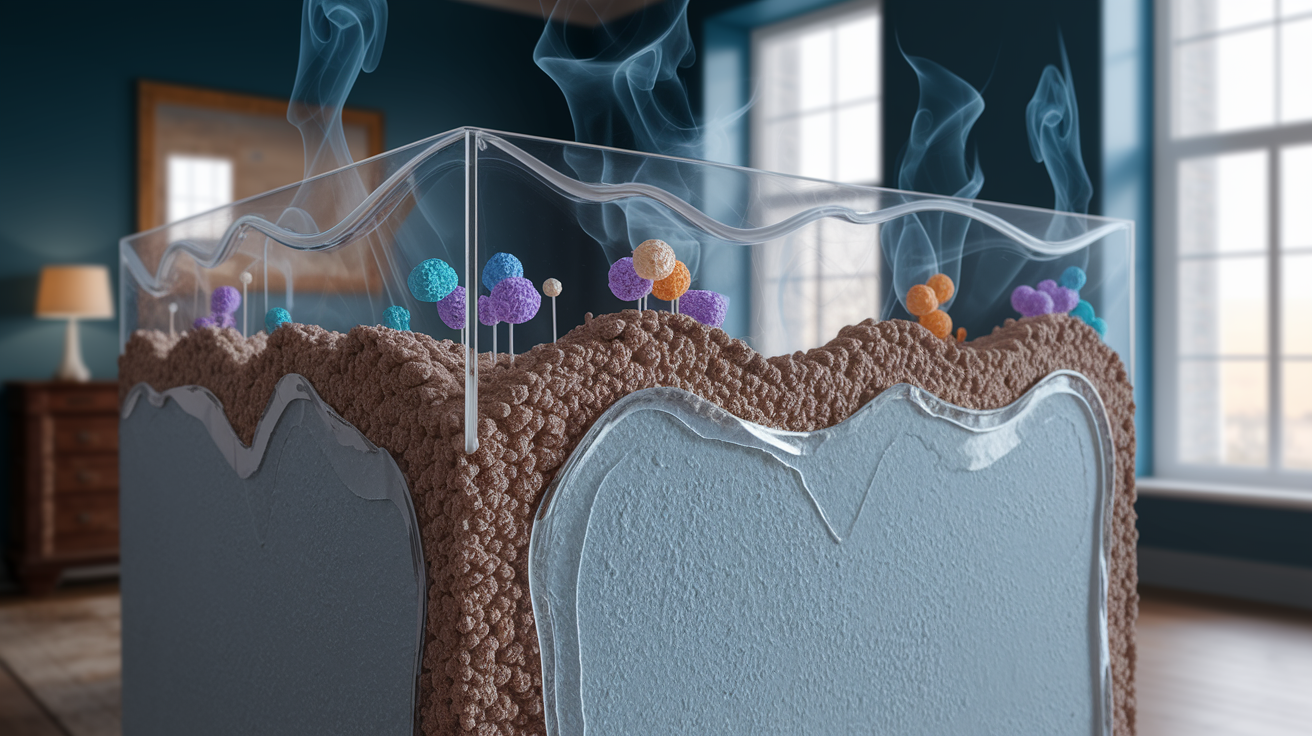
Yes, BIN primer effectively blocks smoke odor. The product uses dewaxed shellac resin that dries into a hard, non-porous film over the contaminated surface. That film traps odor-causing particles and volatile compounds left behind by smoke: nicotine oils, tar residue, carbon particles, and the organic compounds that create the smell. Once shellac cures, those molecules can’t migrate through the sealed layer and reach the air or the topcoat paint above. The barrier is physical and chemical, not just cosmetic.
BIN is the right choice when cleaning alone doesn’t remove the odor, when the substrate has absorbed smoke over time, or when faster drying and stronger sealing are required. It outperforms most water-based primers, which are porous and allow odor molecules to pass through. It also seals more reliably than many oil-based primers that may cover stains but don’t lock odor as tightly. When the smell returns days or weeks after painting with a standard primer, shellac-based sealing was likely needed instead.
BIN can seal the following types of smoke odors:
- Nicotine and cigarette smoke absorbed into walls, ceilings, and trim over months or years of indoor smoking
- Fire and soot residue from structure fires, including greasy carbon deposits and charred wood smells
- Cooking smoke, grease vapor, and burnt food odors that have penetrated drywall or wood surfaces
- Long-term embedded smoke in rental properties, foreclosures, or inherited homes where the source has been gone for years but the smell remains
After BIN fully cures (typically 24 hours), most light to moderate smoke odors are completely eliminated. Heavy smoke cases may still carry faint traces if contamination exists inside wall cavities, ductwork, insulation, or flooring that wasn’t sealed. In those situations, the primer works on what it covers, but untreated areas continue to release odor. When applied correctly to all exposed surfaces in a smoke-damaged room, BIN stops the odor from coming through the paint.
Preparing Surfaces Before Applying BIN Primer
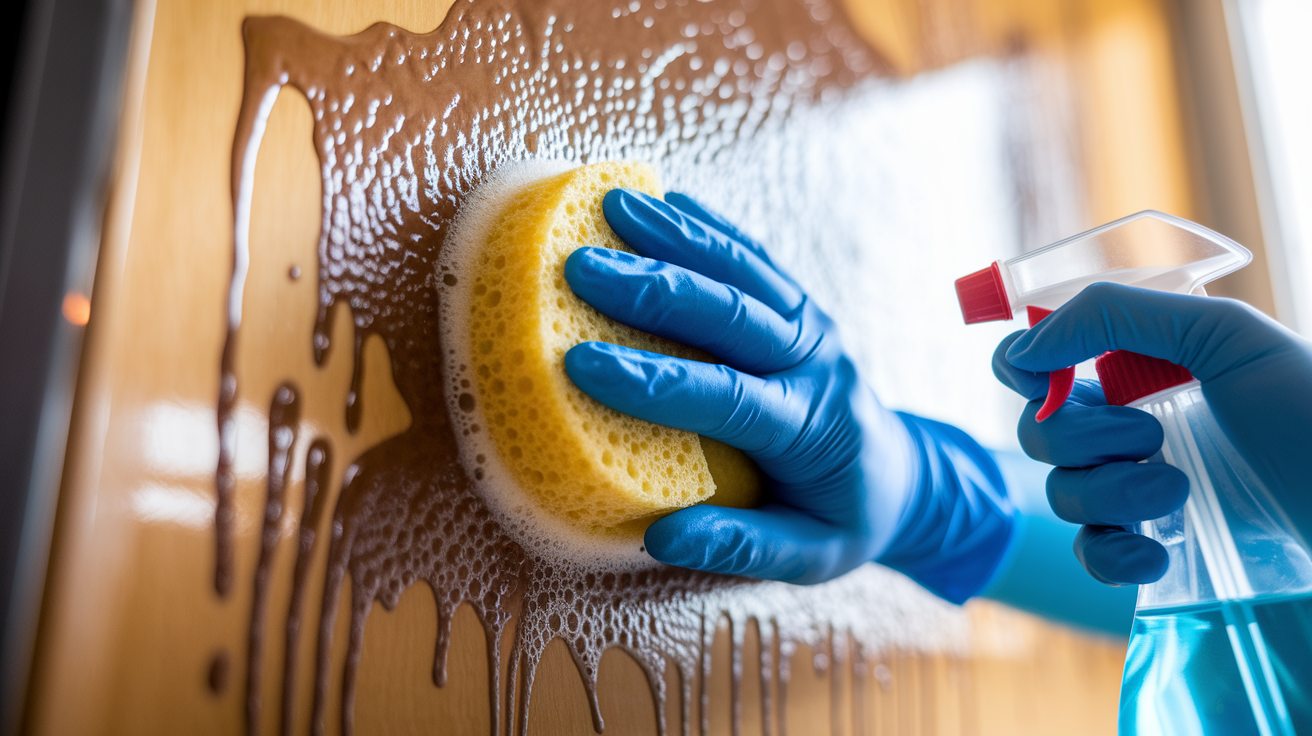
Cleaning the surface before priming improves both adhesion and odor control. Smoke leaves behind a sticky film of tar, nicotine oil, grease, and carbon. If you prime over that layer without removing it, the shellac bonds to the contaminants instead of the substrate. That can reduce adhesion and allow residual smell to remain under the primer. Heavy soot also absorbs moisture and can create uneven coverage or soft spots in the dried film. Clean surfaces let the primer seal tightly to the wall, ceiling, or trim.
Most pros wash smoke-stained walls with trisodium phosphate (TSP) or a TSP substitute mixed with warm water. Wipe the surface with the solution using a sponge or rag, then rinse with clean water and let it dry completely. Usually takes 12 to 24 hours depending on humidity and airflow. Glossy paint or varnished trim should be lightly sanded with 120 or 220 grit sandpaper to improve mechanical grip. Patch any holes with spackle, feather the edges, and sand smooth. Don’t apply primer to damp surfaces. Moisture prevents shellac from bonding and can trap odor underneath.
Essential prep steps before applying BIN:
- Remove loose soot and dust with a dry cloth, HEPA vacuum, or dry cleaning sponge
- Wash greasy or heavily stained surfaces with TSP solution, rinse, and allow full drying time
- Sand glossy finishes lightly and patch damaged areas with spackle. Sand repairs flush.
Application Steps and Coating Requirements for BIN Primer

Applying BIN correctly ensures consistent coverage and full odor sealing. The primer dries fast, so work in sections and keep the can covered between pours to prevent skinning. Use a quality brush for edges and corners, and a roller for walls and ceilings. Avoid cheap roller covers that shed fibers. They’ll stick in the finish.
Follow these steps when applying BIN primer:
- Stir the primer thoroughly before use and frequently during application. Shellac solids settle quickly, and unstirred product applies unevenly.
- Pour only what you can use in about 10 minutes into a roller tray. Cover the tray with plastic wrap or a damp cloth between refills to slow drying.
- Cut in edges, corners, and trim with a brush first, then roll the field areas immediately while the brushed edges are still wet for blending.
- Apply in smooth, even passes without overworking. Shellac dries too fast to go back and touch up wet areas after a few minutes.
- Keep the room well ventilated and wear a respirator rated for organic vapors. Shellac releases alcohol fumes that are strong and flammable until dry.
- Dispose of roller covers and brushes after use or cut the brush handle and store the brush in the can for future spot priming. Cleaning shellac tools is difficult because the solvent evaporates quickly.
One coat of BIN seals most light to moderate smoke odors. If the smell is strong or the staining is heavy, apply a second coat. Recoat timing is about 45 minutes under normal conditions. BIN is typically touch dry in 15 to 30 minutes and ready for the next layer or topcoat within an hour. In cool or humid rooms, drying may take longer. Full cure happens over 24 hours, which is when maximum odor blocking is reached. Plan for two finish coats of paint over the primer for a complete restoration.
Comparing BIN Primer to Other Odor-Blocking Primers
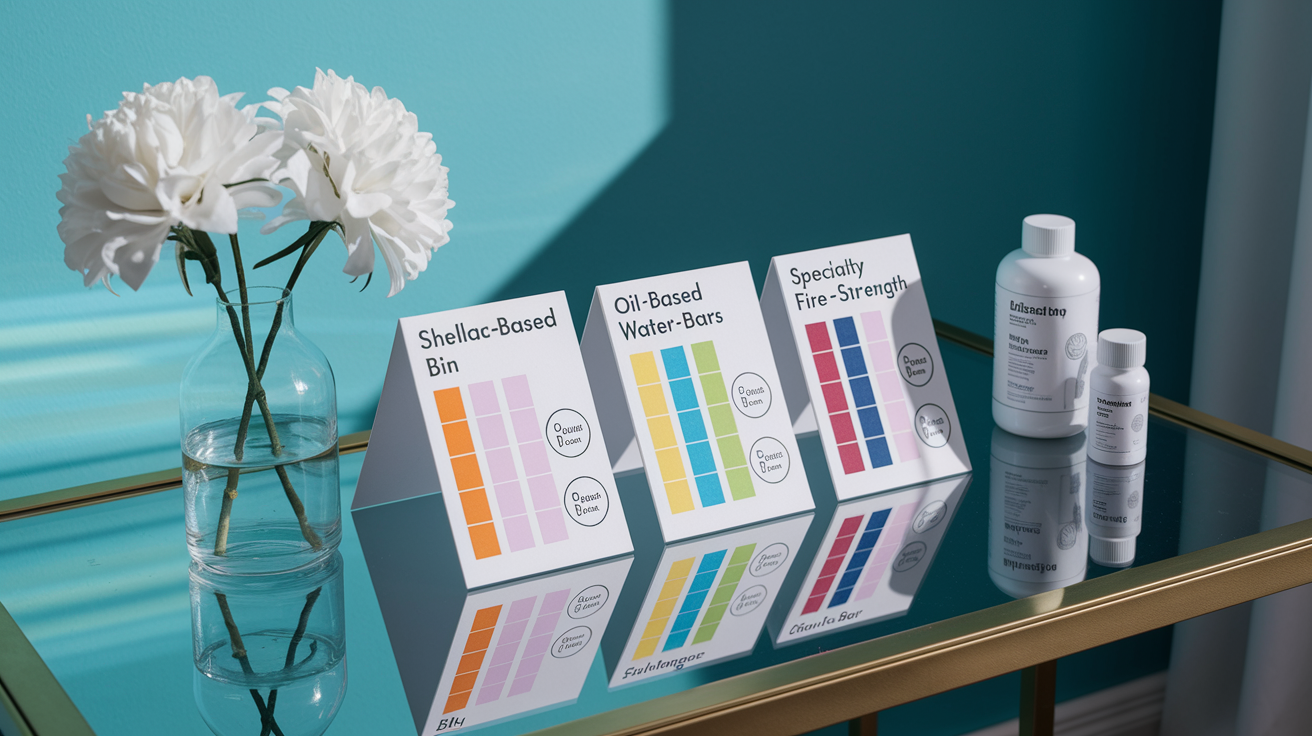
Shellac-based BIN is the strongest consumer option for blocking smoke odor because the resin forms a dense, impermeable seal. Oil-based primers like Zinsser Cover Stain or Kilz Original can handle mild to moderate odors and are effective at covering stains, but they’re not as absolute for deep or pervasive smoke smell. Water-based primers that claim odor blocking are the least reliable. Most allow volatile compounds to pass through the film over time, especially in warm or humid conditions. BIN also dries faster than oil-based options, which typically require two to six hours before recoating.
For severe nicotine staining or fire residue, BIN consistently outperforms Kilz and similar products. Oil primers work well for new construction odor control or light cooking smoke, but they don’t lock down heavy contamination as tightly. Specialty fire restoration primers exist for professional remediation work and may combine odor sealing with antimicrobial additives, but they’re harder to find and often cost more than BIN without offering significantly better smoke odor control in typical residential cases.
| Primer Type | Odor-Blocking Strength | Best Use Case |
|---|---|---|
| Shellac-based (BIN) | Excellent; blocks severe odors including nicotine, fire smoke, and pet urine | Heavy smoke damage, long-term cigarette odor, fire restoration, persistent smells |
| Oil-based (Cover Stain, Kilz Original) | Good; effective for mild to moderate odors and stain coverage | Light cooking smoke, new construction, minor water stains, general prep work |
| Water-based (latex odor-blocking primers) | Fair to poor; often allows odor bleed-through on heavy contamination | Very light odors, quick-dry applications, situations where solvent fumes must be avoided |
| Specialty fire-restoration primers | Excellent; formulated for extreme contamination and professional remediation | Commercial fire damage, structural soot, combined odor and antimicrobial sealing |
Handling Severe or Persistent Smoke Odor Cases

When smoke odor remains after cleaning and priming, the contamination is likely deeper than the surfaces you sealed. Smoke can soak into carpet padding, insulation, subfloors, and the paper backing of drywall. It can also travel through ductwork and settle inside wall cavities. In these cases, sealing the visible walls and ceilings stops part of the problem, but hidden sources continue to release odor into the room. Charred or heavily saturated materials can’t be saved by priming. They must be removed and replaced.
Signs that indicate deeper structural odor or the need for additional steps:
- Odor returns within days or weeks after priming and repainting, especially in warm or humid weather
- Smell is strongest near baseboards, outlets, or HVAC vents where air moves through wall cavities
- Carpet, insulation, or ceiling tiles show visible soot staining or smell strongly when handled
- Fire damage includes charred framing, melted wiring insulation, or smoke-saturated drywall that crumbles or feels spongy
- Multiple coats of BIN and finish paint have been applied, but the odor persists at the same intensity
For extreme cases, remove carpet and padding, pull down smoke-saturated drywall or ceiling panels, replace insulation, and seal subfloors and framing with BIN before rebuilding. Clean or replace HVAC filters and ductwork if smoke traveled through the system. Consider hiring a fire restoration contractor if the damage is widespread or if odor remains after sealing all accessible surfaces. They use thermal fogging, ozone treatment, or hydroxyl generators to neutralize odors that sealing alone can’t reach.
Final Words
Start by sealing the worst spots with BIN’s shellac barrier. It blocks smoke molecules so you get a clear yes on heavy nicotine and fire residue.
Prep and technique make the difference. Clean soot, let surfaces dry, repair damaged spots, then follow the brush, roll, or spray steps and allow the short dry times between coats.
For stubborn jobs, expect extra coats or some replacements. If you’re choosing a primer, remember bin primer for smoke odor is often the most reliable first move, and it moves you toward a fresher, livable home.
FAQ
Q: What bin primer is good for smoke damage? What is the best primer to seal smoke smell? Does shellac cover smoke smell?
A: The BIN shellac-based primer is the best choice for smoke damage because shellac creates an impermeable barrier that blocks nicotine, cooking smoke, fire residue, and long-term embedded smoke on walls, ceilings, and trim.
Q: How do professionals get rid of cigarette smell?
A: Professionals get rid of cigarette smell by removing soot and residues, deep-cleaning surfaces, using HEPA air scrubbing and odor absorbers, then sealing with shellac primer or replacing contaminated materials when odors persist.