
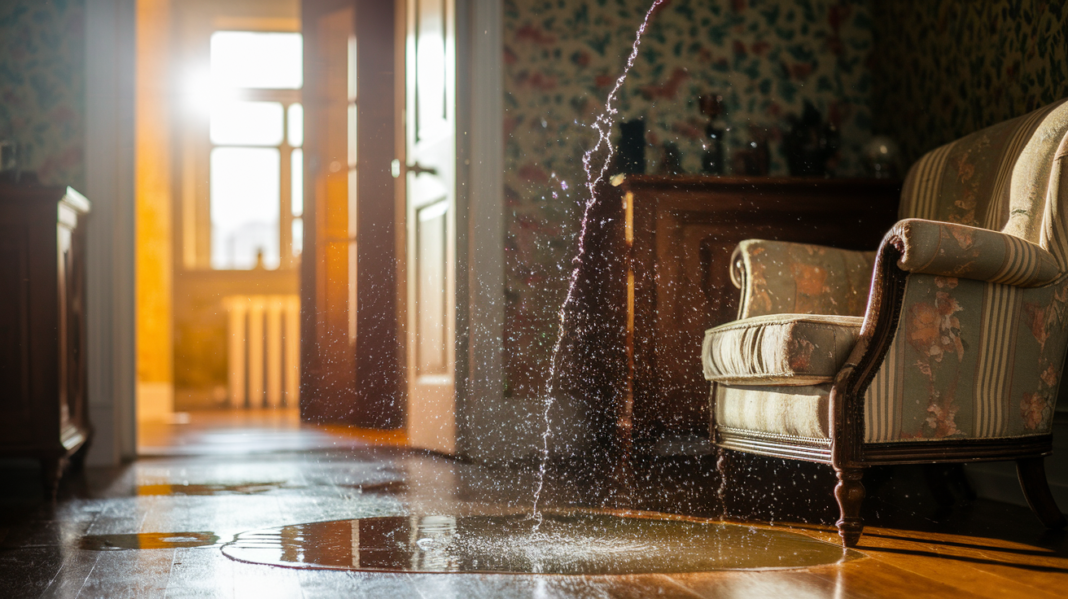

Waiting to report damage is the quickest way to lose your claim.
The first hours after a loss decide whether you get paid or get stuck in delays.
This guide walks you through the exact documents, photos, forms, and steps insurers expect so you can file successfully.
You’ll learn what to do right away, what to save, how to organize evidence, and how to meet deadlines so repairs don’t stall.
No guesswork, just clear steps to protect your home and your payout.
Immediate Actions Required After Property Damage Occurs

The first hours after property damage happen are everything. What you do right now determines whether your insurer pays or finds a reason to stall. Miss one step and you’re looking at delays, reduced payments, or a flat-out denial. Speed protects your property and your claim.
Stop more damage immediately. Board up broken windows, shut off water mains if pipes burst, move valuables out of wet zones, and keep every receipt for materials you buy. Don’t throw anything away. Insurers need proof, and once you toss damaged property, there’s nothing left to inspect or photograph. Grab your phone and capture everything from multiple angles, even if the scene’s chaotic. Turn on timestamp settings or make sure your camera’s recording date and time metadata.
Call your insurance company as soon as it’s safe. Most policies want to hear from you within 24 to 72 hours. Write down the claim number, the rep’s name, and the exact time you reported it. Keep a simple log with dates, times, who you talked to, and what was said. That log becomes your evidence if anyone questions your timeline later.
What you need to do immediately:
- Get high resolution photos and videos with timestamps or saved metadata before you start cleanup.
- Document temporary repairs with receipts for tarps, plywood, fans, and any contractor work you pay for.
- Report the loss within 24 to 72 hours and write down the claim number and rep contact info.
- Don’t discard damaged items. Keep them for the adjuster even if they’re wet, broken, or smell terrible.
- Start a communications log. Note every call, email, and text with dates, times, names, and quick summaries.
- Move undamaged stuff to a safe, dry spot and photograph where everything was originally if the scene’s stable enough.
Understanding Insurance Policy Requirements for Property Damage Claims

Your policy language controls every requirement. Coverage limits, exclusions, notice deadlines, proof of loss procedures…it’s all spelled out in your declarations page and policy contract. Read both before damage happens, and check them again after every renewal. Coverage can shift without you realizing it.
Flood damage usually needs a separate flood policy and a separate claim. Homeowners policies cover your dwelling and personal property but often exclude certain water damage, wear and tear, and maintenance problems. Commercial policies add business interruption documentation and equipment inventories. Auto policies want police reports, VINs, and copies of your title or registration. Know which policy applies before you file.
| Policy Type | Key Documents Required | Coverage Notes |
|---|---|---|
| Homeowners | Declarations page, dwelling/contents inventory, contractor estimates, receipts, permits, mortgagee info | Covers dwelling structure, personal property, sometimes temporary living expenses. Flood’s usually excluded |
| Auto | Police report, VIN photos, title/registration, repair estimates, tow/storage receipts, rental records | Collision, comprehensive, liability vary. Must verify driver and vehicle eligibility at time of loss |
| Commercial | Business interruption records (revenue, payroll, invoices), equipment serial numbers, inventory counts, supplier contracts, financial statements | Covers property and income loss. Requires proof of lost profits and operational disruption |
Required Documentation for Meeting Property Damage Claim Requirements

Insurers deny claims when your documentation’s incomplete. Collect and organize evidence right away because waiting tanks quality and credibility. You need to prove what you owned, what got damaged, when it happened, and how much repairs cost.
Visual evidence comes first. Take high resolution photos and videos from every angle. Close-ups of damage, wide shots showing context, serial numbers or identifying marks on items. Turn on camera timestamps or preserve file metadata. Save original digital files and back them up in cloud storage or on an external drive. Photograph receipts, purchase invoices, and any records showing the property was maintained and undamaged before the event.
Organize everything into groups so the adjuster can review it fast. Create an itemized inventory listing every damaged item with description, quantity, approximate value, purchase date, and receipt or proof of ownership. Keep a communications log with dates, times, phone numbers, rep names, and summaries of what was discussed. Retain copies of all emails, texts, and written correspondence from the insurer.
Documentation groups you need to collect and preserve:
- Visual evidence: Time stamped photos and videos, multiple angles per item, close-ups of serial numbers, wide shots showing room layouts, before and after comparisons when you have them.
- Itemized inventories: Descriptions, quantities, values, purchase dates, receipts, serial numbers, proof of ownership for every damaged item.
- Receipts for mitigation and temporary repairs: Invoices for tarps, plywood, fans, dehumidifiers, contractor labor, emergency services. Insurers reimburse reasonable mitigation expenses.
- Repair estimates and contractor bids: Written, itemized scopes of work from licensed contractors detailing materials, labor, code upgrades, permits.
- Official reports and supporting documents: Police, fire, or emergency services incident reports. Bank statements, credit card records, titles, product manuals, warranties.
Property Damage Claim Requirements for Adjuster Inspections and Assessments

The adjuster inspection determines what your insurer pays. Adjusters review the cause of damage, the severity, and whether your documentation backs up your claim. Inspections typically happen within 3 to 14 days after you file, but catastrophic events can push scheduling back by weeks.
You’ve got to provide full access to the damaged property and cooperate with the inspection. Have your organized documentation ready with photos, inventories, estimates, and receipts in labeled folders or files. Answer questions honestly and completely. Don’t start major repairs before the inspection unless safety or further mitigation requires it. Unauthorized repairs can reduce or void coverage. If you disagree with the adjuster’s findings, request a re-inspection or hire an independent adjuster for a second opinion.
Preparing Documentation for the Adjuster
Organize your photos into folders by room or damage type. Print a summary inventory list and attach receipts or screenshots of online purchase confirmations. Gather at least one contractor estimate that matches the scope of damage the adjuster will see. Keep originals and bring copies to the inspection so you can hand over documents without losing your records. The adjuster’s going to ask for your claim number, policy number, and contact information. Have those ready along with a timeline of when the damage occurred and when you first noticed it.
Proof of Loss, Claim Forms, and Mandatory Submission Requirements

Most policies require a formal proof of loss document within 30 to 90 days after the damage. This form’s a sworn statement listing what was damaged, the cause, the date, and the estimated cost. Missing the deadline can forfeit your right to payment. Read your policy to confirm the exact timeframe and submission method.
Proof of loss forms ask for your policy number, claim number, loss date, description of how the damage occurred, itemized lists of damaged property, repair estimates, and sometimes a notarized signature. Insurers may also request a recorded or sworn statement under oath, especially for large losses or when liability’s unclear. Submit everything the insurer requests and keep copies of every form, email, and piece of supporting documentation you send.
Use the insurer’s preferred submission method. Online portal, email, or certified mail. When mailing, send copies and keep originals. Include a cover letter listing every document enclosed, and request a confirmation receipt. Track deadlines on a calendar and follow up if you don’t receive acknowledgment within a few business days.
| Form Type | Required Information | Typical Deadline |
|---|---|---|
| Proof of Loss | Policy/claim numbers, loss date, cause description, itemized inventory, estimated costs, notarized signature | 30 to 90 days from loss date (verify policy language) |
| Claim Notification Form | Contact info, incident date/time/location, initial damage description, claim number assignment | Immediate or within 24 to 72 hours |
| Sworn Statement / Examination Under Oath | Detailed account of events, ownership verification, answers to insurer questions, recorded or transcribed testimony | Scheduled by insurer. Typically within 30 to 60 days if requested |
| Supplemental Claim Documentation | Additional estimates, hidden damage photos, updated inventories, receipts for completed mitigation | As requested or when new damage discovered. Often 14 to 30 days after initial claim |
Meeting Property Damage Claim Requirements for Repair Estimates and Contractor Documentation

Insurers base settlement amounts on repair estimates. Get at least two to three written, itemized estimates from licensed contractors to compare scope and pricing. Each estimate should break down materials, labor, permits, code upgrade costs, and related repairs like matching finishes or replacing damaged trim.
Verify contractor licensing, insurance coverage, and references before hiring. Ask if the contractor has experience documenting insurance repairs. Experienced contractors know how to write scopes that match policy language and adjuster expectations. Don’t choose based solely on the lowest bid. Make sure the scope covers hidden damage, code compliance, and quality materials. Keep copies of contractor licenses, insurance certificates, permits, and final invoices. Submit these documents to your insurer to release withheld or final payments.
What an acceptable repair estimate must include:
- Itemized breakdown of materials (quantities, unit costs, product specs) and labor (hours, rates, tasks).
- Scope of work describing each repair step, including demo, disposal, rebuilding, and finishing.
- Permit and inspection requirements, including jurisdiction, estimated permit fees, and code upgrade costs.
- Matching or betterment notes explaining when new materials must match existing finishes or when code requires upgrades beyond original condition.
- Contractor license number, insurance certificate, business contact info, and references or proof of prior similar work.
Submission Deadlines, Claim Timelines, and Time-Sensitive Requirements
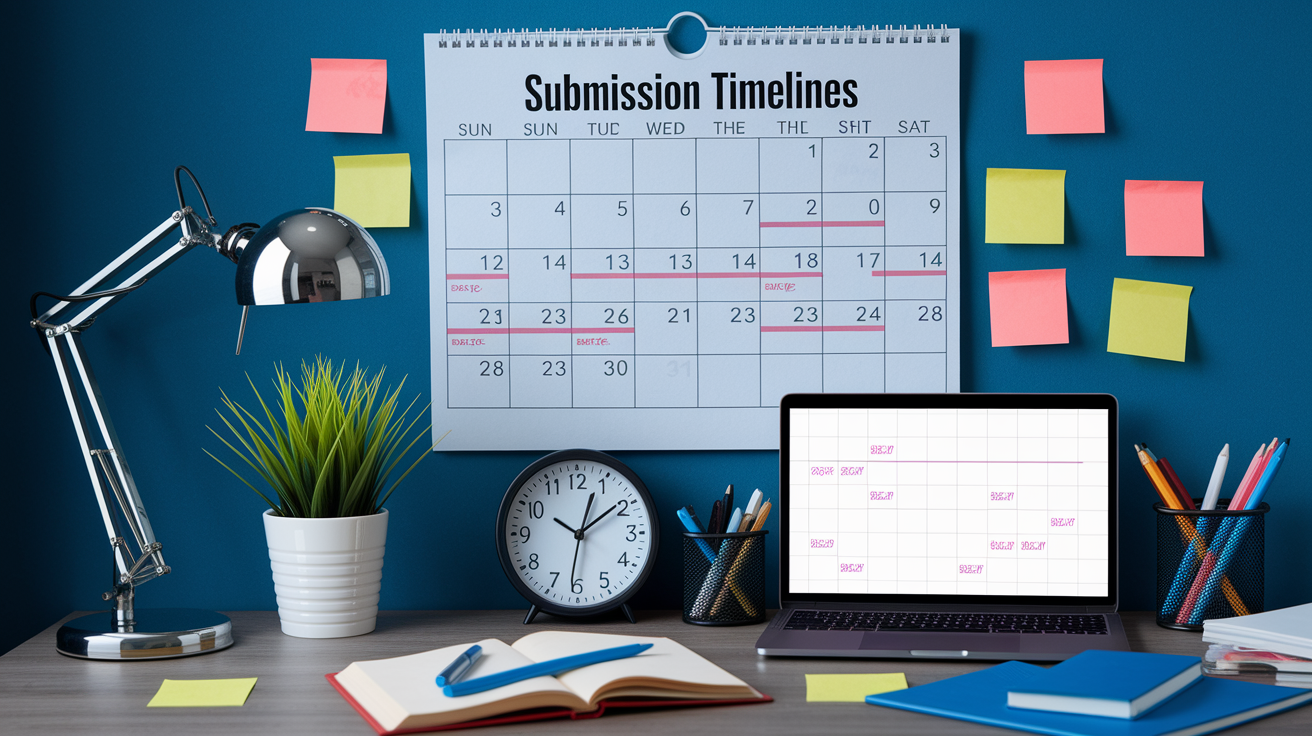
Understanding timelines prevents missed deadlines that void coverage. Policies and state laws set specific windows for notification, proof of loss, suit filing, and dispute resolution. The average claim cycle runs about 24 days under normal conditions, but catastrophic events stretch timelines significantly.
Track every date in your communications log. Loss date, report date, adjuster inspection date, estimate submission date, settlement offer date, payment dates. Follow up if you don’t receive acknowledgment or updates within the insurer’s stated timeframe. Keep records of follow up calls and emails to prove you met deadlines and cooperated fully.
Typical claim timeline and key deadlines:
- Immediate notice (24 to 72 hours): Report the loss as soon as it’s safe. Record claim number and rep contact info.
- Adjuster inspection (3 to 14 days): Insurer schedules inspection. Catastrophic events may delay this by weeks. Provide organized documentation and full property access.
- Proof of loss and supporting documents (30 to 90 days): Submit completed forms, itemized inventories, photos, estimates, receipts, official reports. Verify exact deadline in your policy.
- Settlement decision and payment (7 to 90 days): Insurer reviews documentation and issues initial or final payment. Timelines vary by state law and claim complexity. Large losses and disputes extend this period.
Common Reasons Property Damage Claims Fail to Meet Requirements
Late filing tops the list of denial reasons. Missing the notice deadline, even by a day, can let insurers deny the entire claim. Insufficient documentation comes next. No photos, missing receipts, incomplete inventories, no contractor estimates. Failure to mitigate further damage also triggers denials. If you left a tarp off a roof and rain caused more loss, the insurer may refuse to pay for the preventable portion.
Unauthorized repairs before inspection or approval reduce settlements. Insurers argue they can’t verify the original damage if repairs erase the evidence. Excluded perils like wear and tear, maintenance issues, certain floods aren’t covered regardless of documentation quality. Inconsistent statements during recorded interviews or examinations under oath raise fraud concerns and can void coverage entirely.
Common denial triggers to avoid:
- Late notification. Reporting the loss after the policy required notice period expires.
- Insufficient or missing documentation. No photos, no receipts, incomplete inventories, or failure to preserve damaged items.
- Failure to mitigate. Allowing further damage when reasonable temporary repairs could have prevented it.
- Unauthorized repairs. Completing permanent work before insurer inspection and approval, erasing evidence of original damage.
- Excluded perils or pre-existing damage. Claiming losses from maintenance issues, wear and tear, or uncovered events like certain floods or earthquakes.
- Material misrepresentation or inconsistent statements. Providing conflicting accounts during sworn statements, examinations under oath, or recorded interviews.
Escalation Options When Property Damage Claim Requirements Become Disputed

When settlement offers fall short, gather additional evidence and request a re-inspection. Get a second contractor estimate with a more detailed scope, or hire a public adjuster to review your documentation and negotiate on your behalf. Public adjusters work for you, not the insurer, and charge a percentage of the settlement increase.
If hidden damage shows up after the initial claim, file a supplemental claim immediately. Document the newly discovered damage with photos, estimates, and expert reports. Insurers must evaluate supplemental claims under the same policy terms. Review your policy’s dispute resolution procedures. Many require appraisal, arbitration, or mediation before you can file suit. Request a litigation hold in writing to preserve all insurer documents, emails, and claims processing records if you anticipate legal action.
When to Seek Professional Help
Consult an attorney experienced in property insurance claims when the insurer denies coverage without adequate explanation, undervalues the loss significantly, or refuses to preserve records. Red flags include adjuster reports that contradict your contractor estimates by large margins, unexplained delays beyond policy timeframes, or settlement offers that ignore code upgrade costs or matching requirements. Attorneys can issue formal litigation holds, negotiate directly with insurer counsel, and file suit if the insurer acts in bad faith. Early legal help preserves your rights and prevents destruction of critical evidence like metadata, emails, and adjuster notes.
Final Words
First stop the water or secure the scene, take time-stamped photos and notes, and notify your insurer within 24-72 hours. No guesswork. Protect what you can with temporary repairs.
Next, organize photos, receipts, inventories, and get 2-3 contractor estimates so you’re ready for the adjuster and any proof-of-loss forms. Keep copies and log communications.
Following these property damage claim requirements keeps your claim on track and helps you move from cleanup to repair faster. We’ll help you through each step.
FAQ
Q: What are the 4 major classifications of property damage?
A: The 4 major classifications of property damage are structural (building), contents (personal items), loss of use (additional living expenses), and consequential financial loss (business interruption). Document each type clearly for claims.
Q: What not to say to the insurance adjuster?
A: What not to say to the insurance adjuster is any admission of fault, guesses about the cause, promises about repairs, or accepting the first offer; stick to factual statements and refer them to your documentation.
Q: How long do I have to make an insurance claim for property damage?
A: How long you have to make an insurance claim for property damage depends on your policy and state, but notify your insurer immediately—typically within 24–72 hours—and file proof of loss within 30–90 days.
Q: What is the average settlement for property damage?
A: The average settlement for property damage varies widely; minor home claims often run a few thousand dollars, while major losses can reach tens of thousands. Documentation and coverage limits set the amount.