


What if calling your insurer costs more than fixing it yourself?
When water, wind, or fire damages your home, you have a choice: file a property damage claim or pay for the repair yourself.
Filing can cover most of a big bill but may raise your premium for years.
Paying out of pocket is faster and keeps your record clean, but you pay everything now.
This post walks you through the math (deductible, premium risk, hidden damage, and timing) so you can pick the option that truly saves money.
Key Differences Between a Property Damage Claim vs Home Repair Decisions

When property damage hits, you’ve got a choice to make right away: file with your insurance or pay for the repairs yourself. A property damage claim means calling your insurer, letting an adjuster come inspect, documenting everything you can, and then waiting for approval and payment. Paying for a home repair on your own means you hire someone (or do it yourself) and skip the insurer completely. The first option can save you serious money when damage is extensive, but there’s paperwork, waiting, and the chance your rates go up later. The second gives you speed and control but puts the full cost on you upfront.
Your deductible drives a lot of this. Let’s say the damage costs $2,500 to fix and your deductible sits at $2,000. Filing gets you $500, which often isn’t worth the premium hike or the mark on your claim history. Premium risk adds up over time. Even one claim can bump your rates for three to five years, and multiple claims make it harder (and pricier) to find coverage down the road. You need to weigh what repairs actually cost against your deductible and what it’ll do to your premiums before you decide whether to file or pay.
Documentation and timing separate what’s okay from what creates problems. Temporary repairs are fine. Tarping a roof, boarding up a broken window, drying out wet drywall—insurers expect you to stop further damage, and they’ll usually cover mitigation costs if you save receipts. But permanent repairs done before the insurer inspects? That can trigger disputes or denial because the adjuster can’t verify what was damaged, what caused it, or how much work was really needed. There’s legal backing for this too. In Stokley v. Allstate Texas Lloyds, a federal court ruled that repairing part of a property (a fence in that case) didn’t block appraisal of the rest of the damage, showing courts get the difference between limited fixes and full replacements that wipe out evidence.
| Option | Pros | Cons |
|---|---|---|
| File a Claim | Insurer covers most repair cost; professional inspection and documentation; access to approved contractor networks; mitigation costs reimbursed | Deductible applies; potential premium increase; insurer must inspect before permanent repairs; claim filing timelines and paperwork; possible denial if evidence not preserved |
| Pay Out-of-Pocket | No deductible; no premium increase; faster repair start; full control over contractor choice and timeline; no claim on insurance history | Full repair cost on you; no financial safety net if damage is worse than estimated; no reimbursement for temporary mitigation; risk of missed hidden damage |
Understanding Property Damage Claims and When They Make Sense

A homeowners insurance claim starts the second you contact your insurer to report damage. They assign an adjuster who inspects your property, documents what’s wrong, reviews your policy coverage, and determines the approved payout. This process protects you financially when damage goes beyond your deductible and fits policy terms, but it also creates responsibilities on your end. You’ve got to preserve evidence, give inspection access, and avoid permanent repairs that erase what the adjuster needs to see. Water damage claims, storm damage claims, smoke and fire damage all follow the same basic workflow, though timelines and how deep they inspect vary by what caused it and how bad it is.
The insurer’s adjuster inspection is everything. The adjuster measures, photographs, and estimates repair costs based on what the damage looked like originally. If you replace a damaged roof before they show up, they can’t confirm whether storm winds caused it or if it was just wear and tear, and your claim might get reduced or denied. Temporary mitigation (removing standing water, tarping holes, running dehumidifiers) isn’t just allowed, it’s expected. Insurers know you have to stop further damage, and they typically reimburse your mitigation receipts.
Documenting damage from the moment it happens builds your entire case. Essential steps:
- Take multiple photos and videos of every affected area. Get close-ups of the damage and wide shots that show context.
- Keep damaged items until the adjuster inspects. Don’t toss water-soaked drywall, burned furniture, or broken fixtures without approval.
- Capture timestamps using your phone’s default camera or add handwritten notes with dates visible in the photos.
- Save all receipts for temporary repairs, mitigation services, emergency housing, and materials you bought.
- Contact your insurer within 24 to 72 hours of finding the damage so you meet policy filing deadlines.
- Understand your coverage categories: dwelling coverage (structure), personal property (belongings), additional living expenses (ALE for temporary housing), and liability (if damage involves others).
Home Repair Considerations When Not Filing a Property Damage Claim
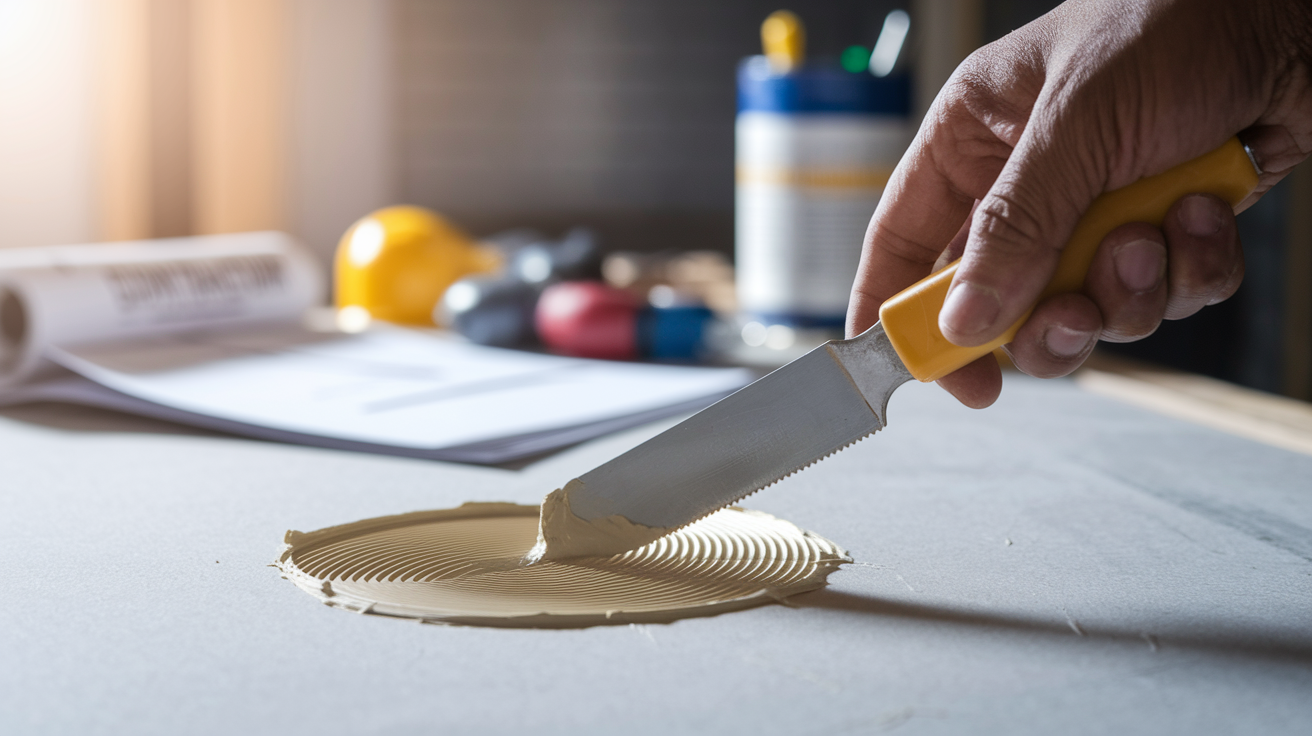
When damage is small, costs are low, or the repair sits below or near your deductible, handling the home repair yourself or through a contractor without filing makes financial sense. Small damage out of pocket (patching a fist-sized hole in drywall, replacing a broken door handle, resealing a small roof flashing gap) avoids claim paperwork, keeps your premium where it is, and leaves your insurance history clean. Emergency repairs to restore safety or make your home livable, like boarding a shattered window at night or shutting off a leaking water line, are immediate priorities whether you’re planning to file or not. Mitigation requirements apply even when you’re paying yourself: stop the damage, document what you did, and save receipts in case you change your mind and file later.
Cosmetic repairs and interior structural repair can blur the line. Repainting smoke-stained walls, replacing warped baseboards, or fixing a cracked tile are often manageable jobs to pay for yourself. But if the cosmetic damage points to hidden issues (smoke odor in HVAC ducts, water inside wall cavities, or structural settling), self-repair without professional assessment can leave problems unfixed and make a future claim harder to prove. Deciding factors include how urgent the repair is (is the home unlivable or unsafe?), whether it’s habitable (can you stay there while repairs wait?), and cost certainty (do you know the full scope, or might hidden damage show up?). If any answer is uncertain, get a professional estimate before you decide whether to file.
Cost Analysis: Deductibles, Premium Impact, and Long-Term Financial Effects

Your deductible anchors the whole cost vs benefit analysis. If your deductible is $1,500 and estimated repairs are $1,800, you’re netting $300 from the claim. Filing might still make sense if hidden damage could push the total higher, but if the damage is simple and visible (like a single broken window), you’re better off paying the $1,800 yourself. The claim stays off your record, your premium stays flat, and you avoid the insurer looking closely at future claims. Filing claims near your deductible value gives you little benefit and real risk.
Insurance premium impact is the hidden cost of every claim. A single filed claim can raise your annual premium by 10% to 25%, compounding for three to five years. Two claims in three years may double your rate or get you non-renewed. Over time, even a $5,000 payout can cost you $8,000 in higher premiums. Policy limits and coverage exclusions make the math even more complicated. If your dwelling coverage is $250,000 and your damage is $180,000, the claim makes sense. If your policy excludes the cause (flood, earthquake, wear and tear) or limits payout to actual cash value instead of replacement cost, you may get far less than repair estimates and still face a rate hike.
Your long-term claim history follows you around. Insurers share claims data through industry databases. Multiple claims, even with different carriers, mark you as higher risk, raising future premiums or making coverage unavailable. Financial factors to weigh before filing:
- Deductible amount and how much of the repair cost you’re paying regardless
- How often you’ve filed in the past and how this new claim affects your risk profile
- Expected premium increase percentage and how many years it stacks up
- Total estimated repair cost and whether it significantly beats your deductible
- Long-term property value impact if damage is left unrepaired or poorly repaired
Claim Timing Factors and How They Affect Approval

Timing starts when damage occurs. Most policies require you to report a claim within a set window (commonly 30 to 90 days) or risk denial for late notice. Inspection scheduling happens after you file, and you need to make the property accessible. Delaying inspection while you start permanent repairs creates problems. The adjuster arrives to find new drywall, fresh paint, and a replaced roof, with no way to verify what was damaged, how it happened, or whether your estimate is accurate. That scenario frequently leads to reduced payout or full denial because the insurer can’t fulfill its right to inspect and appraise before repair.
Record keeping best practices center on time-stamped documentation. Take photos right after discovering damage, then again after temporary mitigation, and once more when the adjuster inspects. Mitigation receipts should include dates, vendor names, and descriptions of work performed. If you tarp your roof on Monday and the adjuster inspects on Friday, those receipts and dated photos prove you mitigated responsibly without hiding evidence.
Three timing factors that directly affect claim approval:
- Scheduling the adjuster inspection quickly after filing and before any permanent repairs, so original damage is visible and verifiable
- Meeting policy deadlines for initial claim notification, typically 30 to 90 days from the date of loss or discovery
- Understanding that delayed reporting (waiting weeks or months) gives insurers grounds to question whether damage got worse due to neglect, not the original cause
Claim Denial Risks and How Repairs Influence Insurer Decisions

Claim denial reasons range from paperwork errors to policy exclusions, but how and when you repair directly influences several common denial triggers. Permanent repairs completed before the insurer inspects eliminate the adjuster’s ability to verify cause, scope, and cost. Insufficient documentation (missing photos, no receipts, vague damage descriptions) makes it worse. Together, premature repairs and poor records create a scenario where the insurer doubts your claim’s validity and denies it outright.
Excluded perils show up a lot in denials. Flood damage requires separate flood insurance. Earthquake damage needs an earthquake endorsement. Wear and tear exclusion applies when damage results from deferred maintenance rather than a sudden event. If you repair before inspection, the adjuster can’t tell the difference between storm damage (covered) and long-term roof deterioration (excluded). The insurer defaults to denial. False statements or inflated estimates discovered during investigation also trigger denial, and repairs that erase evidence make it easier for insurers to claim you misrepresented things.
Third-party negligence shifts liability. If a neighbor’s tree falls on your roof, your insurer may pay your claim then go after the neighbor’s liability policy. But if you repair immediately and toss all evidence, your insurer loses the ability to prove the neighbor’s fault, weakening both your claim and any subrogation recovery. Tips to avoid claim denial center on preserving the insurer’s inspection rights, keeping complete records, and performing only temporary mitigation until the adjuster has documented original conditions.
| Denial Reason | How Repairs Influence It |
|---|---|
| Failure to file on time | Rushing to repair without notifying insurer can cause you to miss filing deadlines entirely |
| Insufficient documentation | Permanent repairs erase physical evidence; without before-photos and receipts, insurer cannot verify claim |
| Excluded perils or wear and tear | Adjuster cannot distinguish covered cause from excluded cause if damage is already repaired or replaced |
| False or misleading statements | Replacing damaged materials before inspection makes it impossible to confirm your damage description, raising fraud suspicion |
| Third-party negligence | Discarding evidence or repairing before adjuster documents can prevent insurer from recovering costs from responsible party |
Role of Contractors, Adjusters, and Professional Support in Property Damage Claims vs Home Repair

When you’re filing an insurance claim, hiring a contractor with experience in insurance restoration work helps a lot. These contractors know how to document damage, write detailed scopes of work, and communicate with adjusters. Licensed contractors are required for major repairs in many policies, and insurers may dispute or deny claims if unlicensed or DIY work fails to meet code or quality standards. The contractor provides an independent estimate that you can compare against the adjuster’s approved scope, and if the two differ significantly, the contractor’s detailed line items support your case for a supplement or appeal.
Public adjusters and independent adjusters play different roles. A public adjuster works for you, not the insurer, and helps document damage, prepare estimates, and negotiate the claim for a percentage of the payout (typically 5% to 15%). An independent adjuster works for the insurer and inspects your property on their behalf. Both provide professional assessments, but their loyalties differ. If your claim is large, complex, or disputed, a public adjuster may recover enough additional payout to justify the fee. For straightforward claims, you may not need one.
When you’re paying for repairs out-of-pocket without filing a claim, the contractor’s role simplifies. You get estimates, choose a contractor, and manage the job directly. Key considerations:
- Contractor estimate accuracy. Detailed line-item scopes prevent surprise costs and change orders.
- Scope of work definition. Clear contracts specify materials, timelines, permits, and final deliverables.
- Change orders management. If hidden damage appears mid-job, document it and get a written change order before proceeding.
- Licensing, insurance, and references. Verify credentials to avoid liability if the contractor causes further damage or injury.
Final Decision Framework: Choosing Between a Property Damage Claim vs Home Repair

Deciding whether to file a property damage claim or handle a home repair yourself requires evaluating multiple factors at once. Start by assessing repair urgency and habitability. If the damage makes your home unsafe or unlivable (no water, no heat, structural collapse, toxic smoke residue), you likely need professional restoration whether you file a claim or not. If the home stays habitable and the damage is contained, you’ve got time to weigh costs, gather estimates, and decide.
Next, compare realistic repair timelines against your deductible and premium risk. If the total repair cost is less than your deductible, filing makes no financial sense. If the cost significantly exceeds the deductible (say $15,000 in damage with a $2,500 deductible), the $12,500 potential payout may justify a claim despite possible premium increases. Factor in how many claims you’ve filed in the past three years and whether this new claim will push you into a higher-risk category.
Seven decision factors that guide the choice between filing a claim and paying for repairs out-of-pocket:
- Total estimated repair cost versus your deductible amount
- Potential premium increase over the next three to five years
- Your recent claim history and how this new claim affects insurability
- Urgency of repairs (safety, habitability, preventing further damage)
- Whether damage cause and scope are clear or if hidden damage may exist
- Your ability to document damage thoroughly before any permanent repairs
- Policy coverage limits, exclusions, and whether your damage qualifies under policy terms
| Scenario | Best Option | Why |
|---|---|---|
| Low-cost damage (repair estimate below or near deductible) | Pay out-of-pocket | Filing nets little or no money, risks premium increase, and adds a claim to your history; paying yourself keeps insurance clean |
| Major damage (repair estimate significantly exceeds deductible) | File a claim after documenting and before permanent repairs | Insurance payout can cover most costs; temporary mitigation allowed; professional inspection ensures hidden damage is found and covered |
| Uncertain cause or scope (visible damage but unknown extent or covered cause) | Get professional inspection, document thoroughly, file if damage meets threshold | Hidden damage may turn a small problem into a major one; early documentation preserves your claim rights if scope grows; contractor or public adjuster can help assess |
Final Words
You’ve stopped the leak, taken photos, and started to weigh the cost versus the claim.
This post ran through how claims work, why insurers need to inspect, when temporary fixes are okay, and how deductibles and premiums change the math.
Think through safety, habitability, documentation, and contractor estimates before you decide. Use the decision checklist for a clear path on a property damage claim vs home repair.
You’ll make the right call and move your home back toward normal.
FAQ
Q: Can I keep my homeowners insurance claim check and make the repairs myself?
A: You can sometimes keep your homeowners insurance claim check and make repairs yourself, but only if your insurer and any mortgage lender allow it; avoid permanent repairs until the adjuster inspects and keep receipts, photos.
Q: What should you not say to a claims adjuster?
A: You should not tell a claims adjuster you caused the damage, guess fault, admit previous issues, downplay losses, promise fixes before inspection, or give recorded statements without checking coverage.
Q: What are common examples of property damage?
A: Common examples of property damage include water from burst pipes or leaks, storm and roof damage, fire and smoke, vandalism, fallen trees, and mold growth after moisture.
Q: How long does a property damage claim take?
A: A property damage claim timeline varies: initial response or inspection often within 24–72 hours, but full resolution and repairs can take weeks to months depending on complexity, documentation, and approvals.