
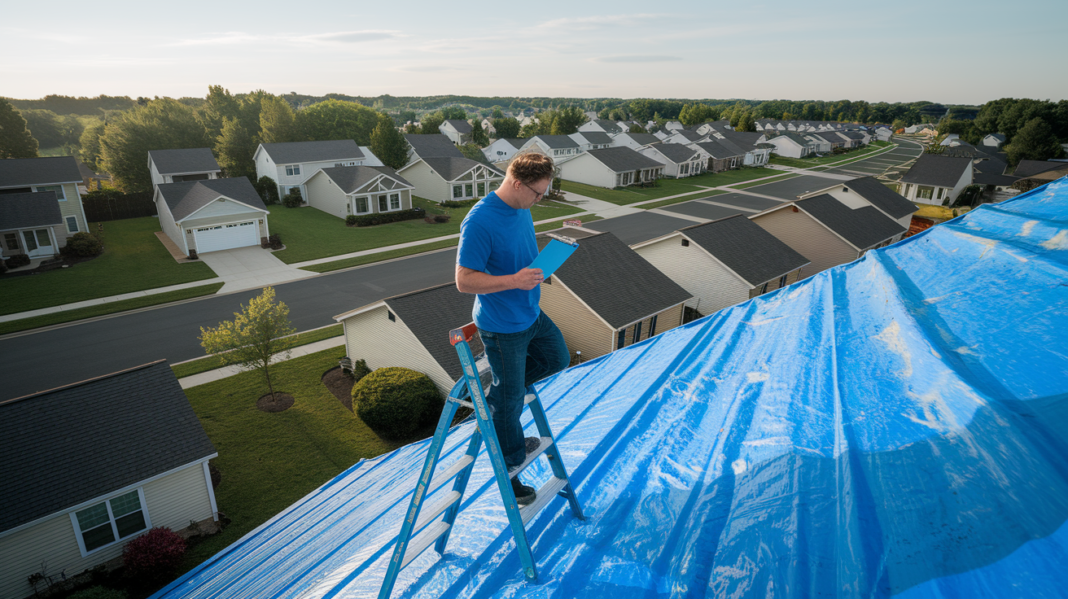

When your roof suddenly springs a leak, the price tag for emergency tarping probably isn’t your first thought, but it should be your second. Most homeowners face roof tarp installation costs between $300 and $1,500, but that range shifts fast based on how much area needs covering, how accessible your roof is, and whether you’re calling at 2 p.m. or 2 a.m. in a rainstorm. Understanding what drives these costs helps you make smarter decisions when water’s dripping into your living room and contractors are quoting wildly different prices.
Average Price Ranges for Roof Tarp Installation

Roof tarp installation costs typically run from $300 to $1,500 for most homeowners in 2025. What you actually pay depends on how much area needs covering, how complicated your roof is to work on, accessibility, and whether you’re calling for immediate emergency response. Small jobs on accessible single story roofs cost less. Complex multi story installations or urgent storm response situations push you toward the higher end.
Standard roof tarping runs between $0.70 and $2.00 per square foot when you include both materials and labor. Emergency tarping services cost more, ranging from $1.00 to $2.80 per square foot, about 30 percent higher than scheduled work. The emergency premium covers immediate response, after-hours availability, and the added difficulty of working in active weather. Most homeowners end up paying between $750 and $1,500 for complete installation, though some simpler jobs come in at $650 or less.
Here’s what you’ll pay based on the size of area you need covered:
| Roof Area (Sq Ft) | Standard Cost ($0.70-$2.00/sq ft) | Emergency Cost ($1.00-$2.80/sq ft) |
|---|---|---|
| 100 sq ft | $70-$200 | $100-$280 |
| 200 sq ft | $140-$400 | $200-$560 |
| 300 sq ft | $210-$600 | $300-$840 |
| 500 sq ft | $350-$1,000 | $500-$1,400 |
| 1,000 sq ft | $700-$2,000 | $1,000-$2,800 |
Price ranges shift based on job complexity and urgency:
| Job Size | Damaged Area | Material + Labor Cost | Total Project Range |
|---|---|---|---|
| Small/Minor Damage | 1-50 sq ft | $200-$500 | $300-$600 |
| Medium/Moderate Damage | 50-200 sq ft | $500-$1,100 | $600-$1,000 |
| Large/Complex Damage | 200+ sq ft | $1,100-$2,200 | $1,000-$1,500+ |
Complete Cost Breakdown: Materials, Labor, and Key Price Factors

Total tarping costs break down into three parts: what you pay for the tarp itself, what you pay for installation work, and what changes based on your specific roof and situation.
Material Costs by Tarp Type and Quality
Blue polyethylene tarps cost $50 to $100 and work fine for short term protection when you’re getting permanent repairs done within a couple months. PVC or vinyl coated tarps run $200 to $400 each and hold up better against weather, UV rays, and wind stress if you need coverage for longer. Flame retardant tarps cost $250 to $500 and are required in fire prone areas or when local codes call for them.
Quality features that affect price include reinforced edges that resist tearing, metal grommets spaced for secure anchoring, UV resistant coatings that prevent breakdown from sun exposure, mil thickness ratings (thicker means more durable), waterproof construction that doesn’t let moisture through, and wind resistance that keeps the tarp from lifting or flapping. A 6 mil tarp handles light duty. A 12 mil or thicker tarp holds up to extended use and harsher conditions.
Material costs scale with project size. Small areas need $50 to $200 in materials. Medium coverage areas require $200 to $400. Large damaged sections cost $400 to $700 in tarp materials alone.
Labor Costs and Time Requirements
Professional roofers charge $60 to $120 per hour in 2025, with rates varying by region and contractor experience. Most tarping jobs take 1 to 3 hours depending on how much area needs covering and how complicated the roof is to work on.
Labor costs break down by project size. Small areas run $150 to $300 for installation work. Medium areas cost $300 to $700. Large areas need $700 to $1,500 in labor, sometimes more for particularly difficult conditions.
Several factors stretch installation time and push labor costs higher. Steep pitch requires more safety equipment and careful footing. Multi story height needs ladder setup, staging, and extra caution. Poor weather conditions slow down every step of the process. Complex roof designs with dormers, valleys, or multiple levels take longer to navigate and secure properly. Extensive damage requires more anchor points and careful positioning to prevent water from finding new paths in.
Variable Factors That Increase Costs
Damaged area size drives material and labor needs proportionally. A 100 square foot section takes less time and fewer materials than a 500 square foot exposure. Larger areas need more anchoring points, more securing boards, and more careful overlap positioning.
Roof characteristics change how long installation takes. Pitched roofs cost more to tarp than flat roofs because of the angle and fall risk. Steep slopes require harnesses and extra safety measures. Complex roof patterns with multiple planes, angles, or architectural features add time. Material type matters too. Tarping over asphalt shingles is simpler than working over tile roofs where you have to avoid breaking existing materials.
Accessibility challenges add labor costs quickly. Multi story homes require more setup time and safety equipment. Property obstructions like trees, fences, or tight lot lines limit where you can position ladders or stage materials. Landscaping barriers mean more careful navigation. Overhead power lines require extra caution. All of these slow the work down and increase the hours you’re paying for.
Geographic location shifts pricing. Urban areas with higher labor demand cost more than rural locations. Timing matters significantly. Prices spike after natural disasters when demand for roofing professionals surges and contractor availability drops. Seasonal factors play in too, with busier construction periods commanding higher rates.
| Project Size | Material Cost | Labor Cost | Total Cost Range | Typical Duration |
|---|---|---|---|---|
| Small Area | $50-$200 | $150-$300 | $200-$500 | 1-1.5 hours |
| Medium Area | $200-$400 | $300-$700 | $500-$1,100 | 1.5-2.5 hours |
| Large Area | $400-$700 | $700-$1,500 | $1,100-$2,200 | 2.5-3+ hours |
Emergency vs. Standard Roof Tarping Service Pricing

Emergency tarping means immediate response during active storms, same day service when water is actively coming in, or after hours installation when damage happens outside normal business hours. It’s the “get here now” option when waiting isn’t safe.
Emergency services cost 30 to 40 percent more than scheduled work. Where standard installation runs $0.70 to $2.00 per square foot, emergency response costs $1.00 to $2.80 per square foot. That premium pays for immediate availability, working in poor weather conditions, and disrupting the contractor’s schedule or off hours time.
Emergency service makes sense when you have active leaks causing ongoing damage, severe weather conditions that will worsen the exposure, or rapid damage progression where every hour matters. If water is pouring into your living space or the forecast shows heavy rain within hours, the emergency premium protects your home from far more expensive interior damage.
Weekend and after hours call out fees add to emergency pricing. Many contractors charge flat trip fees on top of hourly rates for evening, overnight, or weekend response. These fees typically run $100 to $300 depending on timing and location, covering the cost of mobilizing a crew outside normal working hours.
DIY Roof Tarp Installation vs. Professional Service Costs
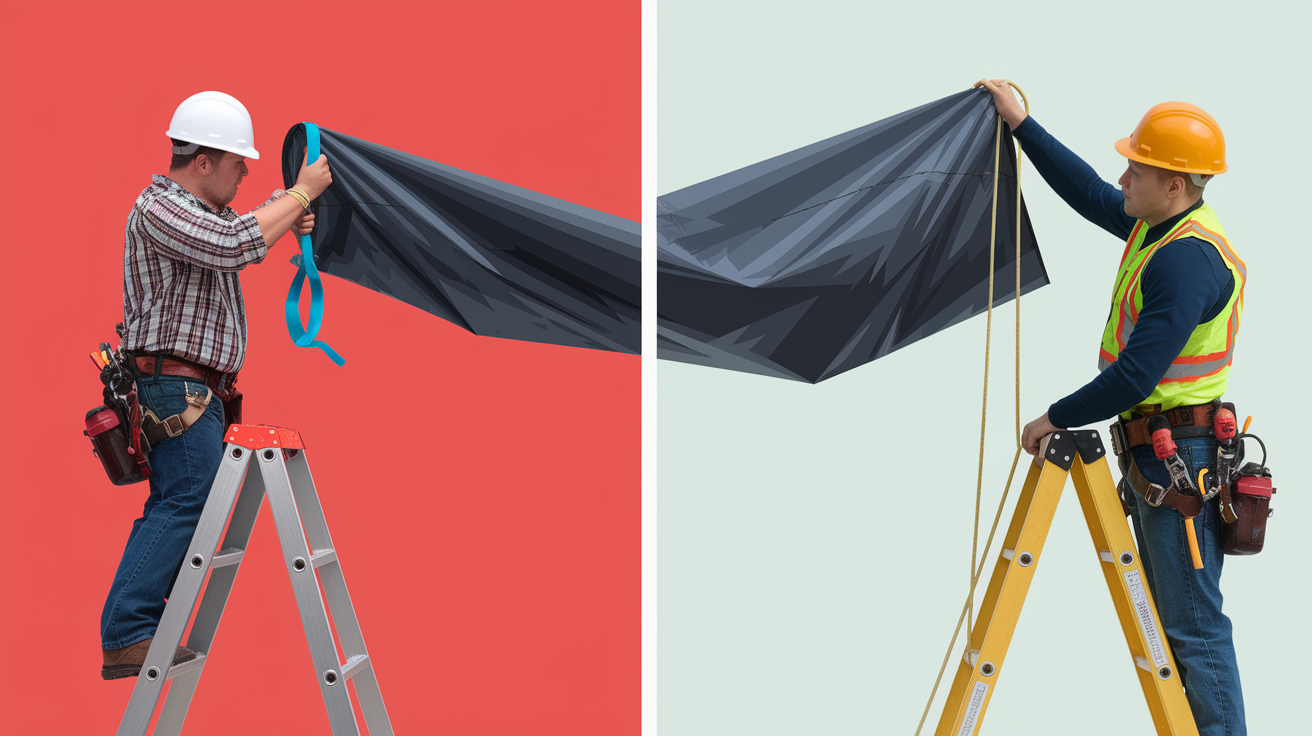
The decision between installing a tarp yourself or hiring professionals comes down to weighing material only costs against safety risks and installation quality.
DIY Tarp Installation: Costs and Risks
DIY installation costs only $50 to $700 depending on area size, since you’re just buying materials without paying for labor. That’s the appeal. Significant savings if you already own ladders and basic tools.
But working on a damaged roof creates real safety hazards. Falls from height cause serious injuries, especially on wet, angled, or compromised surfaces. Poor weather conditions make footing unstable. Without proper fall protection equipment, you’re taking substantial risk.
Improper installation causes problems that cost more to fix later. Tarps fastened incorrectly let water in, defeating the purpose. Anchors driven through undamaged shingles or decking create new leak points. Tarps positioned wrong channel water toward vulnerable areas instead of away from them. And if you miss underlying damage that professionals would catch, you’re delaying repairs that will only get more expensive.
Professional Installation: Investment and Benefits
Professional installation costs $300 to $1,500 or more when you include labor, but you’re paying for more than just someone climbing on your roof. Licensed roofers use proper fall protection, harnesses, and safety equipment as standard practice. They know how to anchor tarps securely without damaging surrounding materials. They position coverage to shed water effectively based on roof pitch and drainage patterns.
Professionals spot underlying damage during installation. Soft decking, compromised structural members, or secondary leak points you wouldn’t notice from the ground. Many offer warranty coverage on their installation work, so if the tarp fails due to improper securing, they’ll return to fix it. And they assess the full extent of damage before installing, giving you accurate information for insurance claims and permanent repair planning.
Insurance Coverage for Emergency Roof Tarp Installation

Insurance typically covers emergency tarping when damage results from covered perils like storms, wind, hail, or falling trees. The key is that the damage must come from a sudden, unexpected event that your policy covers. If a storm rips shingles off your roof, tarping to prevent rain from getting inside falls under covered emergency protection.
Tarping is viewed as temporary emergency protection to prevent further damage, which insurance companies expect you to take. It’s part of your responsibility to mitigate losses after covered damage occurs. Most policies include language requiring policyholders to protect property from additional harm, and proper tarping does exactly that.
Insurance usually won’t cover tarping for wear and tear, poor maintenance, pre existing damage, or long term neglect. If your roof was already leaking before the storm because you ignored repairs for years, the tarping won’t be covered. If damage comes from gradual deterioration rather than a specific event, you’re paying out of pocket. The damage needs to be sudden and from a covered cause.
Documentation matters for successful claims. Take photos of the damage before tarping if conditions allow. Get written estimates from contractors that detail the damage and tarping scope. Keep receipts for all materials and labor. Record the timeline. When damage occurred, when you noticed it, when tarping happened. Your deductible applies to the total claim, not just the tarping, so factor that into your decision about filing. And don’t leave tarps in place indefinitely without pursuing permanent repairs. Letting damage worsen under a tarp because you delayed permanent work can affect claim validity and give insurers reason to deny coverage for subsequent problems.
How Long Tarps Last and When Permanent Repairs Are Needed
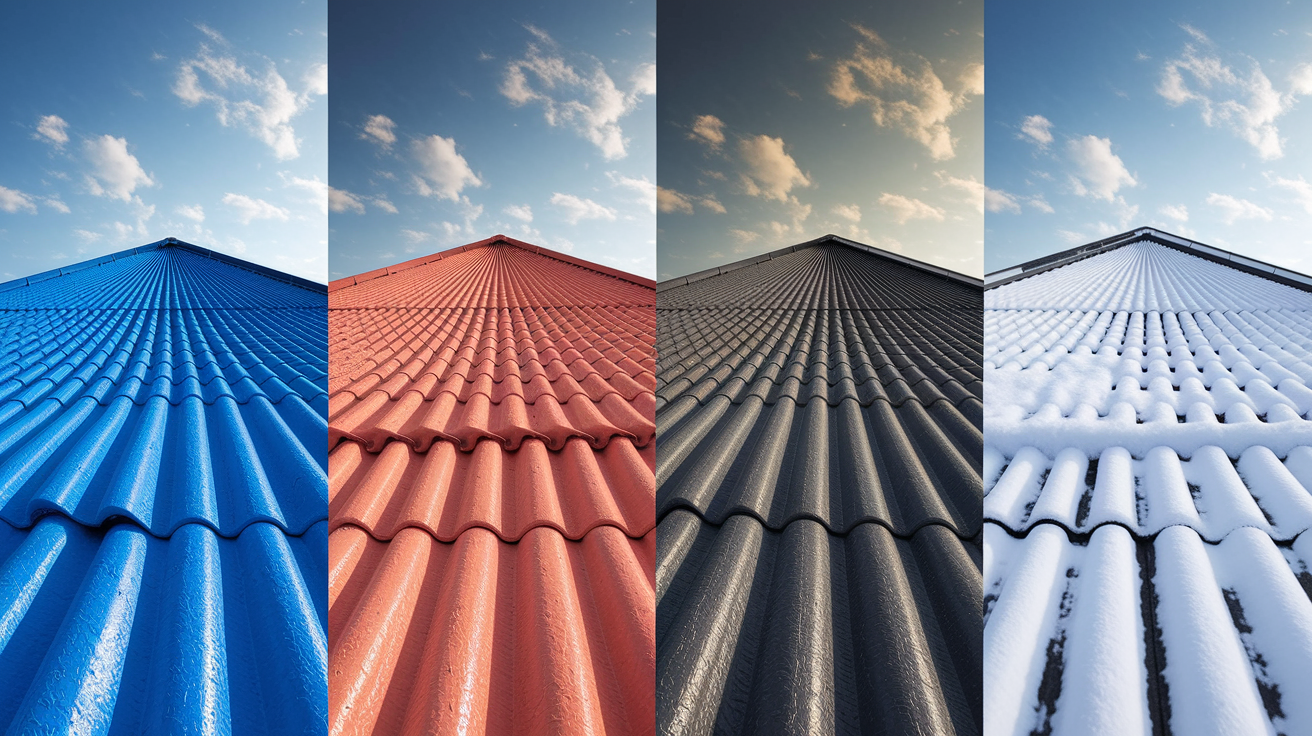
Standard tarps last 60 to 90 days under normal conditions, while reinforced tarps with higher mil thickness and UV protection can last 6 to 12 months with proper installation. That’s the manufacturer rating, but real world performance depends on what the tarp faces.
UV exposure degrades tarp material over time, breaking down the waterproofing and weakening the fabric. Weather conditions matter. Constant wind stress, heavy snow loads, or repeated freeze thaw cycles shorten lifespan. Wind is particularly hard on tarps, causing flapping that loosens anchors and tears material at stress points. Installation quality affects durability too. Properly secured tarps with adequate anchoring and correct tension last longer than hastily installed coverage.
Tarps are temporary emergency protection, not permanent solutions. They stop water from getting in right now, but they don’t fix the underlying damage. The roof structure, damaged decking, missing shingles, and compromised flashing all still need actual repair work. Tarps just buy you time to schedule permanent fixes without additional damage happening in the meantime.
Schedule permanent repairs as soon as practical. Extended tarp periods create problems. Prolonged moisture exposure under tarps can lead to rot, mold growth, and structural deterioration even when the tarp keeps most water out. Insurance companies may question claims if you leave temporary protection in place for months without pursuing actual repairs. And the longer you wait, the more likely the tarp itself will fail, exposing your home to new damage. If you’re keeping a tarp up longer than 90 days, expect to pay re tarping or maintenance fees to inspect anchors, reposition material, and ensure continued protection.
Additional Repair Costs Beyond Tarp Installation
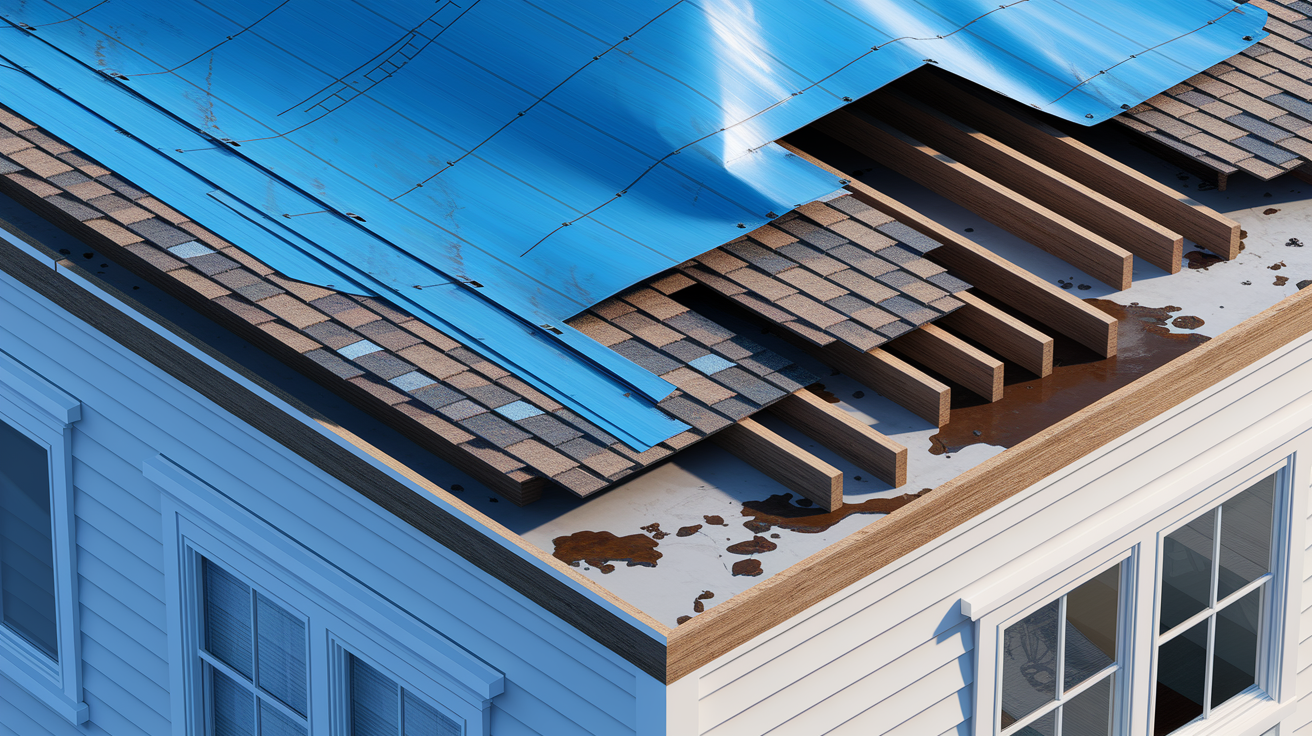
Tarp installation is emergency stabilization that stops immediate water intrusion, but it doesn’t address the underlying structural issues, missing roofing materials, or damage that already occurred. It’s the first expense in a complete recovery process, not the total cost of getting back to normal.
Once the tarp is securing the opening, you’ll need to budget for permanent repairs that actually fix what’s broken. The scope depends on what caused the need for tarping in the first place and how much damage occurred before protection went up.
| Repair Type | Cost Range | When Needed |
|---|---|---|
| Leak Repair | $350-$2,000 | For localized damage to shingles, flashing, or small roof sections |
| Roof Flashing Replacement | $1,000-$1,800 | When flashing around chimneys, vents, or valleys is damaged or missing |
| Debris/Tree Removal | $200-$1,500 | When fallen trees, branches, or storm debris caused the damage |
| Complete Roof Replacement | $6,700-$85,000 | For extensive damage affecting large roof sections or structural integrity |
Tips to Reduce Roof Tarp Installation Expenses

Cost matters, but inadequate protection or unsafe installation leads to greater expenses down the line. The goal is reducing unnecessary costs while ensuring your home stays protected and the work is done safely.
Get multiple contractor quotes and compare estimates, making sure each includes the same scope of work so you’re comparing accurately.
Act before emergency rates apply when weather forecasts allow. If you have a day or two before the next storm hits, scheduling standard service saves 30 to 40 percent over emergency rates.
Avoid post disaster peak demand periods if your damage isn’t immediately threatening. Prices spike after major storms when every roofer in the area is booked solid.
Ask about material options and select appropriate quality level for expected tarp duration. If permanent repairs are happening within 30 days, a standard tarp works fine. If you’re looking at 3 to 6 months, invest in better materials.
Verify insurance coverage before paying out of pocket. Contact your insurer immediately after damage occurs to confirm coverage and get authorization for emergency protection.
Clear access paths before the contractor arrives to reduce labor time. Move vehicles, outdoor furniture, and obstacles that would slow down ladder placement or material staging.
Schedule permanent repairs promptly to avoid re tarping fees. The longer you delay, the more likely you’ll need to pay for tarp inspection, maintenance, or replacement before actual repairs happen. Quick action on roof leaks also prevents costly interior water damage repairs that compound your total expense.
Getting Accurate Quotes for Roof Tarp Installation

Accurate quotes require contractor assessment of damage extent, roof access, pitch, and materials needed. No reputable contractor will give you a firm price over the phone without seeing the actual conditions. Too many variables affect both time and materials for remote estimates to be reliable.
Contractors need specific information to provide accurate estimates. Damaged area size measured in square feet or described by visible extent. Roof characteristics including pitch angle, number of stories, and roofing material type. Access conditions such as property obstacles, lot lines, and staging area availability. Timing requirements for standard scheduling versus emergency response. Expected tarp duration to determine appropriate material quality and anchoring methods.
Complete estimates should include material specifications listing tarp type, dimensions, and quality level, labor hours or hourly rates with total labor cost clearly stated, itemized cost breakdown separating materials from installation work, project timeline with start date and expected completion, and any warranty or guarantee terms covering the installation work. Ask about what happens if the tarp fails due to installation issues versus weather conditions beyond normal expectations.
Watch for red flags. Unusually low bids often mean inadequate materials, rushed work, or contractors who aren’t properly licensed or insured. Lack of licensing information, insurance certificates, or references suggests you’re dealing with someone who may not be qualified or accountable. Pressure for immediate payment, especially full payment upfront, is a warning sign. Vague scope descriptions that don’t specify materials, methods, or timeline leave too much room for disputes later. Work with comprehensive repair providers who can assess both temporary and permanent repair needs, plan the complete recovery process, and coordinate the sequence from emergency response through finished restoration.
Final Words
Roof tarp installation cost depends on damage size, roof complexity, materials, and timing.
Most homeowners spend between $750 and $1,500 for complete emergency protection, with standard rates running $0.70 to $2.00 per square foot.
Emergency service adds 30 to 40 percent more, but it’s worth it when active damage is spreading.
Get multiple quotes, act before storms hit if possible, and schedule permanent repairs fast. Tarps buy you time, not a fix.
Work with licensed contractors who can stabilize your roof today and plan the real repairs tomorrow.
FAQ
How much do roofers charge to tarp a roof?
Roofers charge between $300 and $1,500 to tarp a roof depending on damaged area size, roof complexity, and service urgency. Standard tarping costs $0.70 to $2.00 per square foot, while emergency services range from $1.00 to $2.80 per square foot, about 30 percent higher than scheduled work.
What is the 25% rule in roofing?
The 25% rule in roofing states that if 25 percent or more of your roof section requires repair or replacement, most building codes require you to bring that entire section up to current standards rather than patching isolated areas.
How much does labor cost to install roof underlayment?
Labor costs for roof underlayment installation are not directly comparable to emergency tarping labor, which ranges from $150 to $1,500 depending on project size and complexity. Most tarping jobs take 1 to 3 hours at hourly rates of $60 to $120.
How much does insurance pay for tarping?
Insurance typically covers emergency roof tarping costs when damage results from covered perils like storms, wind, hail, or falling trees. Coverage applies to tarping performed as temporary protection to prevent further damage from valid claims, subject to your policy deductible and specific coverage terms.
How long does a roof tarp last before permanent repairs are needed?
A roof tarp lasts 60 to 90 days for standard materials, while reinforced tarps can last 6 to 12 months with proper installation. Tarps are temporary protection designed to prevent further damage until you schedule permanent repairs, not long-term solutions.
What factors increase roof tarping costs the most?
Roof tarping costs increase most from damage size, roof pitch and height, multi-story access challenges, emergency or after-hours service timing, and complex roof designs with dormers or valleys. Geographic location and post-disaster demand spikes also significantly affect pricing.
Can I install a roof tarp myself to save money?
You can install a roof tarp yourself using materials costing $50 to $700, but this approach carries serious fall risks, potential for improper installation causing additional damage, and missed underlying issues professionals would identify during assessment.
What types of roof damage does insurance cover for tarping?
Insurance covers roof tarping for damage from covered perils including storms, wind, hail, and falling trees. Coverage typically excludes tarping for wear and tear, poor maintenance, pre-existing damage, or long-term neglect unrelated to sudden covered events.
What additional repair costs should I expect after roof tarping?
After roof tarping, you should expect leak repair costs of $350 to $1,700, roof flashing replacement averaging $1,000, debris removal ranging $200 to $1,500, or complete roof replacement from $6,700 to $80,000 depending on damage severity.
How can I reduce emergency roof tarping expenses?
You can reduce roof tarping expenses by getting multiple contractor quotes, acting before emergency rates apply when weather allows, avoiding post-disaster peak demand periods, clearing property access paths, and verifying insurance coverage before paying out-of-pocket.
What should a roof tarping estimate include?
A roof tarping estimate should include material specifications and costs, labor hours and hourly rates, total cost breakdown, expected timeline, and warranty or guarantee terms. Complete estimates also detail damaged area size, roof characteristics, and any accessibility challenges.
How much does emergency tarping cost compared to standard service?
Emergency tarping costs 30 to 40 percent more than standard service, with emergency rates ranging $1.00 to $2.80 per square foot compared to standard rates of $0.70 to $2.00 per square foot for scheduled installation during regular business hours.