


Ever wonder if the pictures on your phone can help after a fire? I know it might feel risky to rely on a smartphone in a crisis, but clear photos and simple notes can support your claim.
In this guide, we show you easy steps to capture every detail. You can take wide shots of the room and close-ups of each damaged item. With these images and notes, you can clearly explain the damage to your insurance company and start the repair process fast.
Key Steps to Document Fire Damage for Your Insurance Claim
Right after a fire, make sure you are safe. Once you’re secure, quickly collect evidence of the damage. Use your phone to take clear photos and brief videos of every affected area. Get wide shots of entire rooms and close-ups of burnt surfaces. Include images of damaged personal items and any structural problems.
Write down key details like your policy number, the exact date and time of the incident, and any actions you took to stop further damage (for example, boarding up broken windows). This information helps when you file your claim.
Get repair estimates from trusted contractors and keep all receipts from emergency repairs. Also, gather official documents such as police or fire department reports. These records will support your claim and help resolve any disputes with your insurer later.
Organize your records right away by sorting them into categories. Create a digital folder or use a physical binder to keep everything in one place. Keep a detailed journal from the moment the fire occurred. Note the times, a brief description of what you saw, and any conversations with service providers or insurance representatives.
By following these simple steps to preserve evidence and stay organized, you build a strong foundation for your claim. This clear method not only speeds up the review process but also boosts your case if any disputes arise with your insurer.
Documenting Visual Evidence: Photos and Videos After the Blaze

After a fire, taking clear photos and videos is key for your insurance claim. We know this is stressful, so we recommend using a high-resolution camera (one that takes very clear photos) and your smartphone’s built-in settings to keep important details like date, time, and location. Once you capture your images, back them up immediately to cloud storage.
Walk slowly through your property and record short video clips that show the damage. Capture the overall layout of the room and include close-up shots that highlight details such as smoke patterns, water marks from firefighting, and burnt surfaces. This way, you capture both a wide view of the room and the finer details of the damage.
Here are seven types of shots to make sure you include:
- Wide views of rooms
- Close-ups of burnt areas
- Images of personal belongings
- Details of structural elements
- Shots showing smoke and soot patterns
- Evidence of fire extinguisher residue
- Surrounding areas that remain intact
These photos and videos give clear visual proof of the damage to your property and belongings. By covering every angle with steady, high-quality shots, you build a strong case for your insurance claim.
Creating a Detailed Property Inventory and Field Notes
After a fire, it is important to document everything clearly. Start by creating a list of all damaged items using a spreadsheet or an app. For each item, note a simple description, the original cost, the date you bought it, and an estimated replacement cost.
In your field notes, record when and where each photo or video was taken. For example, write: "5/12 9:45 AM: Photo 001 of kitchen cabinets." This simple timeline links your pictures to your written notes and shows the order of events.
Keep your notes in a digital log. Describe each item’s condition by saying if it has minor soot, heavy charring, or total destruction. It also helps to scan receipts, warranty cards, and manuals for high-value items. The more detail you add, the easier it is to verify your losses with the insurance company.
Below is an HTML table sample to help organize this information:
| Item | Description | Estimated Value | Condition |
|---|---|---|---|
| Sofa | Charred fabric with minor structure damage | $500 | Severely Burnt |
| TV | Soot-covered screen and frame | $300 | Damaged |
| Dining Table | Warped wood with scorch marks | $700 | Compromised |
| Lamp | Melted base and broken shade | $50 | Destroyed |
We know this can be a tough time, but taking these steps helps build a clear record that supports your claim.
Recording Structural Compromise and Hidden Destruction Details
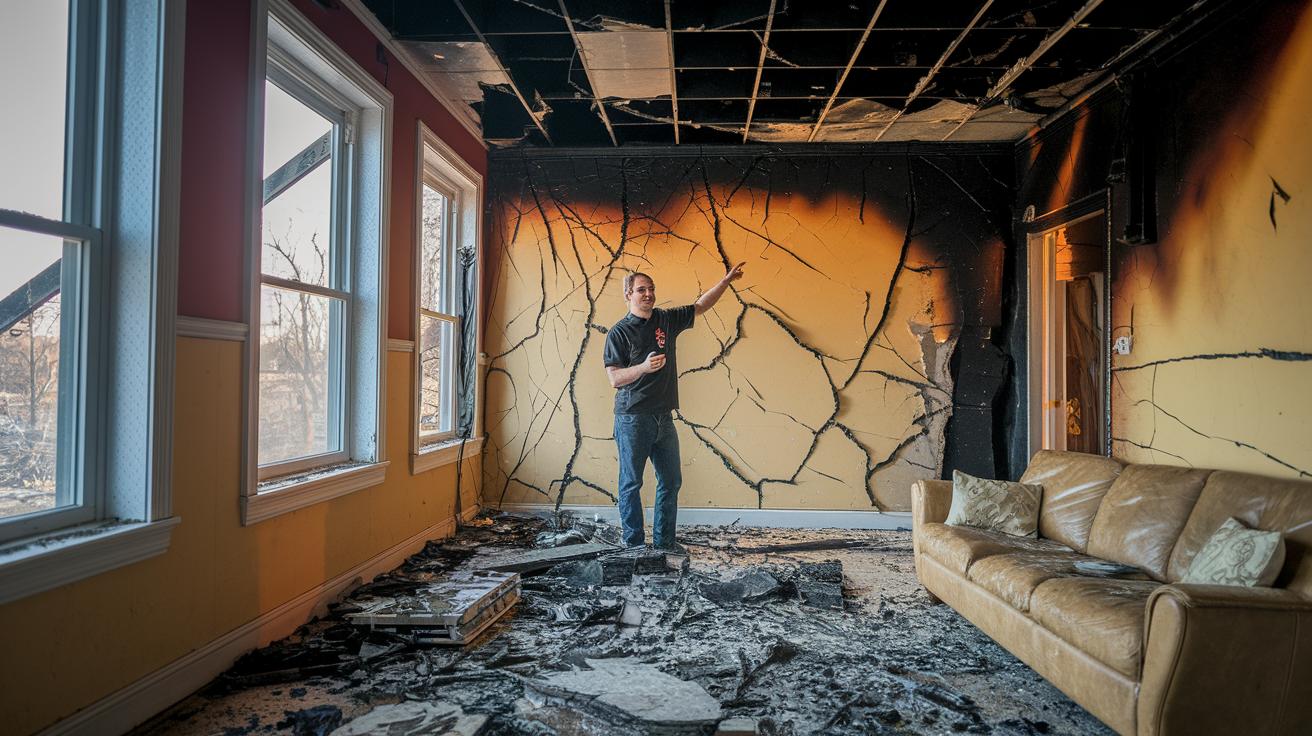
After a fire, it is important to check your home carefully for any damage to its structure. Walk through each area and look for signs of harm, such as cracks in the walls, warped roofs, burned support beams, or melted wiring (wires that have changed shape because of heat). These clues show where the fire has weakened your home. Also, check behind the drywall or under floors for signs of smoke damage that might not be visible at first.
Make sure to note any problems with your utility systems. Look at your gas lines, plumbing, or HVAC ducts (systems that heat, cool, and circulate air) for any issues. Even small signs of damage matter. Take photos and write down any unusual discoloration or minor cracks. Label these areas so you can easily track any changes over time.
When you can, ask a professional to do a detailed inspection. They may find hidden damage like contaminated insulation (material that keeps your home warm) or overall weakening of the structure. This detailed report can help your insurance claim and guide future repairs. Recording both clear and hidden issues makes sure you have the best information for a safe restoration.
Collecting Official Reports and Expert Evaluations
When you face fire damage, having the right documents makes your claim stronger. Start by getting the fire department's incident report and any police papers. These records tell what really happened and back up your claim with clear facts.
Next, ask for a report from a certified expert, like a licensed structural engineer or a fire restoration specialist. This report will point out hidden damage, weak areas in the structure, and urgent safety issues. The clear notes from these experts help prove your claim and show what repairs are needed.
It also helps to get written estimates from at least three trusted contractors. Their reports should list the work, materials, labor, and overall cost. These estimates provide a fair idea of the costs and make sure your insurance covers every repair.
Keep any signed letters from contractors that confirm the damage. These letters add extra proof and show that professionals agree the damage is serious.
Collecting these documents builds a strong record. This detailed record helps settle any disputes with insurers, confirms your losses, and guides both quick repairs and long-term fixes. Acting quickly after a fire will boost your chances of a fair and smooth claim process.
Organizing Communication Logs, Receipts, and Digital Backups

Keep a log of every call, email, and in-person meeting related to your fire damage claim. Write down the date, time, names of those involved, and a short note about what was discussed. This record creates a clear timeline and helps support your claim with accurate details.
Scan and save all receipts, invoices, and estimates as soon as you can. These papers prove your expenses and help track the repair process. Use a trusted cloud service (an online storage service that saves your files) with version history so you don’t lose any document by mistake.
Keep a simple ledger to track cleanup and repair costs for each contractor. List the amounts paid, the dates of payment, and details about the contractor. This makes everything clear and transparent.
Here are some tips for managing your digital backups:
- Create folders that group together your communications, receipts, and estimates.
- Update your digital log on a regular basis.
- Name your files clearly and save a backup copy on an external drive.
Following these steps will help you meet claim standards and have the proof you need if your claim is reviewed. Organized records speed up the claim process and reduce delays by offering clear, professional evidence of all exchanges and expenses.
Preparing and Submitting Repair Estimates and Claim Packages
First, gather at least three written estimates from trusted contractors. Get separate quotes for work like demolition, structural repairs, electrical, plumbing, and finishing. We suggest organizing these quotes into a simple table so you can see each cost clearly. For instance, you might create a table like this:
| Category | Materials | Labor Rates | Total Cost |
|---|---|---|---|
| Demolition | $- | $- | $- |
| Structural | $- | $- | $- |
| Electrical | $- | $- | $- |
| Plumbing | $- | $- | $- |
| Finishing | $- | $- | $- |
Next, review each estimate closely to ensure they meet your insurance submission rules. If one quote seems much lower than the others, note it down for further checking. Accuracy now helps make sure your claim stands up later.
After you have the estimates, put together a repair package. You can use a binder or create a PDF cover sheet that summarizes all your gathered estimates. Be sure to include a clear table of contents with page numbers that match your policy sections. This approach makes your claim easy to follow.
Finally, include a detailed cost breakdown for every stage of the work. Clearly note what each estimate covers, such as demolition, structural fixes, and finishing touches. Using charts or tables to show this information helps to back up your claim. Make sure every document follows your insurer’s guidelines so your claim is processed fast and fairly.
Final Words
In the action of collecting visuals, building detailed inventories, and gathering official reports, you create a strong foundation for your case. We discussed snapping clear photos and videos, recording field notes, and logging every conversation. These steps guide you in putting together robust evidence to show how to document fire damage for an insurance claim. Taking these simple yet critical steps gives you a clear roadmap, helping you move forward with confidence and a secure path to restoring your home.