
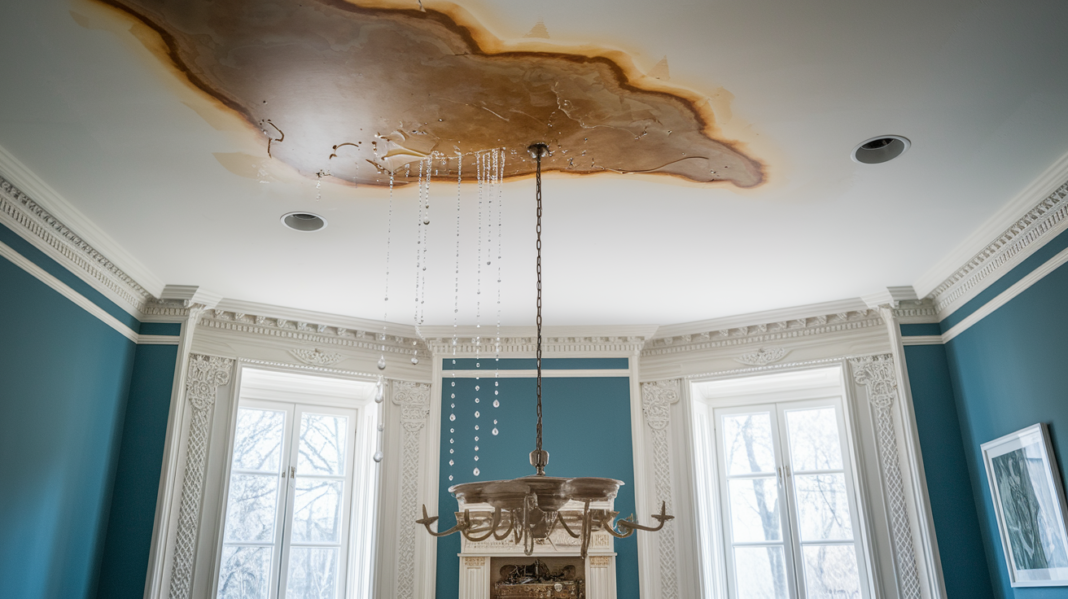

Most contractors say $500 to $2,500, but that wide range doesn’t tell you what you’ll actually pay when you’re staring at a water stain spreading across your ceiling. The real number depends on three things: how far the damage spread, what your ceiling’s made of, and where the water’s coming from. A small stain from a slow drip costs way less than a sagging section holding gallons from a burst pipe. Here’s how to figure out where your repair falls, what drives the price up, and what “done” actually looks like.
Comprehensive Ceiling Leak Repair Cost Overview
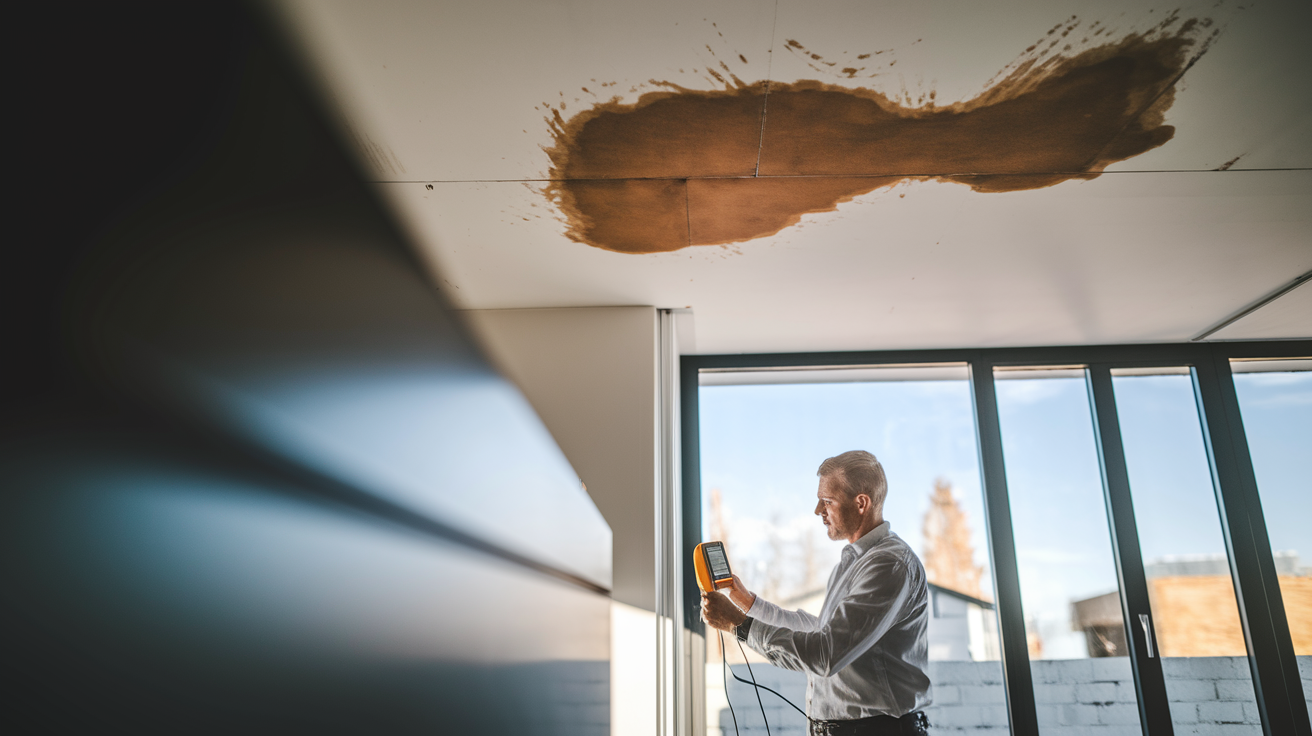
Ceiling leak repair typically costs $500 to $2,500, with most homeowners paying around $884 for detection, repair, and finishing work combined.
What you’ll actually pay comes down to three things: how much of your ceiling got damaged, what kind of ceiling you’ve got, and where the water’s coming from. A tiny stain from a slow drip costs way less than a sagging ceiling holding gallons from a burst pipe.
Contractors price these repairs two ways. Square footage pricing runs $45 to $90 per square foot and makes sense for bigger jobs, while hourly rates of $60 to $90 for installation and $20 to $50 for painting work better for small patches. Just about every contractor charges minimum service fees between $125 and $200. That means your tiny repair might cost the same as something twice the size.
| Expense Category | Typical Cost Range | What’s Included |
|---|---|---|
| Leak detection and inspection | $80 to $200 | Thermal imaging and moisture testing |
| Plumbing repairs | $175 to $3,000 | Pipe fixes and supply line replacement |
| Roof repairs | $360 to $1,550 | Shingle and flashing repairs |
| Drywall materials | $1.50 to $3 per sq ft | Panels and joint compound |
| Drywall installation labor | $40 to $100 per hour | Cutting and hanging |
| Painting and texture matching | $1 to $2 per sq ft | Primer and finish coats |
| Additional finishes | $50 to $150 | Trim or primer matching existing details |
| Mold remediation | $10 to $30 per sq ft | Removal and treatment |
| Insulation replacement | $1.50 to $3 per sq ft | When saturated from water |
| Emergency same-day service | $100 to $200 additional | Priority response |
Labor eats up 40 to 60 percent of your total bill. Cutting out damaged sections, installing new material, blending textures, and matching paint takes both time and skill.
Here’s how costs shake out by repair size. Minor patches for small water stains run $200 to $500 when the damage stays localized and your ceiling structure’s still solid. Moderate water damage hitting larger sections or multiple areas costs $500 to $1,200. Extensive damage needing serious drywall replacement, structural drying, and multiple finish coats ranges from $1,200 to $2,500. When you’re fixing both the leak source and the ceiling damage, projects can hit $2,000. These numbers cover labor and materials for ceiling work, but fixing what actually caused the leak shows up as a separate charge.
Primary Factors Influencing Ceiling Leak Repair Costs

Six things determine what you’ll pay to fix a ceiling leak: damage severity, ceiling material, leak accessibility, square footage, location, and how old your home is.
Extent and Severity of Water Damage
Damage severity creates distinct price levels based on how much work’s actually needed. Cosmetic water stains needing just paint and primer cost $150 to $300 since the ceiling structure itself is fine. Minor leaks with small drywall damage run $200 to $500 when you’re cutting out and patching a limited section. Moderate leaks needing extensive drywall replacement cost $500 to $1,200 as multiple panels or large sections get swapped out.
Sagging ceilings from water buildup hit $250 to $1,000, or $2 to $4 per square foot. Waterlogged drywall pulls away from fasteners and you’ve got to remove everything that’s affected. Severe structural damage to ceiling joists or beams jumps to $800 to $3,000 when framing members need fixing or reinforcement before new ceiling material goes up. Complete ceiling collapse needing emergency stabilization and rebuild reaches $1,500 to $4,500.
Structural damage to joists tacks on $150 to $750 beyond standard ceiling repair costs. Weakened or rotted framing gets addressed before any cosmetic work starts.
Ceiling Material Type and Complexity
What your ceiling’s made of directly impacts both labor rates and material costs. Standard drywall stays most affordable at $45 to $55 per square foot. It’s common, contractors work with it constantly, and replacement panels are easy to get.
Plaster and lath needs specialized skills and longer drying time, running $50 to $125 per square foot or $200 to $500 for small repairs. Plasterers are tougher to find than drywall installers, and matching existing plaster texture takes real experience.
Popcorn ceiling hits the high end at $75 to $90 per square foot or $200 to $600 for fixes because texture matching’s difficult. Pre-1980 popcorn might contain asbestos, which needs special handling and testing.
Drop tile systems are physically easiest to replace, but water damages multiple tiles since moisture spreads across the grid. Costs run $2 to $17 per square foot, with individual tiles priced at $4 to $40 each depending on style.
Tongue and groove wood requires matching species and finish at $60 to $100 per square foot. Finding boards that match your existing ceiling’s age and patina adds time and expense.
Texture matching and paint blending add time to any project. Getting perfectly invisible repairs might mean repainting the entire ceiling instead of just the patched section.
Leak Source Accessibility and Location
How easily contractors can reach the leak source impacts investigation and repair costs big time. Easily accessed sources in basements or exposed plumbing cost less than hidden plumbing buried in walls. Exploratory opening to find concealed leaks adds $150 to $400 to your total. Roof penetrations needing extensive investigation require multiple site visits and testing.
Upstairs bathroom leaks affecting lower ceilings typically cost $300 to $1,200 because of fixture access challenges. Contractors often need to work from above and below at the same time.
Square Footage of Affected Area
Larger damaged areas increase both material and labor costs proportionally. Contractors often offer better per square foot rates on bigger projects since they’re already there and working efficiently. Very small repairs get hit with premium rates because of minimum service fees. It costs the contractor nearly as much to show up for a one hour patch as a half day replacement.
Two other factors significantly affect pricing. Geographic location creates wide variations in labor rates. Florida projects run $400 to $1,380, California ranges from $550 to $1,660, and New York spans $570 to $1,380. These differences reflect local cost of living and contractor availability.
Age of home drives costs higher in older properties. Plaster materials cost more to repair than drywall. Asbestos concerns in pre-1980 popcorn ceilings require testing and specialized removal. Outdated plumbing often has multiple weak points beyond the obvious leak. Material compatibility challenges pop up when matching vintage textures and finishes.
Leak Source Identification and Repair Expenses

Ceiling repair is only half the job. You’ve got to fix the leak source first to prevent recurring damage and wasted repair money.
Common leak sources and their typical repair costs:
Plumbing leaks from supply lines or drains cost $175 to $3,000 depending on pipe location and how corroded things are. Bathroom plumbing from upstairs fixtures runs $300 to $1,200 when toilets, showers, or tubs develop seal failures. Roof leaks from damaged shingles or flashing cost $360 to $1,550 for localized repairs to problem areas. HVAC condensate line or evaporator coil leaks run $200 to $1,500 based on whether it’s a simple drain clear or coil replacement. Burst pipes needing emergency repair hit $500 to $2,500 for immediate pipe replacement and water shutoff.
Leak detection sometimes requires opening additional ceiling sections or walls when the visible damage sits far from the actual source. Water travels along joists, through insulation, and across vapor barriers before showing up as a stain. Exploratory work adds $150 to $400 when contractors need to check multiple areas before finding the problem. Addressing leak sources quickly through proper Water Damage Restoration prevents recurring ceiling damage and escalating repair costs.
Most contractors separate leak source repair from ceiling repair in their estimates. A plumber fixes the pipe, a roofer patches the roof, or an HVAC tech repairs the condensate line. Then the ceiling contractor handles the visible damage. This needs coordination between multiple trades and clear communication about scheduling.
Repair Timeframes and Project Duration for Ceiling Leaks

Repair duration depends on damage extent, drying requirements, and whether multiple trades need to coordinate their work.
Typical project timelines follow this sequence:
Emergency leak containment and initial assessment happens same day or within 24 hours when you call for active leaks. Drying period for water saturated materials takes 2 to 5 days with fans and dehumidifiers running continuously to pull moisture from ceiling cavities and insulation. Leak source repair by plumber or roofer spans 1 to 3 days depending on complexity and parts availability. Ceiling material removal and replacement requires 1 to 3 days for standard drywall, longer for plaster that needs multiple coats and extended drying. Finishing work including mudding, sanding, priming, and painting takes 3 to 5 days because of mandatory drying time between coats.
Rushing repairs before materials fully dry leads to mold growth behind new drywall, bubbling paint that peels within weeks, and failed patches that crack and separate. Joint compound needs 24 hours minimum between coats. Paint requires proper drying or it won’t bond correctly.
Most ceiling leak projects span 1 to 2 weeks from initial call to final walkthrough. Occupied homes often take longer because of furniture protection requirements, access scheduling around family routines, and ventilation concerns while primers and paints cure.
DIY Ceiling Leak Repair vs. Professional Services

Very minor cosmetic repairs might work for DIY, but most leak related damage needs professional assessment and repair because of hidden moisture and structural concerns.
When DIY Makes Sense
DIY works for small cosmetic water stains under 6 inches where the leak’s been fixed, no active moisture remains, no visible mold appears, and the ceiling feels structurally sound when you press against it. You’ll need a repair kit costing $9 to $25, primer, matching paint, and basic sanding supplies. Total DIY cost runs around $45 to $75 for materials.
Test the area first. If it feels soft, spongy, or gives when you push, that’s structural damage needing professional work.
When to Hire Professionals
Professional contractors are necessary for active leaks requiring source repair you can’t identify or fix yourself, water damage larger than 12 inches in any direction, any sagging or soft spots indicating structural compromise, visible mold or musty odor suggesting hidden growth, damage to plaster or textured ceilings requiring specialized skills, and structural concerns with joists or beams. Insurance claims also need professional documentation.
Professional advantages include proper leak detection equipment like thermal cameras and moisture meters that find hidden problems, experience identifying concealed damage behind visible staining, insurance coverage protecting you if additional damage gets discovered during work, warranties on labor typically running 1 to 2 years, and coordination of multiple trades when plumbers, roofers, and ceiling contractors all need to work together.
Improper DIY repairs often cost more to fix later than hiring professionals initially. Painting over active moisture traps it inside, creating mold. Patching without addressing the source means repeated failures. Missing structural damage leads to ceiling collapse.
Homeowners Insurance Coverage for Ceiling Leak Repairs

Coverage depends entirely on what caused the leak. Sudden and accidental events are typically covered, while gradual deterioration or maintenance issues aren’t.
Coverage scenarios break down like this:
Burst pipe or appliance malfunction is usually covered as sudden and accidental damage. Storm damage or roof leak from wind or hail is typically covered under dwelling coverage. Plumbing backup or overflow is often covered with specific endorsement added to standard policy. Slow leak from poor maintenance isn’t covered since it’s considered preventable neglect. Foundation seepage or groundwater intrusion is rarely covered under standard homeowners policies. Condensation or humidity issues aren’t covered as maintenance related problems.
The claims process requires documentation and quick action. Take photos of all damage before any repairs begin, showing water stains, sagging areas, and the leak source if visible. Contact your insurance company immediately to report the claim and get a claim number. Obtain multiple contractor estimates with detailed scope of work describing what needs repair and why. Understand your deductible, typically $500 to $2,500, which you pay before insurance coverage begins. Know that emergency stabilization to prevent further damage may be covered before an adjuster visits your property.
Some contractors work directly with insurance companies and can help with required documentation, detailed estimates, and photo evidence. Acting quickly prevents secondary damage like mold growth, which insurance companies may argue developed because of delayed response rather than the original covered event.
Getting Accurate Quotes and Choosing a Ceiling Repair Contractor

Get 2 to 3 detailed written estimates for comparison before committing to any contractor for ceiling leak work.
Estimates should include these seven elements:
Itemized breakdown of labor and materials showing exactly what you’re paying for. Square footage or hourly rate structure explaining the pricing method used. Timeline from start to completion with specific phases and durations. Payment schedule and terms stating when payments are due and what triggers them. License and insurance verification with policy numbers you can verify independently. Warranty details on labor and materials specifying coverage length and what’s included. Exclusions or additional costs that might apply if hidden damage gets discovered.
Check contractor qualifications before signing anything. Verify active license and insurance through your state’s licensing board. Check online reviews and Better Business Bureau rating for complaint patterns. Ask for recent references with similar water damage projects and actually call them. Confirm whether they handle both leak source and ceiling repair or coordinate separate trades.
Lowest bid isn’t always best value. Consider experience specifically with water damage restoration, warranty terms and how disputes get resolved, and availability to start work quickly before damage spreads.
Emergency services provide 24 hour response but add $100 to $200 to standard pricing. That premium prevents escalating damage when active leaks are spreading. Quick response through Emergency Water Damage services prevents minor leaks from becoming major reconstruction projects. Initial inspection fees of $50 to $100 are often waived when you hire that contractor for the full repair.
Warning Signs Your Ceiling Leak Needs Immediate Attention
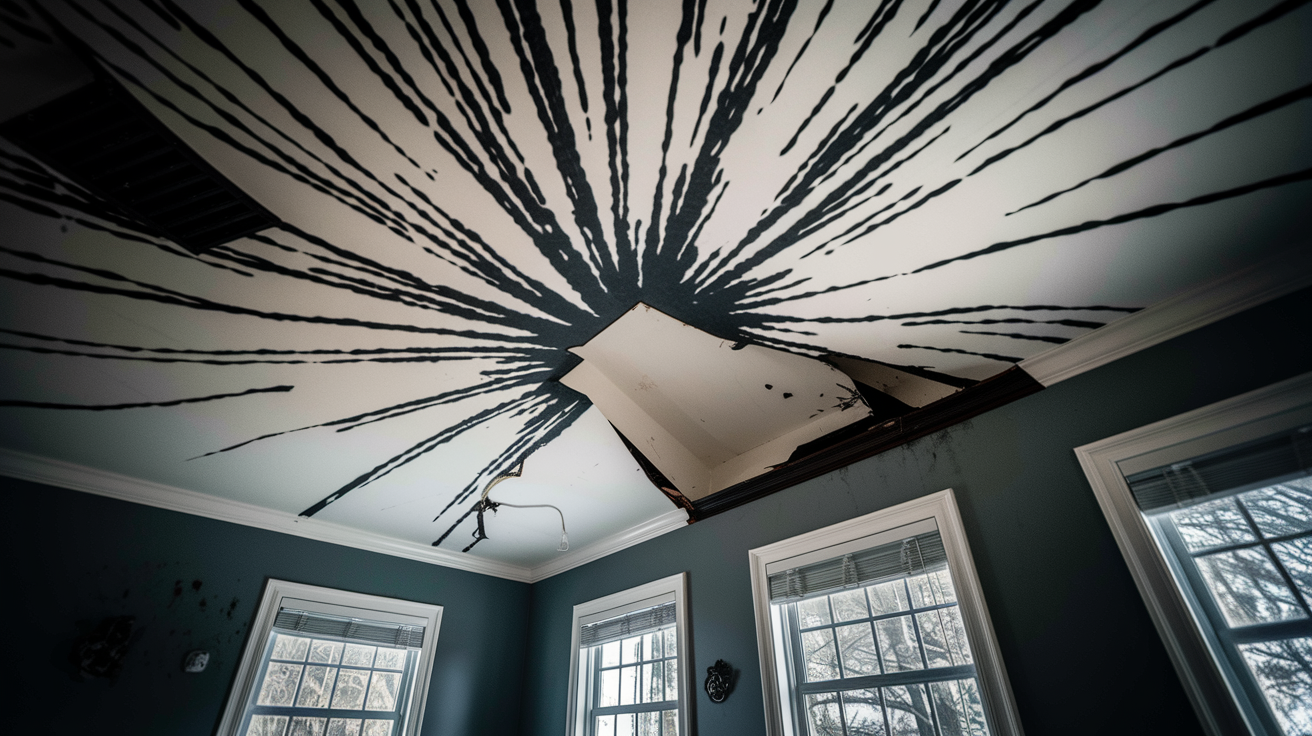
Certain symptoms indicate immediate structural risk or active water intrusion requiring emergency professional response versus situations that can wait for scheduled repair.
Urgent warning signs requiring same day response:
Visible sagging or bowing where the ceiling plane has changed shape or dropped. Water accumulation adds significant weight with one gallon weighing over 8 pounds, creating collapse risk. Active dripping or streaming water indicates the leak’s ongoing and damage is increasing by the hour. Dark or spreading water stains show active moisture movement, not old staining that’s stable. Soft or spongy ceiling texture when you press against it lightly means structural integrity is compromised. Visible mold growth or strong musty odor indicates health hazard developing in ceiling cavities. Cracks wider than 1/8 inch or growing in size suggest possible structural movement in framing.
Delayed response allows minor leaks to saturate insulation that holds moisture against framing, spread to larger ceiling areas as water follows joists and electrical runs, damage framing members through prolonged moisture exposure and rot, and create ideal mold conditions in dark, damp ceiling cavities. Each of these increases final repair costs substantially, sometimes doubling or tripling the bill compared to immediate response.
Emergency response contractors charge premium rates of $100 to $200 extra for immediate mobilization, but they prevent thousands in additional damage by stabilizing the situation, stopping active water flow, and beginning drying procedures immediately. A $200 emergency fee beats a $2,000 mold remediation project that develops from waiting three days.
Final Words
Ceiling leak repairs typically cost $500 to $2,500, but understanding what drives those numbers helps you plan and avoid surprises.
Damage extent, material type, and leak source location all shape the final bill. Getting clear written estimates from licensed contractors who itemize labor, materials, and timeline gives you control of the process.
The faster you address active leaks, the less damage spreads. Small water stains caught early stay small. Ignored leaks turn into sagging ceilings, mold growth, and structural repairs that cost far more to fix.
When you’re ready for an estimate, focus on contractors who explain how much it costs to repair a ceiling leak in plain terms and coordinate both leak source and ceiling work.
FAQ
How expensive is it to fix a leaking ceiling?
Fixing a leaking ceiling typically costs between $500 and $2,500, with a national average of $884, depending on damage extent, ceiling material type, and leak source location.
Is a leaking ceiling covered by insurance?
A leaking ceiling is covered by homeowners insurance when the leak results from sudden, accidental events like burst pipes or storm damage, but gradual deterioration from poor maintenance is not covered.
How much does it cost to fix a leak and part of a ceiling?
Fixing both the leak source and ceiling damage costs $1,200 to $2,500 for combined repairs, with plumbing or roof leak repairs ($175-$3,000) billed separately from ceiling restoration ($500-$1,200).
How do you know if a ceiling leak is serious?
You know a ceiling leak is serious when you see visible sagging or bowing, active dripping water, soft or spongy texture when touched, spreading dark stains, visible mold growth, or cracks wider than 1/8 inch.
What is included in a ceiling leak repair estimate?
A ceiling leak repair estimate includes itemized labor and materials costs, square footage or hourly rates, repair timeline, payment terms, license and insurance verification, warranty details, and any exclusions or additional costs.
How long does ceiling leak repair take?
Ceiling leak repair takes 1 to 2 weeks from start to completion, including 2 to 5 days for drying, 1 to 3 days for leak source repair, and 3 to 5 days for finishing work like mudding, sanding, priming, and painting.
Should I repair a ceiling leak myself or hire a professional?
You should hire a professional for ceiling leak repair if damage exceeds 12 inches, involves active leaks, shows any sagging, has visible mold, affects plaster or textured ceilings, or requires insurance documentation and warranties.
What affects the cost of ceiling leak repair most?
The cost of ceiling leak repair is most affected by damage severity (cosmetic stains versus structural compromise), ceiling material type (drywall versus plaster), square footage of affected area, and accessibility of the leak source.
When should I call for emergency ceiling leak repair?
You should call for emergency ceiling leak repair immediately when you see active dripping, visible sagging that indicates water accumulation, soft spots suggesting structural compromise, or rapidly spreading water stains indicating ongoing intrusion.
Do contractors charge minimum fees for ceiling leak repairs?
Contractors charge minimum service fees of $125 to $200 for ceiling leak repairs, with inspection fees of $50 to $100 that are often waived when you hire that contractor for the repair work.