
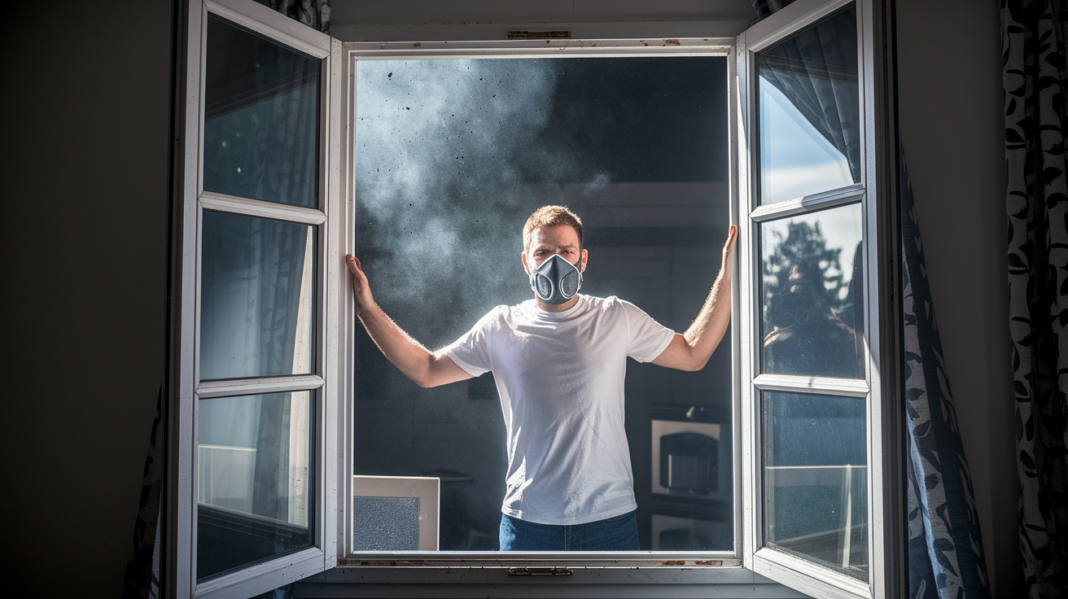

You can’t paint over smoke smell or cover it with air freshener. That smoky odor you’re dealing with isn’t just floating in the air, it’s bonded into your walls, carpets, and furniture at a molecular level. The particles physically embed themselves into porous materials, which is why opening windows and lighting candles won’t fix it. This guide walks you through what actually works to eliminate smoke odor after a fire, from immediate ventilation steps to deep cleaning methods, plus what professional restoration costs when DIY isn’t enough.
Effective Strategies for Post-Fire Smoke Odor Elimination
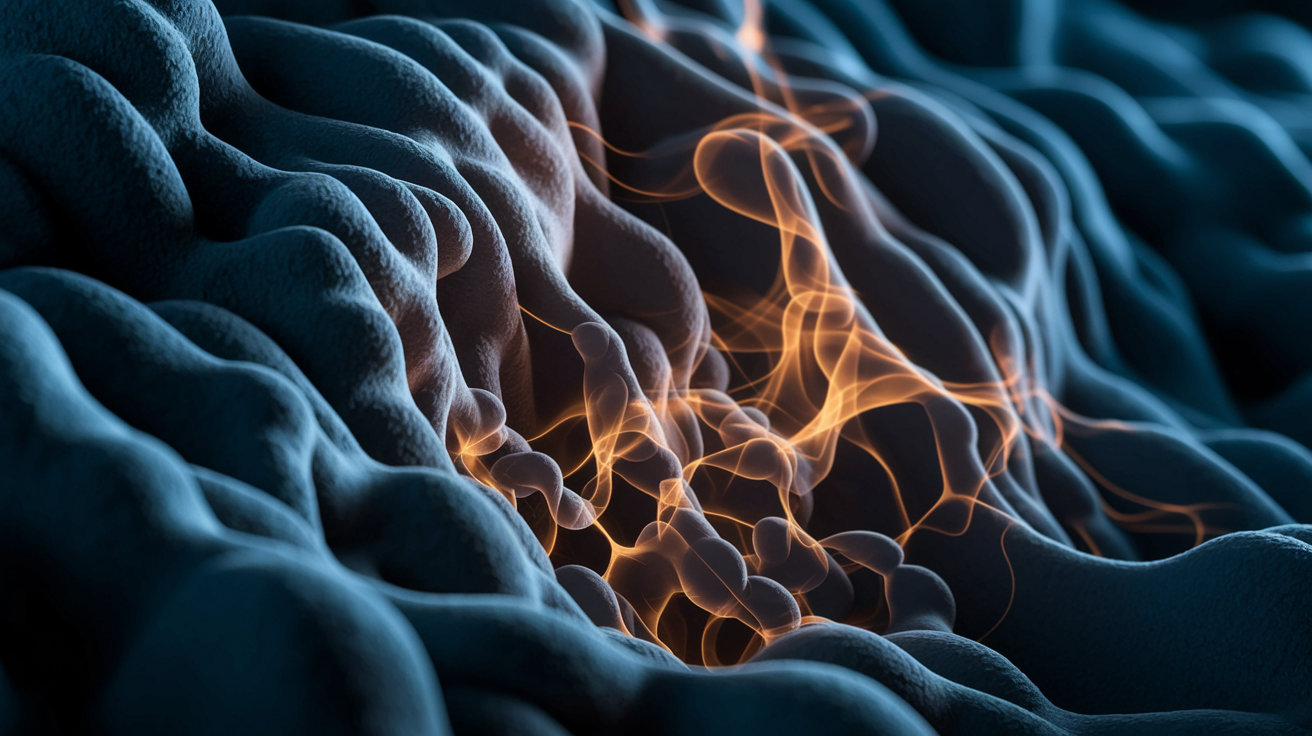
Smoke odor doesn’t just float around and disappear. Smoke particles bond at a molecular level with every porous surface they touch: drywall, carpeting, furniture fabric, clothing, drapes, books, raw wood, even the padding under your floors. The smell sticks because particles physically penetrate these materials, not just settle on top.
Quick action stops smoke from embedding deeper into your home’s structure. The longer contaminated air sits, the farther particles migrate into walls, insulation, and ductwork. Starting odor removal within the first 24 hours makes a measurable difference in how much material you can save versus replace.
Here’s what to do first, in order of priority:
- Confirm the structure is safe to enter and the fire is completely out. Don’t assume. Check with fire personnel before going inside.
- Create cross ventilation by opening all windows and doors on opposite sides of affected areas to push contaminated air outside, not just move it around.
- Position fans in doorways and windows to force smoky air out of the house rather than circulating it between rooms.
- Wear an N95 respirator and protective gear before entering any fire affected space. Smoke particles irritate lungs even days after the fire.
- Deploy air purifiers with HEPA filters immediately in every affected room to capture airborne soot while you work.
- Assess whether the damage requires professional restoration or if DIY methods will actually work based on how far smoke traveled and what materials are affected.
For light smoke confined to one room with mostly hard surfaces, DIY cleaning often handles it. Heavy smoke that reached multiple rooms, soaked into carpets and upholstery, or contaminated your HVAC system needs professional equipment and techniques. Don’t guess. Walk through and look at what’s visibly stained, what smells strongest, and whether structural materials like drywall show discoloration.
Contact your insurance company after you’ve stabilized ventilation and documented the damage with photos. Most policies require prompt notification, but your first priority is stopping smoke from spreading deeper while the air is still contaminated. Take pictures of every affected surface, even minor staining, before you start cleaning.
Deep Cleaning Methods for Fire Smoke Residue and Soot Removal
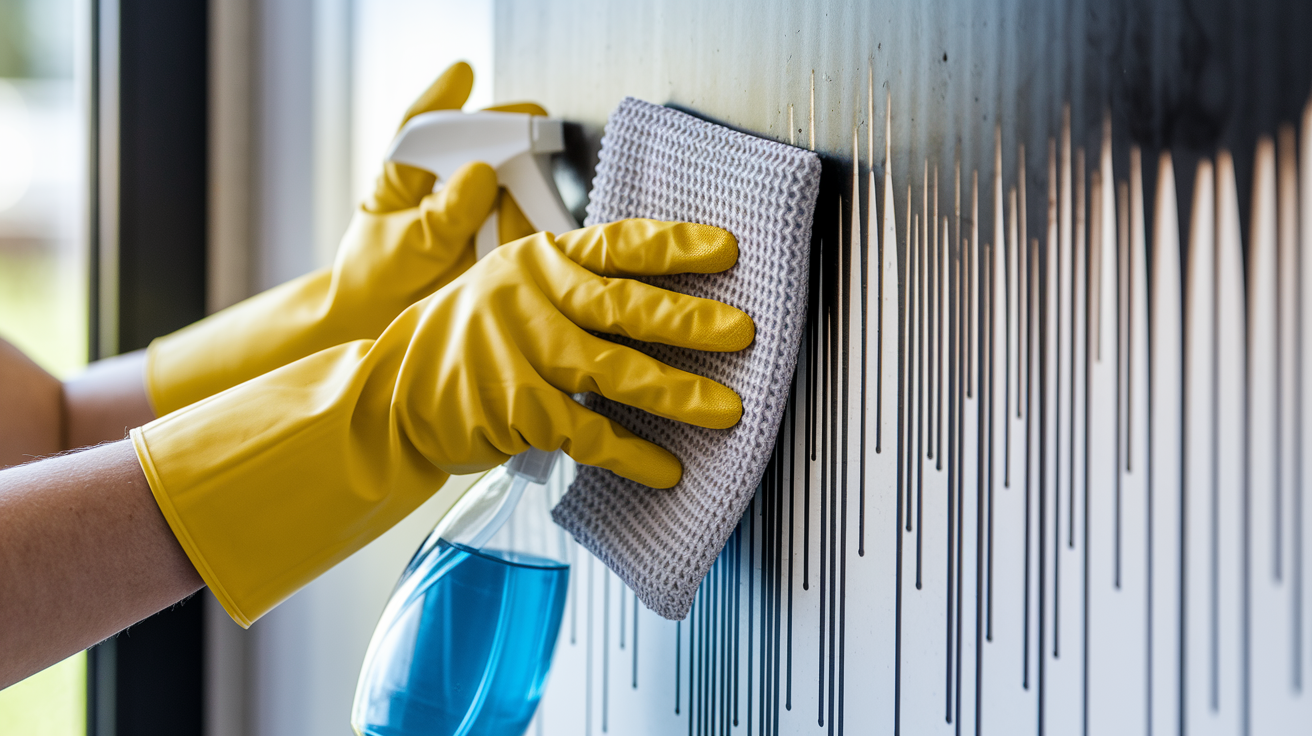
Two types of soot exist, and they clean differently. Dry soot wipes away with a sponge and low alkaline detergent. Oily soot, which comes from burning plastics or synthetic materials, requires stronger techniques and can clog your washing machine if you’re not careful. Both types are acidic and will corrode metal surfaces, discolor wood, and eat into paint if you don’t remove them quickly.
For most cleaning, mix one tablespoon of dish soap or mild detergent with one quart of clear warm water. Add a small amount of white vinegar to the solution for stubborn residues and odor neutralization. Always rinse surfaces with clear water immediately after cleaning to prevent streaking and residue buildup.
Cleaning Walls, Ceilings, and Hard Surfaces
Start at the top and work down. Wipe ceilings first, then walls, then baseboards and doors. Use your mild detergent and vinegar solution with a clean sponge or microfiber cloth. Rinse each section with clear water right away.
Acidic soot corrodes metal and discolors wood within hours, so don’t wait. Clean door frames, window frames, cabinet exteriors, and all metal fixtures as soon as it’s safe to enter. Work in small sections so you can rinse before the cleaning solution dries.
Change your rinse water frequently. Dirty rinse water just spreads soot around. If the cloth or sponge turns black, switch to a clean one. You’re trying to remove particles, not push them deeper into porous surfaces.
Treating Woodwork and Painted Surfaces
Painted walls and finished woodwork need a lighter touch. Avoid oversaturating painted surfaces. Too much water can lift paint or seep behind it, creating bubbling or peeling later. Wring out your sponge until it’s just damp, not dripping.
Clean all cabinet interiors, drawer spaces, and closet surfaces even if they don’t look dirty. Smoke travels through gaps and settles on hidden surfaces. Empty drawers completely before wiping the inside, bottom, and sides. Don’t skip this. Smoke odor lingers in enclosed spaces.
Baseboards and door frames collect heavy soot because smoke rises and then cools along edges. These areas often need two passes: one to remove visible soot, a second with the vinegar solution to neutralize the odor bonded to the paint or finish.
Addressing Hidden Areas and Overlooked Spaces
Pull out appliances and clean behind them. Check inside light fixtures after turning off power. Wipe down closet interiors, including the shelf surfaces and walls. Move furniture and clean underneath.
Window screens trap smoke particles. Remove them, wash with mild soap and warm water, rinse with clear water, and let them dry completely before reinstalling. Clean the glass with a mixture of white vinegar and water for streak free results.
Don’t forget the spaces you don’t see daily. Top of door frames, ceiling fan blades, air vents, the back side of cabinet doors. Smoke settles everywhere air moves. If you skip these spots, they’ll keep releasing odor into cleaned spaces.
Fabric, Carpet, and Upholstery Smoke Odor Treatment
Wash all affected clothing, linens, curtains, and removable fabric items with high quality detergent plus one cup of baking soda added to the wash cycle. The baking soda absorbs odors while the detergent lifts soot particles. Use warm or hot water unless the fabric care label says otherwise. Delicate items that can’t handle machine washing need professional dry cleaning. Regular washing won’t remove smoke from silk, wool, or structured garments without damaging them.
Line dry fabrics outdoors when possible. Fresh air and sunlight help remove smoke smell in ways a dryer can’t match. If you must use a dryer, add a couple of clean tennis balls to keep fabrics moving and prevent them from trapping residual odor in folds.
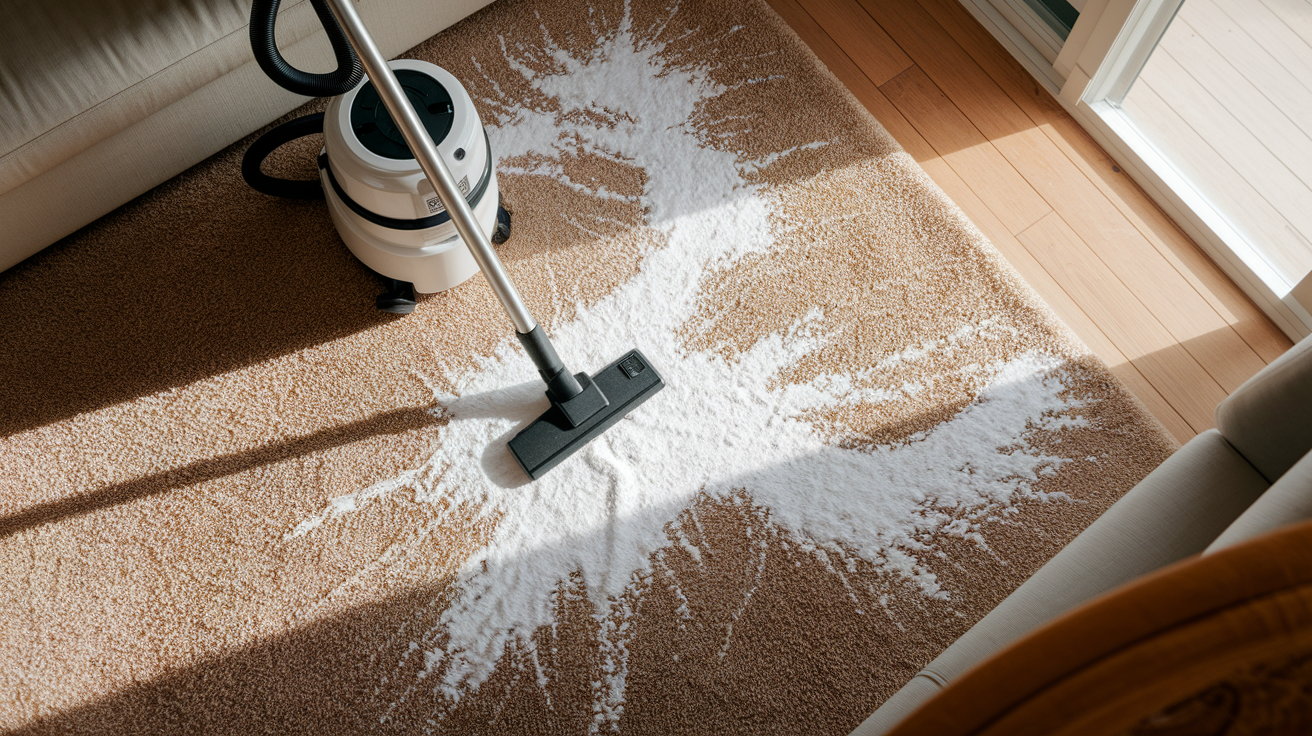
Carpets and area rugs need a HEPA filtered vacuum first. Avoid upright vacuums with beater bars. Those push soot deeper into carpet fibers instead of pulling it out. Vacuum slowly, making multiple passes over each section. Then sprinkle baking soda generously across the entire carpet, let it sit for several hours or overnight, and vacuum again. The baking soda pulls odor molecules out of the fibers as it sits.
Upholstered furniture presents a bigger challenge. You can’t toss a couch in the washing machine. Vacuum thoroughly with a HEPA filtered unit, including under cushions and along seams. Sprinkle baking soda on all fabric surfaces, let it sit, then vacuum it up. If odor persists after this treatment, the smoke has likely penetrated the internal padding and foam, which means professional cleaning or replacement. Also, place a plastic barrier or towel under furniture legs before cleaning. Cleaning solutions can seep from wood furniture into carpet, carrying soot with them and creating additional stains you didn’t have before.
Air Purification and Ventilation Systems for Smoke Particle Elimination
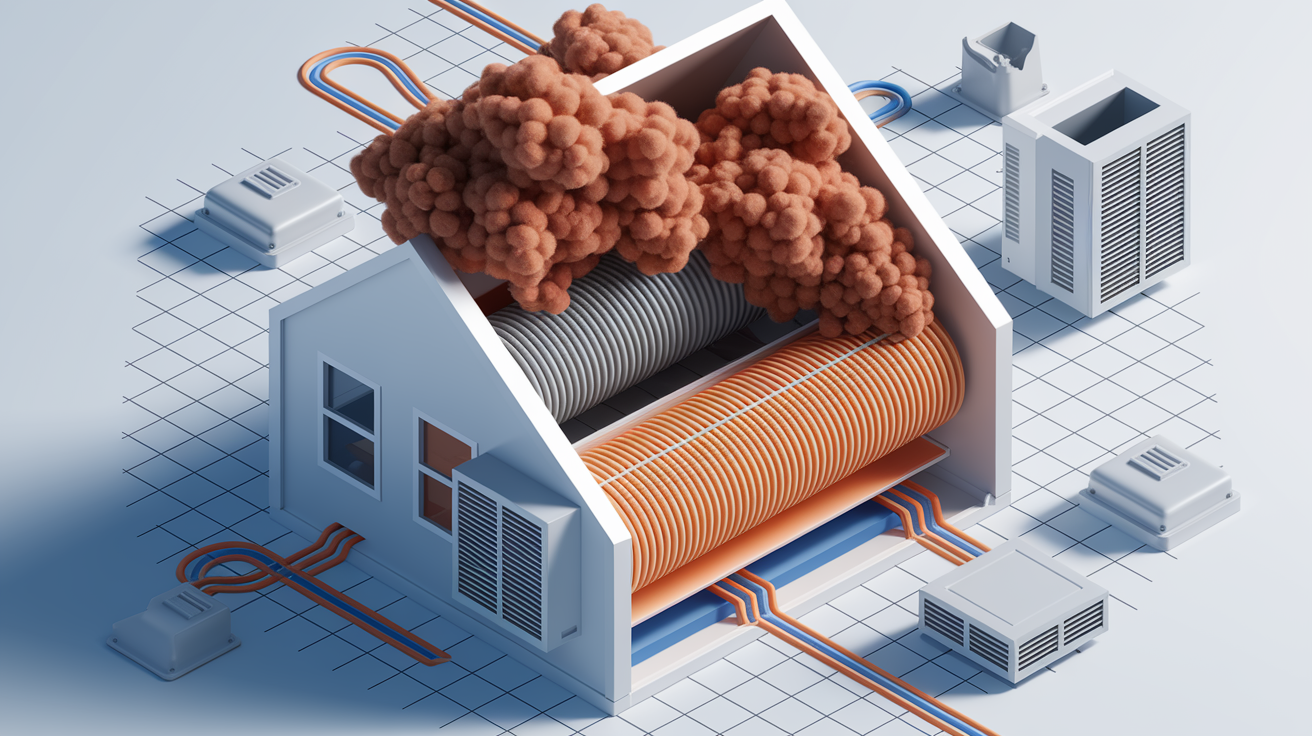
Your HVAC system is a smoke distribution network after a fire. Every time the system cycles on, it pulls contaminated air through ducts, across the blower, over the coil, and pushes it back out through vents in every room. Running the system before cleaning it spreads smoke particles into spaces that weren’t originally affected. Don’t turn it on until you’ve addressed the contamination.
Replace every HVAC filter in your home immediately. This includes furnace filters, return air filters, and any standalone air handler filters. Don’t try to clean and reuse them. Smoke saturated filters can’t be cleaned effectively, and they’ll keep releasing particles and odor back into your air.
HVAC ductwork requires professional cleaning after fire smoke exposure. Particles coat the inside of ducts and stick to register grilles. Even with new filters, contaminated ductwork will keep cycling smoke residue through your home. A qualified duct cleaning company uses specialized equipment to dislodge particles and extract them from the system. Have the system inspected before operating it to confirm the blower assembly, coils, and all mechanical components are clean.
Portable air purification helps while you clean:
- Use HEPA filtered portable air purifiers continuously in all affected rooms, running them 24 hours a day for the first several weeks.
- Place activated charcoal bowls throughout affected areas for natural absorption. Change the charcoal every few days as it becomes saturated.
- Position ventilation fans in windows to maintain airflow that pushes contaminated air outside rather than recirculating it indoors.
- Run dehumidifiers to control moisture that traps odors in fabrics and porous materials. Keep indoor humidity below 50%.
- Create cross ventilation patterns with strategic fan placement. One fan pulling fresh air in, another pushing contaminated air out, creates continuous flow.
Air purifiers aren’t a replacement for cleaning, but they capture airborne particles that resettle on surfaces you’ve already cleaned. Run them continuously, even after the visible smoke haze clears. Microscopic particles stay airborne for days. Activated charcoal absorbs odor molecules naturally without adding chemicals or fragrances to the air. Place bowls in corners, closets, and other low airflow areas where mechanical filtration doesn’t reach as effectively.
Natural and Chemical Odor Neutralizers for Smoke Smell Removal
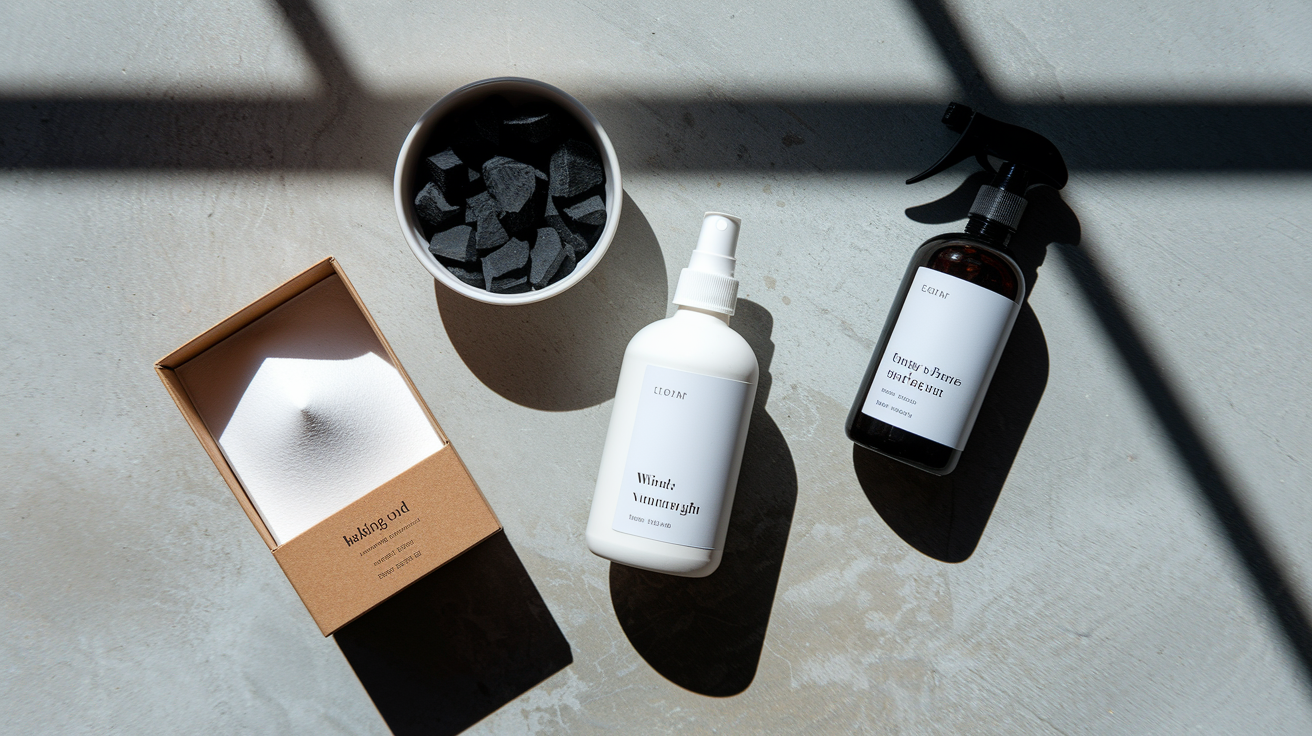
Masking an odor and neutralizing it are completely different. Spray deodorizers and scented candles cover smoke smell temporarily by adding a stronger fragrance, but the smoke odor is still there underneath. Once the spray scent fades, you’re back where you started. Neutralizers work by chemically binding to odor molecules or absorbing them, which actually reduces the source rather than hiding it.
Neutralizers work best after you’ve removed the bulk of soot and smoke residue through cleaning. In heavily fire damaged areas, neutralizers alone won’t solve the problem. Thick soot deposits and deeply penetrated smoke require physical cleaning first. Neutralizers handle the residual odor that remains after surfaces are clean.
| Neutralizer Type | Application Method | Best Use Case | Effectiveness Level |
|---|---|---|---|
| Baking Soda | Sprinkle on carpets and fabrics, place open bowls in rooms | Soft surfaces and enclosed spaces like closets | Moderate for light to medium smoke exposure |
| Activated Charcoal | Place bags or bowls throughout affected areas, replace every 3 to 5 days | Continuous odor absorption in cleaned spaces | High for residual odors after cleaning |
| White Vinegar | Add to cleaning solutions, simmer on stovetop, place bowls in rooms | Hard surface cleaning and air neutralization | Moderate, works best as cleaning additive |
| Enzyme Cleaners | Spray on fabrics and porous surfaces, allow to dry naturally | Organic smoke odors on upholstery and carpets | Moderate to high for protein based smoke residues |
| Commercial Deodorizers | Follow product instructions for spray or fogger application | Whole room treatment after physical cleaning | Variable depending on product chemistry |
| Chemical Sponges | Wipe dry across surfaces without water to lift soot | Dry soot removal from walls, ceilings, lampshades | High for dry soot on non washable surfaces |
Professional Smoke Odor Removal: Ozone Treatment and Thermal Fogging
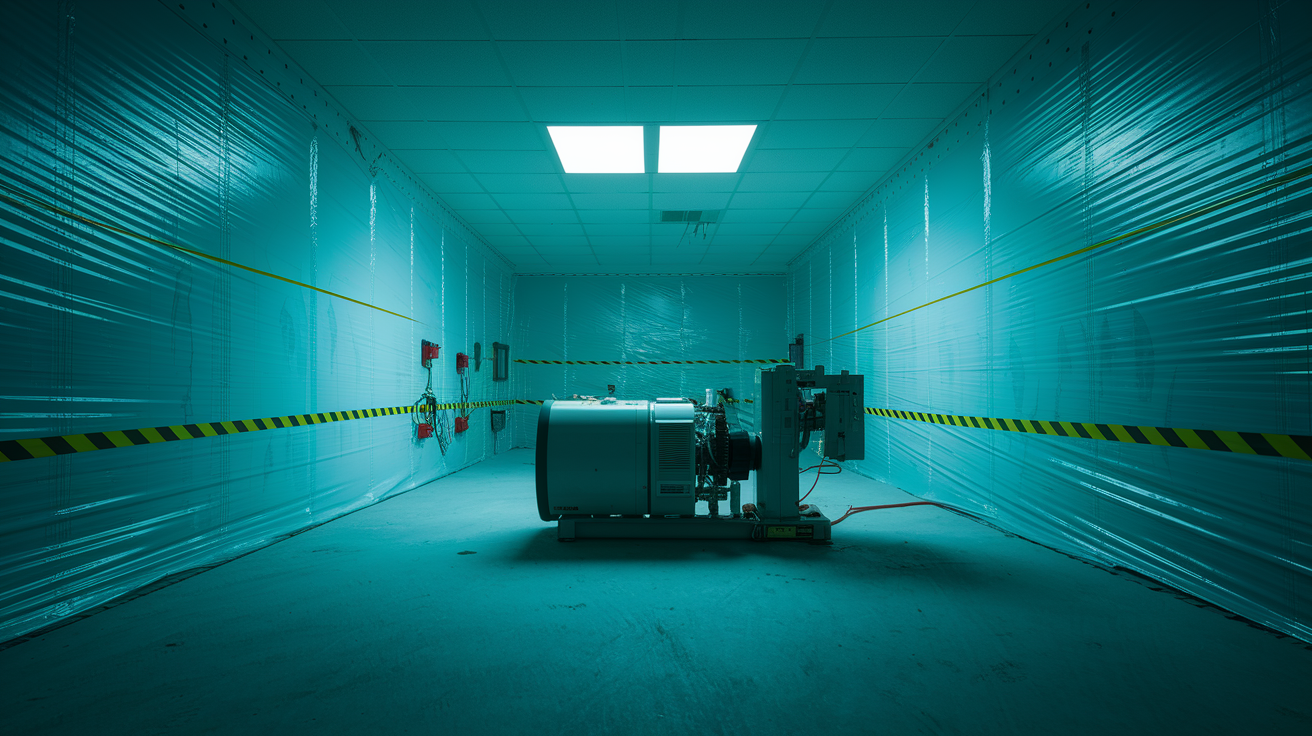
Professional restoration reaches the spaces DIY cleaning can’t touch: inside wall cavities, under flooring, deep in upholstery padding, throughout ductwork, and into areas you can’t access without removing structural components. Specialized equipment neutralizes odor at the molecular level instead of just cleaning surface residue.
Ozone treatment uses ozone generators to flood affected spaces with O3 gas, which oxidizes smoke molecules and neutralizes them chemically. The space must be completely evacuated during treatment. Ozone is harmful to breathe, and you can’t occupy the home while the generator runs or for several hours afterward while the ozone dissipates. It’s effective, but it’s not a casual process. Professionals seal the area, run the equipment for a specific duration based on contamination level, then ventilate thoroughly before anyone re-enters.
Thermal fogging involves heating a deodorizing solution until it vaporizes into a fine mist that penetrates the same pathways smoke traveled during the fire. The fog particles are roughly the same size as smoke particles, so they reach cracks, crevices, porous materials, and hidden spaces that can’t be wiped or sprayed. Once the fog settles and dries, it neutralizes bonded odor molecules. This method works well in combination with other treatments when smoke has penetrated deeply into materials.
Hydroxyl generators offer a safer alternative that can run while the space is occupied. These machines produce hydroxyl radicals that break down odor molecules without creating harmful byproducts. They work more slowly than ozone but don’t require evacuation, making them practical for extended treatment periods. HEPA air scrubbers work alongside these methods to capture airborne particles loosened during cleaning and treatment, continuously filtering the air to prevent recontamination of cleaned surfaces.
DIY Smoke Smell Removal: When Home Methods Work and Their Limitations
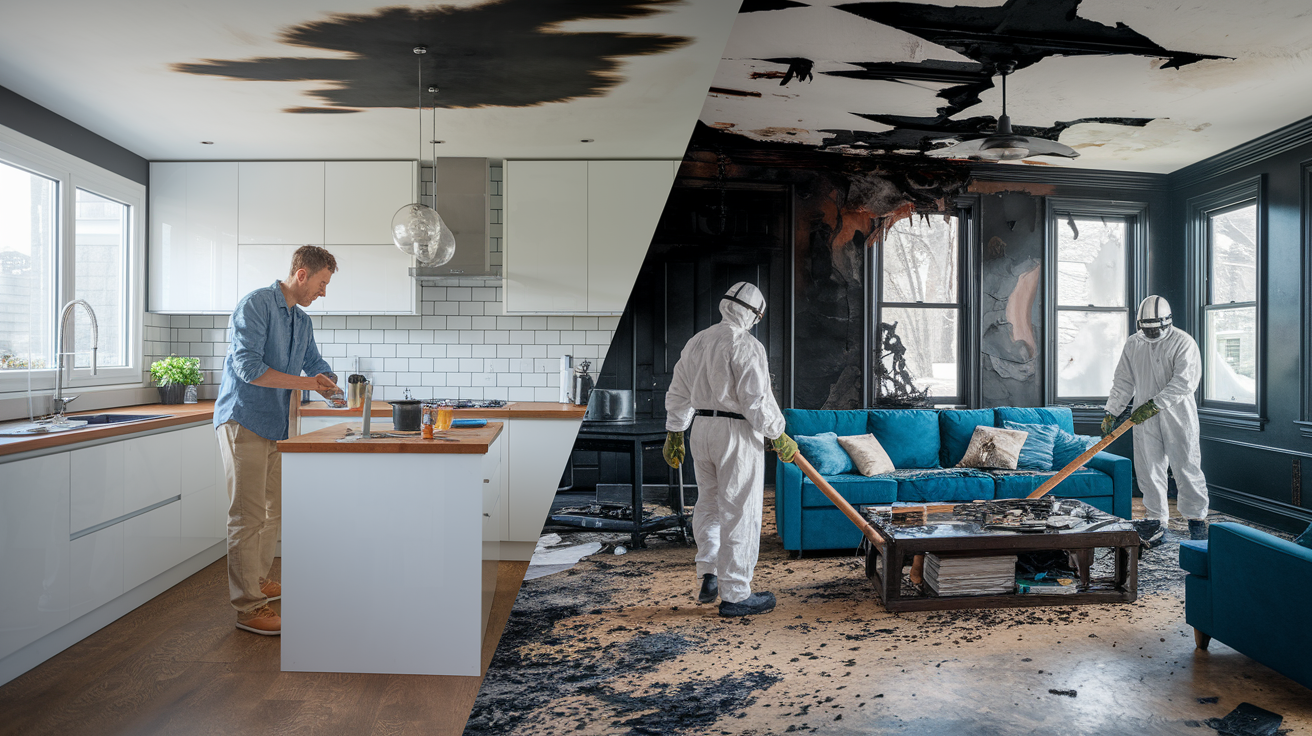
Light smoke confined to a single room often clears within a few days using proper ventilation, surface cleaning, and basic odor absorbers. If you had a small kitchen fire that didn’t spread beyond one space, didn’t heavily stain walls or ceilings, and didn’t run through your HVAC system, DIY methods can handle it. Hard surfaces wipe clean, washable fabrics come out of the laundry without odor, and continuous ventilation clears the air.
Heavy smoke that traveled through multiple rooms, soaked into carpets and upholstery, penetrated insulation, or contaminated ductwork is a different situation. Smoke doesn’t just sit on surfaces in these cases. It migrates into wall cavities, under flooring, into furniture padding, and throughout your ventilation system. Ventilation alone won’t remove it because the particles are physically bonded to materials, not floating in the air anymore. You can clean visible surfaces for weeks and still smell smoke because the source is hidden inside structural materials you can’t reach.
Here’s when DIY stops working and professional help becomes necessary:
- Smoke odor persists after you’ve thoroughly cleaned all accessible surfaces multiple times
- Odors return within hours or days after treatment, indicating a hidden source you haven’t addressed
- Structural materials like drywall, insulation, or subflooring are visibly saturated with smoke staining
- Walls and ceilings show smoke damage that won’t wipe clean or keeps bleeding through paint
- Your HVAC system ran during or after the fire and now spreads smoke smell when it operates
- You or your family experience persistent respiratory irritation, headaches, or other health symptoms from poor air quality even after cleaning
Material replacement becomes necessary when cleaning can’t remove odor from porous structural components. Carpet padding holds smoke odor even after the visible carpet is cleaned. Drywall absorbs smoke deep into its gypsum core. Insulation traps smoke particles throughout its fibers. If these materials still smell after surface cleaning and odor treatment, they need removal and replacement. You can’t clean your way through materials that are saturated at depth.
Cost Estimates and Timeline for Fire Smoke Odor Removal

Cost depends on how much area the smoke affected, what materials absorbed it, which cleaning methods are required, and whether structural components need replacement. A single room kitchen fire costs far less to remediate than whole house smoke contamination from a living room fire that burned for an extended period.
Home size matters, but damage severity matters more. A 2,000 square foot house with light smoke in half the rooms costs less to clean than a 1,000 square foot house with heavy smoke throughout. Professional companies assess based on what actually needs treatment, not just square footage.
| Damage Level | DIY Cost Range | Professional Cost Range | Expected Timeline |
|---|---|---|---|
| Light smoke, single room | $50 to $200 (cleaning supplies, air purifiers, filters) | $500 to $1,500 | 2 to 5 days DIY, 1 to 2 days professional |
| Moderate smoke, multiple rooms | $200 to $600 (equipment rental, supplies, filters) | $2,000 to $5,000 | 1 to 2 weeks DIY, 3 to 7 days professional |
| Heavy smoke, whole house | $500 to $1,200 (limited effectiveness, often insufficient) | $5,000 to $15,000 | 3 to 6 weeks DIY (rarely successful), 1 to 3 weeks professional |
| Severe with structural damage | Not feasible for DIY | $15,000 to $50,000+ (includes material replacement and rebuilding) | 4 to 12 weeks depending on scope |
Timeline varies based on how quickly you start, how thoroughly smoke penetrated materials, and whether you’re waiting on insurance approval or material replacements. Light damage handled immediately clears faster than moderate damage that sat for a week before treatment started. The longer contaminated air circulates, the deeper smoke embeds.
Professional services move faster because they deploy multiple technicians with industrial equipment. What takes a homeowner two weeks of evening and weekend work, a restoration crew completes in three days with proper tools. Insurance often covers professional restoration costs when fire damage is involved, but you’ll need documentation: photos of damage, detailed scope of affected areas, and professional estimates. Keep receipts for everything, even DIY supplies, in case your policy provides partial reimbursement.
Health Hazards and Safety Precautions During Smoke Odor Removal
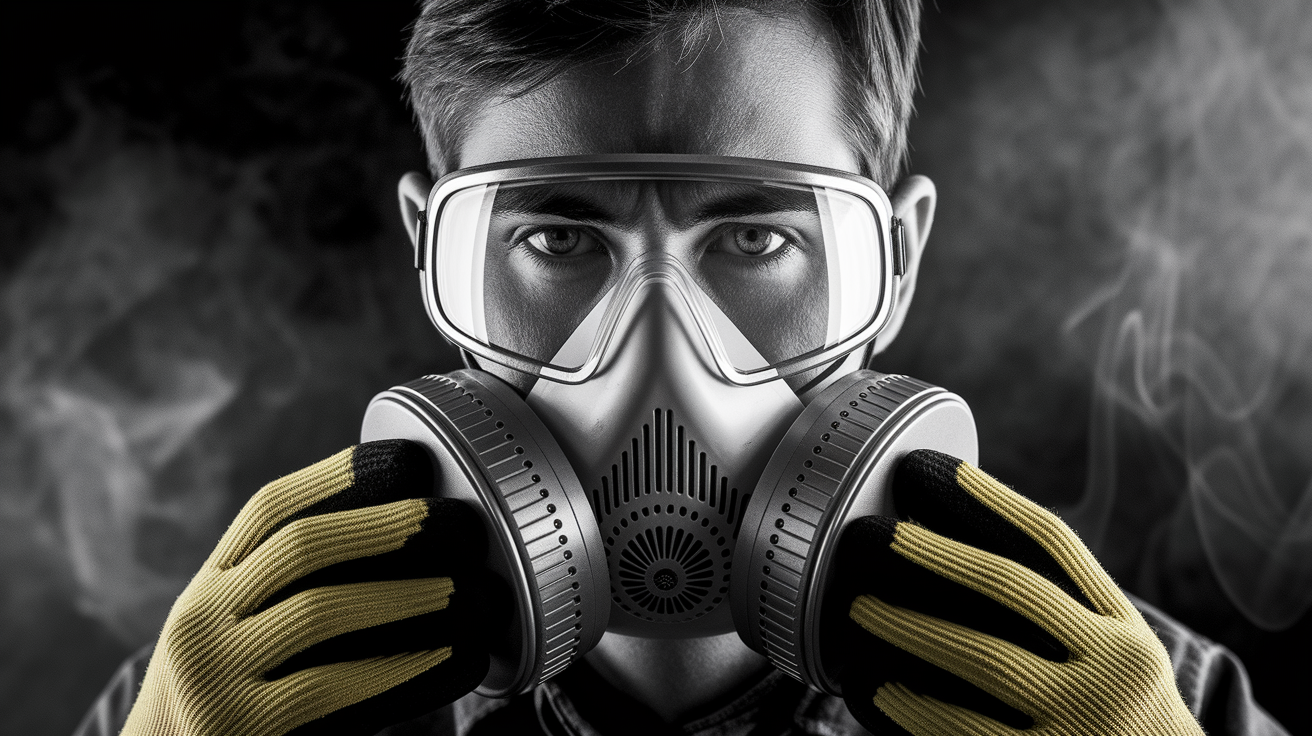
Smoke particles and volatile organic compounds remain airborne for days after a fire. Breathing this contaminated air irritates your lungs, throat, and sinuses. Fine particulate matter penetrates deep into lung tissue, and the chemical compounds released during combustion include known carcinogens and toxins. This isn’t just an odor problem. It’s an air quality problem with real health consequences.
Soot is acidic and corrosive. Direct skin contact can cause irritation, especially during extended cleaning sessions when you’re handling contaminated materials repeatedly. The acidic nature also means it eats into metal, wood, and painted surfaces over time, which is why prompt removal matters for your home’s structure, not just your health.
Follow these safety precautions during all smoke cleaning work:
- Wear an N95 or better respirator mask that seals properly around your nose and mouth. Cloth masks and surgical masks don’t filter fine smoke particles.
- Use rubber gloves for all cleaning to prevent skin contact with soot and acidic residue.
- Wear eye protection, especially when cleaning overhead surfaces where particles and cleaning solution can drip down.
- Ensure adequate ventilation in every space you’re working. Open windows and run fans continuously.
- Take frequent breaks in fresh air away from the work area. Don’t try to power through hours of cleaning without stepping outside.
- Discard all food that was exposed to smoke, including unopened packages, canned goods, and pet food. Harmful chemicals and soot particles penetrate packaging.
- Use protective clothing that can be washed separately from your regular laundry, or dispose of heavily contaminated work clothes.
Food safety is non negotiable after fire smoke exposure. Even if containers look sealed, smoke infiltrates packaging and contaminates contents with toxic residue. Throw it out. This includes dry goods in boxes, canned items, packaged snacks, and anything stored in affected areas. Pet food gets contaminated the same way. The cost of replacing food is minor compared to the health risk of consuming smoke contaminated items.
Structural Material Treatment: Drywall, Paint, and Wood Surfaces
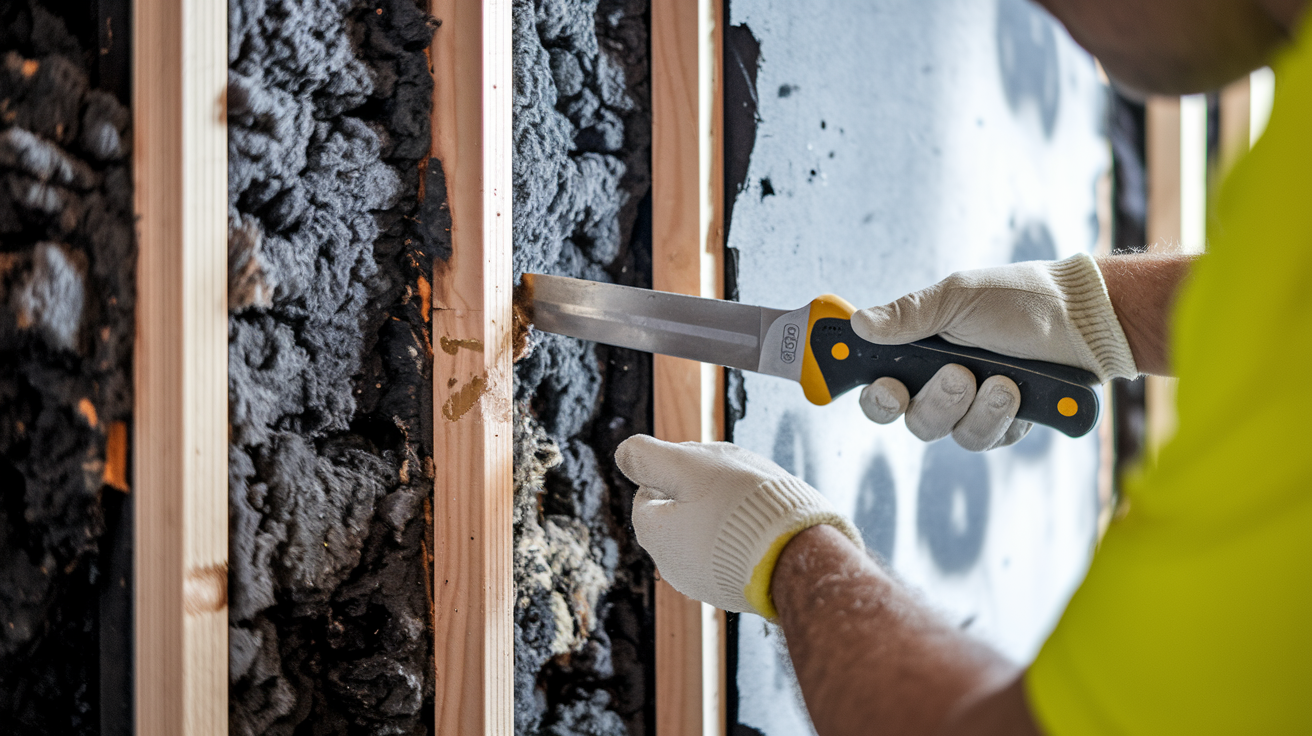
Smoke particles don’t just sit on drywall and wood. They penetrate the porous structure at a molecular level, bonding with the material itself. Surface cleaning removes visible soot, but odor molecules remain embedded inside. That’s why cleaned walls sometimes still smell, especially in humid conditions when moisture draws odor back to the surface.
After cleaning soot from walls and ceilings, you need a smoke sealing primer before repainting. Regular paint won’t encapsulate the odor. Smoke sealing primers contain chemical binders that lock odor molecules in place, preventing them from migrating through the new paint layer. Apply it to all surfaces affected by smoke, even if they don’t look heavily stained. Two thin coats work better than one thick coat. Let the primer dry completely between coats and before applying finish paint.
Wood surfaces require careful assessment. Finished wood with intact sealant can often be cleaned and treated. Raw or unsealed wood absorbs smoke deeply and rarely cleans completely. Wood trim, baseboards, and door frames that were painted or finished before the fire usually respond well to cleaning followed by sealing primer. Unfinished wood studs inside walls, raw wood furniture, or porous wood paneling may need replacement if odor persists after cleaning and sealing attempts. Don’t try to seal heavily contaminated wood without addressing the source first. The odor will eventually bleed through no matter how many coats of sealer you apply.
Drywall replacement becomes necessary when smoke has saturated it beyond surface penetration. If the paper facing is heavily stained, discolored brown or black, or if odor persists after cleaning and priming, that section needs removal. Smoke travels behind drywall too, contaminating insulation and wall cavities. Cut out affected sections, remove any contaminated insulation, clean the framing, and install new drywall. For guidance on drywall repair after water damage, the same professional repair techniques restore smoke damaged wall surfaces with proper sealing, texture matching, and finish work that blends into existing walls. Half measures don’t work with saturated drywall. You either remove it or the smell stays.
Fire Restoration Process: What to Expect From Professional Services
Professional fire damage restoration starts with emergency response and damage assessment, often available 24/7 because smoke damage worsens the longer it sits. A qualified restoration company sends a team to evaluate affected areas, identify safety hazards, and develop a complete scope of work. They’ll assess structural damage, test air quality, identify contaminated materials, and explain what can be cleaned versus what requires replacement.
Containment comes next. Crews seal off affected areas with plastic sheeting and negative air pressure to prevent cross contamination while they work. This keeps smoke particles and cleaning chemicals from spreading into unaffected rooms. They’ll cover or remove unaffected contents, protect flooring in work areas, and establish safe pathways for moving equipment and materials.
Contents cleaning and pack out services handle your belongings separately from structural restoration. Salvageable furniture, clothing, electronics, and personal items get inventoried, cleaned using specialized methods, deodorized, and stored off site if necessary. Items that can’t be saved get documented for insurance claims. Professional contents cleaning uses techniques homeowners can’t replicate: ultrasonic cleaning for electronics, ozone chambers for fabrics, specialized solutions for different material types.
Structural repair follows a clear sequence. First, contaminated materials that can’t be cleaned get removed: saturated drywall, carpet padding, insulation, heavily damaged wood. Then deep cleaning of all remaining surfaces using professional grade equipment and solutions. After cleaning comes odor neutralization using methods like thermal fogging or ozone treatment. Finally, rebuilding: new drywall, texture and paint matching, trim replacement, flooring installation, and finish work that blends repairs seamlessly into your existing home.
Final verification includes air quality testing to confirm particulate levels are safe, visual inspection of all work areas, and a walkthrough with the homeowner to ensure everything meets expectations. Professional companies guarantee their work and address any concerns before closing the project. For comprehensive emergency home repair services that coordinate all aspects of fire damage repair, experienced restoration teams handle everything from initial emergency response through final cleanup as one connected process, so you’re not juggling multiple contractors trying to coordinate who does what when.
Preventing Smoke Odor Return and Long Term Air Quality Maintenance
Odor sometimes seems to return after you thought the problem was solved. Usually, this happens because you’ve adapted to the smell while living with it daily, then step outside for a few hours and notice it again when you come back. Another common cause: residual contamination in areas you haven’t addressed yet slowly releasing particles into cleaned spaces.
Continuous air filtration prevents recontamination after initial cleaning. Even when visible smoke is gone, microscopic particles remain airborne or settle slowly from ceiling areas and high surfaces. Running HEPA air purifiers continuously for the first several months captures these particles before they resettle on cleaned surfaces or get breathed in.
Long term prevention strategies keep your air clean:
- Maintain a regular HVAC filter replacement schedule, changing filters every 30 to 60 days for the first six months, then returning to normal intervals based on your system’s requirements.
- Run air purifiers continuously in affected areas for at least six months after restoration, gradually reducing runtime as air quality stabilizes.
- Control indoor humidity levels below 50% using dehumidifiers or your HVAC system to prevent moisture from trapping and reactivating odor molecules in materials.
- Conduct regular deep cleaning of soft surfaces like carpets, upholstery, and drapes every few months to remove any particles that settle despite filtration.
- Address any moisture issues immediately, because damp conditions reactivate smoke odor in materials and create conditions for mold growth that adds additional odor problems.
Monitor for warning signs that odor is returning or wasn’t fully eliminated. If you notice smell intensifying during humid weather, that indicates moisture is pulling embedded odor from materials. If certain rooms smell worse than others despite equal cleaning effort, check for hidden sources like contaminated ductwork or wall cavities. If fabrics smell when they get damp, they weren’t fully deodorized and may need re-treatment.
Regular monitoring means walking through your home after being away for several hours, when your nose is fresh. Check closets, cabinets, and low airflow areas where odor concentrates. If you detect smoke smell returning, address it immediately with targeted cleaning and additional air purification rather than waiting for it to spread.
Insurance Coverage and Documentation for Fire Smoke Damage Claims
Contact your insurance company immediately after the fire is out and you’ve confirmed the structure is safe, even before you start detailed cleaning. Most policies require prompt notification of loss, and delays can complicate claims. Give them basic information: date and time of fire, affected areas, preliminary assessment of damage. Don’t wait until you have perfect documentation. Initial notification starts the claim process.
Document everything with photos and video before touching anything. Photograph all visible smoke damage: stained walls, discolored ceilings, damaged belongings, affected areas. Take wide shots showing full rooms and close ups of specific damage. Video walkthroughs capture details you might miss in still photos. This documentation establishes the extent of loss before any cleaning or repairs begin.
Most homeowners insurance policies cover smoke damage under the fire damage provision, which typically includes cleaning, restoration, and rebuilding costs. Coverage usually extends to contents cleaning, temporary living expenses if the home is uninhabitable, and sometimes upgrades required by current building codes when replacing damaged structural elements. Review your policy to understand your deductible, coverage limits, and any specific exclusions.
Working with restoration companies that handle insurance coordination simplifies the claims process. Experienced companies know what documentation insurance adjusters need, how to format estimates to match policy requirements, and how to communicate directly with adjusters throughout the project. Many offer direct billing, where they work with your insurance company on payment while you handle only the deductible. This removes the burden of paying upfront and seeking reimbursement.
Required documentation throughout the restoration process includes detailed scope of work, itemized estimates, progress photos, receipts for all services and materials, and change orders if additional damage is discovered during work. Keep copies of everything: correspondence with your insurance company, contractor agreements, inspection reports, air quality test results. The more thorough your documentation, the smoother the claim settlement process. Professional restoration companies generate most of this paperwork as standard practice, but verify you’re receiving copies and storing them in a safe location outside the damaged property.
Final Words
Smoke smell removal after fire isn’t something you tackle once and walk away from.
Start with immediate ventilation and safety checks. Clean systematically from hard surfaces to fabrics. Seal walls and ceilings with proper primer. Replace filters and sanitize ductwork.
If odors persist after thorough cleaning, that’s your signal professional equipment is needed.
The good news? Most smoke damage responds well when you address it quickly and follow the right sequence. We’ll stabilize the damage, coordinate the repairs, and finish it so your home feels normal again.
FAQ
How do you get smoke smell out of a house after a fire?
To get smoke smell out of a house after a fire, start by confirming the structure is safe to enter, then create cross-ventilation by opening all windows and doors while positioning fans to push contaminated air outside. Next, wipe down all hard surfaces with mild detergent and water, sprinkle baking soda on carpets and fabrics, replace HVAC filters, and run HEPA air purifiers continuously in affected areas.
How long does it take for smoke smell to go away after a fire?
Smoke smell takes anywhere from a few days to several months to go away after a fire, depending on the severity of damage. Light smoke in a single room may clear within days with proper ventilation and cleaning, while heavy smoke embedded in walls, carpets, and HVAC systems can persist for weeks or months without professional intervention.
What do professional restoration companies use to remove smoke smell?
Professional restoration companies use ozone generators, thermal fogging equipment, hydroxyl generators, HEPA air scrubbers, and specialized smoke-sealing primers to remove smoke smell. These industrial-strength methods reach deep into porous materials where DIY cleaning cannot, neutralizing odor molecules at their source rather than simply masking them.
What neutralizes the smell of smoke?
White vinegar mixed with warm water, baking soda, activated charcoal, and enzyme cleaners neutralize the smell of smoke by chemically breaking down or absorbing odor molecules. For hard surfaces, use one tablespoon dish soap with one quart warm water plus a small amount of white vinegar, always rinsing immediately with clear water to prevent streaking.
When should you contact a professional restoration company after a fire?
You should contact a professional restoration company after a fire when smoke odors persist after thorough DIY cleaning, damage extends beyond surface areas, HVAC systems are contaminated, or structural materials like drywall and insulation are saturated with smoke. Professional equipment and techniques become necessary when home methods fail to eliminate embedded odors.
Can you run your HVAC system immediately after a fire?
You cannot run your HVAC system immediately after a fire because smoke particles contaminate the ductwork and filters, which will circulate soot and odors throughout your home when operated. Replace all HVAC filters first and have ductwork professionally cleaned and inspected before resuming system operation to prevent cross-contamination.
What safety equipment do you need for smoke odor removal?
For smoke odor removal, you need an N95 or better respirator mask, rubber gloves, eye protection, and protective clothing that can be washed separately. Take frequent breaks in fresh air, ensure adequate ventilation while working, and never attempt cleaning in areas with structural damage or air quality concerns.
Should damaged drywall be replaced or can it be cleaned?
Damaged drywall should be replaced if it still holds smoke odor after cleaning or shows visible smoke penetration, discoloration, or acidic soot damage. Clean surface soot first, then apply smoke-sealing primer. If odors persist from deep penetration into the drywall core, removal and replacement becomes necessary for permanent odor elimination.
Does homeowner’s insurance cover smoke damage restoration?
Homeowner’s insurance typically covers smoke damage restoration including professional cleaning, structural repairs, and rebuilding when fire damage occurs. Contact your insurance company immediately after the fire, document all damage with photos and video, and work with restoration companies that provide claim support and direct billing coordination.
Why do smoke odors sometimes return after cleaning?
Smoke odors sometimes return after cleaning because particles remain trapped deep inside porous materials like carpet padding, insulation, or within wall cavities where surface cleaning cannot reach. Temperature and humidity changes can release these embedded molecules back into the air, making thorough treatment or material replacement necessary for permanent removal.