

Think you can hide smoke smell by painting over it?
You can’t. Smoke particles live deep in drywall and trim, and the smell keeps coming back.
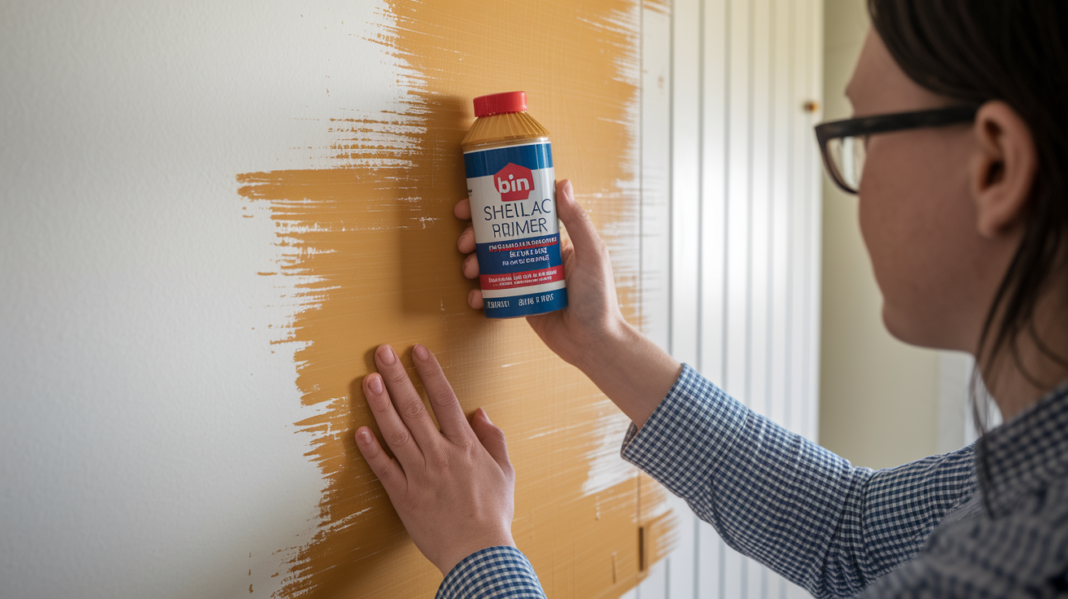
Here’s the short version: clean and dry the surfaces, then seal with two coats of a shellac-based primer to lock odor inside so it stops off-gassing.
This post walks you through the fast, step-by-step method, what to do first, which primers work best, safety tips, and how to test for breakthrough so the job stays done.
Fast Method to Seal In Persistent Smoke Odor

The quickest way to stop smoke odor from continuing to spread is to clean the surface, let it dry completely, then apply two coats of a shellac based primer. This traps odor molecules inside the material and prevents them from off gassing into the air. Most jobs can be completed in one or two days if you work in stages and allow proper drying time between coats.
Here’s the rapid action sequence:
- Remove loose soot with a HEPA vacuum. Don’t wipe it first or you’ll smear greasy residue deeper into the surface.
- Wash walls and ceilings with TSP or a degreaser. Rinse thoroughly and let dry overnight or longer if humidity is high.
- Apply the first coat of shellac based primer. Work ceiling to walls to trim, using a roller for large areas and a brush for edges.
- Wait 45 to 60 minutes, then apply the second coat. Shellac dries fast enough that you can finish an entire room in one day.
- Verify the smell is gone after 24 hours. If odor breaks through in spots, touch up those areas with a third coat before painting.
Sealing works because smoke particles are incredibly small, often under 2.5 microns, and they penetrate deep into drywall, wood, and concrete. Cleaning removes surface soot, but embedded particles stay inside the material and continue releasing odor for months or years. A high bond primer creates a continuous barrier film that surrounds those particles and locks them in place. The polymers in shellac based products form an especially tight seal, which is why they outperform latex or standard water based primers on smoke damage.
Immediate Actions to Stop Smoke Odor From Spreading
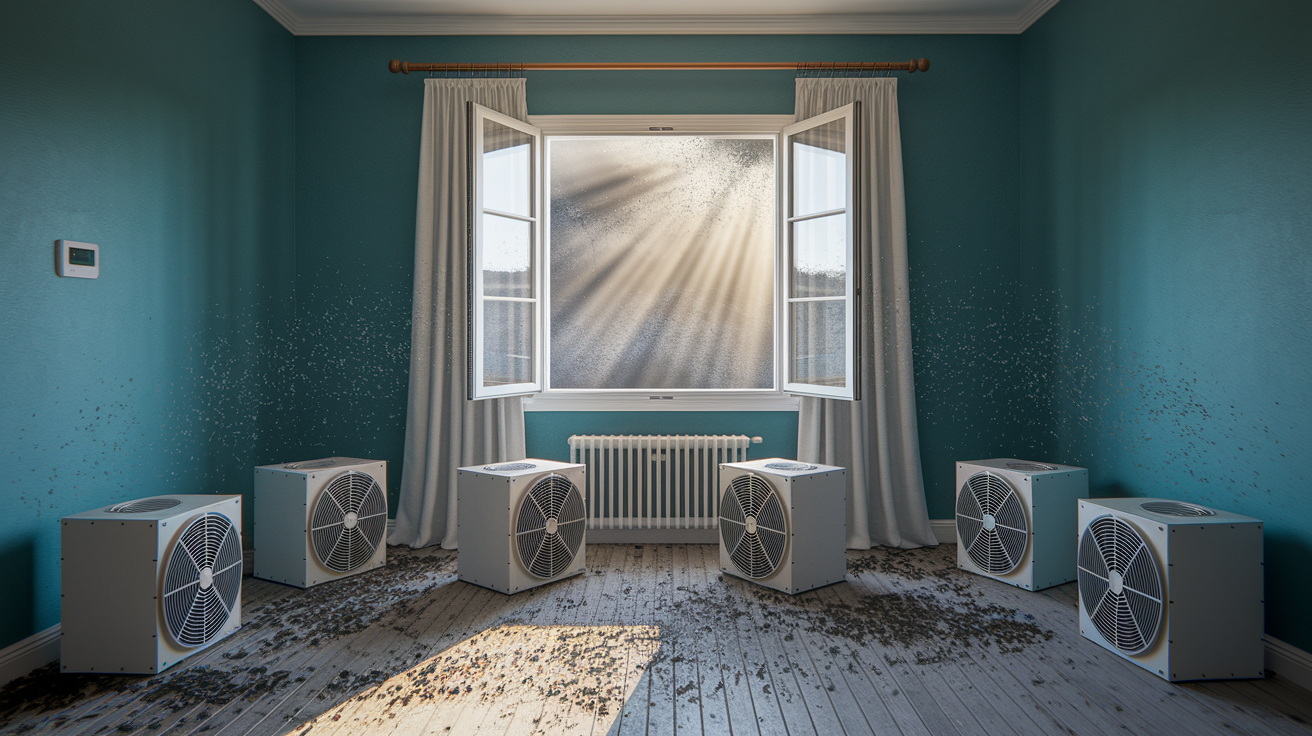
Before you start cleaning or sealing, control airflow to prevent smoke particles from moving into unaffected rooms. Open windows in the damaged area and use box fans or exhaust fans to push air outside. Don’t rely on cross ventilation that pulls air into hallways or other living spaces. The goal is to create negative pressure in the contaminated zone so odor molecules move out, not deeper into the house.
Turn off your HVAC system right away. Forced air will circulate smoke particles through ductwork and deposit them in every room the system serves. If the furnace or AC has been running since the fire, assume the ducts and filter are contaminated. Leave the system off until ducts are cleaned or sealed and the filter is replaced. Running the system during cleanup recontaminates surfaces you’ve already washed.
Early containment reduces the total square footage you’ll need to seal later. Close doors to unaffected rooms, seal gaps with painter’s tape if needed, and keep tarps or plastic sheeting over doorways in high traffic areas. The less smoke migrates during the first few days, the less primer you’ll use and the fewer coats you’ll need. Containment also protects furniture, bedding, and clothing in other parts of the home from absorbing additional odor.
Cleaning and Surface Preparation Before Applying Sealer

You can’t seal over soot, grease, or sticky residue and expect the primer to stick. If the surface is dirty, the primer will peel or the odor will bleed through within weeks. Cleaning is not optional, and it’s not fast. Plan to spend as much time washing and prepping as you will applying primer.
Essential prep tasks include:
HEPA vacuum all surfaces first. Ceilings, walls, baseboards, window frames, and door casings to remove loose ash and soot without smearing.
Wash with TSP solution or a heavy duty degreaser. Use a sponge or microfiber cloth, working from the bottom up to avoid streaks, then rinse with clean water.
Lightly sand glossy or sealed surfaces. This gives the primer something to grip. Use 120 grit sandpaper and wipe dust away with a damp cloth.
Patch any holes or cracks in drywall. Smoke can hide in voids behind the surface, and gaps let odor seep out even after sealing.
Remove outlet covers and switch plates. Soot often collects inside electrical boxes, and you’ll need to vacuum and seal those areas too.
Let everything dry completely. Damp drywall or wood won’t accept primer properly, and moisture can reactivate smoke residue and make the smell worse.
Drying times depend on humidity and airflow. In most homes, 24 hours is enough if you run fans. In basements or during humid weather, wait 48 hours or longer. Test by running your hand across the wall. If it feels cool or tacky, it’s still damp. You can also use a moisture meter on wood trim or drywall to confirm readings below 12 percent before you start priming.
Choosing the Correct Odor Blocking Primer

Selecting the right primer determines whether the odor stays sealed or breaks through after you paint. Not all primers block smoke smell, and using the wrong type is the most common reason DIY sealing jobs fail. Match the product to the severity of the damage and the material you’re sealing.
Shellac Based Primers
Shellac based primers are the gold standard for smoke odor encapsulation. They dry in 45 minutes, create a very tight molecular barrier, and block nicotine, soot, grease, and protein fire residues better than any other category. Shellac works on drywall, wood, plaster, and even concrete. The downside is strong fumes and the need for denatured alcohol for cleanup, but the performance justifies the hassle. Use shellac for anything worse than light surface smoke.
Oil Based Primers
Oil based primers offer good odor blocking and strong adhesion, especially on wood trim, cabinets, and doors. They penetrate deeper than shellac and are slightly more forgiving on surfaces that weren’t perfectly cleaned. The tradeoff is a longer dry time, typically 24 hours between coats, and lingering solvent smell during application. Oil based products work well for moderate smoke damage when you have extra time and want a durable base for paint.
Specialized Odor Seal Products
Commercial encapsulators marketed specifically for fire and smoke restoration are designed for the heaviest contamination. Many are water based with advanced polymer chemistry that traps odor molecules in a single thick coat. These products are used by professional restoration crews and cost more per gallon than standard shellac or oil primers, but they can save labor when damage is severe or timelines are tight.
| Primer Type | Best Use Case | Dry Time |
|---|---|---|
| Shellac Based | Heavy smoke, nicotine, protein fires, fast turnaround | 45–60 minutes per coat |
| Oil Based | Moderate smoke, wood surfaces, durable finish needed | 24 hours per coat |
| Commercial Encapsulator | Severe contamination, large areas, professional restoration | 1–4 hours per coat |
Applying Primer to Walls, Ceilings, and Trim

Even coverage and correct application prevent odor from bleeding through later. Thin spots, skipped edges, and rushed work create gaps in the barrier, and smoke molecules will find those gaps within days. Take your time and follow a consistent order so you don’t miss anything.
Start with the ceiling. Smoke rises and ceilings hold the highest concentration of odor particles. Use a roller with a 3/8 inch nap for smooth drywall or 1/2 inch for textured surfaces.
Cut in edges and corners with a brush first. Then roll the field, overlapping each pass by a few inches to avoid lines or thin spots.
Move to the walls next. Work top to bottom in small sections, keeping a wet edge to prevent lap marks. Reload the roller frequently so the coat stays thick and even.
Prime all trim, baseboards, and door frames last. Use a brush for detail work and make sure to coat both the face and edges where smoke can penetrate.
Let the first coat dry fully before inspecting. Shellac is usually ready in 45 minutes. Oil based needs 24 hours. Check the can for exact recoat windows.
Apply a second coat to all surfaces. Even if the first coat looks good, two coats provide the barrier thickness needed to stop long term off gassing.
Check for bleed through after 24 hours. If you smell smoke in isolated spots, apply a third coat to those areas before you paint.
Common mistakes include rolling too fast, which leaves thin coverage and air bubbles. Skipping edges where walls meet ceilings or corners. And recoating before the primer is fully dry, which can cause the layers to lift or wrinkle. Shellac primers have a narrow recoat window. If you wait too long, the surface can become too hard and the second coat won’t bond well. Follow the timing on the label. Another error is using a roller with the wrong nap thickness. Too short and you won’t get enough primer onto textured drywall. Too thick and you’ll waste product and create an uneven surface for paint.
Ventilation, Equipment, and Safety During Sealing

Shellac based primers release strong fumes that can cause headaches, dizziness, and respiratory irritation if you work in a closed space. Open all windows in the room you’re sealing and set up fans to exhaust air outside. Cross ventilation helps, but make sure air is moving out, not just circulating inside. If you’re working in a basement or interior room with no windows, use a portable exhaust fan in the nearest doorway and keep other doors closed to create airflow.
Wear a respirator with organic vapor cartridges, not a dust mask. Dust masks do not filter solvent vapors. You’ll also need nitrile gloves because shellac and oil based primers can irritate skin, and safety glasses to protect against splashes when cutting in around ceilings or rolling overhead. Long sleeves and pants are a good idea. Primer overspray sticks to skin and is hard to remove.
Keep denatured alcohol or the manufacturer’s recommended solvent on hand for cleanup. Shellac won’t come off with soap and water. Pour solvent into a separate container, dip brushes and roller covers immediately after use, and work the solvent through the bristles or nap until the primer is gone. Dispose of solvent soaked rags in a sealed metal container outside. They can spontaneously combust if left in a pile.
Post Sealing Odor Control and Verification

Sealing traps embedded odor in walls and ceilings, but it doesn’t remove smoke particles from carpets, drapes, upholstery, or ductwork. After the primer dries, walk through the space and smell for any remaining odor. If you detect smoke, the source is likely soft goods or HVAC components, not the sealed surfaces. In some cases, a second coat of primer is necessary if the fire was severe or the material is especially porous, like old plaster or unsealed wood. Wait 24 hours, then do a final sniff test. If specific spots still smell, touch them up with a third coat before you paint.
Replace the HVAC filter and consider having ducts professionally cleaned if the system was running during or after the fire. Smoke particles circulate through return vents, settle in ductwork, and redeposit every time the blower runs. A new filter alone won’t solve that problem.
Check furniture, area rugs, and window treatments. Even after walls are sealed, fabrics can continue to release odor. Washable items should go through a hot water cycle with odor neutralizing detergent. Non washable upholstery may need professional cleaning or ozone treatment. If the smell persists in soft goods after cleaning, replacement is often the only permanent solution.
Costs, Product Options, and Expected Results

Shellac based primer typically costs $40 to $60 per gallon, and one gallon covers about 300 to 400 square feet per coat. A medium sized bedroom with 10 foot ceilings and standard trim will need roughly two gallons for two coats, putting material cost around $80 to $120. Add brushes, rollers, painter’s tape, TSP, and safety gear, and a DIY project usually runs $150 to $200 for a single room. Larger homes or whole house sealing after a fire can require 10 or more gallons and several days of labor.
Common primers and typical price ranges include:
Zinsser BIN Shellac Based Primer. $45–$55 per gallon. Industry standard for smoke and odor blocking.
Kilz Original Oil Based Primer. $35–$50 per gallon. Good for moderate odor, longer dry time.
KILZ Restoration Interior Primer. $50–$65 per gallon. Water based formula for heavy stains and odors, less fume than shellac.
Zinsser Odor Killing Primer. $40–$50 per gallon. Water based, designed for pet and smoke odors, easier cleanup than shellac.
Professional sealing typically costs $1.50 to $3.50 per square foot, depending on severity, access, and geographic location. That price includes surface prep, two coats of commercial grade encapsulator, and verification testing. Pros use airless sprayers for large wall runs, which speeds application and ensures even coverage, but DIY spray equipment rental adds cost and requires practice to avoid overspray and drips.
Properly applied shellac or oil based primer creates a permanent odor barrier. The seal only fails if the surface is physically damaged. Water leaks, impact holes, or future renovations that tear into sealed drywall can release trapped smoke particles. Resealing is rarely needed unless you sand through the primer during repainting or a new water event compromises the barrier. If you maintain the sealed surfaces and avoid moisture intrusion, the results should last as long as the wall or ceiling itself.
Final Words
Start by stopping the spread: ventilate, isolate the room, and shut off HVAC so particles don’t travel. Clean soot and let surfaces fully dry before you touch primer.
Choose a shellac or heavy‑duty odor blocker, wear proper masks, and apply 1–2 coats where needed. Test after drying and address fabrics or ducts separately.
If you’re figuring out how to encapsulate smoke odor, this plan gets it done fast and right. You’ll remove the smell and move toward a clean, repaired home.
FAQ
Q: What neutralizes the smell of smoke?
A: The smell of smoke is neutralized by removing the source, cleaning surfaces and fabrics, and using odor eliminators like activated charcoal, HEPA air scrubbers, and hydroxyl or ozone treatments (ozone only in unoccupied spaces).
Q: What fabrics absorb the most smoke?
A: Fabrics that absorb the most smoke are porous natural fibers such as curtains, upholstered furniture, carpets, bedding, and wool or cotton textiles; they trap odor particles deep in fibers and padding.
Q: What does Servpro use to remove smoke smell?
A: Servpro uses professional cleaning, thermal fogging, hydroxyl generators, HEPA air scrubbers, specialized detergents, and when needed sealing or reconstructive work to remove smoke odor and restore affected materials.
Q: Can you cover up cigarette smoke smell?
A: You can cover up cigarette smoke smell, but covering only masks odor; permanent removal needs cleaning, laundering, HVAC filter replacement, and sealing porous surfaces with a shellac-based primer.