
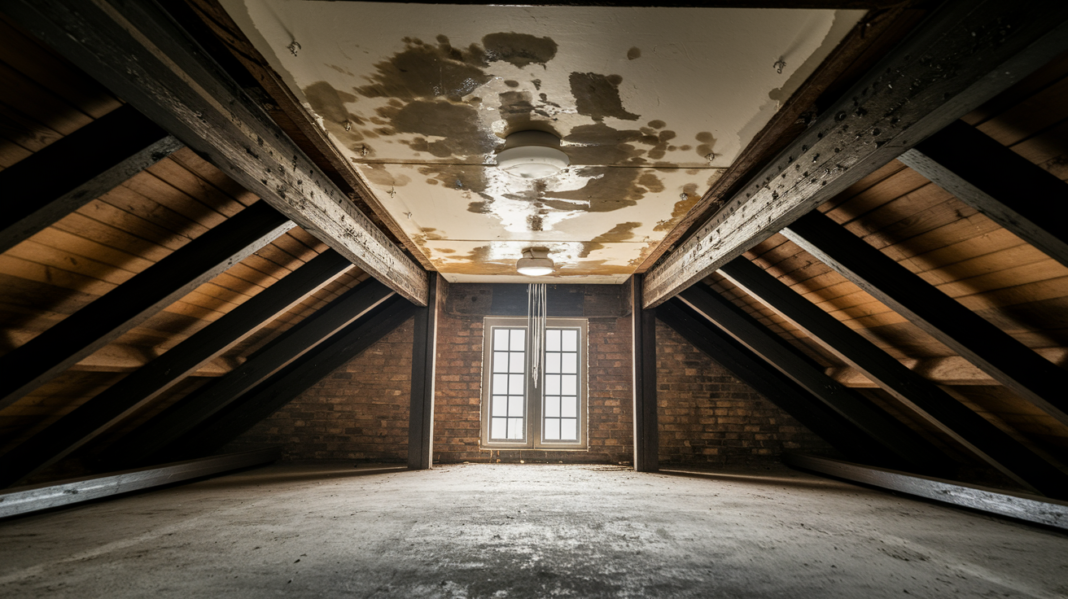

Think a small ceiling stain is no big deal?
More often it’s the first sign of a bigger problem: a failing roof, a leaking pipe, a clogged AC drain, or trapped condensation in the attic.
Roof leaks tend to show up during storms, plumbing leaks drip all the time, and HVAC issues make clear, steady water.
In this post you’ll learn the common sources, the warning signs to watch for, and the quick steps to stop more damage and get the right repair.
Why Your Ceiling Is Leaking: The Most Common Causes
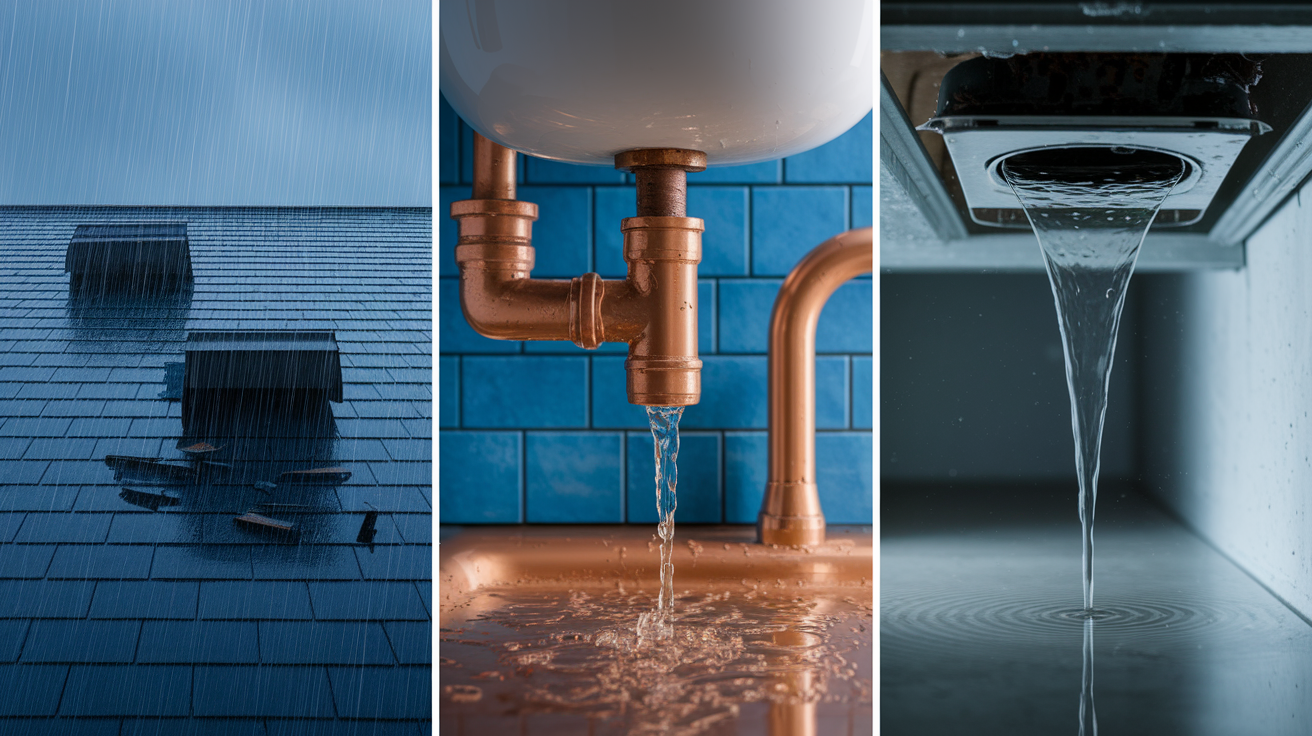
Roof failures cause most ceiling leaks. Missing shingles, cracked flashing around chimneys and vents, clogged gutters. All of these let rainwater and snowmelt penetrate the roof system and soak into insulation and drywall. Roof leaks usually show up only during or right after storms, and the water might travel along rafters or electrical lines before dripping through a ceiling that’s actually far from where it got in.
Plumbing failures come in second. Burst pipes, loose fittings, corroded supply lines, worn fixture connections. These can produce sudden or steady dripping from the ceiling below. The leaks often appear consistent or even get worse over time, and they don’t care about the weather. Toilets, showers, under-sink connections, and water heaters on upper floors? Frequent offenders.
HVAC systems create condensation that needs to drain properly. When drain lines clog or drip pans overflow, water backs up and leaks into attic spaces or ceiling cavities. HVAC leaks tend to be small and steady. The water’s typically clear, unlike the brown or dirty-gray stuff that comes from a roof leak carrying old insulation or debris.
Other causes that often go unnoticed:
- Poor attic insulation or ventilation causing condensation buildup
- Structural cracks in walls or ceilings letting rain intrude
- Ice dams forming at roof edges during freeze-thaw cycles
- Washing machines or dishwashers on upper floors overflowing
- Skylight seals failing after years of sun exposure
- Bathroom exhaust fans vented improperly into attic spaces
- Foundation cracks allowing groundwater to wick upward through walls
Identifying Roof-Related Leak Sources
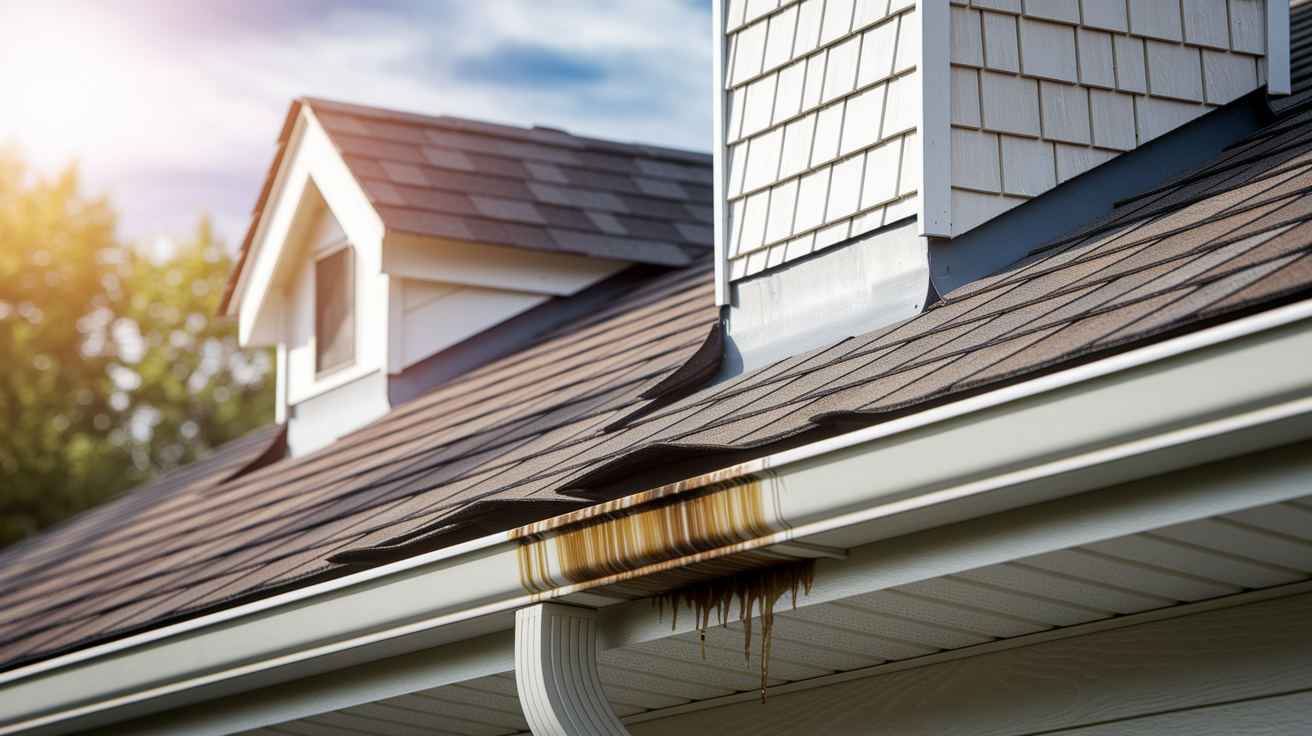
Roof systems fail when protective layers degrade or when water finds a path through gaps in shingles, membranes, or flashing. Wind can lift and remove shingles, hail can crack them. Decades of sun exposure make asphalt brittle and prone to splitting. Flashing (the metal or rubberized strips that seal roof penetrations like chimneys, vent pipes, and skylights) can corrode, separate, or crack. Gutters and downspouts that clog with leaves force water to back up under shingles at the roof edge, especially during heavy rain.
Water stains from roof leaks often appear as irregular brown or yellowish patches. They spread slowly over days or weeks and grow larger after each storm. The stain may be far from the actual roof damage because water can travel along rafters, wiring, or ductwork before finding a low point to drip through. Attic inspections during or after rain frequently reveal wet insulation, damp roof decking, or daylight visible through small holes in the sheathing.
Five indicators that your ceiling leak comes from the roof:
- Leaks appear only during or immediately after rain, snow, or ice melt.
- Water stains are brown, yellow, or dirty-gray, carrying roof debris or old insulation.
- You notice missing, curled, or cracked shingles when viewing the roof from the ground.
- Gutters overflow during storms or are visibly sagging or detached.
- Attic insulation is wet, compressed, or discolored near the area above the ceiling stain.
Identifying Plumbing-Related Leak Sources

Plumbing leaks develop when pipes corrode, fittings loosen, or seals degrade. Cold climates add the risk of ice expansion inside pipes, which can crack copper or PVC and cause sudden ruptures. Older homes often have galvanized steel pipes that rust from the inside out. Even modern PEX or copper lines can fail at crimped joints or soldered connections. Water heaters, especially units installed in attics or second-floor utility closets, store 30 to 80 gallons and produce large leaks if a tank cracks or a supply line separates.
Fixture-based leaks are common in upstairs bathrooms. Toilet wax rings can compress and allow sewer water to seep under the base and through the subfloor. Shower pans crack over time. Grout or caulk around tub surrounds fails, letting water migrate behind walls and down into the ceiling below. Under-sink shut-off valves and braided supply hoses can develop pinhole leaks or loosen at threaded connections, especially after years of vibration from daily use.
Water patterns and timing reveal plumbing as the source. Plumbing leaks typically drip continuously or worsen when specific fixtures run (like when the toilet flushes or the shower runs). The water’s usually clear unless the leak involves a drain line carrying dirty water. Stains may feel warm if a hot-water line’s involved, and you might notice reduced water pressure or hear hissing inside walls. Plumbing leaks don’t correlate with weather. They persist on sunny days and may even increase as fittings corrode further.
HVAC and Ventilation System Leak Causes
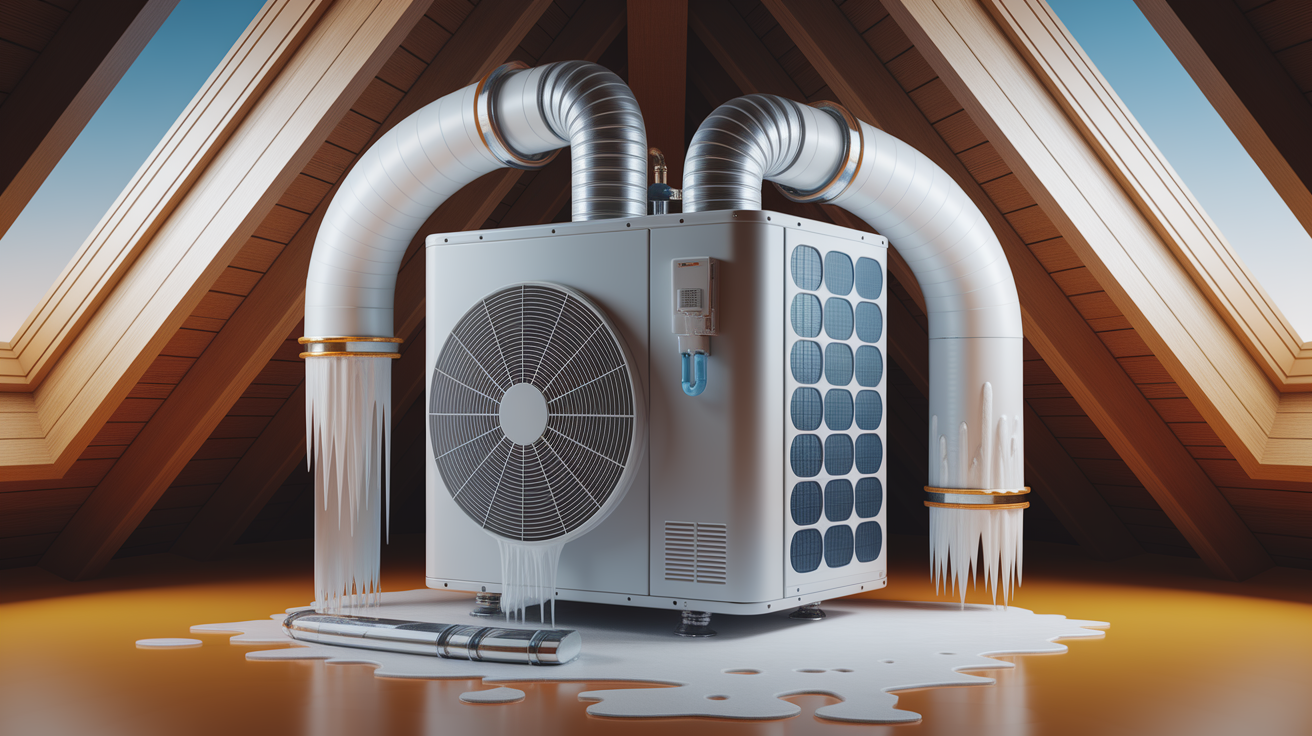
Air conditioning systems pull humidity from indoor air and convert it to liquid condensation that must drain away through a condensate line. That line typically runs from the indoor air handler to a floor drain, exterior drain, or sometimes into a utility sink. When the line clogs with algae, dirt, or mineral deposits, water backs up into the drip pan under the air handler. If the pan’s cracked, rusted, or simply overflows, water spills into the attic or ceiling cavity and drips through drywall below.
Disconnected or improperly insulated ductwork also generates ceiling leaks. Warm, humid air passing through cold ducts can condense on the outside of the duct and drip onto insulation or ceiling material. Frozen evaporator coils caused by low refrigerant or dirty filters will eventually thaw and release a surge of water that overwhelms the drip pan. HVAC leaks are often seasonal, appearing mostly during cooling months. The water’s clear and odorless.
Common HVAC-related ceiling leak causes:
- Clogged condensate drain lines forcing water to back up and overflow
- Cracked, rusted, or missing drip pans under air handlers or furnace coils
- Duct joints that have separated, allowing humid air to escape and condense
- Frozen evaporator coils that melt suddenly and release large volumes of water
Other Hidden or Less Obvious Leak Sources
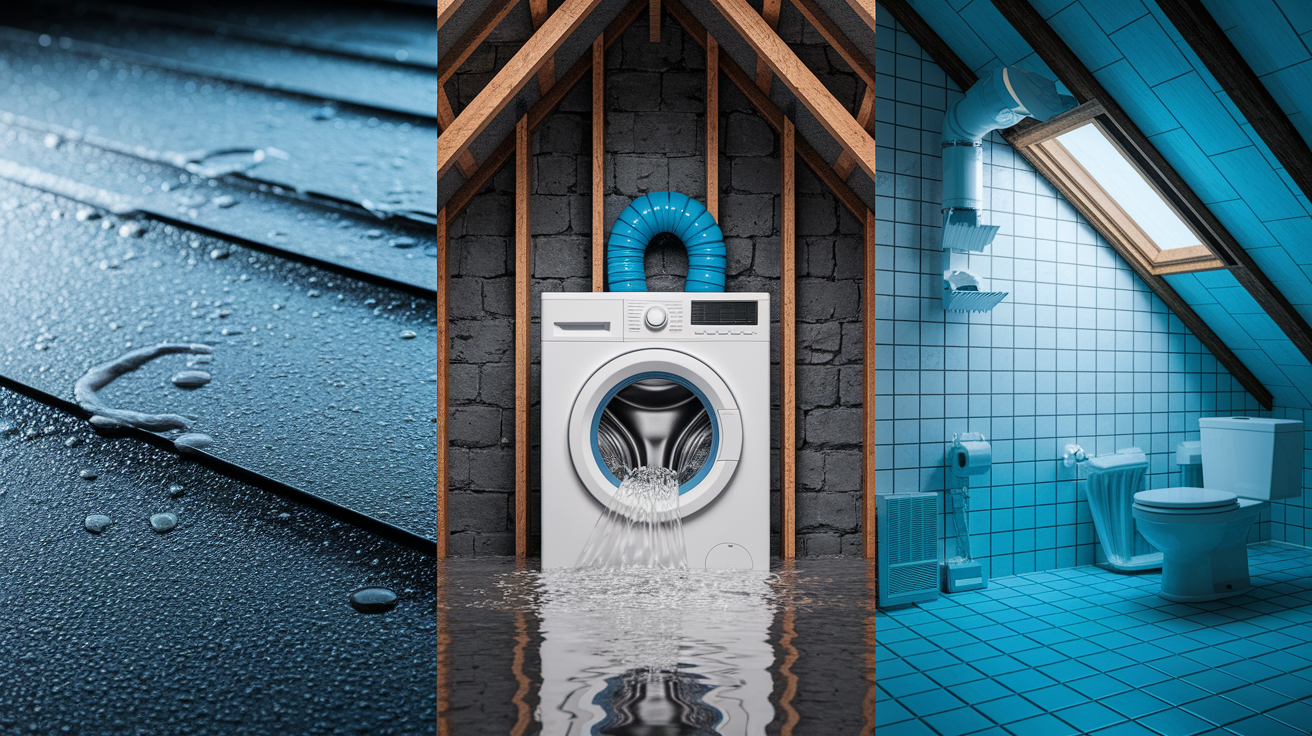
Poor attic insulation or ventilation can cause moisture to condense on cold surfaces inside the attic, mimicking a roof leak. When warm, humid indoor air reaches a cold attic ceiling in winter, it condenses into droplets that soak insulation and drip onto drywall. This type of moisture doesn’t correlate with rain and often appears as widespread dampness rather than a single drip point. Bathrooms that vent exhaust fans directly into the attic instead of outside contribute large volumes of humid air that condense on rafters and sheathing.
Appliance overflows and second-floor plumbing fixtures can send water traveling through floor joists and appearing as ceiling leaks in rooms below. A washing machine supply hose that bursts, a dishwasher that overflows, or a bathtub left running can saturate flooring and subfloor quickly. Water then seeps through gaps around pipes, light fixtures, or along wall plates, eventually staining and dripping from the ceiling below.
| Source | How It Causes a Ceiling Leak |
|---|---|
| Condensation from poor insulation | Warm indoor air meets cold attic surfaces, condenses into water, soaks insulation, and drips onto drywall |
| Ice dams at roof edges | Melting snow refreezes at eaves, forcing meltwater under shingles and into attic or wall cavities |
| Washing machine overflow | Supply hose bursts or drain backs up, flooding floor and leaking through subfloor into ceiling below |
| Structural cracks or settling | Foundation or wall cracks allow rain or groundwater to enter and migrate upward or laterally into ceiling spaces |
How to Diagnose the Source: A Quick Troubleshooting Flow

Systematic inspection saves time and limits damage by narrowing down the leak source through location, timing, and visible patterns. Start by documenting when the leak appears and how the water behaves, then work backward to the most likely origin point.
Follow this diagnostic checklist:
- Note the timing. Does the leak appear only during or after rain, or does it drip constantly regardless of weather?
- Check if the water’s clear, warm, or discolored. Clear water suggests plumbing or HVAC. Brown or dirty water points to the roof.
- Inspect the ceiling stain shape. Round, spreading stains that grow after storms indicate roof leaks. Localized drips near fixtures suggest plumbing.
- Go into the attic during or shortly after the leak starts. Look for wet insulation, damp rafters, or active dripping.
- Turn off all plumbing fixtures and appliances on floors above the leak. If dripping stops, the source is plumbing.
- Run the HVAC system and listen for dripping near the air handler or along ductwork. Check the condensate drip pan for standing water.
- Feel the temperature of dripping water. Warm water often means a hot-water supply line. Cold water during AC operation suggests condensation.
- Trace the leak path by removing a small section of ceiling drywall if it’s safe to do so. Follow wet framing back toward the source.
If the leak appears only during rain and shows brown staining, schedule a roof inspection. If it drips constantly and the water’s clear, call a licensed plumber to check supply lines and fixtures. If it starts when the AC runs, inspect the condensate system or call an HVAC technician. Isolating the system that triggers the leak tells you which professional to contact and reduces unnecessary exploratory work.
Preventing Future Ceiling Leaks
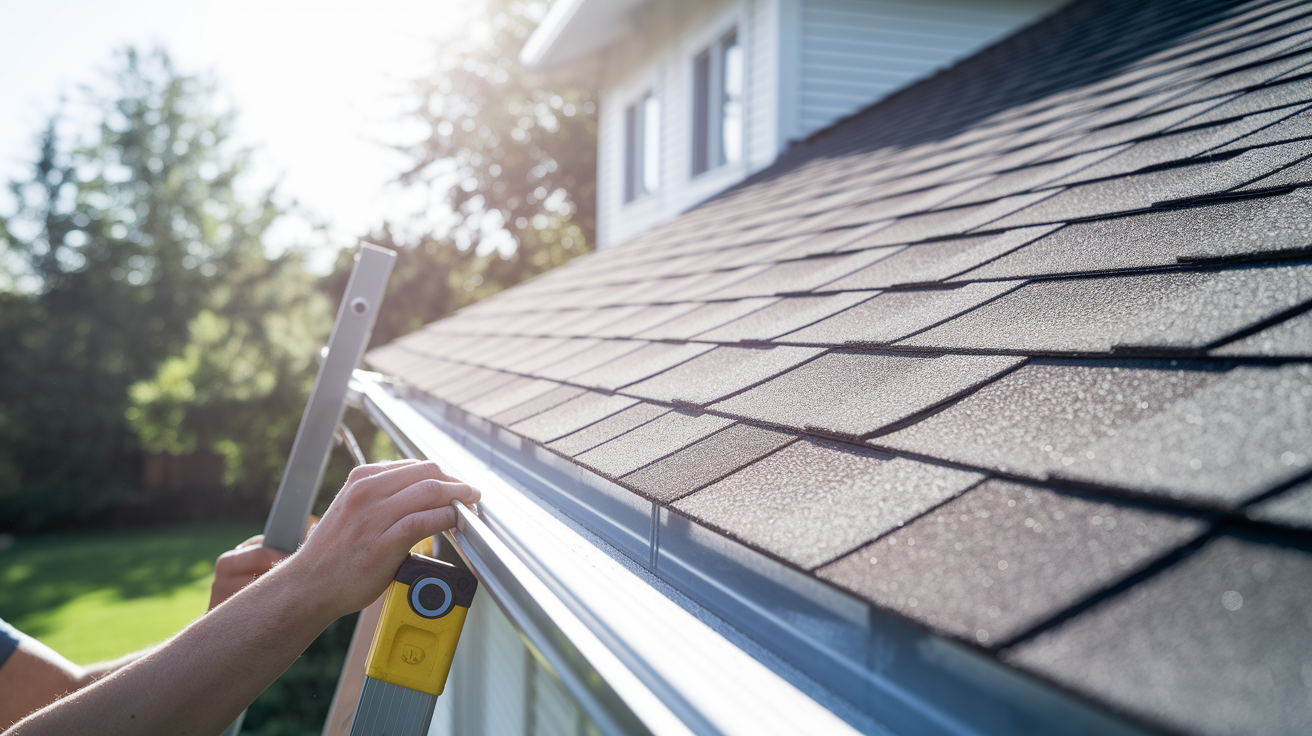
Regular roof inspections and gutter maintenance are the most effective prevention steps. Schedule a roof inspection twice per year (once in spring after winter freeze-thaw cycles and once in fall before heavy rain and snow). Replace missing or damaged shingles promptly, reseal flashing around chimneys and vents, and confirm that gutters drain freely. Clean gutters at least twice per year, more often if trees overhang the roof. Clogged gutters force water to back up under shingles at the roof edge, especially during heavy storms.
Attic ventilation and insulation reduce condensation risks and extend roof life. Aim for attic insulation levels of R-38 to R-49 in colder climates, and make sure soffit vents and ridge vents provide continuous airflow. Check that bathroom exhaust fans vent outside, not into the attic. Inspect plumbing fixtures annually for loose connections, worn washers, and cracked seals. Drain and inspect water heaters every year, and replace braided supply hoses every five to seven years before they fail.
Five high-impact prevention methods:
- Inspect and clean gutters twice yearly. Repair sagging sections immediately.
- Schedule roof and attic inspections in spring and fall to catch damage early.
- Replace aging plumbing supply hoses and fixture seals before they leak.
- Service HVAC systems annually, including condensate line flushing and drip-pan checks.
- Insulate pipes in unheated areas and install heat cables on roof edges prone to ice dams.
When to Call a Professional
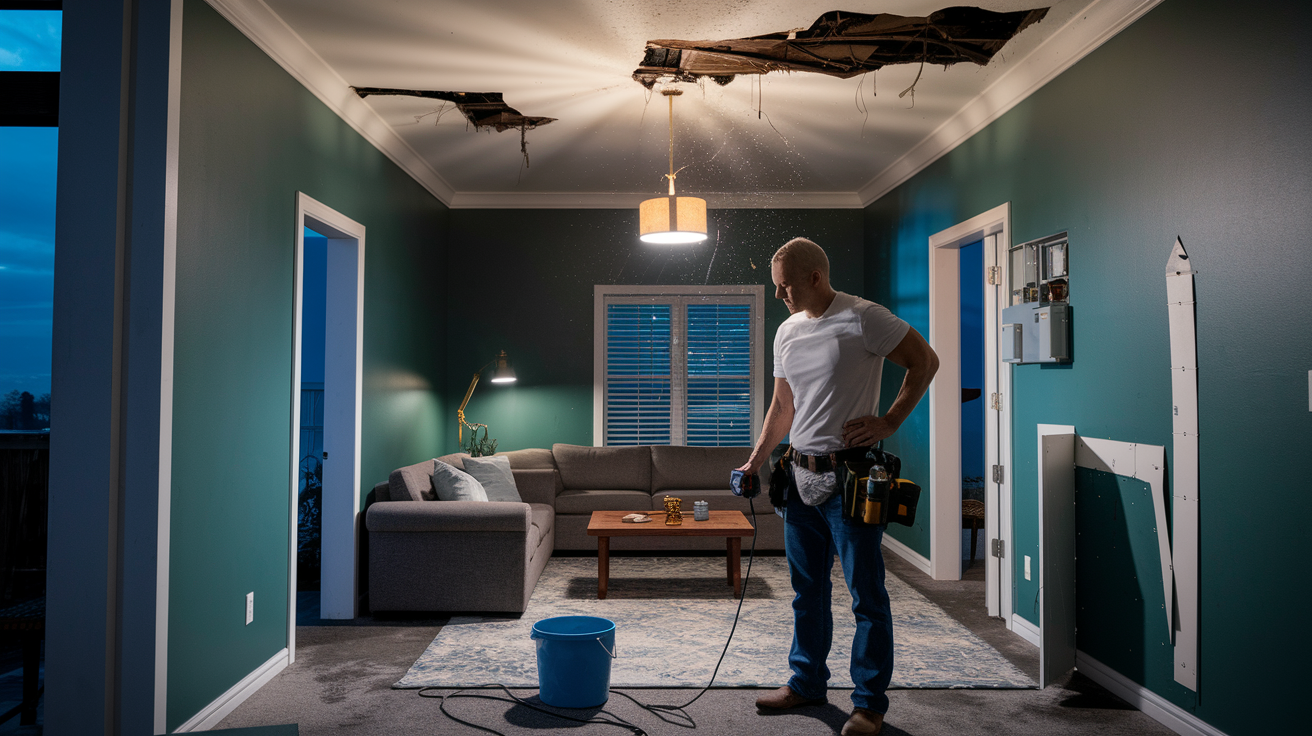
Immediate professional help is necessary when electrical systems are at risk, ceilings show structural sagging, or active water flow exceeds what a bucket can contain. Water near electrical outlets, light fixtures, or ceiling fans creates shock and fire hazards. Turn off power to affected circuits at the breaker panel and call an emergency electrician or restoration company. Ceilings that sag, bulge, or feel soft to the touch may collapse suddenly, especially if drywall has absorbed water for hours or days. Don’t stand under a sagging ceiling. Call a licensed contractor immediately.
Attempting DIY repairs on concealed plumbing, roof penetrations, or structural leaks often worsens damage and increases costs. Licensed plumbers carry cameras and moisture meters to locate hidden leaks without unnecessary demolition. Roofers can identify weak flashing and membrane failures that homeowners miss from the ground. If the leak source is unclear after basic troubleshooting, if water volume is high, or if mold appears across more than a few square feet, hire a professional to diagnose, contain, and repair the damage safely and completely.
Final Words
If water is coming through the ceiling right now, stop the source if you can—turn off the water main for plumbing leaks, set a bucket under the drip, and take photos to document damage.
This post ran through the usual culprits: roof failures, plumbing breaks, HVAC condensation, and hidden sources, plus how to diagnose, prevent, and when to call a professional.
If you’re wondering what causes ceiling leaks, start with roof and plumbing checks, then move to HVAC and attic paths. Act fast, document everything, and repairs will follow. You’ll get your home back to normal.
FAQ
Q: How do you know if a ceiling leak is serious?
A: A ceiling leak is serious if water is actively flowing, the ceiling is sagging, electrical fixtures are wet, or the stain keeps growing quickly. Those signs need immediate shutoff and pro help.
Q: What should you do if your ceiling is leaking?
A: If your ceiling is leaking, stop the water source if safe, move valuables, put a bucket under the drip, turn off power near the wet area, document damage with photos, then call a pro.
Q: Does homeowners insurance cover ceiling leaks?
A: Homeowners insurance may cover ceiling leaks caused by sudden events like a burst pipe or storm, but not damage from long-term neglect. Document the loss, report it quickly, and check your policy details.
Q: Can a small ceiling leak become a big problem?
A: A small ceiling leak can become a big problem because hidden moisture leads to mold, rot, warped materials, and bigger repairs over time if you don’t stop and repair it promptly.