


Think soot cleanup is cheap? Think again. In 2024 a light job can run $200, but a full fire-related cleanup often reaches $3,000 to $6,000 or more, depending on how thick the residue is, what materials got hit, and whether ducts or contents need packed out. This piece lays out typical price ranges, the main cost drivers, what a pro does versus a DIY try, and how to document the work for your insurer so you don’t get stuck with surprise bills or hidden damage.
Soot Removal Cost: Average Prices in 2024
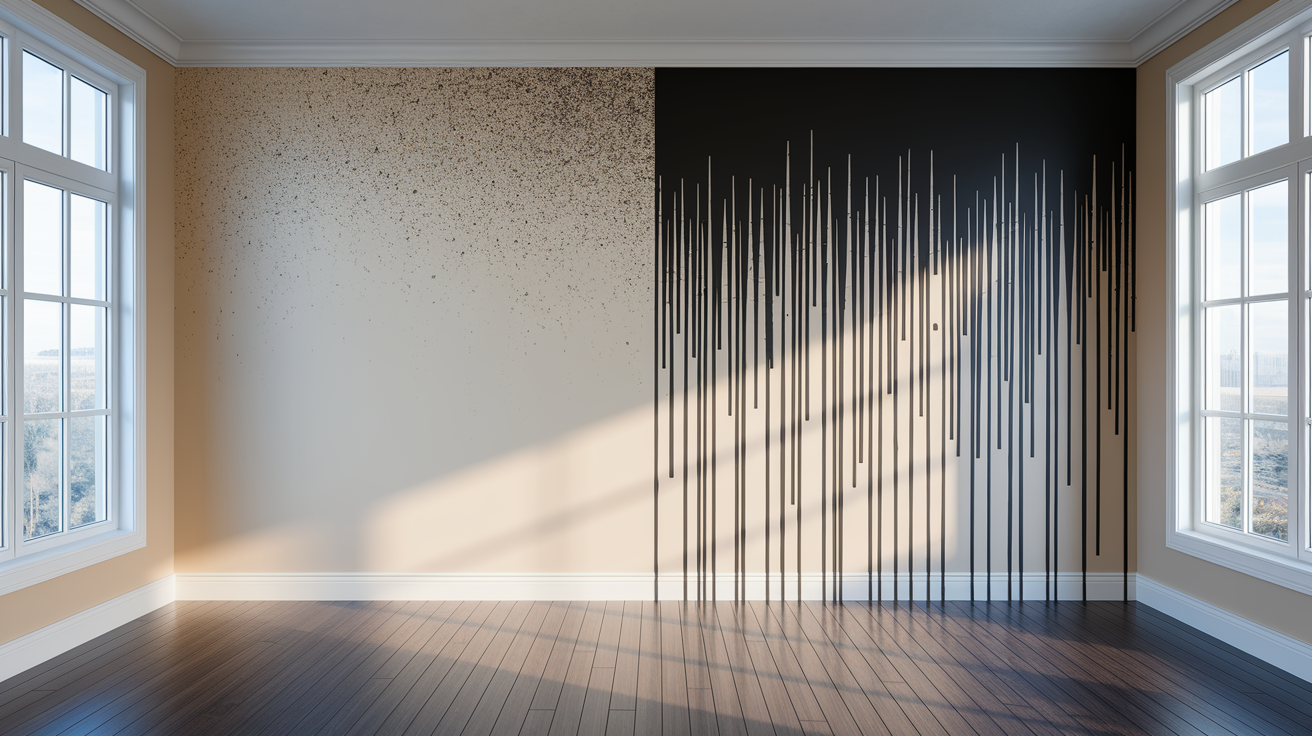
Most homeowners pay between $200 and $6,000 for professional soot removal. It depends on how much soot there is, what caused it, and what needs cleaning. A light job, maybe a few candle smudges or minor fireplace soot on one wall, often lands near the lower end. A house fire or furnace puffback that coats ceilings, walls, ducts, and contents? That can push costs well past $6,000, especially when reconstruction gets involved.
Light contamination means a thin layer of dry soot on hard surfaces. Cleanable in an afternoon. Severe contamination includes thick, greasy residue from fuel oil, melted plastics, or protein fires that soaked into porous materials like drywall, insulation, and upholstery. The difference isn’t just the time required. Heavy soot often demands containment barriers, HEPA air scrubbers, chemical degreasing agents, duct cleaning, and sometimes wall or ceiling replacement.
Service fees typically include a base inspection or dispatch charge, often $100 to $300, then hourly labor, equipment rental, materials, and disposal. Emergency calls, after-hours response, or urgent mitigation to prevent further damage may add a surcharge of 25% to 50% on labor.
Common service tiers and typical cost ranges:
- Light cleaning (single room, surface soot, minor odor): $200 to $800
- Moderate cleaning (multiple rooms, HVAC filter replacement, odor treatment): $800 to $2,500
- Heavy soot restoration (whole house contamination, duct cleaning, partial content pack out): $2,500 to $5,000
- Fire damage soot removal (structural cleaning, full HVAC remediation, ozone treatment, reconstruction): $3,000 to $6,000+
Cost Breakdown by Soot Removal Type
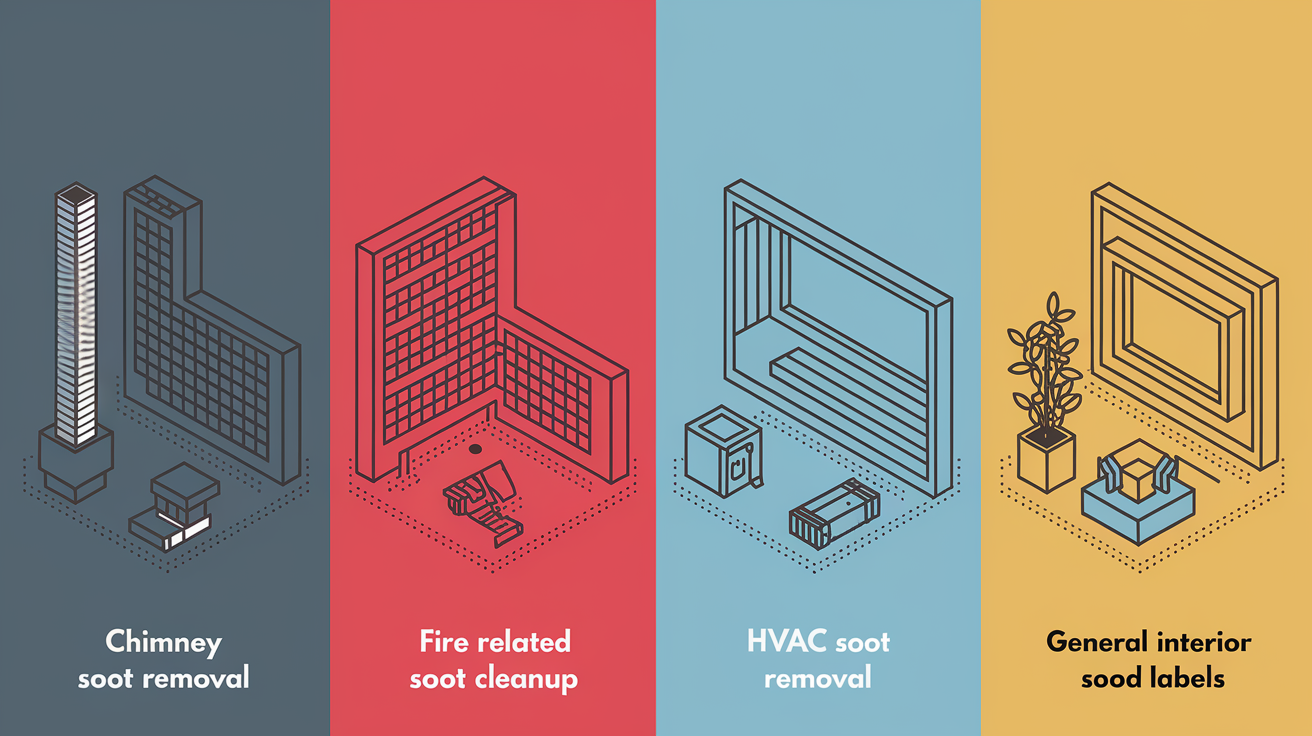
Chimney soot removal is the most routine job. Annual chimney sweeps typically cost $150 to $400, depending on flue height, creosote thickness, and whether a camera inspection’s included. A standard sweep clears loose soot and creosote from the flue liner, smoke chamber, and damper. If heavy creosote has hardened into a glaze, chemical treatments or rotary brushing may push the price toward the upper range.
Fire related soot cleaning is a different category entirely. When a house fire, grease fire, or electrical fire deposits acidic soot and smoke residue across walls, ceilings, furniture, and ductwork, costs range from $1,500 to $6,000 or more. This work includes containment setup, HEPA vacuuming every surface, chemical cleaning or dry ice blasting, thermal fogging or ozone for odor, and often repainting or replacing trim, drywall, and insulation. Crew size, square footage, and reconstruction needs all drive the final number.
HVAC and duct soot removal runs $300 to $1,000 for most residential systems. When soot enters the return air stream (common after puffbacks or smoldering fires) it coats the blower, evaporator coil, and ductwork. Technicians seal off vents, vacuum ducts with HEPA equipment, wipe down the air handler, and replace filters. Larger homes, multiple zones, or commercial systems push costs higher.
| Service Type | Typical Price Range |
|---|---|
| Chimney soot removal | $150–$400 |
| Fire-related soot cleanup | $1,500–$6,000+ |
| HVAC system soot removal | $300–$1,000 |
| General interior surface cleaning | $200–$1,500 per room |
Factors That Influence Soot Removal Pricing

Square footage and contamination thickness matter more than almost anything else. A 1,200 square foot ranch with light soot on painted drywall might be cleaned in a day for $800. The same square footage with quarter inch greasy soot from a basement oil burner malfunction can triple the price, because every surface needs chemical degreasing, rinsing, and sometimes sealing or priming before repainting.
Material type and structural access also change the math. Soot on sealed hardwood floors wipes away quickly. Soot embedded in popcorn ceilings, textured plaster, or porous brick requires specialty sponges, solvents, and often replacement. High ceilings, attics, and crawl spaces add scaffolding, extension tools, and extra labor hours. Multi-story homes or commercial buildings may need lifts or confined space safety protocols, all of which cost money.
Five major cost variables for soot removal:
- Square footage: Larger areas require more labor hours, equipment runtime, and cleaning solution. Expect per square foot pricing from $0.50 to $3.00 depending on severity.
- Contamination thickness and type: Dry soot is easier than oily, acidic soot from fuel oil or plastics, which may double or triple cleaning time.
- Access difficulty: Hard to reach zones, tight HVAC runs, or second story exteriors add equipment rental and technician risk premiums.
- Location and regional rates: Urban coastal markets often run 10% to 30% higher than rural areas. Emergency response in remote locations may add travel surcharges.
- Special equipment requirements: Dry ice blasting, negative air machines, thermal foggers, and ozone generators each carry rental or operating fees that appear as line items on invoices.
Insurance Coverage and When It Applies

Insurance typically covers soot damage when it results from a sudden, accidental event. A house fire, chimney fire, furnace puffback, or electrical short that releases smoke and residue. Policies treat this as direct physical loss, so mitigation, cleaning, temporary housing, and reconstruction are reimbursable up to policy limits, minus the deductible. Coverage doesn’t extend to routine chimney soot from normal fireplace use or gradual buildup from candles and cooking.
You need documentation the moment damage occurs. Take dated photos of every affected room, appliance, and piece of furniture. Note the date, time, and cause if known. Call a licensed restoration contractor for an inspection and itemized estimate. Most insurers require you to mitigate further damage immediately. Seal off the area, turn off the HVAC to prevent soot spread, and document those steps with receipts and time stamps.
Deductibles for fire and smoke claims commonly range from $500 to $2,500. If your total soot cleaning bill is $1,800 and your deductible is $1,000, you pay the first $1,000 and the insurer covers the remaining $800. Always get insurer pre approval for large remediation projects. Submit the contractor’s scope of work, photos, and moisture or air quality readings if available. If hidden damage appears during cleaning (soot inside walls or ductwork) request a supplemental claim in writing, supported by photos and a revised estimate.
DIY vs. Professional Soot Removal Costs

DIY soot removal costs between $30 and $150 for supplies: dry chemical sponges, TSP cleaner, microfiber rags, HEPA rated shop vacuum bags, and odor neutralizing spray. You save all labor expense, which is the largest part of a professional bill. For a single room with light, dry soot on painted drywall, this approach can work if you have time, patience, and proper respiratory protection.
Professional soot cleaning eliminates guesswork and health risk. Technicians use truck mounted HEPA vacuums that capture 99.97% of particles, not hardware store vacs that blow fine soot back into the air. They apply pH balanced chemical cleaners matched to the soot type and substrate, set up containment barriers to prevent cross contamination, and run negative air machines with activated carbon filters to remove odor. When the job involves HVAC systems, contents, or structural materials, professionals document readings and provide written clearance. That’s critical for insurance and resale.
When you should call a professional instead of attempting DIY:
- Soot covers more than one room or has entered ductwork and forced air systems.
- The soot is oily, greasy, or sticky. Signs of fuel oil, plastics, or protein combustion that require solvents and degreasing agents.
- Odor persists after surface cleaning, indicating soot inside walls, insulation, or porous materials.
- You’re filing an insurance claim, which almost always requires licensed contractors, itemized invoices, and documented methods.
Final Words
You open a room and see dark streaks on the walls. This guide gave clear price ranges—from about $200 up to $6,000+—and explained light versus severe soot, plus chimney, HVAC, and fire cleanup costs.
We walked through the main price factors, when insurance often helps, and when DIY might be enough versus hiring pros. Document the damage, take photos, and get written estimates.
Knowing the likely soot removal service cost helps you plan the next steps and move forward with confidence.
FAQ
Q: How much does soot removal cost?
A: The cost of soot removal ranges from $200 to $6,000+, depending on contamination severity, square footage, and whether fire damage is involved. Light surface cleaning is usually a few hundred dollars; major restoration costs much more.
Q: How do professionals clean soot?
A: Professionals clean soot by assessing damage, using HEPA vacuums (HEPA filters trap tiny particles), dry sponges, specialized detergents, and air scrubbers, then deodorize, repair affected materials, and document work for insurance.
Q: How long does it take to clean soot?
A: The time to clean soot ranges from a few hours for small surface jobs to several days for heavy contamination or fire damage, plus extra time for repairs, drying, and insurance documentation.
Q: Does dry cleaning remove soot?
A: Dry cleaning can remove light surface soot from walls and fabrics, but it often fails on baked-on residue, embedded particles, or smoke odor; professionals use stronger methods when dry cleaning isn’t enough.