


Ever stare at a quiz question and think “wait, that’s a trick question”? Knowing which electrical situations are NOT hazards is as important as recognizing the dangerous ones, because it tells you when it’s actually safe to work. Here’s what matters: properly insulated tools on completely de-energized circuits, verified lockout/tagout systems, and correctly grounded equipment meeting current standards aren’t hazards. The difference between safe and deadly comes down to specific conditions you can check and verify before you touch anything.
Identifying What Is NOT an Electrical Safety Hazard
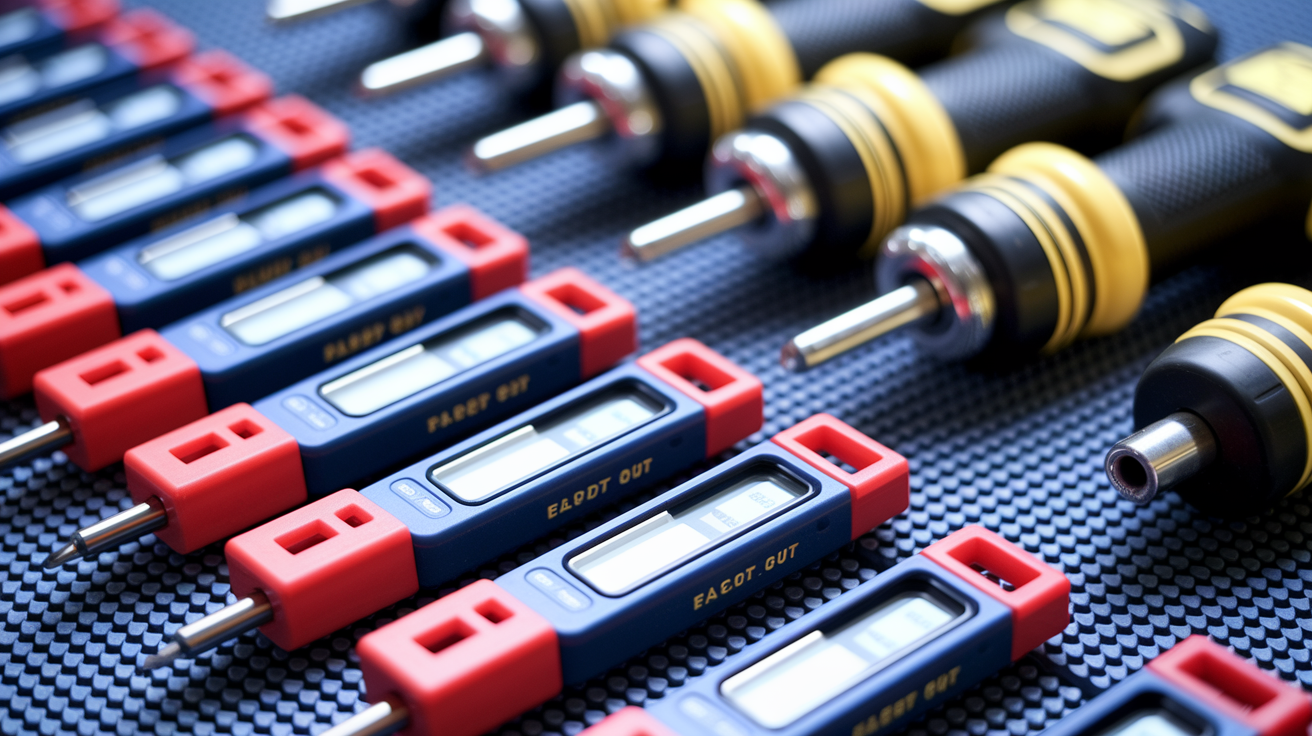
Properly insulated tools working on de-energized circuits aren’t electrical hazards. When you’ve got equipment with intact double insulation, verified lockout/tagout procedures in place, and everything’s completely de-energized, the electrical hazard doesn’t exist anymore. Non-conductive work surfaces and correctly grounded equipment meeting current safety standards also fall into the safe category.
What makes something NOT a hazard comes down to a few specific things. Equipment with undamaged insulation stops current from reaching workers. De-energized systems following verified lockout procedures don’t have any active voltage. Non-conductive materials like rubber mats, fiberglass ladders, and plastic-handled tools won’t conduct electricity. Double-insulated power tools give you two layers of protection. When equipment’s got proper safety certifications and stays in good working condition with all guards and covers where they should be, you don’t have a hazard.
Damaged insulation creates immediate shock risks, though. Energized circuits can kill you. Conductive materials near live voltage let current flow right through workers. Missing ground pins take away your protective pathways. Wet conditions around electrical sources increase conductivity fast. Overloaded circuits generate heat that starts fires. These are the actual hazards killing and injuring workers.
OSHA regulations and NFPA 70E standards spell out this distinction pretty clearly. Equipment in an electrically safe work condition (fully de-energized, locked out, tested, and verified at zero voltage) isn’t hazardous. The standards require creating these non-hazardous conditions before you start working. Compliance with National Electrical Code installation requirements, proper equipment grounding per OSHA 1926.404, and following manufacturer specifications all turn potentially dangerous electrical systems into safe working conditions.
Common Electrical Hazards Overview

Understanding actual electrical hazards saves lives and property. The construction industry accounts for 52 percent of all electrical fatalities in US workplaces, with most incidents involving direct contact with overhead power lines or energized equipment.
Recognizing true hazards starts with knowing what creates danger. Electrical risks range from immediate threats like exposed wiring to gradual deterioration that eventually sparks fires.
You’ll see these electrical hazards most often:
Exposed wiring with visible copper conductors. Damaged electrical cords with cracked or missing insulation. Overloaded circuits carrying more current than they’re designed for. Improper grounding or missing ground connections. Wet conditions near electrical equipment and outlets. Overhead power lines within 10 feet of workers or equipment. Damaged insulation on cables, tools, and fixed wiring. Faulty equipment with internal electrical problems. Aging outlets and circuit wiring in systems over 30 years old. Extension cords and power strips being used for permanent installations.
| Fire Hazard Source | Risk Factor | Prevention |
|---|---|---|
| Outlets | Aging wiring, loose connections, wear from repeated use | Replace every 15-25 years, especially in kitchens and bathrooms |
| Circuit Wiring | Homes older than 30 years, improper installation, rodent damage | Professional inspection, correct wire sizing for load, caution when drilling |
| Power Strips/Extension Cords | Overloading, daisy-chaining, hidden placement, permanent use | Temporary use only, avoid connecting to other strips, visible placement |
| Damaged Insulation | Exposed conductors, cracking, rodent chewing, age deterioration | Turn off power and replace, never cover with electrical tape |
Aging electrical systems develop problems slowly. Homes and facilities built more than three decades ago have wiring that wasn’t designed for today’s electrical loads. Warning signs include burning smells near outlets or panels, discoloration around receptacles, flickering lights, dimming when appliances turn on, and circuit breakers that trip over and over. These indicators point to serious underlying issues demanding immediate attention before they cause fires or injuries.
Improper grounding stays the most frequently cited OSHA electrical violation. Without proper grounding, fault current has nowhere to go safely, which increases electrocution risk. Wet conditions make every electrical hazard worse because water conducts electricity, creating paths through materials that would normally insulate. Moisture on skin, damp concrete floors, wet work gloves, and standing water near outlets all dramatically increase shock severity and the likelihood that even low voltage becomes deadly.
Wet Conditions and Water Exposure
Water conducts electricity by letting current flow through dissolved minerals and ions. When moisture contacts energized electrical components, it creates conductive paths that can reach workers through floors, tools, and direct contact. This conductivity increases shock severity and lets even relatively low voltages deliver dangerous current levels.
Specific scenarios create wet condition hazards. Bathrooms with outlets near sinks and tubs create risks when you’re using hairdryers or other appliances with damp hands. Kitchens combine water sources with multiple appliances. Outdoor areas expose equipment to rain and ground moisture. Construction sites frequently involve both water and temporary electrical systems. Basements deal with humidity, condensation, and occasional flooding that affects panels and outlets.
Electrical equipment that’s gotten wet needs inspection by a qualified electrician before you energize it again. Internal moisture can stick around even after surfaces dry, creating hidden short circuit paths and corrosion. GFCI protection’s essential in moisture-exposed areas, interrupting power within milliseconds when ground faults occur and preventing most electrocutions in wet locations.
Electrical Shock, Electrocution, and Arc Flash Risks

Electrical shock happens when current passes through your body. Electrocution is shock that kills you. Both depend on current level, voltage, path through the body, how long contact lasts, and individual factors like how wet your skin is. Even non-fatal shocks can cause severe burns, heart rhythm problems, and injuries from falls after involuntary muscle contractions.
Current thresholds create predictable responses in your body. At 1 to 3 milliamps, most people feel a slight tingling. Between 3 and 9 milliamps, it gets painful but you can still control your muscles voluntarily. From 9 to 25 milliamps, muscular contraction becomes severe enough that workers can’t let go of energized conductors. At 25 to 60 milliamps, ventricular fibrillation can occur, causing your heart to quiver ineffectively rather than pump blood, typically resulting in death without immediate defibrillation.
Voltage levels determine how easily current overcomes skin resistance. The 50-volt threshold marks where shock hazards become significant under most conditions. Common workplace voltages include 120 volts for standard outlets and lighting, 208 volts for some commercial equipment, 277 volts for commercial lighting circuits, and 480 volts for industrial machinery and large HVAC systems. Higher voltages force more current through your body’s resistance, making injuries worse.
Arc flash is an explosive electrical energy release during short circuits and faults. When electrical current jumps through air between conductors or from conductors to ground, it creates a superheated plasma arc reaching temperatures up to 35,000 degrees. The thermal energy causes severe burns at significant distances. The explosive blast produces pressure waves that rupture eardrums, collapse lungs, and throw workers across rooms. Vaporized metal from conductors creates shrapnel. The intense light damages your vision.
NFPA 70E establishes arc flash boundary classifications based on incident energy levels measured in calories per square centimeter. Level 1 requires basic arc-rated clothing for lower energy exposures. Level 2 demands increased protection with arc-rated shirts, pants, and face shields. Level 3 requires arc flash suits with higher ratings for severe exposures. Level 4 mandates maximum protection including specialized suits rated for extreme incident energy levels exceeding 40 calories per square centimeter.
Arc flash protection measures include conducting arc flash studies to calculate incident energy levels and establish boundaries, wearing arc-rated clothing appropriate for the calculated hazard level, maintaining flash protection boundaries and restricted approach distances, and using remote operation when possible to keep personnel away from potential arc sources.
Properly de-energized equipment following lockout/tagout procedures eliminates arc flash hazards entirely. When voltage is verified absent, energy sources are isolated, and stored energy is released, the arc flash hazard disappears. This makes the de-energized state a non-hazardous condition, which is why creating electrically safe work conditions is the primary injury prevention method.
Regulatory Compliance and Safety Practices

OSHA establishes and enforces electrical safety requirements in workplaces. The regulations under 29 CFR 1910 Subpart S and 1926 Subpart K define minimum safety standards for electrical installations, equipment, and work practices that employers have to follow.
NFPA 70E provides the electrical safety standard that most employers use to comply with OSHA’s general duty requirements. This consensus standard addresses safe work practices, risk assessments, personal protective equipment selection, lockout/tagout procedures, and training requirements. NFPA 70E establishes the concept of electrically safe work conditions and defines approach boundaries for energized work. The standard requires arc flash hazard analysis, appropriate PPE based on calculated incident energy, and documented safety programs.
The National Electrical Code (NEC) governs how electrical systems must be installed. Also designated NFPA 70, this code prevents hazards through proper design requirements including conductor sizing, overcurrent protection, grounding methods, circuit configurations, and equipment installations. Following NEC standards during construction and modification creates electrical systems that won’t become hazards under normal operation. Proper wire gauge prevents overheating. Adequate circuit protection stops dangerous overloads. Correct grounding provides fault current paths.
Improper grounding stays the most frequently cited OSHA electrical violation year after year. Missing ground connections, removed ground pins, ungrounded equipment, and inadequate grounding conductors all show up regularly in violation reports. Compliance importance goes beyond avoiding citations because proper grounding directly prevents electrocutions by providing the low-resistance path that clears faults and trips protective devices.
Protective equipment and procedures create the barrier between workers and electrical hazards. Using the right gear properly transforms dangerous situations into manageable tasks.
Safety measures need systematic implementation. Workers need specific tools and techniques to interact safely with electrical systems.
You need these essential safety procedures:
Lockout/tagout procedures that de-energize equipment, prevent re-energization, and verify zero voltage before work begins. Insulated tools rated for the voltage level you’re working on that prevent current from reaching workers. Rubber gloves and safety boots that provide barriers against shock paths through hands and feet. Safety barriers and warning signs that keep unqualified personnel away from energized equipment and overhead lines. Proper guarding of electrical parts including covers for temporary lighting, panels, and exposed terminals. Voltage testing before work begins to verify de-energized state rather than assuming safety.
These measures transform potentially hazardous situations into safe working conditions. A properly locked out machine with verified zero energy isn’t a hazard. Insulated tools used correctly eliminate shock paths. Maintained barriers prevent contact. When implemented completely, safety procedures convert hazards into non-hazardous states.
Ground Fault and Circuit Breaker Protection

Ground fault circuit interrupters monitor current flow between hot and neutral conductors. When even 4 to 6 milliamps of difference appears, indicating current’s leaking through an unintended path like a person, the GFCI trips within milliseconds. This interruption happens faster than a heartbeat, preventing most electrocutions. GFCI outlets belong in bathrooms, kitchens, garages, outdoor receptacles, and anywhere moisture exposure occurs. They protect against shocks that would otherwise be fatal in wet locations.
Circuit breakers protect against overloads and short circuits by monitoring current flow through circuits. When current exceeds the breaker’s rating, thermal or magnetic mechanisms trip the breaker, opening the circuit and stopping current flow. This prevents wire overheating that starts fires. Circuit breakers respond to sustained overloads within seconds to minutes depending on how much the load exceeds capacity. They react almost instantly to short circuits where resistance drops nearly to zero and massive current flows. The protection interrupts power before conductors melt or insulation ignites.
Proper grounding practices create intentional low-resistance paths for fault current. The three-prong plug includes a ground pin that connects equipment frames and enclosures to the grounding system. If a hot wire contacts the metal case, fault current flows through the ground path rather than through a person who touches the equipment. The high current trips the circuit breaker, stopping the hazard. Never remove the ground pin because it returns unwanted voltage to the ground. You shouldn’t force three-prong plugs into two-prong outlets using adapters unless the outlet box is grounded and the adapter’s ground lug is properly connected.
Surge protectors defend against voltage spikes from lightning strikes and utility switching. They divert excess voltage to ground, protecting sensitive electronics from damage. While surge protectors serve an important protective function, they’re not electrical hazards themselves when properly rated for their connected load and in good condition. The hazard comes when surge protectors are overloaded, daisy-chained, or used beyond their service life. A quality surge protector with adequate joule rating, proper placement, and regular replacement represents protective equipment, not a threat.
Damaged Wiring and Insulation Problems
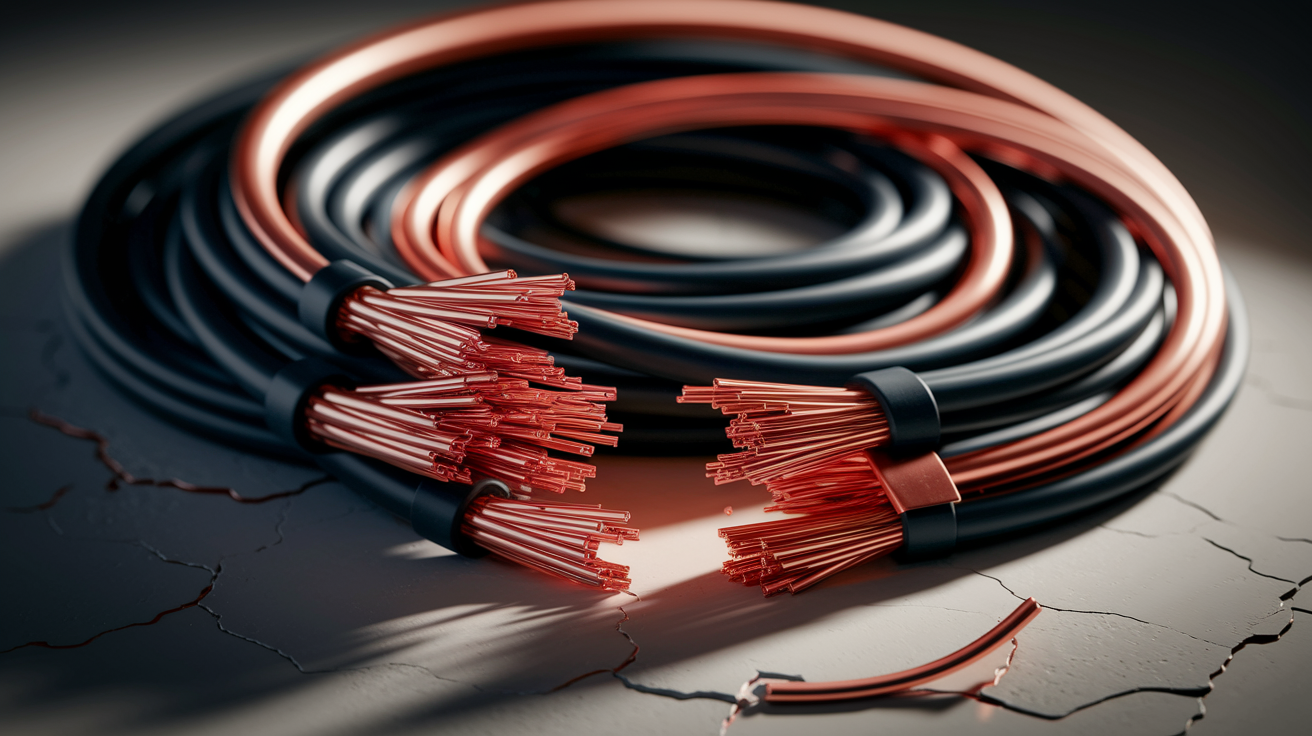
Wiring degradation happens progressively through age, environmental exposure, physical damage, and electrical stress. What starts as minor insulation cracking eventually exposes conductors that create shock and fire hazards.
You’ll see different types of insulation damage. Frayed cables show individual wire strands separating from repeated flexing. Cracked insulation develops from heat cycles and age, with protective coatings becoming brittle and flaking away. Exposed copper conductors result from complete insulation breakdown or physical abrasion. Rodent damage appears as chewed sections where mice and rats gnaw through wire coverings. Deterioration from age affects the plasticizers in insulation, causing it to harden and crack even without obvious stress.
You can’t temporarily fix damaged insulation with electrical tape. Proper repair is required. Tape doesn’t restore the insulation rating, doesn’t prevent moisture intrusion, and doesn’t address the underlying cause of failure. Heat from current flow eventually degrades the tape adhesive. Electrical work requires turning off power at the circuit breaker, verifying zero voltage with a tester, then either replacing damaged sections or installing new circuits. Splices must occur in approved junction boxes with proper connectors rated for the wire gauge and current load.
Properly maintained wiring with intact insulation isn’t a hazard when correctly sized for the load and installed per code. Conductors with undamaged coverings, secured properly in boxes and conduits, protected by appropriate overcurrent devices, and carrying loads within their ampacity ratings function safely for decades. The wiring itself becomes hazardous only when insulation fails, connections loosen, circuits overload, or installation doesn’t meet code requirements.
Electrical Safety Inspection and Testing

Regular inspections identify developing hazards before they cause injuries or fires. Systematic examination of electrical systems, equipment, and work practices finds problems that compromise safety.
| Inspection Type | Frequency | Purpose |
|---|---|---|
| Daily Equipment Checks | Before each use | Verify cord condition, plug integrity, proper operation, no damage |
| Monthly System Reviews | Every 30 days | Examine outlets, switches, panels for signs of overheating or damage |
| Quarterly Detailed Inspections | Every 3 months | Test GFCI devices, verify grounding, check circuit loading, inspect boxes |
| Annual Comprehensive Assessments | Yearly | Full system evaluation, thermal imaging, testing, code compliance verification |
Inspectors look for specific problems during examinations. Damage includes physical impact marks, cracked housings, broken covers, and bent prongs. Wear shows as discoloration from heat, loose connections that spark, and insulation that’s become brittle. Code violations appear when installations don’t match current NEC requirements for wire sizing, circuit protection, box fill calculations, and grounding methods. Improper installations reveal themselves through exposed splices, missing cover plates, overloaded circuits, and equipment used beyond its ratings.
Equipment passing inspection with no problems identified represents non-hazardous conditions. When testing confirms proper grounding, insulation resistance meets standards, no overheating occurs, connections remain tight, and installation matches code requirements, the electrical system is safe. Discovered defects are hazards requiring correction, but the properly maintained and verified equipment isn’t itself a threat. This distinction matters because it identifies what needs fixing versus what can remain in service safely. The inspection process transforms unknowns into verified safe conditions or identified repair priorities.
Overhead Power Lines and Clearance Requirements
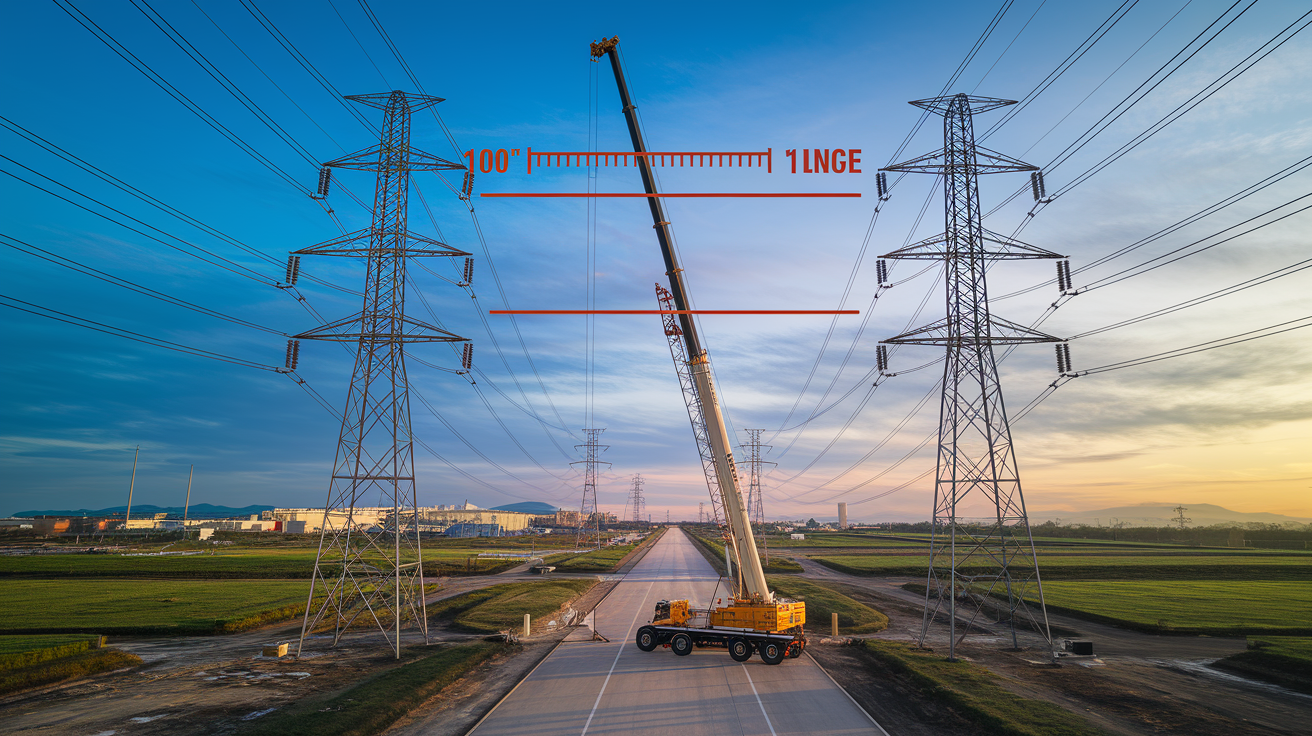
Overhead power lines represent a leading cause of construction industry electrical fatalities. Contact between cranes, ladders, scaffolding, or other equipment and energized lines kills workers instantly and causes devastating arc flash incidents.
The minimum 10-foot clearance rule establishes safe distance for most overhead power line work. This separation applies to workers, tools, equipment, and materials near lines carrying up to 50,000 volts. Higher voltage lines require greater distances, with clearances increasing to 14 feet for lines up to 200,000 volts, 16 feet for lines up to 350,000 volts, and 20 feet for lines up to 500,000 volts. The clearance includes allowances for equipment movement, boom sway, and materials being hoisted.
Proper procedures when work must occur near overhead lines start with requesting de-energization from the utility company whenever possible. When lines can’t be shut down, safety measures include installing physical barriers that prevent equipment from entering the minimum clearance zone, posting warning signs visible from all approach directions, assigning dedicated spotters to watch clearances continuously, and using only insulated equipment rated for working near energized lines. Cranes and similar equipment require boom guards that alarm when approaching minimum distances.
Maintaining proper distance and using non-conductive equipment in compliance with clearance requirements creates safe conditions. The hazard is proximity violation, not distance-compliant work. When workers and equipment remain outside the minimum clearance zone, use non-conductive tools and materials, and follow established safety procedures, the overhead lines don’t pose immediate danger anymore. The electrical hazard exists within the clearance boundary. Outside that zone, with proper controls, the condition is safe even with energized lines nearby.
Proper Use of Extension Cords and Power Strips

Extension cords and power strips serve legitimate temporary purposes but create hazards when misused. Understanding the difference between proper short-term application and dangerous permanent installation prevents fires and overloads.
| Practice | Safe or Hazard | Reason |
|---|---|---|
| Heavy-duty rated extension cord for temporary tool use | Safe | Correct gauge for load, inspected before use, temporary application |
| Daisy-chaining power strips | Hazard | Exceeds circuit capacity, creates overload, multiplies failure points |
| Power strip under furniture or rug | Hazard | Traps heat, prevents observation, accumulates dust and lint |
| Correct-gauge extension cord matched to tool rating | Safe | Voltage drop minimized, current capacity adequate, proper sizing |
| Permanent extension cord installation | Hazard | Not rated for continuous use, lacks proper protection, violates code |
Overloading creates heat that melts insulation and starts fires. Power strips typically handle 15 amps total across all outlets. Plugging in a space heater (1,500 watts, 12.5 amps), plus a vacuum (8 amps), instantly exceeds capacity. The internal wiring overheats but may not trip the circuit breaker protecting the room’s wiring because the strip’s cord is the bottleneck. Heat buildup gets worse when strips are hidden under furniture or rugs where airflow can’t cool them and lint accumulates near connections. Space heaters, window AC units, dehumidifiers, and other high-draw appliances should never connect through power strips. They need direct outlet connections.
Properly rated extension cords used temporarily for their designed purpose aren’t inherently hazardous. A 12-gauge cord rated for 20 amps, in good condition with intact insulation and proper grounding, safely powers tools drawing 15 amps for a few hours during a repair job. That’s temporary use matching the cord’s specifications. The hazard comes from misuse: wrong gauge causing voltage drop and heat, overloading beyond rating, permanent installation instead of temporary application, daisy-chaining multiple cords, running cords through walls or ceilings, hiding them under carpets, or using damaged cords with exposed wires. Understanding this distinction helps identify when extension cords and power strips are tools being used correctly versus when they’ve become fire hazards. After water damage events that may have affected outlets and wiring behind walls, addressing electrical safety becomes even more critical since moisture can compromise systems that appeared fine before the incident. Repairs often require opening and repairing damaged drywall to access and evaluate hidden electrical components.
Residential Electrical Safety Considerations
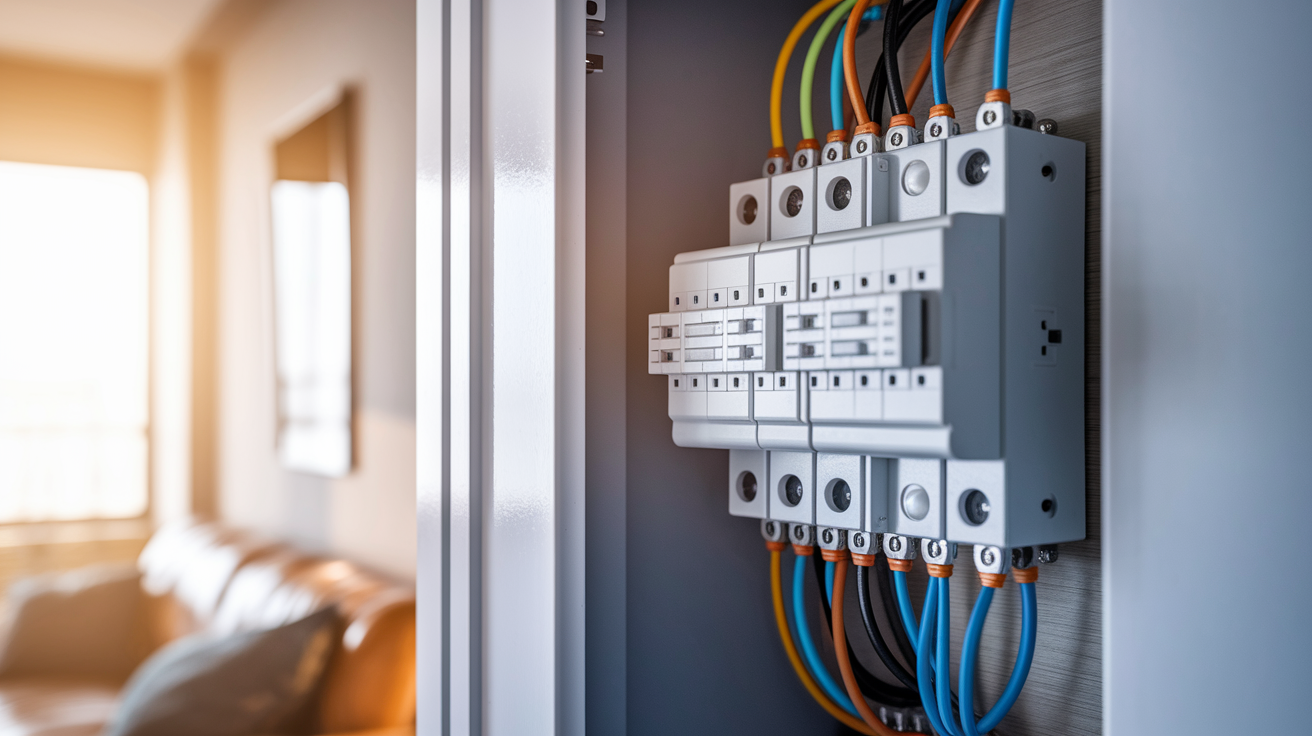
Residential electrical systems face unique challenges different from commercial and industrial facilities. Aging infrastructure installed decades ago supports dramatically increased loads from modern appliances and electronics. Homeowner DIY modifications often bypass code requirements. The combination creates hidden hazards.
Outlet safety begins with understanding age-related deterioration. Outlets ranked as the number one most common electrical fire hazard in 2025, with most rooms containing 4 to 6 outlets that degrade from repeated use. The spring-loaded contacts that grip plugs weaken over time, creating loose connections that arc and overheat. You should replace outlets every 15 to 25 years, especially in high-use areas like kitchens and home offices where plugs are frequently inserted and removed. Tamper-resistant outlets provide spring-loaded shutters that prevent children from inserting objects into slots, required by code in new construction and recommended for retrofit in homes with young children. Proper three-prong configurations with functioning ground connections protect against shock when appliance insulation fails. Two-prong outlets in older homes lack this protection and should be upgraded to grounded three-prong receptacles with verified ground paths, not adapters that create false security.
Modern electrical loads from EV chargers, heat pumps, induction cooktops, and whole-house smart systems exceed what older wiring can handle. Level 2 EV chargers draw 40 to 50 amps continuously for hours, requiring dedicated 240-volt circuits with appropriately sized wire. Smart home hubs, security cameras, WiFi routers, and charging stations create constant loads that didn’t exist when homes were built. Major new appliances or systems require verification that existing wiring, panel capacity, and service entrance can handle the additional load before installation. Overloading older circuits causes breakers to trip repeatedly or, worse, creates heat that smolders inside walls without tripping protection.
Up-to-code, properly maintained residential electrical systems with appropriate outlet types and adequate capacity aren’t hazards. When homes have sufficient circuit capacity, correctly sized wiring, functioning overcurrent protection, intact insulation, proper grounding, GFCI protection in wet locations, and outlet replacement on schedule, the electrical system functions safely. Age alone doesn’t create hazards when systems are maintained. Damage from DIY errors, overloading beyond design capacity, deteriorated connections, and improper modifications create the actual hazards. Repairing water damaged walls after flooding or leaks often reveals electrical issues that existed before the water event, making professional evaluation essential before closing walls back up.
Common Misconceptions About Electrical Safety
Misunderstandings about electrical safety lead workers and homeowners into dangerous situations they believe are safe. Correcting these misconceptions prevents injuries and property damage.
False beliefs stick around despite clear evidence of their danger. People trust quick fixes and workarounds that seem logical but actually increase risk.
You’ll hear these electrical safety myths often:
“Electrical tape can permanently fix damaged cords.” False. Tape doesn’t restore insulation ratings, allows moisture penetration, and degrades under heat. Damaged cords need replacement.
“Removing the ground pin is acceptable if the plug doesn’t fit.” False. The ground pin returns fault current safely to earth. Removing it takes away the only protection against electrocution when equipment insulation fails.
“Low voltage can’t harm you.” False. Current kills, not voltage. Even 12-volt car batteries deliver enough current to cause severe burns during short circuits. Low voltage with high current is still dangerous.
“Circuit breakers eliminate all shock risks.” False. Breakers protect against overloads and short circuits but won’t necessarily trip during electrocution because human body resistance limits current below breaker trip points.
“Rubber-soled shoes provide complete protection.” False. Rubber soles increase resistance to ground but don’t make you immune. Moisture, worn soles, and high voltage overcome this minimal protection.
“Wood ladders make you immune to shock.” False. Dry wood resists current flow but moisture in wood conducts electricity. Fiberglass ladders are safer but still require maintaining clearances from energized conductors.
“Properly insulated de-energized equipment is still hazardous.” False. This is the key misconception. When equipment’s verified de-energized through lockout/tagout, tested to confirm zero voltage, and properly insulated, the electrical hazard is gone. The de-energized state isn’t hazardous.
Understanding what truly creates a hazard versus what represents safe practice is essential for injury prevention. Many items labeled “electrical hazards” in training materials are only hazardous under specific conditions: when damaged, energized, improperly used, or inadequately maintained. That same equipment in proper condition, de-energized state, correct application, and well-maintained status isn’t a hazard. The distinction matters because blanket fear of all electrical equipment prevents necessary work, while false confidence from misconceptions causes injuries. Accurate knowledge identifies actual hazards requiring control measures and recognizes non-hazardous conditions where work can proceed safely. Understanding both what creates danger and what eliminates it leads to better safety outcomes than treating all electrical situations as equally threatening.
Final Words
Knowing which of the following is not an electrical safety hazard gives you the clarity to work confidently around electricity at home and on the job. Properly insulated tools, de-energized equipment following lockout procedures, non-conductive materials, and code-compliant installations aren’t hazards when they’re maintained correctly and used as intended.
The real risks come from damaged wiring, wet conditions, overloaded circuits, and ignoring safety distances.
When you understand the difference between safe conditions and actual threats, you protect yourself, your home, and everyone around you from preventable electrical accidents.
FAQ
What is not an electrical safety hazard?
Properly insulated tools and equipment used correctly are not electrical safety hazards. Items like de-energized systems following lockout/tagout procedures, non-conductive surfaces, and equipment with intact double insulation and proper grounding represent safe conditions rather than hazards.
What are the four electrical hazards?
The four primary electrical hazards are electric shock (current passing through the body), electrocution (fatal electric shock), arc flash (explosive energy release during faults), and electrical burns from contact with energized conductors or arc flash events.
Which of the following is not a safety hazard commonly associated with electrical systems?
De-energized electrical equipment following proper lockout/tagout procedures is not a safety hazard commonly associated with electrical systems. Once power is confirmed off and locked out, the equipment no longer presents shock, arc flash, or burn risks.
What are the 8 electrical hazards?
The eight electrical hazards are exposed wiring, damaged electrical cords, overloaded circuits, improper grounding, wet conditions near electrical equipment, overhead power lines, damaged insulation, and faulty equipment. These conditions create shock, fire, and electrocution risks in workplaces and homes.
Why doesn’t properly insulated equipment create an electrical hazard?
Properly insulated equipment doesn’t create an electrical hazard because intact insulation prevents current from reaching conductive surfaces. When insulation remains undamaged and equipment meets safety standards, the electrical conductors stay isolated from contact, eliminating shock and arc flash exposure.
How do GFCI outlets prevent electrical hazards?
GFCI outlets prevent electrical hazards by detecting ground faults and shutting off power within milliseconds. These outlets monitor current flow and immediately interrupt the circuit when they sense current leakage, protecting against electrocution in wet locations like bathrooms and kitchens.
When do extension cords become electrical hazards?
Extension cords become electrical hazards when daisy-chained together, overloaded beyond their rating, used permanently instead of temporarily, or when damaged. Properly rated extension cords used for short-term needs represent safe temporary wiring solutions rather than hazards.
What makes overhead power lines particularly dangerous?
Overhead power lines are particularly dangerous because they carry extremely high voltages and account for most construction electrical fatalities. Direct contact or even close proximity with conductive equipment can cause fatal electrocution, requiring minimum 10-foot clearance distances.
How often should electrical outlets be replaced?
Electrical outlets should be replaced every 15 to 25 years, especially in high-use areas where wear accelerates. Aging outlets represent the number one electrical fire hazard source, with deterioration creating loose connections that generate heat and potential ignition.
Why can’t electrical tape fix damaged insulation permanently?
Electrical tape can’t fix damaged insulation permanently because it doesn’t provide adequate protection against moisture, physical stress, or voltage levels. Damaged insulation requires turning off power and proper replacement to restore safe conditions and prevent shock or fire hazards.
What current level causes dangerous reactions in the human body?
Current levels above 25 milliamps cause dangerous reactions in the human body, potentially triggering ventricular fibrillation. Even 9-25 milliamps causes painful muscular contraction and loss of control, while 1-3 milliamps produces barely perceptible sensations.
How do circuit breakers protect against electrical hazards?
Circuit breakers protect against electrical hazards by automatically interrupting power when they detect overloads or short circuits. They prevent wires from overheating and causing fires, though they don’t eliminate all shock risks from properly functioning circuits.
What inspection frequency prevents electrical hazards?
Daily visual equipment checks, monthly system reviews, quarterly detailed inspections, and annual comprehensive assessments prevent electrical hazards. Regular inspection schedules detect damaged cords, faulty wiring, and code violations before they cause injuries or fires.
Why must the ground pin never be removed from three-prong plugs?
The ground pin must never be removed from three-prong plugs because it returns unwanted voltage safely to the ground. Removing this metallic pin eliminates critical protection against equipment faults that could energize metal casings and cause electrocution.
What makes wet conditions increase electrical hazards?
Wet conditions increase electrical hazards because water conducts electricity and dramatically lowers resistance between energized parts and ground. Moisture on skin, floors, or equipment creates direct paths for current flow, increasing shock severity and likelihood.