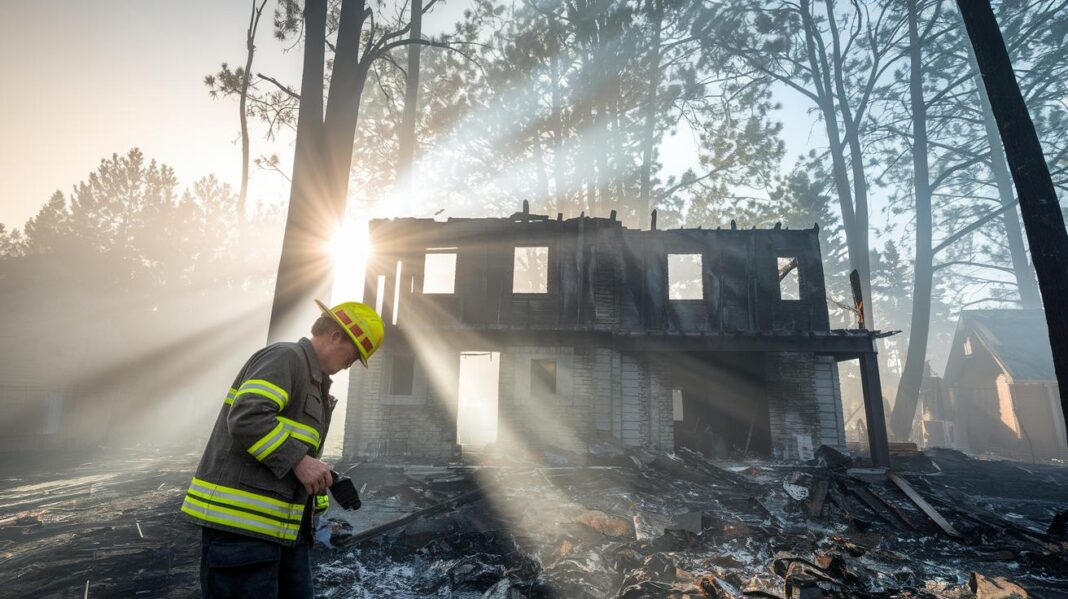

Ever wonder if your home can bounce back after a fire? I know this is scary, but we have a step-by-step plan to help you recover. First, we inspect your home for fire, soot (the black residue from burning), and water damage to see what can be saved. Next, we quickly remove debris and clean harmful odors so you can feel safe. With simple tools and expert care, we work together to bring your home, and your peace of mind, back to normal.
Complete Guide to Fire Damage Cleanup Procedures
When a fire occurs, we know it can feel overwhelming. We start with an inspection by our specialists who check for fire, soot, and water damage. They also look for items that can be saved, check the building’s structure, and give you estimates for cost and time so you know what to expect.
Next, we clear out unsalvageable debris quickly. Removing damaged materials stops further harm and preps the surfaces for a deep clean. We use simple tools like dry sponges and special cleaning chemicals (chemicals made to dissolve stubborn soot) to lift away soot and smoke deposits from walls and ceilings.
Once debris is gone, we work on removing smoke odors. Lingering smells can affect your well-being. Our team uses techniques such as thermal fogging (a method that sprays a fine mist to neutralize odors) and air scrubbers (machines that filter the air) to ensure your indoor air feels fresh and safe.
After odors are under control, we begin final repairs. Damaged drywall is replaced, surfaces are repainted, and any broken fixtures from the fire are fixed or replaced. This step helps restore both the look and the function of your home.
Finally, reconstruction starts. Contractors rebuild any damaged structural parts of your home, always following building standards. Our complete approach covers everything from emergency salvage to full repairs, helping you move toward a safe and comfortable recovery.
Initial Damage Assessment and Safety Measures for Fire Damage Cleanup
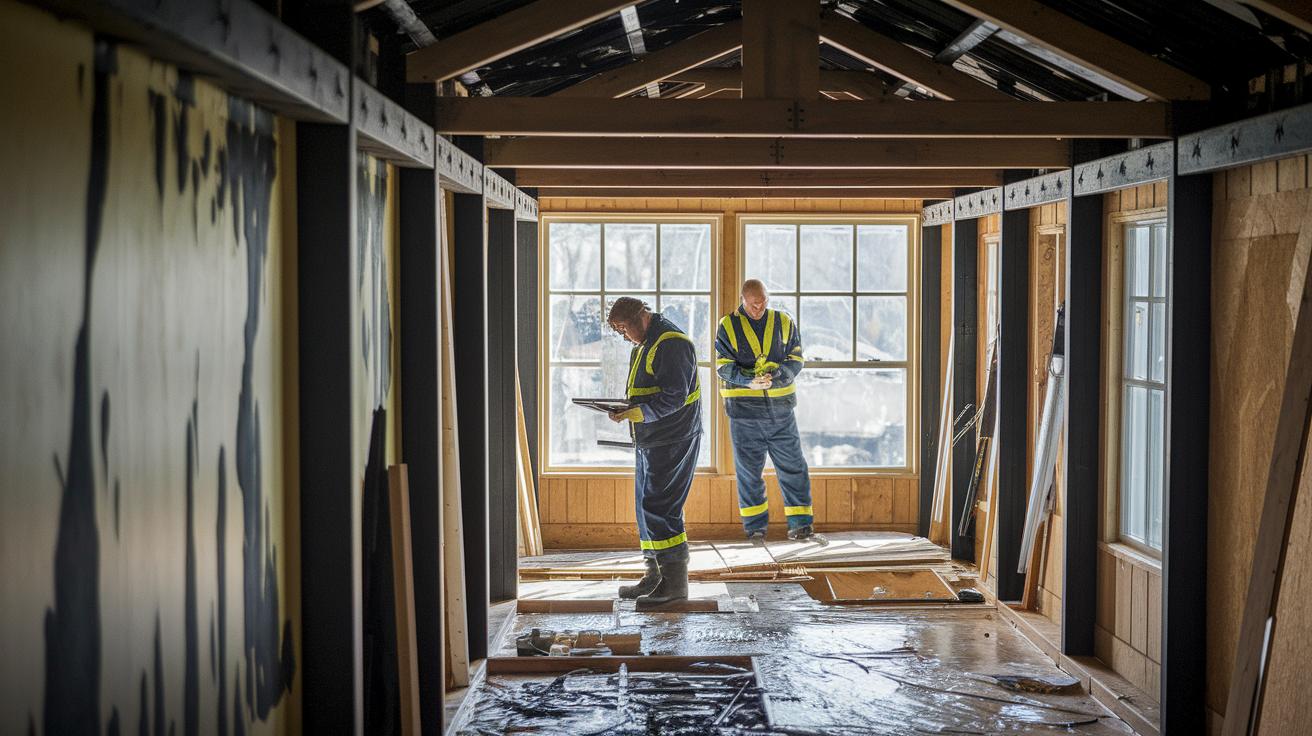
We start by carefully walking through your home to check for signs of fire, soot (the dark residue after burning), and water damage. We treat this like a quick health check for your property, looking at every wall and beam to see how the fire has affected things. We quickly note what can be saved and which parts may need extra support.
Next, we make your home safe before starting cleanup. We might board up broken windows or cover damaged roofs with tarps (large, waterproof sheets) to stop further issues. This step helps prevent extra damage as we get ready to clean.
Your safety is our top priority. Our team wears protective gear to guard against harmful particles and strong odors. We carefully check for hazards such as weakened supports or contaminated surfaces. We mark off dangerous zones and isolate areas needing special chemical treatments so that cleanup only starts when it is safe.
These measures protect both you and our team from further injury or damage while we work to restore your home.
Debris Removal and Soot Elimination Techniques in Fire Damage Cleanup
When we clean up fire damage, we first clear away loose debris and use dry sponging to remove surface soot. Now, we also use special chemicals to tackle deeper layers of soot. We pick the right chemical cleaner for each surface and the level of soot. For light soot, we use a gentle alkaline solution (a basic cleaning agent that protects surfaces). When soot is heavier, we use stronger solvents like petroleum distillates and glycol ethers (solvents that break down thick soot) to get the job done.
Your safety matters to us. Our technicians wear gloves, goggles, and respirators when they work with these chemicals. We also ensure proper ventilation and follow strict rules for handling chemicals to keep risks low.
One technician shared, "Using glycol ethers helped remove soot from rough surfaces while protecting the paint underneath."
Our updated process includes these key steps:
- Choosing the right chemical based on the surface and soot damage.
- Using a gentle solution for light soot and stronger blends for deeper layers.
- Following safety protocols with proper protective gear and good ventilation.
- Recording our results to keep improving our cleaning methods.
We pay careful attention to both chemical selection and safety, which makes our cleanup process as effective as our proven debris removal techniques.
Smoke Odor Neutralization and Indoor Air Quality Renewal After Fire Cleanup
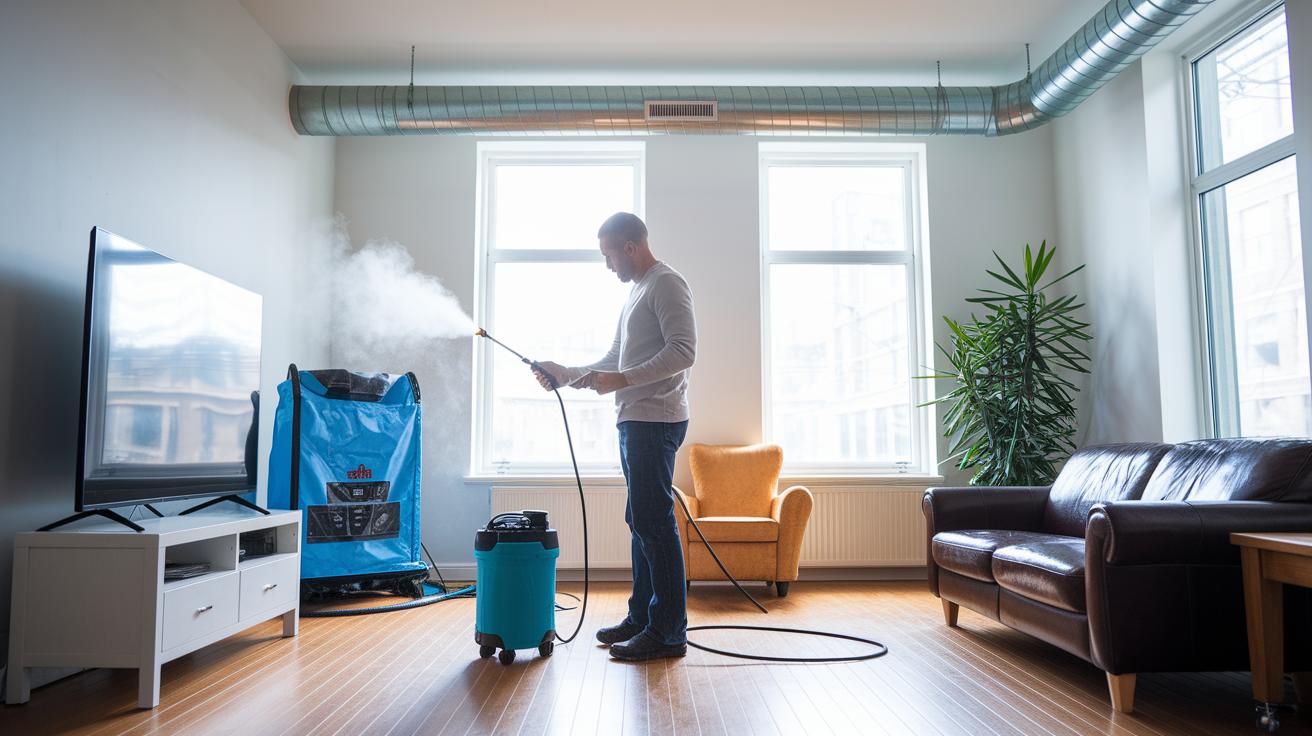
Smoke odors can cause headaches and breathing problems. They can also lower your home's value. Once we clear out all the debris and soot, we focus on freshening the air you breathe. First, we use thermal fogging (a process that sprays a fine mist to break down odor molecules). We also apply ozone treatments to target smoke smells that regular cleaning might miss. Then, HEPA air scrubbers (machines that catch tiny particles) help clear the air.
We don’t stop at just removing the smell. We clean or replace HVAC ducts and filters to make sure no lingering smoke residue keeps circulating. Advanced air purification systems then restore the air to a clean, safe state. We keep a close watch on the air quality throughout the process to ensure every odor and particle is controlled.
Key steps include:
- Using thermal fogging and ozone treatments to break down stubborn odors.
- Employing HEPA air scrubbers to capture tiny airborne particles.
- Cleaning or replacing HVAC ducts and filters to stop hidden smoke residue.
This careful process gives your home a fresh start so it looks clean and feels safe to breathe.
Water Damage Extraction and Structural Drying in Fire Cleanup Operations
After a fire, water used by firefighters can stick around and cause extra problems. We start by getting the water out fast with strong pumps and water extraction units (machines that remove water). Removing standing water quickly helps stop mold growth and keeps your home strong.
Next, we use industrial dehumidifiers (machines that pull moisture from the air) and drying equipment to take out any extra wetness. We check with moisture meters (tools that measure dampness) to be sure everything is dry and safe. This careful process helps stop more damage and prepares your home for repairs.
Our steps are simple:
- Remove water using high-powered pumps and extraction units.
- Use dehumidifiers and drying machines to get rid of extra moisture.
- Check dampness with moisture meters to ensure safety.
By acting fast, we help prevent hidden issues like mold and protect your home’s structure. We turn a tough situation into a step toward a safe and secure home.
Mold Inspection and Prevention Strategies Following Fire Cleanup
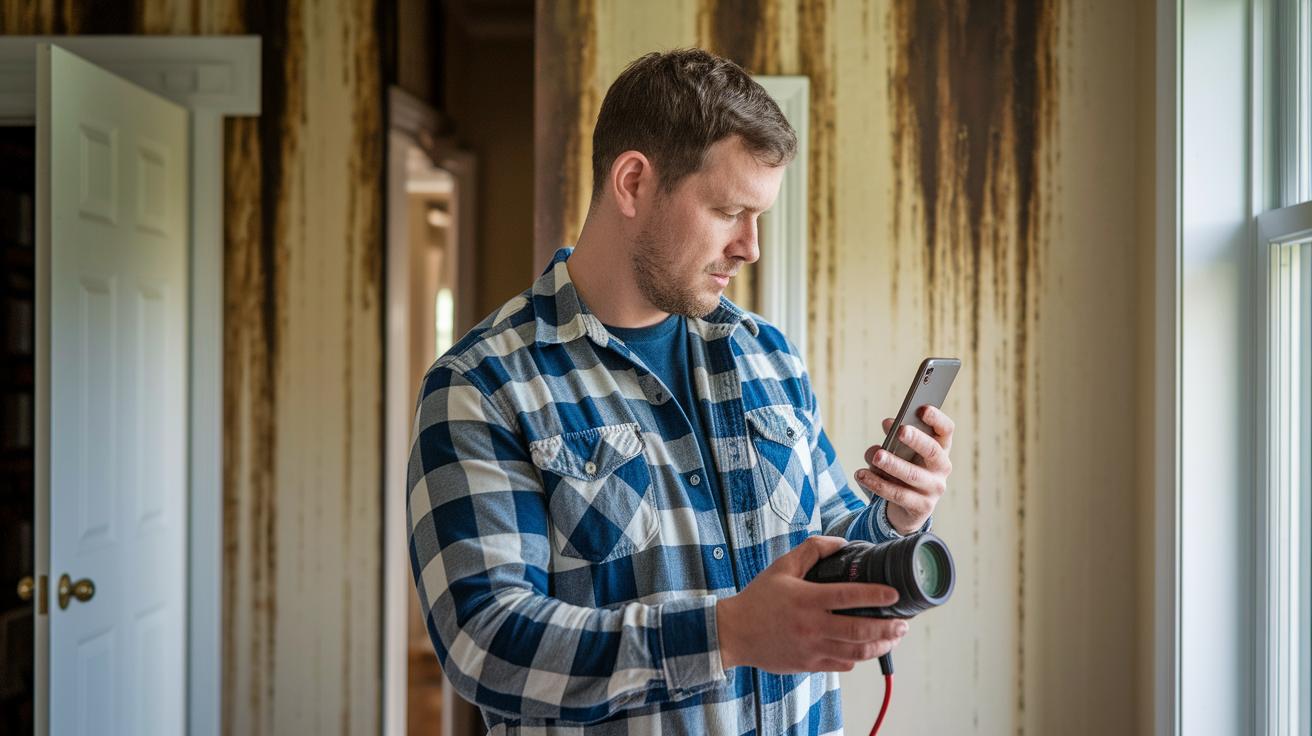
After a fire, leftover moisture and debris can give mold the space it needs to grow. This mold can harm your health and damage your home. Our certified team uses tools like moisture mapping (a way to find damp spots) and thermal imaging (a tool that detects temperature differences) to locate hidden areas where mold may form. Next, we treat these areas with EPA-approved fungicides (chemicals that stop mold) and remove any contaminated materials so that mold stays away from areas that are still safe.
We don’t stop at clean-up. We take extra steps to protect your home from future mold issues. Our crew sanitizes all surfaces to remove any lingering mold particles. We also use HEPA vacuuming (vacuums that capture tiny particles) to clean up any remaining debris. Good air circulation is key, so we ensure your home is well-ventilated to discourage moisture from settling.
These measures keep your home safer by reducing the risk of mold, improving indoor air quality, and preventing further damage after fire and water cleanup.
Cleanup Cost Assessment and Insurance Considerations for Fire Damage Cleanup
Our first inspection gives you a clear cost estimate for all the cleanup work needed. We break down each expense so you know exactly what to expect. Our estimate includes debris removal (clearing away broken pieces), specialized cleaning to remove stubborn soot and smoke residue, odor control treatments to get rid of lingering smells, and reconstruction (repairing damaged areas) of your home. We base these costs on your home's size, how bad the damage is, and the services required.
Estimating Cleanup Costs
We calculate cleanup costs in simple steps. First, we assess the damage and list the repairs needed. Then, we create a detailed estimate that covers:
- Material removal and disposal
- Chemical and equipment use for cleaning
- Air purification (cleaning the air from dust and odors) and odor neutralization
- Reconstruction services for rebuilding damaged areas
One technician explained, "We list each cost item clearly so homeowners are not surprised later." This approach helps you budget accurately for the work ahead.
Navigating Insurance Claims
Dealing with insurance claims can feel confusing, but we work to make the process easier for you. We document every step with photos and detailed estimates, which insurance companies require as proof of damage and costs. We help by:
- Collecting photos and written reports
- Preparing clear, itemized estimates
- Answering any questions from insurance adjusters
Many homeowners feel relieved to know that our restoration services cover both the repair work and the help needed with insurance claims. We also discuss options like payment plans and restoration loans to manage any out-of-pocket expenses. This way, you have a clear picture of the cleanup costs and the steps needed for insurance recovery, making the process smoother during a stressful time.
Reconstruction Following Blaze: Full-Service Property Repair After Fire Cleanup
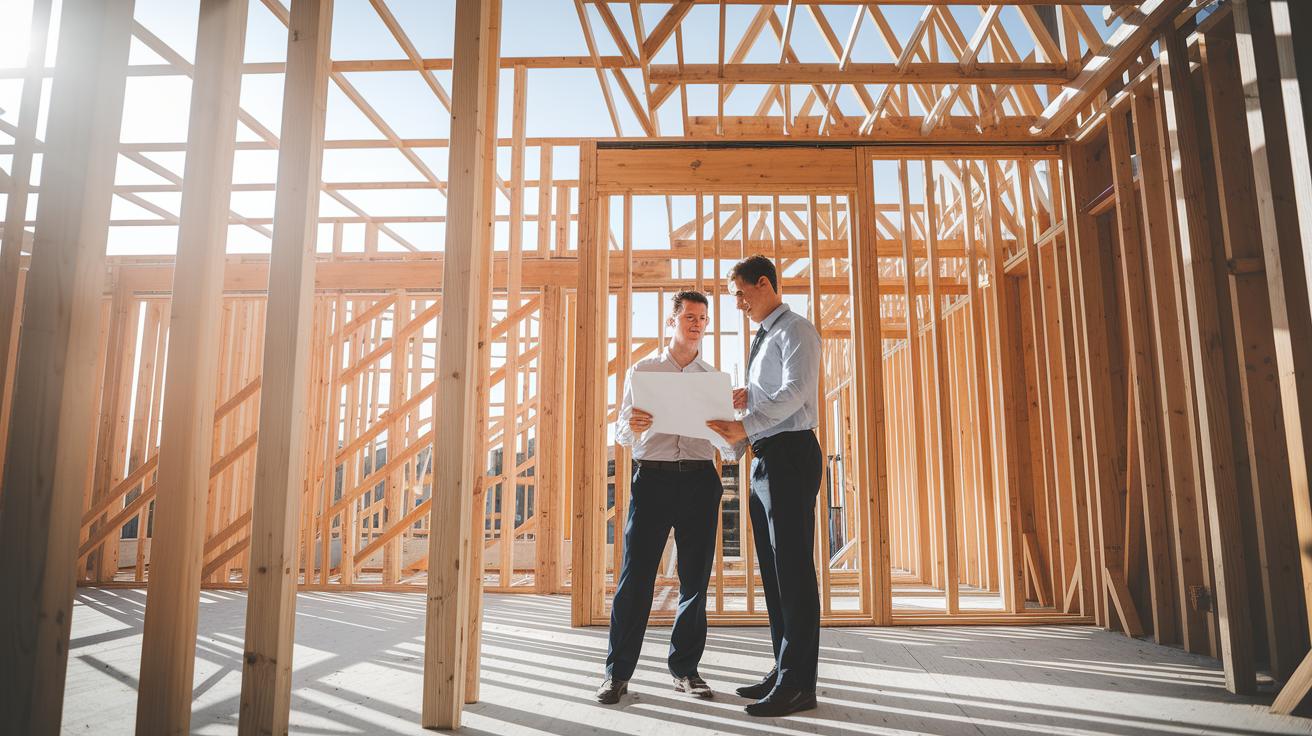
After cleaning is complete, our licensed restoration team comes in to rebuild your home. They start by checking the fire and water damage to your house’s frame and structure (the bones of your home). This helps ensure that every repair connects smoothly with parts that were not affected. We handle everything from fixing the framing to putting up new drywall so each wall and ceiling is strong and secure.
We work carefully on every repair. One technician said that replacing damaged framing and putting up quality drywall is like giving your home a fresh start. We also do painting, flooring, and installing fixtures so your home not only returns to normal but might even look better than before. The materials and methods we use help restore your property to its original state.
Our licensed contractors manage the whole project. They take care of permits, inspections, and follow local building codes (rules that keep homes safe). This means every repair is checked and approved, giving you peace of mind and a safe home. We finish the recovery work quickly and with care. For major reconstruction jobs, we use a clear plan that mixes repair and remodeling. This step-by-step process is part of our overall approach to restoring homes after a fire.
Final Words
In the action, we outlined each step of the process, from the initial inspection and safety checks to debris removal, soot elimination, odor neutralization, water extraction, and mold prevention. We also touched on cost estimates, insurance claims, and reconstructions. Every step is designed to stop additional damage while restoring your property quickly and safely.
We stand ready to help you rebuild and move forward, making fire damage cleanup effective and stress-free.
FAQ
Frequently Asked Questions
Fire damage cleanup services near me
Fire damage cleanup services near you provide rapid, expert help by assessing, removing debris, and cleaning soot and smoke, so you can feel safe and get back on track quickly.
Residential fire damage cleanup
Residential fire damage cleanup addresses home fire issues by removing debris, cleaning soot, neutralizing odors, and drying structures to restore a safe and livable environment.
Fire damage cleanup cost
Fire damage cleanup cost varies based on damage extent, materials involved, and service scope. Professionals offer detailed quotes that cover debris removal, cleaning, drying, and repair services.
Fire damage cleanup near me
Fire damage cleanup near you means local professionals are ready to assess, remove debris, and safely restore your property using proper equipment, so you can recover quickly after a fire.
Smoke damage cleaning products
Smoke damage cleaning products include specialized chemical agents and solvents designed to lift soot and neutralize odors, helping restore surfaces and improve indoor air quality.
Cleaning after fire smoke damage
Cleaning after fire smoke damage involves removing soot buildup, treating surfaces with chemical agents, and using air scrubbers to clear lingering odors and improve indoor air quality.
Fire restoration checklist
A fire restoration checklist outlines steps such as damage assessment, debris removal, soot and odor cleaning, water extraction, and final repairs, ensuring all aspects of restoration are covered.
Smoke damage cleaning cost
Smoke damage cleaning cost depends on the severity of contamination and the methods used for soot and odor removal. Detailed estimates typically include labor, materials, and equipment usage.
How to clean up after fire damage?
Cleaning up after fire damage involves a step-by-step process of damage assessment, debris removal, soot cleaning with dry sponging and chemical agents, and odor neutralization to restore safety.
How much can it cost to clean up after a fire?
The cost to clean up after a fire depends on the extent of damage and required services, with professionals providing itemized estimates covering debris removal, cleaning, drying, and necessary repairs.
What is the best product to clean fire damage?
The best product to clean fire damage is a specialized chemical agent designed to dissolve soot and neutralize odors effectively, often used alongside proper tools and safety gear for optimal results.
What is cleanup after a fire called?
Cleanup after a fire is called fire restoration, which includes assessing the damage, removing debris, cleaning soot, neutralizing odors, drying the structure, and repairing the property.