
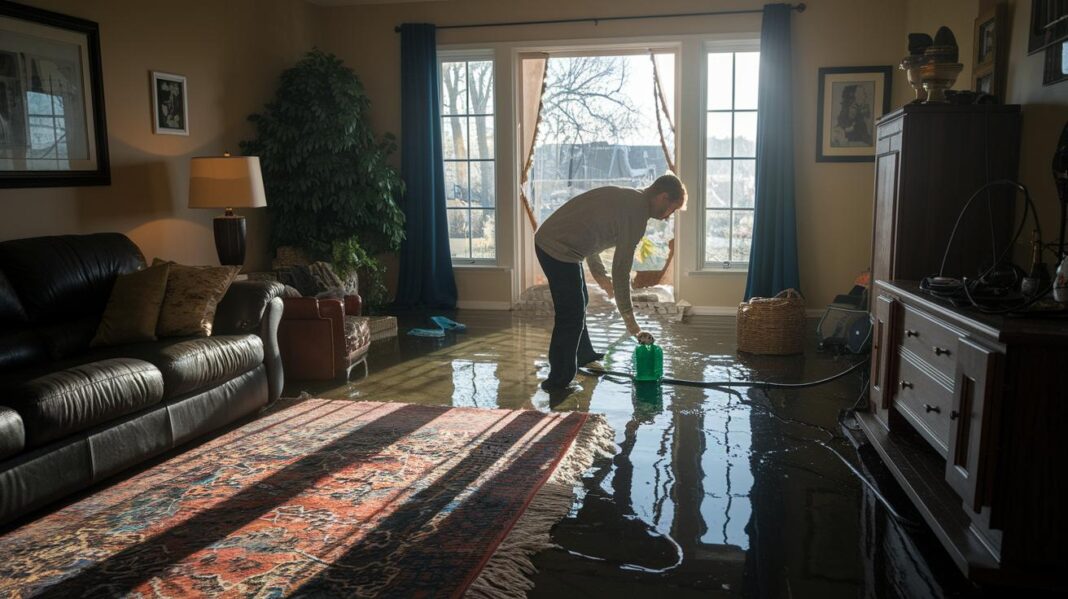

Have you ever wondered if your home can truly recover after a storm? Storms bring more than water and wind. They leave behind hazards and a sense of loss that can feel overwhelming.
Restoring your home is about more than just clearing away the debris. It means bringing back safety and comfort. Think of it like mending a favorite sweater, every repair is important.
In this guide, we explain the simple steps to secure your home right away. We act quickly to stop further damage and help you feel safe again. If you have any questions, we’re here to help every step of the way.
Storm Damage Cleanup Steps to Restore Your Property After a Storm
After a storm, your property can be unsafe. Strong winds and rain may leave dangerous power lines, fallen tree limbs, and even flooding. It is important to act fast. Clearing paths like roads, driveways, and walkways helps keep everyone safe and stops further damage when materials and help are in short supply.
- Turn off your utilities if it is safe to do so to avoid risk of shock.
- Look for and mark unsafe areas such as unstable structures or piles of debris.
- Remove debris that blocks evacuation routes.
- Protect vulnerable areas by covering them with temporary boards or tarps.
- Call local emergency services and use restoration hotline numbers.
- Take clear photos of damage like broken pavement, downed trees, or displaced objects for your records.
Working with certified restoration companies can speed up the cleanup and help meet safety standards. They offer free on-site estimates and clear evaluations of what needs repair. Fast-response teams are available 24/7, so you can count on professional help to secure your home quickly.
It is also important to document all the damage. Snap pictures of every affected area and write down what happened. Keeping a record and saving receipts for repairs can make your insurance claim go more smoothly.
Storm Damage Cleanup Assessment and Hazard Prioritization
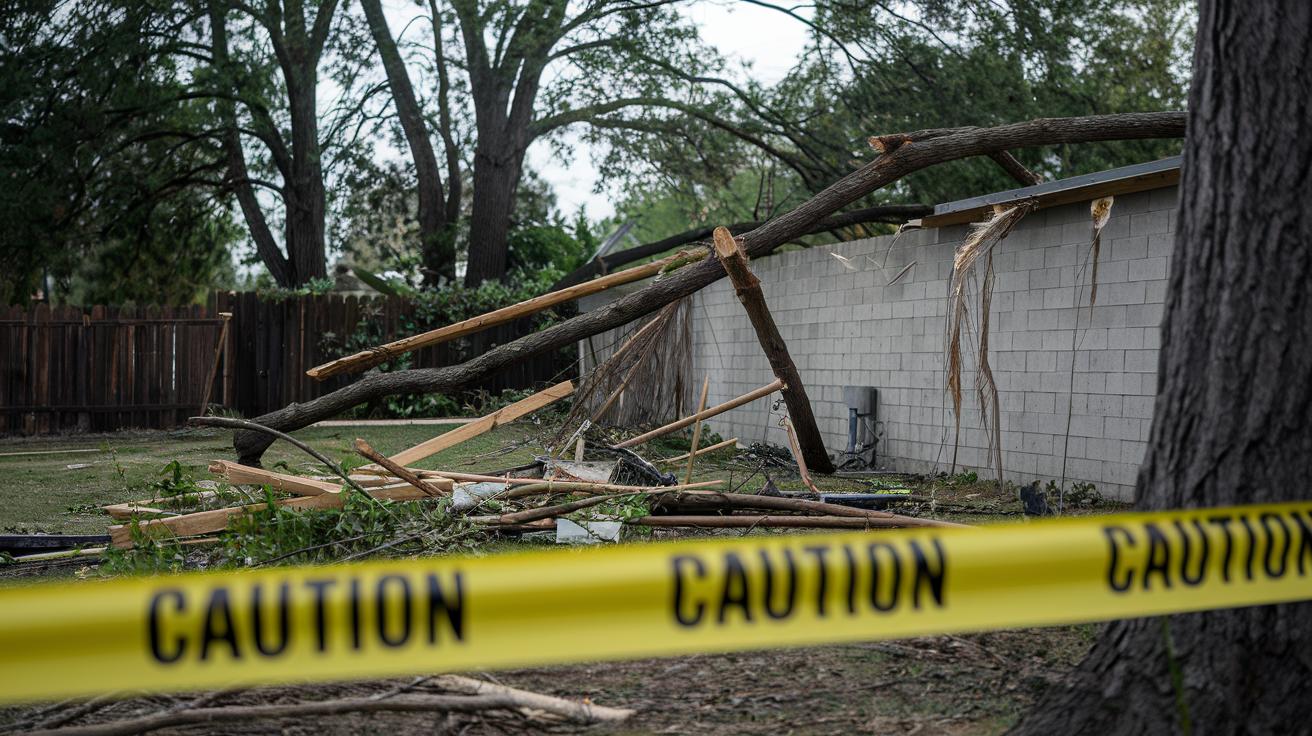
After a storm, safe cleanup starts with a careful look around your property. First, check for dangers like fallen power lines, gas leaks, or walls that might fall. Take clear photos of each unsafe spot. Picture broken tree limbs leaning against a wall or exposed electrical wires next to debris. These images help us see how much damage there is and guide safe debris removal.
Next, list the dangers in order of urgency and secure the risk areas. Focus on spots with immediate hazards like exposed utilities or shifting debris, and mark these areas to keep people away. You can use tape, cones, or temporary barriers to create clear boundaries. This step-by-step method helps keep everyone safe until professionals arrive to handle the repairs.
Storm Damage Cleanup Equipment and Machinery Options
When a storm hits, the right machines can help turn chaos into order quickly. We use a variety of equipment to clear fallen trees and open blocked pathways. For example, our heavy-duty excavators can lift and move large pieces of debris and trees. When safety is a concern, we rely on remote-controlled machines that work in risky spots. Telescopic boom attachments (extendable arms that reach high areas) let us handle obstacles up to 55 feet high. We also use mulchers to grind debris into mulch and stump grinders to remove tree stumps fast.
| Equipment Type | Primary Use |
|---|---|
| Heavy-Duty Excavator | Moving large debris and fallen trees |
| Remote-Controlled Machine | Working in high-risk areas safely |
| Telescopic Boom Attachment | Reaching obstacles up to 55 ft high |
| Mulcher | Turning organic debris into mulch |
| Stump Grinder | Clearing tree stumps for a clear area |
When choosing rental options, look for equipment that fits your cleanup needs. Local rental companies have a range of restoration tools available. Compare rental costs and check that you follow operator guidelines to stay safe. Using the right machines not only speeds up debris removal but also helps reduce the risk of injury and more property damage. Being prepared with the proper equipment makes storm cleanup safer and more efficient.
Storm Damage Cleanup Water Extraction and Drying Techniques
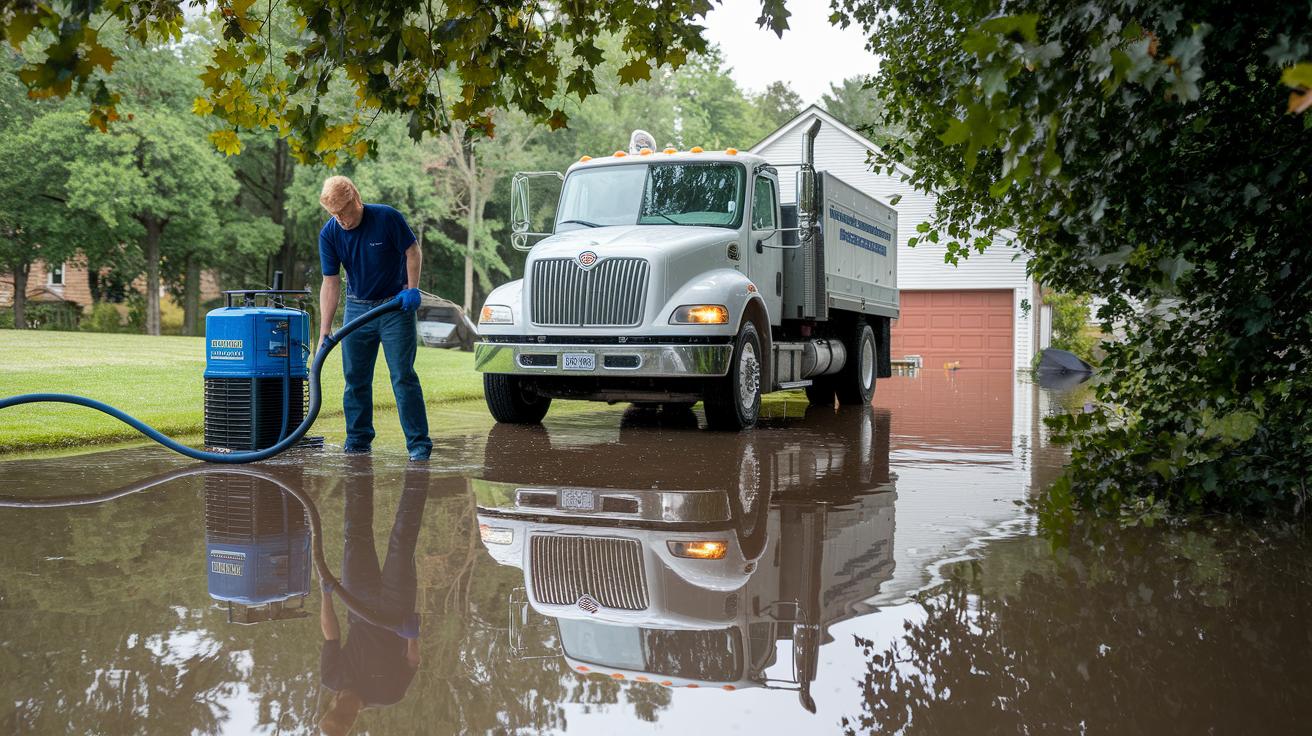
After a storm, we know quick water removal is key to preventing more damage. Our team uses truck-mounted vacuums and submersible pumps (tools that remove standing water) to clear water from your home fast. These machines reach even the tight spots where water hides, reducing the chance of further harm and cutting down on repairs.
Once the water is out, drying equipment gets to work. Air movers blow dry air across wet surfaces, and dehumidifiers (machines that pull moisture from the air) lower the moisture levels. This steady airflow speeds up nature’s drying process and helps stop hidden water pockets that may cause later issues. Our careful methods ensure every area of your home dries evenly.
After drying, we focus on stopping mold from growing. Mold can appear in just a few days if any moisture remains. Even with proper drying, our team checks for spots that might still hold moisture. We also treat these areas and keep humidity low to protect your home. These steps help keep mold away and your space safe and livable.
Storm Damage Cleanup Debris Handling and Disposal Practices
After a storm, the first step in a safe cleanup is sorting the debris correctly. We go through the mess and sort items into three groups: recyclable, hazardous (waste that can harm you or the environment), and bulky. We check the site carefully and set aside each type in a designated area. Getting this right helps protect your home and nature.
After sorting, we follow proper paths for disposal and recycling. Recyclable items go to special centers where they are processed. Hazardous waste is taken by approved services that follow local rules. Bulky items, like large tree branches or broken pieces of a structure, are removed by expert debris hauling teams. This helps keep your neighborhood safe without extra risks.
To keep our work site safe, everyone wears the right protective gear. This means hard hats, gloves, and steel-toed boots to protect against falling or sharp objects. We also watch the weather closely during cleanup. By choosing safe weather windows, we reduce hazards and make sure the process goes smoothly.
Storm Damage Cleanup Insurance Claims and Documentation Tips
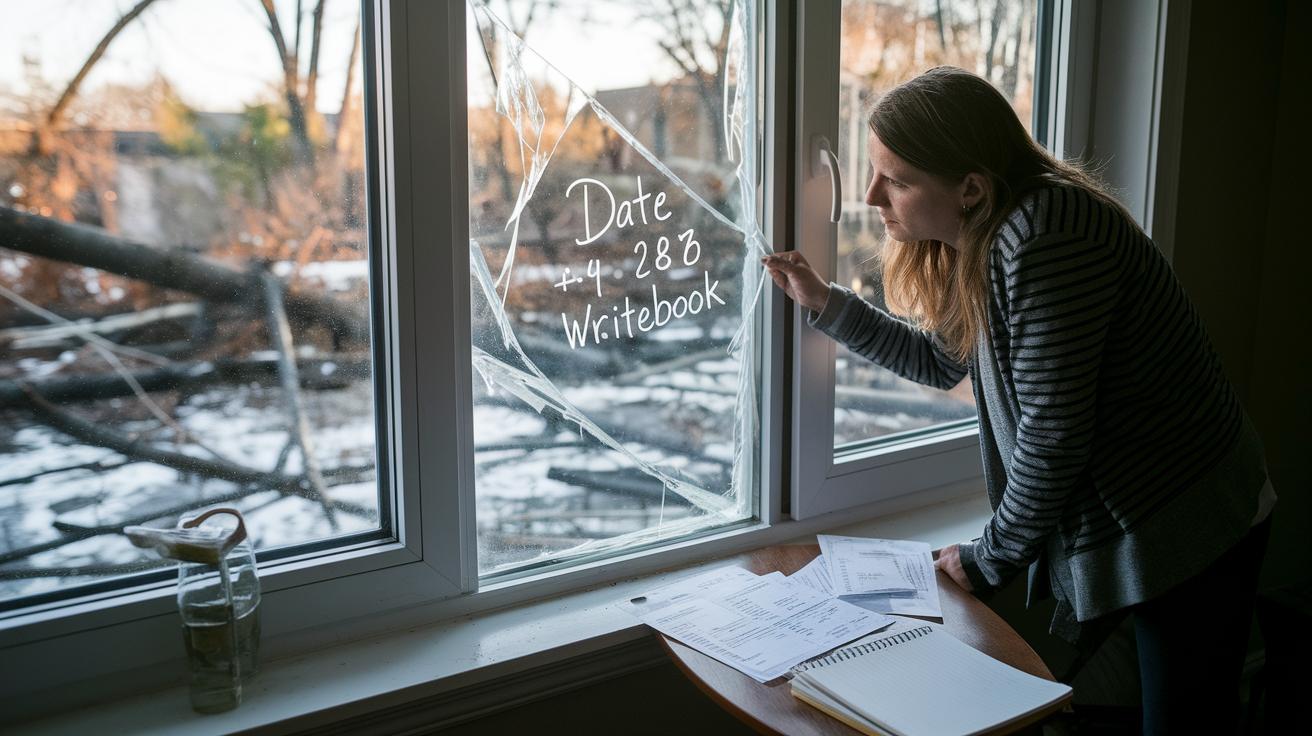
After a storm, detailed records can really help with your insurance claim. Take clear photos and videos of each damaged spot. Write down the date for every picture and save all receipts from repairs or cleanup work. For example, a photo of a broken window with the date shown helps prove when the damage happened. These clear records make it easier for you and your insurer.
Next, review your policy to match your documentation to its terms. Check your coverage limits and ask if you need pre-cleanup approval. Organize your photos and receipts in order and confirm they follow your policy guidelines before you start the cleanup. This careful method speeds up your claim process and supports your recovery efforts.
Storm Damage Cleanup Contractor Selection and Rapid Response Teams
After a storm, your home needs fast help. Choose certified restoration professionals with a local storm response team ready to work 24/7. They offer free consultations and use experts like certified arborists (tree specialists) to check for tree damage. Their teams start cleanup quickly and follow strict safety rules to protect your home and keep access routes clear.
When getting quotes, ask for easy-to-understand cost breakdowns and a clear timeline for the work. Request examples of past storm cleanup jobs to check their quality. Quick service can stop further damage. Skilled contractors work closely with you and adjust their plans to meet your specific needs.
Final Words
In the action, we broke down how to tackle storm damage cleanup fast. We covered safety checks, debris removal, water extraction with drying techniques, and even the proper steps to document damage for insurance. We also discussed how to choose certified restoration contractors, so every step works together to restore your home quickly.
Our guide shows that with fast, clear action and trusted help, storm damage cleanup can turn a tough situation into a manageable recovery. Stay positive and move forward safely.
FAQ
What does storm damage cleanup near me mean?
The phrase storm damage cleanup near me describes local companies that clear debris and repair damage after a storm. You can find fast, local help to restore your property.
What does tornado storm damage cleanup involve and who handles it?
Tornado storm damage cleanup involves assessing hazards and removing debris safely. Typically, property owners hire certified contractors, and insurance policies may offer financial support for the cleanup.
What defines the best storm damage cleanup and which restoration companies can help?
The best storm damage cleanup is provided by certified teams who remove debris, repair damage, and restore safety quickly. Top restoration companies offer free estimates and rapid response.
What do storm cleanup jobs entail, including opportunities like Florida paying $3000 a week?
Storm cleanup jobs involve removing debris, assessing damage, and aiding repairs. Some positions, like promoted Florida roles, offer high earnings due to the fast-paced, essential nature of the work.
What does storm damage reports today refer to?
Storm damage reports today provide current information on damage levels. They help homeowners, contractors, and insurers determine the repairs needed after a storm.
What does storm damage Monster Truck mean?
The term storm damage Monster Truck may refer to robust, heavy-duty vehicles used for clearing massive debris and damaged structures during extreme cleanup jobs.
How much should you charge for storm cleanup services?
Charging for storm cleanup depends on the extent of damage, labor, equipment, and debris work required. Contractors typically offer free assessments to provide an accurate cost estimate.
How do you clean up after a storm?
Cleaning up after a storm starts with safety checks, followed by debris removal and water extraction. Professionals use specialized equipment to secure your property and prevent further damage.
Does homeowners insurance cover tree cleanup after a storm?
Homeowners insurance often covers tree cleanup when damage is caused by a storm. However, coverage varies, so reviewing your policy or contacting your insurer is recommended.