
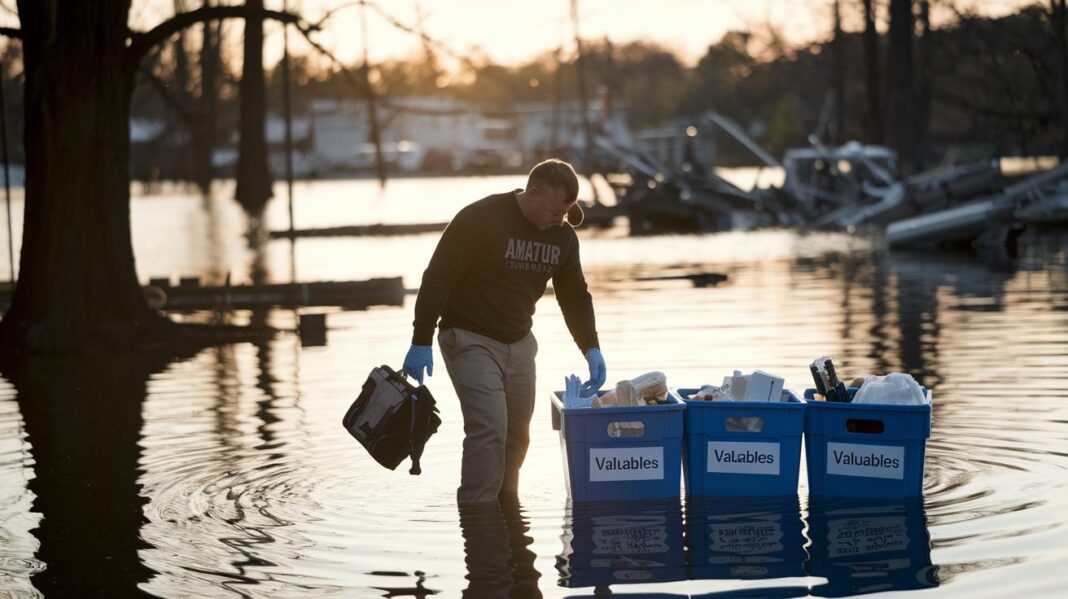

Have you ever thought a simple plan could save you from big losses during a disaster? Extreme weather can cause huge damage, but a clear plan helps cut the harm and speed up repairs. First, look at your area’s risks and secure your most valuable items. This small step can keep big setbacks at bay. In this post, we share easy steps to build a solid plan so you can protect your home and belongings with confidence.
Develop a Risk Mitigation Framework to Prevent Property Loss After Disasters
Disasters can hit unexpectedly and leave serious damage behind. Data from NOAA shows that between 2020 and 2024, the US faced 115 major weather events that cost nearly $750 billion. A solid plan can help you prepare by outlining clear steps to reduce damage and speed up recovery. Our method breaks this plan into simple parts: checking local hazards (knowing the risks in your area), creating a response plan (what to do right away), assembling an emergency kit (the supplies you need during outages), securing important items (keeping key papers safe), and taking clear pictures of your belongings (for insurance claims).
Having a clear plan puts you in control when a crisis hits. Here are the key steps to build your framework:
- Check local hazards using maps and past storm records.
- Create a simple response plan with clear steps to follow when disaster strikes.
- Prepare a 72-hour emergency kit with food, water, and essential medicines.
- Protect valuable items by storing important documents and keepsakes in a waterproof safe.
- Review your insurance policy every year to catch any coverage gaps.
- If needed, call in professionals like emergency restoration services for extra help.
Taking these steps now can keep your home safer and make recovery smoother. A clear plan not only speeds up the recovery process but also simplifies your insurance claim. By preparing ahead, you build a strong system to reduce future property loss.
Conduct a Vulnerability Appraisal to Prevent Future Property Loss

When a disaster hits, it's important to know where your home might be at risk. We perform a careful check (vulnerability appraisal) to spot weak areas using local weather trends and your home's building features. This process shows dangers from past storms and helps you decide where to strengthen before a big event.
Regional Hazard Mapping
We use tools like FEMA flood maps (maps from the Federal Emergency Management Agency) and NOAA storm records (data from the National Oceanic and Atmospheric Administration) to spot risks. These tools highlight which areas near your home could experience heavy rain, floods, or strong winds. With this information, you can plan simple steps to protect your property.
Structural Integrity Inspections
We check your roof, foundation, walls, and where utilities are placed for signs of wear or damage. Finding issues like loose roofing or weakened joints early can help prevent bigger problems later. Fixing these spots now may lower risks during severe weather and keep your home safer.
Insurance Policy Gap Analysis
Review your insurance policies to see if there are any gaps in your coverage for floods, wind, or fire. Knowing exactly what is covered lets you fill in the gaps quickly. This makes it easier to get a smooth claim process if disaster strikes.
A detailed vulnerability appraisal gives you a clear idea of your home's risks. By checking local hazards, inspecting your structure, and reviewing your insurance, you can take proactive steps to protect your home and keep your family safe.
Implement Structural Hardening and Retrofit Measures to Prevent Property Loss
We design a plan that makes your home stronger, stopping small problems from turning into big ones. Using modern fixes, we reinforce key parts of your home and lower risks before storms or disasters hit. By taking these steps, you not only strengthen your home but also keep your family safer during severe weather.
- Strengthen your roof using hurricane straps (metal fasteners that secure the roof to your home) and impact-resistant shingles to hold up against strong winds.
- Upgrade your windows and doors with tempered glass (glass that is tougher and safer) or add storm shutters to prevent breakage.
- Put up flood barrier solutions, like sandbags or modular barriers, along entry points and around your home. View our home safety checklist after a flood for more tips.
- Trim dead limbs from trees within 10 feet of your home, and do this yearly to lower the risk of wind damage.
- Bolt heavy appliances and secure furniture to wall studs (support beams) so they stay in place during a disaster.
- Anchor outdoor items or store them inside to prevent them from turning into dangerous projectiles.
- Before a major event, shut off the gas and main power to lower the risk of fires and explosions.
Taking these measures helps protect your home from wind, flooding, and fire. With clear steps in place, you can secure your property and make repairs easier if a disaster strikes.
Plan Emergency Fortifications and Community Safeguards to Minimize Property Loss
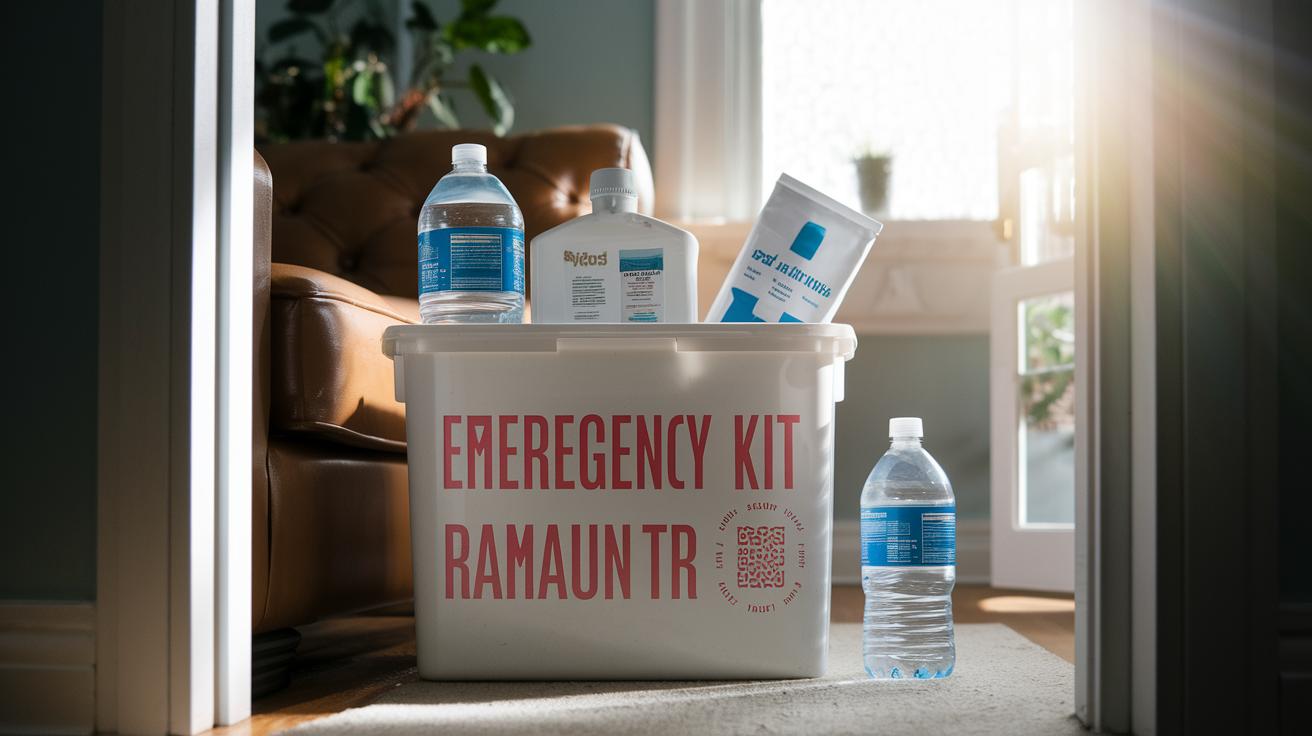
When disaster strikes, a solid emergency plan can make a big difference. Start by putting together a 72-hour kit with water, nonperishable food, and a first-aid kit (supplies to help with minor injuries). This simple step makes it easier for you to act quickly and safely when every minute counts.
Designing Evacuation Routes
Plan at least two clear evacuation routes for your family. Draw maps for a primary path and a backup so each family member knows where to go. Mark the best exits from your home and decide on safe meeting spots outside. Run a practice drill at least twice a year, choose a sunny afternoon so you can review any issues and tweak your plan as needed.
Setting Up Neighborhood Alert Systems
Good communication helps keep everyone safe. Sign up for community alert apps or set up sirens that issue real-time warnings. Make sure main shutoff points for gas and electricity are clearly marked so they can be quickly turned off if needed. Team up with your neighbors to implement similar measures, and hold regular community meetings to boost trust and preparedness.
By planning your emergency kit, mapping clear evacuation routes, and setting up a neighborhood alert system, you protect not just your home but the entire community from future losses.
Review Insurance Coverage to Enhance Property Loss Recovery Readiness
Review your homeowner or renter insurance each year to make sure it still fits your needs. If you live in an area with risks like floods, high winds, or fires, consider adding extra coverage (called endorsements) to protect more against these dangers. This simple check helps connect keeping risks low with bouncing back quickly after a loss.
Keep a list of your belongings by taking clear photos and videos of each room. These records, including any repair or replacement costs, can speed up your claim and help you get back on your feet sooner.
When you need to file a claim, act quickly and file within your policy's timeline. Hold onto all receipts from repairs or temporary moves. Acting fast helps settle your claim properly and leads to a smoother recovery.
Establish Maintenance Schedules and Quality Control for Ongoing Property Protection
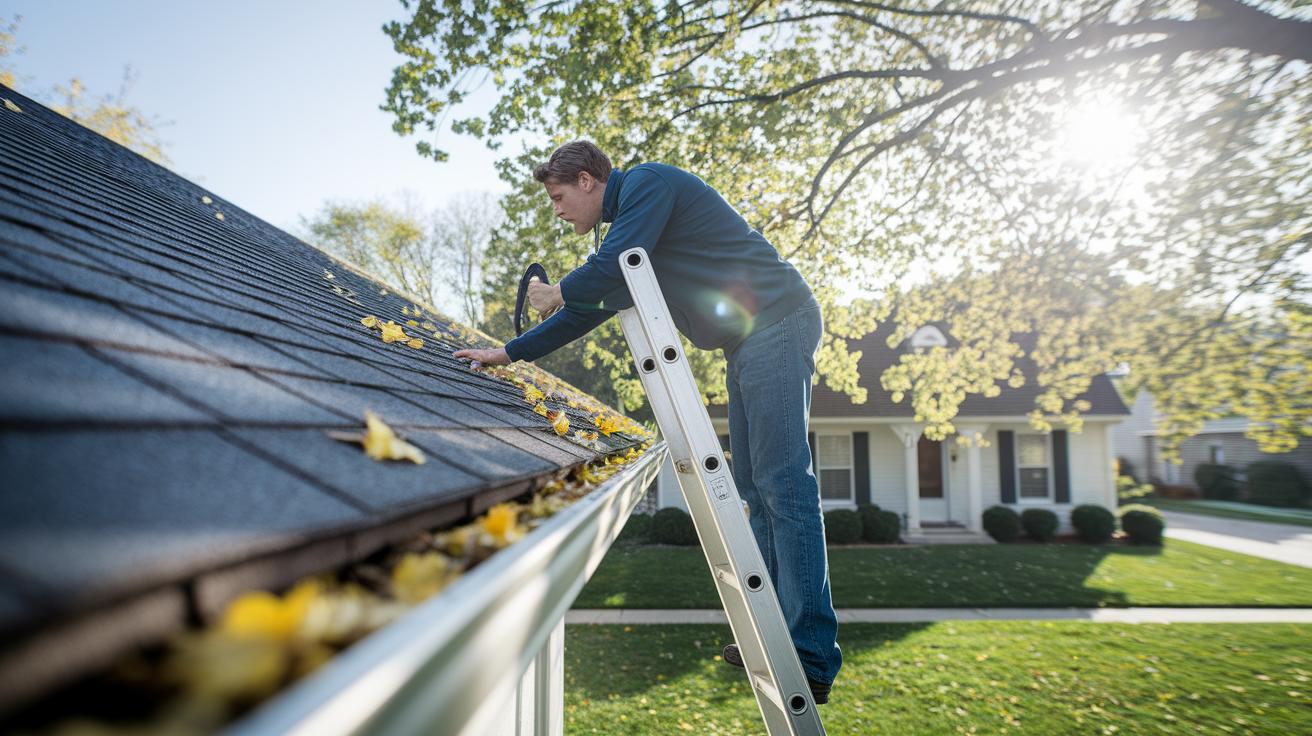
Regular maintenance helps keep your home safe from small issues that can turn into big problems. We recommend inspecting your roof and gutters every spring and fall so you can catch leaks or debris buildup early. Check the health of nearby trees each year and trim or remove any branches that could fall in a storm. Test your smoke and CO alarms (devices that alert you to fire and dangerous gases) and shutoff valves every three months to make sure they are working. This schedule gives you a clear plan to keep your home in top shape.
Keep a detailed log of every maintenance task. Write down the date, your observations, and any repairs you made. Mark each seasonal check and note any follow-ups needed. Also, inspect flood barriers before and after rainy seasons to confirm they work as expected. This regular quality control not only spots issues early but also helps you rest easy knowing your property is always protected.
Integrate Sustainable and Climate-Resilient Design to Protect Property
Eco-friendly home upgrades make your property stronger and better prepared for disasters. We use simple, sustainable plans (methods that save energy and last long) to help your house stand up to extreme weather.
Consider these practical ideas:
- Use pavers that let water pass through and plant rain gardens to manage runoff and lessen stress on your foundation.
- Add green roofs or reflective coatings to keep your home cooler and reduce fire risks.
- Lift HVAC and electrical systems above the flood line to prevent water damage during storms.
Landscape with low-fuel, fire-resistant plants to protect your surroundings. Choose building materials based on local weather patterns to suit your area. Every upgrade adds another layer of defense, making your home safer and more efficient for years to come.
Utilize Government Incentives and Community Resources for Property Loss Prevention
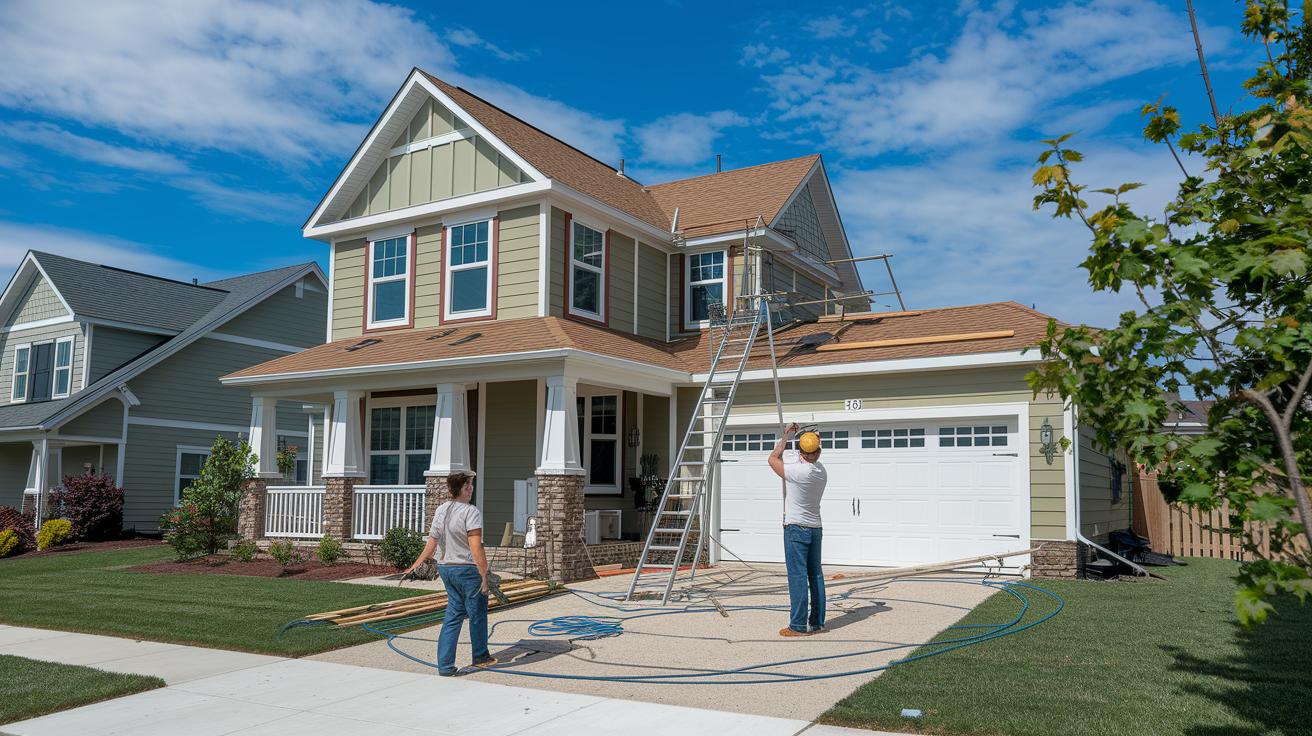
Government programs can cut your costs when you update your home to handle future disasters. For example, the FEMA Hazard Mitigation Grant Program can cover up to 75% of the retrofit expenses. Many states also offer tax breaks for upgrades that make homes more energy efficient or storm-resistant. Your local planning office might even hold workshops to share useful materials and advice on hazard planning.
There are also grants for upgrades and low-interest disaster loans available to help with recovery. The SBA offers loans for repair work and mitigation (steps to stop further damage), which can lower the financial burden. Using these funding options can help you enhance your home's safety without hurting your budget.
Start early by gathering clear records of any past damage and detailed plans for improvements. Keep an eye on deadlines and make sure you have all the necessary paperwork. These community resources not only give you funds but also offer practical tips on managing emergency resources, helping you build a stronger defense against future property loss.
Final Words
In the action, we reviewed a step-by-step plan to protect your property after a disaster. We broke down how to assess hazards, retrofit your home, review insurance, and set up maintenance and community safeguards. Each step is designed for fast, clear action to reduce costs and rebuild safely. Following these measures helps prevent future property loss after disaster and sets you on the path to a quicker recovery. We stand ready to help you secure a safer, more prepared home.
FAQ
What are 10 ways to prevent natural disasters?
The approach includes hazard assessments, structural reinforcements, securing valuables, assembling emergency kits, practicing drills, regular maintenance, clear evacuation plans, updating insurance, timely repairs, and community coordination.
What are some hazard mitigation examples?
Hazard mitigation examples include conducting vulnerability appraisals, reinforcing structures, preparing emergency kits, scheduling regular maintenance, drafting clear evacuation plans, and reviewing insurance to reduce future damages.
What is the first step in hazard mitigation after identifying a hazard?
The first step is to evaluate the risk by assessing local hazards and property weaknesses. This assessment guides the planning of actions to reduce damage and protect lives.
How do you mitigate house mold issues?
House mold mitigation involves drying affected areas, cleaning surfaces with disinfectants, addressing water leaks, and improving ventilation. These steps help contain mold and prevent further damage.
What is a FEMA Hazard Mitigation Plan template?
A FEMA Hazard Mitigation Plan template provides a clear outline for evaluating risks, setting priorities, and planning actions. It helps communities prepare systematic steps to reduce disaster damage and protect people.
What does a mitigation plan example include?
A mitigation plan example includes hazard assessments, emergency response protocols, assembling kits, securing valuables, documenting damages, and scheduled maintenance—all aimed at reducing future risk and damage.
What are the top ways to prevent natural disasters?
The top methods include performing risk assessments, reinforcing structures, preparing emergency kits, setting up clear evacuation routes, practicing community drills, and maintaining properties to reduce disaster impact.
What happens to property values after a natural disaster?
Property values often fall after a disaster due to damage and market shifts. Timely repairs and improved mitigation measures can help restore and stabilize property values over time.
What is the disaster relief fund?
A disaster relief fund is a reserve of resources set aside to help rebuild and repair communities after a disaster. It supports immediate recovery and long-term restoration efforts.
What are two actions to avoid after a disaster?
Avoid ignoring hazards like gas leaks and postponing contact with professional restoration services. Not addressing safety risks promptly can increase damage and delay recovery.
Which step focuses on reducing loss of lives and property and preventing future emergencies?
Hazard mitigation is the step that focuses on reducing risks by assessing vulnerabilities, reinforcing structures, and preparing emergency plans to protect both lives and property.