
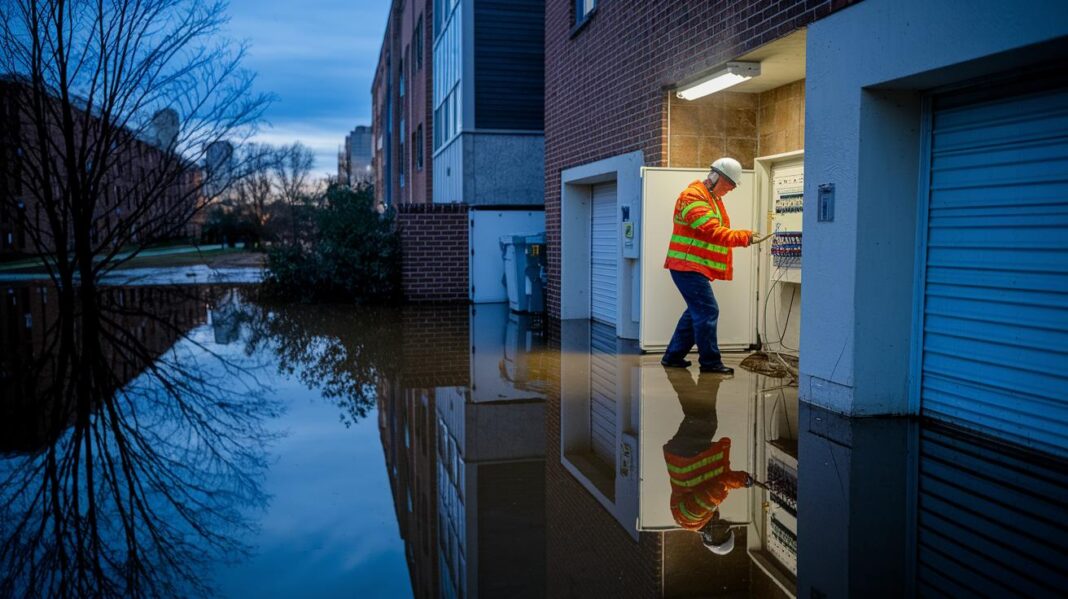

Imagine a small leak putting your loved ones at risk. Water pooling near outlets or cords can lead to electrical shock because electricity and water don't mix. I know this is stressful, so we're here to help with clear, simple steps.
We explain when you should shut off power to keep your home safe. We break it down into easy steps so you know exactly what to do during water damage. Follow these quick instructions to protect your family and your home.
When to Shut Off Power After Water Damage
When water touches outlets, cords, or panels, assume the electricity is still on. If water is very close to electrical parts, shut off the main breaker right away. For your safety, wear dry, rubber-soled shoes and use one hand when adjusting the breakers. Approach the panel from the side so you don't step in water or touch wet surfaces. Even a small amount of water can hide more moisture that may put you and your home at risk.
If the main panel is underwater or hard to reach, do not try to get to it yourself. Instead, call your local utility company to disconnect the power at the meter. Also, be aware that battery backups, generators, or solar installations might keep some parts of your home powered even after the main breaker is off. Treat any sign of water near electrical parts as an emergency to avoid shock or fire from damaged wiring and insulation.
After you have cut the power safely, plan for a professional check before turning the electricity back on. Use extra caution with any temporary power options until an expert tells you it is safe. For a full guide on keeping your home secure after a flood, check the home safety checklist at home safety checklist after a flood. Waiting for a licensed electrician to inspect the area helps ensure that hidden moisture and corrosion do not cause future problems.
Recognizing Electrical Danger Signs After Water Damage
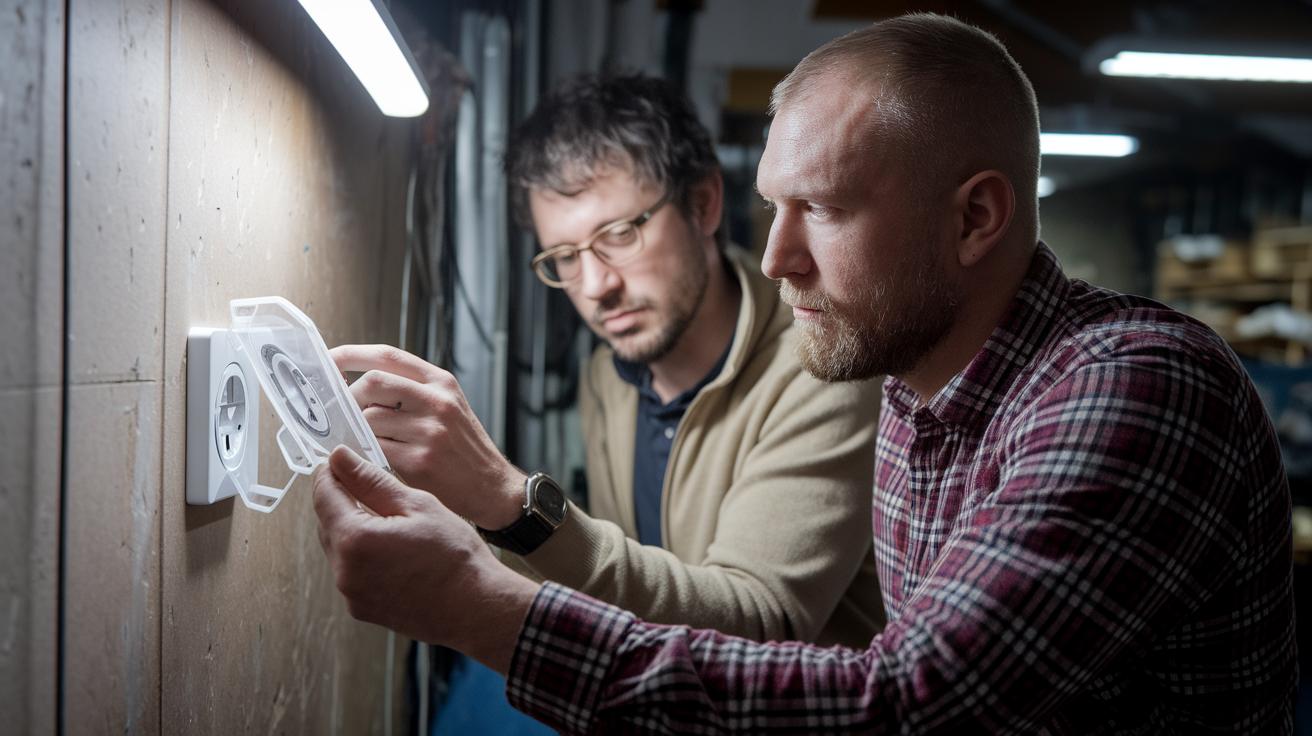
When water gets into your home, it can quickly create hidden electrical dangers. You might notice signs that your circuits are not working as they should. Sometimes, electrical parts remain powered even after a leak. We know this can be stressful, so it helps to know what to look for right away.
Here are some warning signs to watch for:
- Flickering lights
- Breakers that trip often (the breaker is a switch that cuts power when too much electricity flows)
- Burning smells around outlets or switches
- Buzzing noises coming from electrical boxes
- Switch plates that feel warm or show discoloration
- GFCI outlets (special outlets that help prevent electric shocks) that do not pass tests
- Corrosion on outlet covers or inside electrical panels
- Water stains by baseboards or at outlets
If you see any of these signs, it means water may have damaged your electrical system. Even if things still seem to work, the hidden moisture could later cause short circuits or even fires. The best next step is to call a licensed professional right away to inspect your wiring and electrical devices.
Safe Procedures for Shutting Off and Isolating Power After Water Damage
If you see water near wiring or electrical panels, be very careful. Make sure you have dry shoes and a clear path before you approach the main breaker. If you need to remove a cover, use a tool that is not made of metal to avoid the risk of a shock. Stand to the side of the panel and try to use one hand when switching circuits. This simple step lowers your risk of getting shocked.
If you can reach individual circuits easily, turn them off first. This extra step helps prevent power surges and keeps the wet areas separate. Once you have switched off the circuits, check with a non-contact voltage tester (a tool that detects electricity without touching wires) to be sure the power is off. Take your time here because hidden moisture might still make wires active even when you cannot see any power.
Remember, backup systems like generators, solar setups, or battery backups might still be live even after you turn off the main breaker. Stay cautious around these devices and do not reset any breakers until a licensed technician confirms it is safe. Avoid using any electrical device until a complete inspection has been performed.
For complete safety and proper power restoration, call professional emergency restoration services at emergency restoration services. They will inspect your system and guide you through the right steps for a safe repair after water damage.
Professional Inspection and Repair of Electrical Systems After Water Damage
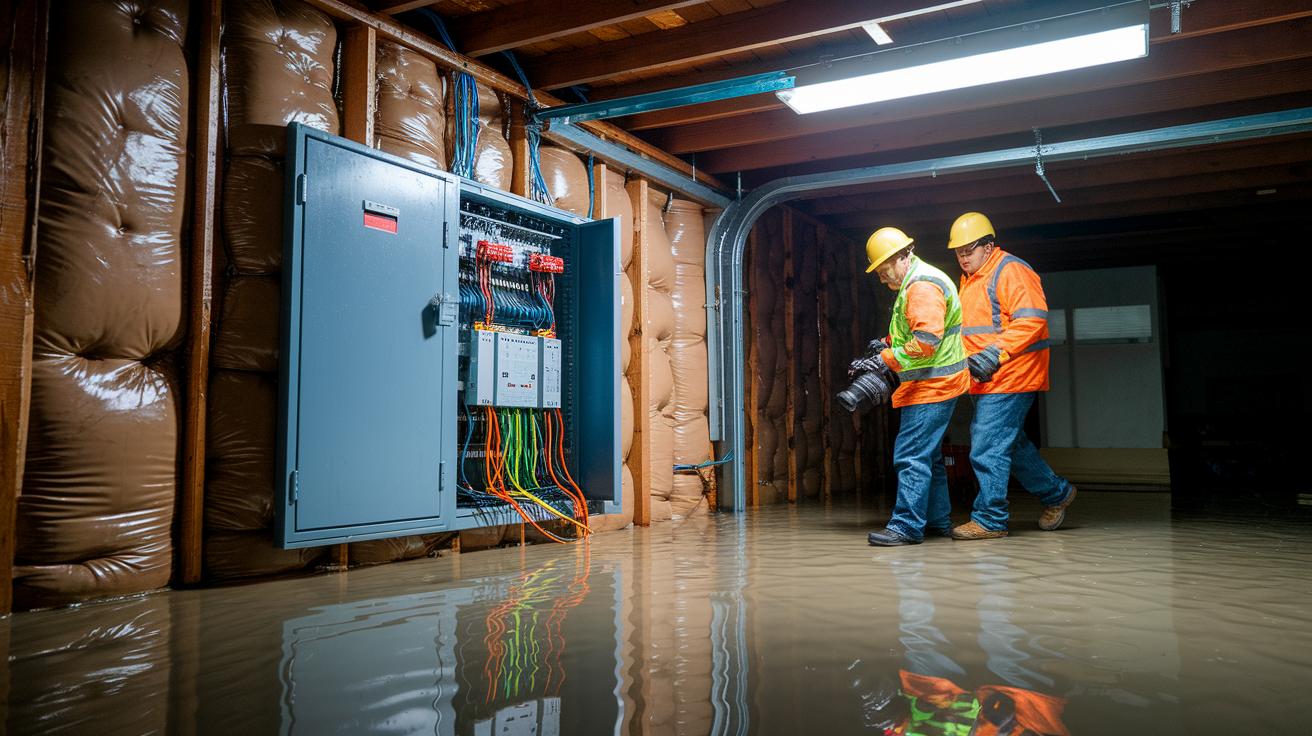
If your home has water damage, a licensed electrician needs to check your electrical system right away. We look over panels (the boxes that control your power), bus bars (the metal strips that carry electricity), and wiring for any corrosion that might weaken these parts. We also run insulation resistance tests (simple checks to see how well wiring can fight off moisture) to find hidden water damage. This step is important because unseen moisture can eventually lead to dangerous electrical issues. Early checks help keep your home and family safe.
Our electricians also inspect breakers (safety switches), outlets, and light switches to catch any sparking or issues with how they work. In cases of serious internal corrosion or damaged insulation, we may need to replace the entire panel. This careful check makes sure every part meets today’s safety codes. We also test built-in devices like GFCI (Ground Fault Circuit Interrupter, which stops shocks) and AFCI (Arc Fault Circuit Interrupter, which stops dangerous sparks) to ensure they work properly in wet areas. These inspections help prevent later electrical failures and fires during flood recovery.
A professional inspection after a flood isn’t just about fixing immediate problems, it also protects your long-term safety. Certified electricians use special tools to spot hidden water damage, ensuring that repairs and replacements follow strict safety codes. This thorough work reduces the chance of future hazards and keeps your system running reliably. Trusting experts with your electric system check is the best way to restore safety and peace of mind in your home.
Preventive Measures for Electrical Safety After Water Damage
We know that water damage can create electrical risks. Taking action now helps keep you safe in the future. We recommend using GFCI outlets (safety plugs that reduce shocks) in areas where moisture is common. You can also move your main panels and disconnects to higher spots so water is less likely to reach them. Upgrading to weatherproof breakers and covers helps keep moisture out.
You can further improve your safety by adding whole-house surge protection and installing moisture alarms and auto shutoff valves (devices that turn off power when needed). These steps catch problems early. Scheduling annual inspections also helps spot hidden issues before they cause harm.
| Preventive Measure | Benefit |
|---|---|
| Install GFCI outlets | Reduces risk of electric shock |
| Relocate main panels | Less exposure to water |
| Upgrade breakers and covers | Improves weather resistance |
| Add surge protection | Guards against power spikes |
| Schedule annual inspections | Finds hidden issues early |
Final Words
In the action, we covered safe shutdown steps when water meets electricity. Our guide highlighted clear indicators of risk and precise methods to cut power safely.
We walked through important tips and precautions, including electrical safety after water damage (when to shut off power), to keep you and your home secure.
Taking these steps now means a safer recovery and a faster return to normal. Stay alert, follow proper procedures, and remember help is always on the way.
FAQ
How long does it take for electrical wiring to dry out?
The drying time for electrical wiring depends on moisture levels and environmental conditions. It typically takes several days for wiring to dry fully, so professional evaluation is advised before restoring power.
When to turn on the breaker after a flood?
The breaker should only be turned on after a professional inspection confirms the wiring is safe. This cautious approach prevents potential shocks or fires from lingering moisture.
What happens when electrical wiring gets wet?
Electrical wiring that gets wet may lead to short circuits, breaker trips, or even fires. Moisture can damage insulation and create risks, so addressing water exposure promptly is essential for safety.
Can electronics be fixed after water damage?
Electronics affected by water damage can sometimes be repaired if dried and cleaned quickly. However, lasting damage may occur, so having a professional assess and repair devices ensures safety and proper functionality.