
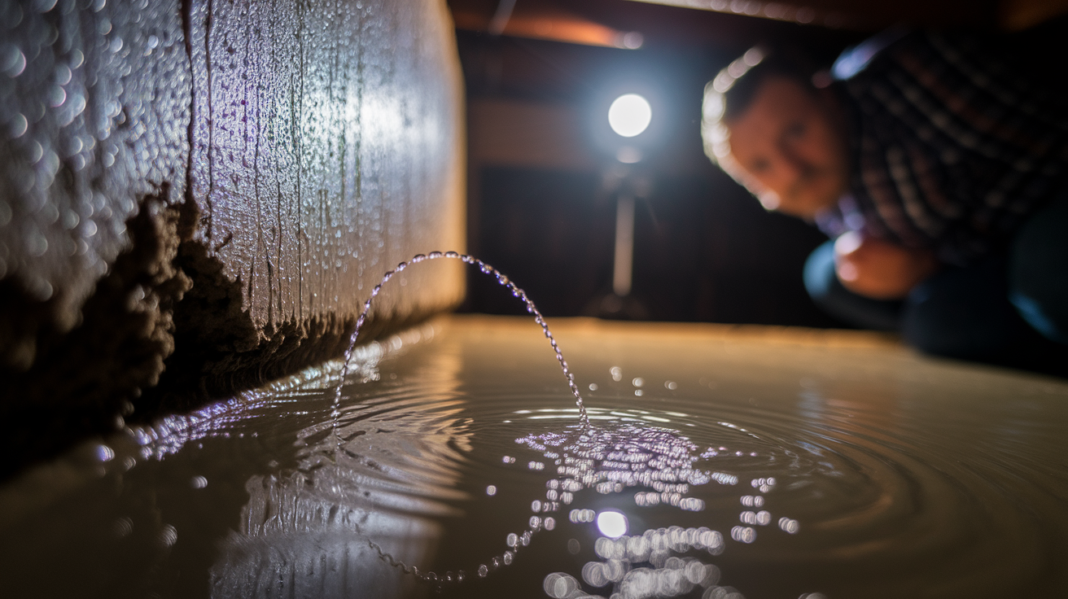

Think crawlspace flooding only happens in big storms? It’s not just storms.
Water gets in two main ways: from the surface—bad grading, clogged gutters, downspouts too close to the house—and from below—rising groundwater, hydrostatic pressure (soil pushing on walls), or wet soil finding tiny cracks.
Plumbing and HVAC leaks hide under the house, too.
This post walks through the six main causes, shows what to check after rain, and explains the fixes that stop water and keep rot, mold, and expensive repairs away.
Key Crawlspace Water Entry Causes Explained

Water gets into crawlspaces two ways: from the surface and from below. Surface water is rainwater that pools around your foundation because of bad grading, gutters that don’t work, or downspouts dumping water right next to the house. Just a few inches of rain on your roof can create enough runoff to flood a crawlspace if the drainage isn’t working. You want grading that slopes away from the foundation at about 5%, which is roughly 6 inches of drop over 10 feet. Downspouts need to extend at least 4 to 6 feet out to keep water away from the perimeter.
Subsurface water moves through soil and pushes against foundation walls from below and from the sides. When groundwater rises during storms, hydrostatic pressure (that’s the force of saturated soil pressing on concrete) forces moisture through hairline cracks, mortar joints, and the spots where walls meet floors. Clay soil holds onto water and swells when it’s wet, which makes the pressure worse. Even homes without visible cracks can see seepage when groundwater climbs after days of heavy rain.
Here are six major causes you need to check when you’re trying to figure out why your crawlspace is flooding:
- Grading that slopes toward the foundation instead of away from it
- Gutters and downspouts that are clogged or missing, concentrating roof runoff right at the foundation
- High water table during long storms or seasonal changes
- Hydrostatic pressure from saturated soil pressing on walls
- Foundation entry points like cracks, joints, and gaps around pipes
- Seasonal storms that overwhelm drainage systems fast
Catching it early matters. The longer water sits in a crawlspace, the faster it spreads into joists, insulation, and support beams. Homeowners who check after heavy rain and fix small drainage problems before they turn into chronic flooding save thousands on structural repairs and mold cleanup.
Surface Level Crawlspace Flooding Causes Homeowners Overlook

Most people worry about foundation cracks and forget that the majority of crawlspace flooding starts at ground level. Yard grading is your first defense, but soil settles, landscaping changes, and uneven fills create low spots that collect water and send it toward the foundation instead of away. When soil slopes toward your home (even a little), every rainstorm pushes runoff into the crawlspace perimeter. Overwatering your lawn, flower beds, or foundation plantings with sprinklers adds hundreds of gallons each week to soil near the foundation, keeping it saturated and ready to flood during the next storm.
Gutters that overflow dump concentrated streams of roof water directly onto soil next to your foundation. Without working gutters and extended downspouts, even moderate rain becomes a localized flood at the base of your home. Retaining walls installed too close to the foundation can trap water and stop drainage. Nearby construction, new driveways, or regraded neighboring yards sometimes redirect stormwater onto your property, changing drainage patterns that worked fine for years.
Common things people miss that contribute to surface flooding:
- Overwatering landscaping, which keeps soil saturated near the foundation
- Yard settling over time that creates low spots near crawlspace access
- Retaining walls or hardscaping too close to the home, blocking natural drainage
- Neighboring property grading changes or new construction that redirect runoff your way
Subsurface Crawlspace Flooding Causes: Groundwater, Pressure, and Soil Behavior

High water table happens when underground water levels rise close to the surface during long rain events or seasonal snowmelt. Homes built in areas with naturally high groundwater or near rivers, creeks, or floodplains see this regularly. During multi-day storms, the saturated zone underground can rise into the crawlspace through the dirt floor or press against foundation walls from below. You might see a damp footprint or water line rising on concrete walls even when the surface outside looks dry. Efflorescence (those white powdery deposits on masonry) marks where groundwater has seeped through and evaporated, leaving mineral salts behind.
Clay soil holds water like a sponge and expands when wet, then shrinks when dry. This cycle creates pressure against foundation walls and opens small gaps in mortar joints or concrete. Sandy soil drains faster but offers less support, letting water move quickly toward the lowest point, often your crawlspace. Capillary action pulls moisture upward through soil and porous concrete like a wick, wetting materials above the visible water line. Even when standing water drains away, capillary rise keeps the lower portions of foundation walls and floor joists damp for weeks.
Subsurface water needs somewhere to go. Without perimeter drainage systems (French drains, exterior footing drains, or interior drain channels tied to a sump pit), hydrostatic pressure keeps pushing water through any weak point it finds. Relieving that pressure means either redirecting groundwater away from the foundation or capturing it and pumping it out before it enters the crawlspace. Ignoring subsurface causes means your crawlspace will flood every time the water table rises, no matter how perfect your gutters and grading are.
Crawlspace Flooding From Gutters, Downspouts, and Roof Runoff Mismanagement
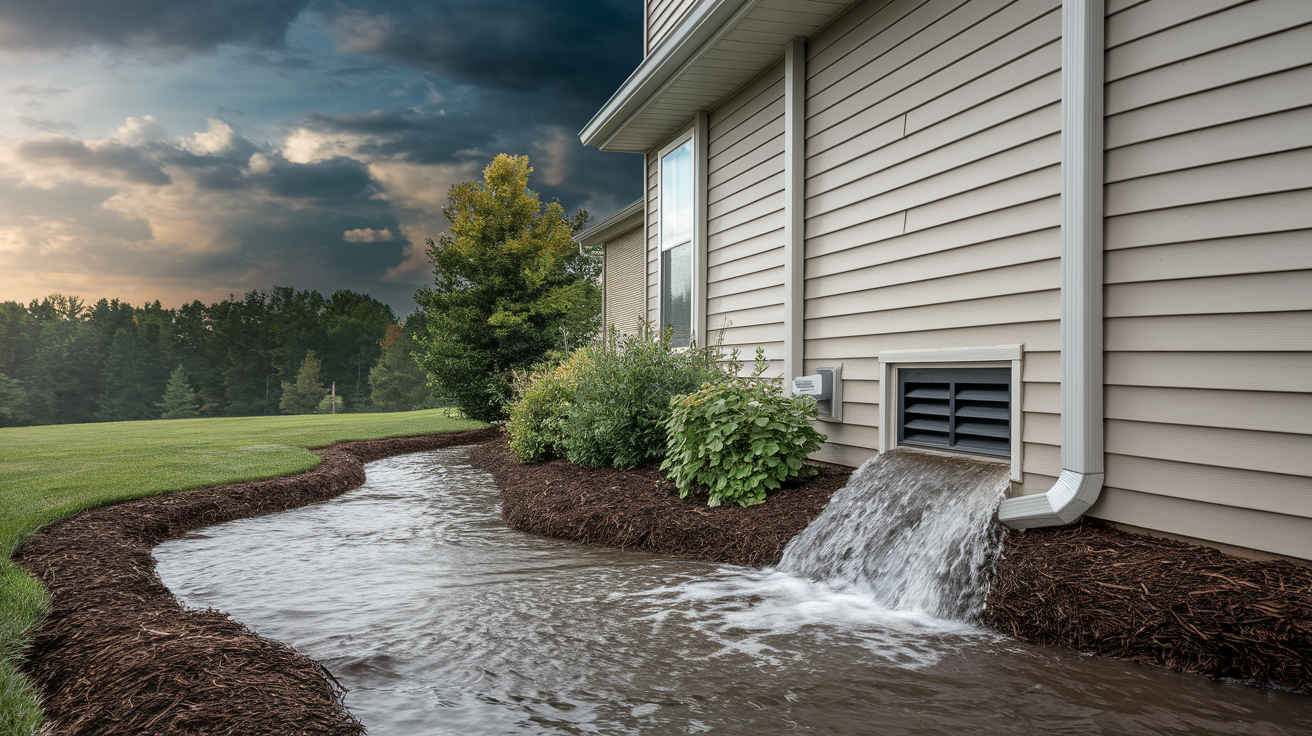
Gutters should be cleaned at least twice a year. More often if you’ve got overhanging trees. Leaves, shingle grit, and debris clog gutter channels and downspouts, causing water to overflow and pour directly onto the soil beside your foundation. A single inch of rain on a 1,500 square foot roof produces nearly 1,000 gallons of runoff. Without gutters or with clogged systems, that volume dumps in a narrow band right where your foundation meets the ground, saturating soil and forcing water into the crawlspace through cracks, vents, or the dirt floor.
Downspouts that discharge within a few feet of the foundation might as well dump directly into your crawlspace. Water needs distance to disperse and soak into soil safely. Extending downspouts 4 to 6 feet away (either with above-ground extensions, buried drain lines, or splash blocks on a slope) moves the water far enough that it won’t pool and seep back toward the foundation. If your yard slopes back toward the house, even extended downspouts can fail unless you add underground discharge lines that daylight farther away or tie into a storm drain system.
Three signs that gutter and downspout problems are causing crawlspace flooding:
- Gutters overflowing during moderate rain, with water streaming over the edges instead of flowing to downspouts
- Soil erosion or visible channels in mulch and landscaping directly below gutter edges
- Downspout discharge pooling within three feet of the foundation, with damp or muddy soil that stays wet between storms
Foundation Related Crawlspace Flooding Causes

Foundation cracks are entry points for water whenever surrounding soil is saturated. Hairline cracks (those thinner than 1/16 inch) can still let seepage in during heavy rain or when hydrostatic pressure spikes. Cracks wider than 1/4 inch need structural evaluation because they may mean settlement, soil movement, or freeze/thaw damage that’s getting worse. Mortar joints between concrete blocks erode and crack as homes age, creating gaps that let groundwater seep through. Wall-floor joints, where the foundation wall meets the footing or slab, are common failure points because the two poured surfaces don’t bond perfectly and can separate slightly as soil shifts.
Freeze/thaw cycles make concrete fractures worse. Water enters a small crack, freezes, expands, and widens the gap. Over multiple winters, hairline cracks grow into structural problems. Signs of active seepage include damp spots on interior foundation walls after rain, mineral staining that spreads over time, or small puddles that appear along the base of walls even when the crawlspace floor looks dry. Foundation settlement (caused by soil compression, poor compaction during construction, or erosion) creates uneven stress on walls and opens cracks that weren’t there before.
Not all cracks need immediate repair, but any crack that admits water during storms should be sealed. Passive cracks in dry conditions might only need monitoring. Active seepage requires either interior sealant, exterior excavation and waterproofing, or crack injection with epoxy or polyurethane depending on whether the crack is structural or just leaking. Ignoring foundation related flooding leads to progressive damage. More cracks, more water, more repair cost.
Crawlspace Flooding From Plumbing, HVAC, and Mechanical Failures

Plumbing leaks under the house create continuous moisture even during dry weather. A slow drip from a supply line, a pinhole leak in copper pipe, or a failing valve can release hundreds of gallons over weeks, soaking the crawlspace floor and creating conditions that look like storm flooding. HVAC systems with condensate drain lines routed into the crawlspace sometimes drip onto dirt floors when the line clogs or disconnects. In humid climates or during cooling season, an air handler can produce several gallons of condensate daily. If that water doesn’t drain away, it pools under ducts and near equipment, wetting insulation and wood framing.
Sewer backups are rare but catastrophic. When a main sewer line clogs or a septic system fails, wastewater can back up into the lowest drains, including any fixtures or floor drains in or near the crawlspace. Sewage contamination needs immediate professional cleanup because of health hazards and the need for disinfection and safe waste removal. Even clean water plumbing failures, like a burst washing machine supply hose on the first floor, can send water through the subfloor into the crawlspace below.
Three warning signs of mechanical and plumbing related crawlspace water problems:
- Dampness or standing water in the crawlspace even during weeks without rain
- Water stains or corrosion near plumbing runs, below bathrooms, kitchens, or laundry areas
- Musty odors or visible mold near HVAC equipment, condensate lines, or water heater installations
Seasonal, Storm, and Weather Driven Crawlspace Flooding Causes

Heavy rainstorms saturate soil faster than it can drain, spiking hydrostatic pressure and overwhelming exterior drainage systems. A few inches of rain in a short period (common during thunderstorms or tropical systems) can flood a crawlspace in hours if gutters, grading, and perimeter drains aren’t sized and maintained for peak flow. Properties near rivers, creeks, or mapped floodplains see rapid groundwater rise during storms as runoff raises the water table temporarily. Flash floods push surface water toward homes faster than soil can absorb it, pooling around foundations and forcing entry through vents, cracks, and dirt floors.
Seasonal patterns matter. Spring snowmelt combined with rain creates the highest groundwater levels of the year in many regions. Late summer thunderstorms dump intense rainfall on dry, compacted soil that sheds water instead of absorbing it. Winter ice dams on roofs can cause water to back up under shingles and drip into wall cavities or run down to the foundation, entering the crawlspace from above instead of below. Homes in areas with high annual rainfall (40+ inches per year) face chronic moisture pressure and need more robust drainage and waterproofing systems than homes in arid climates.
Five weather related risks that cause crawlspace flooding:
- Multi-day storms that saturate soil and raise the water table into the crawlspace zone
- Flash floods that overwhelm surface drainage and push water into vents and access doors
- Spring snowmelt combined with rain, creating peak groundwater conditions
- Ice dams in winter that force roof runoff down exterior walls into the crawlspace perimeter
- Properties in floodplains or near bodies of water that experience rapid water level changes during storms
Vapor Barrier, Encapsulation, and Ventilation Issues That Cause Crawlspace Flooding Symptoms
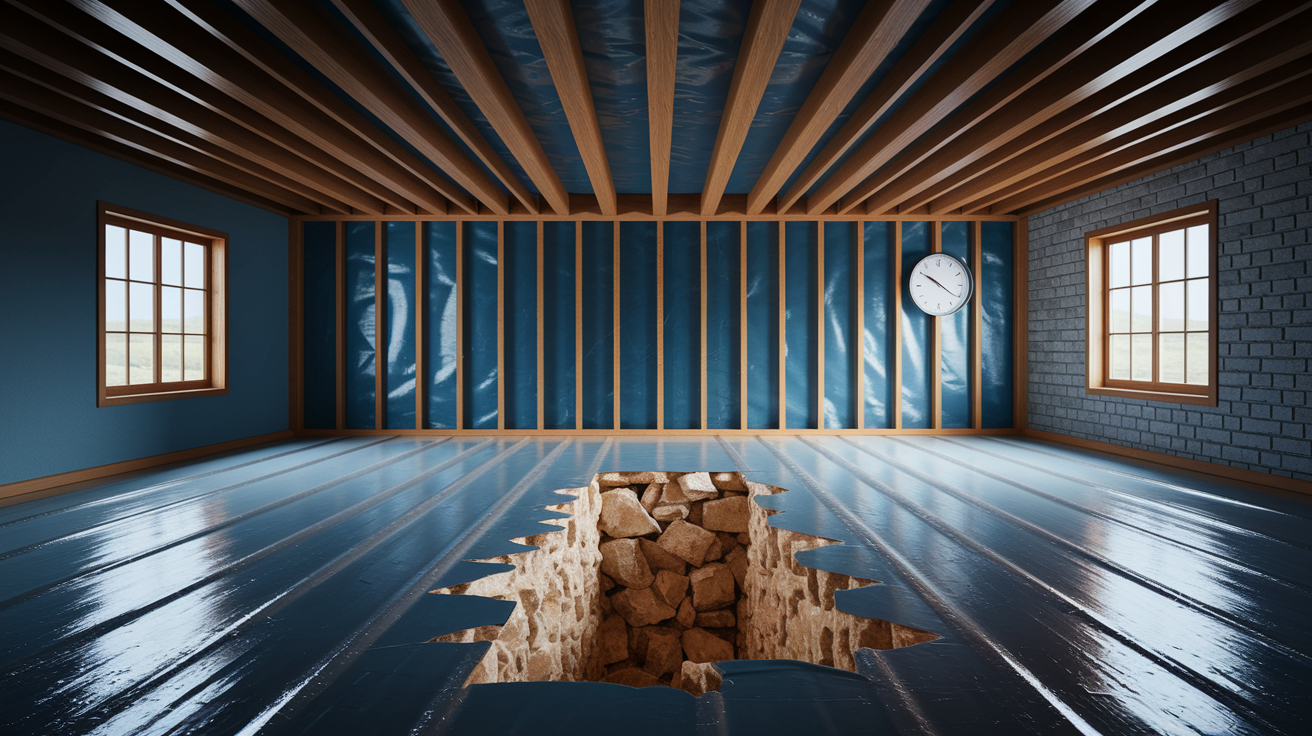
Vapor barriers are supposed to block ground moisture from evaporating into the crawlspace, but thin 6 mil or 12 mil polyethylene sheets tear easily during installation or from foot traffic, pest activity, or settling. Once torn, soil moisture rises through the dirt floor and condenses on cooler surfaces (joists, ducts, insulation), creating damp conditions that mimic active flooding. A 20 mil vapor barrier, properly sealed at seams and edges, prevents ground moisture from entering the air. Seams must overlap and be taped with quality barrier tape, and edges should be sealed to foundation walls with adhesive or mechanical fasteners to stop moisture from wicking around the barrier.
Poor ventilation in a vented crawlspace during humid months pulls warm, moist outside air into the cooler crawlspace, where it condenses on cold surfaces and drips like rain. This condensation can wet insulation, rust fasteners, and promote mold growth even without any groundwater or surface water intrusion. Relative humidity above 60% in the crawlspace increases mold risk significantly. The target after remediation and encapsulation is 30 to 50% RH, maintained with a crawlspace rated dehumidifier. Homes that encapsulate and seal vents eliminate the outdoor humidity source and stabilize moisture levels year-round.
Encapsulation failures (poorly installed barriers, missed seams, or gaps around piers and penetrations) allow ground moisture to bypass the system. When homeowners see damp conditions after encapsulation, the issue is usually installation quality, not the concept itself. A proper encapsulation seals the floor, walls up to the sill plate, and all penetrations, turning the crawlspace into a conditioned or semi-conditioned space with controlled humidity. Without addressing ventilation and vapor barriers, crawlspace “flooding” becomes a recurring cycle of condensation and evaporation that never fully dries.
How Drainage System Failures Become Crawlspace Flooding Causes
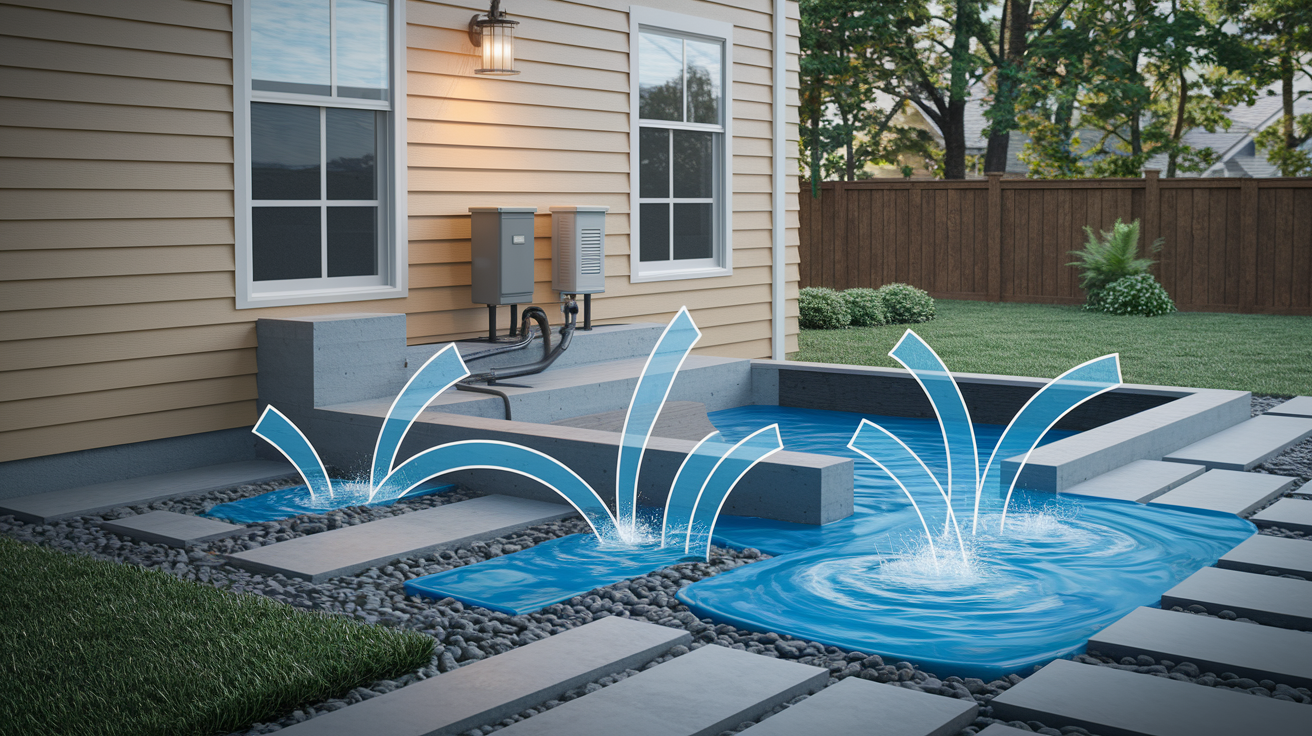
Perimeter drainage systems (French drains, exterior footing drains, or interior perimeter channels) are designed to intercept groundwater before it reaches the foundation. When these systems clog with soil, roots, or sediment, water backs up and floods the crawlspace instead of draining away. French drains installed without proper gravel bedding or filter fabric can collapse or fill with fines over time, losing capacity. Exterior drains buried during construction may have been damaged by landscaping, settling, or root intrusion, and homeowners often don’t realize the system has failed until flooding occurs.
Sump pumps remove water that collects in a sump pit, typically at the lowest point of the crawlspace or basement. Residential pumps rated at 1/3 to 1/2 horsepower can move 2,000 to 4,000 gallons per hour at zero head. Pumps fail when the float switch sticks, the impeller clogs, or the motor burns out from continuous use during prolonged storms. Pumps without check valves allow water to flow backward into the pit after each cycle, causing the pump to run constantly and wear out faster. Battery backup systems prevent flooding during power outages, which often occur during the same storms that cause the heaviest runoff.
Interior drain systems installed along the foundation perimeter collect seepage and direct it to a sump pit. If the pit fills faster than the pump can remove water (due to undersized pump capacity, clogged discharge lines, or pump failure), the crawlspace floods. Regular sump pump maintenance includes testing the pump monthly by pouring water into the pit to verify it activates, checking the discharge line for clogs or freezing, and replacing pumps every 5 to 10 years depending on use.
| System | Typical Failure | Flooding Result |
|---|---|---|
| French Drain | Clogged with soil, roots, or sediment; damaged by landscaping or settling | Groundwater backs up and enters crawlspace through foundation cracks or dirt floor |
| Sump Pump | Float switch failure, motor burnout, clogged impeller, power outage without backup | Pit overflows; standing water spreads across crawlspace floor |
| Interior Perimeter Drain | Channel clogs, discharge line blocked, or undersized for storm volume | Water seeps through foundation and pools along walls instead of draining to sump |
Structural Damage Caused by Crawlspace Flooding and Why It Matters

Prolonged moisture in a crawlspace causes wood rot in floor joists, sill plates, and support beams. Mold starts growing within 24 to 48 hours of wetting, spreading through wood framing and insulation. Wet wood loses strength, sags, and becomes spongy to the touch. Floors above the crawlspace feel soft or bouncy when joists lose structural integrity. Sill plates (the treated lumber that sits on top of the foundation and supports the house framing) rot from the bottom up when exposed to constant moisture, compromising the connection between the foundation and the home.
Wet insulation loses R-value and traps moisture against wood framing, speeding up decay. Fiberglass batt insulation absorbs water like a sponge and stays wet for weeks, increasing HVAC energy use by 15 to 25% because the home loses conditioned air through the floor. Wet insulation also adds weight to the floor system, pulling down on joists and fasteners. Once insulation is soaked, it must be removed and replaced after the crawlspace is dried and the water source is fixed. Leaving wet insulation in place guarantees mold growth and structural damage.
Major structural risks from crawlspace flooding:
- Wood rot in floor joists and beams, leading to sagging floors, bounce, and eventual structural failure
- Sill plate rot that weakens the connection between foundation and house framing, requiring expensive sister joist repairs or full sill replacement
- Mold growth on framing lumber, subfloor, and insulation, contaminating indoor air and requiring remediation
- Insulation saturation that increases energy costs, adds weight to the floor system, and traps moisture against wood
Long Term Prevention for Crawlspace Flooding Causes
Preventing crawlspace flooding starts with controlling surface water. Regrade soil so it slopes away from the foundation at least 6 inches over 10 feet, ideally for the first 10 feet around the entire perimeter. Fill low spots near the foundation and extend downspouts at least 4 to 6 feet away, using buried extensions or above-ground splash blocks that discharge onto sloped ground. Gutters should be cleaned every 6 months minimum. More often in areas with heavy tree cover or frequent storms. Inspect gutters after major storms to confirm they aren’t overflowing or pulling away from the fascia.
Subsurface water requires drainage systems. Install French drains or exterior footing drains if groundwater regularly enters the crawlspace. Interior perimeter drains tied to a sump pump work when exterior excavation isn’t feasible. Sump pumps need regular testing (pour water into the pit monthly to confirm the pump activates) and should include a battery backup or generator connection to handle power outages during storms. Replace sump pumps every 5 to 10 years, or sooner if the pump cycles constantly or fails to keep the pit empty during rain.
Encapsulate the crawlspace with a sealed 20 mil vapor barrier on the floor and up the foundation walls. Seal all seams, edges, and penetrations. Install a crawlspace rated dehumidifier to maintain relative humidity between 30 and 50%, preventing condensation and mold. Inspect the vapor barrier, dehumidifier filters, and sump pump annually, and check the crawlspace after every heavy rain for standing water, new odors, or moisture readings above 60% RH. Scheduling an annual professional inspection catches small problems (cracked barriers, clogged drains, failing pumps) before they cause flooding.
Five long term prevention steps every homeowner should take:
- Regrade yard to slope away from foundation and fill low spots that collect water near the house
- Clean gutters every 6 months and extend downspouts 4 to 6 feet minimum from the foundation
- Install or upgrade perimeter drainage systems (French drains or interior channels) and tie them to a reliable sump pump with battery backup
- Encapsulate the crawlspace with a heavy duty vapor barrier and maintain 30 to 50% relative humidity with a dehumidifier
- Schedule annual professional inspections of drainage systems, sump pumps, and vapor barriers to catch failures early
When Crawlspace Flooding Causes Require Professional Help
DIY methods work for minor moisture issues, but certain conditions demand professional waterproofing, structural repair, or mold remediation. Standing water deeper than 1 inch that won’t drain after a storm or reappears after pumping indicates a chronic drainage failure that needs excavation, perimeter drains, or sump system installation. Mold covering more than 10 square feet, or any mold on structural framing, requires professional remediation to contain spores, remove contaminated materials safely, and verify clearance with post remediation testing.
Foundation cracks wider than 1/4 inch, or any crack that shows vertical displacement or ongoing movement, need structural evaluation. These cracks may indicate settlement, soil pressure, or foundation failure that can’t be fixed with surface sealants. Repeated sump pump failures (where the pump runs continuously, doesn’t keep the pit empty, or fails during every storm) signal an undersized system, clogged discharge, or capacity problem that requires a pump upgrade, additional pits, or exterior drainage improvements.
Document all damage before starting repairs. Photograph standing water, measure depths, capture images of stains, mold, and damaged materials. Record dates and weather conditions. This documentation supports insurance claims for water damage, mold remediation, and structural repairs. Some policies cover sudden plumbing failures but exclude gradual seepage or maintenance related flooding. Professional remediation companies provide detailed reports, moisture readings, and scope documents that help with claims and provide a record of work completed. When damage is severe, hiring professionals protects your home’s structure, your family’s health, and your insurance recovery options.
Final Words
First, stop the water and reduce ongoing damage—clean gutters, extend downspouts, run the sump pump, or call someone who can.
This post walked through how surface runoff, high groundwater and hydrostatic pressure, blocked drains, foundation cracks, plumbing failures, and poor encapsulation all lead to wet crawlspaces. It also covered checks, fixes, and when to bring in a pro.
Knowing the common crawlspace flooding causes helps you act fast, document what happened, and move from emergency to repair. You’ll get this fixed and back to normal.
FAQ
Q: Is it normal for a crawl space to flood?
A: It’s common for crawl spaces to flood when grading, gutters, or groundwater fail, but it’s not acceptable. Act quickly to stop water, dry the space, and repair to prevent mold and rot.
Q: Does homeowners insurance cover a flooded crawl space?
A: Homeowners insurance coverage for a flooded crawl space depends on the cause. Sudden plumbing leaks are often covered; flood from heavy rain or rising groundwater usually needs a separate flood policy. Document and report promptly.
Q: How to unflood a crawl space?
A: To unflood a crawl space, stop the water source, extract standing water, run a sump or pump, then use air movers and dehumidifiers. Measure moisture and remove wet insulation; call pros for sewage or deep flooding.
Q: When to worry about water in a crawl space?
A: You should worry about water in a crawl space when you see standing water over one inch, musty smells, visible mold, sagging floors, repeated leaks, or sump pump failure—call a pro for inspection and documentation.