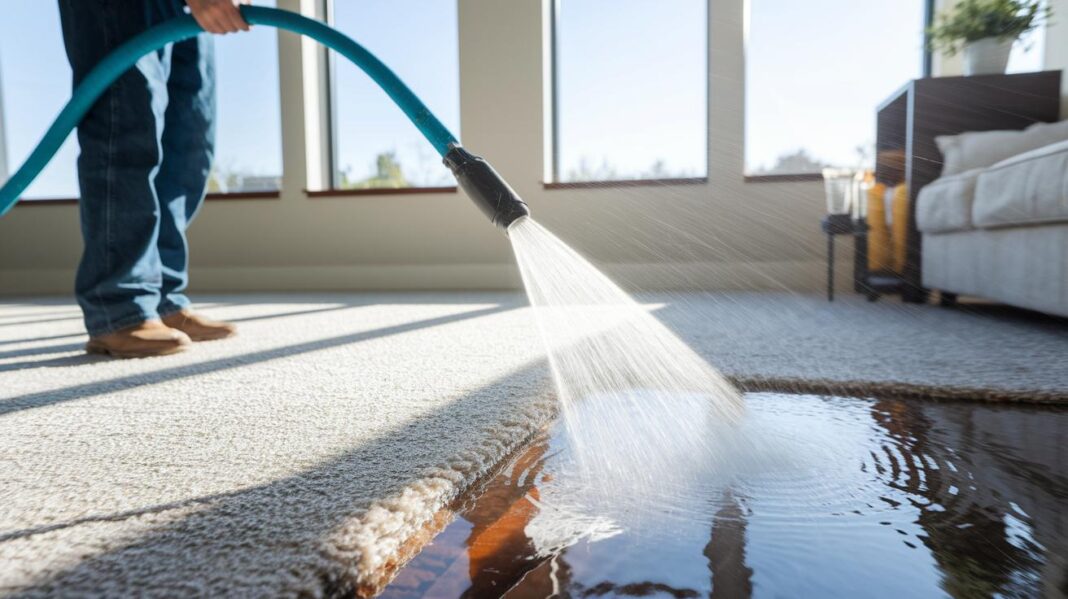

Is your wet carpet hiding a bigger issue? When water soaks into your carpet, it can cause mold (a type of fungus) and lasting damage if not fixed quickly. We use powerful suction tools and heat (techniques that pull water out) to get water out of your carpet and padding. We’ll walk you through simple, fast steps to keep your home safe and bring back that fresh feel. We’re here to help every step of the way so you can act quickly and confidently.
Carpet Water Extraction: Complete Removal Process
When your carpet gets wet, quick action stops damage and prevents mold. We understand how stressful water damage can be. Here’s a clear, simple guide we follow to restore your carpet.
- Check the water type: First, see if the water is clean, gray (from everyday household use), or black (very contaminated). This helps us know the right steps and keeps your family safe.
- Remove standing water: Use a wet/dry vacuum (a machine that sucks up water) to take out as much water as possible. This step helps cut down on further damage.
- Use moisture absorbers: Sprinkle baking soda or a commercial product on the carpet. These materials soak up leftover moisture and help with any smells. Let it sit for a few hours and then vacuum it up well.
- Improve air circulation: Open windows and set up fans or dehumidifiers (machines that pull moisture out of the air). This speeds up evaporation and lowers humidity.
- Check for complete dryness: Use a moisture meter (a tool that checks how wet a surface is) to make sure the carpet and its padding are dry before putting them back in place.
Our professional hot water extraction method goes deeper. We use a heated cleaning solution and high-pressure suction to lift deeply embedded dirt. This process prevents shrinkage and long-term damage by removing hidden contaminants. Quick, follow-up action with these steps helps ensure your carpet stays in great shape and your home is safe from mold and further water damage.
Carpet Water Extraction Equipment: Machinery Overview
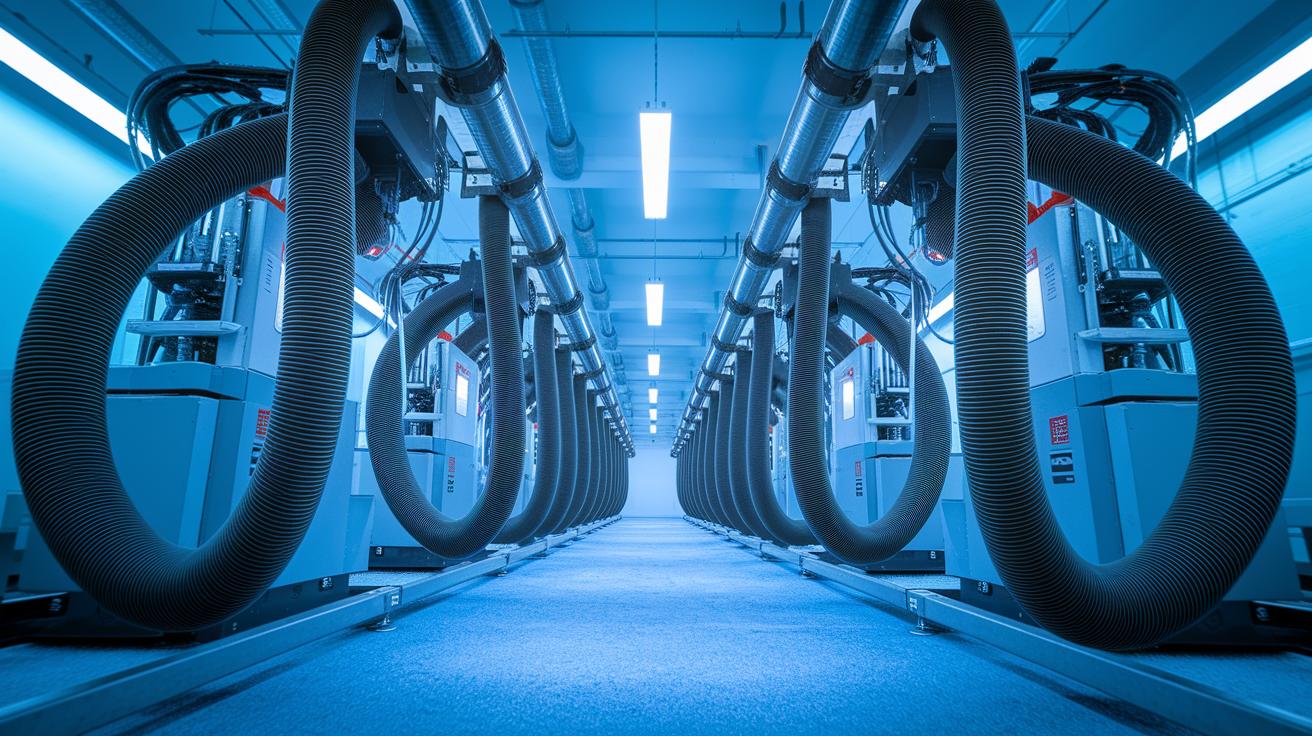
Industrial-grade extraction equipment makes a big difference when water hits your carpet. We use strong suction devices that pull water from deep in the fibers, not just a simple wet vac. Our machines combine heat and suction to lift water and contaminants quickly, which speeds up drying time.
Air movers boost airflow to help water evaporate from under the carpet pad. Commercial dehumidifiers then lower humidity to below 40% to prevent mold growth. Together, these systems work fast to dry your carpet. Our portable equipment reaches every corner of your room, even in tight spaces, so no moisture is left behind.
| Machine Type | Function | Ideal Use |
|---|---|---|
| Wet/Dry Vacuum | Initial water extraction | Light water removal |
| Carpet Extractor | Deep cleaning with heated solution | Comprehensive water damage recovery |
| Air Mover | Accelerates evaporation | Drying under padding |
| Commercial Dehumidifier | Maintains low humidity | Mold prevention and full drying |
DIY vs Professional Carpet Water Extraction
You might try a DIY approach if the water damage is light. Using a home wet vacuum to pull out water, sprinkling baking soda to soak up moisture and freshen the air, and opening windows with fans to boost airflow can work quickly when the damage is small.
However, these basic methods have limits. Consumer tools like wet vacuums and household fans often struggle to remove moisture from thick carpet padding or hidden areas. Leftover water can lead to shrinkage and mold growth, making it tougher to restore your carpet completely.
For more serious water damage, professional teams use heavy-duty equipment. We use industrial extractors, special cleaning solutions, and powerful dehumidifiers (machines that pull moisture from the air) to remove deep, trapped water. This means that in cases of severe flooding, professional help provides more reliable results and helps your home stay safe. Our team is ready to respond with expert tools when you need emergency water extraction.
As a middle step, renting advanced recovery equipment might be a good choice. Leasing these high-power machines can offer stronger extraction than typical DIY tools and helps with thorough cleaning and quicker drying, all without the full cost of professional services.
Hot Water Extraction and Advanced Cleaning Techniques

Hot water extraction uses a high-pressure spray of warm cleaning solution to reach deep into your carpet fibers. It is different from steam cleaning, which only uses hot water vapor without strong suction. We send water and detergent deep into your carpet and then vacuum it away right away.
The warm solution loosens dirt and grime just like soaking a dirty sponge until the dirt comes free. Then, our strong suction removes the loosened dirt completely. This method cleans your carpet thoroughly and speeds up drying time by nearly half.
As we remove the dirt, we also sanitize the fibers. This helps prevent carpet shrinkage and mold growth, keeping your carpet cleaner and protected over time.
Drying Technologies for Efficient Moisture Elimination
We use powerful tools to remove water from your carpets fast. Our high-velocity air movers (fans that blow air very fast) move up to 3,000 cubic feet per minute. That strong airflow can cut carpet moisture by 90% in just 12 hours. These machines work with industrial dehumidifiers (devices that pull water out of the air) that remove 20 to 30 pints of water each day. Together, their strong suction and airflow pull water from deep within your carpet, speeding up the drying process.
Our methods are also eco-friendly. We use refrigerant-based dehumidifiers that work cleanly without harming the ozone layer. They dry your home using less energy while keeping your indoor air fresh. This sustainable approach helps prevent mold by reducing long-term moisture.
Our drying systems are designed to work quickly. They lower humidity to safe levels within 24 to 48 hours. We use moisture meters (tools that measure water content) during regular checks to be sure your home is dry. These advanced systems deliver fast, effective results to protect your home and prevent water damage.
Cost Considerations and Leasing Options for Extraction Units

If water damage occurs, renting quality equipment may be a smarter and more affordable choice than hiring a full restoration team. You can rent a mid-size wet/dry vacuum (a machine that pulls water out) for about $40 to $60 per day. This works well for initial water extraction and minor damage. For tougher jobs, industrial extractors are available for $150 to $250 a day. These machines have strong suction and special features to remove water from deep in your carpet fibers.
Dehumidifiers (machines that pull moisture from the air) are key to lowering humidity and helping your home dry faster. They usually cost between $50 and $100 daily. The right dehumidifier depends on how much moisture it can take out, which is important when comparing costs. Professional teams might charge between $0.50 and $1.50 per square foot. These prices can change based on the level of contamination and the size of the carpet.
Renting extraction equipment lets you choose tools that fit the severity of your water damage. Before you decide, compare the daily rental rates and any service fees. Think about whether renting the equipment yourself meets your needs or if hiring a full-service team is the better choice for a complete recovery. Always consider the machine’s performance, capacity, and your overall budget when selecting a pricing package.
Safety Measures and Mold Prevention in Carpet Water Extraction
Before starting any water extraction, turn off the power in the affected area. This stops water from meeting live outlets and causing an electric shock. For example, when using a wet/dry vacuum in a water-soaked room, we turn off the nearby electrical panel. Doing this protects everyone on site.
Always wear your personal protective equipment like gloves, goggles, and a respirator (a mask that filters out harmful particles). This gear shields you from chemicals and bacteria that might be in gray or black water. It works like a raincoat protects you from getting soaked.
After drying the carpet and getting the moisture level below 40%, use a moisture meter (a tool that checks for wetness) to confirm the area is completely dry. Once you know the carpet and padding are dry, apply mold inhibitors to stop mold from growing. This step helps keep your carpet fibers strong and your home safe.
Final Words
In the action, we quickly assess water source, extract standing water, apply absorbers, boost airflow, and verify dryness with a moisture meter. When you need effective carpet water extraction, we cover:
- Assess water source and contamination
- Extract standing water with a wet/dry vacuum
- Apply moisture absorbers
- Promote air circulation
- Verify dryness before replacing padding
These steps combine DIY ideas with professional standards for fast recovery. We work diligently to restore your home safely and help you move forward with confidence.
FAQ
Q: What is a carpet water extraction machine?
A: A carpet water extraction machine is a powerful device that removes moisture deep from carpet fibers using suction and sometimes heat. It helps speed drying and reduce the risk of mold.
Q: Where can I find carpet water extraction near me or rent a carpet extractor?
A: You can find carpet water extraction near you at rental centers, home improvement stores like Home Depot, or through professional services offering extractor rentals.
Q: How do you extract water from carpet?
A: Extracting water from carpet involves removing standing water with a wet/dry vacuum, applying absorbents, boosting air flow with fans and dehumidifiers, and checking dryness using a moisture meter.
Q: How much does it cost to remove wet carpet?
A: Removing wet carpet may cost $40–$60 per day for rental machines or $0.50–$1.50 per square foot for professional services, based on the level of water contamination and carpet size.
Q: What draws urine out of carpet?
A: Urine is drawn out by combining cleaning agents with strong suction equipment, which lifts contaminants from deep within the fibers, helping remove both the stain and odor.
Q: What is the difference between a carpet cleaner and a carpet extractor?
A: A carpet cleaner generally applies water and detergent for surface cleaning, while a carpet extractor uses pressure and suction to deeply remove moisture and embedded contaminants from carpet fibers.
Q: What are the benefits of using an industrial carpet extractor?
A: An industrial carpet extractor offers powerful suction and high-performance cleaning, rapidly removing water and contaminants to reduce drying time and minimize the risk of mold growth.
Q: What is a commercial portable carpet extractor?
A: A commercial portable carpet extractor is a high-performance, mobile machine used by professionals to quickly remove moisture in large areas, making it ideal for offices or multi-room spaces.