
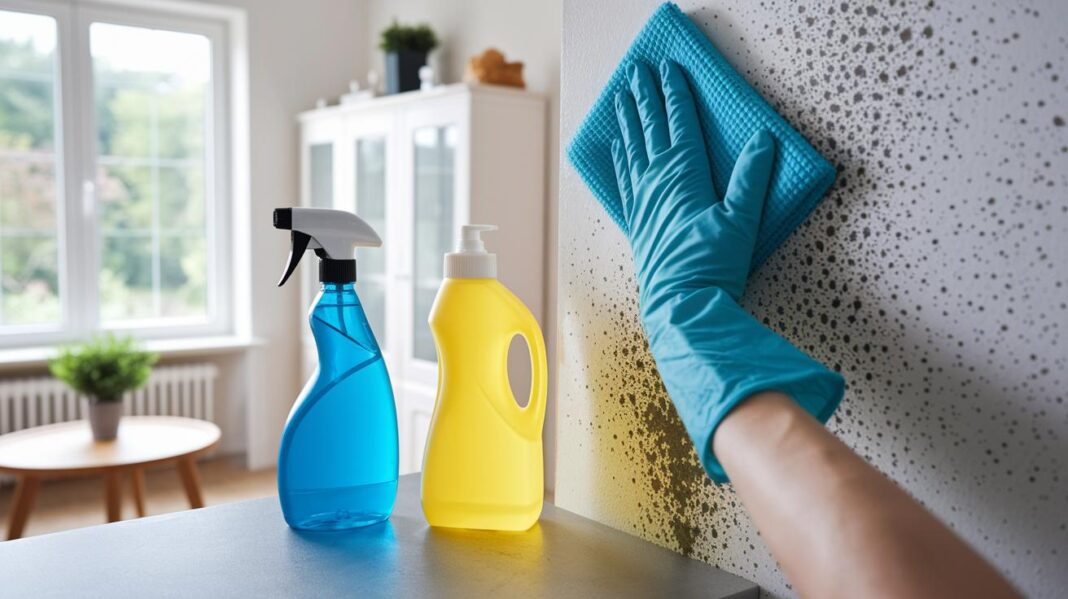

Is bleach the best answer to your mold problems, or is it just a temporary fix? Many homeowners reach for bleach when mold appears, but not everyone uses it safely. We know this can be confusing and we’re here to help.
In this guide, we show you clear, easy steps to keep you and your home safe during mold cleanup. First, prepare the area. Next, apply the bleach solution carefully on hard surfaces. Each step is designed to protect your family while tackling mold effectively.
Stay safe and follow these simple instructions. We’re here to support you every step of the way.
Step-by-Step Mold Remediation With Bleach Procedure
-
First, clear the work area. Move furniture away and cover nearby items with plastic. Open windows to get fresh air. Put on rubber gloves, goggles, and an N95 mask (a face mask that filters tiny particles) to protect yourself.
-
Next, mix a bleach solution by combining one cup of bleach with one gallon of cool water. Stir gently to keep its cleaning strength strong. This proper mix helps fight mold on hard surfaces.
-
Apply the solution straight to the moldy spot using a sponge or a spray bottle. Make sure the area is fully soaked. Let it sit for 10 to 15 minutes so the bleach can kill the mold on the surface.
-
After that, gently scrub the treated area using a brush or sponge and small circular motions. This helps the solution reach mold hiding on rough surfaces.
-
Rinse the area well with clean water. This step removes any bleach residue and helps prevent extra moisture, which can lead to mold regrowth.
-
Finally, dry the area completely. Use fans or keep windows open to help speed up the process as excess moisture can encourage mold to return.
Remember, bleach works best on hard surfaces. It may not remove mold from porous materials like drywall or wood. For larger or hidden mold problems, it's best to call a professional mold remediation team.
Evaluating Bleach Effectiveness in Mold Remediation
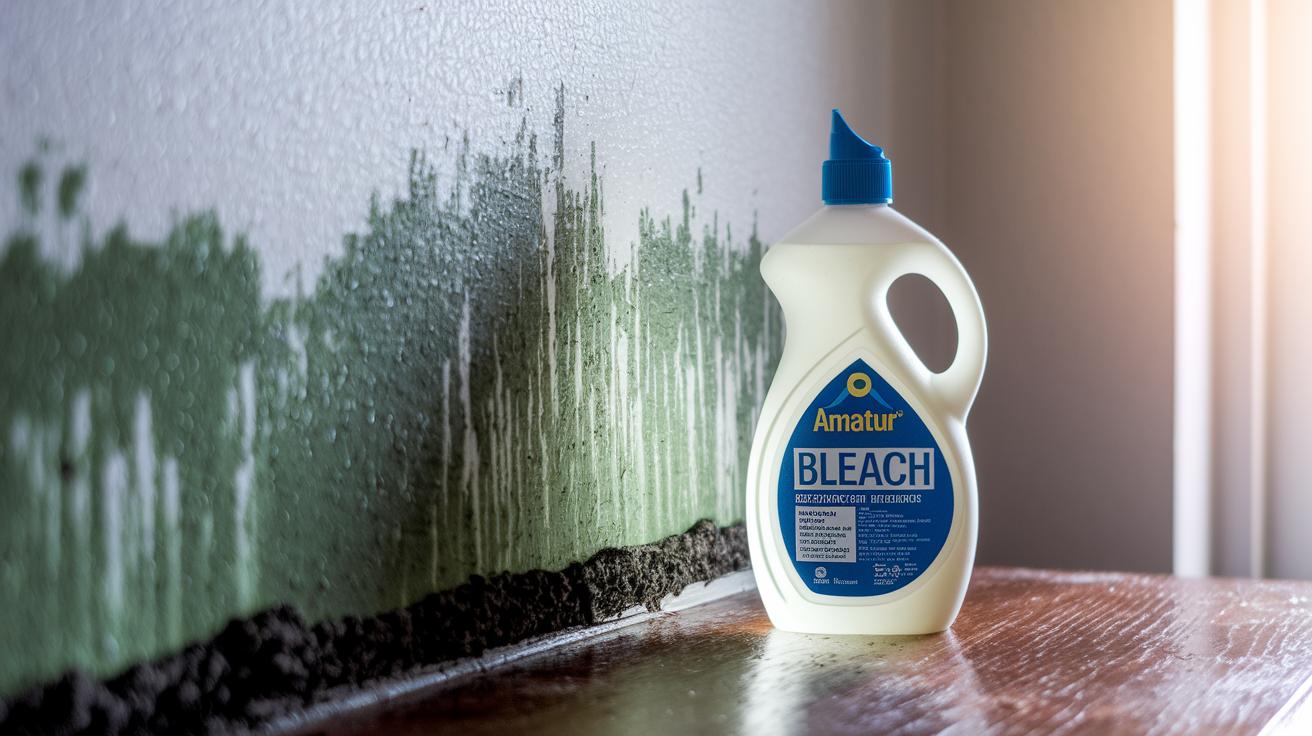
Bleach is a common household cleaner that is mostly water (about 90%) with sodium hypochlorite (a chemical that cleans) providing its power. It removes visible mold stains from hard surfaces like glass or ceramic, but it only cleans the surface. It does not reach the mold roots hidden deep in porous materials such as wood or drywall, so mold can quickly return.
Because bleach has a high water content, it can add moisture to treated areas. This extra moisture may actually feed mold on damp surfaces. In short, the chlorine in bleach works only when it directly touches the mold, making it less effective for mold hiding deep within a material.
For small spot-treatments on hard surfaces, bleach might offer a temporary solution. However, for larger infestations or mold on porous materials, professional treatment is needed to fully remove the mold.
Proper Dilution Ratios and Application Techniques for Bleach Solutions
We mix 1 cup of bleach with 1 gallon of cool water as described in our main procedure. This blend is effective against mold when used correctly. Here are some extra tips to help you complete the job safely:
• Mix slowly. Stir the solution gently, like when you mix salad dressing, to keep bubbles from forming. Bubbles can lower the strength of the bleach.
• Wipe instead of rinsing. When you remove dead mold, wiping takes away the residue without adding extra moisture that might lead to more mold growth.
• Take extra safety steps. Open windows or use a fan to keep the air moving. Wear rubber gloves, goggles, and an N95 mask (a special mask that filters out tiny particles). Never mix bleach with any other cleaning products.
• Dispose and store safely. Get rid of any unused bleach solution properly. Keep all cleaning supplies out of children’s reach.
| Tip | Reason |
|---|---|
| Stir gently | Prevents bubbles that weaken the bleach |
| Wipe the area | Removes dead mold without adding moisture |
| Wear protective gear | Safeguards you against splashes and harmful fumes |
Safety Measures for Bleach-Based Mold Remediation
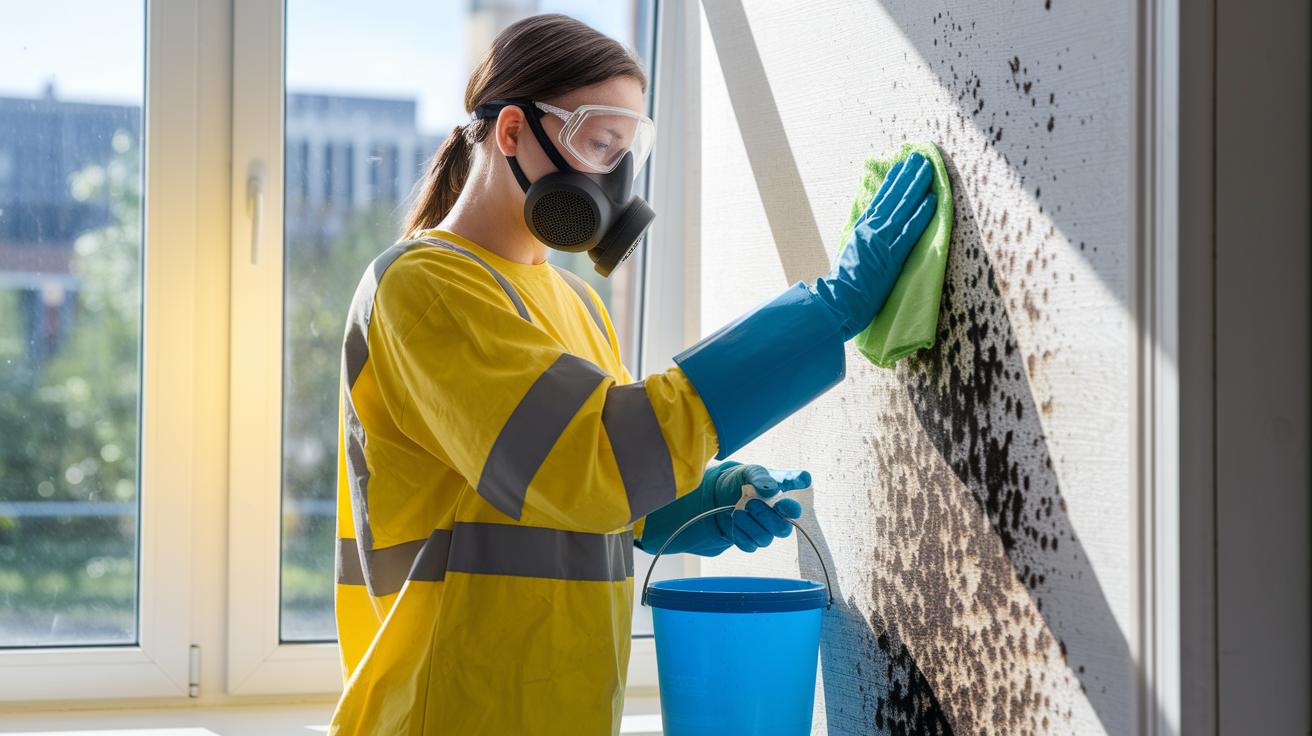
When cleaning mold with bleach, safety is very important. Bleach must always be used with water only. Never mix it with ammonia or acids because this can cause dangerous fumes.
Follow these steps:
- Open windows and doors so fresh air can circulate and reduce chlorine fumes.
- Wear safety gear like rubber gloves, goggles, and an N95 mask (a mask that traps tiny particles).
- Mix bleach with cool water and stir slowly to get the right dilution.
- Gently scrub moldy spots to avoid spreading mold spores.
- Rinse your tools and work areas well, then dry everything completely to prevent more moisture.
Surface-Specific Bleach Remediation Guidelines for Mold
Using bleach to clean mold needs careful planning. You must know which surfaces can safely handle bleach and which ones might be damaged by it. On hard surfaces like glass or ceramic tile, a chlorine solution kills mold well without hurting the material. These non-porous surfaces let the bleach reach the mold directly, giving a fast, safe fix.
For wood and painted drywall, be extra cautious. Bleach may warp wood fibers or strip off paint and add moisture that feeds mold growth. Always test a small spot first. If you see the wood darken or the paint start to peel, stop and look for another cleaning method or ask a specialist for help.
Concrete needs its own treatment. First, scrub the moldy spot with a stiff brush. Then rinse the area thoroughly. Remember, porous concrete might trap spores even after a rinse. In these cases, you might need to repeat the cleaning or try another method to remove the mold completely.
Remember these guidelines:
- Check the surface type before using bleach.
- Test on a small part when cleaning wood or painted drywall.
- Scrub concrete well and rinse to reduce leftover spores.
Comparing Bleach to Alternative Mold Removal Methods
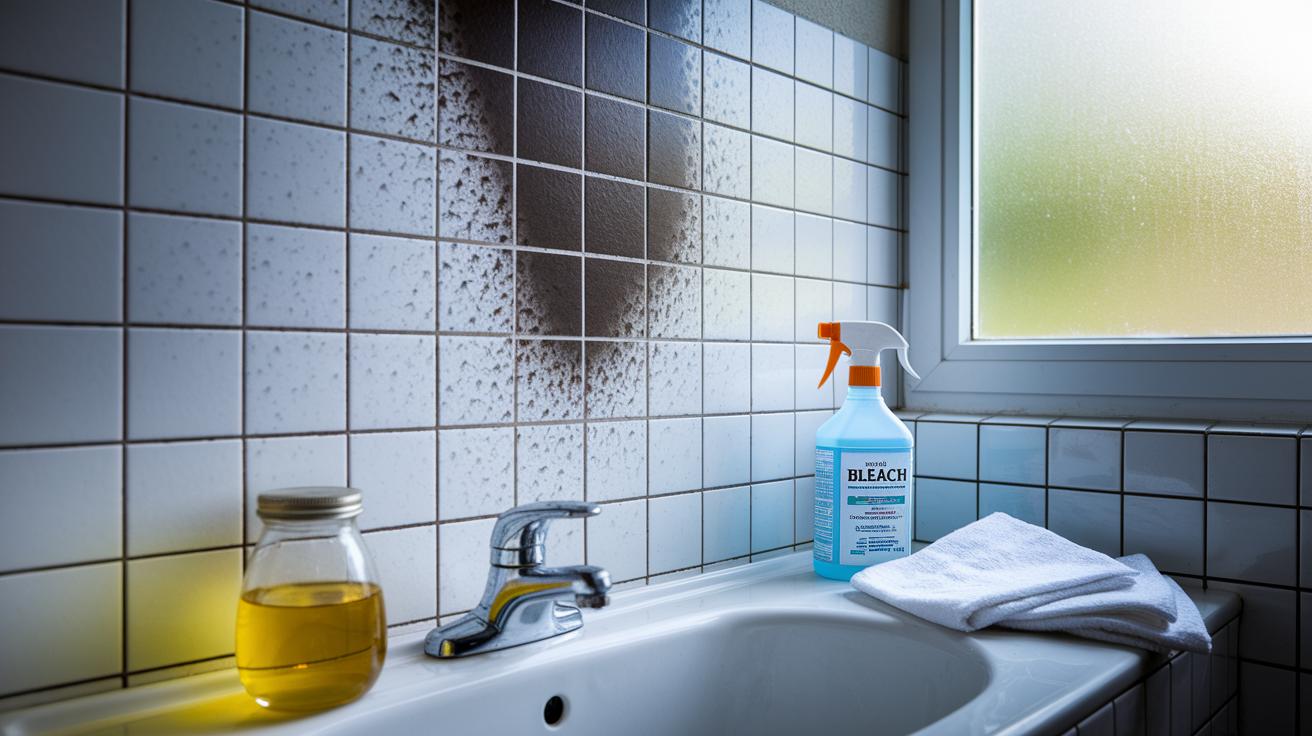
Bleach cleans mold quickly on hard surfaces like tiles or glass. It only removes mold you can see and does not go deep into materials like drywall or wood. Vinegar works slower but seeps into porous materials to kill mold hiding inside.
Hydrogen peroxide is another safe choice. It fights mold without strong fumes. One homeowner said, "After treating a small area with peroxide, I noticed less irritation and a fresher smell." Peroxide works gently and is a good option if you want to avoid harsh smells.
When mold has spread or hides in tough spots, calling a professional is best. Experts use safe methods like sealing off the area, controlling moisture, and using special vacuums (HEPA vacuums trap tiny mold particles) to clean up. They may even remove damaged materials and test again to make sure all mold is gone. Their work cleans both the surface mold and the hidden colonies for a lasting fix.
This guide helps you choose what to do based on how bad the mold is. You can use vinegar or hydrogen peroxide for small problems. For larger issues, professional help makes sure your home stays safe and mold-free.
Preventing Mold Recurrence After Bleach Remediation
After cleaning with bleach, keeping mold from coming back means you must control moisture well and inspect regularly. We work to keep indoor humidity below 50% using dehumidifiers (machines that pull moisture from the air) and by opening windows in kitchens and bathrooms. Fix leaks or water damage right away because even a small damp spot can invite mold to grow. Wiping non-porous surfaces (like tiled counters) with a diluted bleach solution now and then helps stop mold in its tracks. One homeowner mentioned that cleaning with a mild bleach mix once a month made a big difference.
Set up a regular check to stay ahead of mold. Here are some simple steps:
- Check damp areas, such as under sinks or near air vents, every month.
- Use a dehumidifier in rooms that feel moist.
- Wipe hard surfaces occasionally with a gentle bleach solution.
- Improve airflow by using fans or opening windows.
If you think mold is returning, call in professionals to run spore tests (tests that check for mold particles) to be sure. Keeping up with these daily and monthly tasks helps create an environment where mold finds it hard to come back.
Final Words
In the action, you now have a clear list of steps to mix, apply, and safely use a bleach solution for removing mold. We reviewed proper dilution, safety tips, and surface-specific guidelines to cut mold’s hold. Following these steps can reduce damage and help stop regrowth. Remember, mold remediation with bleach works best when paired with moisture control and proper ventilation. Stay focused and take action for a safer, more secure home.
FAQ
Q: Does bleach kill mold or just hide it?
A: Bleach kills visible mold on non-porous surfaces but only removes the surface discoloration. It does not penetrate porous materials to kill the underlying mold roots.
Q: Is bleach a good option for DIY mold remediation?
A: Bleach works for small, non-porous areas during DIY mold cleanups. It is limited for broad infestations, so follow the proper dilution and safety steps and consult a professional if needed.
Q: What kills mold on wood?
A: Bleach is not ideal for wood because it cannot penetrate porous material effectively. Using wood-specific cleaning agents or replacing damaged boards is a better option for mold on wood.
Q: Vinegar or bleach for mold?
A: Vinegar can penetrate porous surfaces better and is gentler on materials, while bleach is effective on hard, non-porous surfaces. The choice depends on the material and severity of the mold.
Q: Will bleach kill mold on a wall?
A: Bleach can clean visible mold on hard sections of a wall but may not penetrate porous areas like painted drywall, leaving hidden mold behind that can regrow if not properly addressed.
Q: Does bleach feed mold?
A: Bleach itself does not feed mold. However, if surfaces are not rinsed and dried properly, residual moisture can create an environment that encourages mold regrowth.
Q: What kills 100% of mold?
A: No single treatment kills every mold spore completely. Bleach removes surface mold but does not eradicate deeper mold roots, so professional remediation and moisture control are necessary for total cleanup.
Q: Why are you not supposed to clean mold with bleach?
A: Cleaning mold with bleach is not recommended because it can damage porous surfaces, leave moisture behind, and fail to reach embedded mold, which may lead to regrowth over time.