


Ever wonder why emergency restoration services cost more? When disaster hits, we work around the clock with extra help, special tools, and fast fixes to stop more harm. We handle water, fire, and mold damage repairs using extra shifts and quick action that prevent additional problems. Quick response not only stops further damage but can also save you money on extra fees. Read on to see what drives these costs and why acting fast really pays off.
Emergency Restoration Pricing Overview
When a crisis strikes, quick action is essential. Emergency work costs more because we respond day and night to stop further damage. This faster response means we cover overtime wages, special equipment, and immediate service.
| Service Type | Typical Cost Range | Emergency Rate/hr |
|---|---|---|
| Water Damage | $150–$100,000 (most homeowners spend $1,300–$6,000) | $120–$600 |
| Fire Damage | Low thousands to over $50,000 | $120–$600 |
| Mold Remediation | $1,000–$3,500 | $120–$600 |
| Structural Repairs | Can exceed $50,000 when severe | $120–$600 |
Costs may be even higher during peak times or holidays. These extra fees cover challenges like limited crew availability and overtime work. Acting fast can help reduce overall damage and may even keep some of these extra costs from piling up.
Factors Affecting Emergency Restoration Costs

When damage strikes, several factors influence the cost of emergency restoration. Knowing these factors helps you understand why estimates can be so different.
- Damage severity by class (for example, Class 1 runs from $150 to $500, Class 2 from $500 to $1,000, Class 3 from $1,000 to $3,000, and Class 4 from $20,000 to $100,000)
- The type of water or fire damage and how much contamination there is (contamination means harmful substances mixed in)
- The size of the area that needs treatment
- How quickly we respond, whether it is an immediate action or a scheduled repair
- Any hidden or structural damage found during the cleanup process (cleanup or mitigation means steps to stop further damage)
- The need for special equipment or containment methods
A fast response not only speeds up recovery but also stops extra damage from happening. Acting quickly can prevent further wear or extra water damage, which helps keep the overall cost down.
Cost Breakdown by Restoration Type
Water Damage
Water damage can hide problems like leaks that worsen over time. In one case, a small leak spread under the floor and caused more damage. Acting quickly can stop extra issues and keep repair bills lower.
• Cost range: $150 to $100,000 (normally $1,300 to $6,000)
• What affects cost: water source, how large the area is, and the level of contamination
• Tip: Call us right away. A slow leak can turn into big damage if not fixed quickly.
Fire Damage
Fires can go from a small, contained event to serious damage to your home. In one incident, cleaning away the smoke early helped stop more harm. Taking photos and documenting damage fast can help manage repair costs.
• Cost range: $2,000 to over $50,000
• What affects cost: the extent of structural damage, how much smoke or soot is present, and the need for electrical repairs
• Tip: Record the damage as soon as possible. Clear photos can help keep overall costs down.
Mold Remediation
Mold can grow quickly after water or fire problems, turning a small issue into a bigger one. In one project, prompt testing and removal stopped long-term damage. It is important to inspect your home immediately after an incident.
• Cost range: $1,000 to $3,500
• What affects cost: how severe the mold is, the types of materials affected, and the layout of your building
• Tip: Act fast. Quick treatment can prevent mold from spreading.
Storm Cleanup
Storms can create a mix of water damage, debris, and wind damage. In one job, clearing fallen branches early helped prevent extra water intrusion and further harm. Storm cleanup has unique challenges that need special care.
• Cost range: Varies; usually similar to moderate water repair costs
• What affects cost: storm strength, the amount and size of debris, and the property layout
• Tip: Regular tree trimming can help. Removing nearby branches before a storm can lower cleanup time and costs.
Regional Variations in Emergency Restoration Service Costs
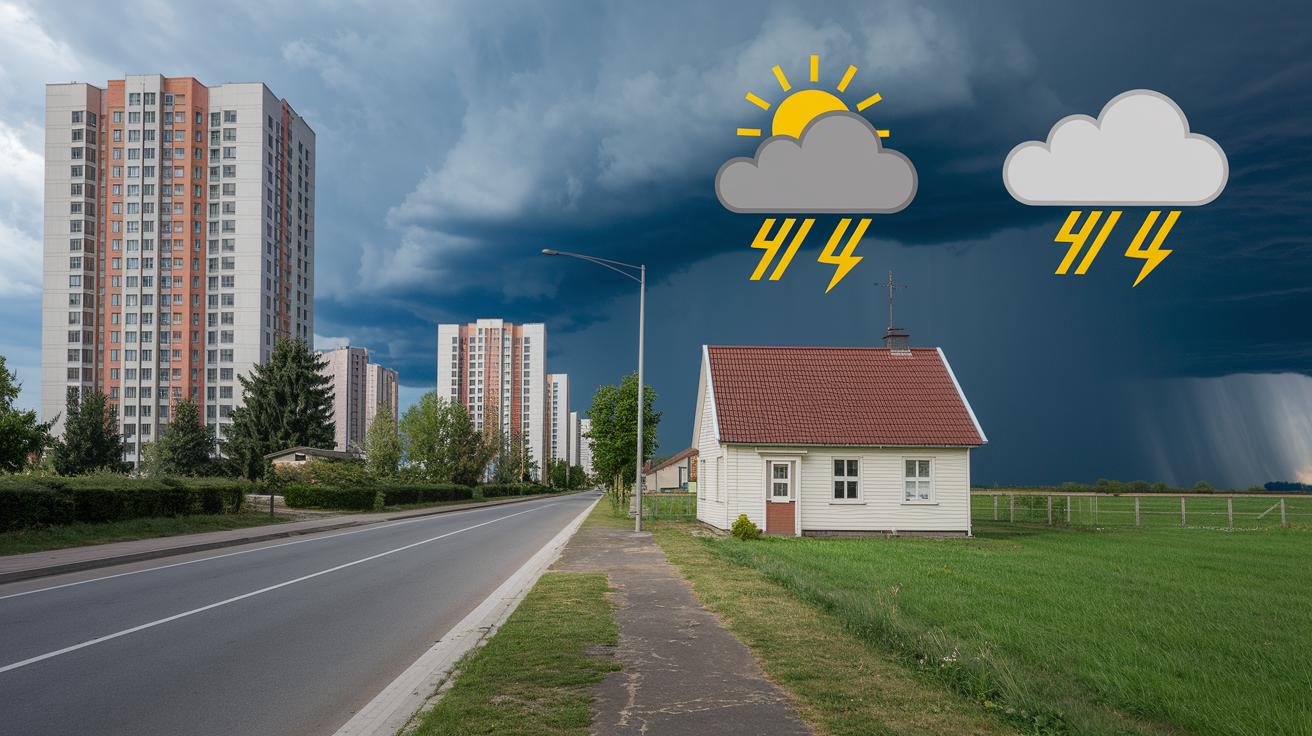
Costs for emergency repairs depend on where you live and when the work is done. In busy city areas, hourly rates can reach up to $600 because of high demand, expensive permits, and higher local labor costs. In rural or low-cost areas, you usually see lower rates since labor and permit fees are less. During storm season, rates can increase by around 20% to cover the need for quick action and extra safety.
- Urban vs Rural: In cities, repair work costs more due to dense populations and higher operating expenses. Rural areas often benefit from lower rates.
- Seasonal Demand: Bad weather or storm seasons can make rates jump up.
- Local Labor and Permit Costs: Rates vary with local permit fees and the cost of labor.
For the best information, ask for local estimates. Talking with nearby providers will help you get a fair, quick quote tailored to your repair needs.
Additional Fees and Hidden Expenses in Emergency Restoration
When an emergency strikes, extra costs might show up on your repair bill. Sometimes, the work goes beyond the basic fixes. We may need to charge extra to uncover hidden damage or use special tools and safe methods. These fees help us complete the job safely and fully, even if they surprise you.
Here are some common add-ons:
- Mold remediation (cleaning up mold safely): $1,000 to $3,500
- Drywall or ceiling repair: $300 to $1,000
- Black-water or sewage cleanup (removing contaminated water): $7 or more per square foot
- Equipment rental, permits, and site decontamination fees
Please review your detailed estimate carefully to ensure you understand all potential fees.
Budgeting Strategies and Comparing Restoration Quotes

When damage happens, costs can add up fast. We know this is stressful, but quick action can help keep extra fees in check. A clear budget also makes it easier for you to compare quotes from different contractors.
- First, take clear photos and videos and keep all your receipts. These records (proof of damage and expenses) help support your insurance claim.
- Next, ask each contractor for a detailed, itemized quote. This breaks down every service and fee so you can see exactly what you’re paying for.
- Remember that emergency repairs may come with extra charges for urgent work. Ask each provider to explain how these fees differ from their regular rates.
- Look out for hidden costs like extra equipment, permit fees, or unplanned site decontamination. Checking the details can save you from surprises later.
- Finally, review your insurance policy to see what is covered for your home, belongings, and extra living expenses if you file a claim right away.
Using these steps and expert advice from certified contractors can help you manage your restoration costs and keep the process clear and affordable.
Final Words
In the action of emergency restoration pricing, we broke down the main factors affecting costs, from higher emergency rates to regional variations and hidden fees. We gave clear steps to evaluate water, fire, and mold damage repair costs. Our aim was to help you understand how quick action can limit damage and keep repair costs predictable. Remember, knowing the cost of emergency restoration services helps you make informed decisions and move forward with a plan to quickly restore your safe, livable home.