


Tired of musty smells and warped floorboards from a wet crawl space?
You need a dehumidifier that actually pulls moisture down fast, handles drainage, and keeps running without constant babysitting.
We tested top crawl space units in real pull-downs and checked drain options, noise, defrost, and features that stop hidden damage.
This guide names the best picks for sealed spaces, tight low-clearance areas, budget installs, and locations needing a pump, and gives clear sizing tips so you get the right capacity the first time.
Top-Rated Dehumidifiers That Deliver the Best Crawl Space Performance
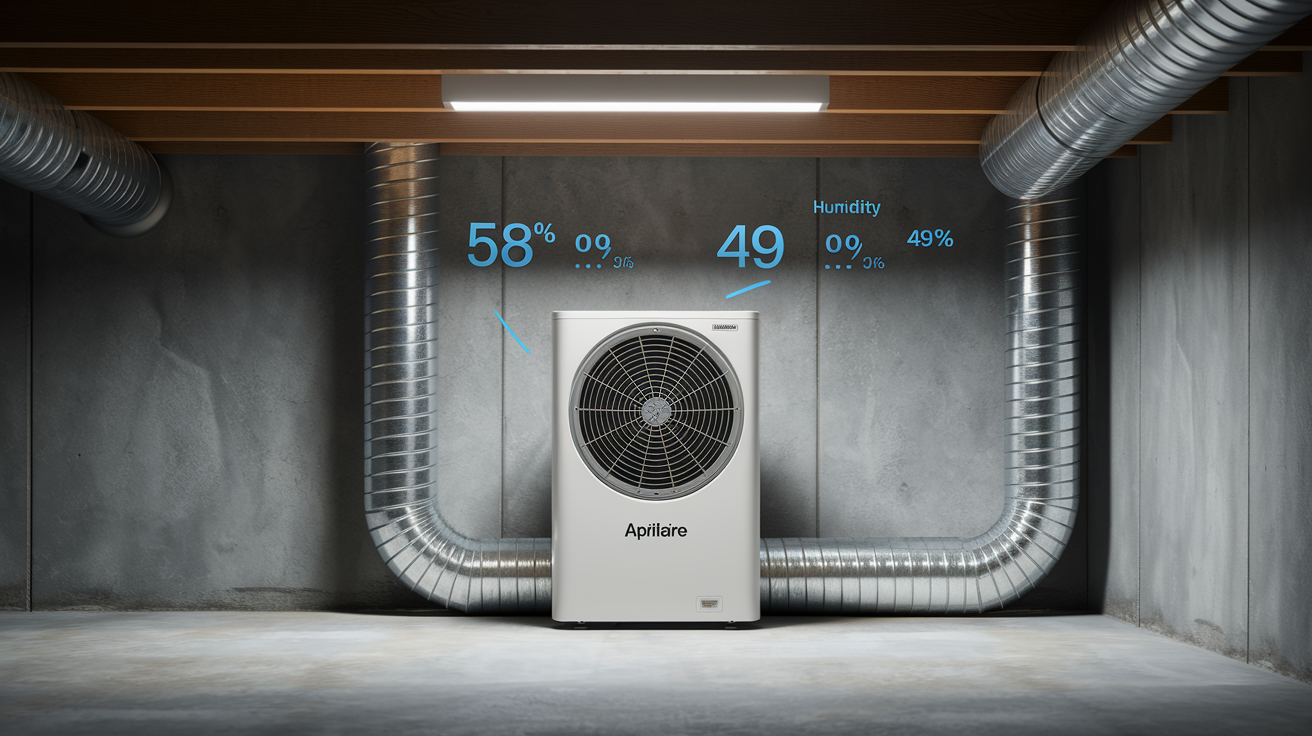
The AprilAire E070 took first place after pulling a test crawl space from 70% RH down to 58% in just 12 hours, then settling at 49% within a full day. Its 70 pint per day capacity covers up to 2,200 square feet in sealed crawl spaces, and the 200 CFM airflow keeps air moving without excessive noise. The corrosion resistant aluminum coils held up under high moisture, and the digital control remembered its humidity setting after simulated power outages. Users reported that setup took about 15 minutes with flexible duct connections.
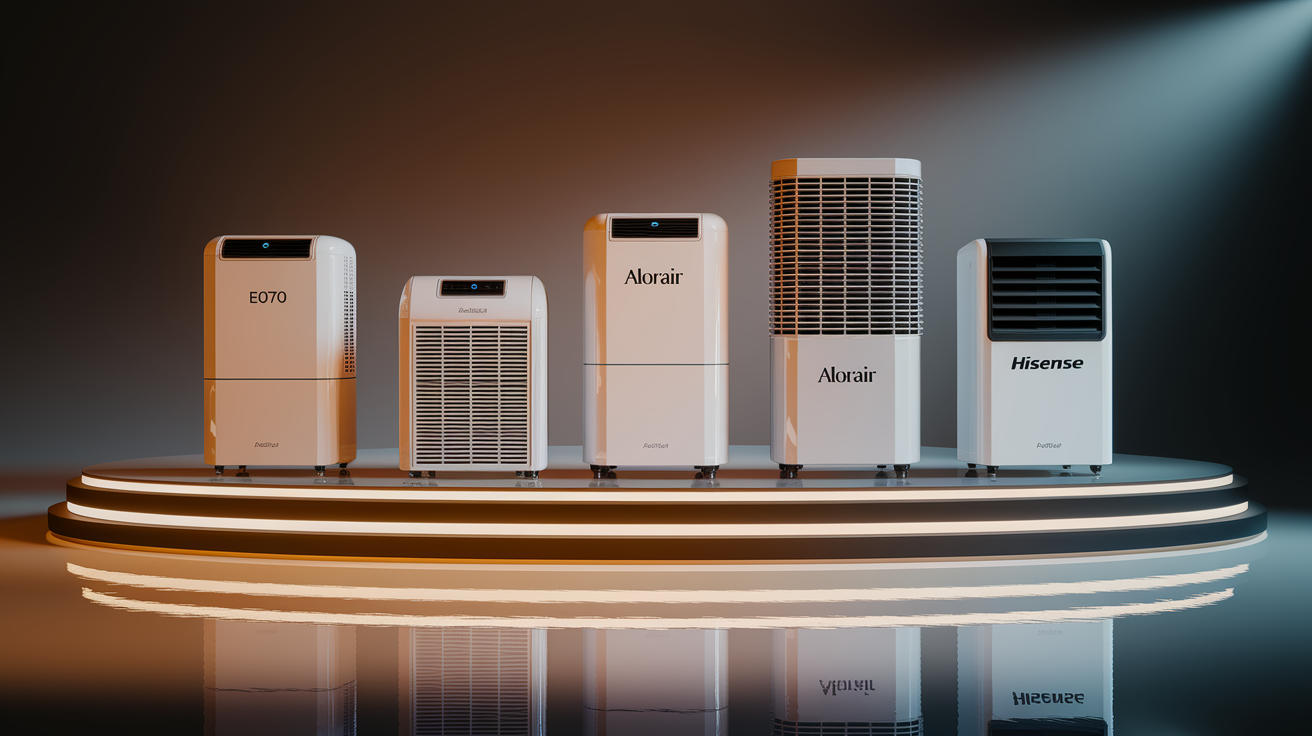
For tighter budgets, the AlorAir HD55 offers 113 pints per day at saturation conditions or 53 pints per day under AHAM testing standards, covering about 1,200 square feet. It dropped test humidity from 67% to 59% in the first 12 hours, though removal slowed near the target setpoint. The Santa Fe Ultra98 runs at just 47.5 dB (about as loud as a refrigerator) while moving 320 CFM through 2,300 square feet, making it ideal when the dehumidifier ties into HVAC ductwork. Small crawl spaces under 1,300 square feet can use the AlorAir HD55S, which reached 52% RH within 24 hours during testing. The Hisense 60 Pint stands out for portability and its built in condensate pump, handling up to 4,500 square feet and lifting water to elevated drains without external pumps.
| Model | PPD (AHAM) | Coverage | Noise (dB) | Notable Feature |
|---|---|---|---|---|
| AprilAire E070 | 70 | 2,200 sq ft | ~53 | Memory restart, aluminum coils |
| AlorAir HD55 | 53 | 1,200 sq ft | ~40 | Best value, remote optional |
| Santa Fe Ultra98 | 98 | 2,300 sq ft | 47.5 | HVAC integration, 320 CFM |
| AlorAir HD55S | 55 | 1,300 sq ft | ~40 | Energy Star, compact |
| Hisense 60-Pint | 60 | 4,500 sq ft | Quiet | Built-in pump, portable |
When matching models to specific situations, consider these scenarios:
Sealed crawl spaces under 2,000 sq ft with gravity drainage: AprilAire E070 delivers fast pull down and reliable long term control.
Budget conscious installations in moderately damp spaces: AlorAir HD55 offers high saturation capacity at a lower price point.
Whole house moisture control tied to existing HVAC: Santa Fe Ultra98 integrates fresh air intake and filtration with minimal sound.
Tight, low clearance crawl spaces under 1,300 sq ft: AlorAir HD55S fits restricted layouts and qualifies for Energy Star rebates.
Large spaces or locations requiring elevated drain routing: Hisense 60 Pint includes a quick connect pump hose for drains above floor level.
How to Choose the Right Crawl Space Dehumidifier Size and Capacity

Capacity numbers on dehumidifier boxes refer to pints of water removed in 24 hours, but the testing standard matters. The AHAM standard measures performance at 80°F and 60% relative humidity, which represents typical moderate moisture conditions. Saturation ratings reflect performance under extreme conditions (sometimes double the AHAM number) but those figures aren’t standardized across manufacturers. A 50 pint AHAM unit generally handles about 1,500 square feet of crawl space, while a 70 pint model covers up to 2,200 square feet if the space is reasonably well sealed.
If your vapor barrier has gaps, vents remain open, or the crawl space door isn’t sealed, air exchanges with the outside continuously. That leakage forces the dehumidifier to work harder and may require stepping up one capacity tier. The same applies to crawl spaces chopped into segments by foundation walls, large ductwork, or additions. Restricted airflow means moisture pockets linger, and a single centrally located unit may struggle to pull humidity evenly across the entire footprint.
Moisture severity changes the calculation too. Slightly damp spaces with no standing water and RH in the 60 to 65% range can start with smaller capacities and monitor results. Very damp conditions (standing water after rain, visible mold, or RH above 70%) need at least 70 pints per day to make progress. Saturation or flood conditions may require multiple units or addressing water infiltration before relying on a dehumidifier alone.
Match your crawl space to one of these moisture levels:
Slightly damp (60 to 65% RH, occasional musty smell): 50 pint AHAM capacity for spaces up to 1,500 sq ft.
Moderately damp (65 to 70% RH, visible condensation on pipes): 70 pint AHAM capacity for spaces up to 2,200 sq ft.
Very damp (70 to 80% RH, wet spots on vapor barrier): 70+ pint capacity or multiple smaller units.
Saturated or flooded (standing water, active leaks): Address water intrusion first, then size dehumidifier after space is stabilized.
Comparing Drainage Options for Crawl Space Dehumidifiers

Gravity drainage works when the dehumidifier sits higher than the drain point and a hose can slope downward without kinks. Most crawl space units include a hose connection and can run continuously as long as the drain stays clear. The AprilAire E070, for example, relies entirely on gravity drainage. If your sump basin or exterior drain sits below the unit, you connect a hose and let physics do the rest. If the drain point is above the dehumidifier or requires a long horizontal run with minimal slope, gravity won’t move the water reliably.
Built in condensate pumps solve elevation problems. The Hisense 60 Pint includes a pump that lifts water vertically through a quick connect hose, routing condensate to drains in the floor above or across long distances where gravity drainage would stall. Pumps add a small amount of noise and another component to maintain, but they eliminate the need for external condensate pumps and let you place the dehumidifier wherever airflow works best rather than where drainage dictates.
Compare these three drainage approaches:
Gravity drain (hose only): Simplest setup, no moving parts, works when dehumidifier sits above the drain. Requires clear hose path and regular slope.
Built in pump: Handles elevated drains and long runs. Adds slight noise and a component that can fail. Best when placement flexibility matters.
External condensate pump (aftermarket): Works with any gravity drain unit but requires separate purchase, installation, and power connection. Use when built in pump isn’t available and gravity won’t work.
Key Features to Look for in the Best Crawl Space Dehumidifiers
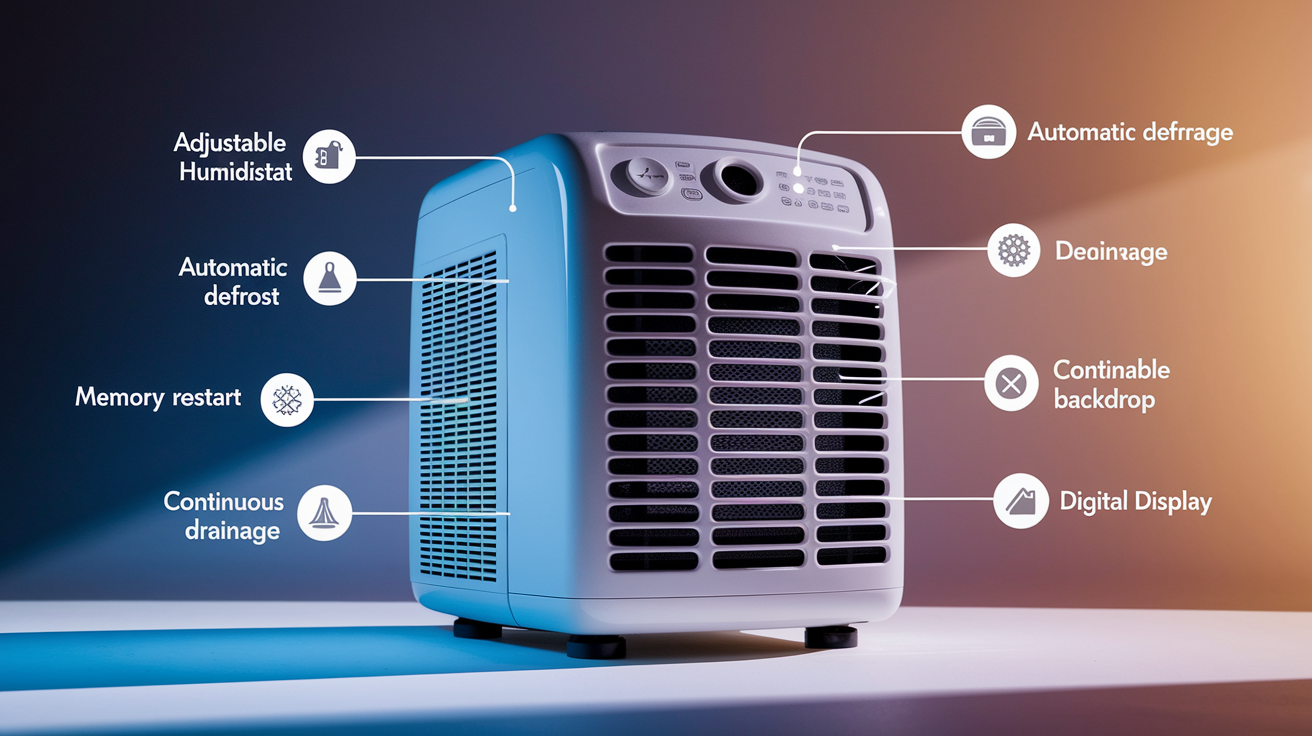
An adjustable humidistat is essential. It reads the relative humidity and cycles the compressor on and off to hold your target setpoint, typically around 50% RH. Digital controls like those on the AprilAire E070 let you dial in a precise number and see real time readings. Units without built in humidistats require manual operation or external controllers, which complicates crawl space installations where you can’t check the unit daily.
Automatic defrost prevents compressor damage in cold crawl spaces. When air temperature drops and moisture condenses on the coils, frost can build up and block airflow or freeze the compressor entirely. Defrost systems cycle the compressor off and allow the coils to warm slightly, melting ice before it causes harm. This feature isn’t optional for crawl spaces in cold climates or unheated foundations.
Memory restart brings the unit back online with the same humidity setting after a power outage. Without it, you’ll need to crawl back under the house and reprogram the controls every time a storm knocks out electricity. Noise levels matter less in a crawl space than in a bedroom, but placing a dehumidifier on a padded, level surface reduces vibration transfer. Most small units run between 30 and 45 dB. Larger models like the Santa Fe Ultra98 measure around 47.5 dB, comparable to a refrigerator hum.
Prioritize these features when comparing crawl space models:
Built in adjustable humidistat: Automates operation and holds your target RH without manual cycling.
Automatic defrost: Protects coils and compressor in cold or unheated crawl spaces.
Memory restart: Restores settings automatically after power loss.
Continuous drainage option: Gravity or pump based to avoid manual tank emptying.
Removable, washable filter: Simplifies monthly cleaning and maintains airflow.
Digital display or remote option: Lets you monitor and adjust settings without repeated crawl space trips (some AlorAir models sell remotes separately).
Full tank auto shutoff and alarm (if using tank mode): Prevents overflow when drainage isn’t connected.
Model by Model Breakdown of the Best Crawl Space Units
AprilAire E070
The E070’s real strength shows up in the first 24 hours. It pulls moisture out fast enough to stop ongoing damage, then settles into steady maintenance mode. During the five day test, humidity stayed in the mid 40s after the initial drop, meaning the unit didn’t cycle excessively or struggle to hold setpoint. The aluminum coils resisted visible corrosion even in continuous high moisture conditions, and the gravity drain handled condensate volume without backing up. Installation took about 15 minutes because the flexible duct connections didn’t require custom fabrication, though you’ll still need to route a drain hose and find a stable platform.
Easy setup with flexible ducting and clear instructions
Fast initial moisture reduction and stable long term control
Corrosion resistant coils and memory restart reduce service calls
Cannot pump condensate to elevated drains. Larger footprint than some competitors
AlorAir HD55
The HD55 handled moderate moisture well but slowed noticeably as RH approached 55%, taking longer to reach target than the AprilAire or Santa Fe models. That’s less of a problem if you’re maintaining an already dry crawl space, but in the initial drying phase it means waiting an extra day or two for full control. The removable filter simplified cleaning, and the tankless gravity drain design eliminated any risk of overflow. Remote control compatibility could help if you check settings frequently, but the remote sells separately, adding to the total cost.
Strong value for moderately damp crawl spaces on a budget
Tankless gravity drainage and removable filter simplify maintenance
Auto defrost and memory restart included at this price point
Slows removal below 55% RH. Remote control sold separately
Santa Fe Ultra98
The Ultra98 moves 320 CFM, more than most standalone crawl space units, which helps in large or segmented layouts where air circulation is weak. Measured noise came in at 47.5 dB. Audible if you’re in the crawl space, but quieter than expected for that airflow volume. The fresh air intake and filtration make this a true whole house ventilating dehumidifier, but installation complexity jumps significantly. Ducting to HVAC return and supply lines requires planning, metal ductwork, and often professional HVAC work. The control pad also sells separately, raising upfront cost.
Exceptional airflow and quiet operation for a high capacity unit
Fresh air intake and filtration improve crawl space and indoor air quality
Configurable horizontal or vertical discharge fits varied duct layouts
Complex installation requiring HVAC integration. Control pad not included
AlorAir HD55S
The HD55S reached 52% RH within 24 hours in a moderately damp test crawl space, slightly slower than larger units but still effective for spaces under 1,300 square feet. Energy Star certification makes it eligible for utility rebates in some regions, and the compact form factor fits tighter crawl spaces where the E070 or Ultra98 wouldn’t clear. Manual adjustment proved tricky. Small control buttons and no backlight made setting changes awkward in dim crawl space conditions. Remote compatibility helps, but again, the remote costs extra.
Energy Star certification and compact size suit small, budget conscious projects
Auto defrost and memory restart at a lower price point
Effective pull down speed for spaces up to 1,300 sq ft
Manual controls difficult to adjust in low light. Remote sold separately
Hisense 60 Pint
The built in condensate pump and quick connect hose let you route water vertically or across long horizontal runs without adding an external pump. That flexibility means you can position the unit for best airflow rather than best drainage access. At 57 pounds it’s portable enough to move between crawl space sections, though stairs and tight access hatches make that weight feel heavier. The washable filter, full tank shutoff, and 3 speed fan add convenience, but the higher price positions it above the AlorAir models and closer to the AprilAire in total cost.
Built in pump eliminates need for aftermarket condensate solutions
Portable design with handles and wheels for easier repositioning
Washable filter and auto shutoff simplify routine maintenance
Higher price than similar capacity gravity drain units
Installation Factors That Affect Dehumidifier Performance in Crawl Spaces

Vapor barriers create the foundation for effective dehumidification. A loose laid ground barrier helps, but overlapping seams, taping joints, and covering foundation walls with 6 mil polyethylene reduce air exchange and moisture infiltration. The test crawl space used a two year old vapor barrier in good condition (no tears, reasonable overlap) and the dehumidifiers still performed well. Encapsulation takes that further by sealing vents, insulating walls, and treating the crawl space as conditioned space, which speeds drying and reduces the dehumidifier size needed.
Central placement gives the dehumidifier access to the entire crawl space without forcing air through tight gaps or around large obstructions. If foundation walls, HVAC ducts, or plumbing runs chop the layout into sections, place the unit where airflow can reach all corners, or consider multiple smaller units instead of one large model. The AprilAire E070 installed in about 15 minutes when flexible duct connections were available, but rigid ductwork or custom fabrication can stretch that to an hour or more.
Drainage routing matters as much as unit placement. A gravity drain hose needs a clear, downward sloping path to a sump basin, exterior drain, or condensate line. Kinks, low spots, or uphill sections will cause water to back up and trigger shutoff sensors. Built in pumps like the Hisense solve elevation problems but still require routing hoses through joists or foundation penetrations, which takes planning and basic tools.
Key installation steps that improve drying performance:
Install or upgrade vapor barrier with overlapped, taped seams to minimize ground moisture evaporation and air infiltration.
Position unit centrally or add multiple units if foundation walls or ductwork block airflow between crawl space zones.
Route drainage hoses with consistent downward slope for gravity systems, or plan vertical pump runs with minimal bends.
Seal crawl space vents and doors to prevent humid outdoor air from entering and overwhelming the dehumidifier.
Use a stable, level platform to reduce vibration noise and prevent tipping on uneven dirt or gravel surfaces.
Energy Use, Operating Costs, and Efficiency Ratings for Crawl Space Dehumidifiers

Most crawl space dehumidifiers draw between 280 and 300 watts while running. At typical utility rates that works out to roughly 4 to 5 cents per hour. If the unit runs 9 to 10 hours per day maintaining humidity after initial drying, monthly costs land around $12 to $15 in moderate climates. Severe moisture problems or larger spaces can push runtime higher, raising monthly bills to $30 or $40. Very dry climates or well sealed encapsulated crawl spaces may see the unit cycle less frequently, dropping costs closer to $7 per month.
Energy Star certification indicates the unit meets efficiency benchmarks set by the EPA and DOE, typically reducing energy use by about 15% compared to conventional models. Over a five year lifespan, that 15% savings adds up to roughly $175 in avoided utility costs, which offsets part of the higher upfront price for Energy Star units like the AlorAir HD55S. Efficiency matters more when the dehumidifier runs year round or in consistently humid regions where runtime stays high.
Compare energy factors by scenario:
Moderate moisture, sealed crawl space, 9 hours/day runtime: $12 to $15/month, roughly $150 to $180/year.
Heavy moisture, unsealed or vented crawl space, 15+ hours/day runtime: $25 to $40/month, roughly $300 to $480/year.
Energy Star model with 15% lower consumption: Saves approximately $22 to $72/year depending on runtime, totaling around $110 to $360 over five years.
Very dry or encapsulated crawl space, 4 to 6 hours/day runtime: $7 to $10/month, roughly $84 to $120/year.
Controlling Crawl Space Humidity: Settings, Sensors, and Moisture Meters

The ideal crawl space relative humidity target sits between 40% and 55% RH. Most installers set dehumidifiers to 50% as a middle ground. Low enough to prevent mold and wood rot, high enough to avoid over drying and excessive runtime. Some models let you adjust in 5% increments. Others offer finer 1% control through digital interfaces. Once you set the target, the humidistat cycles the compressor to maintain that level automatically.
Placing a separate hygrometer in the crawl space confirms the dehumidifier’s built in sensor reads accurately. Sensors near the dehumidifier’s air intake can show slightly lower RH than the overall space, especially if the unit sits in a corner or near a vent. A standalone meter positioned in the center of the crawl space or in a far corner gives you real world feedback and helps catch calibration drift over time.
Tracking humidity with the dehumidifier during the first week after installation (recording RH every 6 to 12 hours, like the testers did) shows whether the unit is reaching target and holding it, or cycling too frequently without making progress. If RH drops initially but creeps back up between cycles, the dehumidifier may be undersized, or the crawl space may have significant air leakage that needs sealing.
Essential humidity control practices:
Set target RH to 50% for most crawl spaces, adjusting to 45% in very humid climates or 55% in drier regions if runtime becomes excessive.
Place a standalone hygrometer away from the dehumidifier to verify overall space RH and detect sensor calibration errors.
Log humidity readings for the first week to confirm the unit reaches and holds target without excessive cycling.
Recalibrate or verify sensors annually using a known accurate reference hygrometer or salt test calibration method.
Maintenance Requirements and Lifespan Expectations for Crawl Space Dehumidifiers

Crawl space dehumidifiers collect dust, cobwebs, and airborne debris quickly in unfinished environments. Wiping down the exterior cabinet and vacuuming intake grilles every couple of weeks keeps airflow unrestricted and prevents dust from reaching the coils. Removable air filters need rinsing under a faucet about once a month, then drying completely before reinstalling. Filters clogged with dust reduce airflow, slow moisture removal, and force the compressor to work harder.
Limescale and mineral deposits can build up inside the condensate pan and on the coils if your crawl space has hard water or high mineral content in the air. A quick wipe with white vinegar or lemon juice dissolves those deposits without damaging aluminum or plastic components. Most manufacturers recommend descaling every few months if you see white or brown residue forming.
Expected lifespan for a well maintained crawl space dehumidifier is about five years. Units with memory restart, frost sensors, and water level alarms tend to fail less often because they protect the compressor from damage during power outages, freezing conditions, and overflow situations. Replacing a unit every five years is normal, though some models run longer with careful maintenance and favorable crawl space conditions.
Follow this maintenance schedule to maximize lifespan:
Wipe exterior surfaces and vacuum intake grilles every two weeks to prevent dust buildup and maintain airflow.
Rinse removable filters monthly under running water, then dry completely before reinstalling.
Inspect drainage hose quarterly for kinks, clogs, or algae growth. Flush with water or vinegar solution if needed.
Descale condensate pan and coils every three to six months using white vinegar or manufacturer recommended cleaner.
Verify humidistat accuracy annually with a reference hygrometer and recalibrate or replace sensors if readings drift more than 5%.
Final Words
Match capacity to moisture; that’s the core of this guide.
We ran through top models, sizing rules, drainage options, key features, installation tips, energy use, controls, and upkeep.
Field notes showed real RH drop rates, noise differences, and quirks like built‑in pumps or separate control pads.
Next: choose the right PPD for your cubic feet and moisture level, plan drainage, and confirm drying with meters—not guesses.
Those steps will help you pick the best dehumidifier for crawl space for your home and get the area dry and usable again.
FAQ
Q: What is the best dehumidifier for a crawl space?
A: The best dehumidifier for a crawl space is one matched to your space and moisture level; top picks include AprilAire E070 or Santa Fe Ultra98 for large areas, and AlorAir HD55 for faster moisture pull-down.
Q: Is it worth putting a dehumidifier in a crawl space?
A: Putting a dehumidifier in a crawl space is worth it to stop mold, wood rot, and musty odors; it lowers humidity, prevents hidden decay, and protects indoor air and flooring.
Q: Would a dehumidifier help with COPD?
A: A dehumidifier can help people with COPD by reducing mold, dust-mite growth, and musty odors, which eases triggers; pair it with proper air filtration and check with your doctor.
Q: What size dehumidifier do I need for my crawlspace?
A: The dehumidifier size you need for your crawlspace depends on cubic footage and moisture level; use 50–70 pints/day AHAM for typical dampness and 80–100+ pints/day for very wet or large spaces.