
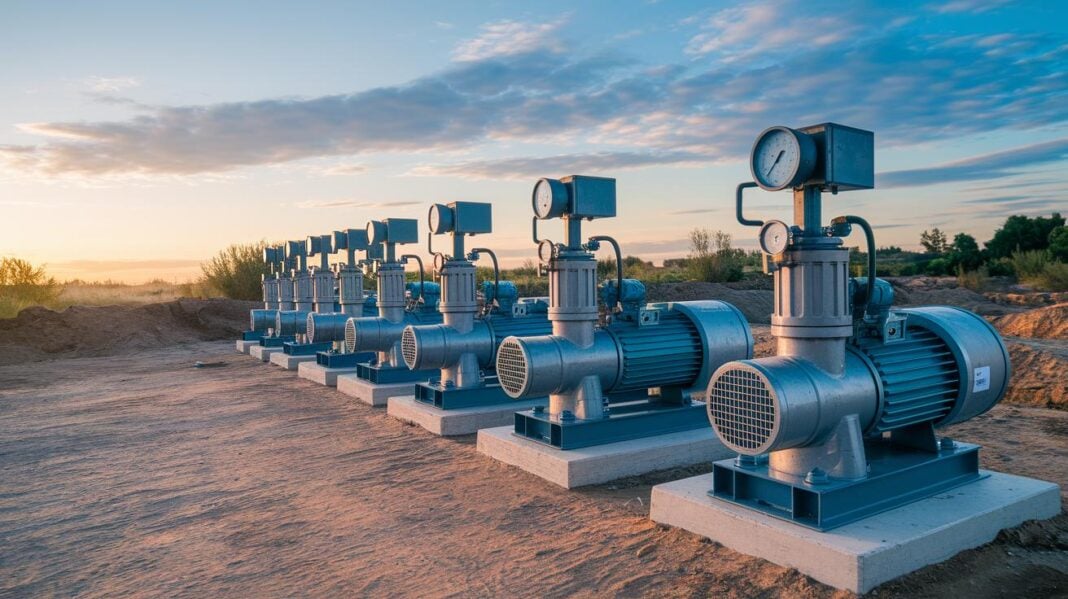

Have you ever wondered if your water pump is ready for an emergency? When water damage hits, you need a pump that works fast to clear the water and protect your home.
In this post, we highlight three water extraction pumps (machines that pull water out) that are both quick and efficient. Think of these pumps as reliable helpers in a flood. They remove water swiftly, slow the spread of damage, and give you a hand when you need it most.
Let's take a closer look to figure out which pump best suits your needs.
Selecting the Ideal Water Extraction Pump for Every Application
When water damage hits, using the right pump can help you recover fast. We offer over 23 models in four main groups designed for different situations. The first group is submersible pumps. These are built for tasks where the pump is completely underwater, like flooded basements or pools. They work best when water is deep and clear, removing water fast in gallons per minute (GPM, the measure of water flow).
Centrifugal pumps use high-speed spinning blades to move water quickly, making them ideal for big jobs such as draining construction sites or agricultural fields. They offer the power you need when every minute counts during an emergency.
Utility pumps are light and easy to move. They work well for small water problems like minor basement floods or clearing puddles on your patio. Their simple setup makes them a handy choice for homeowners who need a quick solution without heavy equipment.
Trash pumps are designed to handle tougher jobs where water carries debris such as mud, leaves, or sand. Their sturdy build prevents clogs, ensuring reliable operation even when the water isn't perfectly clear. Checking the pump's specifications by type and brand can help you match it to your water clarity and lift height needs.
Choosing the right pump depends on the water type, how fast you need to move the water, and the height the pump must lift it. For local pump options, check out our page at water extraction near me.
Key Water Extraction Pump Types Explained
-
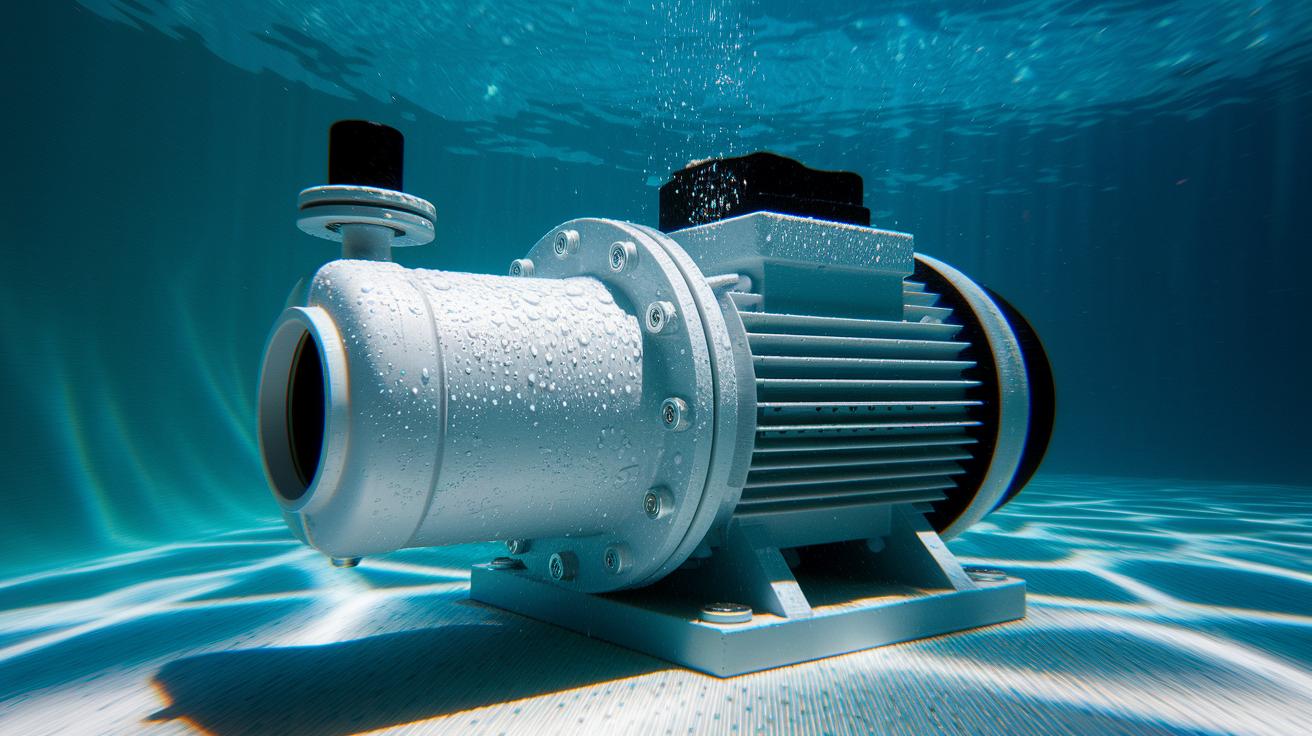
Submersible Pumps: These pumps work underwater and have built-in sensors and oil-lubricated motors in a water-resistant case. They remove water from basements and pools while using less energy. Check the sealing gaskets often to stop leaks.
Example: "After we upgraded our submersible pump, we used less energy during long extractions." -
Centrifugal Pumps: These pumps use variable frequency drives (VFDs, which adjust the pump speed for smoother work) to lower noise and move water faster. They are ideal for big industrial or farm water removal jobs.
Example: "A site manager noted that the new centrifugal pump moved water faster and worked more quietly." -
Utility Pumps: Designed with thermal protection and rust-resistant materials, these pumps last longer and run quietly for small home flood cleanups. Regularly cleaning the filters helps them use less energy.
Example: "A homeowner appreciated the quiet operation of the utility pump while drying out a damp basement." -
Trash Pumps: Made with strong, wear-resistant parts and specially tuned impellers, these pumps can handle mud, leaves, and other debris. They run quietly and last longer in tough outdoor work. Regular debris clearing keeps them running well.
Example: "Even in water full of debris, the advanced trash pump stayed quiet and worked reliably."
Understanding Water Extraction Pump Performance Specs
When choosing a pump, first check the flow rate (measured in gallons per minute, or GPM). This shows how fast water can be removed from your space. A higher GPM means faster water removal in an emergency.
Next, look at the total dynamic head (the lift height in feet). This number tells you how high the pump can push the water. If you need to move water upward several feet, you need a pump with enough power.
Also, check the pump’s solids-handling capacity. This rating shows the size of debris (like dirt or leaves) the pump can handle without clogging. For water mixed with particles, choose a pump that is built for solids.
The power source is important too. Electric pumps are usually quieter and more efficient on most job sites. Gas-powered pumps work well when electricity is not available.
Noise is another factor to consider. A pump that makes too much noise might disturb a busy work site. Quieter models help create a calm and safe environment.
| Spec | What It Means |
|---|---|
| Flow rate (GPM) | How fast water is moved |
| Total dynamic head | How high water is pushed |
| Solids-handling capacity | The size of debris the pump can handle |
| Power source and noise | The energy type and sound level of the pump |
We use these specs to help you pick the right pump so water is removed quickly and efficiently.
Proper Installation and Maintenance of Water Extraction Pumps
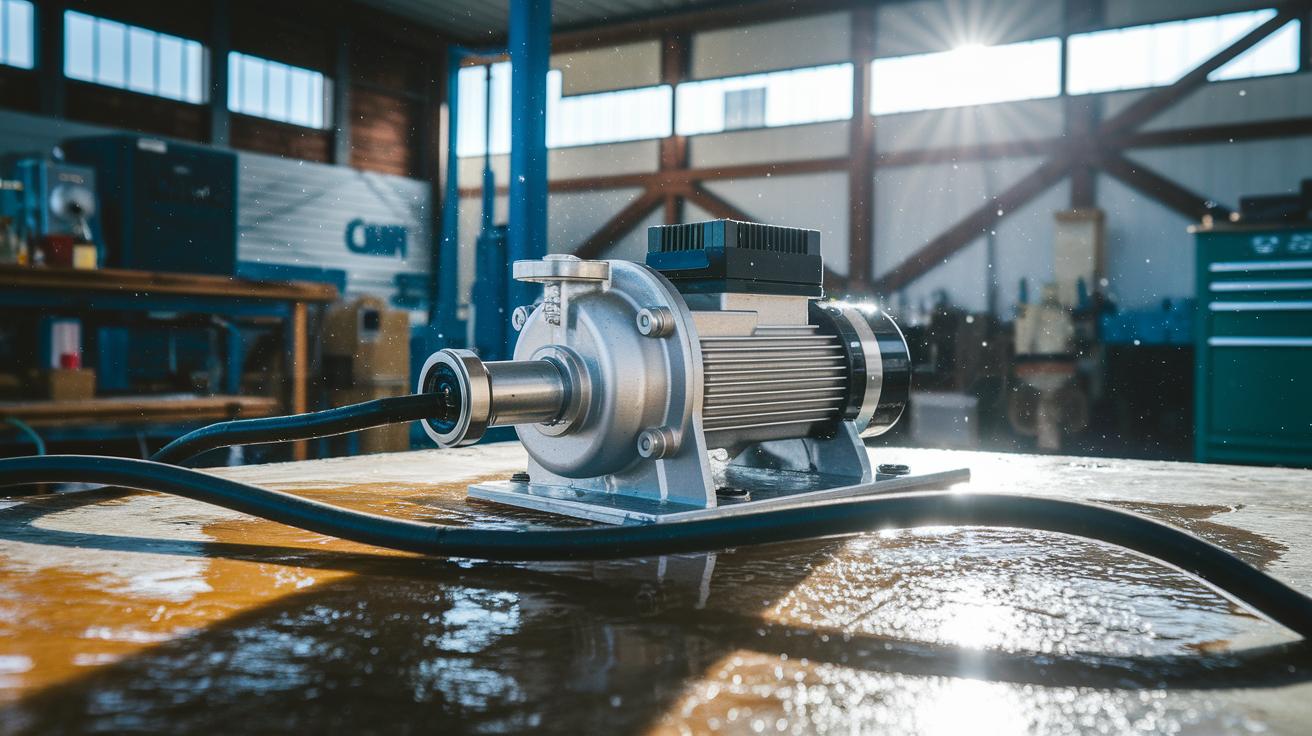
Place your pump on a flat, sturdy surface to keep it steady and reduce vibrations. Tighten all hose fittings well so they don’t come loose and cause water loss or lower performance. For centrifugal pumps, always prime by filling the pump with water before you start it. This step helps avoid dry running (running without water) which can harm the impeller.
When using electric pumps, follow the manufacturer’s wiring instructions carefully. Make sure all electrical connections follow safety codes and use a GFCI-protected circuit if possible to help prevent electric shock.
Routine maintenance keeps your pump ready when you need it most. Check all seals and gaskets regularly for signs of wear. Clean the intake screen often to remove debris that can block water flow. Lubricate the bearings and inspect the impeller to catch any cracks early. In cold weather, follow winterizing steps to protect your pump from freezing.
- Flat, sturdy placement for stability
- Tight hose fittings to prevent leaks
- Proper priming for centrifugal pumps
- Adherence to manufacturer’s wiring for electric pumps
- Regular seal and gasket inspections
- Frequent cleaning of the intake screen
- Bearing lubrication
- Impeller checks for damage
- Winterizing protocols
If DIY maintenance isn’t enough, call our emergency water extraction service for professional help at emergency water extraction.
Troubleshooting Common Water Extraction Pump Problems
If your pump does not start, check the power first. Look at the switch and wiring to see if any connections are loose or damaged. Sometimes, a power issue can look like the pump has failed.
If the water flow is lower than expected, check for clogs. Look at the intake for debris, listen for any signs of air in the system (an airlock is when air stops the water from flowing), or see if the impeller (the spinning part) looks worn. A good cleaning can often fix the problem.
If the pump gets too hot, inspect the discharge path for blockages. Consider if the motor is working too hard. An overloaded motor may need a break or professional service to adjust its duty cycle.
Leaks usually mean the mechanical seals are worn out. Check the seals around the pump housing and connections for any cracks or deterioration to stop more water loss.
If you hear unusual vibrations or noise, check the pump’s alignment and bearings (the parts that let it spin smoothly). If problems keep coming back after these checks, it is a good idea to call a professional for repair.
Water Extraction Pump Models & Pricing Guide

Our catalog features 23 pump models grouped into four main types: submersible, centrifugal, utility, and trash pumps. Each type meets a specific water removal need. Knowing these groups helps you plan your budget and use our filters to narrow choices by type, brand, or special features.
Submersible pumps work underwater and are great for deep water tasks like clearing a flooded basement or emptying a pool. These pumps come at a moderate price.
Centrifugal pumps use fast-spinning blades (called impellers) to move water quickly. They are built for large-scale work, such as industrial or farm water removal, and usually cost more because they deliver extra performance.
Utility pumps are our most budget-friendly option. They are light and best for small jobs like minor basement floods or clearing puddles where cost is a major factor.
Trash pumps are designed for water that contains debris. They have a sturdy build for heavy-duty tasks such as muddy water or construction runoff. For example, SKU KC-40H is made for tough jobs and carries a higher price due to its durability.
On our online store, you can use filters to sort by pump type, color, or brand. This makes it easy for you to find the right pump to match your water removal needs and budget.
Safety and Maintenance Guidelines for Water Extraction Pumps
Your safety and the pump’s long life are our top concerns. Always plug electric pumps into circuits with GFCI protection (a safety device that cuts power to prevent shocks). Fill the pump with water first to avoid dry running, which can harm the impeller (the spinning part). Fasten all hoses and fittings securely to keep hazards at bay. Stand on dry, stable ground even in wet areas to lower the risk of slips and falls. Wear gloves and eye protection during setup and operation. Listen for any unusual sounds compared to the manufacturer's guidelines to catch problems early.
Taking routine care of your pump keeps it running well. Clean it regularly to remove dirt and debris. Lubricate moving parts as the manufacturer recommends to keep them working smoothly. Check all electrical wiring and connections for signs of wear or damage. Follow the recommended duty cycle to prevent the pump from being overworked.
- Use GFCI-protected circuits
- Prime the pump before use
- Secure all hoses and fittings
- Maintain stable, dry footing
- Wear personal protective equipment (PPE) like gloves and eye protection
- Listen for sound changes as per manufacturer guidelines
- Clean and lubricate regularly
- Inspect electrical wiring and connections
Final Words
In the action, we broke down how to choose the right pump for your needs, from understanding water clarity, flow rates, and lift height to comparing submersible, centrifugal, utility, and trash models. We shared setup, maintenance, troubleshooting tips, and safety guidelines to help you act fast. You now have a clear guide on pump performance and pricing to make an informed choice. Rely on these insights and trusted water extraction pumps to keep your home safe and dry.
FAQ
What water extraction pump types are available for sale and for home use?
The water extraction pumps for sale and homes include automatic, portable, small, and water transfer models. These pumps help remove water from flooded areas by matching specific site needs and water conditions.
What type of pump do I need to remove water effectively?
The type of pump you need depends on water clarity, debris level, flow rate (gallons per minute), and lift height. Choosing the right model ensures fast and reliable water removal.
How deep will a hand pump pull water and which pump works best for water removal from lakes?
The hand pump pulls water only a few feet deep. For lakes or deeper water, a submersible or centrifugal pump with a proper lift capacity is best to pull and remove water effectively. If you need local pump procurement or service, check out our selection at
Fire Flood Rescue.