


Most ceiling leak repairs cost between $300 and $2,500, but here’s the tricky part: the water stain you see is rarely the full story. That small brown circle on your ceiling might mean wet insulation, soaked framing, or water that’s been running sideways for days before gravity finally pulled it through. The real cost depends on what’s happening behind the drywall, not just what you can see. This guide breaks down actual pricing by damage severity, leak source, and what drives repair costs up or down so you know what you’re really paying for.
What You’ll Pay to Fix a Leaking Ceiling: Price Ranges and Estimates

| Damage Severity | Price Range | What’s Included |
|---|---|---|
| Minor | $300 to $800 | Drying, small patch repairs, repainting, no structural work |
| Moderate | $800 to $2,500 | Drywall replacement, water source repair, mold treatment, refinishing |
| Severe | $2,500 to $10,000+ | Structural repairs, ceiling joist replacement, insulation removal, large-area reconstruction |
Most homeowners pay somewhere between $300 and $1,200 to fix a ceiling leak, with the national average landing around $700. If you caught the problem early and the stain’s still small, you’re looking at the lower end. But if the ceiling’s sagging or the leak ran for days, expect to climb toward those higher numbers fast.
You’re looking at $50 to $100 per square foot for repairs, and that includes labor, materials, and the finish work that makes it look like nothing happened. Labor alone runs $50 to $100 per hour. The final bill depends mostly on how bad the damage got, what your ceiling’s made of (drywall costs less than plaster), and whether you need actual structural fixes to ceiling joists or framing.
Cost Factors That Drive Up Ceiling Leak Repair Expenses

The size of the damaged area matters more than anything. A two-foot water stain needs less drywall, less labor, and less paint than a ten-foot section that’s buckled and soft to the touch. Bigger repairs mean more materials and more time. It adds up quick.
Labor pricing splits two ways. General repair work (drywall, finishing, painting) runs $50 to $100 per hour. Specialized plumbing work ranges from $45 to $200 per hour depending on what’s leaking and how hard it is to reach. If your plumber needs to open walls or squeeze into tight crawl spaces, you’re hitting the higher end.
Ceiling material type changes everything. Standard drywall is your most economical choice at $50 to $100 per square foot for replacement and finishing. Plaster costs 30% to 50% more because fewer contractors know how to work with it properly, and the material itself takes different skills and more time to match existing textures.
Here’s what actually goes into fixing a ceiling leak:
- Finding and fixing whatever’s causing the water (plumbing, roof, HVAC)
- Water extraction with pumps or wet vacs
- Drying the area using industrial fans and dehumidifiers
- Removing damaged stuff (drywall, insulation, compromised framing)
- Installing new materials, matching texture, priming, and painting so it blends with what’s already there
Hard-to-reach spots add time and equipment costs. Vaulted ceilings, cathedral spaces, or spots above staircases need scaffolding or specialized lifts. Tight attic crawl spaces slow everything down. Accessibility challenges can add 20% to 40% to labor costs compared to a standard eight-foot flat ceiling in an open room.
And finishing isn’t just slapping on paint. Painting and texturing add $150 to $600 depending on ceiling size, how complex the texture pattern is, and whether you need a precise match to the rest of the room. Popcorn texture, knockdown patterns, or hand-troweled finishes take more time than smooth drywall. Getting the new section to blend invisibly with 20-year-old paint requires skill and the right materials.
Water contamination level and structural damage drive costs up fast. If the leak soaked ceiling joists or roof framing for weeks, those components might need reinforcing or total replacement. Structural work pushes projects past $2,500 quickly. Clean water from a supply line is one thing. Water that sat stagnant or came through a roof with organic debris needs more cautious handling and disposal.
Identifying the Leak Source: Detection and Plumbing Repair Costs

You’ve got to find and fix the water source before any ceiling repair begins. If water’s still coming in, patching the ceiling is pointless. The new drywall will just get soaked again, and you’ll pay twice for the same work.
Plumbing repairs range from straightforward $100 fixes to complex $4,000 replacements. The average plumbing repair runs about $275. Simple problems like a loose connection under a sink or a worn wax ring under the toilet sit at the lower end. Major pipe failures inside walls or under concrete slabs climb toward the upper range.
Common plumbing leak repairs and what they cost:
P-trap issues: $100 to $150. Loose connections, worn gaskets, easy access under sinks.
Toilet wax ring replacement: $100 to $200. Straightforward fix, toilet removal and reinstallation.
Dripping faucets or shower valves: $150 to $300. Valve replacement, may need to open walls.
Cracked caulk or grout: $100 to $200. Resealing tub surrounds, shower pans.
Pipe bursts or major leaks: $500 to $4,000. Depends on location, accessibility, and how much pipe needs replacing.
Shower pan failures: $2,000 to $3,500 or more. Requires full shower rebuild in most cases.
Roof-Related Ceiling Leak Repair Costs
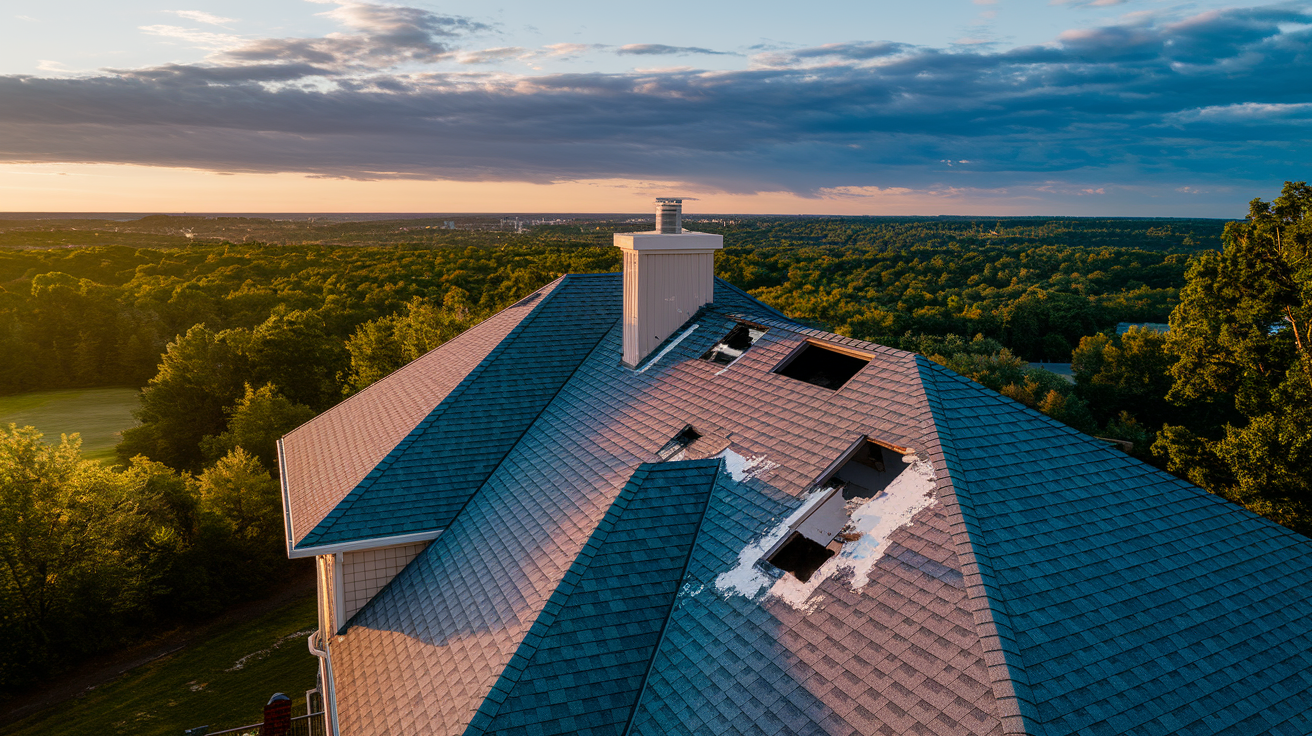
Roof leaks create dual expenses because you’re paying both a roofing contractor to fix the exterior problem and a repair team to handle the interior ceiling damage. This combination often costs more than plumbing-related leaks since roof work involves accessing elevated areas with safety equipment and specialized materials.
Common roof problems that cause ceiling leaks include damaged or missing shingles, failed flashing around chimneys or vents, ice dam damage in cold climates, and membrane failures on flat roofs. Each of these breaks down the water barrier that keeps weather outside. Once water finds a path through the roof deck, it follows rafters and insulation until gravity pulls it through your ceiling. For guidance on addressing roof-related water intrusion, see our detailed roof leak repair resource.
Roof repairs typically cost significantly more than simple plumbing fixes, and most roofing materials need replacement every 20 to 30 years depending on the type installed. Age becomes a major factor in repair versus replacement decisions. If your roof is 18 years old and failing in multiple spots, patching one leak might not make financial sense when the whole system’s near the end of its lifespan.
Additional Expenses: Mold Remediation and Water Extraction

Water extraction and drying services cost $4 to $7 per square foot and must happen before any reconstruction begins. This isn’t optional. Professionals use industrial pumps, wet vacuums, air movers, and commercial dehumidifiers to pull moisture out of materials that can be saved and prepare the area for safe repairs.
The EPA recommends thorough drying within 24 to 48 hours of water exposure to prevent mold growth. That’s a tight window. Mold can start forming within that same timeframe if conditions are right (dark, damp, organic material present). Speed matters here. Drying takes a few days to a week for most situations, with equipment running continuously until moisture meters confirm the area’s dry enough to close back up.
| Service | Cost Range | Timeframe |
|---|---|---|
| Water Extraction | $4 to $7 per square foot | Same day, usually 2 to 4 hours |
| Dehumidification and Drying | Included in extraction cost | 3 to 7 days with equipment running |
| Mold Remediation | $500 to $6,000 | 1 to 5 days depending on extent |
Mold remediation is a separate line item from basic water damage repairs, running $500 to $6,000 depending on how much contamination spread and where it grew. Small surface mold on drywall sits at the lower end. Extensive growth inside wall cavities, on framing, or in HVAC systems pushes costs higher and requires containment barriers, air scrubbing, and disposal of contaminated materials.
Emergency Response and After-Hours Ceiling Leak Repair Pricing

Emergency calls outside regular business hours cost an extra $100 to $200 on top of standard service rates. That premium covers nights, weekends, and holidays when most contractors would rather be home. If you’re calling at 2 a.m. because water’s pouring through the ceiling, expect to pay for the urgency.
Emergency response makes sense when you’re dealing with active dripping, visible sagging or bulging in the ceiling, water pooling on the floor, or dark brown or black staining that indicates serious structural damage. These situations get worse by the hour. Water doesn’t stop on its own, and gravity keeps pulling it into places it shouldn’t go.
Preventing additional damage often justifies the emergency premium versus waiting until Monday morning. If waiting another 12 hours means the ceiling collapses or water spreads into three more rooms, that $150 emergency fee might save you $1,500 in extra repairs. The math makes sense when you’re facing active water intrusion that’s spreading.
DIY Ceiling Leak Repairs Versus Professional Service Costs

DIY ceiling leak repair only works for very minor damage that you caught immediately. We’re talking areas smaller than two feet across, no sagging, no musty smell, and the leak source already fixed and confirmed dry. If you’re looking at anything beyond a surface water stain on otherwise solid drywall, professionals should handle it.
You’ll save on labor costs by doing it yourself, maybe $200 to $400 depending on the scope. But the risks of improper repair include hidden moisture that grows mold, missed structural damage that gets worse over time, and cosmetic work that doesn’t match or starts failing in six months. Those mistakes can double or triple your costs when you eventually call someone to fix both the original problem and your attempted repair.
When DIY ceiling leak repair is appropriate:
Leak source is already repaired and confirmed stopped. Affected area is under 2 square feet. No sagging, soft spots, or visible mold. Caught within hours of the leak starting. You have the right tools and materials to match texture and paint.
Professional ceiling leak repair services justify the $200 to $500 minimum through:
- Leak source identification and repair (finding what caused it, not just patching symptoms)
- Water extraction using commercial equipment
- Drying and dehumidification to prevent mold (moisture meters confirm when it’s actually dry)
- Damaged material removal including drywall, insulation, and compromised framing
- New material installation with proper fastening and sealing
- Finishing work including texture matching, priming, and paint blending
Professional service ensures proper drying, prevents mold growth through verified moisture levels, includes structural assessment for hidden damage, and typically comes with warranty protection. For comprehensive information on the full scope of professional water damage services beyond simple ceiling patching, review our water damage repair guide. That warranty matters. If the repair fails or mold shows up two months later, you’re covered. With DIY work, you’re paying again out of pocket.
Insurance Coverage Impact on Ceiling Leak Repair Costs

Homeowners insurance typically covers sudden and accidental damage like burst pipes, appliance hose failures, or storm damage that punches through the roof. These are events you couldn’t predict or prevent through normal maintenance. The policy treats them as covered perils, meaning they’ll pay for both the water source repair and the resulting ceiling damage.
Gradual leaks from poor maintenance, aging materials, or ignored problems don’t get covered. If a pipe’s been dripping for months and you didn’t fix it, or the roof’s been missing shingles for two years and you didn’t address it, insurance will likely deny the claim. They expect homeowners to maintain their property and address problems before they cause major damage.
Deductibles matter when deciding whether to file a claim for ceiling leak repairs under $1,000. If your deductible is $1,000 and the repair costs $900, filing doesn’t help you financially. Plus, claims can increase future premiums even if the payout is small. Sometimes paying out of pocket for minor repairs keeps your insurance costs lower over time.
Documentation becomes critical if you’re filing a claim. Take timestamped photos of the damage as soon as you discover it. Get a professional assessment that identifies the cause and documents the extent of damage. Insurance adjusters need clear evidence showing when the damage occurred, what caused it, and why it qualifies as sudden and accidental. Most policies cover water damage cleanup and drying, but many have limitations on mold remediation coverage, sometimes capping it at $5,000 or $10,000 regardless of actual costs. Verify your specific policy details before assuming full coverage.
Regional and Geographic Pricing Variations for Ceiling Repairs
Urban areas consistently have higher labor rates than rural locations. A ceiling leak repair that costs $600 in a small town might run $900 to $1,100 in a major city. The difference comes from higher overhead costs, increased demand for contractors, and the general cost of doing business in metropolitan areas where everything from parking to permits costs more.
Regional cost of living, contractor availability, and local building code requirements all affect pricing. Coastal cities and high-cost areas like San Francisco, New York, or Seattle show labor rates 30% to 50% higher than the national average. States with strict licensing requirements or areas prone to natural disasters often have more expensive insurance requirements for contractors, which gets passed to customers.
While the national average sits at $700 for ceiling leak repairs, homeowners in high-cost metropolitan areas may see prices 20% to 40% higher, pushing typical repairs to $850 to $1,000. Rural locations often see costs 15% to 25% lower than the national average, with comparable repairs running $525 to $600. The work’s the same. The location determines how much you pay for it.
Hidden and Unexpected Costs in Ceiling Leak Repairs

Opening up a damaged ceiling often reveals problems that weren’t visible during the initial inspection. What looks like a small water stain from below might hide soaked insulation, compromised wiring, or structural damage to ceiling joists that only becomes obvious once you cut into the drywall.
Structural issues like compromised ceiling joists or roof framing require reinforcement or replacement and push costs beyond $2,500 fast for extensive damage. If joists have been wet for weeks or months, wood rot weakens their load-bearing capacity. Engineers sometimes need to assess whether reinforcement is enough or if full replacement is required for safety. That engineering consultation adds $300 to $600 before repair work even starts.
Older homes built before the 1980s may contain asbestos in ceiling materials, requiring specialized removal at $400 to $500 for small areas or $3 to $7 per square foot for larger sections. This isn’t optional. Federal law requires certified asbestos abatement contractors to handle removal, and you can’t proceed with repairs until hazardous materials are properly removed and disposed of.
Common hidden costs discovered during ceiling leak repairs:
Electrical work and rewiring if water damaged junction boxes or fixtures ($200 to $800). Insulation replacement throughout the affected area ($1.50 to $3 per square foot). Structural reinforcement of ceiling joists or rafters ($500 to $2,000). Permit fees for extensive work requiring inspections ($50 to $300). Demolition and disposal fees for water-damaged materials ($100 to $400). Asbestos testing and removal in older homes ($400 to $7 per square foot).
Getting Accurate Contractor Quotes and Repair Estimates
Get at least three detailed written estimates that break down all cost components separately. A single lump-sum number that says “$1,200 for ceiling repair” tells you nothing about what you’re paying for. You need to see line items for water removal, demolition, materials by type and quantity, labor hours and rates, and finishing work.
Every ceiling leak repair estimate should itemize:
Water extraction costs (equipment, labor, disposal). Demolition and removal costs (cutting out damaged materials, protecting surrounding areas). Materials by type and quantity (drywall sheets, insulation, paint, primer, texture compound). Labor hours and rates (separate plumbing from general repair if both are needed). Finishing work including texture matching and paint (this is often 30% of the project cost). Permit fees if required (jurisdictions vary on what triggers permit requirements). Disposal and cleanup fees (dumpster rental, hauling damaged materials, final cleanup).
IICRC certification indicates contractors have specific water damage restoration training and follow industry standards for drying, moisture testing, and mold prevention. This matters more for ceiling leaks than for general handyman work because improper drying creates problems that show up months later. Ask if the company or specific technicians hold IICRC Water Damage Restoration Technician certification.
Avoid contractors who demand large upfront deposits exceeding 50% of the total project cost, use high-pressure sales tactics like “this price is only good today,” refuse to provide written contracts with specific scope details, or can’t produce current proof of licensing and liability insurance. These are red flags that often lead to incomplete work, cost overruns, or contractors who disappear mid-project.
Preventing Future Ceiling Leaks and Maintenance Costs
Prevention costs a fraction of emergency ceiling repairs. Spending $200 to $400 annually on routine maintenance can prevent $2,000 to $5,000 in leak damage and emergency repairs. The math strongly favors staying ahead of problems rather than reacting after water’s already coming through your ceiling.
Preventive maintenance tasks with recommended frequencies:
Clean gutters twice yearly minimum, more often if you have nearby trees that drop leaves ($150 to $300 per cleaning). Annual attic inspection for moisture signs, roof leaks, or condensation problems ($100 to $200 for professional inspection). Roof inspection every 3 to 5 years to catch damaged shingles, failed flashing, or membrane issues before they leak ($150 to $300). Plumbing system checks for corrosion, loose connections, and aging supply lines ($100 to $200 annually). HVAC drain line maintenance quarterly to prevent condensation backups (DIY or included in HVAC service contracts). Pipe insulation in cold climates to prevent freeze-related bursts ($2 to $4 per linear foot, one-time cost). Annual caulk and flashing inspection around tubs, showers, and roof penetrations (DIY or $100 to $150 professional check). Proper attic ventilation maintenance to prevent condensation that mimics roof leaks (verify during annual inspection).
Routine maintenance catches small problems before they become expensive emergencies. A $150 roof inspection finds damaged flashing that costs $200 to repair. Skip that inspection and the flashing fails completely, letting water run into your attic for months until you’re facing a $3,000 ceiling repair plus mold remediation. The inspection and preventive repair together cost less than 15% of the emergency repair.
Long-term costs favor prevention dramatically. Roof systems need replacement every 20 to 30 years depending on material type. Plumbing systems typically need updates every 50 to 70 years. Staying on top of maintenance extends those lifespans and prevents surprise failures that cause ceiling damage while you’re figuring out what went wrong.
Final Words
Ceiling leak repair cost depends mainly on how fast you catch the problem and how much damage already happened.
Minor stains might cost $300 to $800. Severe structural damage can push past $10,000.
The key is acting quickly. Water doesn’t wait, and every day adds cost.
Get at least three detailed written estimates. Make sure they cover leak source repair, water extraction, drying, material replacement, and finish work that matches your existing ceiling.
Most homeowners spend around $700 to get their ceiling dry, safe, and looking right again.
FAQ
How expensive is it to fix a leaking ceiling?
Fixing a leaking ceiling costs $300 to $800 for minor damage, $800 to $2,500 for moderate repairs, and $2,500 to $10,000 or more for severe structural damage. The national average sits at approximately $700, with most jobs running $300 to $1,200 depending on damage severity and ceiling material type.
Will insurance cover a ceiling leak?
Insurance typically covers ceiling leaks from sudden and accidental damage like burst pipes or storm damage, but not gradual leaks from poor maintenance or aging materials. Coverage depends on your specific policy, the damage cause, and your deductible amount. Filing claims for repairs under $1,000 may not make financial sense since claims can increase future premiums.
What to do if water leaks through your ceiling?
If water leaks through your ceiling, shut off the water source if possible, move valuables away from the affected area, and place buckets under active drips. Contact a professional immediately for leaks causing sagging, dark staining, or active water accumulation. Document damage with photos for insurance purposes and avoid touching electrical fixtures near wet areas.
How much does Home Depot charge for water damage ceiling repair?
Home Depot contractors typically charge $50 to $100 per square foot for ceiling water damage repair through their referral network, with total jobs ranging from $300 to $1,200. Final costs depend on damage severity, ceiling material type, and whether structural repairs are needed beyond basic drywall replacement and finishing work.
When should I call a professional for a ceiling leak instead of doing DIY repairs?
You should call a professional for ceiling leaks involving areas larger than two square feet, any sagging or bulging, visible mold growth, or unknown water sources. Professional help is required when structural damage to joists appears, electrical wiring runs through affected areas, or moisture has spread beyond the visible stain. DIY only works for very minor surface staining caught immediately with the leak source already fixed.
How long does it take to repair a leaking ceiling?
Repairing a leaking ceiling takes 3 to 7 days for most jobs, with drying time being the longest component requiring several days before repairs can proceed. Minor repairs may finish in 1 to 2 days after drying, while severe damage requiring structural work can take 2 to 3 weeks including proper moisture removal and finish work.
What increases the cost of ceiling leak repairs the most?
Mold remediation adding $500 to $6,000, structural damage requiring joist replacement beyond $2,500, and hard-to-reach locations like vaulted ceilings increase costs most significantly. Plaster ceilings cost 30% to 50% more than drywall repairs, and complex plumbing fixes ranging from $500 to $4,000 for pipe bursts dramatically affect total expenses.
Does mold always develop after a ceiling leak?
Mold can appear within 24 to 48 hours of water exposure if moisture isn’t properly removed. The EPA recommends thorough drying within 24 to 48 hours to prevent mold growth. Professional water extraction and dehumidification costing $4 to $7 per square foot helps prevent mold when applied quickly after leak discovery.
How do I know if my ceiling leak damaged the structure?
Ceiling leak structural damage shows as sagging or bulging areas, visible warping of ceiling joists in attic spaces, and soft spots when gently pressing the ceiling surface. Dark brown or black staining, musty odors, and cracks spreading from the wet area indicate serious damage requiring immediate professional assessment beyond cosmetic repairs.
What’s the difference between emergency and regular ceiling leak repair pricing?
Emergency ceiling leak repair adds $100 to $200 to standard service rates for after-hours, weekend, or holiday calls. Emergency response is justified when active dripping occurs, ceilings sag or bulge, or dark staining indicates structural compromise requiring immediate attention to prevent further damage that could double repair costs.