
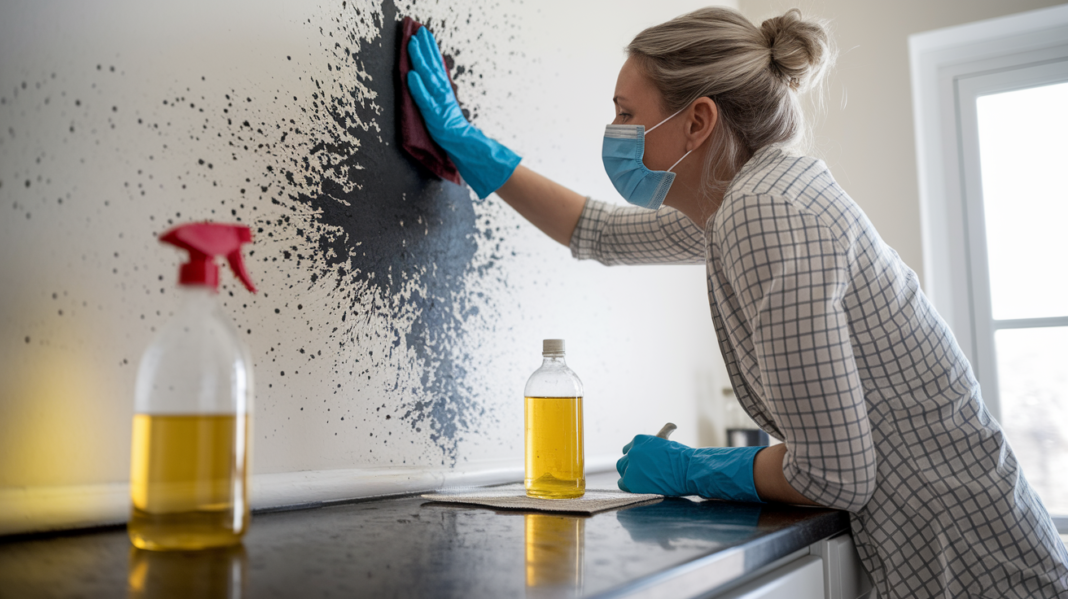

Think a quick wipe will make smoke-stained walls disappear? Not usually.
Soot and oily smoke can bond to paint and leave a musty smell if you clean the wrong way.
This post gives a clear, step-by-step method for cleaning walls safely—what to do first, which supplies work, and how different wall types change the approach.
You’ll also learn how to stop more damage, when to seal or replace drywall, and what to document for insurance.
Practical, fast, and focused on real repairs.
Immediate Method for Cleaning Smoke Residue from Walls

Start by protecting your floor with drop cloths or old newspapers. Put on nitrile gloves and an N95 respirator before you touch anything. Open windows and turn off the HVAC to stop soot from spreading through vents.
Before you add water, you need to remove loose soot. Use a dry chemical sponge and wipe downward in long, straight strokes. Don’t scrub. Don’t wet the sponge. If the sponge gets clogged with soot, fold it to a clean side or grab a new one. Once you’ve lifted the dry soot, you’re ready for wet cleaning.
Mix your cleaner and work from the bottom up to prevent streaking. Here’s the fastest method using common supplies:
- Fill a bucket with one gallon of hot water and add a quarter cup of TSP or TSP substitute. Wear gloves and goggles.
- Dip a soft sponge into the solution and wring it until damp, not dripping.
- Start at the baseboard and wipe upward in small sections, about three feet wide.
- Rinse the sponge in clean water after each pass and wring it again.
- Once the section is clean, wipe it down with a second sponge soaked in plain water to remove cleaner residue.
- Dry the wall immediately with a microfiber cloth or clean towel.
For lighter soot, you can substitute one cup of white vinegar per gallon of warm water instead of TSP. For greasy cooking smoke, add two tablespoons of liquid dish soap or a commercial degreaser to the vinegar mix.
Most walls will look noticeably cleaner after one pass. If you still see staining or a yellow tint, let the wall dry for at least two hours and repeat the cleaning. Stubborn discoloration usually means soot has soaked into the paint or drywall and will require a stain blocking primer before repainting.
Essential Supplies for Removing Smoke and Soot from Walls
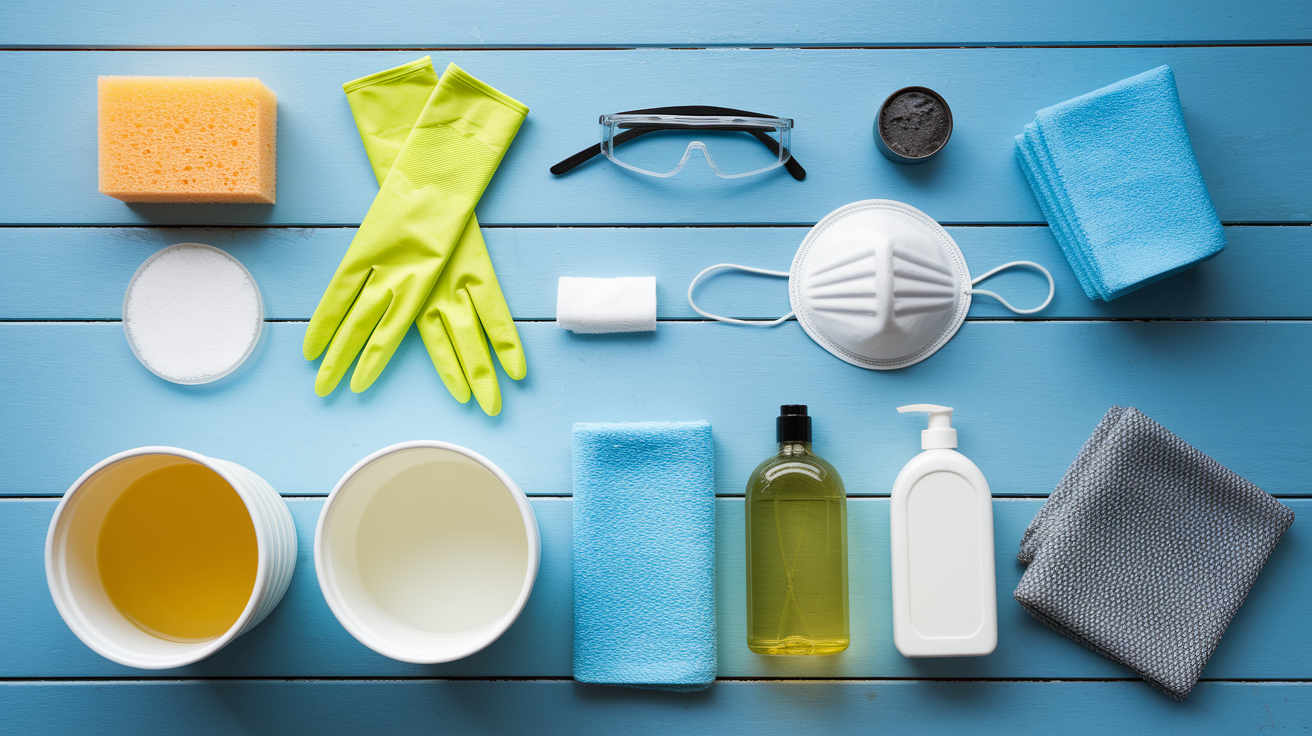
You need the right tools to lift soot without smearing it deeper into the wall. Chemical dry cleaning sponges are designed to grab soot particles without water. They look like dense foam blocks and they work better than regular sponges because they don’t smear. Once a side is saturated with soot, you fold or cut to a clean surface.
Microfiber cloths help with the final rinse and drying steps because they don’t leave lint. TSP and degreasers break down the oily, sticky residue left by smoke, especially from cooking or low oxygen fires. Protective gear keeps you safe from skin irritation and breathing in fine soot particles that can reach deep into your lungs.
Here’s what you need before you start:
- N95 or P100 respirator
- Nitrile gloves
- Safety goggles
- Chemical dry cleaning sponge (also called a soot sponge)
- TSP or TSP substitute
- White distilled vinegar
- Liquid dish soap or degreaser
- Two buckets (one for cleaner, one for rinse water)
- Microfiber cloths or lint free towels
- Drop cloths or old newspapers
- Step ladder (if cleaning above shoulder height)
How Wall Materials Affect Smoke Cleaning Methods

The type of wall surface changes how much soot sticks and what you can use to remove it. Flat paint and bare drywall are porous, so soot soaks in fast. Semi gloss and gloss finishes resist staining better because the surface is sealed. Wallpaper and brick both need gentler handling to avoid permanent damage.
Drywall and Flat Paint Walls
Flat or matte paint absorbs smoke residue like a sponge. If the soot has been sitting for more than a few days, it may have bonded to the paint. Start with the dry sponge, then test a small patch with TSP solution. Scrub lightly with a soft sponge and rinse immediately. If staining remains after two cleaning passes, the drywall paper or paint is too saturated. You’ll need to seal it with a shellac based primer and repaint. Expect one coat of primer and one to two coats of finish paint to cover smoke stains on flat finish walls.
Painted Walls with Semi Gloss or Gloss Finish
Semi gloss and gloss paints clean easier because the surface is harder and less porous. Use the same dry sponge first, then clean with a vinegar solution or TSP mix. You can apply slightly more pressure with the sponge on gloss finishes, but avoid scrubbing in circles because it can dull the sheen. Rinse thoroughly and dry with a microfiber cloth. Most gloss and semi gloss walls will return to their original appearance after one cleaning if the smoke exposure was light to moderate.
Wallpaper
Don’t soak wallpaper. Water will loosen the adhesive or cause the paper to bubble and peel. Use a dry chemical sponge and wipe gently in the direction of the seams. For light nicotine or cooking smoke, mist the surface lightly with a vinegar water spray (one part vinegar to three parts water) and blot immediately with a dry cloth. Don’t let moisture sit. If the wallpaper smells like smoke after dry cleaning and light misting, the soot has soaked through the paper and into the adhesive. You’ll need to remove and replace the wallpaper to eliminate the odor.
Brick and Masonry Walls
Brick is porous and rough, so soot embeds into the surface texture. Start with a stiff bristle brush or a dry sponge to loosen surface residue, then vacuum with a brush attachment. Mix a stronger degreaser solution or use TSP at half a cup per gallon of hot water. Scrub in small sections with a stiff nylon brush, rinse with clean water, and blot dry. Heavy soot on brick often requires two or three cleaning passes. If odor remains after cleaning, seal the brick with a masonry sealer or odor blocking primer designed for porous surfaces.
Safety Measures When Dealing with Smoke Damage

Wear an N95 or P100 respirator every time you clean smoke residue. Soot particles are small enough to enter your lungs and can cause breathing problems, bronchitis, and long term respiratory damage. Nitrile gloves protect your skin from TSP, degreasers, and the oils in soot that can irritate or burn. Safety goggles keep soot and cleaning solution out of your eyes, especially when you’re working on ceilings or above your head.
Open all windows and use box fans to create cross ventilation before you start. Point one fan out the window to push contaminated air outside. Turn off your HVAC system so soot doesn’t get pulled into ducts and spread to other rooms. If you’re using TSP or strong degreasers, never mix them with bleach or ammonia because the combination creates toxic fumes. Work in small sections and take breaks outside every thirty to forty minutes to give your lungs a rest.
Deep Cleaning Methods for Heavy Smoke Residue

Heavy smoke from a structural fire or prolonged exposure leaves thick, oily soot that standard cleaning won’t remove. You’ll see a greasy film that smears when wiped, and the smell stays even after washing the walls. This type of damage usually comes from low oxygen fires or burning synthetic materials like foam, plastics, or treated wood. The residue penetrates paint and drywall, so surface cleaning alone won’t fix it.
For deep set soot, you need stronger products and repeated applications. Start with TSP at half a cup per gallon of hot water. Clean one three foot section at a time, let it sit for two minutes, scrub gently with a soft brush, then rinse and dry. If staining persists, apply a commercial degreaser designed for fire restoration (available at hardware or janitorial supply stores). After cleaning, you’ll likely need to seal the wall with an odor blocking shellac or oil based primer before repainting. Some walls will require complete paint removal or drywall replacement if the soot has soaked through to the gypsum core.
Here are the most effective deep cleaning techniques for stubborn smoke damage:
- Apply TSP solution twice, allowing five minutes of dwell time between passes, then rinse thoroughly with clean water.
- Use a steam cleaner with a microfiber pad attachment to lift embedded soot from textured or porous surfaces without excessive scrubbing.
- Spray a commercial smoke residue remover (citrus based or enzyme formulas work well) and let it penetrate for ten minutes before wiping.
- Seal cleaned walls with one coat of shellac based primer to lock in remaining odor and stains before applying finish paint.
- Replace drywall sections if soot has soaked through the paint and paper facing or if the gypsum core is discolored, charred, or crumbling.
Eliminating Smoke Odor After Wall Cleaning

Smoke odor sticks around because soot particles are trapped inside porous materials like drywall, wood trim, and unpainted surfaces. Even after you clean the visible residue, microscopic soot remains in the wall texture, grout lines, and anywhere moisture or heat caused the smoke to penetrate deeper. If the room still smells like smoke forty eight hours after cleaning, the odor is embedded and surface cleaning won’t remove it.
Ventilation helps but it’s not enough on its own. You need to neutralize the odor molecules or seal them inside the wall. Activated charcoal and baking soda absorb airborne odor particles but they won’t pull smoke residue out of paint or drywall. For that, you need chemical neutralizers or a blocking primer that seals the smell inside the surface.
Here are five methods to remove smoke odor after cleaning the walls:
- Run a HEPA air purifier continuously for seventy two hours to filter airborne soot and odor particles. Place the unit in the center of the room and keep windows closed during operation.
- Set bowls of activated charcoal or baking soda in the room and replace them every twenty four hours for three to five days. Use at least two cups per average sized bedroom.
- Spray walls lightly with an enzyme based odor neutralizer designed for smoke (not a masking spray). Let it dry completely and repeat if the smell persists.
- Apply one coat of shellac based or oil based odor blocking primer to all cleaned walls and ceilings before repainting. This seals residual soot and stops odor from bleeding through new paint.
- For severe odor, hire a professional to perform thermal fogging or ozone treatment. Ozone generators are effective but produce hazardous gas and must be used only by trained technicians with the home fully evacuated.
When to Call Professional Smoke Damage Restoration

You should call a professional if the smoke came from a structural fire, if soot is inside your HVAC ducts, or if odor remains after seventy two hours of cleaning and ventilation. Professionals use industrial HEPA vacuums, commercial grade air scrubbers, and stronger degreasing agents than you can buy at a hardware store. They also have moisture meters and thermal imaging cameras to find hidden soot behind walls, inside ducts, and under flooring.
Heavy smoke damage often includes water damage from firefighting, which creates a separate restoration problem. If drywall is wet, charred, or crumbling, or if electrical outlets or fixtures were exposed to heat or water, DIY cleaning isn’t safe. Professional crews will document the damage with photos and moisture readings, remove unsalvageable materials, clean and deodorize what can be saved, and rebuild or repaint the affected areas. They’ll also coordinate with your insurance adjuster and provide detailed scopes and invoices for your claim. Expect full restoration work to take several days to weeks depending on the size of the affected area and the extent of structural repairs needed.
Cost Comparison: DIY Smoke Cleaning vs Professional Restoration

DIY cleaning saves money up front but it only works if the smoke damage is light and limited to a small area. If you already own a vacuum and basic tools, you’ll spend between twenty and sixty dollars on cleaning supplies for one average sized room. That includes TSP or degreaser, sponges, gloves, a respirator, and a couple of chemical dry cleaning sponges. If you need to buy a HEPA vacuum, add one hundred to four hundred dollars.
Professional smoke damage restoration costs more but includes labor, industrial equipment, and guaranteed odor removal. Pricing depends on the size of the affected area, the type of smoke, and whether reconstruction or repainting is required. A single room with light surface soot might cost three hundred to six hundred dollars for cleaning and deodorizing. Whole home restoration after a structural fire can run several thousand dollars or more, especially if drywall replacement, HVAC cleaning, and odor blocking primers are needed.
| Method | Cost Range | Notes |
|---|---|---|
| DIY supplies (one room) | $20–$60 | Includes TSP, sponges, gloves, respirator, drop cloths. Does not include vacuum or primer. |
| DIY with HEPA vacuum purchase | $120–$460 | Add cost of HEPA vacuum if you don’t already own one. Vacuum is reusable for future projects. |
| Professional surface cleaning (per room) | $300–$600 | Light to moderate soot. Includes cleaning, deodorizing, and air scrubbing. Does not include repainting. |
| Professional full restoration (whole home or heavy damage) | $2,000–$20,000+ | Includes drywall replacement, HVAC cleaning, odor blocking, reconstruction, and repainting. Price varies by square footage and severity. |
Final Words
You’re in the action: vent the room, stop any smoke source, and dry-wipe loose soot before wet cleaning.
Mix a TSP or vinegar solution, clean from bottom to top, and pick tools that match the wall, whether drywall, painted, wallpaper, or brick.
Use gloves and a mask, expect to repeat for heavy residue, and call a pro if soot, smell, or damage won’t quit.
For smoke damage cleaning walls, these steps clear most residue and odors and get you back to normal fast.
FAQ
Q: What can I use to clean smoke-damaged or smoker’s walls?
A: You can clean smoke-damaged walls with a dry-cleaning sponge, HEPA vacuum, then a degreasing solution like TSP or diluted white vinegar. Dry-wipe first, then wet-clean from bottom to top to avoid streaks.
Q: Will Kilz cover smoke damage?
A: Kilz will cover smoke damage on many surfaces by sealing stains and reducing odor when applied after thorough cleaning. Porous walls, heavy soot, or deep nicotine may need extra cleaning or professional treatment.
Q: How do you clean a house that has been smoked in for years?
A: Cleaning a house smoked in for years requires ventilating, HEPA vacuuming, dry sponges, repeated degreasing (TSP), washing walls, sealing with an odor-blocking primer, and replacing porous items like carpets or drapes.