


Is your home as safe as you think? In less than a minute, an intruder can get in and cause expensive damage. But you can protect your home with a few simple changes like installing stronger locks and adding outdoor lights. These easy steps not only safeguard your space but may also lower repair and insurance costs. We explain how small, cost-effective updates can make a big difference so you can enjoy real peace of mind.
Essential Cost-Effective Loss Prevention Measures for Homeowners
Burglars can break into a home in less than a minute. We know this is stressful. Quick, simple actions can reduce your risk of theft, vandalism, and minor accidents. These low-cost fixes not only boost your home's security but can also lower repair bills later.
Here are eight easy steps you can take right away:
- Set up a neighborhood watch or buddy system. For example, arrange with neighbors to check on each other’s homes.
- Add deadbolts (strong locks) to all exterior doors.
- Always lock doors and garages, even when you’re home.
- Use timers for indoor lights and TVs. This helps give the impression someone is home.
- Install motion-sensor lights outside. A sudden burst of light can scare off intruders.
- Cover first-floor windows with curtains or drapes to hide your valuables.
- Trim hedges often to remove hiding spots for burglars.
- Keep valuables in plain sight using everyday containers so they don’t stand out.
For more tips on protecting your home, visit this link: home loss prevention tips for avoiding repair costs.
Insurance Benefits of Cost-Effective Loss Prevention Measures
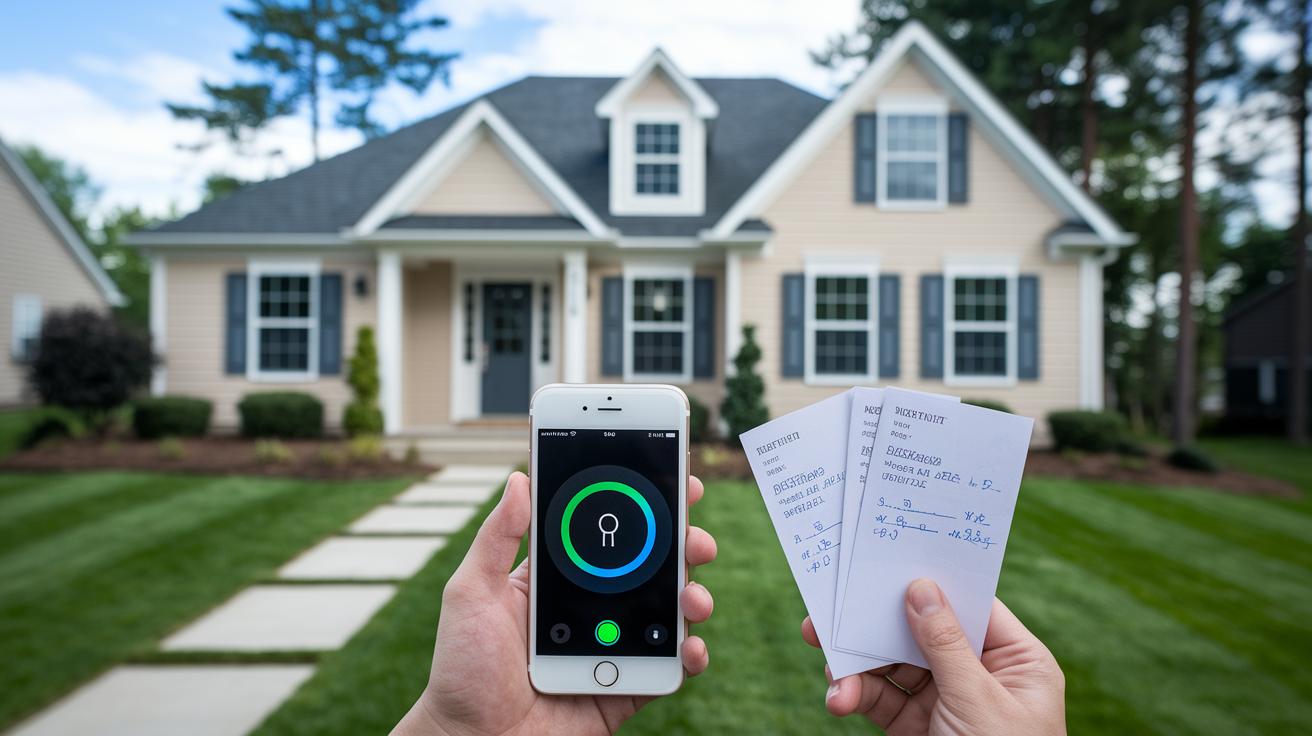
In 2022, U.S. homeowners paid about $1,680 a year for insurance. Small upgrades like stronger locks, brighter outdoor lighting, and modern alarm systems can lower the risk of damage. This means you might lower your deductibles (the amount you pay out of pocket) and even get discounts on your policy. Plus, mortgage lenders often require you to keep a set level of coverage, so these updates help you meet those rules while protecting your home.
When you improve your home, keep clear records of the work. Take photos, hold onto receipts, and save technician notes. This documentation shows insurers you are taking steps to reduce risks. If damage happens, these records can support your claim. For example, you can use our insurance claim documentation checklist for homeowners to make sure you have everything you need. These careful steps help keep your home safe and secure your finances.
DIY Cost-Savvy Security Upgrades: Step-by-Step Guide and Safety Tips
Looking to secure your home without spending a lot? You can make simple improvements on your own. Start by upgrading your front door with a new deadbolt. Measure your door edge, drill the needed holes, and install the latch assembly. You will need a drill (a tool for making holes), a chisel (a tool for cutting), and a screwdriver. This job costs around $15 to $20. Always wear eye protection (safety glasses) when working. I always put on my safety glasses when installing a deadbolt to protect my eyes.
Next, improve your interior security by programming a timer for your lights and TVs. Pick a timer that suits you, whether digital or mechanical. Set the current time and create a schedule for turning your devices on and off. This upgrade will cost about $10. Be sure to test the timer at different times to make sure it works properly.
For extra outdoor safety, install a motion-sensor light. Mount the light 6 to 8 feet high, drill anchors to secure it, and adjust the sensor to cover the right area. This fixture costs about $25 per unit. Always set up your ladder on flat ground to stay safe.
To make your windows more secure, add sliding-bolt locks with a kit that costs around $8, or apply security film (a protective plastic layer) for about $15 per window. Use a cleaning solution and a utility knife (a handy cutting tool) to ensure the film is smooth and bubble-free.
Keep your yard neat by trimming hedges once a month with manual shears or a rented electric trimmer (up to $30). Wear gloves and eye protection while trimming.
Hide your valuables in everyday containers like kitchen jars, or use a small wall safe, which can cost anywhere from $0 to $20. Finally, set up a wireless alarm kit by unpacking the sensors (devices that detect movement), mounting the contact points, configuring the base station, and testing all zones. This kit typically costs between $80 and $100. Always follow the manufacturer’s manual to ensure the system covers your home properly.
Budget-Friendly Emergency Preparedness for Home Loss Prevention

Emergencies like fires, storms, or floods can cause serious damage if you’re not ready. Planning on a budget can really make a difference. We recommend installing fire detection systems that are often bundled with home security at local discount rates. These systems alert you quickly if a fire starts.
Basic safety gear is key. For under $50, you can buy:
- Smoke detectors (devices that alert you when there’s a fire)
- Fire extinguishers (tools to put out small fires)
- Battery-powered flashlights
Regularly testing these alarms and changing their batteries helps them work when you need them. This also helps avoid issues with insurance claims.
Having a clear emergency plan and practicing it every few months ensures everyone knows what to do during a disaster. These simple steps lower risks and speed up recovery if damage happens. Upgrading your safety gear may even earn you policy credits from your insurer.
For more advice on boosting your home’s hazard detection, please visit our page on preventive home upgrades to reduce fire and water damage risk. Taking action today protects lives and saves money.
Final Words
In the action, we reviewed a range of affordable steps to protect your home. We covered quick fixes like installing deadbolts, motion-sensor lights, and DIY security upgrades that reduce the risks from theft, fire, and storms. Planning emergency kits and maintaining simple home improvements cut repair costs and boost overall safety. These cost-effective loss prevention measures for homeowners offer a clear path to keeping your property secure and your mind at ease. Small changes today can lead to a safer tomorrow.
FAQ
What are 5 methods of loss prevention?
The five methods of loss prevention include setting up a neighborhood watch, installing deadbolts on exterior doors, using timers for interior lights, mounting motion-sensor lights outside, and trimming hedges to eliminate hiding spots.
How to reduce homeowners insurance costs?
The process to lower insurance costs involves using risk-reduction upgrades such as improved locks, alarms, and proper documentation of these measures, which can help qualify for discounts on your policy.
What are the most effective home security measures?
The most effective home security measures combine the use of high-quality deadbolts, motion-sensor and timed lighting, reinforced windows, and a wireless alarm system to deter theft and vandalism.
How to protect your home after it is paid off?
Protecting your home after it is paid off means continuing with essential security steps like strong locks, secure windows, exterior lighting, and maintaining a neighborhood vigilance system to keep your property safe.
For further reading, check out home loss prevention tips for avoiding repair costs.