
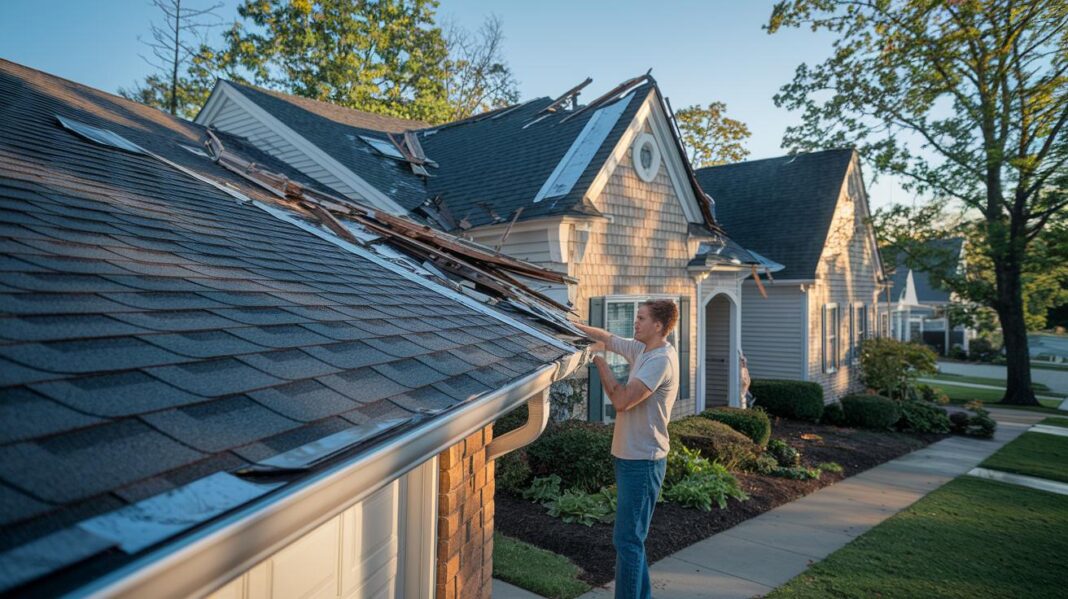

Has a storm left your roof looking unsafe? Heavy rains and strong winds can cause loose shingles or dents that might lead to leaks and mold if not fixed quickly. I know this situation can feel overwhelming. That is why we’ve created a simple guide to help you take safe, immediate steps to stop further damage. Acting fast saves you time and money while protecting your home. Read on to learn how quick, careful repairs can restore your safety and peace of mind.
Immediate Steps for Roof Repair After Storm Damage
After a storm, your roof might be damaged by heavy rain, strong winds, or hail. Step back and stay safe by avoiding wet or shaky areas. From the ground, check for missing or loose shingles, dents, or places where water is collecting. Acting fast can stop leaks, mold growth, and bigger problems later.
Before you climb up or use a ladder, be extra cautious. Instead, use temporary fixes to protect your roof until help can arrive.
- Stay off wet or unstable spots.
- Take clear photos with the date to record the damage.
- Cover damaged areas with tarps, plastic sheeting, or plywood.
- Call a trusted local roofing expert for an emergency check.
- Contact your insurance company right away to start your claim.
Quick action now helps prevent small issues from turning into major ones, keeping your home safer until professional repairs can restore your roof.
Post-Storm Roofing Inspection for Repair After Storm Damage
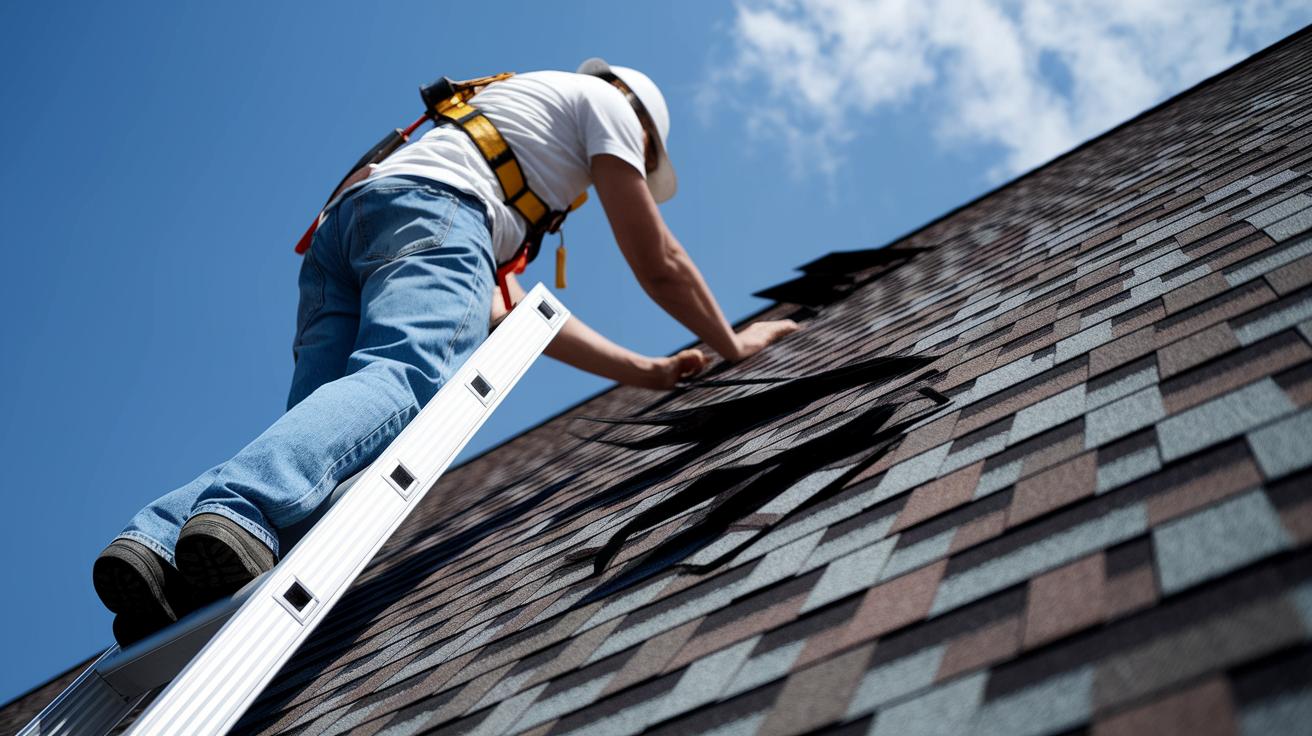
After a storm, it's important to check your roof for damage right away. Always use a secure ladder and wear your fall-protection harness (safety gear that keeps you from falling) when conditions are dry.
Wind Damage Signs
Look carefully for missing, loose, or torn shingles. You might notice raised edges or shingles that have shifted, especially near the roof edges where the wind hits hardest.
Hail Damage Signs
Inspect the roof for dents in the shingles or spots where the granules (the tiny protective coating) have washed away. Hail can damage the surface, leaving it more likely to leak.
Water and Debris Indications
Check that your gutters are not clogged and that you don’t see any water sitting on the roof deck. Also, look for small branches or larger tree limbs that may have hit your roof during the storm and caused weak spots.
Structural Inspection Points
Examine the metal flashings (thin metal pieces that direct water away) around valleys, chimneys, and vents. Even small gaps or lifted areas can let in water, so note any unusual separations.
A careful inspection like this helps you understand the damage and plan your next steps. Write down what you find and share the details with a trusted local roofing expert. Acting early can stop small issues from turning into bigger problems.
Selecting Contractors for Roof Repair After Storm Damage
After a storm, you need to act fast to secure a trustworthy contractor for your roof repair. It is important to hire someone who is licensed, insured, and offers a written guarantee of their work. Many local experts give free storm damage inspections to check your roof before they start any repairs. These checks help find hidden problems so you get a complete repair plan. When you reach out, ask clear questions about their process and request proof of their certifications.
Check their background by reading online reviews and asking local homeowners for references. Look for damage specialists with a strong record of good work, especially after severe weather. Be careful if a contractor offers deals that seem too good to be true; extra fees might pop up later, or the repairs may not be finished well.
Set up your repair appointment as soon as you can. Share all the details of the storm damage, and send clear photos or notes if possible. This helps the contractor understand the issue and make the repairs correctly. A reliable contractor will work with you, even in an emergency, and keep you informed every step of the way while making sure your roof is safely and properly fixed.
Insurance Claims and Cost Estimates for Roof Repair After Storm Damage
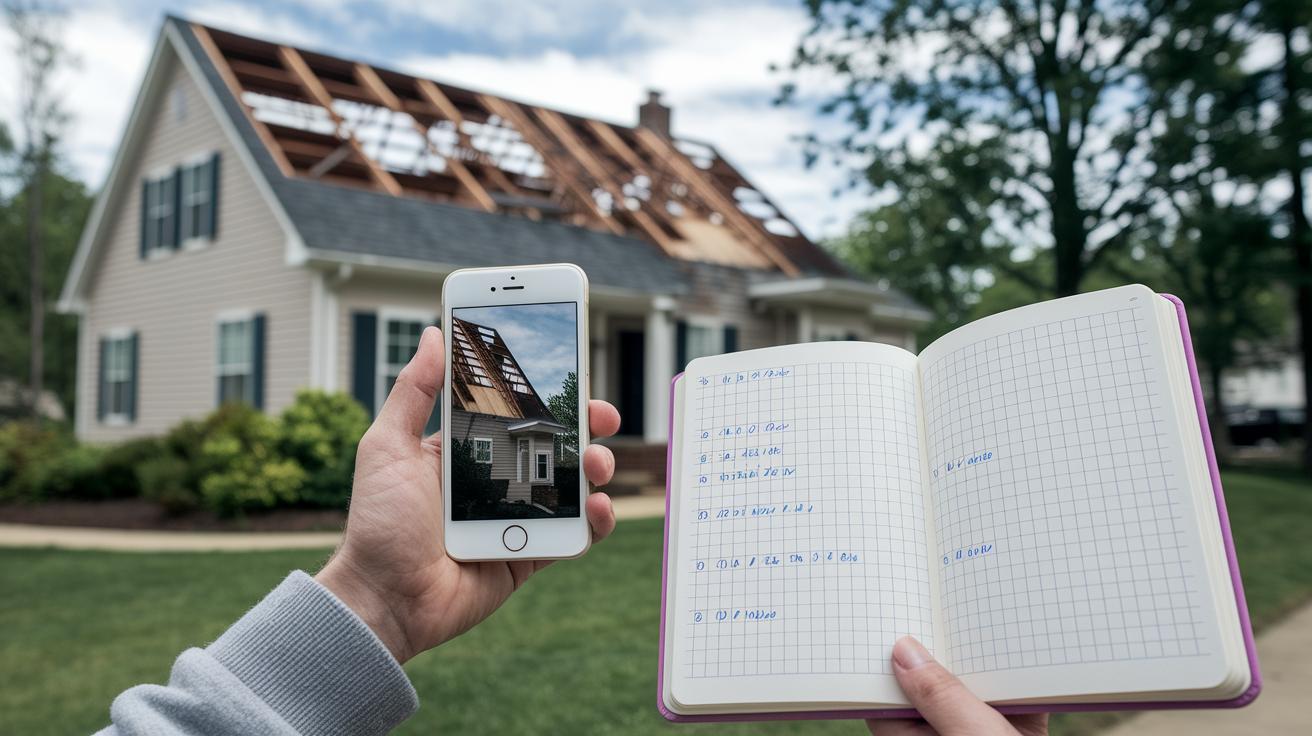
If you spot roof damage from a storm, call your insurance company right away. Snap clear photos with your phone or camera and jot down the date, time, and details like missing shingles, dents, or water marks on your walls. These pictures and notes prove the damage and help support your claim.
Read your insurance policy closely, especially sections on deductibles (the amount you pay) and any exclusions. Tell your adjuster everything that needs to be fixed. Get written cost estimates from repair experts or use online tools to see what repairs might cost. Free quotes from contractors can also help you create an accurate budget, which is useful when discussing a fair settlement with your insurer.
Keep all receipts and estimates for any temporary fixes, like using tarps to cover leaks. Write down every conversation you have with your insurance team and repair professionals, including the date and time. These records help clear up any questions later and ensure you have a complete cost breakdown. Working closely with your insurer and trusted repair pros gets your home safe faster.
Repair Techniques and Material Upgrades for Roof Repair After Storm Damage
Roof repair after a storm is more than just patching holes. It uses better materials and new techniques to protect your home for the long run. Upgrading your roof helps stop future issues and makes it tougher against heavy winds, hail, and rain.
Impact-Resistant Shingle Replacement
Hail can dent your roof coverings (shingles) and cause them to lose their protective coating, which may lead to leaks. We replace damaged shingles with impact-resistant or high wind-rated options that handle storms better. For example, architectural shingles not only protect your roof more effectively but also improve its look and longevity. This upgrade acts like a stronger shield, ensuring that small damage today does not lead to big repairs tomorrow.
Underlayment and Waterproofing Upgrades
The underlayment is a synthetic layer (a man-made cover) placed under your shingles to help keep water out. After storm damage, we add new synthetic underlayment and strong moisture barriers to give your roof extra protection. This added layer stops water from seeping under the shingles, reducing the risk of mold or structural problems. Think of it as a backup system that keeps your home dry even when the weather gets rough.
Flashing and Ridge Repairs
Flashing is the thin metal around roof valleys, ridges, vents, and chimneys that directs water away from your home. Storms can dislodge or damage these metal pieces, weakening your roof’s seal. We repair or replace the flashing to restore full protection. When your flashing is secure, it not only helps prevent leaks but also supports your roof’s overall strength. These targeted repairs fix both visible damage and hidden weak spots, keeping your roof safe and efficient for years.
Preventive Maintenance Strategies for Roof Repair After Storm Damage

After a storm, your roof is the first line of defense. We suggest getting a professional roof inspection twice a year and after any big storm. This helps us catch hidden damage early and keeps your home safe.
Keep your gutters and downspouts clear to avoid water pooling on your roof or its underlayment (the protective layer beneath your roof). Also, seal around skylights, chimneys, or vents and re-flash these areas if needed. This extra work helps stop water from seeping in and causing more harm.
For extra protection, consider extra weekend maintenance. Installing hurricane straps or tie-down systems can help secure your roof during strong winds, especially if you’re in a high-wind area. Adding sealant to ridge caps and roof joints further reduces the risk of leaks. These simple steps extend the life of your roof and keep your home dry during future storms.
Final Words
In the action, you move quickly to secure your roof by safely tarping and inspecting damage, selecting qualified contractors, filing insurance claims, and choosing effective repair methods. We break down each step, from assessing wind and hail damage to upgrading materials, to help you manage the process with clear, simple guidance.
Taking these steps now sets you up for lasting success. With careful planning and trusted experts, roof repair after storm damage becomes a manageable, positive step toward returning your home to safety.
FAQ
What does residential roof repair after storm damage involve?
Residential roof repair after storm damage means fixing broken or missing shingles, clearing debris, and restoring the roof’s seal. This process aims to protect your home from leaks and further damage.
How do homeowners discuss roof repair after storm damage on Reddit?
Roof repair after storm damage on Reddit reflects shared experiences and advice from homeowners. Users exchange tips, contractor recommendations, and repair cost estimates based on their personal events.
What cost should I expect for roof repair after storm damage?
Roof repair after storm damage cost varies by extent of damage and materials needed. Homeowners often see estimates range widely. It’s best to get multiple quotes for an accurate price.
How do I file a storm damage roof insurance claim?
Filing a storm damage roof insurance claim involves contacting your insurer immediately, photographing all roof damage, and documenting repair estimates. This helps support your claim with clear evidence.
What does metal roof repair after storm damage involve?
Metal roof repair after storm damage means fixing dents, bent panels, or loose seams on metal roofs. Expert repair can restore durability and keep your roof weatherproof.
What do roof damage from storm pictures typically show?
Roof damage from storm pictures commonly shows missing shingles, cracked tiles, or debris impacts. These images help document the damage and support your insurance claim.
How does wind damage affect insurance coverage for roofs?
Wind damage to roofs is usually covered by insurance when proper documentation is provided. Ensure you note missing or loose shingles, and report the damage to support your claim.
How often will insurance pay for a new roof after storm damage?
Insurance may pay for a new roof after storm damage if repairs cannot restore safety. Policies vary, so understanding your coverage conditions is crucial before new roof claims are approved.
What should I avoid saying to a roof insurance adjuster?
When speaking with a roof insurance adjuster, avoid downplaying the damage or speculating on repair costs. Stick to clear observations of visible damage and documented evidence.
Is it worth claiming roof damage on insurance?
Claiming roof damage on insurance is worth it when repair costs exceed your deductible. Careful documentation of damage helps ensure a fair claim process and proper repair coverage.