


Not all soot is the same, and cleaning it the wrong way can make things worse.
Dry soot is powdery after hot, oxygen-rich fires.
Wet soot is sticky and oily after smoldering fires or burning plastics and grease.
That difference changes cleanup, damage risk, and whether you need a pro.
This post explains how each type forms, how to identify them by sight and touch, and step-by-step cleanup methods you can try safely.
It also tells you when to call a restoration crew so stains, odors, and hidden contamination don’t stick around.
Identifying Key Differences Between Dry Soot and Wet Soot
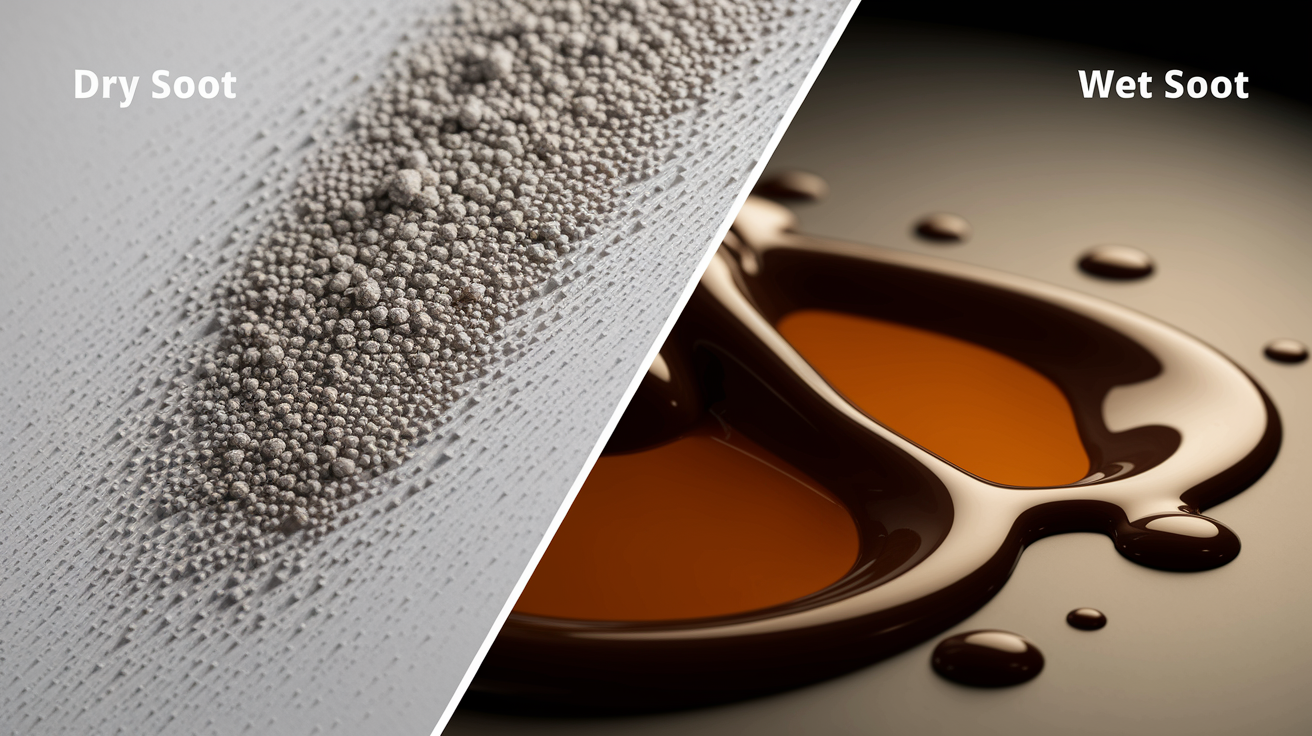
Dry soot shows up when fires burn hot and fast with plenty of oxygen. Think paper, natural wood, anything that catches flame and burns clean. The carbon particles stay loose and powder-like because the fuel burns almost completely. Wet soot is different. It happens when fires smolder without enough air, or when synthetic stuff like plastics, rubber, or kitchen oils burn. Instead of burning clean, these fires release sticky, oily vapors that condense onto surfaces and mix with carbon to create a greasy, adhesive mess.
A kitchen grease fire produces wet soot. So does a slow electrical fire smoldering in a wall. An open wood fire or a structure fire with good ventilation usually leaves dry soot behind. The difference matters because these two types behave completely differently during cleanup. You can vacuum dry soot off a painted wall without leaving a trace. Try the same thing with wet soot and you’ll smear it across that wall and stain it permanently.
Here’s what separates them:
- Combustion temperature: Dry soot comes from high-heat flaming fires. Wet soot from cooler, oxygen-starved fires.
- Oxygen availability: Dry soot needs plenty of oxygen to form. Wet soot develops when oxygen gets limited.
- Residue type: Dry soot is powder and ash. Wet soot is sticky and loaded with unburned oils.
- Overall cleaning difficulty: Dry soot is easier to remove with vacuums and dry methods. Wet soot often requires solvents, multiple cleaning passes, or a pro team.
Causes and Fire Conditions Behind Dry Soot and Wet Soot Formation
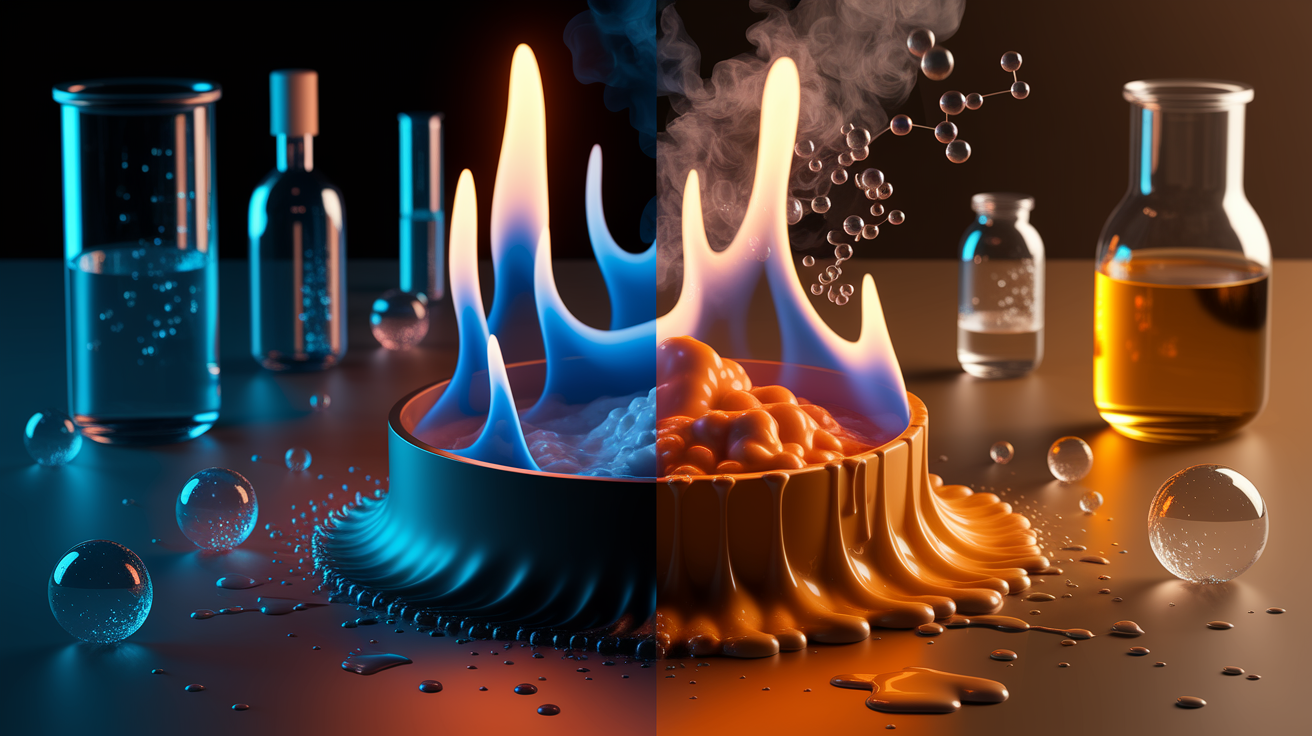
Combustion chemistry determines which soot type you’ll see after a fire. When flames have access to oxygen and burn at high temperatures, organic materials break down almost completely into carbon dioxide, water vapor, and a small amount of dry carbon ash. That ash becomes dry soot. Fine, brittle particles that settle on surfaces without bonding. When oxygen is restricted or temperatures drop, combustion becomes incomplete. Fuels like synthetic fabrics, rubber, candle wax, and cooking oils don’t fully oxidize. Instead they release volatile organic compounds and tarry vapors that condense into a greasy film when they hit cooler surfaces. That film mixes with carbon particles and creates wet soot.
Humidity and condensation make wet soot worse. When a fire smolders in a damp basement or when firefighting water cools surfaces quickly, organic vapors condense faster and stick harder. You might see wet soot after a kitchen fire that self-extinguished when it ran out of grease. Or after an electrical fire that smoldered inside a wall for hours before anyone noticed.
Typical household scenarios split cleanly. A fireplace fire burning seasoned hardwood usually produces dry soot on the mantle and ceiling. A kitchen fire involving cooking oil or a bedroom fire that ignited synthetic bedding and furniture foam will coat walls and cabinets with wet, tacky residue.
Visual and Tactile Characteristics of Dry Soot vs Wet Soot
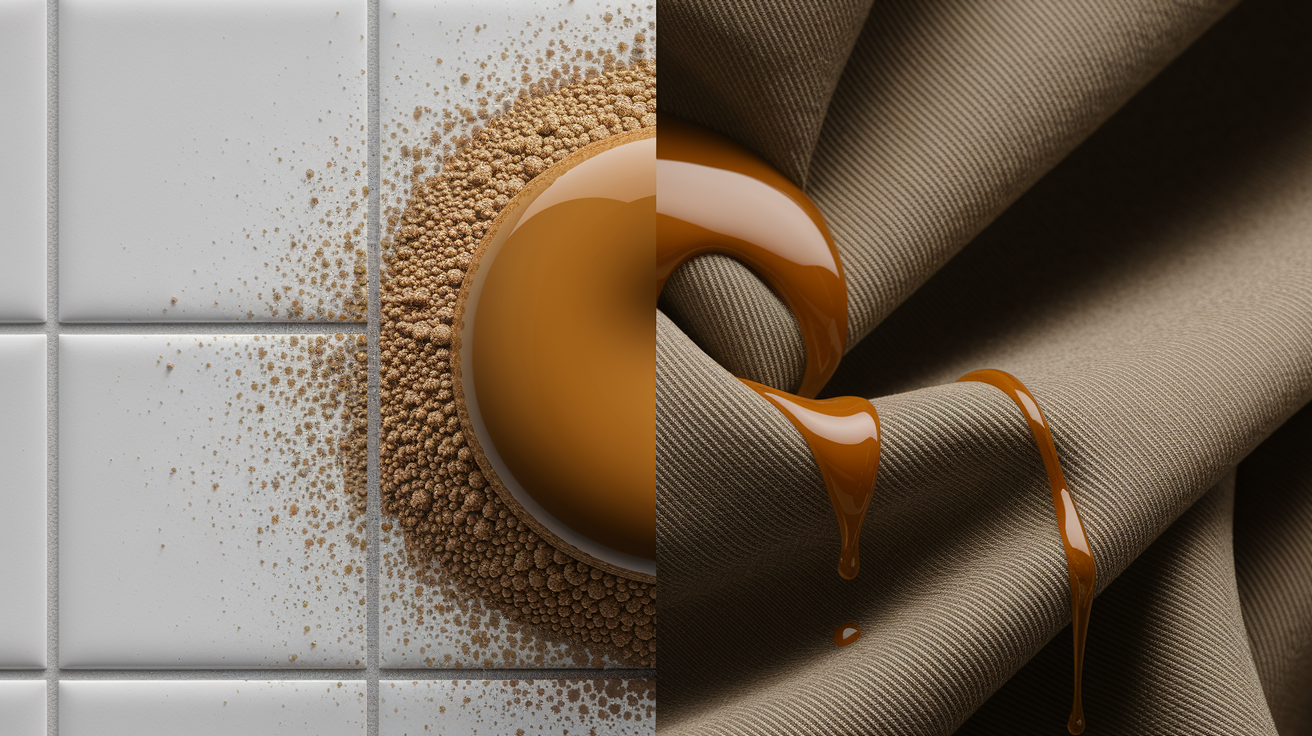
Dry soot looks and feels like fine dust or ash. It ranges from light gray to black depending on what burned, but it stays loose. You can brush it off with a glove or blow it away with a puff of air. It doesn’t cling to vertical surfaces for long and tends to settle in flat layers on floors, shelves, and horizontal trim. When you wipe dry soot with a cloth, it transfers as a powdery smudge without leaving much stain behind.
Wet soot is dark. Usually deep black or chocolate brown. It gleams slightly under light because of the oil content. When you touch it, your glove comes away sticky or greasy. If you try to wipe wet soot with a dry cloth, it smears across the surface in dark streaks and grinds deeper into the material. The unburned hydrocarbons in wet soot act like glue, bonding carbon particles to paint, drywall, wood, and fabric. That bond makes wet soot much harder to remove and much more likely to leave permanent staining.
| Characteristic | Dry Soot vs Wet Soot Description |
|---|---|
| Color variation | Dry soot: light gray to medium black, often dusty appearance. Wet soot: deep black to dark brown, sometimes glossy or matte depending on oil content. |
| Adhesion strength | Dry soot: weak adhesion, easily dislodged by air currents or light contact. Wet soot: strong adhesion, bonds tightly to surfaces and resists mechanical removal. |
| Smear behavior | Dry soot: rubs off as powder with minimal smearing. Simple smear test shows dry transfer onto cloth or glove. Wet soot: smears heavily when wiped. Leaves dark streaks and sticky residue. |
| Odor intensity | Dry soot: mild smoky smell that dissipates with ventilation. Wet soot: strong, acrid, persistent odor from unburned organics. Often smells oily or chemical. |
| Particle distribution | Dry soot: settles in visible layers on flat surfaces, less likely to penetrate porous materials. Wet soot: penetrates pores, cracks, and textiles. Often found inside walls, ductwork, and fabrics. |
| Ease of physical removal | Dry soot: can often be vacuumed or brushed away with HEPA equipment and chemical sponges. Wet soot: requires chemical cleaners, solvents, or replacement. Dry methods spread and worsen staining. |
Common Materials Affected by Dry and Wet Soot

Non-porous surfaces like glass, metal, and glazed tile handle dry soot best. The soot sits on top and vacuums or wipes away without leaving much behind. Wet soot sticks to those same surfaces but usually yields to the right solvent or detergent without permanent damage. Semi-porous materials (painted drywall, sealed wood trim, varnished cabinets) absorb wet soot into the finish layer. You might be able to clean the surface, but discoloration often remains and may require priming and repainting.
Porous materials are where wet soot causes the most trouble. Unfinished drywall, carpet, upholstery, drapes, and insulation soak up the oily residue like a sponge. Even after professional cleaning, odors and stains often persist because the wet soot has penetrated deep into the fibers or paper backing. Dry soot can sometimes be vacuumed out of carpet or wiped off unfinished wood. But wet soot usually means replacement.
HVAC systems spread both types of soot throughout a home. When the system runs during or after a fire, it pulls soot into return ducts, across the blower and coil, and pushes it out through supply registers into every room. Wet soot inside ductwork is especially stubborn and recontaminates cleaned spaces if the ducts aren’t addressed. Professional HVAC cleaning and filter replacement become non-negotiable when soot reaches the system.
Here are five materials and how soot interacts with each:
- Painted drywall: Dry soot often wipes or vacuums clean. Wet soot penetrates latex paint and may require seal-priming before repainting to block stains.
- Upholstered furniture: Dry soot can sometimes be vacuumed from tightly woven fabrics. Wet soot saturates cushion foam and fabric and usually requires professional textile cleaning or replacement.
- Wood flooring and trim: Dry soot brushes off sealed wood. Wet soot stains varnish and may require stripping, sanding, and refinishing.
- HVAC ductwork: Both types contaminate ducts, but wet soot coats interior surfaces and resists air-wash cleaning, often requiring physical wiping or duct replacement.
- Electronics: Dry soot settles on circuit boards and can often be blown or vacuumed away (with power off). Wet soot corrodes contacts and components and frequently destroys sensitive equipment.
Cleaning Methods for Dry Soot
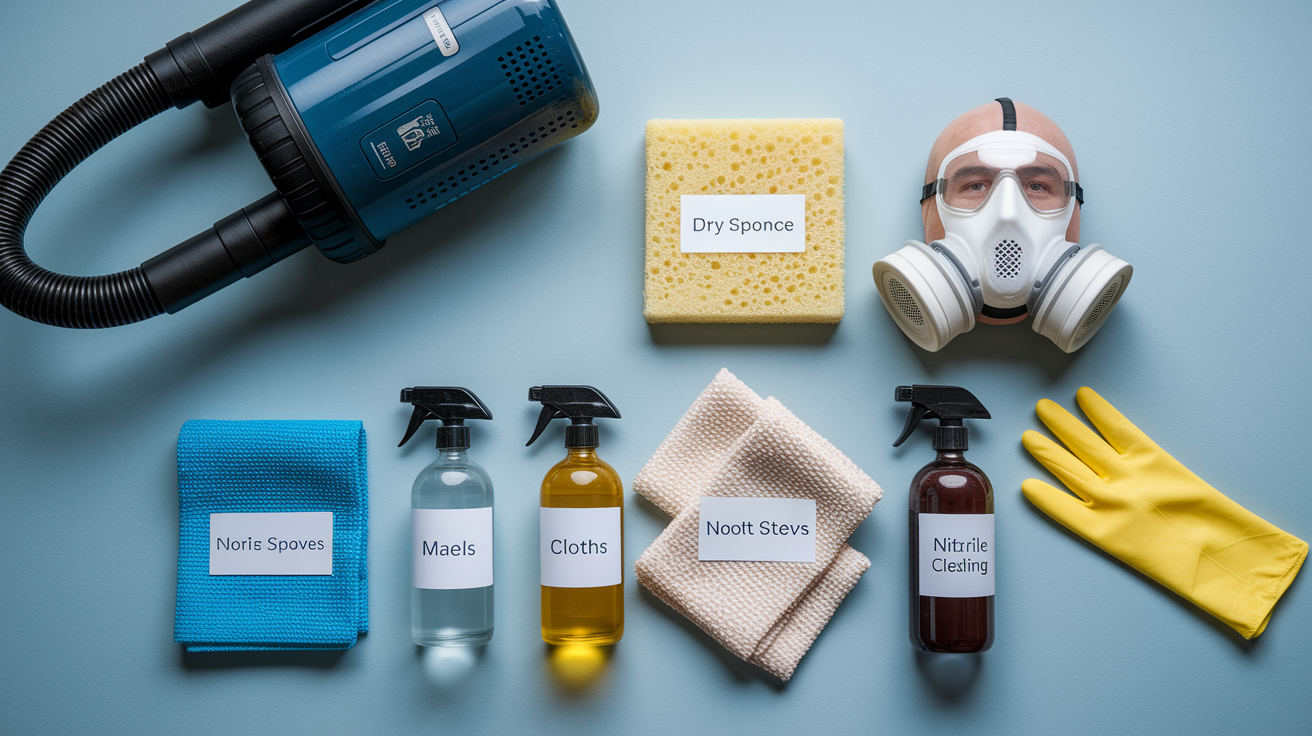
Dry soot cleanup starts with containment and safety. Turn off HVAC to stop airflow from spreading particles. Seal doorways with plastic sheeting if the affected area is limited to one or two rooms. Put on personal protective equipment before you touch anything. At minimum an N95 respirator, nitrile gloves, and safety glasses. Dry soot is fine enough to get deep into your lungs, and disturbing it kicks particles into the air.
The safest first step is HEPA vacuuming. A vacuum with true HEPA filtration (99.97% efficiency at 0.3 micrometers) captures the fine carbon without releasing it back into the room. Work slowly and methodically, using a soft brush attachment to avoid scratching surfaces. After vacuuming, use a dry chemical sponge. Sometimes called a soot sponge. These sponges are made from natural rubber and work like an eraser, picking up soot through gentle friction without water. You wipe in one direction, then fold or cut away the dirty section and keep going. A single chemical sponge costs around $5 to $15 and covers roughly 50 to 100 square feet depending on soot density.
Here’s a complete seven-step process for cleaning dry soot:
- Turn off HVAC and seal vents with tape and plastic to prevent soot from spreading through ducts.
- Put on PPE: N95 or P100 respirator, nitrile gloves, eye protection, and disposable coveralls if the area is large.
- HEPA-vacuum all surfaces starting from the top (ceiling, upper walls) and working down to floors and baseboards. Use slow, overlapping passes.
- Dry-sponge remaining residue with a chemical sponge, wiping in straight lines and rotating or trimming the sponge as it loads with soot.
- Wash surfaces with a pH-neutral detergent mixed in warm water (follow product directions), using a damp cloth or sponge. Not soaking. You want to avoid water damage.
- Rinse and dry with clean water and a separate cloth, then allow surfaces to air-dry completely or wipe dry immediately to prevent streaking.
- Check for odor and discoloration after drying. If stains remain on porous surfaces like drywall, apply a stain-blocking primer (such as an oil-based or shellac primer) before repainting.
HEPA vacuum costs range from $100 for basic consumer models to $1,000 or more for professional restoration units. Chemical sponges are single-use or limited-reuse, so budget $20 to $50 for enough sponges to handle a typical room. For small jobs (less than 10 square feet of light dry soot on non-porous surfaces) DIY is reasonable. Larger areas, porous materials, or any sign of wet soot call for professional help.
Cleaning Methods for Wet Soot
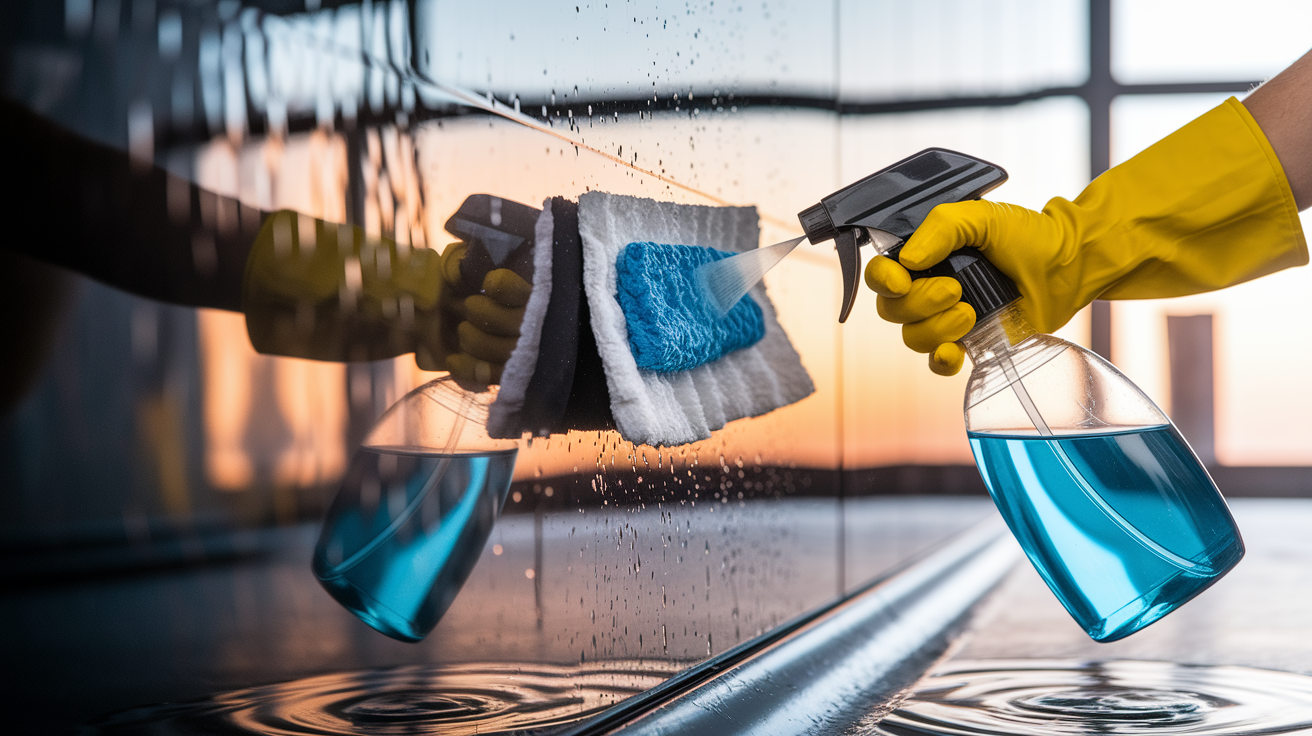
Wet soot won’t cooperate with dry methods. If you try to vacuum or dry-sponge it, you’ll smear the oily residue and push it deeper into the surface. The only reliable approach is chemical cleaning with products designed to break down grease and hydrocarbons, followed by controlled rinsing. Even then, success depends on how deeply the soot has penetrated and how porous the material is.
Start with a test patch. Choose an inconspicuous area (a corner, behind furniture, or inside a closet) and try your cleaning method there first. If the test patch smears, stains, or doesn’t respond, stop. Call a professional before you make the problem worse across the entire room. For surfaces that pass the test, move forward carefully.
Typical wet-soot cleaning uses either solvent-based degreasers or alkaline cleaners like trisodium phosphate (TSP). Solvent cleaners dissolve oily residues without adding water. They work well on painted walls, varnished wood, and metal. TSP is a strong alkaline powder that you mix with water. Common guidance is around 1/4 cup TSP per gallon of warm water, but always follow the product label and wear chemical-resistant gloves. TSP cuts grease effectively but can dull finishes and etch certain surfaces, so test first and rinse thoroughly.
Specialized Cleaning Steps for Wet Soot
Apply the cleaner with a sponge or soft cloth, working in small sections. Wipe gently to avoid grinding soot into the surface. You’ll often need multiple passes. First pass lifts the bulk of the residue, second pass removes what’s left, third pass rinses with clean water. Change your cleaning solution and rinse water frequently. Dirty water just redeposits soot.
For textiles (upholstery, drapes, carpet), hot-water extraction is the standard professional method. A machine injects heated cleaning solution into the fabric under pressure, then immediately extracts it along with dissolved soot and oils. DIY carpet cleaners lack the heat and suction power of professional units, and wet soot often requires multiple extraction passes plus deodorization treatments to eliminate the smell.
When wet soot has bonded to masonry, brick, or metal and won’t respond to liquid cleaners, professionals use media blasting. Soda blasting (sodium bicarbonate) or dry-ice blasting strips soot without damaging the underlying surface. These methods require specialized equipment. Rental costs for a soda blaster start around $200 per day, and safe operation takes training. For heavy wet-soot contamination, professional restoration services often range from $2,000 to $15,000 depending on the size of the affected area, the materials involved, and whether structural repairs are needed. Extensive jobs with HVAC cleaning, contents pack-out, and rebuilding can reach $20,000 or more.
Smearing is the constant risk. Never use a dry cloth on wet soot. Never scrub hard. If the residue won’t lift with gentle chemical cleaning, the material probably needs replacement, seal-priming, or professional remediation rather than more aggressive DIY scrubbing.
Health Risks and Safety Considerations When Dealing With Soot
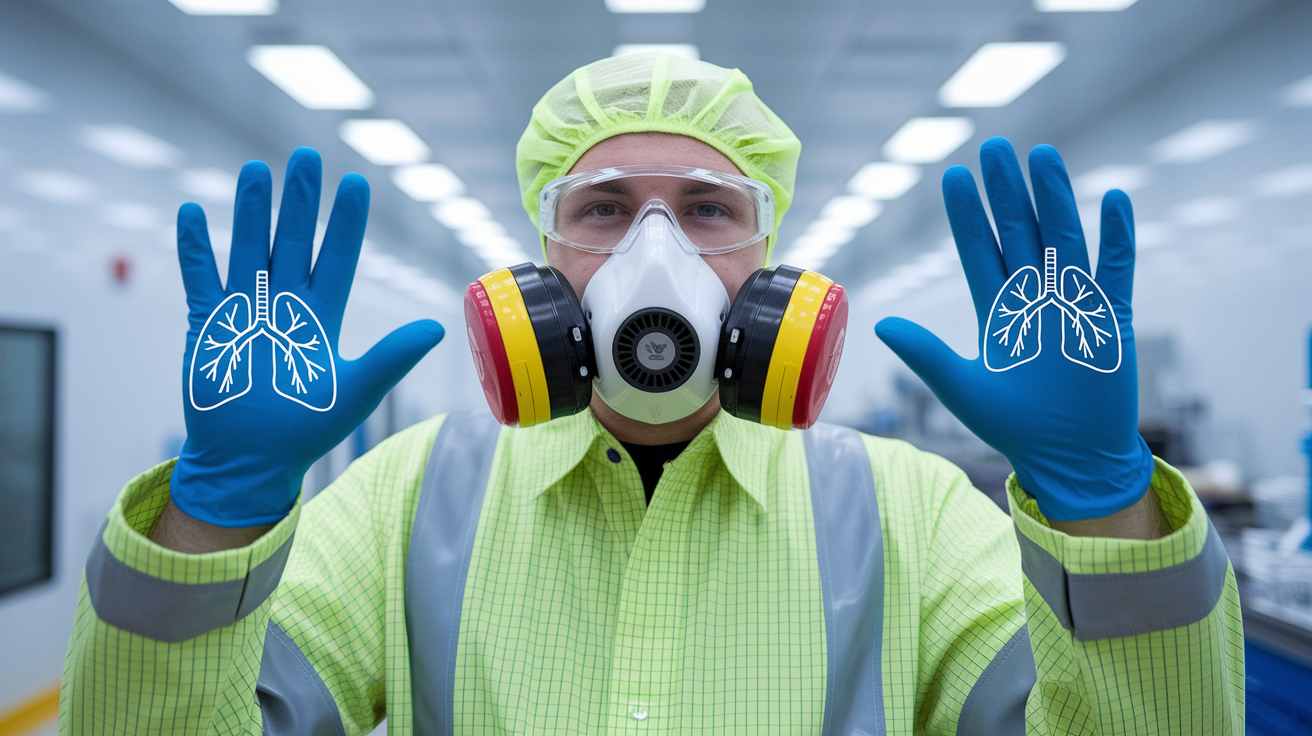
Soot particles are small. Many fall into the PM2.5 category, meaning they measure 2.5 micrometers or smaller. Particles that size bypass your nose and throat and lodge deep in your lungs. Short-term exposure causes coughing, throat irritation, headaches, and watery eyes. Long-term or repeated exposure increases the risk of chronic respiratory disease, cardiovascular problems, and cancer because soot carries polycyclic aromatic hydrocarbons (PAHs) and other toxic combustion byproducts.
Wet soot poses additional chemical hazards. The unburned hydrocarbons that make it sticky also make it more toxic. Fires involving plastics, foam, and synthetic materials release a cocktail of volatile organic compounds, some of which condense into wet soot. Skin contact can cause rashes or chemical burns, especially with prolonged exposure. The acidic nature of wet soot also corrodes metal surfaces, eats through finishes, and degrades building materials over time if not cleaned promptly.
| Health Risk Category | Effects and Protective Measures |
|---|---|
| Respiratory effects | Fine soot particles penetrate deep into lungs, causing irritation, coughing, and long-term inflammation. Wear N95 respirator for light cleanup. Upgrade to P100 cartridge respirator for heavy or wet soot. |
| Skin and eye hazards | Soot causes irritation, rashes, and chemical burns on contact. Wet soot is more corrosive due to acidic and oily compounds. Wear nitrile gloves and safety glasses. Wash exposed skin immediately. |
| Long-term disease risk | Chronic exposure to PAHs and ultrafine carbon increases cancer, heart disease, and lung disease risk. Limit exposure time, ventilate work areas, and use proper respiratory protection. |
| Vulnerable populations | Children, elderly, pregnant individuals, and those with asthma or heart conditions face higher risk. These groups should avoid soot cleanup and remain out of affected areas until professional remediation is complete. |
Personal protective equipment isn’t optional. For light dry-soot cleanup in a small area, an N95 respirator, disposable nitrile gloves, and safety glasses provide baseline protection. For wet soot, larger areas, or demolition work, upgrade to a half-face or full-face respirator with P100 cartridges, chemical-resistant gloves, a disposable Tyvek coverall, and boot covers. Respirator costs range from $1 to $5 each for disposable N95 masks to $50 to $200 for reusable half-face respirators with replaceable cartridges.
Ventilate the work area with fans blowing out windows, and never eat, drink, or smoke during cleanup. Wash your hands and face thoroughly before touching food or your face. Dispose of contaminated coveralls and gloves in sealed plastic bags.
DIY vs Professional Remediation for Dry and Wet Soot

Small, superficial dry-soot deposits on hard, non-porous surfaces are the only scenario where DIY cleanup makes sense. If a candle left a light layer of black powder on a painted shelf or a fireplace puffed dry ash onto a tile hearth, you can HEPA-vacuum and wipe it yourself with reasonable safety and success. Keep the affected area under 10 square feet, confirm the soot is dry and powdery, and make sure you have proper PPE and a true HEPA vacuum.
Everything else benefits from professional restoration. Wet soot, large areas, porous materials, HVAC contamination, persistent odors, and any situation where you see smearing or staining all require specialized equipment, chemistry, and experience that most homeowners don’t have. Professionals bring truck-mounted extraction units, industrial dehumidifiers, thermal foggers for odor control, and the training to know which surfaces can be saved and which need replacement. They also document the work for insurance claims, which matters when repair costs climb into the thousands.
Here are six clear signs you should call a professional instead of attempting DIY cleanup:
- Soot covers multiple rooms or more than 100 square feet. Containment and proper cleaning at that scale require commercial equipment and trained crews.
- Wet or sticky residue that smears when touched. You’ll make it worse with household methods, and staining may become permanent.
- HVAC system ran during or after the fire. Soot inside ductwork will recontaminate cleaned spaces unless ducts are professionally cleaned or replaced.
- Strong smoky odor persists more than 72 hours after ventilation. Embedded odors require hydroxyl treatment, thermal fogging, or ozone (which only trained professionals should use).
- Porous materials like drywall, insulation, carpet, or upholstery are saturated. These often need replacement, and safe removal requires containment to prevent spreading contamination.
- Anyone in the home has respiratory issues, is immunocompromised, pregnant, or very young or old. Health risks are too high for amateur cleanup.
Professional fire and smoke restoration typically starts around $2,000 for a single-room job with moderate contamination. Whole-house restorations with HVAC cleaning, contents pack-out, and drywall replacement commonly range from $5,000 to $20,000 or more, depending on the extent of damage, local labor rates, and whether structural repairs are needed.
Cost, Damage Severity Indicators, and Timeline for Soot Cleanup

Cost depends on soot type, affected square footage, materials involved, and how fast you act. Light surface cleaning of dry soot in a single room might run $200 to $2,000 if you hire a crew for a few hours of HEPA vacuuming, sponging, and washing. Moderate damage (wet soot across several rooms, HVAC cleaning, carpet extraction, and some drywall priming) typically falls in the $2,000 to $15,000 range. Major structural restoration involving demolition, rebuild, full contents cleaning, and extended deodorization can exceed $15,000 and climb past $100,000 for large homes or commercial properties.
Timing matters. Soot that sits for days or weeks bonds harder to surfaces, penetrates deeper into porous materials, and absorbs into finishes. Odors intensify as volatile compounds off-gas and settle into fabrics and HVAC systems. The acidic nature of soot begins corroding metal, etching glass, and degrading paint. Cleaning within 48 to 72 hours dramatically reduces staining, odor, and total remediation cost.
Documentation helps insurance. Take photos of every affected room before you touch anything. Capture close-ups of soot on walls, ceilings, floors, and contents. Include wide shots that show the extent of coverage. Note the date, time, and a brief description of what burned and when. If you hire professionals, they’ll provide detailed estimates, moisture readings, and photo logs, but your own documentation gives you a backup and speeds the claims process.
Here are five severity indicators that signal higher damage and cost:
- Smeariness when touched. Wet soot increases cleaning difficulty, material replacement rates, and professional labor hours.
- Coverage across multiple rooms or entire floors. Larger affected areas require containment, more equipment, and longer job timelines.
- Strong, persistent smoky odor after initial ventilation. Embedded odors mean soot has penetrated porous materials and HVAC, requiring deodorization equipment and possibly replacement of soft goods.
- Visible soot inside HVAC registers or return grilles. Ductwork contamination spreads soot throughout the home and requires professional HVAC cleaning, often adding $1,500 to $5,000 to the total.
- Discoloration or staining that remains after test cleaning. Permanent staining means you’ll need seal-priming, repainting, or material replacement rather than simple cleaning.
If you see two or more of these indicators, budget for professional restoration and expect costs in the moderate to major range.
Glossary of Soot Terminology (For Clear Understanding of Dry vs Wet Soot)

Technical terms show up often in restoration estimates, insurance reports, and professional conversations. Here are the most important ones, defined in plain language:
- PM2.5 particles: particulate matter measuring 2.5 micrometers or smaller. Fine enough to bypass your respiratory defenses and lodge deep in lungs. Most soot falls into this size range.
- Polycyclic aromatic hydrocarbons (PAHs): toxic organic compounds formed during incomplete combustion. Known carcinogens commonly found in both dry and wet soot.
- Carbonaceous residue: another term for soot. Refers to the carbon-rich particles left behind after combustion.
- Chemical sponge (dry-cleaning sponge): a natural rubber sponge designed to lift dry soot from surfaces without water. Works like an eraser and must be replaced or trimmed as it loads with residue.
- Thermal fogging: a deodorization technique that heats a petroleum-based solvent into a fine mist, allowing it to penetrate the same porous materials where smoke odor has settled. Neutralizes odors at the molecular level.
- Hydroxyl generators: machines that produce hydroxyl radicals to break down odor molecules and volatile organic compounds in the air. Safe to use with occupants present, unlike ozone.
- Alkaline cleaners: high-pH cleaning agents (such as TSP) that break down grease, oils, and acidic soot residues. Effective for wet soot but must be rinsed thoroughly to avoid surface damage.
Final Words
Soot is on a surface right now, so here’s the short version. We defined dry soot and wet soot, explained how each forms, showed how they look, listed where they hide, and walked through cleaning, safety, costs, and when to call a pro.
Stop more damage first, check vents and moisture, and test-clean small areas. Dry soot can often be handled DIY on hard surfaces; wet soot or HVAC spread usually needs professional help.
Keep the key differences — especially dry soot vs wet soot — in mind and you’ll choose the right fix and get your home back to normal.
FAQ
Q: How long does soot stay in the air after a fire?
A: Soot can stay in the air for hours to several days, depending on ventilation, HVAC circulation, and particle size. Open windows, run HEPA air scrubbers, and avoid recirculating air to reduce airborne soot.
Q: Will Dawn dish soap remove soot?
A: Dawn dish soap can remove light soot from non-porous surfaces, but greasy wet soot often needs solvent cleaners or professional treatment. Test a small area, rinse well, and don’t rub smears into finishes.
Q: Is soot dry or wet?
A: Soot can be dry or wet. Dry soot forms from hot, oxygen-rich flames and is powdery. Wet soot forms from smoldering or synthetic-fuel fires and is sticky, oily, and harder to remove.
Q: What is normal soot in a fireplace?
A: Normal fireplace soot is a light, powdery residue from properly burning wood or paper. Thick, dark, or oily deposits indicate smoldering, poor draft, or incomplete combustion and need cleaning or inspection.