
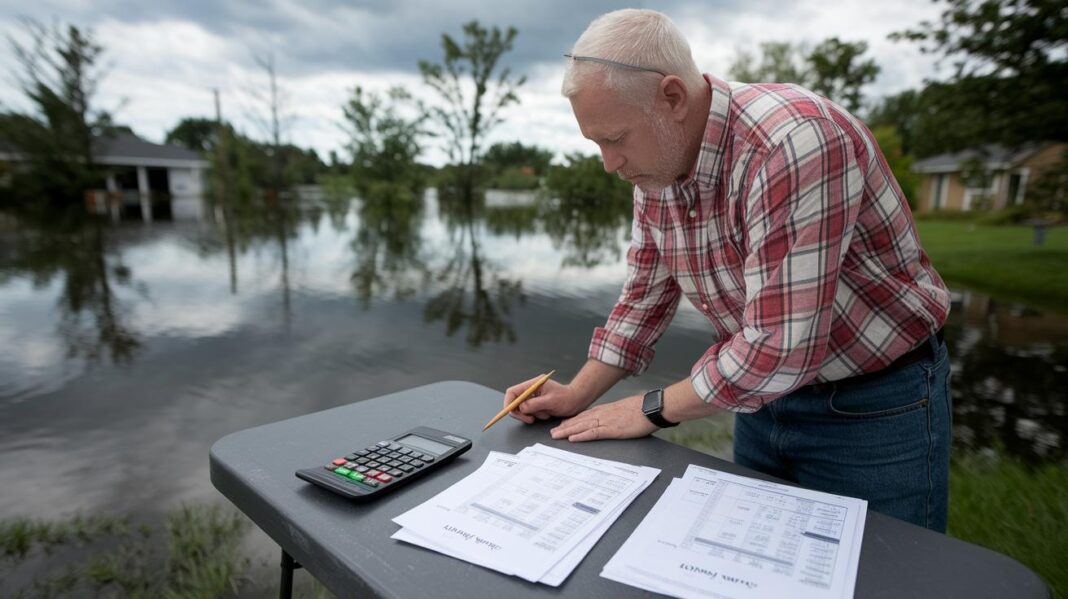

Have you ever wondered if cleaning up after a storm will cost more than you expected? We know that when wind, hail, or floods surprise you, expenses can add up fast. On average, homeowners spend about $5,200 on cleanup. A small problem can turn into a costly fix if some damage goes unseen.
In this guide, we break down the key reasons behind these costs and share budget-friendly options to bring your home back to normal. We’ll show you how simple fixes now can stop bigger bills later.
storm damage cleanup cost overview and average pricing
On average, you can expect to spend between $3,000 and $7,000 to clean up storm damage, with most homeowners paying around $5,200. Many repairs involve replacing a few roof shingles or fixing minor siding issues (exterior wall panels). The extent of damage and the type of storm are key factors. For instance, wind, hail, and flood water can affect roofs, siding, windows, and even structural parts of your home differently.
Storm damage often comes as a surprise. Even a moderate windstorm can remove roof shingles and let water enter through small gaps, causing hidden damage that can cost more later. If only one part of the exterior is damaged, repair costs tend to be lower. However, if several parts of your home need repair, the overall expenses can increase quickly due to additional labor, materials, and sometimes emergency repair fees.
Estimates for cleanup work list each task clearly. From small siding touch-ups to complete window replacements, these breakdowns help you understand costs and plan your budget. A quick inspection and immediate professional attention can prevent further damage that would push repair costs even higher. Regular follow-ups ensure you stay informed about your property's repair expenses.
Key factors influencing storm damage cleanup cost
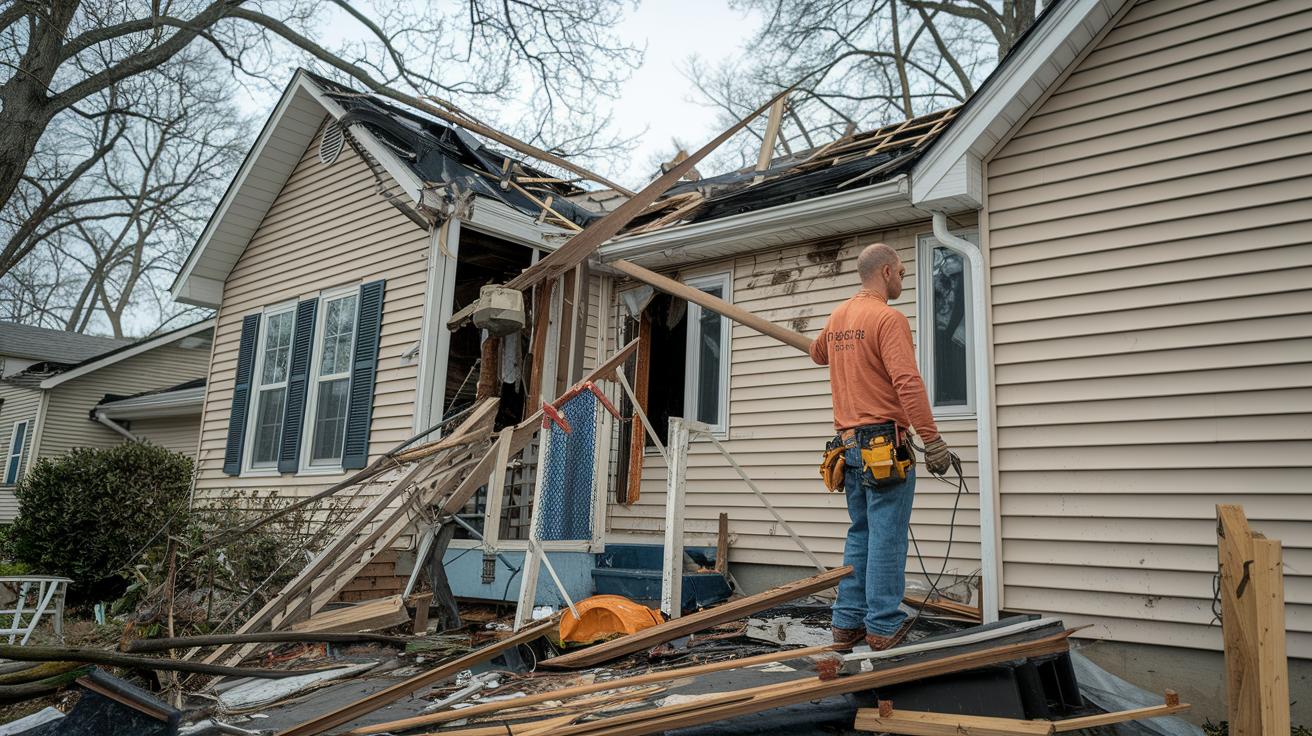
Cleanup cost is based on how bad the damage is, the type of storm, and any extra work needed. If your roof, siding, windows, or interior areas are damaged, your cost will be higher. For example, when both the roof and siding are badly hit, the expense increases.
Labor charges make up a big part of the total. Technicians usually charge between $50 and $150 per hour. Work done after normal hours or as an emergency can raise the rate by 20 to 50%. One technician said, "We showed up fast, and the extra fee was minor compared to the cost saved by stopping further damage."
There can be extra fees too. This may include tarping (covering your home with a waterproof sheet), weatherproofing (blocking more rain from coming in), and permit fees from local officials.
Materials and hidden work, such as cleaning up wind wreckage, also affect the total price. For instance, fixing a few damaged shingles costs less than replacing the whole roof.
| Cost Component | Example Rates/Fees |
|---|---|
| Labor | $50–$150 per hour, with 20%–50% extra for emergency work |
| Emergency Services | Extra fee on top of standard labor rates |
| Additional Charges | Tarping, weatherproofing, permit fees |
Other factors include:
- How many parts of your home are affected
- The type of storm that hit
- Extra charges from higher emergency labor rates
- Added fees for tarping, weatherproofing, and permits
Knowing these factors will help you plan your budget. You get a clear picture of both the overall cost and the details that make up the final price.
storm damage cleanup cost: Affordable Solutions
When a storm hits, we act fast to protect your home. We break down every task and cost so you always know what to expect.
Our first step is to clear away debris. We remove broken materials, damaged siding, and other clutter. This cleanup usually costs between $500 and $5,000, depending on how bad the mess is. If a tree falls on your property, removing it costs about $150 to $600 per tree. One of our technicians said that taking out a large tree prevented more damage and saved money on future repairs.
Next, we set up emergency tarping to shield your home. Tarping (a temporary covering) costs about $200 to $700 and stops rain and wind from making matters worse. We also offer water intrusion remediation, which means we remove water and dry out wet areas. This service costs between $3 and $7 per square foot and is often paired with structural drying, a key part of our overall emergency restoration services.
If mold is found, mold inspection and cleanup might add extra expense. These steps are critical to keep your home safe and your air healthy. Sometimes, local permits and inspections are needed too, usually costing between $100 and $500.
| Service | Cost Range |
|---|---|
| Debris Removal & Disposal | $500–$5,000 |
| Fallen Tree Extraction | $150–$600 per tree |
| Emergency Tarping | $200–$700 |
| Water Intrusion Remediation | $3–$7 per sq ft |
| Permit and Inspection Fees | $100–$500 |
• Mold checks and cleanup can add extra expense
• We often bundle water removal and structural drying services for better results
Every service we offer is designed to fix immediate issues and prevent further damage so you can get back into your home as soon as possible.
Regional and property-specific storm damage cleanup cost variations

Where you live can change the cleanup costs. In busy cities, labor and materials usually cost more. In rural areas, you might pay less overall.
The size and design of your home also affect the price. Larger homes or those with multiple levels need more equipment and extra time. One technician explained that a multi-level house requires more safety setup, which can push up the cost.
Getting to the damage is crucial too. Homes with steep roofs or in hard-to-reach areas sometimes need special gear like cranes or extra safety equipment. This extra work can increase hourly rates.
Key factors include:
- Regional labor and material cost differences
- Home size and design complexity
- Accessibility and specialized equipment needs
We hope this helps you understand where your cleanup costs might fall compared to the national average.
Hidden expenses and additional budget considerations for cleanup
When you start cleanup, you might see costs that weren’t in your initial estimate. Sometimes, insurance claims can be delayed or even denied after a big storm. When that happens, you may have to spend extra money on legal fees or pay for repairs while waiting for a fair decision.
Additional damage like water seepage and mold (a type of fungus that grows in damp areas) can also add to your bills. A small leak can cause long-lasting water damage if it isn’t fixed quickly. These issues often mean extra repair work that isn’t mentioned in the initial estimate.
Another hidden cost is temporary living expenses. If your home isn’t safe to live in after a storm, you might need to rent a place until repairs are complete. Plus, rising insurance premiums and higher deductibles can put more strain on your budget. Financial experts now suggest keeping an emergency repair fund of about $1,667, a big jump from previous years.
Key factors to consider when planning your budget:
- Insurance claim delays and possible legal fees
- Extra repairs from water damage and mold removal
- Temporary housing costs if your home isn’t livable
- Higher insurance premiums and deductibles
Taking these extra costs into account will help you avoid surprises and make sure you’re ready for cleanup expenses.
Cost-saving strategies for storm damage cleanup
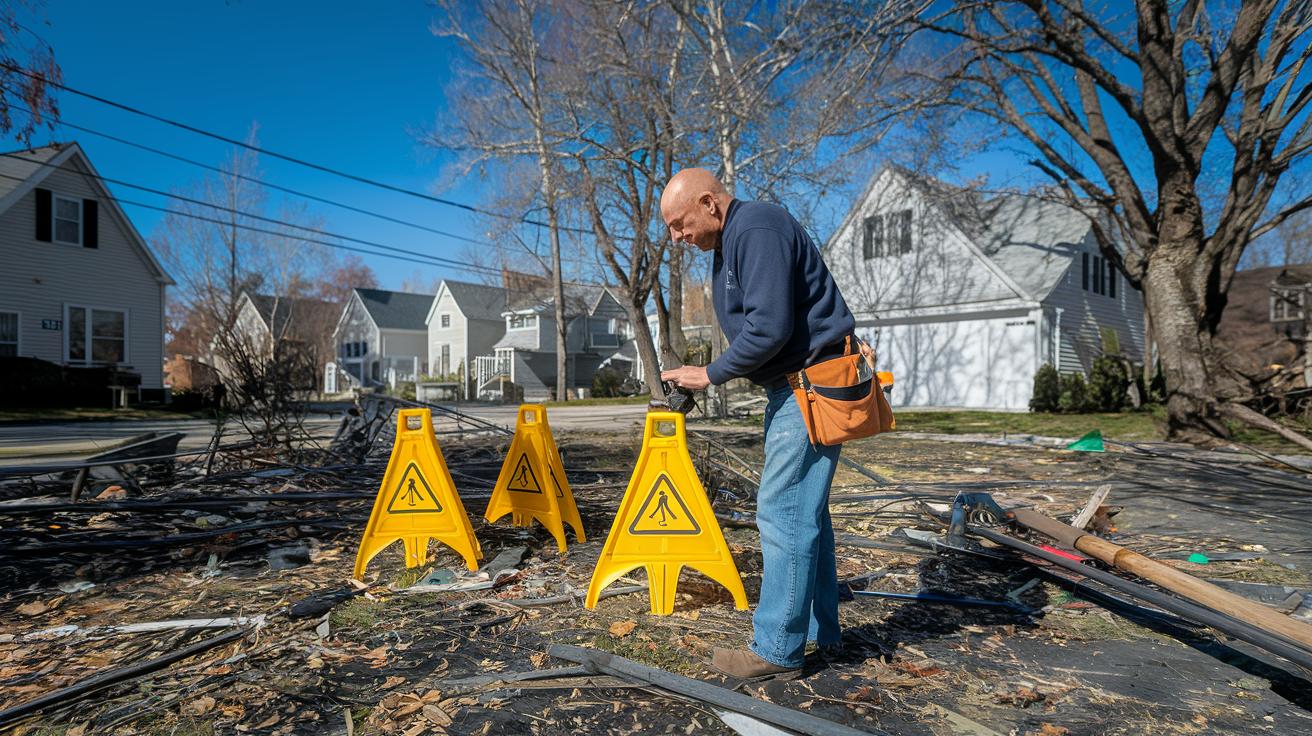
We know that storm cleanup can be overwhelming. One solid way to cut costs is to decide which jobs you can do yourself and which ones need a professional. If you feel safe handling small debris or cleaning a few spots, doing it yourself saves money on labor. But for bigger jobs like fixing structural damage or removing large amounts of water, you should call in the experts.
Another tip is to plan repairs during quieter times. When fewer people need help, the cost per hour can drop compared to emergency or after-hours work. This simple step can make a big difference in your bill.
Taking care of your home regularly helps too. For instance, having your roof checked can catch wear early and prevent bigger repairs later. Spending a little on routine maintenance now can mean bigger savings down the line.
Also, consider asking about discounts when you bundle services. Many companies offer a better rate if they handle several jobs at once, like removing debris, tarping, and extracting water together.
Here are a few tips to remember:
- Look at which tasks are safe to tackle on your own.
- Schedule major repairs when demand is lower.
- Keep up with regular inspections to spot issues early.
- Ask for bundle deals when getting quotes.
Using these strategies can help lower your repair costs today and protect you from bigger expenses in the future.
Budget planning and documentation for storm damage cleanup
Start by taking clear, date-stamped photos of every damaged spot. Collect repair estimates and receipts. This step helps track the work and supports your insurance claim.
Next, create a simple list of every repair task. Write down items like debris removal, water extraction (removing water), tarping (covering damaged areas), and mold inspections. Note the cost for each task. One of our technicians said, "Recording every expense really helps when filing a claim."
Set aside extra funds for unexpected repairs. Many households now keep an emergency repair fund to cover costs that go beyond initial estimates. Keeping your invoices and emails in one file, whether digital or on paper, will make future communication easier.
A well-organized record gives you clear financial insight and builds trust with insurers, helping ensure you receive a fair recovery contractor fee estimate.
How to select storm damage cleanup professionals and compare quotes

Make sure every contractor you consider has a current license and valid insurance. Ask for past customer references to confirm that they have a proven record of quality work. One homeowner shared, "Their credentials and references helped ease my worries during a tough time."
Get several bids and look for detailed estimates that list labor, materials, and extra fees. This clear breakdown helps you see what you’re paying for and avoid hidden costs. Transparent estimates build trust. Also, check for clear information about warranties and service guarantees to protect you if problems appear later.
Search online for "storm damage cleanup near me" to find trusted local providers. When reviewing bids, be cautious of quotes that seem unusually low, as they might mean shortcuts or missing services. It’s a good idea to get at least three quotes so you can compare costs and choose a contractor with clear pricing and strong customer reviews.
Final Words
In the action, we broke down storm damage cleanup cost details, from average pricing and repair tasks to hidden expenses and cost-saving strategies. We shared how factors like roof, siding, and regional differences can shift the numbers, and we outlined ways to document and plan budgets for a smoother claim process.
We covered tips for selecting reliable cleanup professionals and compared quotes. With solid steps and clear guidance, moving forward can feel manageable and hopeful for a safe, restored home.
FAQ
What does storm damage cleanup cost per square foot mean?
Storm damage cleanup cost per square foot includes labor, materials, and service fees based on damage extent. Costs vary with repair type, so it’s best to get a detailed estimate from a trusted cleanup expert.
What did storm damage cleanup cost look like in 2022?
In 2022, storm damage cleanup costs varied widely. Homeowners paid different amounts based on storm severity and service needs, with prices reflecting labor, materials, and emergency service fees.
How do Florida storm damage cleanup costs compare?
Florida cleanup costs can be higher due to frequent severe storms. Homeowners often face increased expenses for debris removal, roof repairs, and siding replacement compared to national averages.
How much does storm cleanup cost overall?
Overall, storm cleanup cost depends on the scope of damage and local labor rates. Homeowners typically spend thousands of dollars for debris removal, emergency repairs, and restoration services.
How much does damage repair cost after a storm?
Damage repair cost covers tasks like roof repair, window fixes, and siding replacement. Prices differ based on repair complexity, materials used, and labor rates, so estimates vary from project to project.
What is typically the most expensive repair on a storm-damaged house?
The roof is often the most expensive repair, as it requires significant labor and materials to replace damaged shingles and reinforce the structure, driving up overall repair costs.
Does insurance go up for storm damage?
Insurance premiums may increase after storm damage if claims or extensive repairs change your risk profile. It’s wise to review your policy and discuss any concerns with your insurance provider.