
A fire doesn’t just char your walls. It weakens the framing behind them, bakes smoke deep into every porous surface, and creates structural risks you can’t see from the doorway. Rebuilding interior walls after fire means more than hanging new drywall. You’ve got to assess hidden damage, remove contaminated materials completely, repair or replace compromised framing, and seal everything properly so smoke odor doesn’t return six months later. This guide walks you through the full recovery process, from safety inspection to final paint, so you understand what actually needs to happen and why each step matters.
Safety Assessment and Structural Inspection Before Wall Repairs

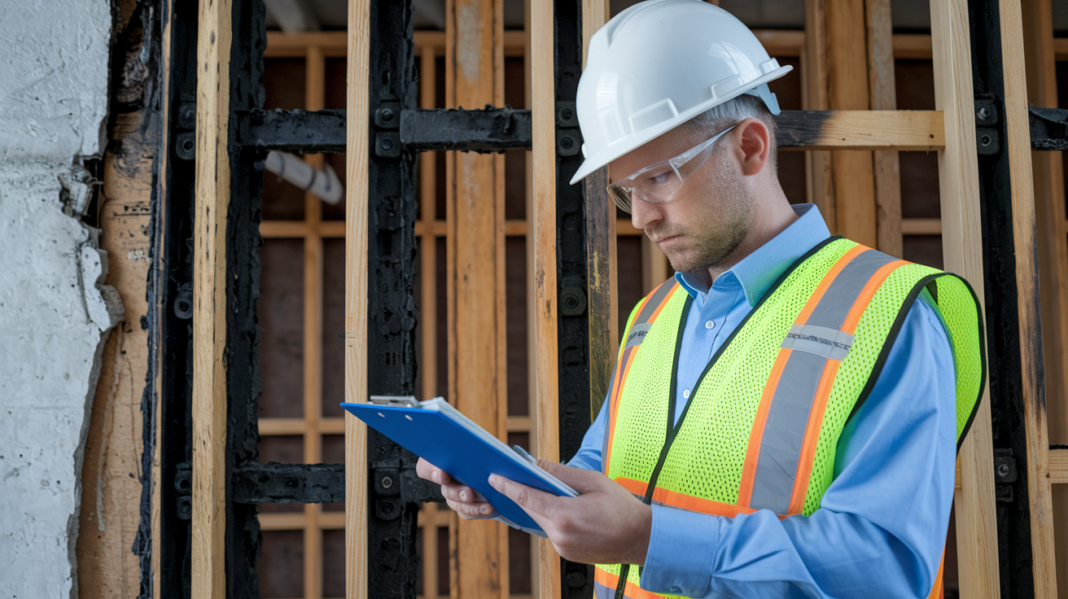
You need a professional structural inspection before any demolition or rebuilding starts. Here’s the thing: hidden damage to load-bearing walls, studs, and joists doesn’t always show up on the surface. Fire weakens structural members in ways that aren’t obvious, and a qualified inspector looks at your entire structural system, not just the charred spots you can see. Heat damage travels through connected framing and can weaken supports that are nowhere near the actual flames.
Critical structural risks you’ve got to evaluate before wall rebuilding:
- Support beams that look fine but lost their load capacity from heat exposure
- Damaged electrical systems in wall cavities creating fire and shock hazards
- Weakened foundations with cracks, settling, or damaged footings affecting wall stability
- Unstable roofing materials that could come down during wall reconstruction
- Sagging rooflines showing the support system failed
- Compromised wall framing with charred studs, weakened connections, or damaged plates
Engineering reports become necessary when damage hits multiple load-bearing walls, when insurance needs detailed documentation for coverage approval, or when the building inspector spots concerns beyond standard assessment scope. Minor single room damage usually just needs standard building inspection. Extensive fire damage requires professional engineering evaluation with load calculations and repair specifications. Some insurance companies won’t even process claims without an engineering report documenting the full scope of structural damage.
You need proper safety equipment during assessment: N95 or N100 respirators to filter smoke particles, protective clothing covering all skin, hard hats in areas with overhead hazards, and safety glasses. Don’t go into fire damaged areas without protection.
Insurance Claims and Documentation for Interior Wall Damage

Contact your insurance company within 24 to 48 hours of the fire to maintain coverage eligibility and start the claims process.
Essential documentation for insurance claims:
- Photos from multiple angles showing damage extent, structural concerns, and affected areas
- Video walkthrough documenting each damaged room and explaining what you’re seeing
- Damaged property list with estimated values for contents affected by fire and smoke
- Receipts for emergency repairs like board up services, temporary utilities, and stabilization work
- Contractor estimates with detailed scope breakdowns for demolition, repair, and finishing phases
- Structural assessment reports from licensed inspectors or engineers
- Itemized scope of work separating demolition costs, structural repair expenses, and finishing materials
Creating an effective scope of work means breaking the project into clear phases that insurance adjusters understand. Start with emergency stabilization and assessment, then list demolition and debris removal, followed by structural framing repairs, systems work (electrical, plumbing, HVAC), insulation and drywall, and finally finishing work including paint and trim. Separate labor costs from materials. Include line items for required permits and inspections. Adjusters approve claims faster when they can see exactly what work is necessary and why each phase matters.
Emergency board up services typically cost $200 to $800 depending on the size of openings that need securing. That’s minimal compared to the thousands in additional damage from weather exposure, vandalism, or theft if you leave the structure open. Most insurance policies cover board up costs, and getting the work done immediately prevents disputes about whether subsequent damage was fire related or occurred afterward.
Smoke and Soot Removal from Fire-Damaged Walls

The EPA warns that fine particles from smoke can get deep into your lungs, causing respiratory issues, especially for children, elderly family members, and anyone with pre-existing conditions like asthma or heart disease. Proper smoke remediation protects everyone who’ll live in the home after rebuilding, and it’s got to happen before reconstruction work begins.
| Cleaning Method | Application | Equipment Needed |
|---|---|---|
| HEPA Air Scrubbers | Continuous air filtration during and after cleaning to capture airborne smoke particles | Commercial HEPA units rated for fire restoration, minimum 500 CFM capacity |
| Thermal Fogging | Neutralizes smoke odor molecules in porous surfaces like wood studs and concrete | Thermal fogger machine, deodorizing solution, sealed work area |
| Ozone Treatment | Breaks down stubborn odor molecules in empty spaces (no occupants or pets during treatment) | Ozone generator, air monitoring equipment, proper ventilation system |
| Dry Cleaning Sponges | Surface soot removal from walls, ceilings, and exposed framing before wet cleaning | Chemical dry sponges, ladder, vacuum with HEPA filter |
| Chemical Neutralizers | Applied to surfaces after dry cleaning to neutralize acidic soot residue | Spray bottles, neutralizing solution, microfiber cloths, protective gloves |
Porous surfaces like drywall, wood studs, and concrete trap smoke deeper than smooth surfaces, which means they need multiple cleaning cycles and primer sealer treatment to prevent odors from coming back. Drywall that looks clean might still release smoke smell months later if you don’t seal it properly. Wood framing that’s structurally sound but smoke stained requires thermal fogging, chemical neutralization, and shellac based sealer before you close the walls. Skip these steps and the odor comes back even after you’ve completely rebuilt the walls with new drywall and fresh paint.
Air quality testing confirms safe conditions before workers proceed with rebuilding. Testing measures particulate levels, VOCs (volatile organic compounds), and confirms that smoke remediation brought air quality back to acceptable standards.
Demolition and Removal of Fire-Damaged Wall Materials

Demolition permits are required when you’re removing structural walls, making changes that affect load bearing members, or when damage affects more than one room in most jurisdictions.
Homes built before 1980 require asbestos and lead paint testing before any demolition work begins. Asbestos was commonly used in joint compound, insulation, and textured ceiling finishes. Lead paint remains under newer paint layers on trim, doors, and walls. Testing costs $200 to $500 but prevents health hazards and legal liability. If testing confirms asbestos or lead, specialized abatement contractors must handle removal following EPA protocols, which adds cost and time but keeps everyone safe.
Proper disposal procedures for fire damaged wall materials:
- Separate hazardous materials (asbestos, lead paint debris) for specialized disposal at certified facilities
- Identify salvageable materials like solid wood trim, doors, and hardware that can be cleaned and reused
- Confirm contractor disposal requirements including dumpster permits and landfill receipts for insurance documentation
- Follow municipal codes for debris removal timelines, typically requiring removal within 30 days of demolition
- Clear debris systematically room by room to maintain safe access for workers and inspectors
Charred drywall and insulation require complete removal down to the studs because smoke and water contamination penetrate these porous materials beyond what cleaning can address. The damaged material continues releasing odors and creates potential mold growth if you try to save it. Wall framing may be salvageable if studs remain structurally sound, meaning they’re not charred through, cracked, or weakened. An inspector or engineer makes that determination based on the depth of charring and remaining wood thickness that can still carry loads.
Wall Framing Repair and Structural Reinforcement After Fire

Assessing which wall studs and framing members require replacement versus reinforcement starts with measuring the char depth. Surface charring less than 1/4 inch deep on non load bearing studs might be acceptable after cleaning and sealing. Charring deeper than 1/4 inch, any charring on load bearing walls, or studs with cracks and checks require complete replacement. You’re not saving money by keeping questionable framing because structural failure costs far more than new lumber.
Sequential steps for proper wall framing repair after fire damage:
- Remove damaged studs by cutting above and below the damaged section, or removing full height studs if damage is extensive
- Check plate connections (top plates and bottom plates) for char damage, cracks, or separation from adjacent framing
- Install new framing lumber meeting current code (typically 2×4 or 2×6 depending on wall function) with proper nailing patterns
- Reinforce load bearing connections with structural screws or hurricane ties where required by updated code
- Install headers above door and window openings using engineered lumber or built up dimensional lumber per span tables
- Schedule framing inspection before proceeding to insulation, ensuring all structural work is approved and documented
Foundation repairs may be necessary when fire damage affects the structure’s base. Cracked concrete from intense heat exposure, settling issues from weakened soil under the foundation, damaged footings that no longer provide stable support, and soil stability testing around the foundation perimeter all require professional assessment. Foundation work must be completed before wall framing proceeds because unstable foundations lead to recurring wall cracks and structural movement.
Getting framing inspected before concealing work with insulation and drywall is required by code and protects you from costly rework if the inspector identifies issues after walls are closed up.
Electrical Wiring and Plumbing Inspection in Fire-Damaged Walls

All electrical wiring exposed to heat or smoke requires inspection even if there’s no visible damage. Wire insulation degrades from heat exposure before you see melting or discoloration, and compromised insulation creates shock and fire hazards. A licensed electrician tests wire integrity, measures insulation resistance, and determines what must be replaced.
Electrical inspection requirements for fire damaged walls:
- Wire insulation integrity testing using megohmmeter to measure resistance and identify degraded insulation
- Junction box condition assessment for melted boxes, damaged connections, or boxes pulled loose from framing
- Circuit breaker function testing to ensure breakers weren’t damaged by electrical surges during the fire
- Ground fault protection verification in bathrooms, kitchens, and outdoor circuits meeting current code requirements
- Outlet and switch replacement in fire affected areas because internal components degrade from heat even when exterior looks intact
All electrical work must be inspected and approved before drywall installation conceals wiring and boxes. The inspector verifies proper wire sizing, correct circuit loading, secure connections, appropriate box fill, and code compliant installation methods. You can’t call them back after the walls are closed.
Plumbing inspection covers pipes running through fire damaged walls because plastic supply lines (PEX, CPVC) and drain pipes (PVC, ABS) weaken from heat exposure without visible melting. A plumber pressure tests supply lines and inspects drain connections for integrity. Metal pipes handle heat better but still require inspection for damaged joints and hangers.
HVAC ductwork running through fire damaged wall cavities traps smoke particles and distributes contamination throughout the home if you don’t address it. Sheet metal ducts can be professionally cleaned using HEPA vacuums and antimicrobial treatments. Flexible duct and duct board insulation must be replaced because cleaning doesn’t remove smoke that penetrated the porous materials. Contaminated ducts compromise air quality every time the system runs.
Fire-Rated Materials Selection for Enhanced Wall Protection

Rebuilding after fire damage offers a cost effective opportunity to upgrade fire resistance beyond your home’s original construction. Fire rated materials add 15 to 30 percent to material costs during reconstruction, but they provide significant long term protection and many insurance companies offer premium discounts for verified upgrades.
| Material Category | Standard Option | Fire-Rated Option | Fire Rating | Cost Difference |
|---|---|---|---|---|
| Drywall | 1/2″ standard gypsum board | 5/8″ Type X fire-rated drywall | 1-hour fire resistance | +$8-12 per sheet |
| Insulation | Foam board or spray foam | Rock wool or fiberglass batts | Non-combustible, won’t fuel fire | +$0.15-0.30 per sq ft |
| Interior Paint | Standard latex paint | Intumescent fire-retardant coating | Delays flame spread, reduces smoke | +$15-25 per gallon |
| Interior Doors | Hollow-core wood doors | 20-minute fire-rated solid core doors | 20-minute fire resistance | +$75-150 per door |
| Framing Treatment | Untreated dimensional lumber | Fire-retardant treated lumber or spray-applied coating | Class A flame spread rating | +20-35% lumber cost |
Class A fire resistance ratings represent the highest level of fire protection for building materials. The rating measures flame spread and smoke development, with Class A materials having a flame spread index of 0 to 25 (concrete and brick score 0, untreated wood scores around 100 to 200). Materials are tested according to ASTM E84 standards. When you see “Class A” on product specifications, it means the material resists ignition, limits flame spread, and produces less smoke than lower rated alternatives.
Insurance companies often provide 5 to 15 percent premium discounts for verified fire resistant upgrades including Type X drywall throughout the home, fire rated doors between living spaces and garage, non combustible insulation, and fire resistant roofing materials. You’ll need documentation showing what materials were installed and proof of final inspection approval. Ask your insurance agent which specific upgrades qualify for discounts before purchasing materials.
Some jurisdictions now require fire rated materials in specific wall applications, particularly in attached garages, walls near property lines, and homes in wildfire prone areas. Check local code requirements before selecting materials.
Insulation Replacement and Moisture Barriers in Rebuilt Walls

All fire exposed insulation requires replacement regardless of visible damage. Smoke contamination, water from firefighting efforts, and heat exposure compromise insulation performance and create ongoing odor and air quality problems if you leave it in place.
Vapor barrier requirements depend on your climate zone and wall assembly. Cold climates typically need vapor barriers on the warm (interior) side of insulation to prevent condensation inside wall cavities. Warm humid climates may not need interior vapor barriers or may require them on the exterior side. Before installing new insulation, use a moisture meter to verify wall cavities are dry (moisture content below 16 percent for wood framing). Wet framing from firefighting water must dry completely or you’re trapping moisture that leads to mold growth.
Mold remediation becomes necessary if water used during firefighting sat in wall cavities for more than 48 hours. Visible mold growth on framing requires professional remediation following IICRC S520 standards. The remediation contractor removes contaminated materials, treats affected surfaces with antimicrobial solutions, and verifies clearance through air quality testing before you proceed with insulation.
Sequential steps for proper insulation installation in fire damaged walls:
- Conduct moisture testing of all wall cavity framing using pin type or pinless moisture meter to verify readings below 16 percent
- Install vapor barrier if required by climate zone and building code, with proper overlap and sealing at seams
- Place insulation material to achieve proper R value for your climate without compression or gaps
- Verify R value meets or exceeds current energy code requirements (often higher than original construction)
- Schedule insulation inspection before drywall installation to document proper installation and R value compliance
Insulation installation timing must occur after all electrical wiring, plumbing pipes, and HVAC ducts are installed, tested, and inspected. You can’t properly insulate around systems that aren’t finished, and you can’t access systems for inspection or repairs after insulation goes in.
Drywall Installation and Interior Wall Finishing After Fire

Ensure all required inspections are complete before drywall installation begins. You can’t proceed until framing, electrical, plumbing, and insulation have been inspected and approved.
Sequential steps for professional quality drywall installation and finishing:
- Measure and cut drywall panels to minimize seams and reduce joint compound work
- Hang drywall with screws spaced every 12 inches on studs and every 8 inches on ceiling joists for proper attachment
- Install corner bead on all outside corners using metal or vinyl bead secured with adhesive or screws
- Apply first coat of joint compound (taping coat) over seams with paper or fiberglass mesh tape embedded
- Apply second coat (fill coat) to build up joints and smooth over fastener dimples
- Sand between coats using fine grit sandpaper or sanding screen after compound is completely dry
- Match existing wall texture in undamaged areas using spray texture, hand trowel, or other application methods
Proper screw spacing every 12 inches on wall studs and every 8 inches on ceiling joists prevents screws from popping through the drywall surface months after installation. Screws driven too deep break the paper face and lose holding power. Screws not driven deep enough create bumps that show through paint. Set screws just below the surface, creating a slight dimple without tearing the paper.
Matching existing wall texture in undamaged areas creates repairs that blend the rebuilt section with original walls. Orange peel texture (light spray texture common in modern homes) requires a hopper gun with specific tip size and air pressure settings. Knockdown texture involves spraying heavily then lightly flattening high spots with a trowel. Hand troweled textures like skip trowel or Santa Fe require skill to match the pattern, depth, and direction. Complex textures often need professional help because matching by hand takes practice.
Complete drywall finishing typically requires 5 to 7 days including drying time between joint compound coats. First coat needs 24 hours to dry, second coat needs another 24 hours, and texture application needs 24 hours before priming. Humidity and temperature affect drying time, with cold or humid conditions extending the schedule.
Primer Application and Odor-Sealing Paint for Fire-Damaged Walls
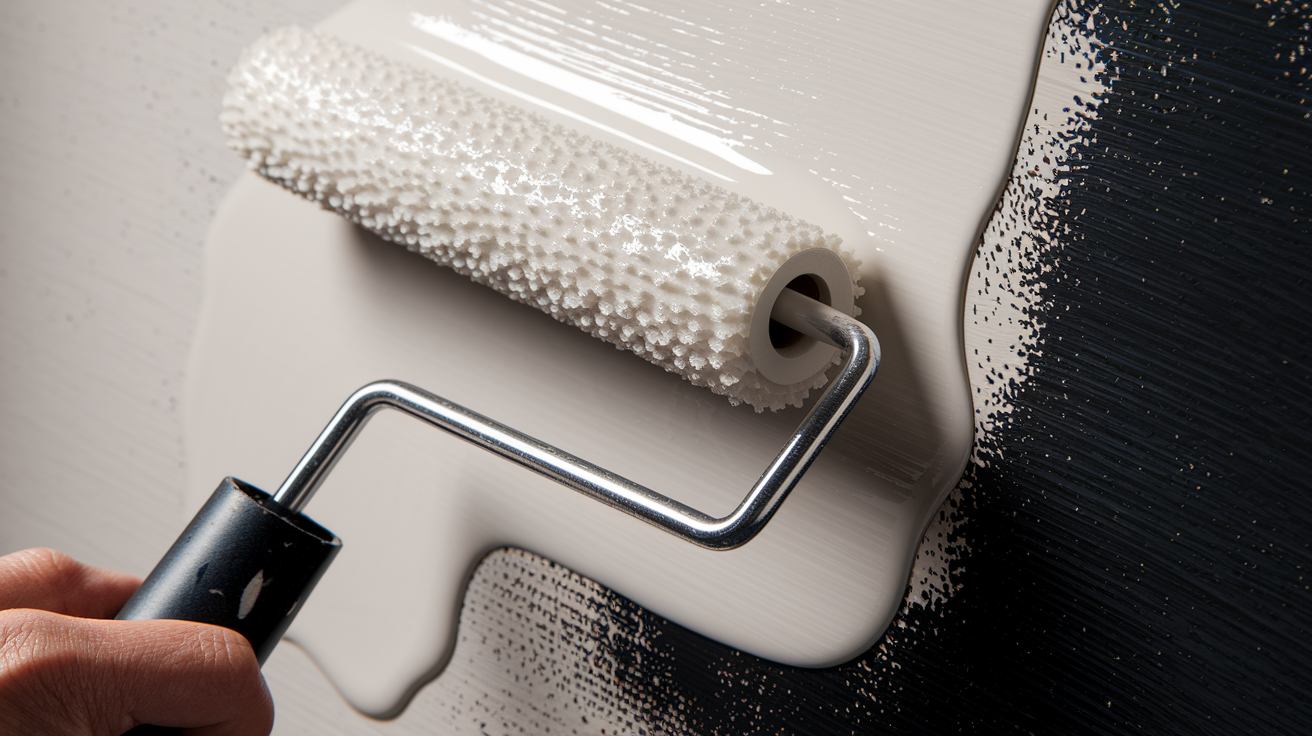
Standard primer fails on fire damaged surfaces because it doesn’t seal smoke odor and stains bleed through within weeks. You need shellac based or specialty smoke sealing primers that encapsulate odor molecules and block stains from reaching the topcoat.
Primer types and their specific applications for fire damaged wall surfaces:
- Shellac based sealers (BIN, Cover Stain) provide superior odor blocking and stain coverage, ideal for heavily smoke damaged drywall and trim
- Oil based stain blockers offer excellent adhesion and sealing on surfaces with moderate smoke exposure
- Synthetic shellac primers combine shellac like blocking with easier cleanup and lower odor during application
- Specialty smoke sealing products (Kilz Max, Zinsser Odor Killing Primer) formulated specifically for fire restoration work
- Application techniques include brush and roll for walls, spray application for large areas and texture matching
Shellac based primers provide superior odor blocking compared to standard latex primers because shellac creates an impermeable barrier that traps odor molecules. Latex primers are porous and allow smoke smell to migrate through over time. Apply shellac primer in thin coats with good ventilation because the alcohol based formula has strong fumes until dry. One coat usually seals light smoke damage. Two coats may be necessary on heavily stained surfaces.
Quality topcoat paint selection matters for durability after proper priming. Use premium grade interior latex paint with stain resistance, scrubbability, and moisture resistance for kitchens and bathrooms. Flat paint hides surface imperfections best but shows scuffs. Eggshell or satin finishes balance hiding power with washability. Semi gloss works well in high moisture areas and on trim.
Proper ventilation during painting prevents VOC buildup from primers and paints, ensures proper drying, and protects air quality. Open windows, use fans to create cross ventilation, and avoid occupying spaces until paint is fully cured (typically 7 to 30 days depending on product).
Baseboards, Trim, and Door Frame Restoration in Fire-Damaged Rooms
Assess which trim elements can be cleaned and reused versus replacement by examining the char depth, structural integrity, and whether profiles match available stock. Solid wood trim with surface smoke staining often cleans up well with TSP (trisodium phosphate) solution and light sanding. Trim with charring, cracks, or deep heat damage requires replacement.
Steps for professional trim and baseboard installation in rebuilt rooms:
- Remove and catalog salvageable trim pieces, labeling location and room for reinstallation
- Match profiles for replacement pieces by bringing samples to millwork suppliers or custom milling for historic profiles
- Prime all trim pieces before installation using stain blocking primer on both sides to prevent moisture absorption and warping
- Install baseboards with proper reveals (gap between baseboard and floor) allowing for flooring installation or carpet thickness
- Case doors and windows with mitered or butted corners depending on trim style, ensuring tight joints
- Caulk gaps between trim and walls using paintable acrylic caulk for clean finished appearance
Matching stain or paint finishes to existing trim in undamaged areas requires identifying the original finish type (stain and clear coat versus painted) and color. For stained wood, bring a sample piece to a paint store for color matching, then test on scrap wood before applying to installed trim. For painted trim, most paint retailers can color match from a sample chip. Apply the same number of coats as the original finish for consistent appearance.
Door and window frames exposed to intense heat may require complete replacement even if they look cosmetically intact. Heat weakens the wood fibers and joint connections, causing frames to sag or bind over time. Check for loose joints, warping, and whether doors close properly with consistent reveals all around. Frames that don’t sit plumb and square need replacement because they’ll cause ongoing door operation problems.
Proper caulking between trim and walls fills small gaps created by wall texture variations or settling, creates clean shadow lines, and prevents gaps from appearing as materials expand and contract with humidity changes.
Building Code Compliance and Permit Requirements for Wall Rebuilding
Fire damage repairs must meet current building codes, not just match how your home was originally built. Code requirements change over time, adding safety measures, energy efficiency standards, and structural requirements that didn’t exist when your home was constructed. When you’re rebuilding walls, you’re bringing those sections up to current code.
| Inspection Type | Timing | What’s Checked | Required For |
|---|---|---|---|
| Framing Inspection | After wall framing complete, before insulation | Stud spacing, header sizing, plate connections, structural integrity, proper fastening | All wall framing repairs, especially load-bearing walls |
| Electrical Inspection | After wiring complete, before insulation and drywall | Wire sizing, circuit loading, box fill, GFCI protection, grounding, proper connections | Any electrical work in fire-damaged walls |
| Plumbing Inspection | After rough-in complete, before insulation and drywall | Pipe sizing, slope on drains, vent connections, supply pressure test, proper support | Walls containing water supply or drain pipes |
| Insulation Inspection | After insulation installed, before drywall | R-value compliance, vapor barrier placement, proper installation without gaps or compression | All insulated wall assemblies in conditioned space |
| Final Occupancy Inspection | After all work complete including finish paint and trim | Overall code compliance, proper completion, smoke detectors, egress requirements, safe occupancy | All fire damage rebuilding before re-occupancy |
Progressive inspections occur at specific construction milestones when systems and structural work can still be accessed and corrected if needed. Inspectors won’t approve concealed work after the fact. Missing an inspection means tearing out finished work to expose what they need to see.
Wildfire prone areas may have enhanced fire resistance requirements for rebuilding approval including mandatory fire rated roofing materials, defensible space clearances around structures, ignition resistant vents, and ember resistant construction details. Some jurisdictions require certification that rebuilt structures meet insurability standards before issuing occupancy permits. If insurance companies won’t cover a rebuilt home due to location or construction methods, you may not get approval to rebuild.
The final occupancy certificate legally authorizes you to move back into repaired spaces. Building departments won’t issue occupancy approval until all inspections pass, utilities are safe and functional, smoke detectors are installed, and egress requirements are met.
Cost Estimation and Budget Planning for Interior Wall Rebuilding
Single room wall rebuilding typically ranges from $3,000 to $8,000 depending on the extent of structural damage, systems work required, and finish quality selected.
Major cost categories in wall rebuilding projects with typical percentage of total budget:
- Demolition and disposal (10 to 15%) including labor, dumpster rental, hazardous material handling, and permit fees
- Structural framing repairs (15 to 25%) covering lumber, engineered headers, structural fasteners, and labor for framing installation
- Electrical system work (10 to 20%) including wire replacement, new boxes and devices, circuit upgrades, and electrician labor
- Plumbing repairs (5 to 10%) for supply and drain pipe replacement, fixture connections, and pressure testing
- Insulation replacement (8 to 12%) including material cost and proper installation meeting R value requirements
- Drywall and finishing (20 to 25%) covering material, hanging labor, taping and mudding, texture application, and sanding
- Painting (10 to 15%) including primer, finish coats, and application labor for walls, ceilings, and trim
- Trim and baseboard installation (8 to 12%) for material, custom milling if needed, installation labor, and finish work
Emergency board up costs of $200 to $800 prevent weather damage, unauthorized entry, and additional insurance claims that cost thousands more than the protection service. Securing the structure immediately after fire stops rain, snow, animals, and vandalism from causing secondary damage while you’re planning the rebuilding process.
Get at least three detailed written estimates with identical scopes of work for valid comparison. Estimates should break down labor and material costs separately, list specific products and brands, include permit and inspection fees, and provide timeline expectations. If estimates vary significantly, it often indicates different scope assumptions, not just pricing differences. Ask what’s included in each bid.
Standard payment schedules tie payments to completion milestones rather than requiring large upfront deposits. Typical payment structure: 10 percent at contract signing, 25 percent at demolition complete, 35 percent at rough in work complete (framing, electrical, plumbing), 25 percent at drywall and finishing complete, and final 5 percent at final inspection approval. Contractors requesting 50 percent or more upfront create risk that you’re funding their operating expenses rather than your project materials.
Choosing Qualified Restoration Contractors for Fire-Damaged Walls
IICRC (Institute of Inspection, Cleaning and Restoration Certification) fire damage restoration certification demonstrates that contractors have completed specialized training in fire damage assessment, smoke remediation, structural cleaning, and reconstruction methods specific to fire affected properties. General contractors without fire restoration training miss critical smoke remediation steps and health hazards.
Essential criteria for evaluating and selecting fire damage restoration contractors:
- Proper licensing and insurance including general liability coverage, workers’ compensation, and contractor license verification through state boards
- Fire restoration certifications (IICRC Fire and Smoke Restoration Technician) showing specialized training beyond general construction
- References from recent fire damage projects within the last 12 months that you can contact and visit if possible
- Detailed written estimates breaking down scope, timeline, materials, labor, and permit costs without vague “allowances”
- Clear communication practices including assigned project manager, regular update schedule, and documented decisions
- Warranty offerings on workmanship (typically 1 to 2 years) and explanation of what’s covered versus manufacturer warranties
- Insurance company relationships and willingness to work with adjusters, provide required documentation, and coordinate inspections
Warning signs of unqualified contractors include pressure for immediate decisions without time to review contracts or get competing bids, requests for full payment or large deposits (over 20 percent) before work begins, reluctance to provide references or license verification, verbal estimates without written documentation, and unwillingness to discuss specific products or methods.
Written warranties protect you if restoration work fails within specified periods. Keep warranty documents with your home records and understand what’s covered: workmanship warranties cover installation failures, material warranties come from manufacturers for product defects, and some contractors offer satisfaction guarantees on specific aspects like odor removal. Get warranty terms in writing before signing contracts.
Timeline Expectations from Fire Damage to Completed Wall Restoration
Minor single room fire damage typically requires 6 to 8 weeks from initial assessment through final inspection and occupancy approval. Extensive multi room damage affecting structural systems, requiring foundation work, or involving hazardous material abatement can extend timelines to 4 to 6 months or longer.
| Phase | Timeline | Key Milestones | Inspection Requirements |
|---|---|---|---|
| Emergency Response | Week 1 | Property secured with board-up, initial damage assessment completed, debris removal started, temporary utilities connected if needed | Fire marshal clearance, utility company approvals |
| Remediation | Weeks 2-4 | Smoke and soot removal completed, air quality testing passed, structural cleaning finished, damaged materials removed and disposed | Air quality clearance, hazardous material abatement verification if applicable |
| Reconstruction | Months 2-3 | Framing and structural repairs complete, electrical and plumbing rough-in finished, insulation installed, drywall hung and finished | Framing inspection, electrical rough-in, plumbing rough-in, insulation verification |
| Finishing | Months 3-4 | Painting and trim work complete, fixtures and hardware installed, final cleaning, punch list items addressed | Final building inspection, electrical final, plumbing final, occupancy approval |
Common delay factors include permit approval waiting periods (1 to 4 weeks depending on jurisdiction workload), material availability for specialty items like custom trim or fire rated products, inspection scheduling during busy seasons when inspectors are booked weeks out, and insurance authorization for work scope changes or upgrades discovered during demolition.
Temporary housing may be necessary during structural framing and systems work phases when the home isn’t safe or habitable. Most homeowner policies include “loss of use” or “additional living expense” coverage that pays for hotel or rental housing, meals above normal costs, and storage for belongings during the repair period. Keep all receipts and submit monthly to your insurance adjuster.
DIY Versus Professional Help for Fire-Damaged Wall Rebuilding
The EPA warns that fine particles from smoke can get deep into your lungs, causing respiratory issues, especially for children, elderly family members, and people with pre-existing conditions. Smoke remediation requires specialized equipment including HEPA filtration, negative air pressure systems, and personal protective equipment that homeowners don’t typically own. The health risks make this professional work, not a DIY project.
Tasks that require professional contractors, not DIY approaches:
- Structural assessment of load bearing walls, framing integrity, and foundation damage requires engineering expertise to identify hidden failures
- Electrical wiring inspection and repair in fire damaged areas must be performed by licensed electricians who can identify heat damaged insulation
- Smoke remediation including HEPA air scrubbing, thermal fogging, and ozone treatment requires specialized equipment and training
- Load bearing wall framing repairs affect your home’s structural stability and must meet code requirements verified by inspection
- Insulation installation in fire damaged areas must achieve proper R value, vapor barrier placement, and clearance before wall closure
- Code compliance verification throughout the process ensures work meets current standards and passes required inspections
Painting and trim installation may be DIY appropriate for experienced homeowners after professionals complete structural repairs, systems work, smoke remediation, and drywall finishing. You can save labor costs on finish work if you have the skills, time, and tools. Wait until all inspections pass and you have written clearance before starting DIY finish work.
DIY electrical work in fire damaged areas creates serious safety risks including shock hazards, fire risks from improper connections, and code violations that affect insurance coverage and home sale. Even if you have electrical experience, heat damaged wiring behaves differently than new installation, and inspectors won’t approve DIY work without proper licensing.
Preventing Future Fire Damage and Upgrading Home Safety Systems
Rebuilding offers a cost effective opportunity
Final Words
Rebuilding interior walls after fire requires coordinated phases: safety assessment, smoke remediation, structural framing, systems inspection, fire-rated materials, insulation, drywall, and finish work.
Each phase builds on the one before. Skip proper smoke sealing, and odors return. Rush framing inspection, and you’ll fail code review later.
Work with qualified contractors who understand fire damage restoration, not just general remodeling. Get permits, follow inspection schedules, and use this as a chance to upgrade fire resistance.
Your home will be safe, structurally sound, and finished right.
FAQ
Does insurance rebuild a house after a fire?
Insurance typically covers fire damage repairs including wall rebuilding, but coverage depends on your policy terms, damage extent, and deductible amounts. Most policies pay for structural repairs, smoke remediation, and restoration to pre-loss condition after you meet your deductible. Your insurance will send an adjuster to assess damage, create a repair scope, and authorize work based on your coverage limits.
What is the 30/30/30 rule for fire?
The 30/30/30 rule for fire safety recommends maintaining 30 feet of defensible space around structures, using 30-minute fire-rated building materials, and ensuring 30-minute emergency response capability. This guideline helps protect homes in wildfire-prone areas by creating fuel breaks, slowing fire spread through resistant materials, and allowing time for evacuation or firefighter response.
What is salvageable from a house fire?
Salvageable items from house fires include undamaged solid wood trim, uncharred structural framing members, intact electrical fixtures in unaffected areas, and non-porous materials cleaned of smoke residue. Fire-exposed drywall, insulation, charred wood framing, smoke-contaminated porous materials, and heat-damaged wiring typically require complete replacement regardless of appearance.
What neutralizes smoke smell after a fire?
Shellac-based primer sealers neutralize smoke smell after fire by creating an impermeable barrier that traps odor molecules in porous surfaces like drywall and wood. Professional smoke remediation uses HEPA air scrubbers, thermal fogging, ozone treatments, and chemical neutralizers before applying odor-sealing primers. Multiple cleaning cycles and primer coats prevent trapped smoke odors from returning through new paint.