
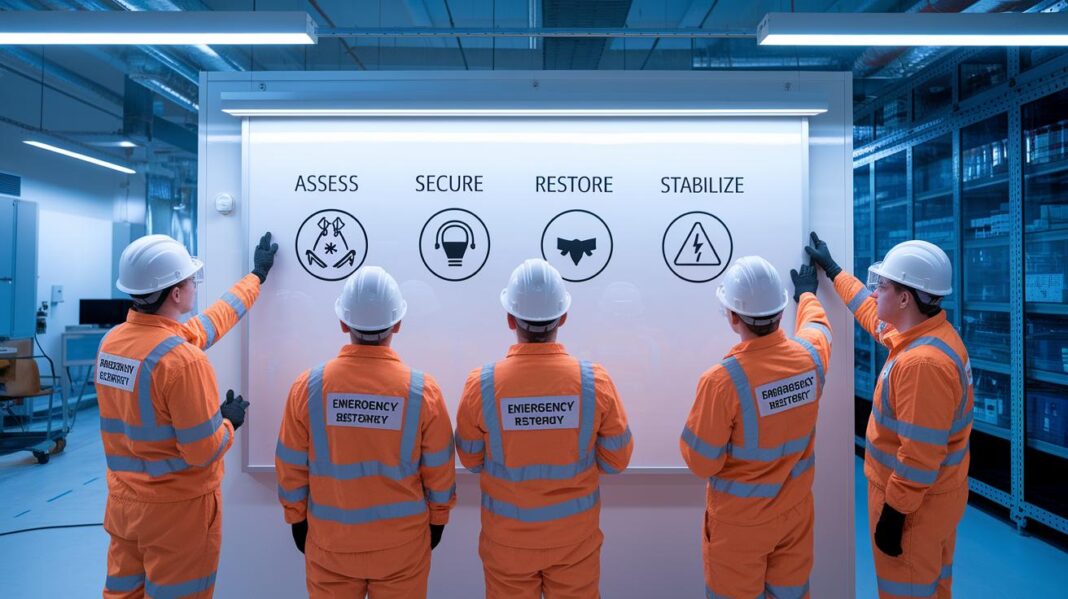

Have you ever wondered if your home can recover quickly after a disaster? We know it can feel overwhelming when everything changes in an instant. That is why we use a simple, step-by-step process to help you get back to a safe place.
First, we check that everyone is safe. Then, we clean up and repair damage, from water removal to fixing structural problems. Our quick response turns chaos into a livable home without wasting your time or money.
We understand the stress you face, and every step we take is designed to bring you peace of mind. Read on to see how fast action can give your home a fresh start.
Emergency Restoration Process at a Glance
Our clear, step-by-step plan helps you avoid delays, extra costs, and unnecessary risks. We act fast and work carefully to make sure every key task is handled as soon as possible. We use quick on-site checks (rapid incident assessment) and careful evaluations to treat damage from fire, water, and smoke in the right order.
Here’s what we do:
-
Emergency Assessment
We check your home within 1 to 3 days. This first step helps us understand the damage and plan safe, effective repairs. -
Water Extraction & Drying
We remove any water left from firefighting. We then dry out areas using special machines that pull moisture from the air. -
Cleaning & Decontamination
We clean up soot, smoke, and odors. Our team works to clear away contaminants so your home feels safe again. -
Structural Repair
We fix damaged walls, floors, and other parts of your home. Each repair is done carefully to restore your property’s strength. -
Insurance Documentation
We take photos and record details of the damage. This documentation helps with your insurance claim. -
Final QA & Inspection
We perform a final quality check to ensure every repair meets our high standards and your home is safe.
Each step is designed to quickly secure your property and start the restoration process. Our methods follow industry standards to bring your home back to a safe, liveable condition.
Emergency Assessment and Safety Checks in Restoration
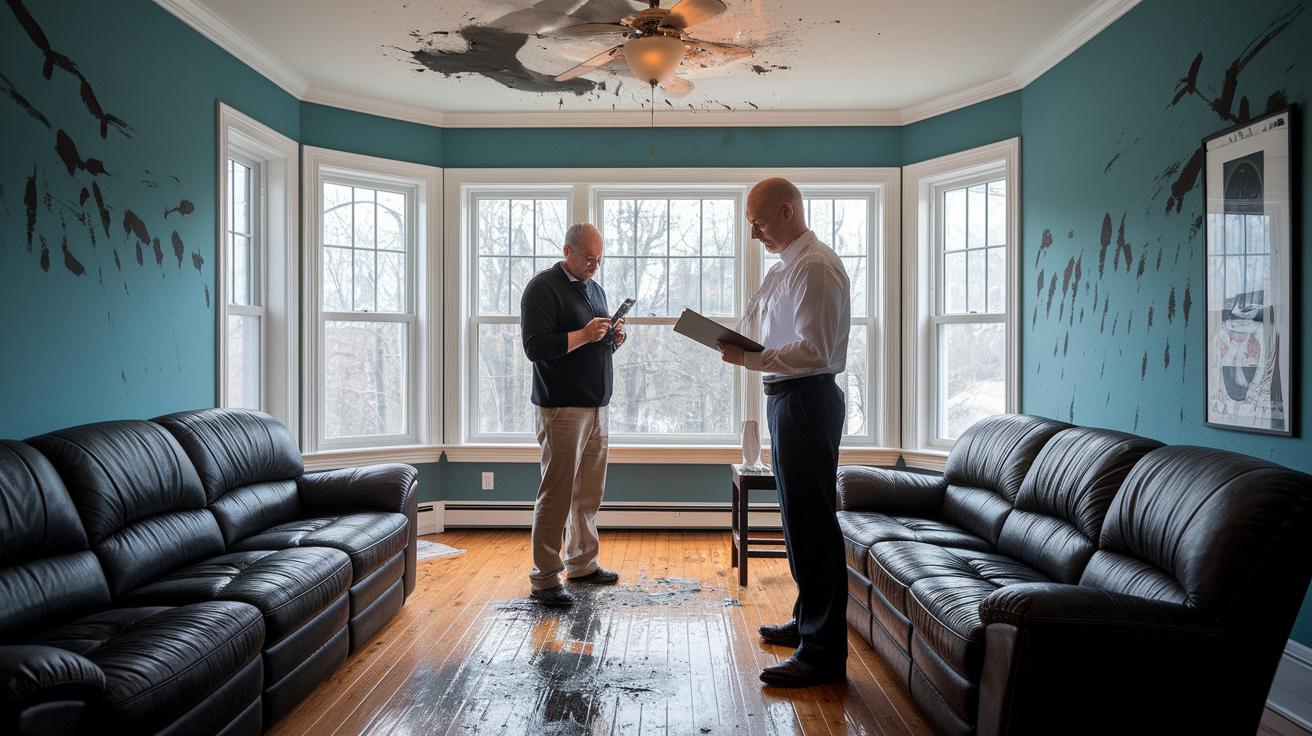
When an emergency happens, we start with a quick but careful check. Within 1 to 3 days after an incident, we come to inspect the damage from fire, smoke, or water. We also look for any hazards that could get worse. This first step, which costs between $300 and $1,500, helps us find both clear and hidden problems.
Rapid Incident Assessment
We walk through each part of your home to see what is damaged by fire or water. We look for issues you can see and problems that might be hidden. This quick check lets us know if the site is safe. It also helps us plan the best way to secure the damaged areas so that you face as little risk as possible.
Initial Safety Evaluation
Next, we test for safety issues by checking your electrical systems (the wiring and devices that power your home), gas lines, and building structure. We make sure there are no leaks or short circuits that could cause more harm. This testing keeps both you and our crew safe while we prepare for more detailed repairs.
Property Stabilization
Finally, we work to secure your property and prevent further damage. We board up windows, cover open areas with tarps, and brace any unstable sections. These actions help lower the risk of more damage and set the stage for a smooth and secure restoration process.
Water Extraction and Moisture Control Steps
After a fire, getting rid of excess water is very important. Firefighting can leave behind water that may harm your home and even cause mold (a fungus that grows in damp areas). We remove the water and dry your property over 3 to 7 days using several methods. This process usually costs between $1,000 and $10,000. Below are common techniques with their tools, typical duration, and cost range.
| Method | Equipment | Average Duration | Typical Cost Range |
|---|---|---|---|
| Water Extraction | Submersible Pump | 1-2 days | $1,000-$3,000 |
| Water Extraction | Wet/Dry Vacuum | 1-2 days | $500-$1,500 |
| Moisture Removal | Dehumidifier (machine that pulls moisture from the air) | 3-7 days | $1,000-$3,000 |
| Accelerated Drying | Thermal Drying Unit | 2-3 days | $2,000-$4,000 |
| Structural Water Mapping | Moisture Meter (device that measures dampness) | Ongoing | $200-$500 |
We check every step with moisture meters and regular progress reviews. This careful monitoring helps us adjust our drying methods to keep your home safe and prevent more damage.
Emergency restoration process steps: Rapid Recovery
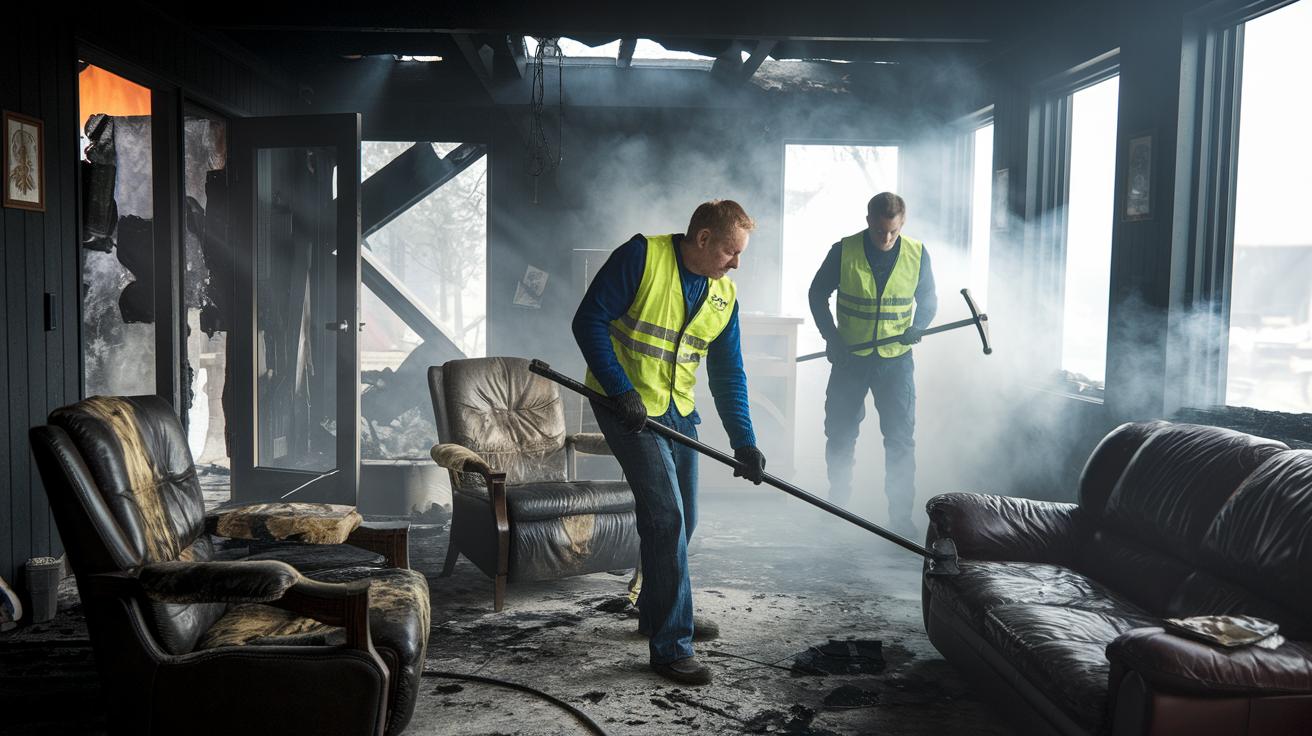
After a fire, cleaning and decontamination are critical to making your home safe again. We work quickly to remove smoke particles, neutralize strong odors, and clean all surfaces thoroughly. We use techniques like thermal fogging (a process that uses heated mist to lift residues) and chemical sponges to clear away any leftover soot. Deep cleaning and sanitization also help address any chemical or microbial hazards.
Smoke and Soot Removal
We use a mix of mechanical methods and cleaning agents to lift and remove soot. Our team uses special sponges that break down smoke particles, ensuring both visible and hidden residues are cleared. This process typically takes 1 to 2 weeks and costs between $2,000 and $8,000. Clearing the residue helps improve the air quality in your home.
Odor Neutralization
Smoke odors can make your home feel unsafe. To fix this, we use air scrubbers (machines that pull particles from the air), ozone generators (devices that help neutralize smells), and thermal fogging. Treating both the air and surfaces, we work to reduce lingering odors and restore a fresh, comfortable atmosphere.
Biohazard Sanitation
Protecting your health is our top priority. We perform thorough biohazard sanitation by applying disinfectants (chemicals that kill germs), testing for microbial contamination (finding tiny harmful organisms), and using mold inhibitors to prevent fungus growth. This careful process helps create a safe and welcoming space as you begin your restoration.
Structural Repair and Reconstruction Steps
Restoring your home after a fire is about more than just rebuilding walls. It means making sure your house stays strong for many years. We repair damage to walls, ceilings, and supports. This work may take weeks or even months. Costs can range from $5,000 to over $50,000. We begin by setting a clear plan to tackle both visible and hidden issues, checking every part carefully.
We break the work into clear steps:
- Foundation stabilization – We secure the base of your house.
- Framing repairs – We inspect and fix the framework that holds your home up.
- Drywall replacement – We repair or replace damaged wall coverings.
- Finishing touches – We complete the repairs so they blend with your home.
We start with the foundation and then move on to the framing. Damaged drywall is fixed or replaced, and we add the final touches to ensure a uniform look. This step-by-step method not only restores your home but also strengthens its overall structure.
All our work meets strict building codes and industry standards. We use certified technicians and trusted contractors who follow local rules. Third-party inspectors also check our work to make sure your home is safe and secure.
Insurance Documentation and Claim Process Steps

When damage happens, the first step is to gather clear evidence. Taking photos and writing down notes right away helps prevent any confusion and speeds up your insurance claim. This quick action saves you time and gets you the repair support you need sooner.
We use a digital documentation system (a computer-based method for recording details) to capture every bit of information. Our team takes photos and videos, writes a timeline of events, and organizes every note carefully. We document each stage, from the moment the damage happens to every repair step, to avoid delays and mistakes.
We also work directly with your insurance adjusters to answer any questions fast. Our experts review your policy and provide clear repair estimates based on the collected evidence. By keeping in touch with you at every step, we help smooth out the claim process so you can focus on getting back to a safe and comfortable home.
Quality Assurance and Final Evaluation Steps
Our certified inspectors check every repair to make sure the work meets industry standards and local building codes. They inspect systems like heating and cooling (HVAC), electrical, and plumbing to confirm everything works properly and your home is safe. Our team also compares each repair against our standard checklist, giving you peace of mind before you move back in.
In the final review, we focus on key points to ensure all repairs are complete and safe. When every detail meets our standards, inspectors certify the repairs and document the entire process for future reference. This final check shows that the work is durable, reliable, and fully safe.
Final Words
In the action of restoring your property, we move quickly from safety checks to taking each step needed to stop damage. Our process covers emergency assessments, water extraction, deep cleaning, structural repairs, insurance documentation, and final inspection. Following these emergency restoration process steps minimizes delays and keeps risks low. We work fast and clearly so your home is safe and livable once again. Stay positive and know that each step brings you closer to full recovery.
FAQ
Frequently Asked Questions
What are the steps or stages in emergency restoration response?
The emergency restoration process typically involves 5 to 7 steps such as an initial assessment with safety checks, water extraction and drying, cleaning and decontamination, structural repairs, insurance documentation, and final quality assurance. This step-by-step approach helps prevent further damage and minimizes delays.
What are the 5 RS in emergency response?
The 5 RS—respond, rescue, remove, restore, and review—offer a concise framework that guides quick action during emergencies. They help teams efficiently secure the scene, limit damage, and ensure a structured recovery process.