


Have you ever thought that a few extra minutes might be the difference between a safe home and a big mess? When water floods in, every second matters. Standing water weakens your home and can start mold (a harmful fungus that grows in damp places) within days. We use emergency water extraction to pull water fast, protecting your walls, floors, and belongings from lasting damage. Our team works around the clock with powerful machines to clear the water and start drying right away. This quick action helps you avoid costly repairs and turns a flood into a manageable cleanup.
Emergency Water Extraction Solutions for Immediate Flood Damage Control
When water damage strikes, minutes matter. We work 24/7 to pull out standing water and prevent harm to your home. Water can weaken structures and start mold growth (toxic fungus that thrives in wet areas) in just 24 to 48 hours. Our focused water extraction helps save materials like drywall, wood, floors, carpets, and furniture before the damage becomes permanent.
Quick action is key. Our team usually arrives within an hour and uses strong machines to pull out water fast, then starts the drying process. Acting quickly helps protect your home and lowers the risk of long-term health issues. Look up "water extraction near me" to find a local team and get help fast.
- Turn off the main water source right away.
- Move valuable items and furniture to a dry area.
- If it’s safe, shut off the power to avoid electrical hazards.
- Take photos of any visible damage.
- Contact an emergency water extraction team immediately.
Our work isn’t just about taking out the water. We use industrial-grade tools to check moisture levels (the water content in your home) and make sure no hidden damp spots stay behind. This careful approach helps keep your home safe and saves you from expensive repairs later.
Key Equipment and Techniques for Effective Emergency Water Extraction

When floods hit, choosing the right equipment fast can help save your home. We use powerful tools to remove water, dry out the area, and stop more damage. Every tool, whether a wet/dry vacuum, a submersible pump, or a portable water extractor, is picked for a specific job so we can work quickly and safely.
Wet/Dry Vacuums
Wet/dry vacuums are built to suck up water. They need to run in water mode to avoid damage. It is important to plug the machine into a safe power source (grounding) to reduce the risk of shock. Keep the inlet clear of debris to keep the suction strong. A simple tip: always clean out the filter and check that the vacuum is connected to a properly grounded outlet.
Submersible Pumps
For high water levels and large areas, we use submersible pumps. There are different types:
- Drainage pumps for clean water.
- Sewage pumps for dirty water with solids.
- Deep well pumps for very deep water.
These pumps come in power ratings from 1/4 to 5 horsepower (HP, a unit that measures power). The material, whether thermoplastic or cast iron, affects how they withstand harsh conditions. To get the most water out, set the pump at the lowest spot in the flooded area and keep electrical parts safe.
Portable Water Extractors
Portable water extractors are small but strong. They have powerful suction and a large tank to handle big volumes of water. Their light weight makes them perfect for tight spaces where larger machines can’t go. We can quickly move these extractors from room to room as needed.
Choosing the right tool for each flood situation is key. We look at the amount of water, its cleanliness, and the size of the area. This helps us work quickly to get your home safe again.
Safety Protocols and Health Considerations in Emergency Water Extraction
Before we begin removing water, we carefully check the area. We test all electrical devices, like wet/dry vacuums (machines that remove water) and pumps, to make sure they are grounded properly to avoid shocks. We also keep power sources away from any standing water. Our team watches the equipment closely and clears away debris that might block the machine inlets or cause damage. This detailed check helps keep everyone safe during the water extraction process.
Once the water is removed, we clean and disinfect all surfaces to stop mold from forming. Mold spores can grow in just 24 to 48 hours in damp conditions, so cleaning is key to protecting your home and health. Our team sanitizes floors, walls, and any affected furniture to limit the spread of mold. This helps reduce risks like breathing issues and allergies while getting your space ready for further repairs.
- Wear waterproof gloves to protect your hands.
- Use protective eyewear to keep your eyes safe from splashes.
- Put on a face mask to prevent breathing in contaminant particles.
Professional Versus DIY Approaches in Emergency Water Extraction Services
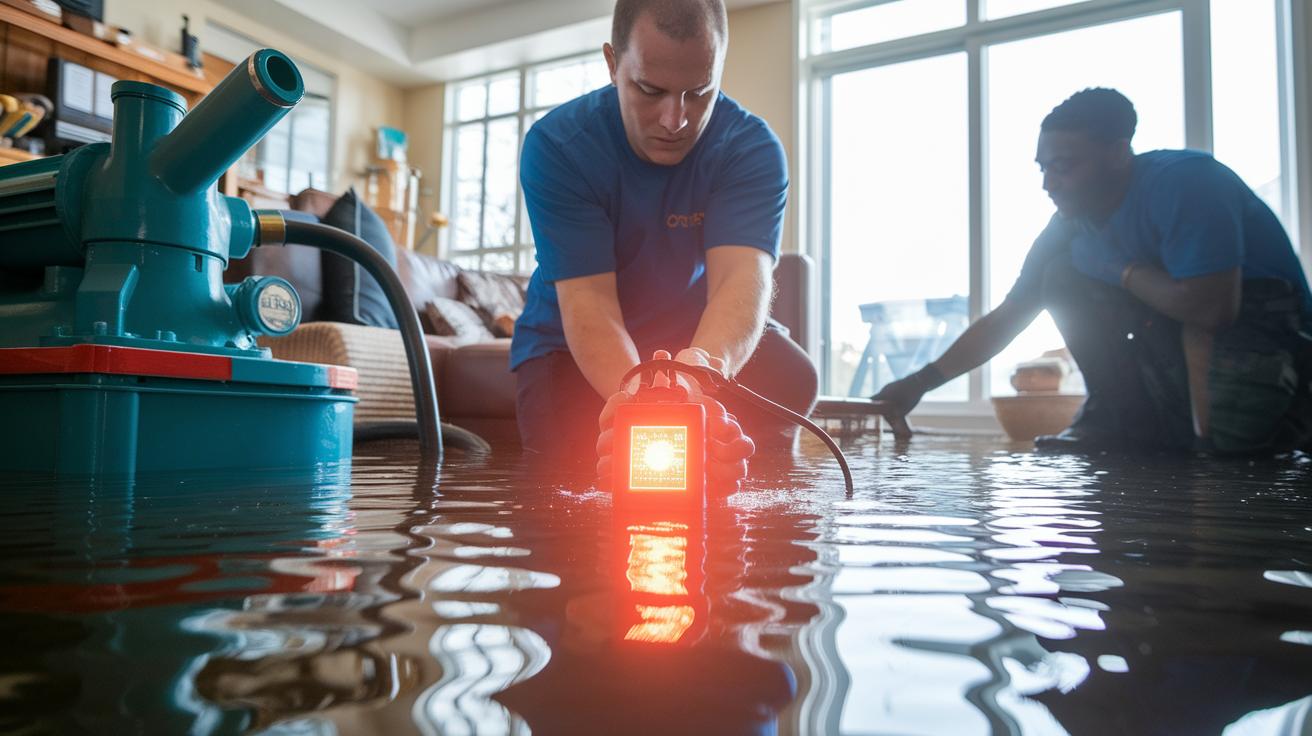
Many homeowners try using household wet/dry vacuums, fans, dehumidifiers, and open windows to dry a flooded room. While these methods look quick and simple, they can leave hidden moisture in walls and carpets. This leftover water can lead to mold and long-term damage if not completely removed.
We use industrial-grade pumps that pull water fast and high-capacity dehumidifiers (machines that lower humidity) to dry every corner. Our team also uses infrared moisture meters (devices that find hidden water) and special air movers to keep air flowing. This complete method removes both standing water and damp spots that home techniques might miss.
When flood damage is severe, it’s best to call in certified restoration experts. We make sure every bit of moisture is taken care of so you can rest easy knowing your home is safe from future water damage.
Cost and Pricing Guide for Emergency Water Extraction Services
We calculate the cost for water extraction based on how much of your home is affected, how dirty the water is (clean water is basic while contaminated water needs extra care), and the number of machines needed. We look at the square footage to determine the pumps and dehumidifiers (machines that pull moisture from the air) needed to dry your space. The type of water plays a big role in pricing because cleaning methods and equipment vary. We also count the labor hours, as our teams work quickly to remove water and start drying. If you call us at odd hours, emergency fees might be added.
- Area size
- Water type and contamination level
- Equipment rental (pumps, dehumidifiers, etc.)
- Labor hours and emergency fees
Prices change based on these factors. Our skilled restoration teams will give you a clear, detailed estimate after checking the damage. This helps you plan your budget for affordable flood repair while stopping more damage from moisture.
Navigating Insurance Claims After Emergency Water Extraction

We know this is a tough time for you. After we remove the water, gathering and organizing your paperwork is key to a smooth insurance claim. Clear records of the damage and repairs help your adjuster see the full picture, which can speed up the approval of your claim. Our team prepares detailed reports during cleanup. These include moisture readings (measurements that show how much water is still in your walls and floors), technician reports, and invoices. This information supports your claim and helps you get the costs for fixing your home covered.
Here are some steps to follow:
- Take clear photos of every damaged area. Include both close-ups and wider shots.
- Record moisture readings in different rooms using a digital moisture meter (a device that measures water content).
- Keep all invoices and receipts for repairs and any equipment used.
- Save the reports from our technicians and any assessments of the damage we did right after the water was removed.
- Write down the contact details and keep records of any emergency service calls.
- Build a timeline of events and repairs. List the dates and note any changes in the damage.
Working closely with your insurance adjuster is important. They need accurate records to understand your situation quickly. Following a detailed guide like our water damage claim documentation steps can ensure nothing gets missed. By staying organized and proactive, you can help move the process along and feel confident that your home will be restored as soon as possible.
Local 24/7 Emergency Water Extraction Response and Service Areas
When water damage strikes, we’re here to help 24/7. We quickly remove water and set up drying equipment to protect your home or business. Every minute counts to stop mold and prevent further damage. Our skilled team uses special equipment to restore your property fast.
We serve city centers, suburbs, and commercial areas. We handle water damage from storms, fire, and smoke, and we even check for mold (harmful fungi). Whether you’re a homeowner or a business owner, you can count on us to safely and efficiently manage your water emergency.
Frequently Asked Questions on Emergency Water Extraction Methods and Timing

-
What is emergency water extraction?
Emergency water extraction means we quickly remove extra water from your home to stop further damage and prevent mold. Mold can start to grow in as little as 24 to 48 hours, so fast removal is very important. -
How quickly does our team respond?
We usually arrive within an hour. Our team comes fully prepared to remove water and start drying right away to protect your home. -
What equipment is used during extraction?
We use wet/dry vacuums, submersible pumps, dehumidifiers (machines that pull moisture from the air), and air movers. These tools work together to clear water and help dry your home more quickly. -
DIY versus professional extraction, when should you call us?
Small spills might be handled with your own efforts, but larger water damage needs professional equipment and experience. Calling us helps prevent safety issues and stops mold from growing. -
How long does the drying process take after extraction?
While we remove water quickly, drying your home can take several days. We work to make sure walls, floors, and hidden areas are fully dry to lower the chance of mold growth.
Success Stories and Testimonials for Emergency Water Extraction Projects
After a pipe burst flooded my living room, the emergency team arrived in minutes. They used powerful water pumps and industrial dehumidifiers (machines that pull moisture from the air) to remove every trace of water. I was relieved to see them check each area with real-time moisture sensors (devices that spot hidden damp spots) to ensure nothing was missed. Their 24/7 service stopped mold growth and prevented long-term damage, saving my home’s structure and my peace of mind.
During a heavy storm that left my basement underwater, I called for help and received a quick response. The team used modern water extraction tools and continuous moisture sensors to secure my home. They worked carefully to stop further damage and prevent mold from forming. I appreciated every step they took to restore my home to a safe condition. Their work was professional, clear, and compassionate.
Final Words
In the action, we explained how rapid responses and the right equipment keep your home safe. We broke down processes from water removal to safety checks while simplifying key insurance steps. Each section showed how immediate intervention stops further damage and minimizes costly repairs.
Emergency water extraction is crucial for controlling flood damage and preventing mold. Trust in professional help to restore your home quickly. We're here to support you every step of the way.
FAQ
What is water extraction?
Water extraction is the process of removing standing water from a flooded area. It uses pumps, vacuums, and other tools to quickly reduce damage and lower the risk of mold growth.
How do emergency water extraction companies near me operate?
Emergency water extraction companies respond fast, often within an hour, to remove water using industrial equipment so your property is dried effectively and potential damage is minimized.
What is the cost of emergency water extraction and water removal services?
The cost of emergency water extraction varies by property size, water type, and equipment used. Prices can be competitive and are sometimes covered by insurance once you receive a detailed estimate.
What water extraction machine is commonly used during flood cleanup?
Water extraction machines include wet/dry vacuums, submersible pumps, and portable extractors. Each tool is built for fast water removal to reduce structural damage and prevent long-term problems.
How can I quickly get water out of my house?
Quick water removal is achieved by using high-powered pumps and vacuums to extract water rapidly. Acting immediately with professional help can prevent extensive damage and lower the risk of mold.
How rapidly does mold grow after water damage?
Mold can begin to grow within 24 to 48 hours after water damage occurs. Removing water quickly is essential to deter mold growth and protect your home’s integrity.
What should I do immediately after water damage occurs?
Immediately after water damage, ensure your safety by turning off electricity in affected areas if possible. Then, stop the water source, document the damage, and call emergency water extraction professionals for assistance.