

Think a rebuilding project will be done in a weekend? Not even close.
A complete interior buildback usually runs 13 to 23 weeks—about 3 to 6 months—from your first meeting to walking into a finished room.
Delays often come from demo surprises, permit waits, and long lead times for cabinets or countertops.
This post walks you through each phase—what happens, typical durations, key milestones that keep work moving, and where you should expect hold-ups—so you can plan, avoid surprises, and get your home back on schedule.
Core Interior Buildback Timeline Overview and Phase Durations
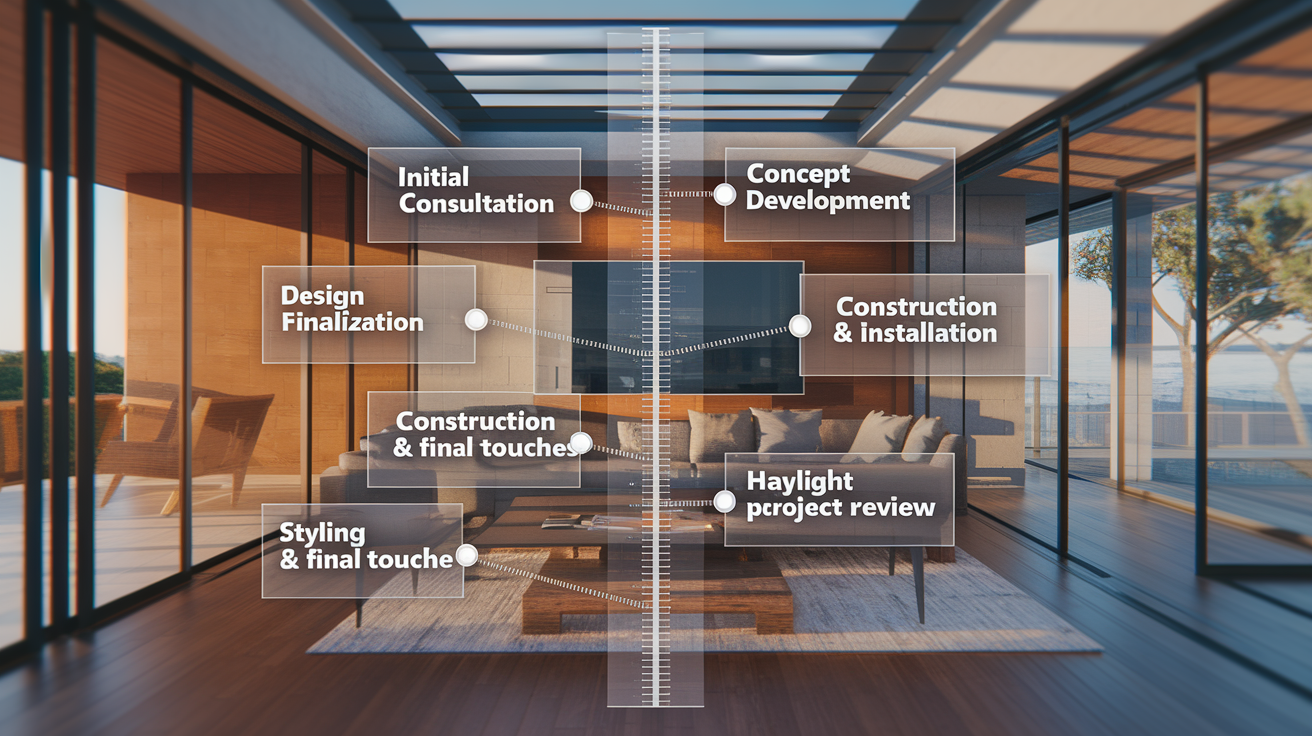
A complete interior buildback usually takes 13 to 23 weeks, about 3 to 6 months from your first meeting to walking back into a finished space. Add a follow-up review period and you’re looking at 25 weeks total. The timeline splits into separate phases, each with clear deliverables that tell you when it’s safe to move forward.
The initial consultation lasts 1 to 2 weeks. You’ll meet designers and contractors, lock in measurements, and approve a design brief. Concept development comes next, running 2 to 4 weeks. This is where you see mood boards, floor plans, and maybe some 3D views. Then design finalization and procurement takes 4 to 6 weeks. Final drawings get issued, furniture and lighting orders go out, and contractor calendars get confirmed. The construction and installation phase is the big variable, anywhere from 4 to 8 weeks depending on how much demo you need, what structural fixes show up, and how many finish trades are involved. Once construction wraps, styling and final touches need 1 to 2 weeks for furniture placement, art hanging, and lighting tweaks. Final inspection and handover is usually 1 week for your walkthrough, punch list fixes, and warranty paperwork. An optional post-project review can add 1 to 2 weeks if you want follow-up visits or maintenance checks.
Milestone markers control everything. Key checkpoints: design brief signed, concept boards approved, final drawings issued, construction start confirmed, rough inspections passed, drywall and paint done, major items delivered and installed, final walkthrough scheduled. Miss one and everything downstream stalls. Tracking them weekly keeps the project on track and gives you concrete points to measure against your target date.
The seven stages in order:
- Initial Consultation & Design Brief – 1 to 2 weeks
- Concept Development – 2 to 4 weeks
- Design Finalization & Procurement – 4 to 6 weeks
- Construction, Renovation & Installation – 4 to 8 weeks
- Styling & Final Touches – 1 to 2 weeks
- Final Inspection & Handover – 1 week
- Post-Project Review & Feedback – optional 1 to 2 weeks after completion
Demolition and Structural Preparation in the Interior Buildback Timeline
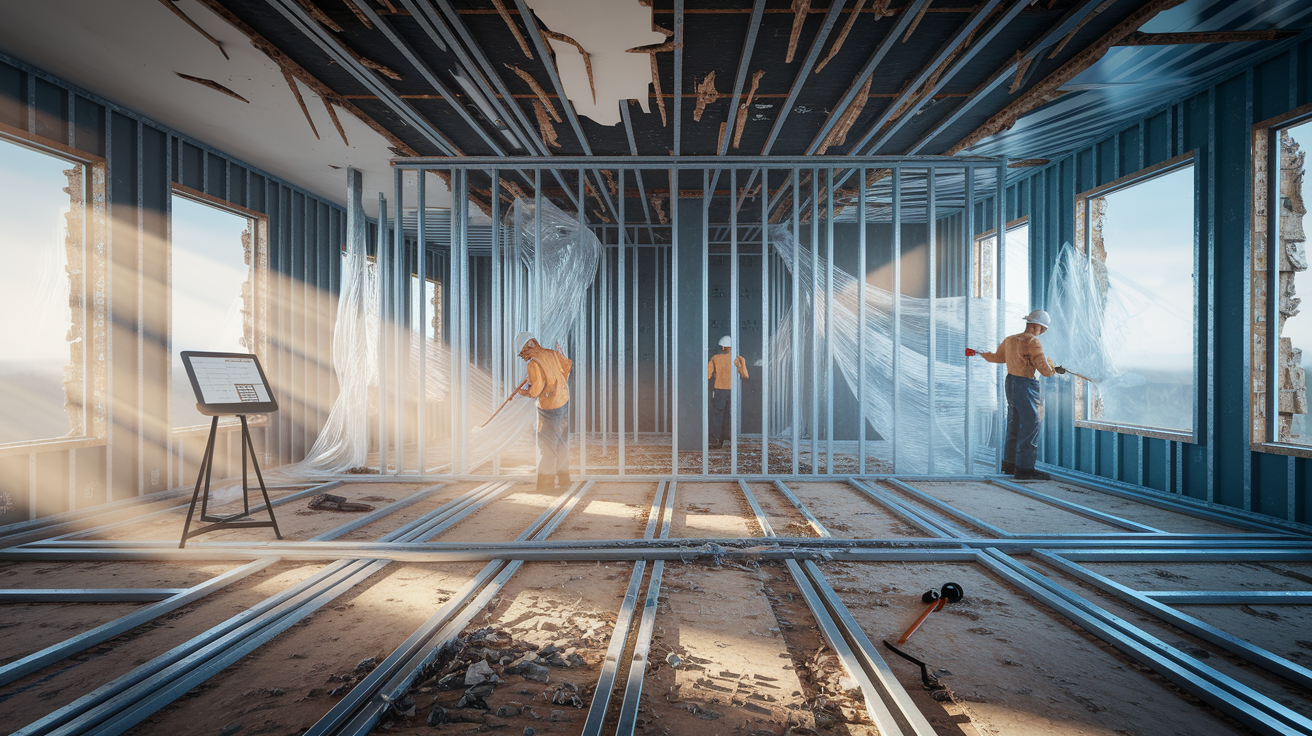
Demo is the first physical work once designs are final and permits are ready. A single room might only take a few days. Multi-room or whole floor projects stretch that to 1 or 2 weeks. Schedule depends on debris volume, containment needs, and whether you’re protecting nearby spaces from dust and noise. If structural problems show up (sagging joists, hidden water damage, old wiring buried in walls), the timeline extends. Structural fixes add 1 to 3 weeks depending on severity and whether you need engineering reviews or extra permits.
Demo sets up everything that follows. Delays here ripple through the entire job. An inspector flags code violations or discovers asbestos, mold, or termite damage? Work stops until remediation clears and you get sign-off. That can mean days or weeks you didn’t account for.
Key demo and early structural prep tasks with typical durations:
- Site prep and containment setup – 1 to 2 days
- Demo of finishes, fixtures, and non-structural elements – 2 days to 1 week
- Debris removal and disposal – 1 to 3 days
- Structural repairs or framing corrections – 1 to 3 weeks if needed
- Hidden damage discovery and remediation – variable, often adds 1 to 2 weeks plus inspection time
Rough-In Phase Timing: Electrical, Plumbing, and HVAC in an Interior Buildback Timeline

Once demo and structural repairs are done, rough-in work starts. Electricians, plumbers, and HVAC techs run new wiring, pipes, and ducts inside open walls and ceilings. This phase generally takes 1 to 3 weeks depending on room count, system complexity, and whether you’re upgrading panel capacity, moving fixtures, or adding zones. Trade sequencing matters. Electricians and plumbers often work at the same time, but HVAC duct installation can clash with framing or electrical conduit paths. Coordination failures mean rework—pulling wire twice or relocating a drain because it blocks a duct run.
After rough-in wraps, inspections must happen before you close walls. Inspections can take a few days to up to 2 weeks depending on how busy your local building department is and whether corrections are needed. Permit approvals just to start rough-in work can take around 1 month in many areas, so plan that lead time early. Missing an inspection or failing a code check stops everything until the issue gets fixed and a follow-up inspection is scheduled.
Scheduling conflicts between trades slow things down too. If the electrician runs late and the plumber’s already booked on another job, you lose days waiting for the right sequence to resume. Weather delays HVAC equipment deliveries. Supply shortages push back rough-in start dates by weeks. Clear communication, locked schedules, and buffer time between phases reduce risk, but rough-in remains one of the most common bottleneck stages.
Drywall, Insulation, and Interior Surface Milestones Within the Buildback Timeline
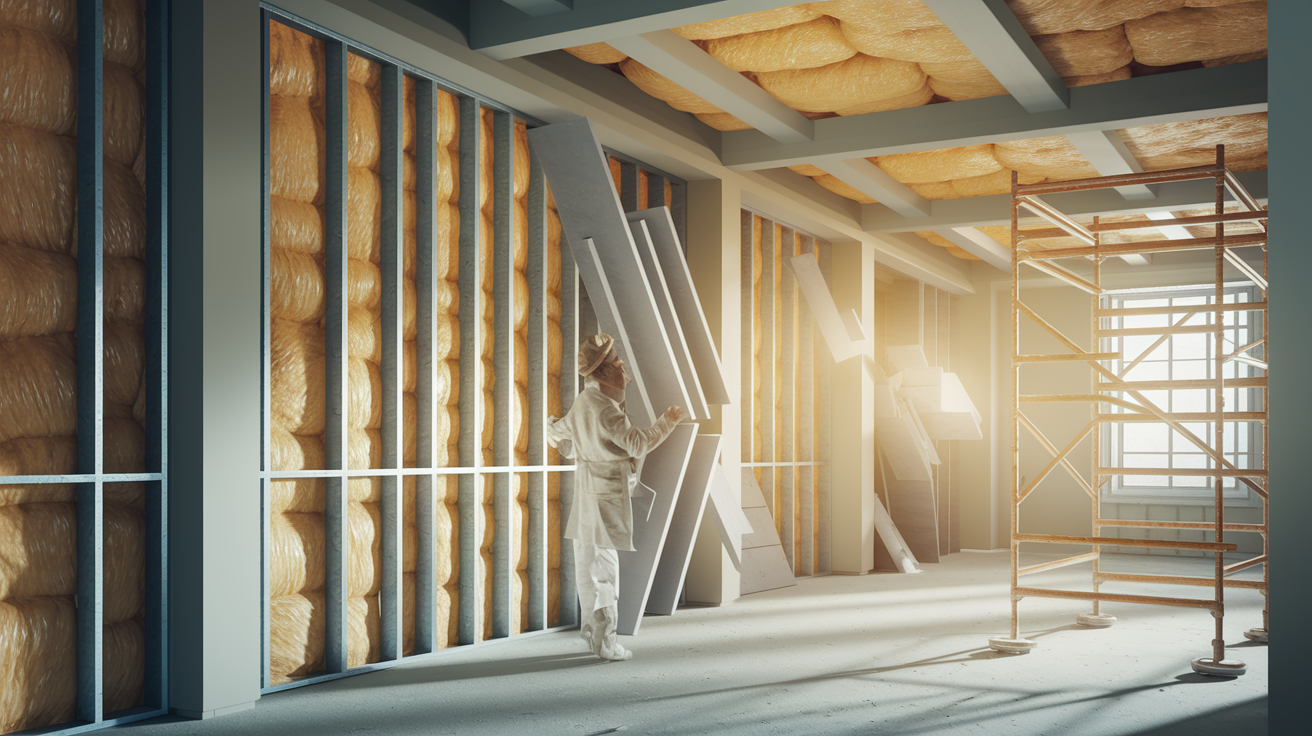
Insulation and drywall installation mark the shift from rough construction to finish-ready surfaces. This phase typically takes 1 to 3 weeks. Insulation goes in first, then drywall gets hung, taped, and finished with multiple coats of joint compound. Each coat has to dry before the next, and humid weather or poor ventilation stretches drying time by days. Rough-in inspections must be complete and signed before drywall starts. If an inspector catches a missed outlet box or improperly supported plumbing, the drywall crew waits while corrections get made and reinspected.
Timing also depends on area size and finish level. A simple single room with Level 4 finish (standard for painted walls) moves faster than a whole floor remodel needing Level 5 finish for critical lighting. Texture application, priming, and paint add more time after drywall finishing wraps.
Key milestone benchmarks for this phase:
- Insulation installed and inspected – confirms thermal and sound control is in place
- Drywall hung on all walls and ceilings – framing and rough-in are now hidden
- Taping and joint compound coats complete – surface is smooth and ready for primer
- Primed and ready for paint – signals readiness for finish coats and trim carpentry
Finish Work Timing: Flooring, Cabinets, Countertops, and Trim in the Interior Buildback Timeline
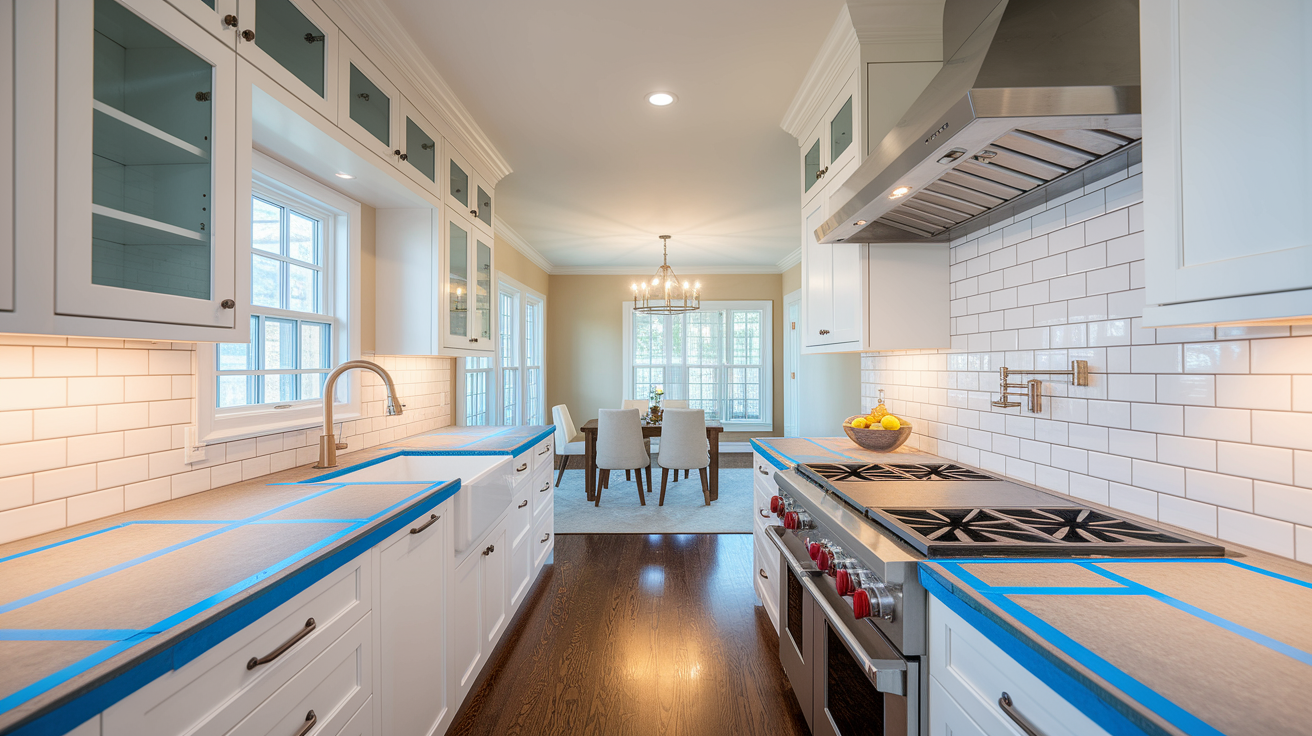
The finish phase is where the space actually starts looking like a completed interior again. This stage spans 2 to 12+ weeks depending on material availability, custom orders, and installation complexity. Specialty countertops and custom cabinetry often carry lead times of 12 to 16 weeks or more, so ordering early matters. Installation sequencing matters too. In most cases, flooring goes in before cabinetry to allow a clean subfloor and avoid gaps. Cabinets get installed next, followed by countertops once base cabinets are secured and leveled. Plumbing fixtures, lighting, and trim carpentry come after painting to avoid damage to finished surfaces.
Each finish component has its own schedule, and delays in one push everything behind it. Custom cabinets arrive late? Countertop templating can’t happen. Countertops delayed? Plumbing hookups wait. Flooring damaged during cabinet delivery? Repairs add days. Coordinating delivery windows with installer availability cuts idle time, but long lead times and supply chain disruptions remain common causes of slippage.
Material availability fluctuates. Stock flooring and cabinets may arrive in 2 to 4 weeks. Custom millwork, stone counters, specialty tile, and imported fixtures frequently take 8 to 16 weeks. Always confirm lead times in writing before finalizing selections, and add buffer time for shipping delays, damaged shipments, or manufacturing errors that require reorders.
Standard installation order for finish components:
- Flooring installed first (in most layouts)
- Base cabinets set and leveled
- Countertops templated, fabricated, and installed
- Backsplash tile and trim work completed
- Plumbing fixtures and appliances connected
- Light fixtures, switch plates, and final hardware installed
| Finish Component | Typical Duration Range |
|---|---|
| Flooring (hardwood, tile, LVP) | 3 to 7 days installation; 2 to 8 weeks lead time |
| Custom cabinetry | 1 to 3 days installation; 8 to 16 weeks lead time |
| Countertops (quartz, granite, solid surface) | 1 day installation; 4 to 12 weeks lead time |
Material Procurement, Delivery Windows, and Supply Chain Impacts on the Interior Buildback Timeline

Material lead times control the pace of every buildback project. Stock items from local suppliers may arrive in 2 to 4 weeks. Made to order materials (custom cabinets, stone slabs, imported tile, specialty lighting) can take 12 to 16 weeks or more. If you wait until construction starts to order, you’re adding months of idle time waiting for deliveries. Ordering long lead items as soon as design selections are finalized keeps the project moving.
Delivery timing has to align with construction progress. Coordinating major deliveries during demo or early framing lets materials arrive on site when needed, not weeks before or after. Early deliveries create storage problems and damage risk. Late deliveries halt work and push labor to other jobs, creating scheduling conflicts when materials finally show up. Always build buffers of at least 2 months into the schedule for emergencies, damaged components, or unexpected vendor delays. Supply chain disruptions, shipping backups, and manufacturing quality issues are common and unpredictable.
Some tasks can overlap. Locally stocked flooring or paint can be delivered during demo without disrupting the schedule. But finish trades are mostly sequential. You can’t install countertops before cabinets. You can’t hang cabinets before drywall. You can’t tile a floor before rough plumbing gets inspected. Understanding which tasks must happen in order and which can run concurrently helps you identify the critical path—the sequence of dependent tasks that determines minimum project duration. Any delay on the critical path delays the entire completion date.
Major long lead items to order early:
- Custom cabinetry and built-in millwork
- Stone or quartz countertops requiring templating and fabrication
- Specialty tile, especially imported or discontinued patterns
- High-end light fixtures and appliances with extended manufacturing times
- Custom window treatments and hardware
Contractor Scheduling, Labor Coordination, and Inspection Bottlenecks in the Interior Buildback Timeline

Coordinating multiple subcontractors and inspection appointments is one of the most common delay sources. Rough-in, drywall, and final inspections are critical bottlenecks. Each inspection can take anywhere from a few days to 2 weeks depending on inspector availability and whether corrections are needed. If an inspection fails, work stops until the issue gets fixed and a follow-up inspection is scheduled. That can add a week or more.
Contractor scheduling conflicts slow progress when one trade is delayed and the next trade is already booked on another project. If the electrician runs late and the drywall crew is scheduled to start Monday, the drywall crew either sits idle or moves to another job. When they finally return, it may be days or weeks later. Design revisions during construction are another frequent delay cause, adding 1 to 4+ weeks depending on scope. A simple outlet relocation may cost a day. Changing cabinet layouts or plumbing fixture locations can require new permits, revised drawings, and rescheduled inspections.
Peak construction seasons (spring and early summer) and holiday periods from late November through December make scheduling harder. Trades are busier, inspectors are backed up, and lead times stretch. Starting a project in the off-season gives you more flexibility and faster responses from contractors and inspectors.
Common scheduling conflicts and delay causes:
- Inspector availability and appointment lead times
- Failed inspections requiring corrections and follow-up visits
- Trade scheduling conflicts when one contractor is delayed and the next is already booked elsewhere
- Design changes or scope revisions requiring revised permits, drawings, or material reorders
Insurance, Permits, and Documentation Timelines That Influence Interior Buildback Progress

Permit inquiry and approval processes add lead time before construction can legally begin. Initial permit inquiries often take around 1 month to start, and approval times vary widely by jurisdiction and project complexity. Simple interior remodels may clear permits in a few weeks. Projects requiring structural changes, electrical panel upgrades, or plumbing reroutes can take months. Always factor permit lead time into your project start date.
Insurance supported repairs require documented damage assessments, detailed scopes of work, and coordinated estimates before work can begin. Adjusters must inspect, approve the scope, and issue funding. That process can add weeks to the front end. If hidden damage shows up during demo, you need supplemental documentation, revised scopes, and adjuster re-inspection before moving forward. Each round of revisions delays the start of the next construction phase.
Design and architectural plan approvals also influence the schedule. If plans require revisions to meet code, or if you request changes after initial approval, the timeline extends. Coordinating between designers, contractors, and permitting authorities takes time, and miscommunication or incomplete submittals cause rejections and resubmissions.
Common documentation requirements and their timing impact:
- Initial damage assessment and photo documentation – 1 to 2 weeks
- Insurance adjuster inspection and scope approval – 1 to 4 weeks
- Permit application preparation and submittal – 1 to 2 weeks
- Permit approval and issuance – 2 weeks to 3+ months depending on jurisdiction
- Supplemental claims for hidden damage discovered during demo – adds 1 to 3 weeks per revision cycle
Example Interior Buildback Timeline Scenarios for Different Project Sizes
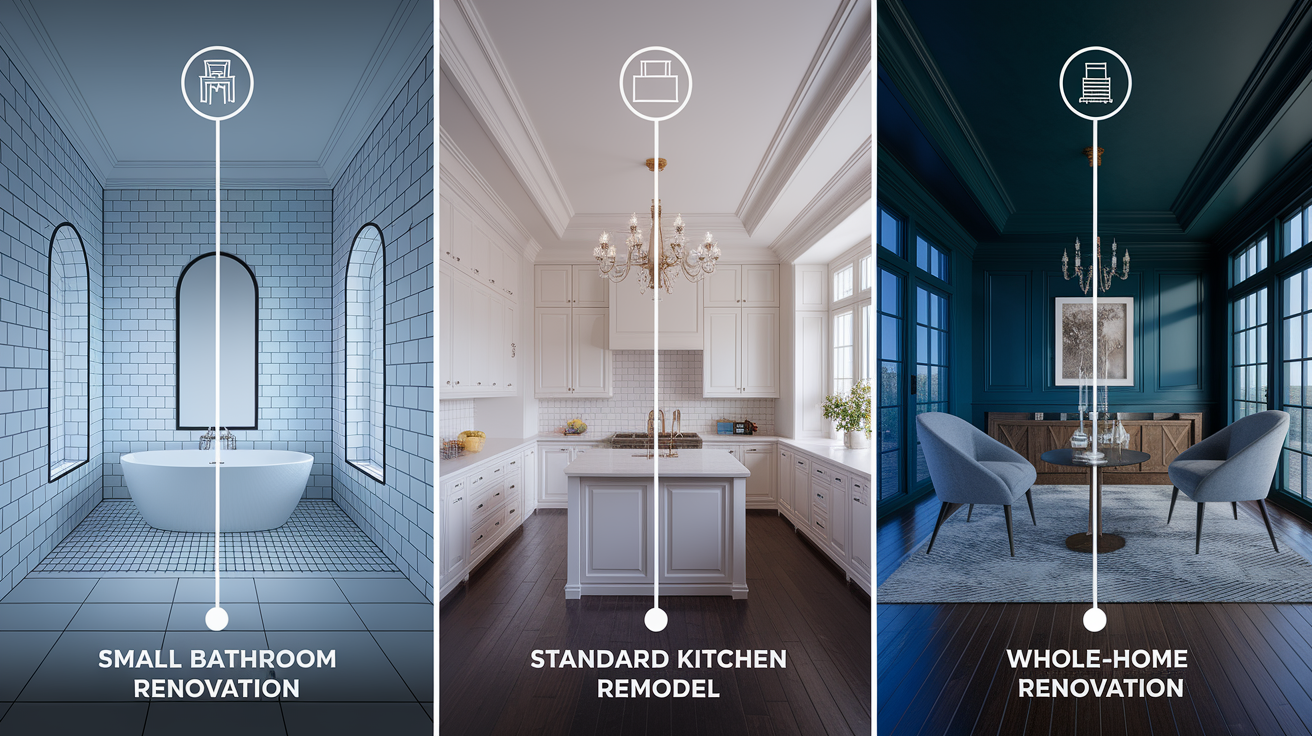
Real world project durations vary by scope, but consistent patterns emerge across different interior buildback types. A small bathroom renovation typically runs about 3 months from initial design research to final construction completion. A standard kitchen remodel (roughly 160 square feet) is often planned at around 6 months, though well coordinated projects can finish in 5 months. Single room remodels with moderate scope usually require about 1 month of active construction once demo begins, with additional time for design, permits, and procurement beforehand. Whole home renovations commonly span 6 months or more depending on the extent of demo, structural work, and finish complexity.
For fire, water, or mold recovery projects, the timeline follows similar phase durations but adds time for remediation, drying, and environmental clearances before reconstruction starts. Water damage buildbacks often require 1 to 2 weeks of drying and moisture monitoring after extraction. Fire restoration adds time for soot removal, odor treatment, and HVAC cleaning before drywall and finishes can begin. Mold remediation requires containment, HEPA air scrubbing, and post-remediation verification, which can add 1 to 3 weeks depending on contamination extent.
Standard interior design driven projects without major structural issues typically cycle through in 13 to 23 weeks. Projects with heavy demo, permitting delays, or long lead custom finishes push timelines toward the upper end or beyond. Small scope projects that skip major construction phases can compress to 9 to 15 weeks if all materials are in stock and no structural surprises appear.
| Project Type | Active Construction Duration | Total Timeline |
|---|---|---|
| Small bathroom renovation | 3 to 5 weeks | ~3 months (includes design, permits, procurement) |
| Standard kitchen remodel (~160 sq ft) | 4 to 8 weeks | 5 to 6 months (includes design, procurement, inspections) |
| Single-room interior rebuild (moderate scope) | 3 to 4 weeks | 2 to 3 months (with design and permits) |
| Whole-home renovation or multi-room buildback | 3 to 6+ months | 6 to 12+ months (includes full design cycle and permitting) |
Staying on Schedule: Managing Risks and Maintaining Progress Throughout the Interior Buildback Timeline

Keeping an interior buildback on schedule requires active management, regular communication, and built-in buffers for the unexpected. Weekly progress meetings with your contractor and designer keep everyone aligned on upcoming tasks, material deliveries, and inspection schedules. Tracking milestone dates (permit submission, rough-in sign-off, cabinet delivery, final walkthrough) lets you spot delays early and adjust the calendar before small problems cascade. Always maintain a contingency fund for budget overruns and schedule slippage. Unexpected structural repairs, damaged materials, or design changes will happen. Planning for them reduces stress and keeps the project moving.
Ordering long lead items early is one of the most effective schedule control strategies. Custom cabinets, stone countertops, specialty tile, and high-end fixtures often take 12 to 16 weeks or more. Placing orders as soon as selections are finalized prevents months of idle time waiting for deliveries. Coordinating delivery dates with contractor schedules before ordering ensures materials arrive when trades are ready to install, not weeks too early or too late.
The punch list and final walkthrough typically require 1 to 2 weeks at the end of the project. Small touch-ups, fixture adjustments, paint corrections, and final cleaning happen during this window. Quality checks confirm that all finishes meet design intent and technical standards. Documentation (warranties, care instructions, and final project reports) gets delivered during handover. If optional post-project reviews are scheduled, they add another 1 to 2 weeks for feedback collection and any last adjustments.
Key schedule control tips:
- Hold weekly progress meetings with contractors and designers to review upcoming tasks and deadlines
- Order long lead materials (cabinets, countertops, specialty finishes) as soon as selections are finalized
- Build buffers of at least 2 months into the overall schedule for emergencies and vendor delays
- Track milestone dates and adjust the calendar proactively when changes occur
- Plan to finish at least 2 months before any hard deadline (move-in date, event, sale closing)
- Use project management tools (Trello, Asana, Monday.com) to track tasks, communications, and delivery schedules
Final Words
You’re lining up trades, scheduling inspections, and checking that materials arrive on time. Fast moves matter because they stop more damage and keep costs down.
This post walked through the main phases, demolition and prep, rough-in (electrical, plumbing, HVAC), drywall and insulation, finish work, procurement, contractor coordination, and insurance steps. We flagged milestone markers: design sign-off, permit approval, rough-in completion, drywall/paint, and final inspection.
Use the interior buildback timeline to set realistic expectations, order long-lead items early, and document everything for claims. Stay steady, ask questions, and the job gets finished right.
FAQ
Q: What is the 3-5-7 rule in interior design and what is the 3 4 5 rule in interior design?
A: The 3-5-7 rule in interior design means grouping décor in odd numbers (three, five, or seven) to create balance and visual rhythm. The 3‑4‑5 rule is less common and used as a simple proportion guide for spacing and scale.
Q: What is the 70/30 rule in interior design and what is the 30% rule in remodeling?
A: The 70/30 rule means one color or material covers about 70% of a room and accents make up 30% for balance. The 30% rule in remodeling varies—often a budget contingency or a scope limit, so confirm for your project.