

Have you ever thought about how a few simple updates could protect your home? Every year in the United States, more than 368,500 home fires occur. A small mistake can lead to expensive repairs and hidden health risks. Updating your smoke detectors (devices that alert you early in case of fire) and adding water leak sensors (gadgets that spot water damage) can stop minor problems from becoming major ones. These upgrades act like a shield, lowering the risk of fire and water damage for your home and family. Taking action now means you’re investing in a safer tomorrow.
Key Preventive Home Upgrades to Minimize Fire and Water Damage Risk
Every year, more than 368,500 home fires occur in the United States. Even a small fire can weaken wood supports and cause hidden damage. Smoke finds its way into every crack, which can lead to long-term health risks even when things seem fine at first. We know how important it is for you to act quickly and update your home to keep it safe.
When problems go unnoticed, the damage can become much worse. Simple, proactive upgrades now can help stop a small issue from turning into an expensive repair later. These updates not only protect your property but also help lower future repair costs by stopping further damage. Taking action today is a smart way to protect your home and avoid bigger problems down the road.
We recommend focusing on three key areas for home upgrades:
- Detection systems: Install smart sensors and alarms that alert you right away if smoke or water is detected.
- Structural barriers: Strengthen your home with fire-resistant materials and treatments that block heat and water.
- Water control: Improve drainage and set up water leak detectors to manage moisture and prevent it from seeping into your foundation.
These steps lower your overall risk by catching issues early and reinforcing your home against fire and water damage. By upgrading today, you help protect your family’s safety and keep restoration costs to a minimum, ensuring your home stays secure and valuable.
Upgrading Smoke Detectors and Fire Alarm Systems for Enhanced Protection
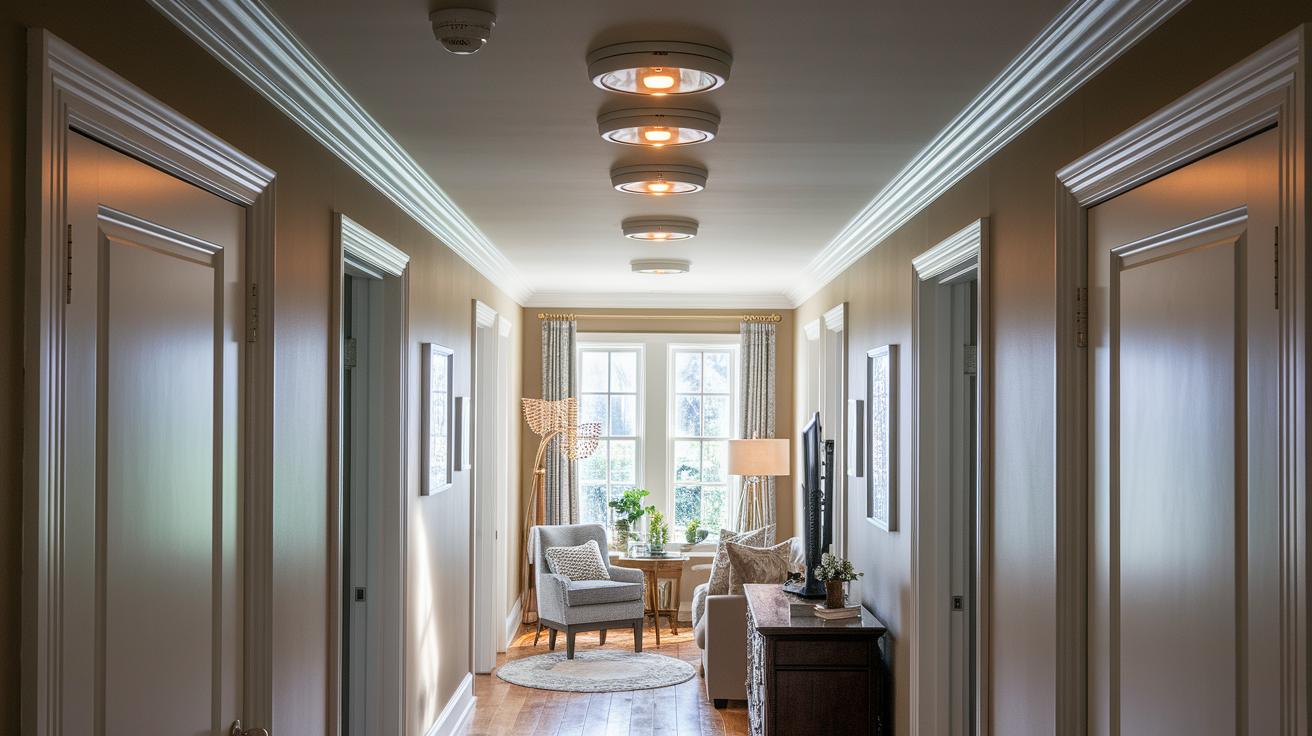
A complete alarm system keeps your home safe from fire risks. By placing smoke detectors on every level, especially in bedrooms, you make sure everyone gets warned quickly if a fire starts. Checking your alarms regularly helps you know they work when it matters most.
- Put one smoke detector in each bedroom.
- Mount extra detectors in hallways and living areas.
- Press the test button every 30 days to ensure they work.
- Replace batteries every six months.
- Upgrade the unit after 10 years for best sensitivity.
Smart detectors can send alerts straight to your phone, even showing you the exact room where smoke or fire is found. They connect with home automation systems (technology that controls devices automatically) so you can keep an eye on your home 24/7. Regular maintenance makes the alarms last longer and work better. This lowers the risk of fire damage and costly repairs while keeping your family safe.
Equipping Fire Extinguishers and Home Fire Suppression Tools
Fire extinguishers come in various types. For example, ABC-rated extinguishers handle common household fires, while CO₂ models (using carbon dioxide gas to put out flames) work well on electrical fires. These tools help stop small fires fast and meet safety rules.
Place an extinguisher where fires are most likely, like in the kitchen. Also, keep at least one on every floor of your home. Make sure they are easy to see and reach in an emergency. Keep the area clear and check that labels and instructions are easy to read.
It’s important to inspect your fire tools regularly. Check the pressure gauge (a measure of the unit’s charge) every month. Service or replace them every 12 years or earlier as recommended by the maker. This routine helps lower fire risk and keeps your home safe.
Implementing Water Leak Detection and Automatic Shutoff Mechanisms
Water damage can come in three types based on its source and speed. A burst pipe, a leaking roof, or water seeping through the foundation can all harm your home if not stopped quickly. Finding moisture early helps you avoid pools of water, which means less damage and lower repair costs.
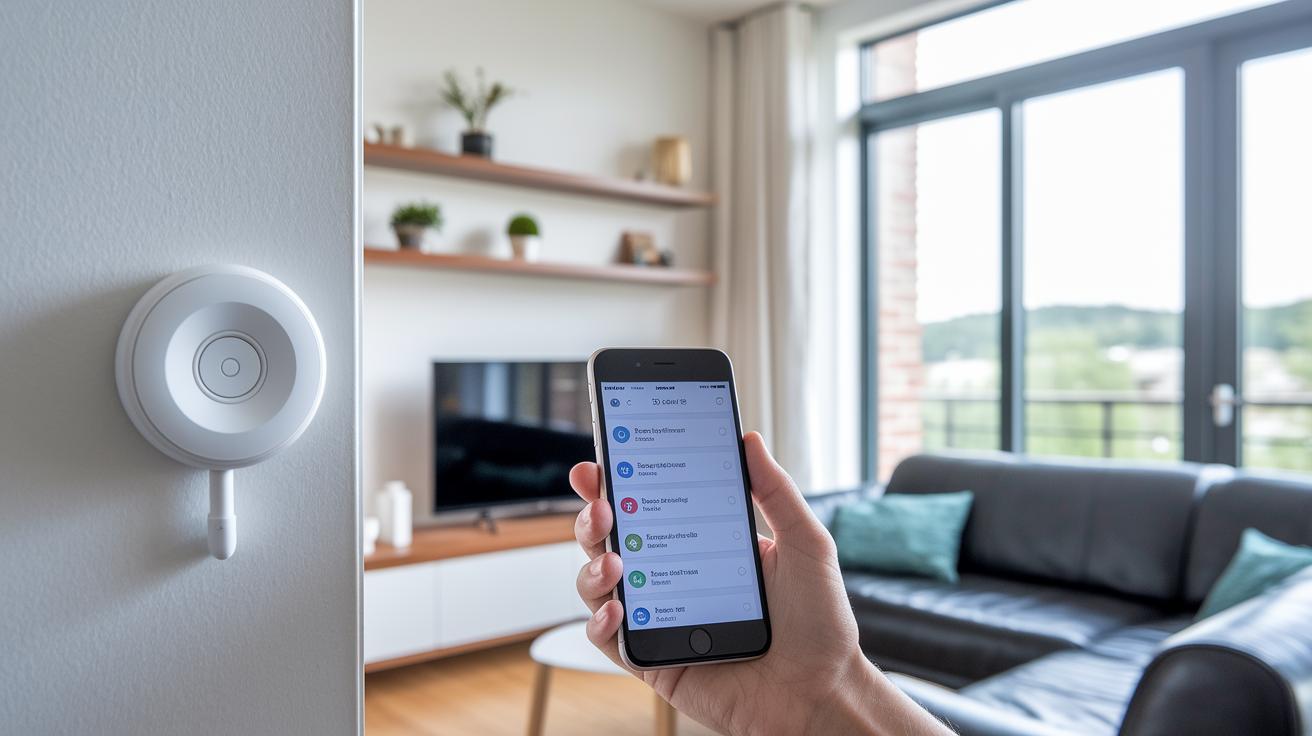
We use simple water leak sensors that work on their own by sounding an alarm when they sense moisture. You might also use a smart hub. This device connects several sensors to one system that can alert you on your phone. This way, you see the whole picture of your home’s water situation and can act fast if something is wrong.
You can also install an automatic water shutoff valve. This valve sits on your main water line and cuts off the flow within seconds when sensors detect water. It is important to test these valves and sensors every few months by simulating a leak. This proactive step limits damage and helps keep repair costs low.
Enhancing Structural Waterproofing and Drainage for Water Damage Prevention
After a heavy rainfall, it's important to check your roof for leaks and clean your gutters. Clean gutters guide water away from your home's foundation, reduce overflow that might flood your basement, and help your gutter system last longer. A well-maintained roof stops water from trickling into weak spots, protecting your property from long-term damage.
We can add an extra layer of defense by using interior sealants and exterior membrane systems. Sealants (water-blocking materials) applied on walls and floors help stop water from seeping through small cracks. Membranes (protective layers) on the outer walls or roof serve as another barrier. Together, these methods control water flow and reduce the risk of flood damage.
| Prevention Method | Benefits |
|---|---|
| Gutter Cleaning | Keeps water flowing away and protects the foundation |
| Roof Leak Inspection | Finds damage early after storms |
| Foundation Sealant | Stops water from seeping up through small cracks |
Regular inspections keep your home safe. Check your roof and gutters often, and use a home safety checklist after a flood to make sure nothing is missed. If you notice leaks or water seeping in, call a professional right away to strengthen your flood defense and keep water out.
Selecting Fire-Resistant Building Materials and Insulation Options

Using materials that slow fire spread keeps your home safe and meets building codes. Many insurance companies even offer discounts when you upgrade to products that help stop fire and protect the structure of your home.
For walls, gypsum board is a smart choice because it blocks fire well. For roofs, treated lumber adds an extra layer of defense against extreme heat. These options work together to shield your home from fire damage while keeping it attractive.
Mineral wool insulation is a top pick. It has a higher R-value (a measure of how well it resists heat) and better fire ratings than regular fiberglass insulation. Checking these details helps you choose insulation that is safe and energy efficient.
These fireproof materials and insulation might cost more upfront, but they lower the risk of major fire damage and can reduce your insurance costs. This smart investment gives you lasting protection, peace of mind, and a strong, safe home for years to come.
Integrating Smart Sensors and Emergency Preparedness Upgrades
Plan clear escape routes from every room. Each room should offer two ways out so everyone can leave quickly in an emergency. Choose a safe meeting spot outside and run a drill every month so every family member knows what to do when alarms sound.
Add smart sensors to your home system to keep watch for fire and water problems. These sensors (devices that detect danger) notice smoke, heat, or water leaks and send instant alerts to your phone. When they connect to one central hub, you can see all alerts in one place, which makes it easier to respond quickly.
Keep your sensor system reliable with regular updates and cleaning. Set a monthly reminder to check that the sensors are current, and follow the setup instructions for cleaning and recalibrating them. A well-maintained system works better when every second counts.
Smart alerts help cut down response time. When a sensor sounds an alarm, you get a real-time message that lets you act fast, whether you need to evacuate or turn off the water. This quick action helps reduce damage and gives you more control during unexpected events.
Final Words
In the action, we covered key upgrades to protect your home from fire and water damage. We explored reliable detection systems, effective suppression tools, smart leak sensors, improved drainage, durable materials, and smart sensors to boost emergency preparedness. Each step is designed to lower risk, keep costs down, and restore safety quickly. Through practical preventive home upgrades to reduce fire and water damage risk, you can secure your property while simplifying the restoration process. Moving forward, these measures bring lasting peace and protection.
FAQ
What is fire mitigation for homeowners?
The fire mitigation for homeowners means reducing the risk of fire damage. Homeowners use upgrades and maintenance to lower hazards and protect their homes.
What is a fire mitigation plan?
The fire mitigation plan outlines specific steps like improving detection systems and structural barriers. This plan helps reduce fire risks and guides recovery efforts if a fire occurs.
How do you fireproof your home from wildfires, including in California?
The method to fireproof your home from wildfires involves using fire-resistant materials, creating defensible space, and considering sprinkler systems to help slow the spread of flames and embers.
What are some fire mitigation examples?
The fire mitigation examples include installing advanced smoke detectors, upgrading building materials, setting up sprinkler systems, and maintaining clear surroundings to reduce fire spread.
What is a wildfire home protection sprinkler system?
The wildfire home protection sprinkler system works by automatically spraying water on surfaces during a fire. This cooling system helps control flames and limit damage during wildfire conditions.
What are five ways to prevent fire at home?
The five ways to prevent fire at home include installing and testing smoke detectors, maintaining fire extinguishers, safely storing flammable items, upgrading to fire-resistant materials, and having a clear emergency plan.