
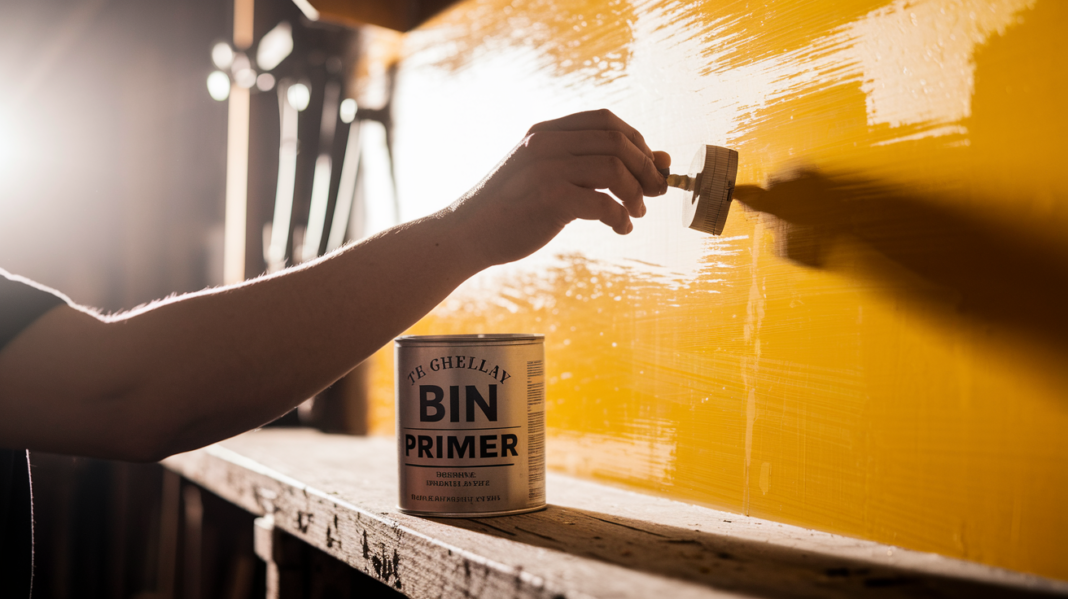

Think a coat of paint will make smoke odor vanish? Not usually.
A shellac based primer actually locks smoke odor in place.
It creates a vapor-tight seal over drywall, trim, and plaster, trapping nicotine, soot, and tar so they can’t off-gas back into the room.
Shellac works where latex and oil primers often fail.
This post shows why shellac primers stop nicotine and fire smoke, which products pros use, and how to apply them so the smell stays gone.
Fast drying means you can topcoat sooner, but ventilate while it cures.
Effectiveness of Shellac Primers for Eliminating Smoke Odor
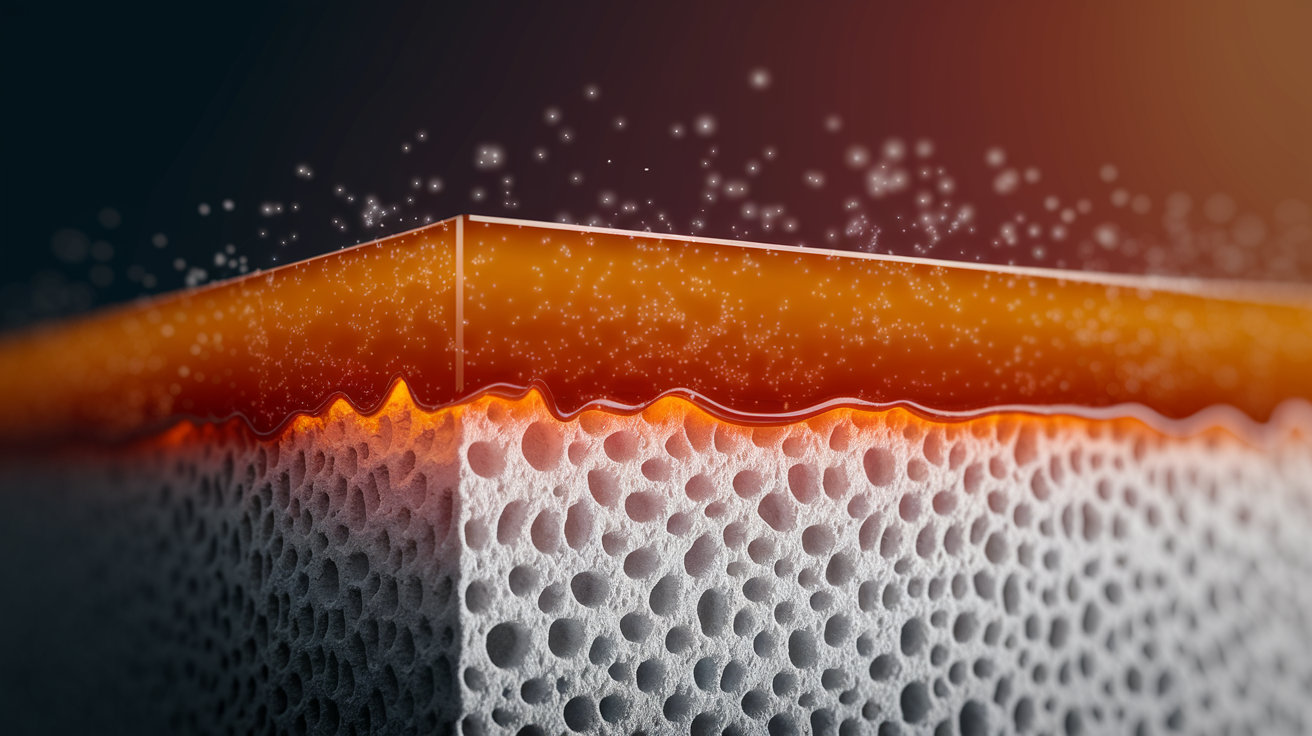
Shellac primer is the most reliable way to permanently seal fire and tobacco smoke odors inside a home. It creates a vapor tight barrier over contaminated surfaces, physically locking smoke residue and odor molecules beneath a hard, impermeable layer. Unlike paint or water based sealers that allow gas exchange, shellac forms a cross linked film that blocks odor transmission. When you apply shellac primer to smoke damaged drywall, wood trim, or plaster, you’re not masking the smell. You’re entombing the contamination so it can’t migrate into the air. Zinsser BIN is the most commonly referenced shellac primer for smoke remediation because it combines alcohol dissolved shellac resin with pigments that also block stains.
Shellac blocks even severe nicotine contamination, protein based fire smoke, and the musty smell left after water used to extinguish a fire. Nicotine is water soluble, which means it can bleed through latex paint and even some oil based primers over time. Shellac is alcohol based, so it repels water based contaminants and encapsulates them permanently. Fire smoke leaves behind acidic soot and tarry residues that penetrate porous materials like bare drywall, unsealed wood, and old plaster. Shellac seals those porous surfaces and prevents continued off gassing. The primer works on ceilings, walls, subflooring, and trim. Any interior surface that absorbed smoke.
Common scenarios where shellac outperforms other primers include post fire restoration where soot and char odor have soaked into framing, drywall, and cabinets. Heavy tobacco smoke damage in rental properties or inherited homes where decades of smoking left yellow stains and tar buildup. Basement or attic spaces exposed to smoke intrusion where porous wood and insulation absorbed contaminants. Rooms with lingering cigarette smell after initial cleaning, where nicotine remains embedded in wall cavities or subfloor plywood.
Once shellac primer is fully cured, odor cannot return unless the sealed surface is breached or unless odor sources outside the sealed area continue to emit smell. If you prime the walls but leave contaminated carpet, insulation, or HVAC ducts untreated, you’ll still smell smoke. But it’s not coming through the primed surface. Shellac’s barrier is permanent as long as the coating remains intact. Scratches, water damage, or incomplete coverage can expose underlying contamination, but that’s a coverage issue, not a primer failure.
How Shellac Primer Works to Block Smoke Smell
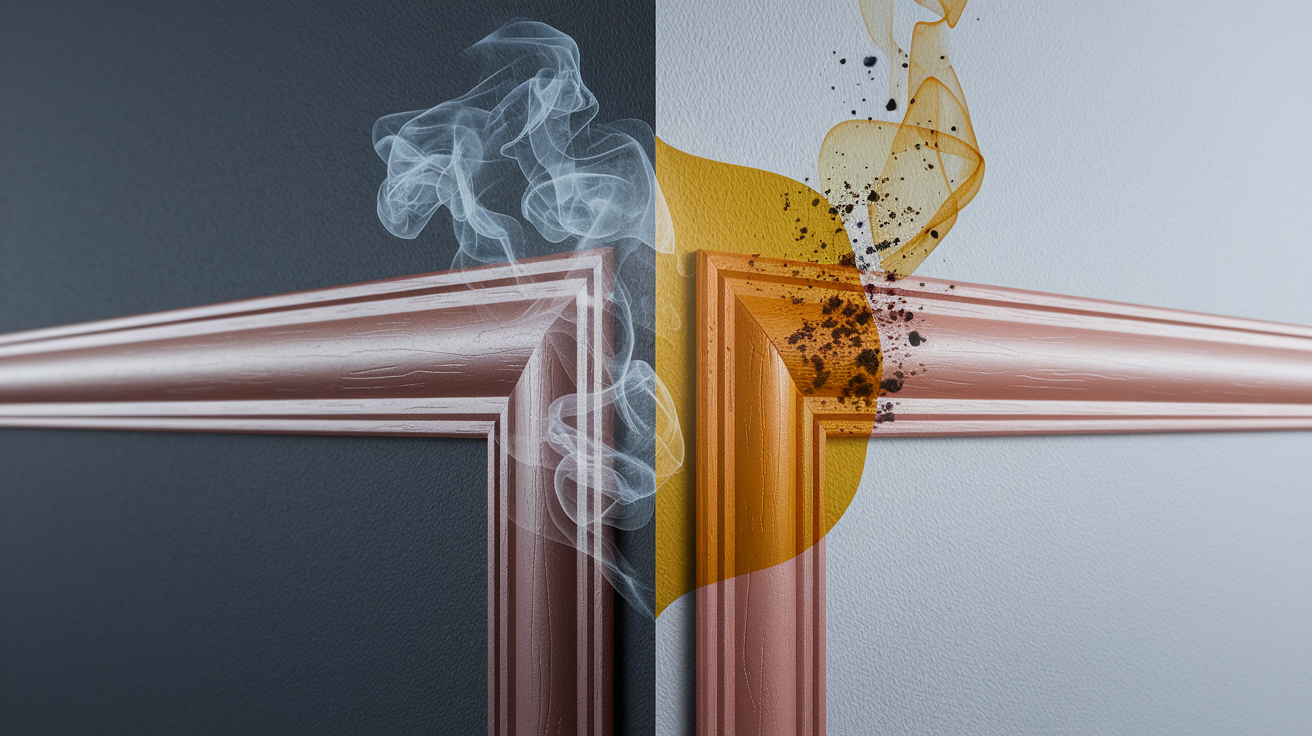
Drywall and wood are porous. When smoke fills a room, nicotine vapor, soot particles, and tar droplets settle on surfaces and soak into the tiny air pockets inside drywall paper, gypsum, wood grain, and plaster. Even after you scrub visible staining, those contaminants remain embedded below the surface and continue to off gas. That’s why cleaning alone doesn’t eliminate smoke smell.
Shellac primer uses an alcohol carrier (denatured alcohol or ethanol) that evaporates rapidly after application. As the alcohol flashes off, the dissolved shellac resin hardens into a dense, cross linked film. This film fills the surface pores and creates a vapor barrier. The shellac layer is thin but extremely tight, preventing odor molecules from migrating from the contaminated substrate into the room air.
The sealed film also stops nicotine bleed through. Nicotine stains can reappear through latex paint months after application because water in the paint reactivates the nicotine, allowing it to migrate. Shellac’s alcohol base doesn’t reactivate nicotine, and once cured, the resin is insoluble. The result is a stable, odor blocking surface that you can safely topcoat with any finish paint. The mechanism is simple: shellac dries fast, seals tight, and won’t dissolve or soften after curing, so smoke contamination stays locked in place.
Comparing Shellac, Oil Based, and Water Based Primers
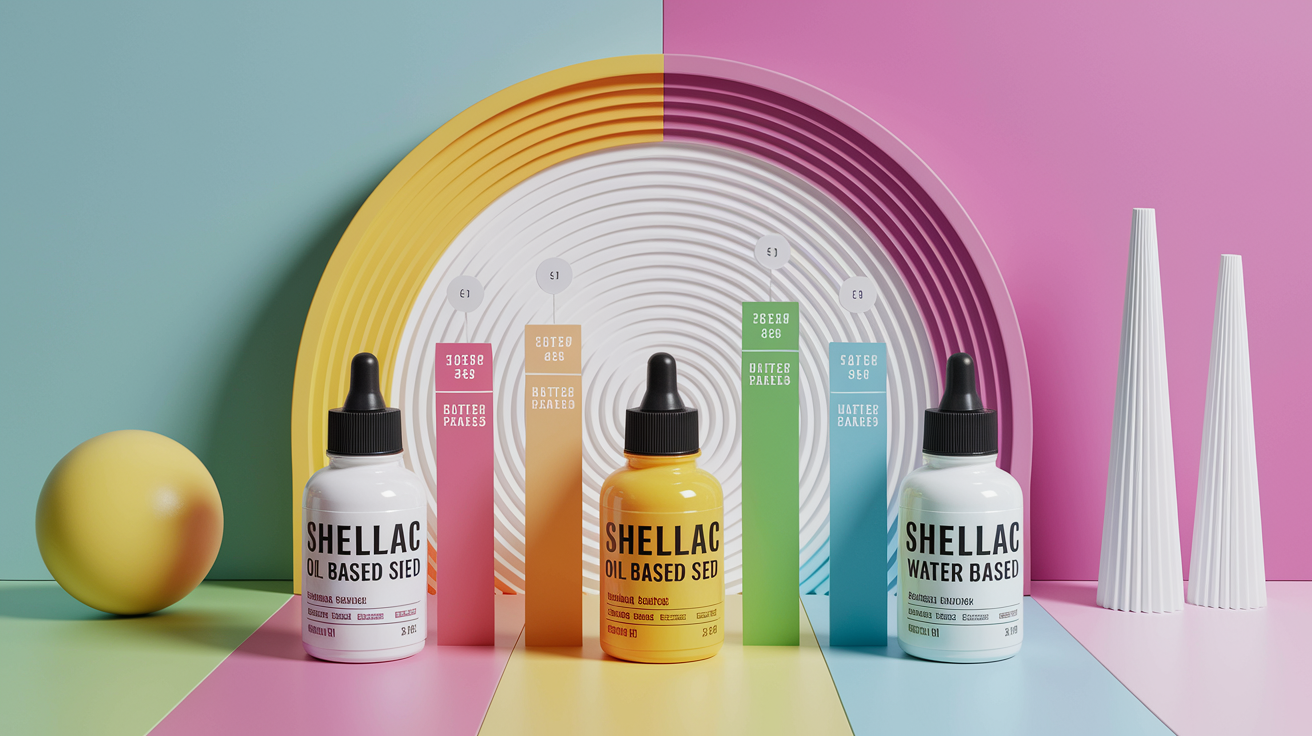
Shellac, oil based, and water based primers all claim stain blocking or odor sealing properties, but they perform very differently when you’re dealing with smoke damage. Shellac is the strongest odor blocker because it forms a true vapor barrier and cures into an alcohol resistant, water resistant film. Oil based primers like KILZ Original use alkyd resins and mineral spirits. They seal moderately well and block some odors, but they off gas solvents for weeks and still allow some odor transmission. Water based primers are the weakest option for smoke. They may hide light stains, but nicotine and smoke residue bleed through because water reactivates nicotine and the primer film remains semi permeable.
| Type of Primer | Odor Blocking Ability | Recommended Use Cases | Drawbacks |
|---|---|---|---|
| Shellac Based (e.g., Zinsser BIN) | Excellent. Creates vapor tight seal, blocks nicotine, fire smoke, pet urine, and severe odors | Fire and smoke restoration, heavy tobacco contamination, pet odor on subfloors, sealing before selling a smoked in home | High alcohol fumes during application, requires good ventilation, can be difficult to spray without shellac compatible equipment |
| Oil Based (e.g., KILZ Original) | Moderate. Seals some odors and stains, but allows limited odor transmission and long solvent off gassing (30+ days) | Light to moderate smoke damage, stain blocking on wood, subfloor prep before new flooring if shellac is unavailable | Slow cure, toxic solvent fumes for weeks, less effective than shellac on severe nicotine or fire smoke |
| Water Based (e.g., latex stain blocking primer) | Poor. May hide light stains but does not block odors; nicotine and smoke bleed through over time | Natural wood tannins, minor cosmetic staining, low odor repaints in non contaminated spaces | Not effective for smoke odor, nicotine reactivates and migrates through the film, semi permeable to odor gases |
Recommended Shellac Primers for Smoke Odor
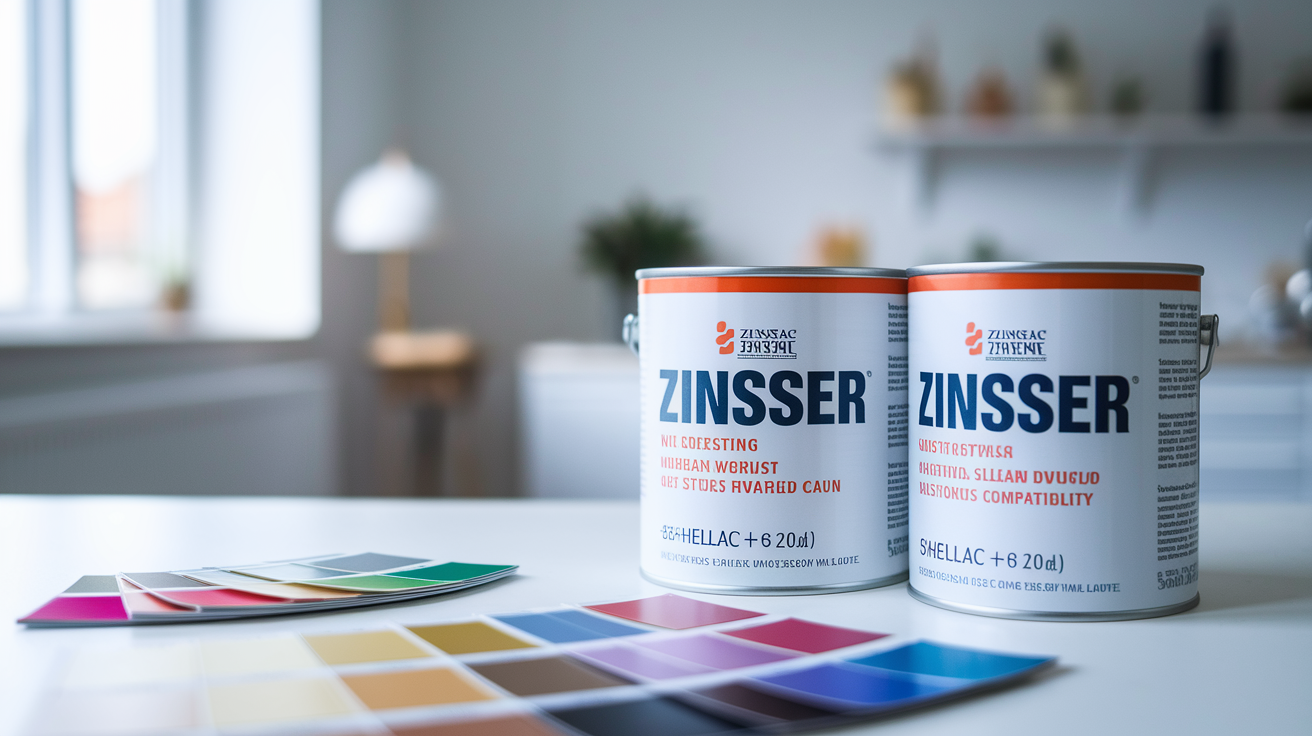
Choosing the correct shellac primer ensures reliable odor blocking and long term performance. All shellac primers share the same core mechanism (alcohol dissolved shellac resin that dries into a vapor barrier) but pigmentation, viscosity, and formulation details affect coverage, hide, and ease of application. White pigmented shellac primers provide better stain coverage and a neutral base for topcoat colors, while clear shellac works well on wood or when you plan to leave the natural grain visible. The right choice depends on the surface, the severity of contamination, and whether you’ll be painting or staining afterward.
Top performing shellac primers for smoke odor include Zinsser B-I-N Shellac Based Primer, the most widely used fire and smoke damage primer. It’s white pigmented, adheres to wood, drywall, plaster, metal, and most previously painted surfaces. Blocks nicotine, fire smoke, water stains, and pet odors. Dries in 15 to 45 minutes and can be recoated quickly. Best for whole room smoke remediation and post fire cleanup.
BIN Advanced Synthetic Shellac Primer (water based) is a hybrid shellac primer with lower alcohol fumes. Still blocks odors and stains effectively but uses a water carrier and cures in 7 to 10 days instead of 3. Initial VOC around 96 g/L. Adheres to tile, glass, laminates, and glossy surfaces without sanding. Best when occupants are sensitive to alcohol fumes but still need strong odor blocking.
Clear or pigmented pure shellac, mixed from dewaxed shellac flakes and denatured alcohol or high proof ethanol (Everclear), is always slightly amber or yellow toned. Works on wood, vinyl, and most porous substrates. Use dewaxed shellac if you plan to paint over it. Best for natural wood surfaces or when you’re sealing cabinets, trim, or subfloors and want maximum flexibility in topcoat choice.
All alcohol based shellac primers produce strong fumes during application and early cure. Ventilate aggressively. Open windows, use box fans, and keep HVAC systems off to avoid circulating fumes. If you or building occupants are chemically sensitive, have someone else apply the primer and allow the full 3 day cure before re entry. Rapid dry time is an advantage for scheduling, but the alcohol smell is intense for the first few hours.
Application Steps for Using Shellac Primer to Seal Smoke Odor
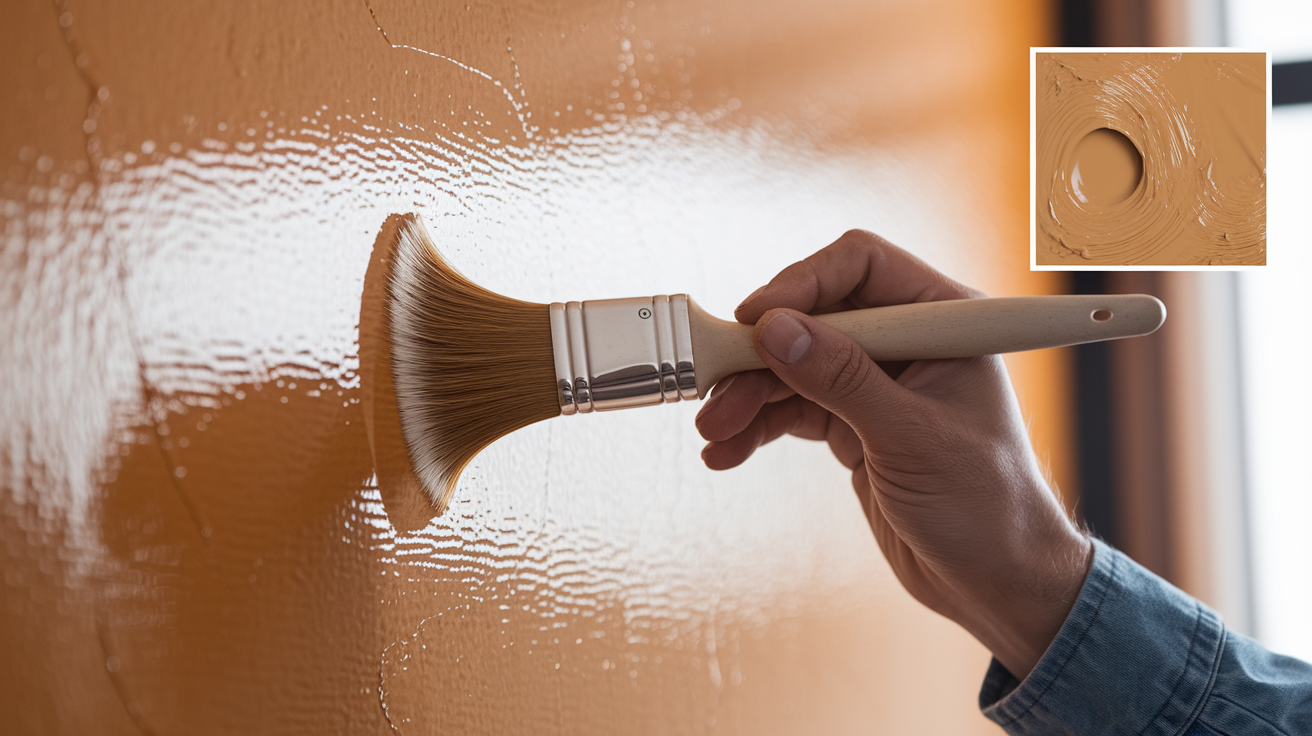
Proper application ensures full odor sealing and prevents bleed through or reappearance of smoke smell. Follow these steps for reliable results.
Remove loose soot and surface contamination first. Wipe walls, ceilings, and trim with a damp rag or TSP substitute to remove greasy soot, nicotine film, and loose tar. Let surfaces dry completely. You’re not trying to eliminate all staining. You’re removing bulk contamination so the primer can adhere and seal what remains.
Inspect and remove damaged materials. If drywall is heavily charred, saturated with fire suppression water, or covered in tar that won’t wipe off, remove and replace it. Shellac seals odor, but it can’t stabilize structurally compromised materials. Pull up carpet and pad in smoked rooms. Those materials hold odor and can’t be sealed effectively.
Mask and protect. Cover floors, windows, and any surfaces you don’t want primed. Shellac dries fast and is difficult to clean up once cured. Wear gloves, eye protection, and a respirator rated for organic vapors if ventilation is limited.
Apply the first coat of shellac primer using a brush, roller, or airless sprayer (shellac compatible tips required). Work in sections and maintain a wet edge to avoid lap marks. Coverage is typically 300 to 400 square feet per gallon depending on surface porosity. Shellac will dry to the touch in 15 to 45 minutes. The goal is full, even coverage with no holidays (bare spots).
Inspect for thin spots or missed areas once the first coat is dry. Look for any areas where the substrate shows through or where coverage looks inconsistent. Nicotine stains or soot shadows that are still visible indicate you need a second coat in those areas.
Apply a second coat if needed. Most smoke damaged surfaces need two coats of shellac primer for complete odor blocking and stain coverage. Wait until the first coat is dry to the touch (usually under an hour), then apply the second coat the same way. Two thin coats seal better than one heavy coat.
Topcoat with finish paint once the shellac primer is fully cured (3 days for alcohol based BIN, 7 to 10 days for BIN Advanced). You can apply any latex or oil based topcoat. The shellac base is compatible with all common architectural paints. Use two finish coats for best hide and durability.
Coverage, Dry Time, and Performance Expectations
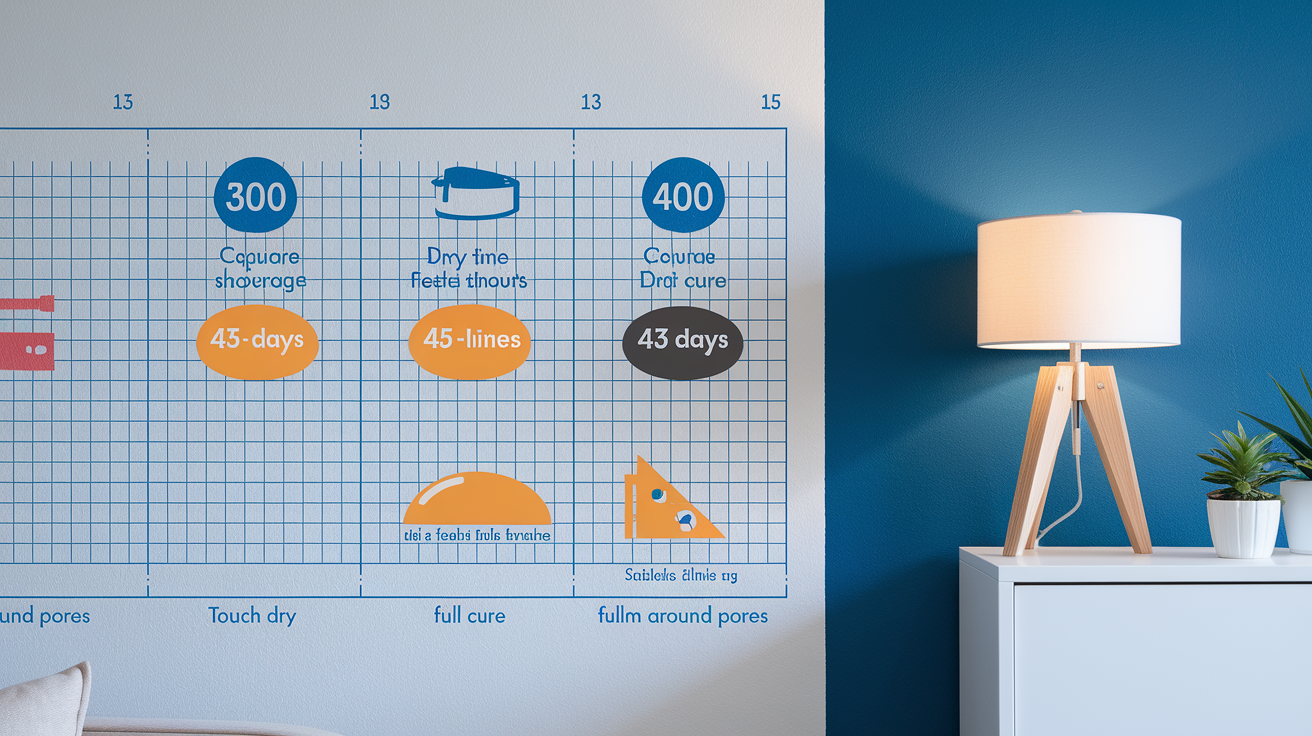
Shellac primer typically covers 300 to 400 square feet per gallon on sealed or previously painted drywall. Coverage drops on raw wood, unsealed plaster, or porous masonry because those substrates absorb more primer. If you’re sealing fire damaged drywall or nicotine stained plaster, expect to use closer to 300 square feet per gallon for the first coat. A second coat usually goes further because the first coat seals the porosity.
Shellac dries faster than any other primer type. Alcohol based BIN is dry to the touch in 15 to 45 minutes depending on temperature, humidity, and airflow. You can recoat as soon as the surface feels dry and doesn’t transfer when you touch it lightly. In most conditions, you can apply two coats in the same day. Full cure (meaning the shellac has hardened completely and all alcohol has evaporated) takes about 3 days. That’s when you can safely topcoat or return occupants to the space if fume sensitivity is a concern.
Temperature and humidity affect dry time and film quality. Shellac cures best between 50°F and 80°F. Below 50°F, the alcohol evaporates more slowly and the film may remain tacky longer. Above 80°F, the primer can dry too fast and cause lap marks or poor leveling. Humidity has less effect on shellac than on water based products, but high humidity can slow the final cure slightly. If you’re working in a damp basement or during humid weather, add a couple of hours to your recoat window and allow an extra day before topcoating.
Will Smoke Odor Come Back After Using Shellac Primer?
When shellac primer is applied correctly (full coverage, no missed spots, proper cure time), smoke odor will not return through the sealed surfaces. The shellac film is permanent and does not break down, soften, or become permeable over time. Odor molecules trapped beneath the barrier stay trapped. If walls, ceilings, and trim have been primed with two coats of shellac and allowed to cure, those surfaces will not emit smoke smell again.
Odor may still be present in the home if contamination remains in materials that were not sealed or removed. Carpet, upholstery, insulation in walls or attics, HVAC ductwork, and personal belongings all absorb smoke. Shellac primer only seals the surfaces you coat. It doesn’t clean the air or treat hidden sources. If you prime the walls but leave smoke saturated carpet in place, you’ll still smell smoke, but it’s not coming through the primer. This is why thorough remediation includes removing soft materials, cleaning ducts, sealing all exposed framing and sheathing, and confirming that no odor sources remain before final topcoating.
Final Words
Sealing smoke-soaked walls with a shellac primer stops the odor fast and keeps it from coming back when applied right.
We covered why shellac works, how it outperforms oil and water primers, top picks like Zinsser BIN, and a clear step-by-step so you get full coverage and quick drying. We also looked at when smells can return, usually from soft goods or missed spots, and how to confirm with moisture readings and simple smell checks.
Using a shellac based primer smoke odor properly means the smell stays sealed and you’ll move on to repairs with confidence.
FAQ
Q: What primer gets rid of smoke smell?
A: The primer that gets rid of smoke smell is a shellac-based primer, like Zinsser BIN. It seals smoke and nicotine into a vapor-tight film so odor won’t bleed through painted surfaces.
Q: Does shellac cover smoke smell?
A: Shellac does cover smoke smell. Shellac-based primers form a hard, quick-drying barrier that blocks nicotine, protein, and fire smoke from migrating through drywall, wood, and trim.
Q: Does shellac-based primer stink?
A: Shellac-based primer can stink while it’s wet. The primer’s alcohol solvent has a strong odor during application, but it dries fast; ventilate the area and use a mask to reduce exposure.