


Most homeowners don’t check their crawlspace until something goes wrong upstairs. By then, water damage has usually been spreading for weeks or months. The truth is, your crawlspace sends warning signals long before floors start sagging or rooms smell musty. Standing water and wet insulation are obvious problems, but water damage also shows up as rust on metal pipes, white mineral deposits on foundation walls, and even increased pest activity. Catching these signs early stops minor moisture intrusion from turning into expensive structural repairs. We’ll walk you through the visible indicators, hidden moisture clues, and material breakdown patterns that tell you it’s time to take action.
Visible Indicators of Crawlspace Water Problems

The first step is a careful visual inspection. Some signs hit you the moment you enter the space. Others require moving around and checking different areas. Your eyes are your best early warning system.
Warning signs usually appear together. If you spot one, take time to look for others. Water problems don’t show up in just one way, and recognizing patterns helps you understand how serious things are.
-
Standing water or pooling water on the crawlspace floor: Any visible water sitting on the ground signals active intrusion that needs immediate attention.
-
Water stains on foundation walls, beams, or support structures: Staining shows where water has been, even if it’s currently dry.
-
Dark spots or discoloration on unpainted concrete walls: Dark patches indicate past or active moisture intrusion working through the foundation.
-
Yellowing or brown discoloration on painted foundation walls: Paint changes color when water pushes through from behind or soaks in from the surface.
-
Damp soil or wet patches on ground surface: Soft, muddy, or visibly wet dirt shows moisture is present even without standing water.
-
Visible puddles around posts or piers: Water collects in low spots, especially near structural supports where settling may have created depressions.
-
Water marks indicating previous high water levels: Lines or rings on walls and posts show how high water rose during past events.
-
Fresh versus old water damage indicators: Fresh damage looks wet and dark. Old damage appears as dried stains, mineral deposits, or discolored materials.
Catching these signs early prevents the damage from spreading to structural components and insulation. The longer water sits, the more it affects floor joists, beams, and subflooring above. Early detection means smaller repair bills and less disruption to your home.
Moisture, Humidity, and Material Degradation Signs

High humidity and trapped moisture create problems you can’t always see right away, but you can smell and feel them. These warning signs often show up before visible water appears on the ground.
Musty odors hit you the moment you open the crawlspace access. That smell means damp insulation, wet wood, or organic material breaking down. The odor isn’t just unpleasant. It signals that moisture is creating breeding grounds for mold and mildew in hidden areas. If you notice a musty or mildew smell inside your home, especially near floors or in lower rooms, it’s traveling up through vents and floor gaps from the crawlspace below.
Condensation forms on metal surfaces when humid air contacts cooler materials. Check metal ducts, HVAC refrigerant lines, copper plumbing pipes, galvanized water lines, and any metal brackets or hangers. Water droplets or a wet film on these surfaces means humidity levels are too high. This condensation drips onto wood and insulation below, spreading moisture to areas that weren’t originally wet.
Insulation damage shows up in several ways. Batted insulation sags, compresses, or falls away from the subfloor entirely when it absorbs water. R 19 batted insulation acts like a permanently wet sponge once it gets damp, holding moisture directly against floor joists and subfloors. This causes the wood above to warp, sag, and rot. Wet insulation also loses its thermal effectiveness, which means your HVAC system works harder. Humid air from crawlspaces can increase your utility bills by 15 to 25 percent because your heating and cooling equipment struggles to maintain temperature against the damp air rising into living areas.
Metal components throughout the crawlspace rust and corrode when moisture lingers. Inspect nails, joist hangers, HVAC mounting brackets, plumbing fixtures, ductwork connections, and any metal framing. Rust indicates persistent moisture exposure, and corroded components often need replacement during water damage remediation to restore structural integrity and system function.
The financial impact of high humidity goes beyond energy bills. Poor air quality affects everyone in the home, and the longer moisture sits, the more materials degrade. What starts as damp insulation becomes structural damage requiring expensive repairs.
Mold, Mildew, and Biological Growth Warning Signs
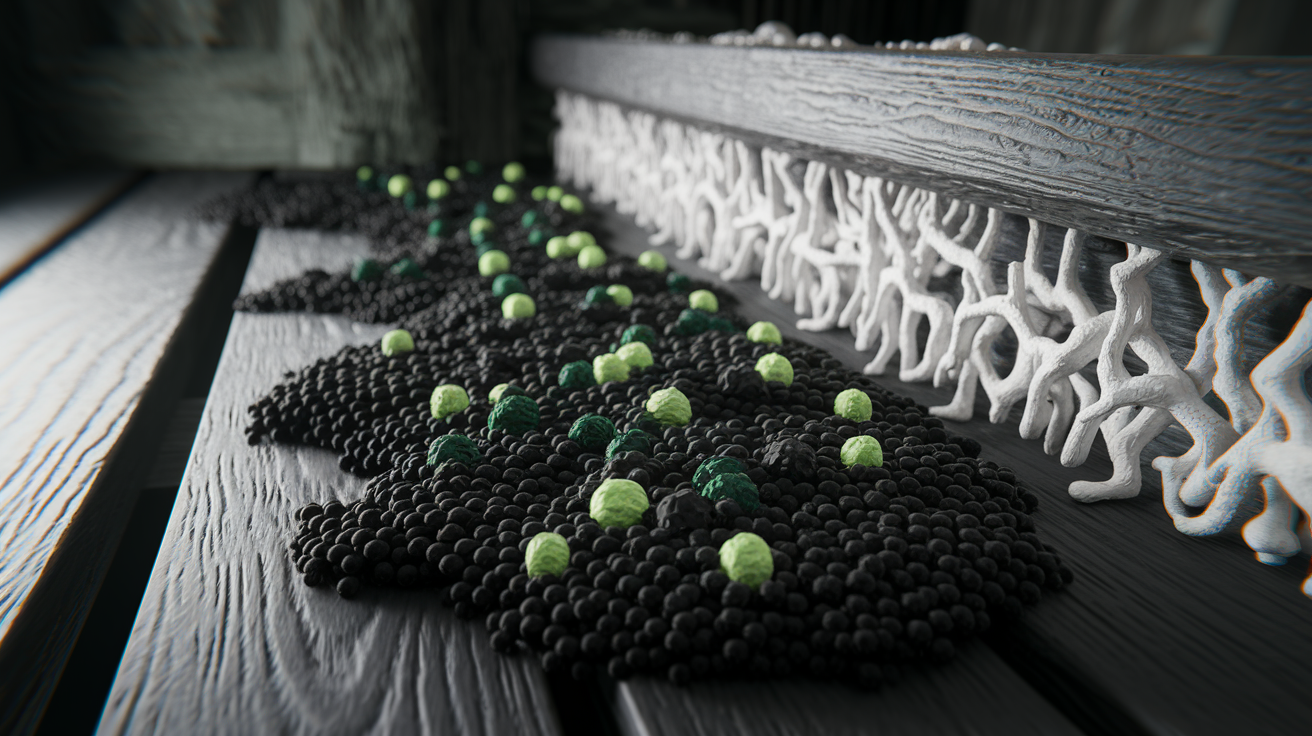
Mold appears as dark spots, fuzzy patches, or discolored areas on wood surfaces, insulation, and foundation walls. Mildew shows up as powdery white or gray spots, usually lighter in color than mold. Wood rot fungus looks different, appearing as stringy white or brown growth that breaks down the wood fiber itself, leaving it soft and crumbly. All three indicate serious water problems.
The timeline is fast. Mold can start growing within 24 to 48 hours once moisture is present. If you see biological growth during an inspection, the water problem isn’t new, even if you just discovered it.
Health implications spread throughout the entire home because crawlspace air circulates through your ventilation system. Mold spores, fungal particles, and decomposing organic material travel upward through floor gaps, ductwork, and HVAC returns. This causes respiratory issues, triggers allergies, and creates poor indoor air quality that affects everyone living in the house. Children, elderly family members, and anyone with existing respiratory conditions are especially vulnerable.
Mold and fungus presence is a red flag that you’re dealing with major water intrusion. Wood decay fungus in particular signals that structural components may need replacement. Floor joists affected by rot lose load bearing capacity and require removal and reconstruction. Professional mold remediation often includes soda blasting to clean contaminated wood surfaces that can be saved and remove spores from concrete and other hard materials. This is not a DIY project. Disturbing mold without proper containment and protective equipment spreads contamination and increases health risks.
Structural Damage Indicators From Water Intrusion

Structural damage is what happens when water sits long enough to weaken the materials holding your home up. Many homeowners notice these problems inside the house before they ever look in the crawlspace.
-
Sagging, bouncy, or uneven floors above the crawlspace: Floors that dip, flex when you walk, or slope toward one side mean the supports underneath are compromised.
-
Soft or spongy plywood subfloors: Press on the floor near walls or in corners. If it feels soft or gives under pressure, water has damaged the subfloor from below.
-
Warped or deteriorating floor joists and beams: Joists twist, bow, or develop soft spots when moisture breaks down the wood fibers.
-
Cupping or buckling floorboards in living areas: Hardwood or laminate floors that warp, cup at the edges, or separate at seams indicate moisture rising from below.
-
Cracks in foundation walls or bowing foundation: Foundation damage shows up as horizontal or stair step cracks in block or concrete, or walls that curve inward.
-
Visible settling or separation in structural components: Posts separate from beams, beams pull away from foundation walls, or gaps open between framing members.
R 19 batted insulation holds moisture against floor joists and subfloors like a wet sponge pressed against wood. This constant contact accelerates warping and rot. The insulation traps water right where it does the most damage, creating sagging and structural movement in the floor system above.
Wood rot and deteriorating joists are consequences of prolonged moisture exposure. Water weakens wooden beams, joists, and floor supports gradually over time. Mold and mildew growth compounds the problem by feeding on the wood and breaking down its structural integrity. This isn’t cosmetic. Compromised structural components lead to costly foundation repairs and, in severe cases, unsafe living conditions.
Here’s the good news. Wood often returns to its original shape once moisture is corrected. If you catch the problem before rot sets in, drying the crawlspace and removing the moisture source can allow warped joists to straighten naturally. This potentially eliminates the need for structural work and saves significant money. Soft plywood on floor joists indicates previous moisture damage, but if the wood is still structurally sound after drying, it may not need replacement.
Efflorescence and Mineral Deposit Signs

Efflorescence looks like white, powdery, or crystalline deposits on foundation walls. It sometimes appears as fuzzy white growth, but it’s not mold. It’s minerals.
Efflorescence forms when water moves through concrete or masonry, dissolving salts and minerals inside the material. As the water reaches the surface and evaporates, it leaves the minerals behind as a crusty or powdery deposit. This process happens on both painted and unpainted foundation walls. On painted surfaces, efflorescence often pushes the paint away from the wall or appears as white staining through the paint. On bare concrete or block, it shows up as obvious white patches or streaks. Efflorescence can even appear on gravel underneath plastic vapor barriers when groundwater pushes up through the soil.
The presence of efflorescence is a definitive sign of past or current water intrusion through your foundation walls. It proves that water is moving through the concrete, carrying dissolved minerals with it. Even if the crawlspace looks dry when you inspect it, efflorescence shows that water has been there.
Efflorescence itself isn’t harmful to your home’s structure. It’s a symptom, not the disease. But it’s a clear diagnostic indicator that requires investigation. You need to find out where the water is coming from, how often it intrudes, and whether it’s still actively happening.
Pest Activity as a Water Damage Indicator

Certain pests are attracted specifically to damp, humid crawlspace environments. If you see pest activity during an inspection, it’s an indirect but reliable sign that moisture levels are high enough to support their life cycle.
Moisture loving pests include cave crickets (also called camel back crickets), silverfish, black widow spiders, termites, rodents, and snakes. Each one thrives in the dark, damp conditions that water damaged crawlspaces provide. Cave crickets gather in large colonies in humid spaces and are often one of the first signs homeowners notice. Silverfish feed on damp paper, cardboard, and organic debris. Termites are drawn to moisture softened wood. Rodents nest in damp insulation and use the sheltered space as a base. Black widows and snakes seek out the cool, undisturbed environment.
Evidence of infestation includes shredded or displaced insulation (rodents pull it apart for nesting material), fecal matter on surfaces or in corners, visible termite damage to wooden structural components (hollowed out wood, mud tubes on foundation walls), and live or dead pests during inspection. If you see cave crickets hopping around or notice spider webs concentrated in certain areas, the environment has enough moisture to keep them comfortable.
Pest presence indicates that your crawlspace has created an ideal habitat. Interestingly, entire cave cricket colonies often leave after proper crawlspace encapsulation and moisture control, without requiring pest control services. Once you eliminate the damp conditions, the pests lose their reason to stay. This reinforces that moisture is the root problem, and pests are simply taking advantage of the environment you’ve unintentionally created.
Crawlspace Inspection Steps and Tools for Homeowners

A basic DIY inspection helps you identify obvious problems before calling professionals. This isn’t a replacement for expert assessment, but it gives you a starting point and helps you know what you’re dealing with.
Before entering the crawlspace, make sure you have proper lighting (a bright flashlight or headlamp), ventilation if the space is enclosed, and protective gear including gloves, a dust mask, and clothing you don’t mind getting dirty.
-
Visual scan for standing water and obvious moisture: Shine your light across the entire floor surface, looking for pooling water, damp soil, or wet spots.
-
Check foundation walls for stains, discoloration, and efflorescence: Move along the perimeter, inspecting concrete or block walls for water marks, dark spots, yellowing paint, or white mineral deposits.
-
Inspect floor joists and beams for rot, warping, or soft spots: Look up at the wooden framing. Check for sagging, twisting, dark discoloration, or areas that look deteriorated.
-
Look for mold growth on wood surfaces and insulation: Scan wooden components and any exposed insulation for dark spots, fuzzy patches, or discolored areas.
-
Observe condensation on pipes, ducts, and metal surfaces: Touch metal components (carefully) to see if they’re wet. Look for water droplets on ductwork and plumbing.
-
Note any musty odors or pest activity: Pay attention to smells the moment you enter. Look for signs of insects, rodents, or other pests.
Basic tools that help include a flashlight or headlamp for visibility, a camera or smartphone to document what you find, a basic consumer grade moisture meter (affordable models available at hardware stores help identify damp areas), a humidity reader to check current conditions, and protective equipment for safety. Keep in mind that professionals use thermal imaging cameras and commercial grade moisture meters that detect hidden moisture behind walls and inside materials you can’t see.
A homeowner inspection identifies obvious problems, but it has limits. Professional assessment is necessary for accurate severity determination and locating hidden moisture that isn’t visible on the surface. If you find anything concerning during your inspection, stop and call a professional who has the equipment and expertise to fully evaluate the situation.
Common Causes Behind Crawlspace Water Damage

Identifying the water source is essential for effective remediation and prevention. Fixing the damage without addressing the cause means the problem will return. Here’s what’s usually letting water into your crawlspace.
Poor Drainage and Grading Issues
Clogged gutters overflow during rain, dumping water directly next to your foundation instead of carrying it away. Gutters should be cleaned twice yearly to prevent this. Downspouts that discharge too close to the house send water straight into the soil around your foundation. Downspouts should extend at least 6 to 10 feet from the foundation to prevent water intrusion. Improper grading means the soil around your home is flat or slopes toward the house instead of away from it. Soil should slope away from the home at a minimum 6 inch drop over 10 feet for proper grading. Surface water pools near the foundation during rain events, soaking into the ground and seeping through foundation walls or flowing directly into crawlspace vents.
Foundation Cracks and Structural Gaps
Foundation cracks develop from soil expansion and contraction, especially in areas with clay soil that swells when wet and shrinks when dry. Settling creates gaps as the house shifts on its foundation over time. Hydrostatic pressure builds when groundwater saturates the soil around your foundation, pushing water through any available crack or gap. Even small cracks allow significant water intrusion over time, and the freeze thaw cycle in colder months makes existing cracks larger.
Plumbing and HVAC Leaks
Supply line leaks from copper or PEX water pipes drip or spray water into the crawlspace. Drain pipe failures let wastewater seep into the space, often unnoticed until significant damage occurs. HVAC condensate discharge issues happen when the drain line from your air conditioning system clogs, breaks, or dumps water directly onto the crawlspace floor instead of routing it outside. A single leaking pipe can introduce gallons of water daily, creating persistent moisture even without external water intrusion.
High Humidity and Condensation
High summer humidity causes condensation on cool surfaces throughout the crawlspace. Pipes, ducts, and HVAC components stay cooler than the surrounding air, causing water vapor to condense on their surfaces. This condensation drips onto wood and insulation below, spreading moisture to areas that weren’t originally wet. In humid climates, near bodies of water, or in homes with high water tables, ambient humidity alone can create persistent dampness without any water intrusion event.
When to Contact a Professional for Crawlspace Assessment

Some situations require professional expertise and equipment beyond what homeowners can provide. Knowing when to stop the DIY approach and call for help prevents further damage and ensures the problem gets fixed correctly.
-
Active standing water or ongoing flooding: If water is currently pooling in your crawlspace and you can’t identify or stop the source, you need emergency extraction and professional assessment.
-
Visible mold growth covering significant areas: Large mold colonies require containment, proper removal protocols, and professional remediation to prevent spreading contamination.
-
Structural damage including sagging floors or deteriorating joists: Compromised structural components need expert evaluation to determine what can be saved and what requires replacement.
-
Persistent musty odors despite visible moisture elimination: If you’ve dried out obvious moisture but the smell remains, hidden moisture or contamination requires professional detection equipment.
-
Any situation where the moisture source is unclear: If you can’t figure out where water is coming from, professionals use diagnostic tools to trace it back to the source.
Professionals bring tools you don’t have access to, including thermal imaging cameras that detect moisture inside walls and under materials, and commercial grade moisture meters that measure water content deep in wood and concrete. Professional crawlspace inspection costs range from $150 to $500, which is a small investment compared to the cost of missed damage or improper repairs. In some areas, average emergency response time is under 40 minutes, which matters when you’re dealing with active water intrusion.
Typical project duration runs 3 to 7 days from initial water extraction through final encapsulation, depending on damage severity. Professional drying is critical because inadequate drying leads to hidden moisture pockets that cause future mold growth and structural damage. Commercial dehumidifiers and air movers create conditions that fully dry materials in 3 to 5 days, preventing the long term problems that happen when moisture gets trapped inside wood and insulation.
For situations involving insurance coverage, professional assessment provides the documentation you need to file claims properly. Understanding what your policy covers and how to document damage correctly affects whether your claim gets approved. See Insurance Claims for Home Damage: What Homeowners Should Know for guidance on working with your insurance company.
Immediate Actions and Temporary Fixes for Water Problems
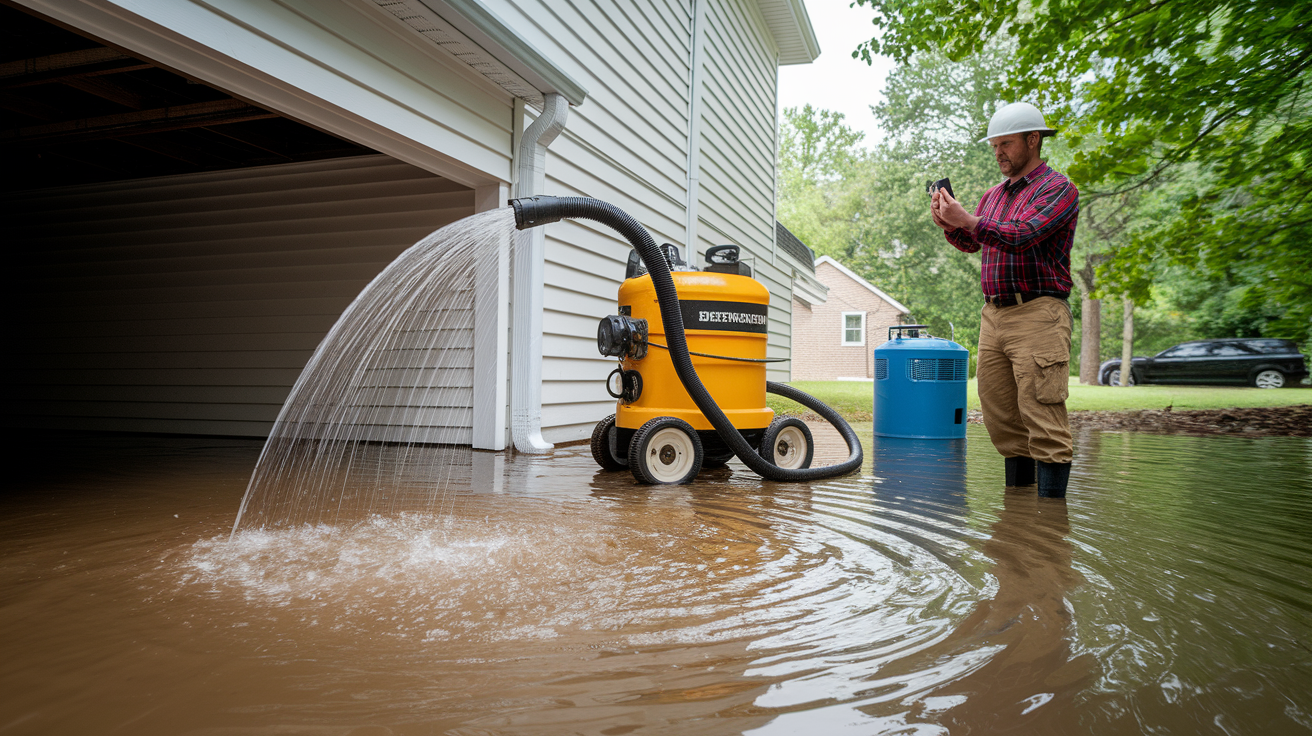
These are temporary measures, not replacements for professional remediation. They help stabilize the situation until expert help arrives or address minor issues that don’t require full restoration services.
-
Remove standing water if safe to do so: Use a wet vacuum, pump, or mop to clear pooling water from the crawlspace floor, but only if it’s safe to enter the space and you’re not dealing with electrical hazards or structural instability.
-
Fix obvious plumbing leaks immediately: If you can see a dripping pipe or failed connection, shut off the water supply and repair or cap the leak to stop ongoing water intrusion.
-
Redirect downspouts and improve surface drainage away from foundation: Extend downspouts, add splash blocks, and regrade soil near the foundation to send water away from the house during the next rain.
-
Increase crawlspace ventilation (open vents, add temporary fans): Improve air circulation to help moisture evaporate, but avoid creating drafts that spread mold spores if contamination is present.
-
Document damage with photos for insurance purposes: Take clear photos of standing water, stains, structural damage, and any visible mold before you start cleanup to support potential insurance claims.
While these steps help in the short term, they don’t replace the need for thorough professional drying. Professional drying typically requires 3 to 5 days with commercial equipment for effective moisture removal and prevention of hidden moisture pockets. Consumer grade fans and dehumidifiers can’t create the controlled drying environment needed to fully eliminate moisture from structural materials and prevent secondary damage.
Prevention Strategies and Long Term Protection
Prevention is far more cost effective than remediation. A comprehensive approach that addresses drainage, moisture barriers, and humidity control protects your investment and prevents the damage you’ve just read about.
| Prevention Method | Implementation | Maintenance Frequency |
|---|---|---|
| Gutter cleaning and downspout extension | Clean gutters, extend downspouts 6 to 10 feet from foundation | Twice yearly (spring and fall) |
| Proper grading | Ensure soil slopes away 6 inches over 10 feet | Check annually, regrade as needed |
| Vapor barrier installation | Heavy duty plastic sheeting across crawlspace floor | Inspect annually for tears or displacement |
| Crawlspace encapsulation | Sealed vapor barrier on floor and up walls, sealed vents | Annual professional inspection |
| Dehumidifier operation | Commercial or residential unit sized for space | Monitor monthly, service as needed |
| Ventilation management | Balance airflow and humidity control | Seasonal adjustment |
| Annual professional inspection | Comprehensive moisture and structural assessment | Once yearly |
Crawlspace encapsulation provides comprehensive moisture control by installing heavy duty vapor barriers across the entire crawlspace floor and extending them up foundation walls. This creates a sealed environment that blocks ground moisture from entering the space. Note that waterproofing paint on foundation walls is not recommended because it traps moisture inside the concrete instead of allowing it to breathe, which can worsen problems over time. Proper encapsulation addresses the issue from the ground up, not through surface coatings.
Dehumidifier systems maintain healthy humidity levels year round. Crawlspaces need dehumidifiers in humid climates, near bodies of water, or in areas with high water tables where ambient moisture is consistently elevated. Dehumidifiers should maintain relative humidity below 60 percent to prevent mold growth and condensation. Crawlspace humidity levels should stay below 60% year round for optimal conditions. Dehumidifier capacity is measured in PPD (pints per day), and both capacity and operating temperature affect moisture removal rates. Install humidity readers in your crawlspace to constantly monitor conditions so you know when levels rise above safe thresholds.
Annual professional inspections catch potential issues early, before they become expensive problems. Regular inspections detect small leaks, developing cracks, early mold growth, and humidity changes that homeowners might miss. The integrated approach combines drainage solutions, moisture barriers, and humidity control into a complete system that addresses water problems from every angle. For more detailed prevention strategies and maintenance schedules, see How to Prevent Water Damage in Your Home.
Cost Considerations and Remediation Investment
Cost is a major concern for homeowners, but early intervention reduces total expense. The longer you wait, the more damage spreads and the higher the final bill climbs.
| Service Type | Typical Cost Range |
|---|---|
| Professional inspection | $150 to $500 |
| Basic water extraction and drying | $2,000 to $4,000 |
| Mold remediation | $1,500 to $5,000 |
| Structural repairs | $3,000 to $8,000 |
| Complete encapsulation | $4,000 to $10,000 |
Insurance coverage depends on what caused the damage. Sudden accidental events like burst pipes are typically covered by homeowners insurance policies. Gradual damage from poor maintenance, neglect, or long term water intrusion usually isn’t covered. Documentation matters. Take photos of the damage, keep records of repairs and maintenance, and report problems to your insurance company promptly. Professional assessment provides the detailed documentation needed to support insurance claims and prove the cause and extent of damage.
The long term costs of inaction far exceed the expense of prompt remediation. Unchecked moisture leads to escalating structural repairs as wood beams rot and floor systems fail. Decreased home value happens when inspection reports reveal past water damage or ongoing moisture problems. Energy bills increase 15 to 25 percent or more when humid air from the crawlspace forces your HVAC system to work harder. Health related expenses accumulate from respiratory issues, allergy treatments, and poor indoor air quality affecting your family. Wood beam rot, insulation deterioration, and compromised structural integrity turn a manageable repair into a major reconstruction project. What starts as a $3,000 drying and encapsulation job becomes a $15,000 structural rebuild if you wait too long.
Final Words
Spotting signs of crawlspace water damage early makes the difference between a manageable repair and major structural work.
Standing water, musty odors, sagging floors, and pest activity all point to moisture problems that need attention now.
Most of these indicators are things you can check yourself, but don’t wait to call a professional when you see multiple warning signs or active damage.
The sooner you address crawlspace water issues, the less you’ll spend on repairs and the faster your home gets back to safe, dry, and solid.
FAQ
When should I worry about water in a crawl space?
You should worry about water in a crawl space immediately upon discovering standing water, visible mold growth, sagging floors, or persistent musty odors. These signs indicate active damage that worsens quickly and threatens your home’s structural integrity and air quality.
How much does it cost to fix crawl space moisture?
Crawl space moisture repair costs typically range from $2,000 to $10,000 depending on damage severity. Professional inspection costs $150 to $500, basic extraction and drying runs $2,500 to $7,000, and complete encapsulation can reach higher ranges based on affected area size.
Will homeowners insurance cover water in a crawl space?
Homeowners insurance typically covers water in a crawl space when caused by sudden accidental events like burst pipes. Gradual damage from poor maintenance, neglected drainage issues, or long-term seepage is usually not covered, making prevention and early detection financially important.
What does a bad crawl space look like?
A bad crawl space shows standing water or puddles, dark water stains on walls and beams, visible mold growth on wood surfaces, sagging or wet insulation, musty odors, rusted metal components, and possibly pest activity like cave crickets or rodents thriving in damp conditions.
How quickly can mold start growing in a damp crawl space?
Mold can start growing in a damp crawl space within 24 to 48 hours once moisture is present. This rapid timeline makes immediate action essential when you discover water damage, dampness, or high humidity to prevent biological growth requiring professional remediation.
What causes condensation in crawl spaces?
Condensation in crawl spaces forms when high humidity meets cool surfaces like metal ducts, HVAC refrigerant lines, and plumbing. High summer humidity causes moisture to condense on these cooler components, creating dampness that spreads to surrounding wood and insulation over time.
How can I tell if my floor joists are damaged from water?
You can tell floor joists are damaged from water by inspecting for soft or spongy plywood, visible warping or sagging, dark discoloration indicating rot, and sagging or bouncy floors in living areas above. Deteriorating joists compromise structural integrity and require immediate professional assessment.
What is efflorescence and what does it mean in my crawl space?
Efflorescence is white, powdery, or crystalline salt deposits appearing on foundation walls when water moves through concrete. It indicates past or current water intrusion through foundation walls, signaling moisture problems requiring investigation even though the deposits themselves aren’t harmful.
Do pests in my crawl space mean I have water damage?
Pests in your crawl space often indicate water damage because moisture-loving species like cave crickets, silverfish, termites, and rodents thrive in damp environments. Their presence, droppings, or damage to insulation signals that humidity and dampness have created ideal conditions for pest proliferation.
How far should downspouts extend from my foundation?
Downspouts should extend at least 6 to 10 feet from your foundation to prevent water intrusion into your crawl space. Shorter extensions allow water to pool near foundation walls, increasing hydrostatic pressure and seepage risk that leads to crawl space moisture problems.
What relative humidity level should I maintain in my crawl space?
You should maintain relative humidity below 60 percent in your crawl space year-round to prevent mold growth, condensation, and wood rot. Humidity readers placed for constant monitoring and properly sized dehumidifiers help maintain safe levels in humid climates or high-moisture conditions.
When should I call a professional instead of inspecting myself?
You should call a professional when you discover active standing water, extensive mold growth, visible structural damage like sagging floors, persistent odors despite surface fixes, or when the moisture source remains unclear after basic inspection. Professional tools detect hidden moisture beyond homeowner capabilities.
How long does professional crawl space drying take?
Professional crawl space drying typically takes 3 to 5 days depending on damage severity and moisture extent. Complete restoration projects from initial water extraction through final encapsulation usually require 3 to 7 days with commercial equipment ensuring thorough moisture removal preventing future problems.
Can wood joists recover after drying out?
Wood joists can sometimes return to their original shape once moisture is corrected and proper drying occurs. This potential recovery can eliminate the need for structural replacement work and save significant money, though professional assessment determines whether damaged joists require replacement or can recover.
Should I use waterproofing paint on my crawl space foundation walls?
You should not use waterproofing paint on foundation walls as a crawl space moisture solution. Proper moisture control requires addressing drainage issues, installing vapor barriers, encapsulation, and managing humidity rather than relying on paint that doesn’t solve underlying water intrusion problems.