
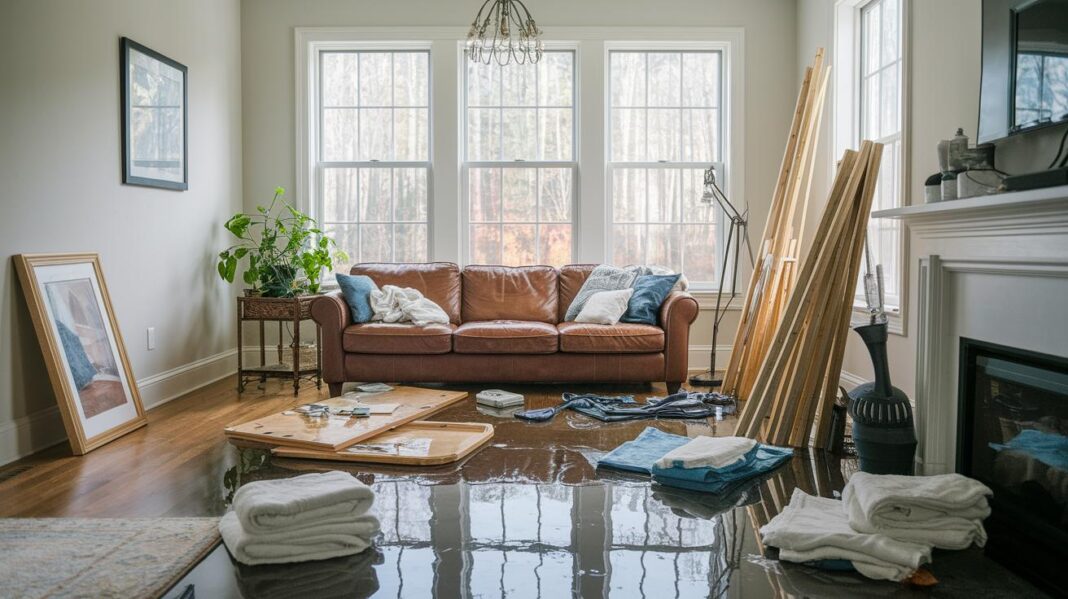

Have you ever wondered why some people save their favorite belongings after a flood, while others lose them forever? When water enters your home, every minute counts. Quick, safe steps can stop further damage and sometimes save valued items like hardwood floors, furniture, or electronics.
Today we share five clear actions to help restore water-damaged items fast. We explain when to turn off your power, how to sort your belongings, and more. Follow these steps to take control and protect your home during a water emergency.
Immediate Actions for Restoring Water-Damaged Belongings
When water hits your home, every second matters. The longer it lingers, the higher the risk of lasting damage, mold, and electrical dangers. Acting fast can help save items like hardwood floors, solid-wood furniture, and electronics (if they are turned off) while keeping you safe. For example, shutting off power or gas immediately can stop potential shocks or fires.
- Turn off the power and gas.
- Check the type of water and if it may be contaminated.
- Remove any standing water safely.
- Move and sort wet items into groups.
Each minute counts when dealing with water damage. First, decide if the water is clean, gray, or black. How long items have stayed wet matters too. Clean water on fabrics and hard surfaces can sometimes be restored. However, contaminated items like certain fabrics, mattresses, or particle-board products are often unsafe to salvage. Be careful when moving possessions to prevent spreading contaminants. Wearing gloves and boots can help protect you.
Even if you are eager to save everything, your safety comes first. A quick inspection can show which items might need professional cleaning or drying methods. This might mean using a dehumidifier (a machine that pulls moisture from the air) for wood or freeze-drying for important papers. By turning off utilities, assessing contamination risks, removing water safely, and sorting items, you pave the way for a complete and efficient restoration.
Efficient Water Extraction and Dehumidification for Wet Belongings
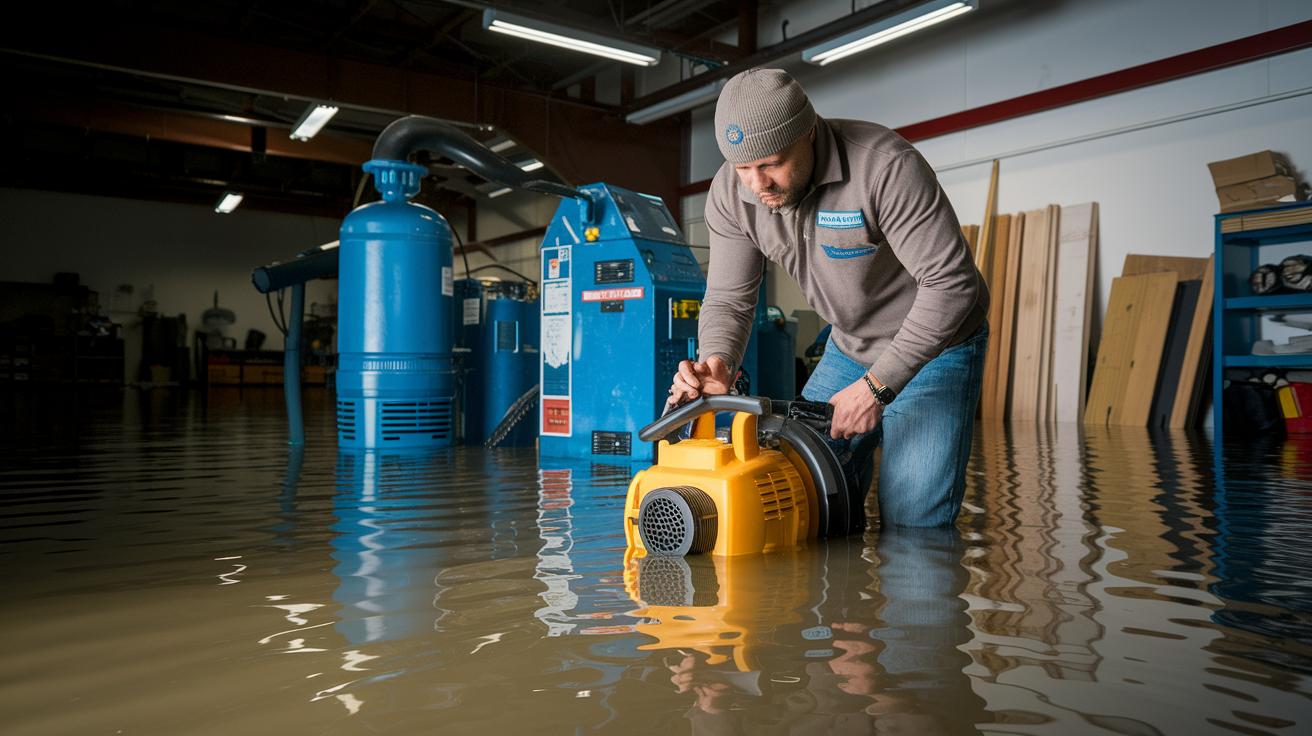
We start by quickly pulling water out of your home with heavy-duty machines. Using submersible pumps (equipment that pushes water out from flooded areas) and portable wet/dry vacuums, we clear away the excess water to reduce further damage and prepare your items for the next drying step.
- Submersible pump
- Portable extractor
- High-velocity air mover
Next, we work to lower the humidity fast. We set up commercial dehumidifiers (machines that pull moisture from the air) and air movers to drop humidity below 50% within 24 to 48 hours. This step helps prevent mold and stops your belongings from deteriorating further. We keep a close eye on the process using hygrometers (instruments that measure air moisture) and moisture meters (devices that detect water in materials) to ensure everything dries properly.
Tailored Drying Techniques for Various Water-Damaged Belongings
Different materials need special drying methods after water damage to stop mold and further deterioration. For water-damaged fabrics, we use either freeze-drying (a process that removes water by turning it into vapor at low temperatures) or professional laundering when the water is clean. We also use fans to boost airflow, which helps remove moisture evenly so hidden dampness cannot cause more problems. These steps keep your fabrics soft and safe from long-term damage.
Other items call for unique care. Wood furniture is dried with low-heat air movers (blowers that use gentle warm air) along with dehumidifiers (machines that pull moisture from the air). This slow drying method helps prevent warping. Electronics need careful handling too. We use warm-air cabinets (enclosed units that warm and dry electronics safely) and controlled airflow to protect delicate parts before turning the power back on. Important papers and photos may benefit from freeze-drying or vacuum-thermal drying (a technique that uses low air pressure and heat to remove moisture) to keep fibers and ink intact.
Using these tailored drying methods not only speeds up the recovery process but also lessens the risk of permanent damage. Acting quickly is key to preventing hard-to-see structural issues.
| Item Type | Drying Method | Estimated Dry Time |
|---|---|---|
| Fabrics/Textiles | Freeze-dry or commercial laundry | 12–24 hrs |
| Wood Furniture | Low-heat air movers and dehumidifiers | 48–72 hrs |
| Electronics | Warm-air cabinet and airflow system | 24–48 hrs |
| Documents/Photos | Freeze-dry or vacuum thermal | 48–72 hrs |
Comprehensive Cleaning and Mold Prevention for Restored Items
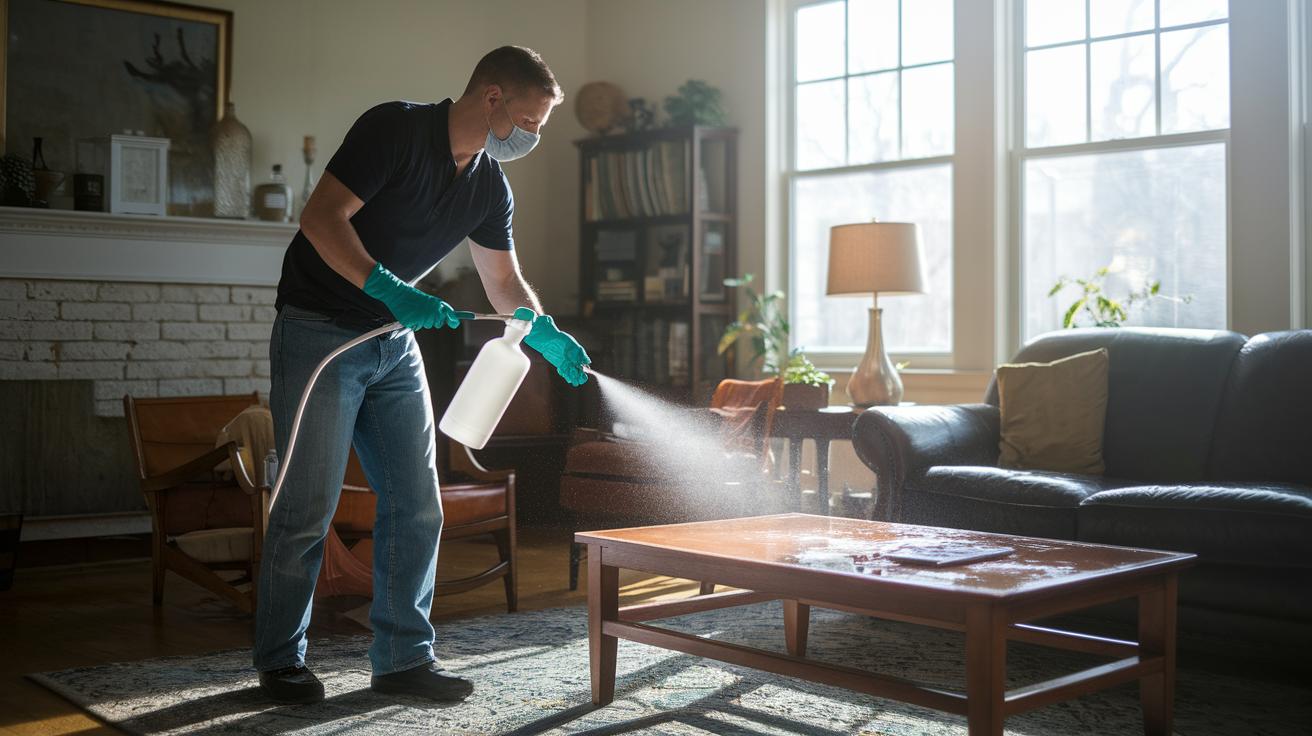
When water damage hits, it can quickly create health risks. Contaminants start to spread fast, even from water that seems clean. We act immediately to dry and disinfect your items so mold does not take hold.
For hard surfaces like ceramic tiles, glass, and sealed stone, we use EPA-approved disinfectants (cleaning products tested for safety) within 24 hours after drying. Clothing and linens that got wet in clean water get washed on high-heat cycles to kill bacteria. Items exposed to gray or black water should be thrown away to stop the spread of contaminants.
We treat wood surfaces and upholstered furniture with an anti-microbial spray (a liquid that stops mold spores) to keep moisture from making mold grow. We apply the spray evenly over all affected areas to ensure porous materials, which can hide mold, stay safe.
If the damage is severe, extra help from certified mold remediation experts (professionals trained to remove mold safely) is needed. If mold signs continue or spread to hard-to-reach places, please get professional advice. We are here to help protect your health and keep your home safe.
5 steps to restore water damaged belongings fast
After drying your items, we check moisture levels with a meter 48 to 72 hours later. We also inspect hardwood floors for any cupping (a sign of water damage) and may apply a refinishing treatment if needed. This process helps us confirm that hidden moisture is gone and the structure is stable.
We then store your restored belongings in a climate-controlled room, keeping humidity between 30% and 50%. This controlled space helps stop extra damage and mold from forming.
For ongoing care, we schedule regular mold inspections and add silica gel packs around sensitive items like electronics or important documents. Using a moisture meter, we keep track of the environment. If readings start to rise, we quickly adjust ventilation or dehumidification settings. This proactive step protects your possessions over time.
For more tips on preventing future property loss after a disaster, please visit https://firefloodrescue.com?p=. Regular reviews keep your belongings safe and give you peace of mind.
Final Words
In the action, we showed how to assess water damage, extract water efficiently, and use targeted drying techniques. We laid out immediate tasks like shutting off power, categorizing belongings, and setting up dehumidification equipment. We also explained cleaning methods, mold prevention, and the final inspection to protect your home in the long run.
By following the steps to restore water damaged belongings, you can quickly regain a safe, livable space. Every step you take brings you closer to restoring comfort and confidence in your home.
FAQ
Q: What is included in a water damage restoration checklist (and checklist PDF)?
A: The water damage restoration checklist provides key steps to secure your home after water exposure. It lists shutting off utilities, extracting water, drying items, and documenting damage for repairs and claims.
Q: What are the steps and stages of water damage restoration?
A: The steps of water damage restoration start with a rapid response, followed by water removal, drying, cleaning, and final repairs. Each stage helps bring your home back to a safe condition.
Q: What are typical water damage house repair costs?
A: Water damage house repair costs vary based on the damage extent, water type, and affected areas. These expenses usually include water extraction, drying, cleaning, and repairing structural components.
Q: What is the water mitigation process?
A: The water mitigation process stops further damage by turning off utilities, removing water, drying surfaces, and cleaning affected areas. This quick action helps prevent the growth of mold and further deterioration.
Q: How does DIY water damage restoration work?
A: DIY water damage restoration involves handling simple cases by turning off power, removing water, drying belongings, and documenting damages. For severe exposure, calling professionals is best.
Q: How does a general contractor handle water damage repair?
A: A general contractor for water damage repair manages the entire restoration project. They coordinate repairs, handle permits, and work to fix damage following safety and building codes.
Q: How long does it take for water damage to turn into mold?
A: Water damage can lead to mold growth in as little as 24 to 48 hours if moisture remains. Quick drying and proper airing can help stop mold from forming.
Q: How do I fix water damage on my phone, like an iPhone?
A: Fixing water damage on a phone starts with turning it off immediately and drying it thoroughly. Avoid heating or shaking it, and contact a repair professional to check the internal components.
Q: How can I repair items affected by water damage?
A: Repairing water-damaged items involves drying them completely, cleaning thoroughly, and addressing any structural issues. In some cases, professional restoration is needed to bring items back to safe condition.