Home Blog Page 11

Sewage Backup Cleanup: Safe Emergency Response Steps

Think you can just mop up a sewage spill and call it fixed? Think again.
Raw sewage is black water loaded with bacteria, viruses, and sewer gas that starts harming people and structure the minute it enters your home.
This guide walks you through safe emergency steps to stop the risk now: how to check hazards, shut off power and plumbing, suit up with the right gear, isolate and remove contaminated materials, and document damage for repairs and insurance.
Follow these steps and you’ll cut health risks, mold growth, and repair costs.

Immediate Step-by-Step Sewage Backup Cleanup Actions

ev_znh2TcmKPCSIkoviTA

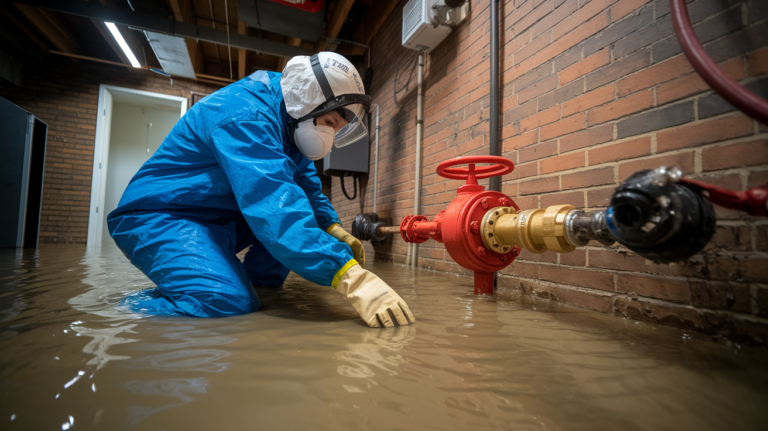
Sewage backup is Category 3 contaminated water. Black water. It’s loaded with bacteria, viruses, and parasites that can make you seriously sick. When raw sewage comes into your home through a floor drain, toilet overflow, or broken sewer line, you’re on the clock. Health exposure starts immediately, and so does structural damage. Sewer gas builds up fast in enclosed spaces, creating respiratory hazards and even ignition risks.

Before you touch anything, figure out how far the contamination spreads. Look for standing water, wet walls, saturated carpet, visible fecal matter or toilet paper. Check if the water’s reached electrical outlets, baseboards, or furniture. If the backup covers more than a small area or if you see water near any electrical panel, breaker box, or outlet, don’t enter the room.

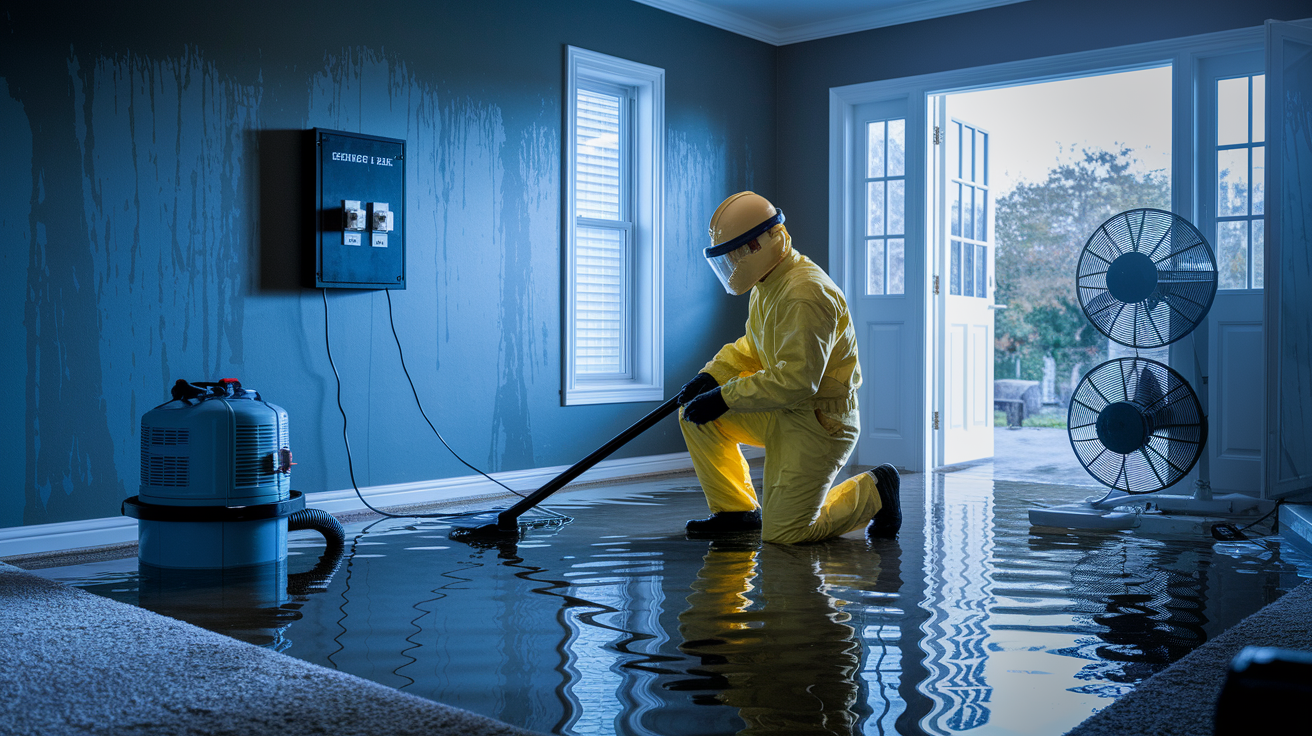
Turn off electrical power to the affected area at the circuit breaker. Water and electricity create immediate shock and fire hazards. If the main panel is in the flooded area or you can’t safely reach it, call an electrician before entering. Once power’s confirmed off, stop all plumbing use immediately. No flushing toilets, running sinks, or using washing machines. This prevents additional sewage from entering the space.

Isolate the contaminated rooms by closing doors and turning off HVAC systems that share air with the rest of the house. This reduces the spread of airborne bacteria and sewer gases. Open windows in the affected area only, and position fans to push contaminated air outside, not into adjacent rooms.

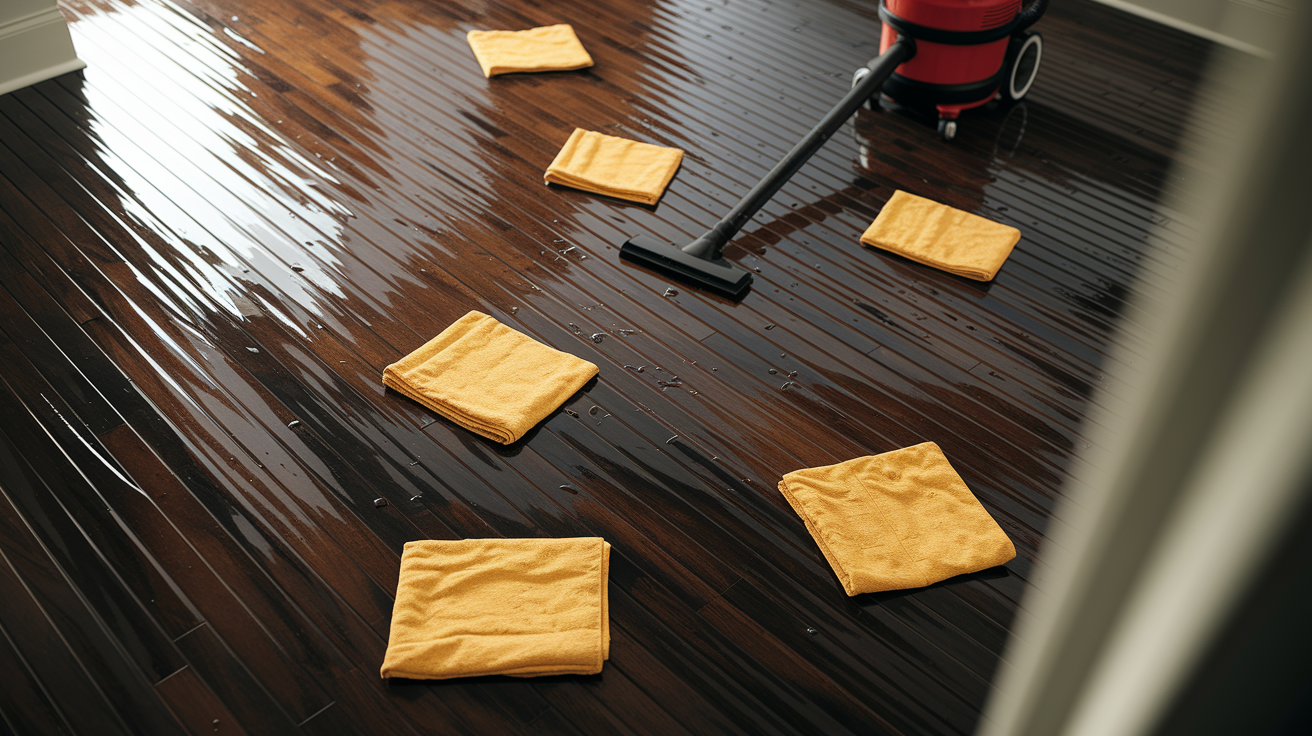
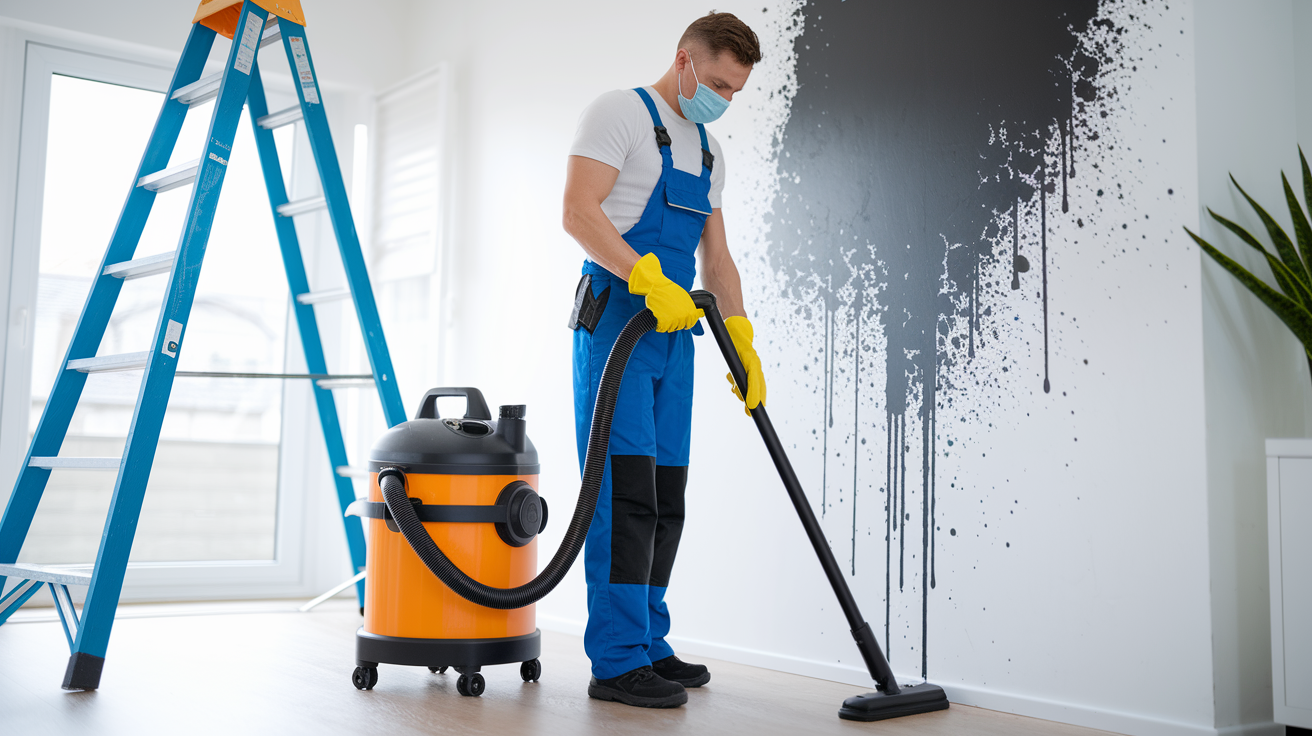
Begin initial water removal as soon as it’s safe to enter. For small amounts of standing water, a wet/dry vacuum can start the process. For larger backups, you’ll need a sump pump or sewage pump. Don’t attempt full extraction without proper protective equipment and containment measures.

Quick response sequence for sewage backup:

  1. Identify the contamination zone and note all visible hazards, including electrical outlets and structural damage.
  2. Turn off electrical power to affected rooms at the circuit breaker.
  3. Stop all household plumbing use to prevent additional sewage flow.
  4. Evacuate people and pets from contaminated areas.
  5. Open windows in the affected space and close interior doors to isolate the contamination.
  6. Turn off HVAC systems serving the contaminated zone.
  7. Put on minimum protective gear (gloves and boots) before entering for initial assessment.
  8. Begin initial standing water removal using a wet/dry vacuum or pump if safe to do so.

Mold can begin forming within 24 to 48 hours after water intrusion. Early drying is critical even before full disinfection is complete. Fans and dehumidifiers should be positioned as soon as standing water is reduced, but full drying procedures must wait until all contaminated materials are removed and surfaces are disinfected.

Safety Protocols and Protective Gear for Sewage Cleanup

jlq4XcVpQ4-L7UYtfWjIhw

Sewage contains pathogenic bacteria like E. coli and Salmonella, viruses including hepatitis A, and parasites such as Giardia. Direct skin contact, inhalation of contaminated aerosols, or accidental ingestion during cleanup can lead to gastrointestinal illness, skin infections, respiratory distress, and more serious systemic infections. Sewer gas exposure adds risks of hydrogen sulfide poisoning and methane asphyxiation in poorly ventilated spaces.

Every person entering a sewage contaminated area must wear complete personal protective equipment from the moment they cross the threshold until they’ve decontaminated and removed all gear. Partial protection isn’t sufficient when dealing with black water contamination.

Required personal protective equipment:

  • Rubber boots with non-slip soles that extend above the ankle, not fabric or leather shoes that absorb contaminated water.
  • Heavy duty rubber gloves rated for chemical and biological hazards, extending past the wrist. Disposable nitrile gloves aren’t adequate.
  • Safety goggles or a full face shield to prevent splashes from reaching eyes and mucous membranes.
  • N95 respirator or better to filter airborne bacteria and sewer gases. A cloth mask or surgical mask doesn’t provide adequate protection.
  • Long sleeved coveralls or disposable Tyvek suit to prevent skin contact with contaminated surfaces.
  • Waterproof apron if working in areas with deep standing water or heavy sludge.

Remove all protective clothing and boots in a controlled manner before leaving the contaminated area. Peel gloves inside out to contain contamination, and place all disposable items in heavy duty plastic bags sealed tightly. Reusable boots and coveralls must be scrubbed with hot water and disinfectant outdoors or in a utility sink, never in a kitchen or bathroom sink. Wash hands thoroughly with soap and hot water for at least 20 seconds immediately after removing gloves, scrubbing under nails and between fingers. Then wash again after handling and bagging contaminated clothing.

Electrical Hazard Considerations

Water conducts electricity. If sewage has reached outlets, light switches, appliances, or any electrical wiring, the entire floor and all wet materials become potential shock hazards. Before entering a flooded area, confirm that power to that zone is off at the main breaker panel. If you can’t safely access the panel without stepping into water, call a licensed electrician to shut off power from outside the building.

Even after power is confirmed off, treat all visible wiring, outlet boxes, and appliances as potentially energized until an electrician inspects and clears them. Standing water around furnaces, water heaters, washers, dryers, and refrigerators creates compounded risks. Don’t attempt to move or unplug any appliance standing in contaminated water.

Water Extraction and Contaminated Material Removal in a Sewage Backup Cleanup Procedure

VRus6QwJQNmtIHek4KlLqg

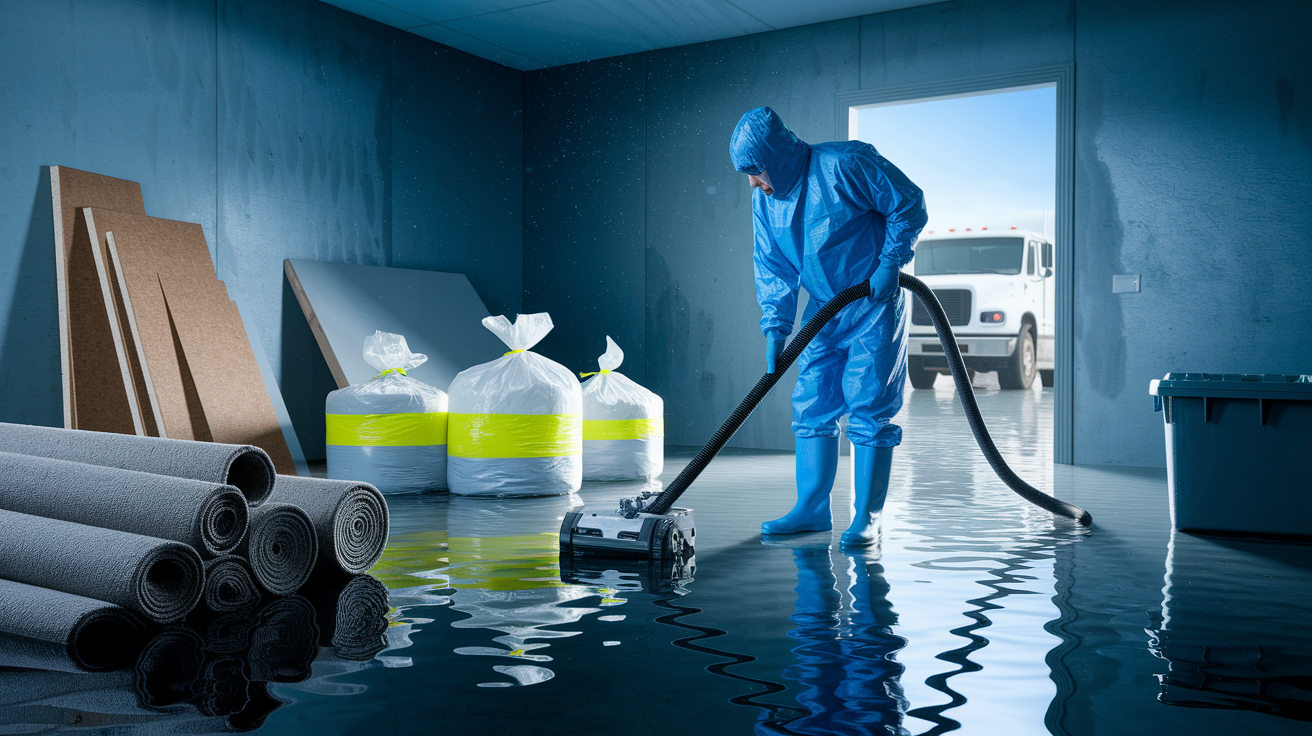
Once safety protocols are in place and the area is secured, the next priority is removing all standing sewage and contaminated water. Small backups with less than an inch of standing water can often be handled with a wet/dry vacuum rated for liquids, emptying the tank frequently into a utility sink or toilet in an unaffected part of the house. For backups covering more than a few square feet or involving more than two inches of water, you’ll need a sewage pump or submersible sump pump to move large volumes quickly.

Position the pump or vacuum hose at the lowest point in the flooded area and work methodically toward the entry point, pushing water toward the extraction tool rather than spreading it. Dispose of extracted sewage water according to local regulations. Most municipalities require disposal into a sanitary sewer cleanout or toilet, not into a storm drain or onto the ground. If you’re unsure of local rules, contact your municipal wastewater department before dumping. For extensive backups affecting multiple rooms or basements, professional restoration companies bring truck mounted extraction units and industrial pumps that remove water faster and more completely than homeowner grade equipment.

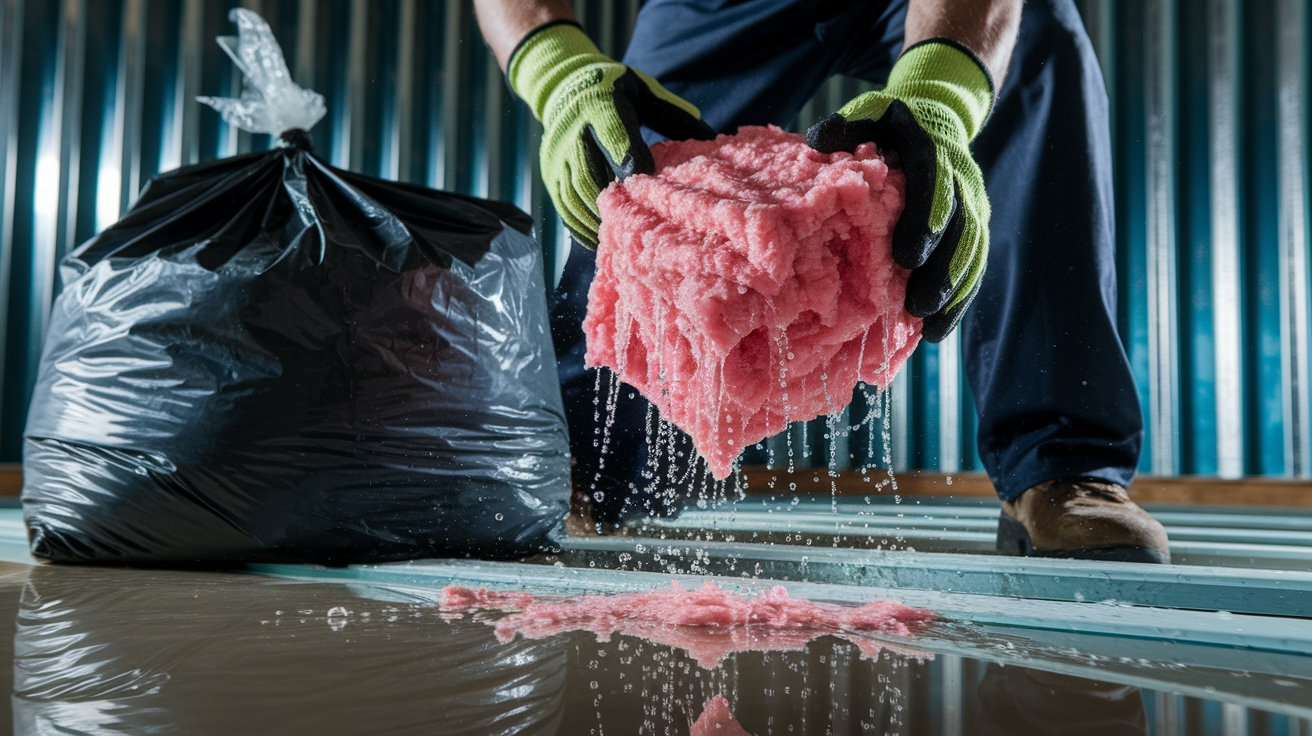
After standing water is removed, focus shifts to discarding all porous materials that contacted sewage. Porous materials absorb contaminated water deep into their structure, making complete disinfection impossible. Carpeting, carpet padding, upholstered furniture, mattresses, particleboard, and most insulation must be removed and discarded. Solid hardwood flooring can sometimes be saved if it’s quickly dried and professionally sanded and refinished, but engineered wood, laminate, and any flooring with swollen or delaminated layers must go. Drywall that wicked sewage more than a few inches above the floor line should be cut out and removed.

Material Type Salvageable?
Carpet and padding No – always discard after sewage contact
Drywall (lower 12–24 inches) No – cut out contaminated sections
Solid hardwood flooring Sometimes – if dried quickly and refinished
Laminate or engineered wood No – absorbs water and delaminates
Non-porous surfaces (tile, metal, sealed wood) Yes – clean and disinfect thoroughly

Material removal steps:

  1. Cut power to the area and confirm all electrical hazards are controlled.
  2. Remove all loose items (furniture, boxes, stored goods) from the contaminated zone.
  3. Pull up carpeting and padding in sections, rolling from the farthest corner toward the exit to avoid tracking contamination.
  4. Seal contaminated materials in heavy duty contractor bags (6 mil or thicker) immediately after removal.
  5. Cut and remove damaged drywall, starting at least 12 inches above the highest water line.
  6. Bag and remove insulation that contacted sewage or became wet from wicking.
  7. Dispose of bagged materials according to local solid waste regulations. Many areas require curbside notification or special pickup for sewage contaminated waste.

Final Words

Stop the water, shut off power if it’s safe, and put on basic PPE, like gloves and boots, so nobody gets hurt.

Act fast: identify the hazard, cut the source, begin short-term water removal, discard soaked porous materials, disinfect, and start multi-day drying. We also covered electrical risks, detailed extraction and disposal, and why photos and notes matter for claims.

Follow this sewage backup cleanup procedure, take photos and moisture readings, and call professionals for large jobs. Quick action prevents mold and speeds repairs, and you’ll get the space back to normal.

FAQ

Q: How to clean up after a sewage backup?

A: Cleaning up after a sewage backup means stopping the source, removing standing black water, discarding soaked porous materials, disinfecting with EPA‑approved products, and calling a pro for large extraction or structural damage.

Q: Is it safe to stay in house after sewage backup?

A: Staying in the house after a sewage backup is unsafe if sewage, odors, or wet materials are present; sewage carries bacteria, viruses, and sewer gas. Leave until power is off and contamination is controlled.

Q: How much does sewage cleanup cost?

A: The cost to clean up a sewage backup depends on size and damage; small DIY cleanups may cost a few hundred dollars, while professional extraction, testing, and repairs often cost thousands, so get a local inspection and written estimate.

Q: What is the best disinfectant for sewer backup?

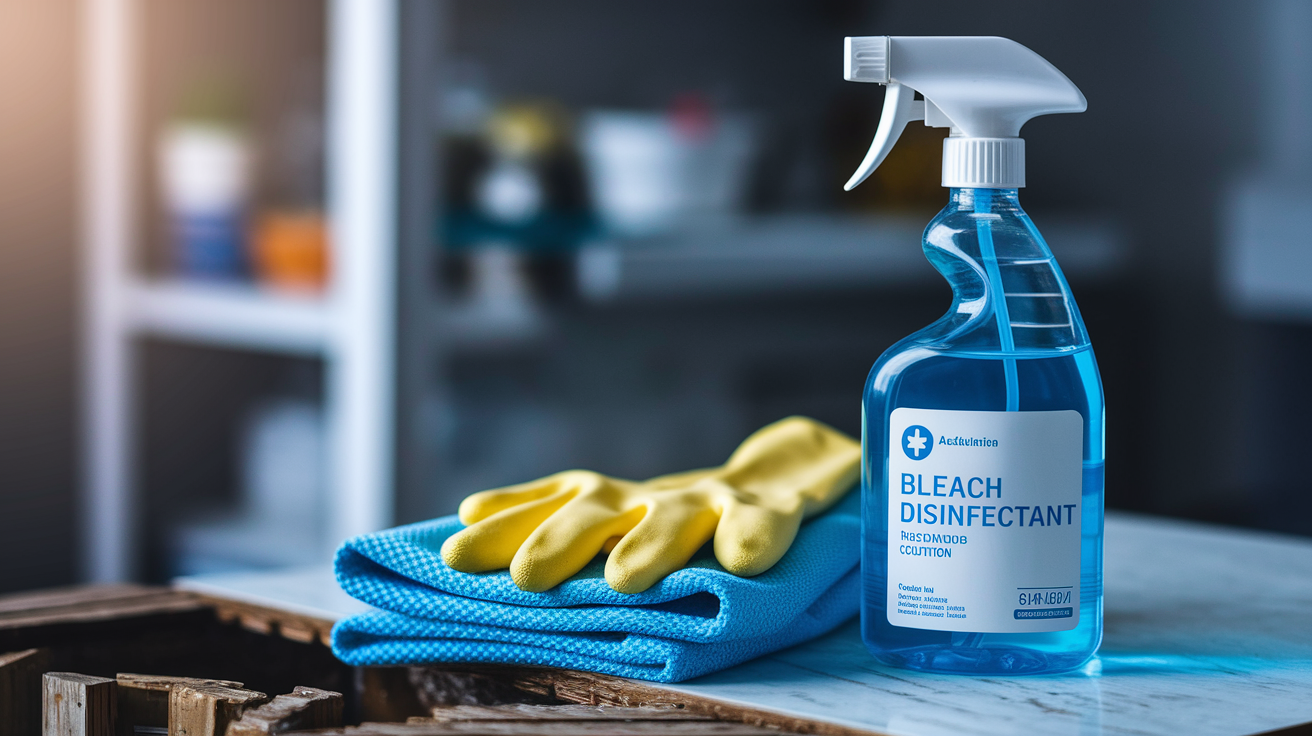
A: The best disinfectant for a sewer backup is an EPA‑registered product labeled for wastewater pathogens; household bleach diluted per label is an alternative, used with gloves, ventilation, and proper contact time.

Interior Framing Repair After Fire: Steps to Restore Your Home’s Structure

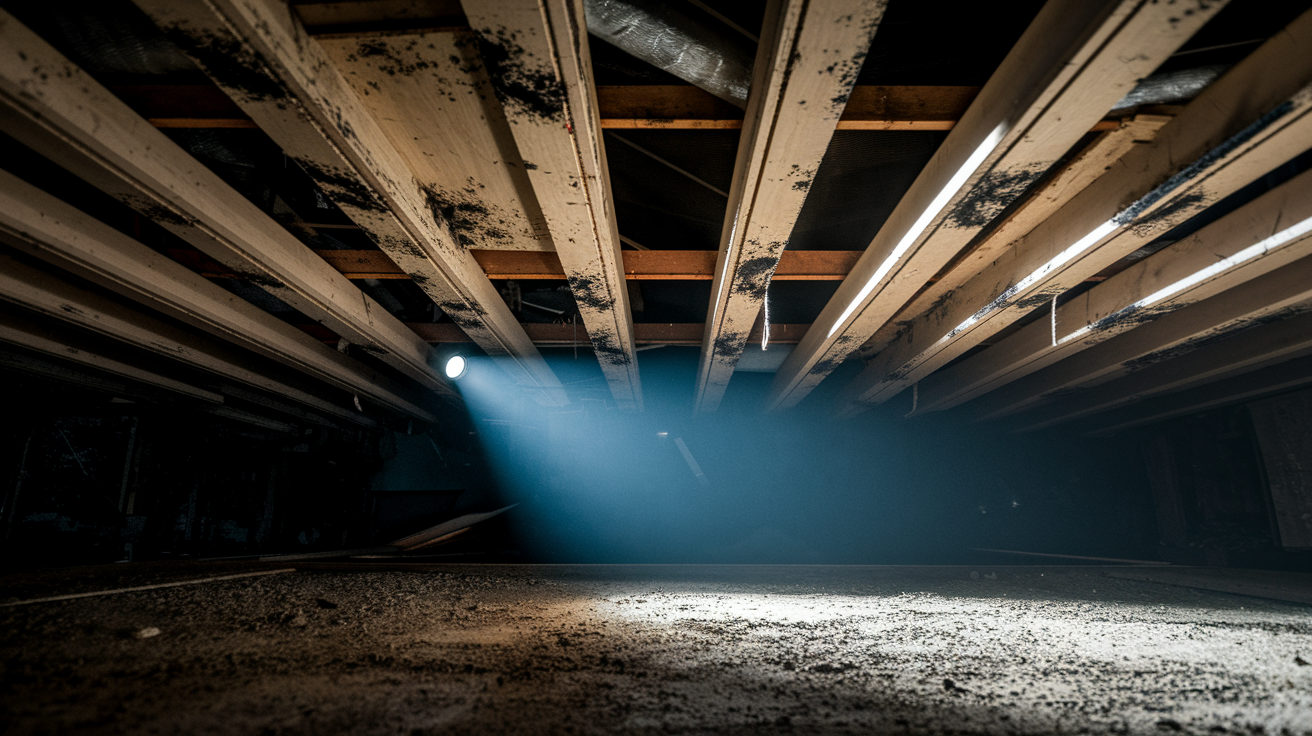
When fire chars your wall studs and floor joists, the obvious question is: can they still hold up your house? You can’t tell just by looking, and guessing wrong means collapse risk or hidden damage that shows up months later. Professional framing assessment finds what’s salvageable, what needs reinforcement, and what has to be torn out and rebuilt. We’ll walk you through the real repair process, from structural inspection and emergency shoring to sistering damaged joists, replacing compromised studs, and passing final code inspection.

Structural Assessment and Fire Damage Inspection

0tWOuP9dRR247cYngNIKEg

Repairing fire damaged interior framing isn’t something you just dive into. Before anyone starts swinging hammers, you need a complete understanding of what’s actually compromised, what can be saved, and what’s got to go.

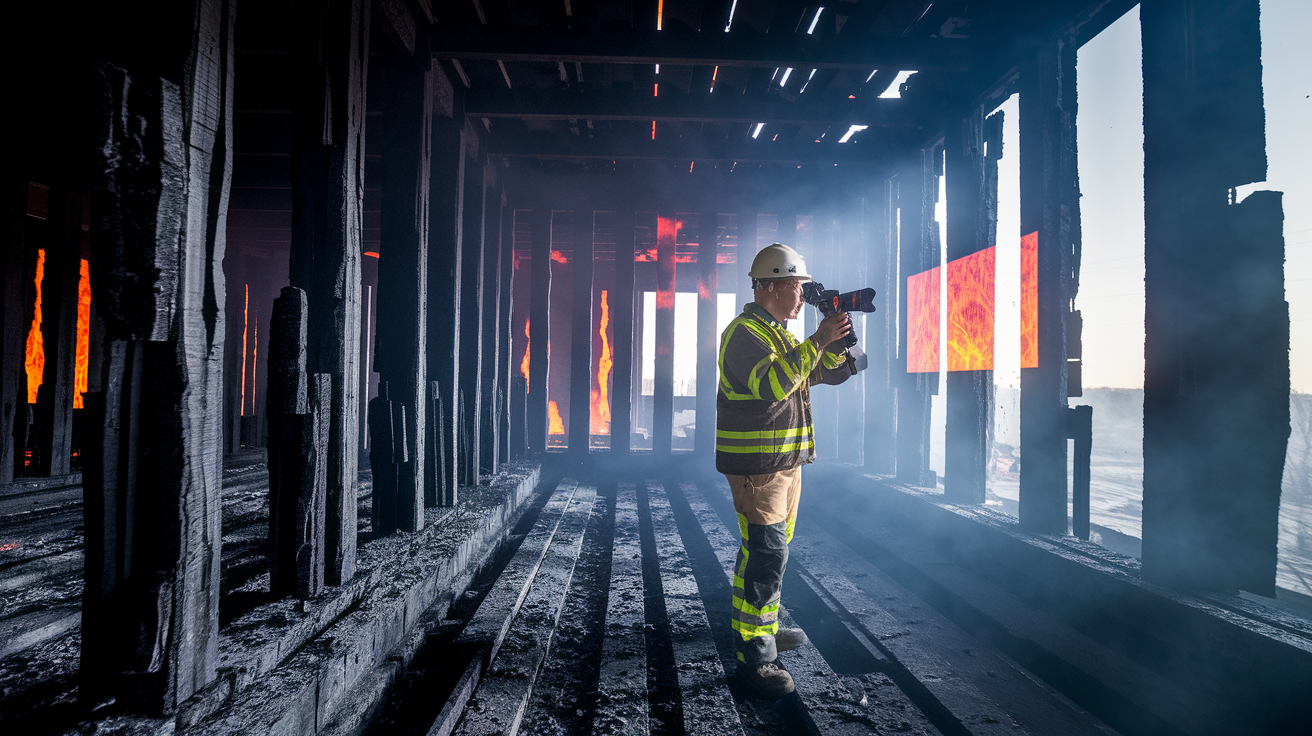
Professional assessment protects you from hidden damage that could lead to collapse or problems down the road. Structural engineers use thermal imaging to find heat damage that went deep into beams, studs, and load bearing walls, even when everything looks fine on the surface.

The repair process breaks down into six stages:

  1. Structural inspection and damage assessment (engineer evaluation)
  2. Emergency stabilization and temporary supports
  3. Demolition and removal of compromised framing members
  4. Smoke and soot remediation on salvageable materials
  5. Replacement or sistering of damaged framing components
  6. Final inspection and code compliance verification

A structural engineer evaluates every framing member that got exposed to fire. They’re measuring char depth on wood studs, checking moisture content in floor joists, testing whether ceiling joists and header beams can still handle their design loads. Wall framing, roof trusses, rim joists, foundation connections. They’re figuring out if the wood structure lost enough strength to become dangerous.

Char depth matters because fire burns wood from the outside in. If a 2×6 stud charred half an inch deep but still has five inches of solid wood, it might be salvageable with reinforcement. Two inches deep? It’s lost too much and needs replacement. Moisture meters confirm the wood dried properly after firefighting efforts, because trapped moisture causes rot and mold even if the framing looks stable. Thermal imaging reveals heat damage that weakened wood fibers without visible charring. Load bearing walls get extra attention since they’re holding up floors and roofs. You’re determining what stays, what gets reinforced, and what gets torn out and rebuilt.

Safety Measures and Demolition of Compromised Framing

rl1-pn5SRzi7l6vbqG16Pg

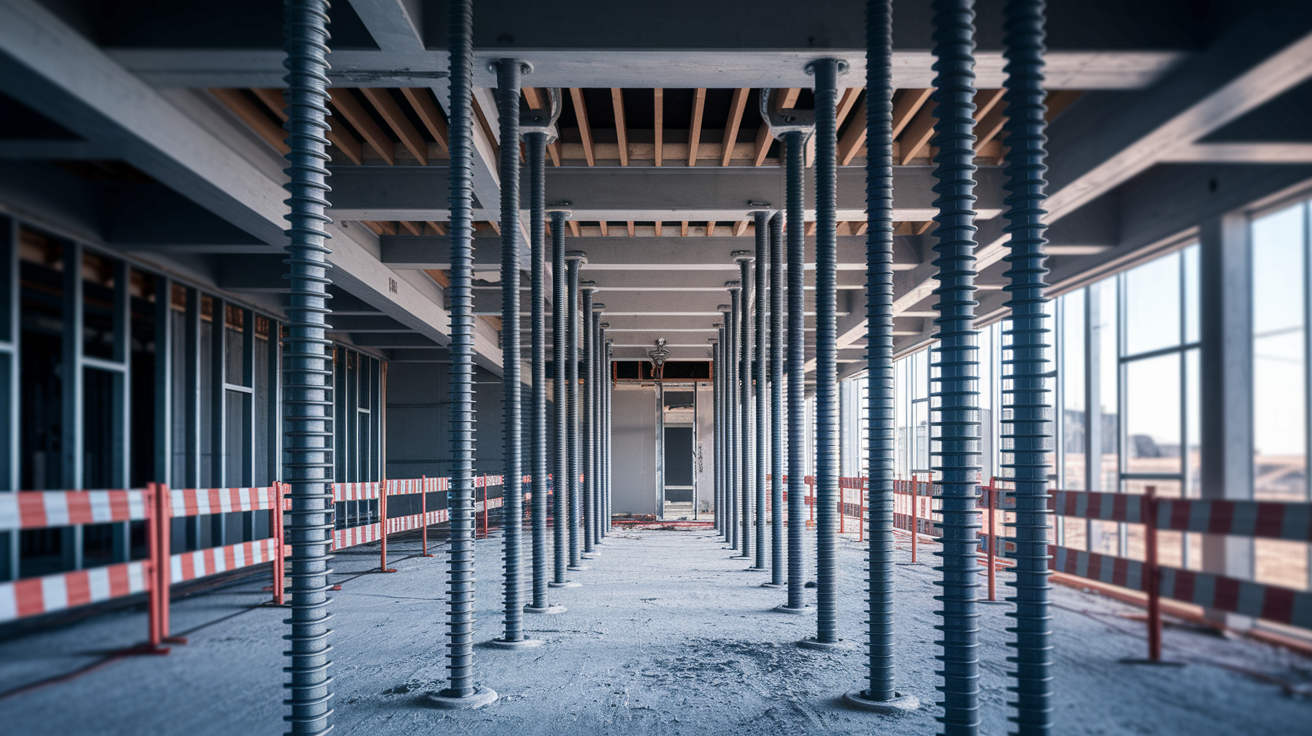
Before you remove any damaged load bearing members, temporary supports need to be installed to carry the weight those members currently hold. Adjustable steel posts under floor joists, temporary walls supporting ceiling joists, bracing for walls while studs get replaced. The building won’t collapse during demo if loads transfer properly to temporary supports first.

The demolition sequence matters. You don’t just remove charred studs at random. Start with non load bearing partitions, then work toward load bearing elements once shoring is in place. Ceiling joists come down carefully to avoid damaging roof framing above. Floor joists get cut and removed in sections rather than yanked out, which could shift adjacent members. Charred header beams over openings require extra care since they’re carrying significant point loads.

Disposal of fire damaged lumber follows local regulations. Some places classify heavily charred wood as construction debris, others require special handling due to smoke contamination. Materials that contacted flame retardants, solvents, or other chemicals during the fire need separate disposal. Asbestos in older homes requires certified abatement crews before demolition proceeds.

Five safety protocols during demolition:

  • Personal protective equipment requirements: respirators with appropriate filters for smoke particulate, protective clothing, gloves, and eye protection to prevent exposure to soot and charred material
  • Ventilation and air quality monitoring: continuous fresh air circulation and monitoring devices to detect carbon monoxide, volatile compounds, and particulate levels before workers enter
  • Cross contamination prevention between affected and unaffected areas: sealed barriers and negative air pressure in work zones to keep smoke particulate from spreading through the house
  • Proper handling of charred lumber and smoke damaged materials: controlled removal and immediate containment to prevent soot from spreading to clean areas
  • Structural stabilization before removing load bearing elements: engineered temporary shoring and load transfer systems installed and verified before cutting or removing any structural members

Smoke and Soot Remediation on Structural Wood

twHjyemzQpWOY11Sg5RiLg

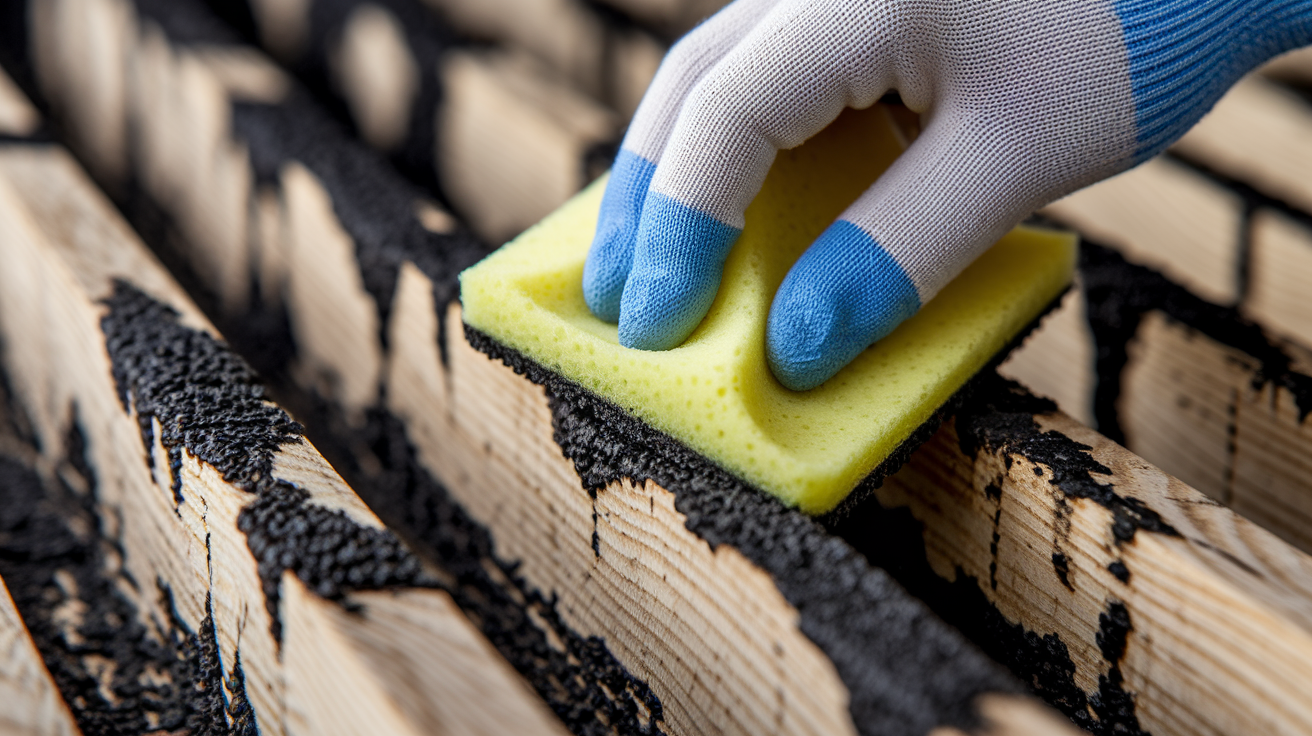
Salvageable framing with smoke and soot contamination needs professional cleaning before new materials get installed around it. HEPA vacuuming removes loose soot from wood studs and exposed joists. Dry chemical sponges lift embedded soot without driving it deeper into the wood grain. For heavy contamination, contractor grade wood cleaners break down oily residue left by synthetic materials that burned.

Odor sealing treatments lock smoke smell inside the wood so it doesn’t bleed into living spaces later. Pigmented shellac based sealers work well on framing that’ll be enclosed behind drywall. When fire retardant treatment is required by code for certain applications, it gets applied after cleaning and before enclosing the framing. This comes up in multi family buildings, near fire rated walls, or in attic spaces where draft stopping requirements apply.

HEPA filtration runs continuously during cleaning to capture airborne particulate. Air quality testing confirms particulate levels dropped to safe ranges before reconstruction begins. Moisture content testing on cleaned framing members ensures they dried below 19 percent, the threshold where mold growth accelerates. Wood that stayed wet too long from firefighting water may need replacement even if fire didn’t directly damage it. This remediation work prepares salvageable framing to integrate cleanly with new materials, preventing smoke odor and contamination from returning after you close up the walls.

Repair Methods: Replacement and Sistering of Damaged Framing

LGrvwd1GR1ySiCFNmd_Hng

Whether you replace completely or sister depends on damage extent, structural requirements, and what the engineer’s assessment determined. Partial damage might allow sistering. Severe charring or compromised load capacity requires complete replacement.

Replacement Materials for Fire Damaged Framing

Replacement framing uses dimensional lumber that matches or exceeds the original framing size and structural capacity. A damaged 2×8 floor joist gets replaced with another 2×8 of the same grade or better. Moisture content for replacement wood studs must be below 19 percent before installation to prevent shrinkage and cracking as they dry. Kiln dried lumber works better than green lumber for this reason.

Fire retardant treatment is required by code when replacing framing in fire rated assemblies, like walls between dwelling units or between a garage and living space. Treated lumber arrives from the supplier already pressure impregnated with fire retardant chemicals. Engineered wood products like laminated veneer lumber or engineered joists offer high strength and dimensional stability for header beams and long spans. Metal studs provide a non combustible option for interior partitions and fire rated walls, though they require different fastening methods than wood.

Pressure treated lumber is required for bottom plates on concrete slabs or in areas with moisture exposure. Rim joists near grade level or in contact with masonry also need pressure treated material in many jurisdictions.

Sistering and Reinforcing Techniques

Sistering means attaching a new framing member directly alongside a damaged one to restore full load capacity. It’s appropriate when a joist or stud has surface charring or damage to one section but retains most of its structural integrity. The new member gets fastened securely to the existing member, and together they function as one stronger unit.

For floor joists, the sister joist runs the full length or extends at least three feet past the damaged section on each side. Fasteners are 10d nails or 3 inch structural screws spaced every 16 inches in a staggered pattern on both sides. The sister joist must bear fully on the same support points as the original. Ceiling joists follow the same approach. When sistering won’t provide adequate capacity, steel reinforcements like structural channels or plates get through bolted to the damaged member. This comes up with header beams that can’t be easily replaced due to access limitations.

Code requirements for sistering connections ensure the repair performs as well as original construction. Span calculations verify that the sistered assembly meets deflection limits and load capacity. Bridging installation between floor joists maintains proper spacing and prevents rotation. Blocking between joists at bearing points transfers loads correctly to supporting walls or beams below.

Repair Method Best Used For Material Options
Full Replacement of Studs Studs with heavy charring, multiple sections damaged, or load bearing walls requiring complete member replacement Dimensional lumber matching original size, metal studs for fire rated walls, fire retardant treated lumber where required by code
Full Replacement of Joists Joists with char depth exceeding 25% of cross section, severe heat damage, or compromised bearing connections Dimensional lumber, engineered I joists, laminated veneer lumber for longer spans or heavy loads
Sistering Joists Joists with localized damage, surface charring, or sagging that retains most structural capacity Dimensional lumber matching original joist size and grade, full length or extending 3 feet past damage on each side
Sistering Studs with Steel Reinforcement Load bearing studs with moderate damage where full replacement is difficult due to access or connections to other framing Dimensional lumber for wood sister, steel channels or plates through bolted for heavy reinforcement, structural screws or bolts for connections

Structural engineer recommendations determine which repair method applies to each damaged member. The engineer’s sealed drawings show exactly what gets replaced, what gets sistered, and what reinforcement details are needed. Following these specs maintains load paths and structural continuity throughout the repaired framing system.

Building Codes and Fire Rated Assembly Requirements

sScWv1AxT7e0SEd1xMmixQ

Fire damage repairs trigger permit requirements and must meet current building codes, not just the standards that applied when the house was originally built.

Seven typical permit and code requirements:

  • Structural repair permits from local building department: required before starting demolition or framing work, ensuring the project is on record and inspections are scheduled
  • Engineered drawings for load bearing modifications: sealed plans from a licensed structural engineer showing repair details, load calculations, and connection specifications
  • Fire marshal review and approval for fire rated assemblies: verification that repairs maintain required fire resistance ratings in walls, floors, and other critical assemblies
  • Rough framing inspections before concealing work: inspector examines framing members, fastener schedules, and structural connections before insulation and drywall cover them
  • Updated fire stopping and draft stop installations: proper sealing materials installed at penetrations and concealed spaces to prevent fire spread
  • Fire rated assembly documentation and compliance verification: records proving fire rated materials and construction methods match approved assemblies
  • Final inspection clearance before occupancy: confirmation all work meets code and the structure is safe to occupy or use

Building inspectors verify that stud spacing meets code, typically 16 inches on center for load bearing walls. They check fastener schedules to ensure proper nailing or screwing patterns at top plates, bottom plates, and connections to headers. Load requirements for floors get confirmed through joist sizing, span tables, and bearing details. Structural calculations may be required for complex repairs like removing walls, installing new beams, or reinforcing compromised foundations.

Unpermitted work creates problems for insurance claims and future property sales. Insurance companies can deny claims if repairs weren’t done to code with proper permits. Future buyers or their lenders may require expensive remediation or certification if unpermitted structural work shows up during inspection or title review.

Fire rated walls are typically required between attached dwelling units, between garages and living spaces, in mechanical rooms, and around stairways in multi story buildings. These walls slow fire spread and provide escape time during emergencies. When framing repairs occur in these locations, the work must maintain the fire rating of the existing assembly. This means using fire rated lumber if specified, maintaining correct stud spacing, and coordinating with fire resistant drywall installation.

Fire stopping seals penetrations where pipes, wires, or ducts pass through fire rated walls or floors. The seal must be rated for the same fire resistance as the assembly it penetrates. Draft stops compartmentalize large concealed spaces like attics to prevent fire from spreading horizontally. These materials get installed in the framing before drywall closes everything up. Documentation requirements prove fire rating compliance, often through photos of materials, product data sheets showing fire ratings, and inspection records. For detailed guidance on maintaining fire ratings during drywall repairs, refer to Fire Rated Drywall Repair Best Practices which covers integration with repaired framing.

Fasteners and Connection Details for Replacement Framing

eVF0eTcbQVuXKCTG7GTA2A

Proper fastener selection and installation meet code requirements and restore structural capacity to repaired framing.

Connection Type Fastener Requirement Spacing
Stud to Plates Two 16d nails or 3 inch structural screws through each stud end into top and bottom plates Each stud at 16 inches on center
Header to King Studs 16d nails or 3 inch structural screws, four fasteners per king stud connection Nails spaced vertically along king stud height
Joist Hangers Manufacturer specified hanger nails or structural screws, all holes filled Every hole in the hanger must be filled per code
Rim Joist Connections 16d nails toe nailed from floor joists into rim joist, three nails per joist Every joist connection to rim board
Sister Joist Attachments 10d nails or 3 inch structural screws in staggered pattern on both sides 16 inches on center along full length of sister connection

Nail schedules specify the size, type, and number of nails for each connection. A 16d nail is 3.5 inches long and appropriate for most framing connections. Structural screws are preferred when stronger withdrawal resistance is needed or when access makes nailing difficult. Code allows substituting screws for nails if the screw length and diameter provide equivalent shear and withdrawal capacity.

Framing anchors and hurricane ties provide critical connections in high stress locations like where rafters meet top plates or where joists connect to beams. These metal connectors prevent uplift and lateral movement during wind or seismic events. Each anchor has a specific fastener requirement, usually listed on the product or in manufacturer literature. Construction adhesive supplements mechanical fasteners at connections where extra strength or squeak prevention matters, like subfloor to joist connections or rim joist assemblies. The adhesive doesn’t replace nails or screws but works with them to create a stronger bond.

Insulation and Moisture Barrier Installation After Framing Repair

sAKe8M_QSwOYMqZxNSBWgA

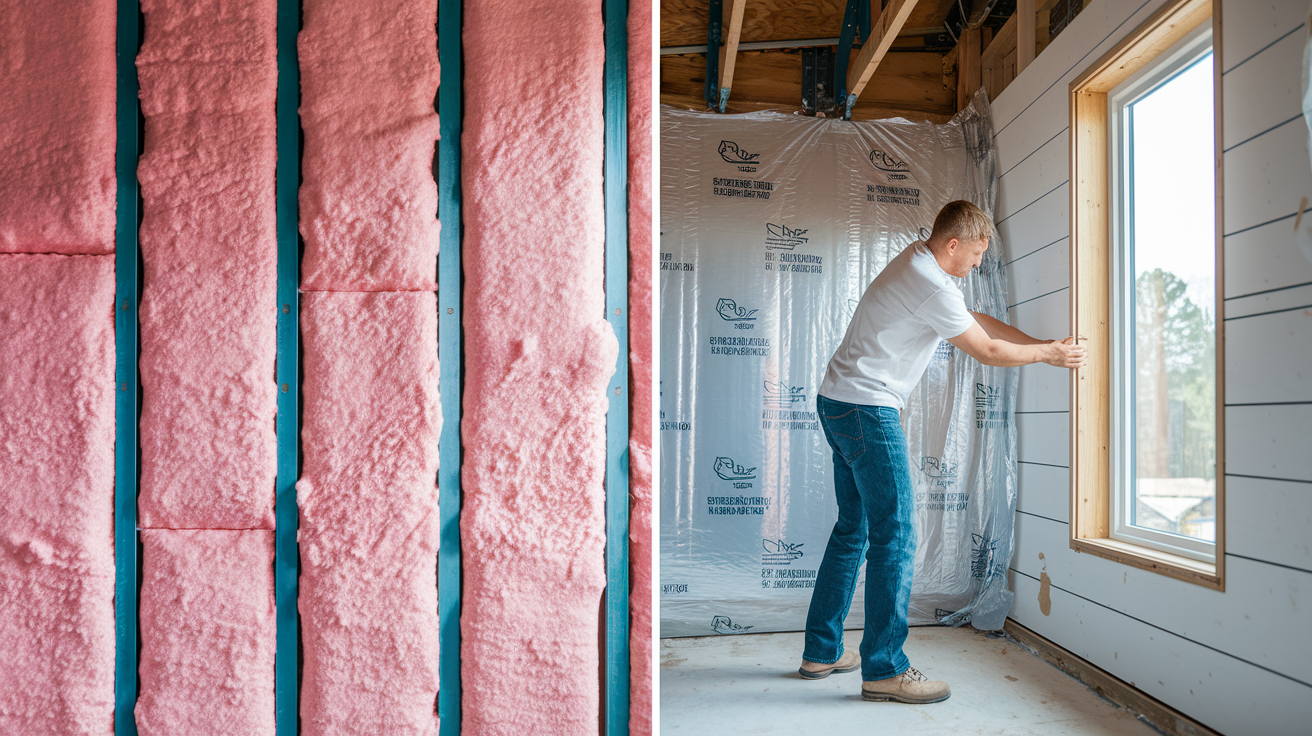
Fire damaged insulation gets removed during demolition and must be replaced once framing repairs are complete and inspected. New insulation meets current energy code requirements, which are often stricter than what was in place when the house was built. Wall cavities typically require R13 to R21 depending on climate zone. Floor insulation over unconditioned spaces needs R19 to R30. Attic insulation values range higher, from R30 to R60 in cold climates.

Vapor barriers and moisture barriers get placed on the warm side of the insulation in heating climates to prevent condensation inside wall cavities. In most of the country, this means the vapor barrier faces the interior living space. In hot, humid climates, placement may differ based on local building science and code requirements. The barrier material is typically 6 mil polyethylene sheeting or kraft faced insulation batts where the kraft paper serves as the vapor retarder.

Insulation installation happens after electrical wiring and plumbing lines are in place and inspected but before drywall goes up. Batts get cut to fit snugly around wiring and pipes without compressing the insulation, which reduces its effectiveness. Gaps around outlets, switches, and penetrations get sealed with caulk or spray foam to prevent air leakage. Proper moisture content in new framing before enclosing with insulation is critical. Wood framing above 19 percent moisture content can lead to mold growth inside closed wall cavities where you won’t see it developing.

Thermal bridging occurs where solid wood framing creates a path for heat transfer through insulated walls. Studs conduct more heat than insulation, reducing the wall’s overall performance. Continuous insulation on the exterior side of framing reduces thermal bridging but isn’t always practical during interior repairs. Spray foam insulation in repaired sections can fill irregular cavities and provide better air sealing than batts. Weatherproofing requirements apply where exterior walls were opened for framing access. This includes house wrap, flashing, and sealing around windows and doors to prevent water intrusion.

Working With Electrical, Plumbing, and HVAC During Framing Repairs

3bXkN59xQtStmt1l46BlXQ

The rough framing inspection happens before electrical wiring, plumbing lines, and HVAC systems get installed or reinstalled. The building inspector verifies framing members, connections, and structural details meet code. Once that inspection passes, electricians and plumbers can proceed with their rough in work, running wires and pipes through the repaired framing.

Electrical wiring that remains in place during framing repairs needs protection from damage during demolition and construction activity. Circuits get de energized at the panel before work begins. Wires that run through repaired wall sections may need rerouting if stud locations change or if damaged wire insulation requires replacement. Any wire that shows heat damage or melted insulation gets replaced. Fire can compromise electrical insulation even when wires don’t appear burned.

HVAC system access matters when framing repairs affect ductwork locations or mechanical equipment rooms. Supply and return ducts that run through fire damaged areas need inspection for heat damage and smoke contamination inside the duct. Sheet metal ducts may have warped from heat. Flexible ducts often require replacement if exposed to fire. Seal all duct penetrations through fire rated assemblies with appropriate fire rated materials.

Plumbing lines near fire damaged framing need inspection for heat damage even if they didn’t melt or burst. Plastic supply lines and drain pipes can soften or weaken from heat exposure without visible damage. Copper pipes usually survive fire better than plastic, but joints and fittings should be checked for integrity. Each trade needs its own inspection after rough in work is complete and before walls close up. The electrical inspector checks wiring, boxes, and connections. The plumbing inspector verifies pipe sizing, support, and pressure testing. HVAC may require separate inspection depending on local jurisdiction.

Estimated Costs and Timeline for Interior Framing Repairs

1HtSXvDHQgaSN3cOox90xQ

Costs vary widely based on damage extent, accessibility, and structural complexity. A single charred wall with a few studs replaced might cost a few thousand dollars. Extensive framing repairs affecting multiple rooms or floors can reach tens of thousands.

Timeline depends on permit processing, inspection scheduling, and scope of work. Simple repairs move faster than complex structural modifications requiring engineered solutions.

Seven cost factors affecting interior framing repair:

  • Extent of structural damage and number of framing members requiring replacement: more damaged studs, joists, and beams mean higher material and labor costs
  • Need for temporary shoring and structural engineering services: engineer assessments, stamped drawings, and site visits add professional service fees
  • Demolition complexity and hazardous material disposal: difficult access, heavy charring, or asbestos abatement increase demolition costs significantly
  • Material selection (standard lumber vs. fire rated or engineered products): fire retardant treated lumber and engineered materials cost more than dimensional lumber
  • Labor rates for specialized framing contractors and restoration professionals: experienced fire restoration crews charge premium rates but work efficiently and know code requirements
  • Permit fees and required inspections: building permits, plan review fees, and multiple inspection visits add to total project cost
  • Coordination with insurance claim processing: delays in claim approval or disputes over scope can extend project timeline and increase carrying costs

General timeline ranges look like this. Assessment takes 1 to 3 days once a structural engineer can access the site. Permit processing varies by jurisdiction, typically 1 to 3 weeks depending on plan review complexity and department workload. Demolition of compromised framing takes 2 to 5 days for moderate projects, longer for extensive damage. Framing repairs vary by scope. Replacing a few studs in one room might take 2 to 3 days, while major structural work can extend to several weeks. Inspections happen at multiple points, adding time between work phases.

Factors that extend timelines include structural engineering delays when complex calculations or redesign are needed. Material availability affects schedule if fire rated lumber or engineered products aren’t in stock locally. Weather delays exterior access when repairs involve outside walls or roof framing. Insurance claim processing can pause work while adjusters review scope or request additional documentation. Detailed estimates before starting work prevent disputes over what’s included and provide a roadmap for the insurance claim.

Insurance Claims and Documentation for Fire Framing Damage

V036IhiUQfmrjl7jNsudwQ

Structural engineer reports and detailed damage assessments form the foundation of insurance claims for framing repairs. The engineer’s report documents what’s damaged, why it needs repair or replacement, and what methods will restore structural integrity. This professional documentation carries weight with insurance adjusters who need to justify claim payments.

Documentation needed includes photos of all damaged framing before demolition, during demolition showing hidden damage, and after repairs showing completed work. Material invoices prove actual costs for lumber, fasteners, and other supplies. Labor records show contractor hours and rates. Permit records and inspection reports demonstrate code compliance and proper oversight. Keep copies of everything organized by date and work phase.

Building code upgrades factor into insurance coverage decisions. If your 1970s house had 2×4 wall framing on 24 inch centers but current code requires 2×6 framing on 16 inch centers, the insurance company may cover bringing the repaired section up to current code under certain policy provisions. However, coverage for upgrades isn’t automatic. Some policies cover code compliance fully, others provide a limited allowance, and some exclude it entirely. Understanding your policy’s code upgrade coverage prevents surprise out of pocket costs.

Working with insurance adjusters and restoration professionals during the claim process requires patience and organization. The adjuster needs to see the damage, understand the scope, and verify the repair methods are necessary and appropriate. Restoration professionals experienced with insurance work know how to document damage, prepare estimates in formats adjusters recognize, and communicate effectively throughout the claim. Written estimates before demolition begins protect everyone by establishing what work is needed and what it should cost. Retention of all inspection reports and code compliance certificates proves the work was done properly and creates a permanent record for future property transfers.

Selecting Qualified Contractors for Post Fire Framing Work

Fire damage framing repairs require contractors experienced in structural restoration, not just general carpentry or remodeling work.

Eight contractor qualifications to verify:

  • Licensed general contractor or specialized restoration contractor status: verify active license through state or local licensing board
  • Experience specifically with fire damage structural repairs: ask for references from recent fire restoration projects, not just general framing work
  • Relationship with structural engineers for assessment and design: established working relationships ensure smooth coordination on engineered repairs
  • Insurance restoration project experience and references: contractors familiar with insurance claims know documentation requirements and estimating formats adjusters expect
  • Knowledge of local building codes and fire rated assembly requirements: current code knowledge prevents failed inspections and rework delays
  • Proper insurance coverage including liability and workers compensation: request certificates of insurance and verify coverage is active
  • Equipment for safe demolition and smoke remediation: specialized tools like HEPA vacuums, air scrubbers, and thermal imaging devices indicate professional capabilities
  • References from recent fire damage restoration projects: contact previous clients to verify work quality, timeline adherence, and communication effectiveness

Full service restoration companies coordinate all trades from assessment through final cleaning, which simplifies the process for homeowners managing insurance claims and recovery. A single point of contact schedules engineers, handles permits, manages subcontractors, and provides unified billing. Separate contractors for framing, electrical, plumbing, insulation, and drywall require the homeowner to coordinate schedules, resolve conflicts, and track multiple contracts. For comprehensive restoration services beyond framing, Water Damage Restoration and Repair Services demonstrates the integrated approach full service companies provide for multiple damage types.

Written contracts protect both parties by detailing scope of work, materials specifications, payment schedules, timeline expectations, and warranty terms. Detailed scope of work lists every repair task so there’s no confusion about what’s included. Payment schedules tie payments to completed milestones rather than upfront deposits that leave you vulnerable if the contractor disappears. Red flags include unlicensed contractors who can’t pull permits or provide insurance certificates. Cash only payment requests avoid paper trails and tax obligations. Pressure to skip permits saves the contractor hassle but leaves you liable for code violations and jeopardizes insurance coverage.

Final Words

Interior framing repair after fire demands professional assessment, systematic demolition of compromised members, and careful reconstruction that meets current building codes.

The process moves from structural inspection through emergency stabilization, smoke remediation on salvageable wood, replacement or sistering of damaged framing, proper fastener installation, and coordination with electrical and plumbing systems.

Every repair must pass inspection and maintain fire-rated assemblies where required.

Working with qualified restoration contractors and structural engineers protects your safety, satisfies insurance requirements, and delivers repairs that restore your home’s structural integrity for the long term.

FAQ

Does homeowners insurance cover housing after a fire?

Homeowners insurance typically covers temporary housing costs through Additional Living Expenses (ALE) coverage while your home is being repaired after a fire. This coverage pays for hotel stays, temporary rentals, meals, and other living costs above your normal expenses until your home is safe and habitable again.

How long do toxic fumes last after a fire?

Toxic fumes from a fire can linger for weeks or even months if smoke damage isn’t properly remediated, as smoke particles penetrate deep into structural materials, insulation, and porous surfaces. Professional smoke remediation with HEPA filtration, odor sealing, and air quality testing eliminates these fumes and makes the home safe to occupy.

How will you restore fire-damaged structural components?

Fire-damaged structural components are restored through systematic assessment by structural engineers, removal of compromised framing members, smoke remediation on salvageable materials, and replacement or sistering of damaged studs, joists, and beams to current building code standards. All repairs require proper permits, inspections, and final code compliance verification before occupancy clearance.

What is salvageable after a house fire?

Salvageable materials after a house fire include framing members with minimal char depth that retain structural capacity, undamaged floor joists and studs in less-affected areas, and structural elements that pass engineer evaluation for load-bearing integrity. Professionals use thermal imaging, moisture testing, and char depth measurements to determine what can be cleaned, treated, and kept versus what requires complete replacement.

Faulty Wiring Fire Hazard: Recognize Warning Signs Fast

0

Could the wires inside your walls be about to start a fire and you’d never know?
Electrical failures cause an average of 440 deaths, 1,250 injuries, and about 1.3 billion dollars in home damage each year, so this isn’t a small risk.
Wiring can fail quietly, with arcing, overheating, or melted insulation, and often gives early clues like buzzing outlets, warm faceplates, or a faint burning smell.
This post lays out the warning signs to spot fast, what to do first, and how professionals stop the damage and repair what’s been harmed.

Understanding How Faulty Wiring Becomes a Fire Hazard

PPmMEldAQS2Q0JpWGJgfcw

Between 2012 and 2016, the National Fire Protection Association tracked an annual average of 440 civilian deaths, 1,250 civilian injuries, and about $1.3 billion in direct property damage from home fires involving electrical failure or malfunction. These fires started because wiring, outlets, switches, or circuit components broke down in ways homeowners usually can’t see. The electrical system hidden inside your walls, junction boxes, and breaker panels runs continuously. When connections degrade, three primary failure modes turn everyday current into ignition sources for surrounding wood, drywall, and insulation: arcing, overheating, and insulation breakdown.

Arcing happens when electricity jumps across a gap created by a loose connection, damaged conductor, or corroded terminal. Each arc generates a burst of heat intense enough to melt metal and ignite nearby combustible materials. Overheating occurs when resistance builds up at a poor connection or when circuits carry more load than they’re designed for. This causes wires and terminals to heat until they glow, char insulation, and set fire to wood framing or paper-backed drywall. Insulation failure exposes live conductors, allowing them to touch grounded metal, other wires, or flammable materials. That completes a fault circuit that draws high current, heats rapidly, and ignites before the breaker can trip.

These mechanisms don’t announce themselves with alarms. A circuit breaker that trips occasionally is normal protection. But when trips occur multiple times a month or more, the breaker’s signaling that something deeper is wrong. Either the circuit is chronically overloaded or a fault inside the wiring is drawing unsafe current. At that frequency, the wiring problem is actively stressing connections and insulation, building heat and mechanical wear that move the system closer to ignition. The fire starts when one of those invisible, worn connections finally arcs or overheats past the point where surrounding materials can dissipate the heat.

Recognizing Early Warning Signs of a Wiring Fire Hazard

jVBfgoNPQDaidOAYnNbj3Q

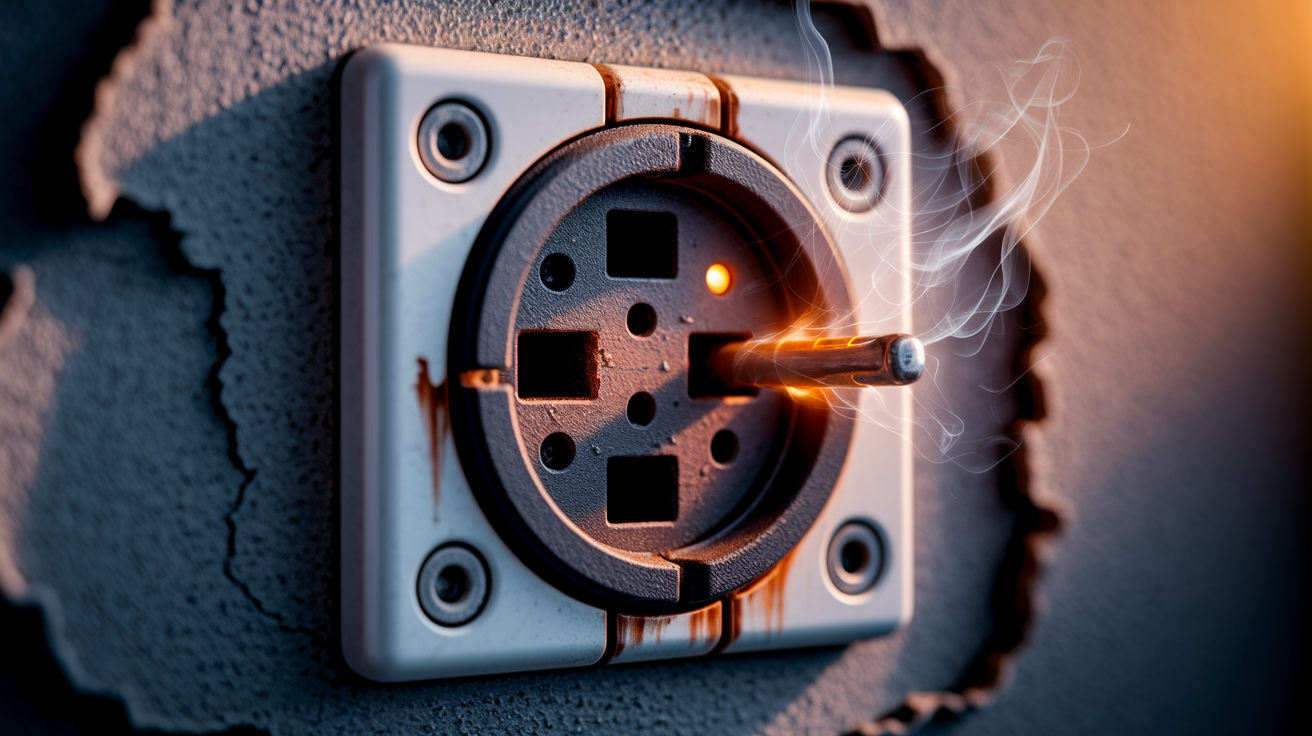
The smell of burning plastic from an outlet or switch isn’t a future warning. It means insulation is melting or has already melted, and the heat source is active right now. Discolored outlet faceplates (brown, black, or heat-warped plastic) show that the wiring behind the plate has been hot enough to scorch surrounding materials. The problem has been building for days or weeks. Warm outlets that feel noticeably hot to the back of your hand without touching internal contacts indicate loose or damaged connections generating heat continuously. Outlets that vibrate or buzz signal arcing or poor mechanical contact that’s cycling heat and sparks inside the box.

Flickering or dimming lights, especially when another appliance turns on, suggest that voltage is dropping because connections are resistive or circuits are overloaded. Shared wiring is being forced to carry more current than it was designed for. Buzzing or crackling sounds at switches, outlets, or inside walls are the audible signature of arcing. That’s the sound of electricity jumping gaps and vaporizing small amounts of metal with each cycle. Frayed wiring insulation, chew marks from rodents or pets, and exposed copper strands present immediate shock and fire danger. Those conductors can touch grounded metal or each other at any moment, completing a fault that draws high current and ignites insulation or nearby wood.

Six specific warning signs that require professional inspection:

Warning Sign What It Means
Frequent circuit breaker trips Trips that happen multiple times per month or repeat immediately after resetting indicate an overloaded circuit or a fault condition inside the wiring that the breaker is working to interrupt.
Flickering, buzzing, or dimming lights Lights that buzz when you flip the switch, flicker randomly, or dim noticeably when other devices run signal aged or damaged wiring, poor connections, or circuits that are carrying too much load.
Frayed or chewed wiring Visible insulation damage, exposed copper conductors, bite marks, or abraded wire jackets from rodents, pets, or amateur repairs create direct paths for arcing, shorts, and ignition.
Discoloration, scorching, or smoke at outlets Outlet faceplates or surrounding drywall with brown or black heat marks, melted plastic, or smoke residue mean wiring has been overheating and represents an active fire hazard.
Warm or vibrating wall outlets Outlets that feel warm to the touch without contact with internal wiring, or that vibrate when devices are plugged in, indicate loose or damaged connections generating heat and mechanical instability.
Burning or odd electrical odors Any burning, smoky, or unusual chemical smell near outlets, switches, or breaker panels can mean fire damage is already occurring inside the wall. Treat this as urgent and contact a licensed electrician immediately, or call emergency services if smoke or flame is visible.

Final Words

Right in the action, we explained how arcing, overheating, and failing insulation can light nearby materials and start a fire.

We leaned on NFPA numbers — about 440 deaths, 1,250 injuries, and $1.3B in yearly damage from electrical failure — and walked through the main warning signs and what they mean.

If you see issues, act fast: stop more damage, call a licensed electrician, and document for your insurer. With quick steps and proper repairs, you can prevent a faulty wiring fire hazard and get your home safe again.

FAQ

Q: Is faulty electrical wiring a fire hazard and what type of hazard is it?

A: Faulty electrical wiring is a serious fire hazard and electrical shock hazard. Arcing, overheating, and insulation failure can ignite nearby materials, causing structural fires and putting occupants at risk.

Q: How many house fires are caused by faulty electrical wiring?

A: Faulty electrical wiring is linked to many home fires; NFPA (2012–2016) reports an average yearly 440 civilian deaths, 1,250 injuries, and $1.3 billion in property damage from electrical failure or malfunction.

Q: How will you put out a fire caused by faulty wiring?

A: Putting out a fire caused by faulty wiring means first cutting power, then using a Class C-rated extinguisher (CO2 or dry chemical). If the fire is larger or power isn’t off, evacuate and call emergency services.

Flood Damaged Hardwood Floor Repair: Save Your Floors Fast

0

You’re staring at soaked hardwood floors right now and wondering if they’re ruined. Here’s the truth: you’ve got about 24 hours before permanent damage sets in, and what you do in that window decides whether you’re looking at repairs or full replacement. Water doesn’t just sit on top of hardwood. It soaks deep into boards and subfloors, causing swelling, buckling, and mold growth that spreads fast. This guide walks you through emergency response, damage assessment, and repair decisions that save floors instead of tearing them out.

Immediate Emergency Response for Water-Damaged Hardwood Floors

03XHWBz5S8eCaK3UdjE6WQ

The first 24 to 48 hours after you find flood damage determine whether your hardwood floors can be saved or need complete replacement. Permanent damage and mold growth happen fast during this window. Act immediately, and you might save the floor. Wait too long, and you’re looking at full removal.

Start by getting all standing water off the floor using whatever works fastest. Mop, towels, sponges, wet vacs if you’ve got them. Speed matters way more than technique right now. Every minute that water sits there, it’s soaking deeper into the wood and subfloor. Even small puddles sitting in board joints cause swelling that turns into buckling and separation.

Position dehumidifiers in the center of affected rooms to pull moisture from the air and wood at the same time. Place fans along walls and doorways to create cross ventilation that moves damp air out and dry air in. Open windows only if outdoor humidity is lower than what’s inside. Bringing in muggy summer air slows drying instead of helping. Run this equipment continuously, not just when you’re home during the day.

Here’s what to do first:

  • Get all standing water off floor surfaces using mops, towels, or wet vacs
  • Extract absorbed moisture using extraction equipment or absorbent materials pressed against wood
  • Position dehumidifiers centrally with doors closed to concentrate drying power
  • Set up air circulation using fans angled across floor surfaces and toward windows
  • Document all damage with photos showing water extent, floor conditions, and affected areas

Plan on running drying equipment for 3 to 7 days minimum before starting any repairs. Wood and subfloor materials hold moisture deep inside long after surfaces feel dry. Moisture meters confirm when readings drop to safe levels, typically 6 to 12 percent depending on your climate. Rush this step and repairs fail when trapped moisture resurfaces weeks later, buckling new boards and ruining refinishing work you just completed. Keep equipment running until readings confirm the floor is actually dry.

Diagnosing Water Damage Severity and Salvageability

dhUhIHATQB-0wOnQCv53Cg

Visual inspection tells you what happened and how deep the damage goes. Surface finish damage like cloudiness, white rings, or dull spots affects only the top coating, and refinishing fixes it. Structural wood damage including warping, splitting, or soft spots means water got into the board itself. Whether you can salvage it depends on how much swelling happened.

Cupping happens when board edges absorb water and swell higher than the center, creating a concave surface you can feel with your hand. Crowning is the opposite. Center sections rise higher than edges after uneven drying. Buckling means boards lifted completely away from the subfloor, usually near walls where water pooled longest. Discoloration patterns show where water traveled and which areas stayed wet longest. Musty odors mean mold is actively growing somewhere in the wood or subfloor, even if you can’t see it yet. Soft spots when you walk suggest rot has started breaking down wood fibers, and those sections won’t regain strength even after drying.

Use a moisture meter by pressing pins into the wood at multiple locations throughout damaged areas. Normal moisture content ranges from 6 to 12 percent depending on whether you live in dry or humid climates and what wood species your floor uses. Readings above 20 percent indicate active moisture still moving through wood fibers. Readings between 12 and 20 percent mean drying is happening but not finished. Only readings in the normal range indicate you’re ready for repairs. These numbers prevent you from starting repairs too early when hidden moisture causes new boards to swell or freshly applied finish to bubble and peel weeks after you finish.

What you find tells you whether drying and refinishing will work or whether sections need replacement. Light cupping that flattens after drying can be sanded and refinished. Severe buckling, permanent crowning, or soft spots require board replacement and possibly subfloor work.

Subfloor Inspection and Hidden Structural Damage

BfpelTS5SeKnndWB-pWlaA

Subfloor condition determines whether floor repair makes sense or whether you’re installing new boards over compromised structure that fails within months. Hidden damage beneath visible flooring often exceeds what you see on the surface, especially when water sat for hours before you discovered it.

Remove damaged or buckled planks carefully using a pry bar, working from the center of damaged sections outward. Slide the flat end under board edges and lift gently to avoid splintering surrounding boards that might be salvageable. Once planks come up, inspect the subfloor for dark staining indicating rot, fuzzy white or black patches showing mold growth, moisture that hasn’t dried, delamination where plywood layers separate, and soft spots that compress when you press them. Plywood or OSB subflooring breaks down rapidly when wet, losing structural integrity even after drying.

Check floor joists beneath subfloor sections if you can access them from below through a basement or crawlspace. Joists showing rot, sagging, or water staining need repair before you install anything above them. Structural damage here means the floor system can’t support weight properly, and new hardwood boards won’t fix that.

Document everything you find with photos showing extent of hidden damage, subfloor conditions, and structural issues before you cover them up again. Insurance adjusters need this evidence to approve claims covering subfloor replacement and structural repairs. These findings also affect how long repairs take, what materials you need to order, and total project costs that might exceed initial estimates based only on surface damage inspection.

Complete Cleaning, Sanitization, and Mold Safety Protocols

ZqGOnXWCQ0qjFuhNUVHz1g

Water contamination level determines what cleaning protocols keep your home safe during repairs. Category 1 damage comes from clean water sources like supply line breaks and requires standard cleaning. Category 2 gray water from appliances like washing machines or dishwashers contains contaminants including detergents, food particles, and bacteria requiring more thorough sanitization. Category 3 black water from sewage backups or river flooding contains dangerous pathogens requiring professional remediation with protective equipment and aggressive disinfection that homeowners shouldn’t attempt alone.

Remove all loose debris, dirt, and sediment from exposed wood and subfloor surfaces using a shop vacuum or broom. Pay attention to crevices where floorboards meet, joints in subfloor panels, and gaps along walls where contaminated water deposits particles that feed mold growth. Clean surfaces thoroughly before applying disinfectants so solutions contact wood directly instead of sitting on top of dirt layers.

Mix disinfecting solution using one part household bleach to nine parts water in a spray bottle or bucket. Test this solution on a hidden section first, maybe inside a closet or under where furniture sits, because bleach can lighten some wood species. Spray or wipe solution onto all exposed wood and subfloor surfaces, letting it sit for 10 to 15 minutes to kill mold spores and bacteria. You don’t need to rinse after bleach treatment if you’re leaving the area open to dry, but wipe excess solution off if it’s pooling. Allow treated areas to dry completely before moving forward with repairs, running fans to speed drying.

Professional anti-microbial treatments become necessary when you’re dealing with Category 2 or 3 contamination, when visible mold growth has already started spreading, or in situations where household members are immunocompromised.

Address persistent musty odors with ventilation first, opening windows and running fans to exhaust damp air. Place activated charcoal bags in affected rooms to absorb odor molecules. Apply enzyme cleaners designed for organic odor elimination if smells continue after drying completes. Odors that won’t go away indicate hidden moisture pockets or active mold still growing somewhere you haven’t found yet.

Hardwood Floor Board Replacement Techniques

0CNdMIXhTZC8Xd68lHO1qA

Replace boards when drying doesn’t flatten cupping, when buckling caused permanent distortion, or when water damage created splits and soft spots that won’t regain strength. Engineered hardwood poses different replacement challenges than solid wood floors because thin wear layers limit sanding options and floating installation methods need different repair approaches than nail down installations.

Finding boards that match existing flooring presents the hardest part of replacement. You need identical wood species, matching dimensions in width and thickness, and color and grain patterns that blend invisibly after installation. New boards look obviously new next to aged flooring that developed patina over years. Some manufacturers discontinue products, making exact matches impossible. Consider ordering extra boxes if your floor is newer and still in production.

Remove damaged sections by cutting them out with a circular saw set to flooring thickness depth, stopping short of adjacent boards you’re keeping. For tongue and groove systems, use a chisel to split remaining pieces and extract them from interlocking joints without damaging neighboring board edges. Clean exposed subfloor, removing old adhesive, nails, or staples that prevent new boards from sitting flat.

Adhesive Type Best Application Container Size
Junckers Parquet Adhesive Professional grade installations requiring maximum bond strength and long term durability 17kg containers
WFUK Floorbond Cost effective repairs offering reliable bonding for standard hardwood installations Various sizes
PVA Glue Small repairs, loose planks, or tight spots where spreading larger adhesives is difficult Standard bottles

Install replacement boards by applying adhesive to subfloor or board backs depending on manufacturer specifications, fitting them snugly into place without gaps. Secure with flooring nails or staples at the tongue angle if using nail down methods. Make sure new boards sit level with surrounding floor height, sanding high spots if needed before finish coats.

Sanding and Refinishing Water Damaged Floors

XjN4Me-LRl-HDBJIOOP7wg

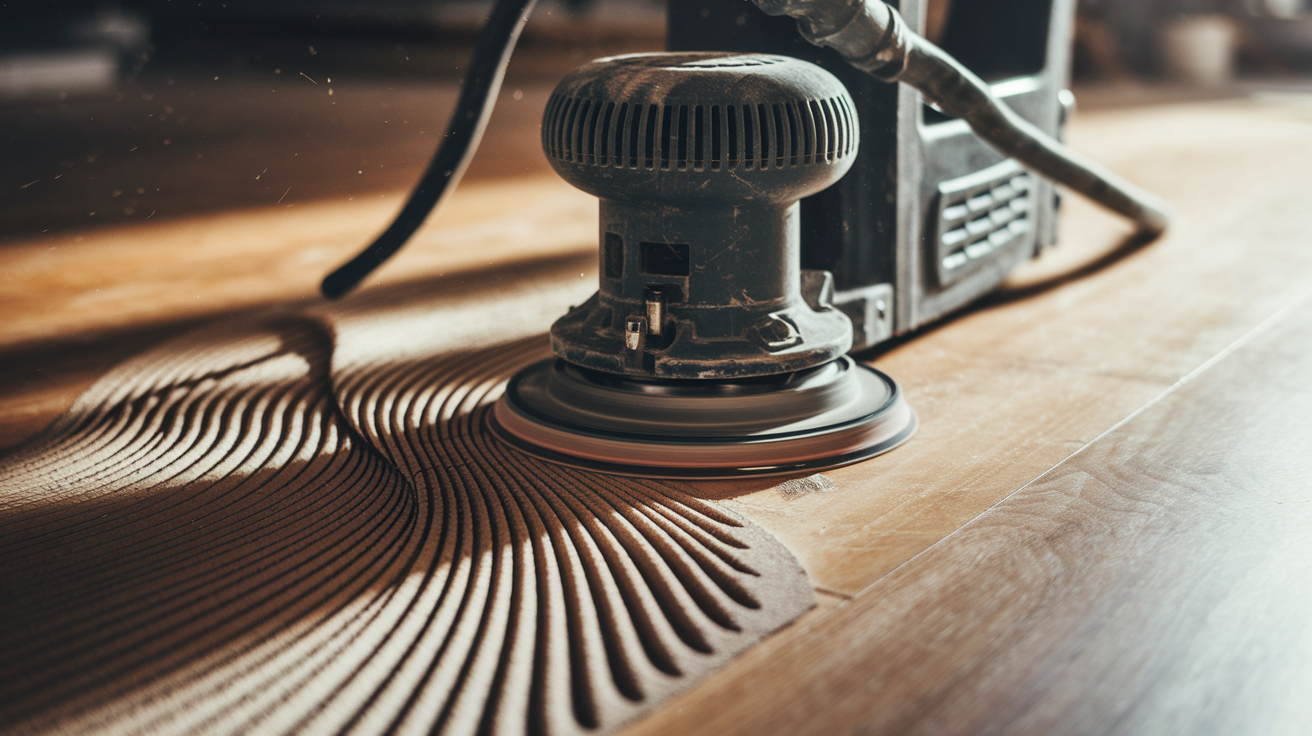
Full floor sanding becomes necessary when water damage affected finish coats across large areas, when you’ve replaced multiple boards in visible locations, or when color matching requires blending new and old wood together. Spot refinishing works only when damage is isolated and you can feather edges to hide transition lines.

Start sanding with coarse grit paper, 36 or 60 grit, to remove damaged finish layers, water stains penetrating into wood, and surface irregularities from swelling. Move through medium grits like 80 or 100 to smooth scratches left by coarse paper, then fine grits around 120 or 150 for final smoothing before staining. When blending new boards with existing floors, focus sanding on replacement areas first, then feather outward to gradually transition into original flooring.

Vacuum thoroughly after each grit change and especially before staining. Dust particles trapped under finish coats create rough, gritty surfaces that feel wrong and look cloudy. Wipe floors with a tack cloth for final dust removal, making sure you’ve cleared every grain of sawdust from crevices.

Test stain colors on scrap pieces of your replacement boards or in closets where mistakes don’t show. Matching aged floor color precisely is difficult because wood darkens over years of light exposure and finish oxidation. You might need custom stain mixing or multiple coats to get close to original tones.

Apply protective polyurethane finish in 2 to 3 coats depending on product specs and desired durability. Water based polyurethane dries faster but oil based versions provide richer color depth and harder surface protection. Allow each coat to cure completely per manufacturer timing instructions, usually 4 to 6 hours between coats and 24 to 48 hours before allowing foot traffic. Proper sealing prevents moisture from getting into wood surfaces during future spills, protecting your restoration investment.

Professional Restoration Services vs DIY Repair Methods

Uwg6FRM1QdqUQyHKpESXQw

DIY approaches work for minor water damage affecting small areas where you caught flooding quickly and limited it to surface level issues. Once damage extends beyond a single room, requires subfloor replacement, involves Category 2 or 3 water contamination, or includes mold growth penetrating into wood, professional help prevents mistakes that cost more to fix than hiring experts initially.

Professional restoration companies bring industrial dehumidifiers that extract moisture ten times faster than consumer models, thermal imaging cameras that detect hidden water in walls and subfloors, and moisture mapping technology that tracks drying progress scientifically. They document everything for insurance companies, understanding exactly what adjusters need to approve claims. Their supplier relationships give them access to discontinued flooring products and matching materials homeowners can’t locate. Experienced crews complete in days what takes homeowners weeks working evenings and weekends, reducing how long you can’t use affected rooms.

Situations requiring professional help include:

  • Sewage contamination or Category 3 black water requiring hazmat protocols and specialized disinfection
  • Structural damage to floor joists, support beams, or foundation elements needing engineering assessment
  • Mold growth spreading beyond surface levels into wall cavities or subfloor materials
  • Engineered hardwood repairs requiring precise thickness matching and specialized installation methods
  • Insurance claim situations where documentation quality affects coverage and reimbursement amounts

When selecting contractors, verify certifications from the Institute of Inspection, Cleaning and Restoration Certification, ask for local references from recent flood damage projects, confirm their experience documenting claims and working directly with insurance adjusters, and check licensing requirements in your state for peace of mind during urgent repair situations when you don’t have much time for vetting. For water damage restoration professionals handling severe flooding or extensive hardwood damage, certifications and experience determine restoration success.

Insurance Claims and Damage Documentation Process

at9IFt8qT7O15MEmXbs06g

Start documenting immediately after discovering damage, before removing water or moving belongings. Photograph standing water showing depth and extent, damaged floor sections from multiple angles, affected furniture and belongings, and water source if you can identify it. These images prove damage timing and severity that adjusters need to approve claims.

Insurance companies require specific information including water source identification like burst pipe, appliance failure, or flooding, timeline showing when damage occurred and when you discovered it, square footage calculations measuring total affected areas, and detailed descriptions explaining what happened to floors, subfloors, walls, and contents. The more thorough your documentation, the faster claims process and the less likely disputes arise over coverage scope.

Water damage category classification matters significantly for insurance purposes. Clean water, Category 1, from supply lines typically receives full coverage under standard homeowner policies. Gray water, Category 2, from appliances may require additional remediation that increases claim amounts. Black water, Category 3, from sewage or flooding often needs separate flood insurance or specific policy endorsements, and coverage limitations differ dramatically from standard water damage claims.

Work with your insurance company by responding promptly to adjuster inspection requests, reviewing scope agreements carefully before signing to make sure all damage is included, keeping all documentation including receipts, moisture readings, photos, and contractor estimates, and filing supplemental claims when repairs reveal hidden damage like subfloor rot or structural issues not visible during initial assessment. Professional restoration companies assist with claim paperwork and insurance company communication that many homeowners find overwhelming when dealing with home damage stress at the same time. Document everything, communicate clearly, and don’t start permanent repairs until adjusters inspect and approve your scope of work.

Cost Breakdown and Project Timeline Expectations

kPRmSK9TS6GTC3MaYxSaCQ

Repair costs vary based on damage severity, wood species, square footage affected, and labor rates in your region. Exotic hardwoods cost significantly more than oak or maple. Structural subfloor work doubles or triples project budgets. Geographic location affects contractor availability and hourly rates.

Repair Type Cost Range Per Sq Ft Timeline
Minor refinishing (surface finish damage only) $3-8 3-5 days
Board replacement with refinishing (partial floor) $8-15 5-10 days
Subfloor and floor replacement (extensive damage) $15-25 10-20 days
Full restoration with structural repairs (severe flooding) $25+ 3-6 weeks

Timeline variables include initial drying requirements that absolutely must complete before repairs begin. Rush this step and you guarantee failure. Material sourcing delays happen when matching discontinued products or special ordering wood species and finishes. Water contamination level extends sanitization time, especially Category 2 or 3 situations requiring multiple treatment applications and verification testing. Hidden damage discovered during demolition adds time for structural repairs, additional material orders, and permit inspections if required.

Refinishing costs 40 to 60 percent less than full replacement when floors are salvageable, but consider expected longevity after repair. Floors damaged repeatedly from basement moisture issues or plumbing problems might need replacement for long term reliability. Think about home value considerations. High end homes benefit from matching original hardwood character, while rental properties might choose cost effective replacement with engineered products. Replacement becomes more cost effective when damage is severe, boards are extensively buckled, or subfloor work already requires complete floor removal regardless.

Vapor Barriers and Long Term Moisture Protection

O56BTM7NQ0SQffxfrAY5jw

Vapor barriers prevent ground moisture from moving up through concrete slabs and crawl spaces, causing the hardwood damage cycles that repeat every few years when ignored. This plastic or foil sheeting installs between subfloor and hardwood, blocking moisture vapor before it reaches wood.

Test concrete subfloors for moisture before installing hardwood by taping plastic sheets to several locations and checking after 24 hours. Condensation on plastic undersides indicates moisture problems requiring vapor barriers or moisture mitigation products. Use hygrometers to measure relative humidity in installation areas, targeting 30 to 50 percent for optimal wood stability. Readings above 60 percent cause wood expansion and cupping even without flooding events.

Water resistant sealants and protective coatings applied to finished floors provide temporary protection during minor spills when you wipe them up promptly. These products won’t prevent flood damage from standing water but extend the grace period before moisture penetrates wood surfaces, giving you a few extra minutes to respond.

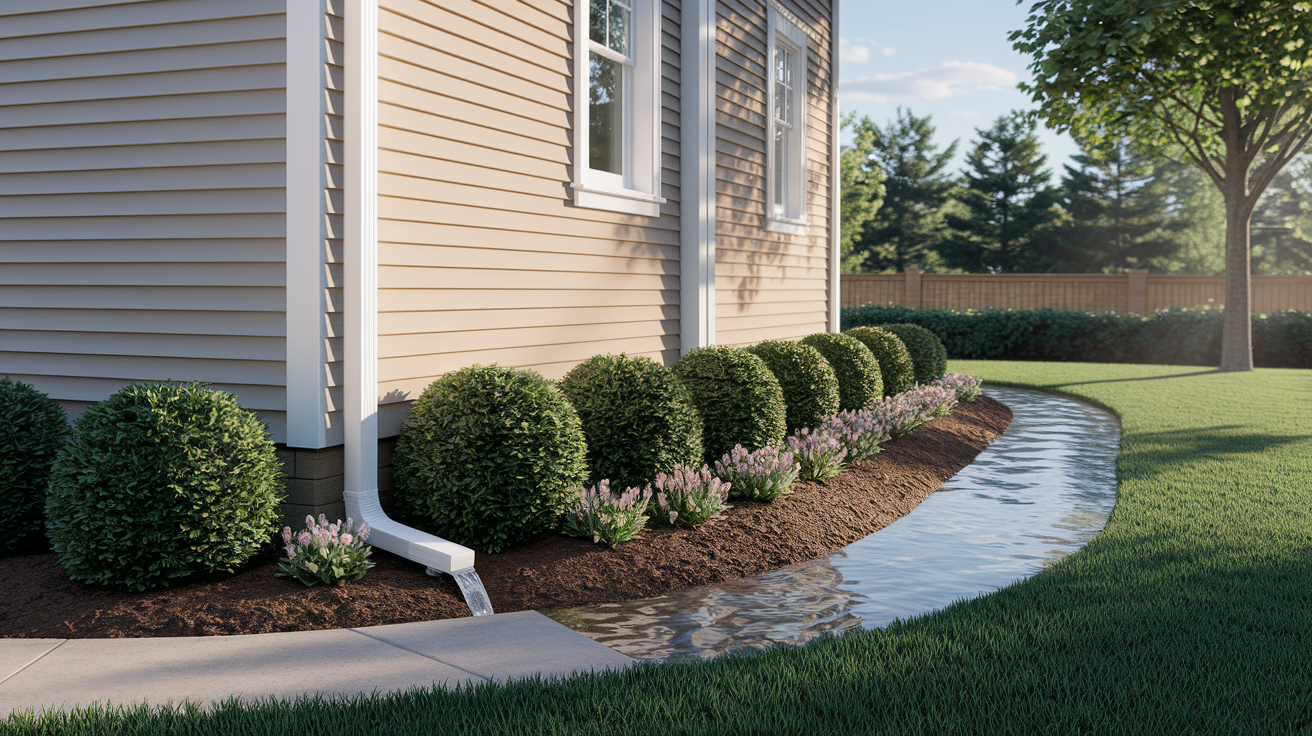
Whole house prevention addresses root causes instead of repeatedly repairing symptom damage. Grade soil away from foundations so water flows away from the house rather than pooling against basement walls. Maintain gutters and downspouts to control roof runoff effectively, extending downspouts at least 6 feet from foundations. Install appliance leak detection systems that shut off water supply automatically when sensors detect moisture. Schedule annual plumbing inspections to identify deteriorating pipes, failing water heater tanks, and supply line problems before they burst.

Maintenance Tips and Future Flood Protection Strategies

Daily spill cleanup prevents moisture penetration that leads to finish damage and board swelling. Wipe water immediately using towels, avoiding standing moisture that seeps into seams and edges. Monitor humidity weekly using hygrometers, adjusting dehumidifiers or ventilation to maintain 30 to 50 percent relative humidity. Inspect high risk areas monthly including under sinks, behind appliances, around water heaters, and near exterior doors where weather intrusion occurs.

Prevention strategies that protect your restoration investment include:

  • Clean gutters twice yearly, spring and fall, to prevent overflow and foundation water intrusion
  • Replace washing machine supply hoses every 5 years before deterioration causes burst failures
  • Inspect water heaters annually for tank corrosion, sediment buildup, and pressure relief valve function
  • Grade foundation perimeters to slope away from house, directing surface water away from basement walls
  • Test sump pumps quarterly by pouring water into pit, verifying pump activation and discharge function
  • Know emergency water shut off valve locations for quick response when leaks begin

Upgrade appliance supply lines from rubber to braided stainless steel that resists bursting. Install drain pans under water heaters and washing machines to contain leaks before they spread across floors. Add automatic shut off devices that close water supply valves when flow sensors detect unusual usage patterns indicating leaks. Install leak detection sensors in high risk locations that alert you via smartphone apps before minor leaks become flooding events requiring emergency water damage prevention measures.

Building codes establish minimum installation standards, but exceeding requirements provides long term durability and flood resistance. Specify 6 mil polyethylene vapor barriers instead of minimum 4 mil thickness. Choose marine grade plywood for subfloors in moisture prone areas instead of standard OSB that delaminates faster when wet. Follow manufacturer installation specifications exactly regarding acclimation time, fastener spacing, expansion gaps, and adhesive coverage rates that determine whether floors withstand minor water exposure or fail immediately.

Final Words

Flood damaged hardwood floor repair starts the moment you discover water and doesn’t end until you’ve protected against the next risk.

Speed matters in the first 48 hours. Thorough drying sets up everything that follows. Proper assessment tells you what’s salvageable and what needs replacement.

The difference between a floor that lasts and one that fails again comes down to subfloor integrity, complete sanitization, and moisture protection you can’t see.

Whether you tackle minor repairs yourself or bring in restoration professionals for severe damage, the goal stays the same: dry, safe, structurally sound floors that look finished and stay that way.

FAQ

Can hardwood floors be repaired after water damage?

Hardwood floors can be repaired after water damage if you act within 24-48 hours, completely dry the wood and subfloor, and the boards show only cupping or minor warping rather than severe buckling or rot.

How much does it cost to repair a water-damaged wood floor?

Water-damaged wood floor repair costs range from $3-8 per square foot for minor refinishing to $15-25 per square foot for subfloor and floor replacement, depending on damage severity and wood species.

Will insurance pay for water damage to a wood floor?

Insurance typically pays for water damage to wood floors caused by sudden events like pipe bursts or appliance leaks, but excludes gradual damage from neglected maintenance or flooding without separate flood insurance.

Can you reverse water damage on wood?

You can reverse minor water damage on wood through complete drying, sanding away surface discoloration, and refinishing, but severe structural damage like buckling, rot, or mold growth requires board replacement instead of reversal.

How long does it take to dry water-damaged hardwood floors?

Drying water-damaged hardwood floors takes 3-7 days minimum with dehumidifiers and fans running continuously until moisture meter readings reach 6-12 percent, the acceptable range before starting repairs.

What is the difference between cupping and buckling in hardwood floors?

Cupping in hardwood floors means board edges are higher than the center from moisture absorption, while buckling means boards lift completely from the subfloor, indicating more severe damage requiring replacement.

When should you replace hardwood flooring instead of repairing it?

You should replace hardwood flooring instead of repairing when boards show severe buckling, the subfloor has rot or structural damage, mold growth penetrates beyond surface level, or repair costs exceed 60% of replacement costs.

What type of water damage requires professional restoration services?

Water damage from sewage contamination, extensive square footage over 100 square feet, structural subfloor damage, visible mold growth, or insurance claims typically requires professional restoration services rather than DIY repair.

How do you match replacement hardwood boards to existing flooring?

Matching replacement hardwood boards to existing flooring requires finding the same wood species, grain pattern, and board dimensions, then staining to blend with the aged patina of surrounding boards.

What moisture level is safe for hardwood floor installation?

Safe moisture levels for hardwood floor installation range from 6-12 percent depending on climate and wood type, measured with a moisture meter on both new boards and existing subfloor before beginning work.

Should you use a vapor barrier under hardwood flooring?

You should use a vapor barrier under hardwood flooring installed over concrete slabs or crawl spaces to prevent ground moisture migration that causes repeated damage cycles and premature floor failure.

How often should you inspect hardwood floors for water damage?

You should inspect hardwood floors for water damage monthly around high-risk areas near appliances, plumbing fixtures, windows, and exterior doors, plus immediately after any water event or humidity increase.

Roof Tarp Leak Prevention: Protect Your Home from Water Damage

Think a tarp flapped over your roof will keep water out? Not always.
If it stops short or sags, water will find its way underneath.
Every hour water runs in, the deeper it soaks into insulation, framing, and drywall.
So acting fast and installing a tarp the right way matters.
This post walks you through the steps that actually stop leaks, measuring and sizing the tarp, anchoring edges, preventing pools, and doing it safely so you protect your home and avoid costly repairs.

Immediate Actions to Stop a Roof Leak Using a Tarp

dfqzw4tMRcWqTbHz6lqRHg

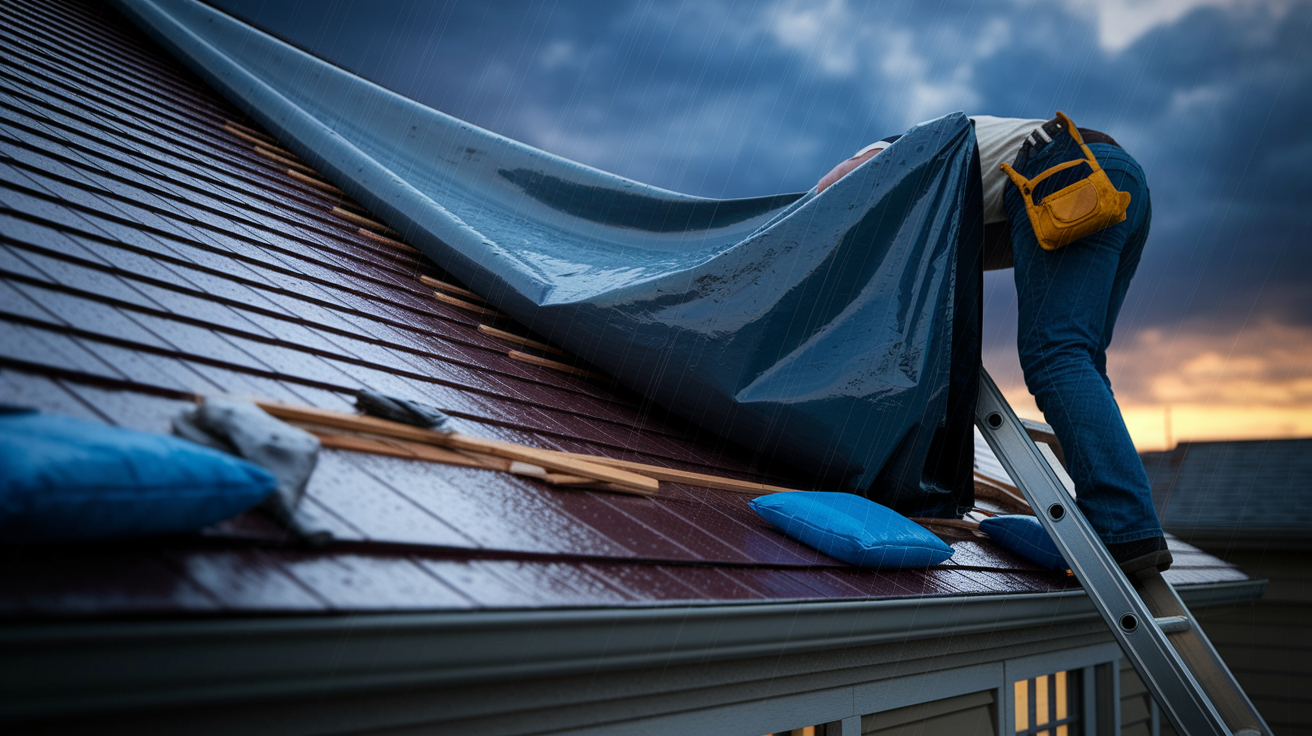
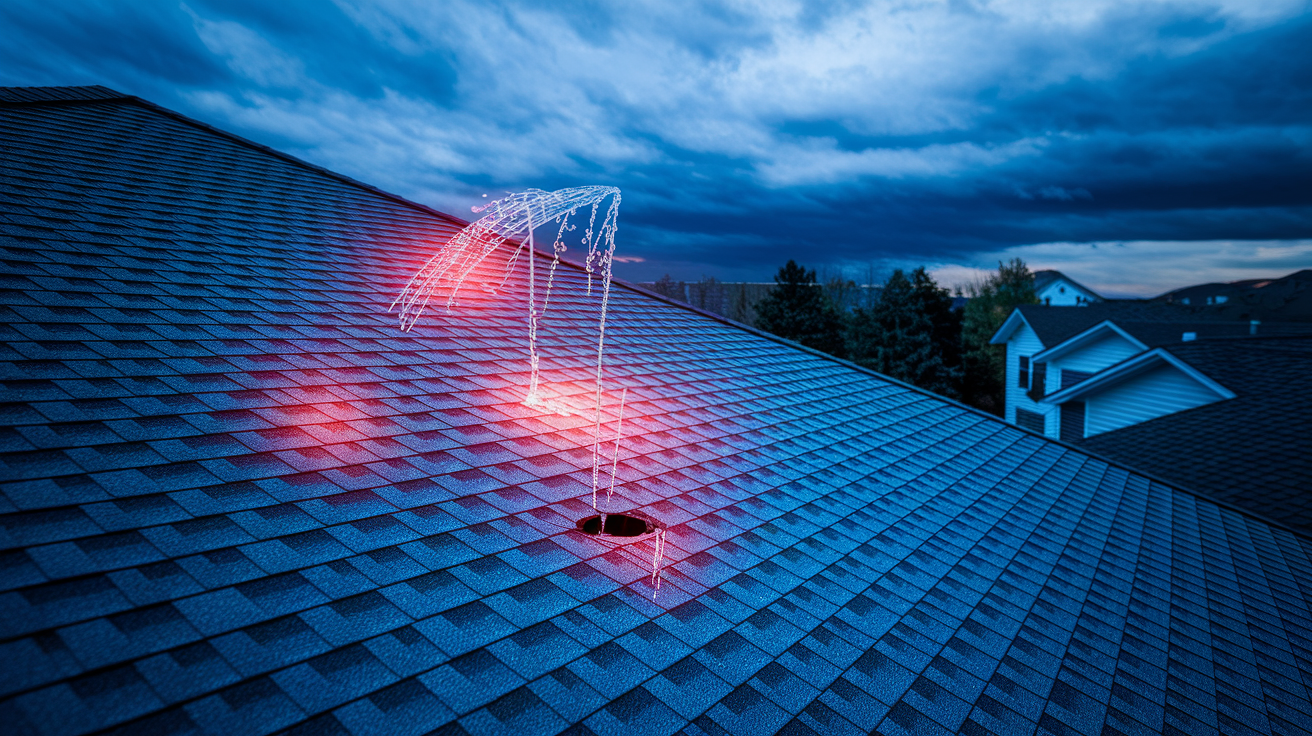
When you discover a roof leak during or after a storm, your first goal is stopping water from reaching your home’s interior. Speed matters. Every hour water runs in, the deeper it soaks into insulation, framing, and drywall.

Before you climb, try to locate the entry point from inside. Look for water stains, dripping, or wet spots on the ceiling. Then check from outside using a ladder. Just lean enough to see the damage from the edge. Don’t walk on a wet or damaged roof. Once you know where the water’s getting in, you can plan tarp coverage that actually stops it.

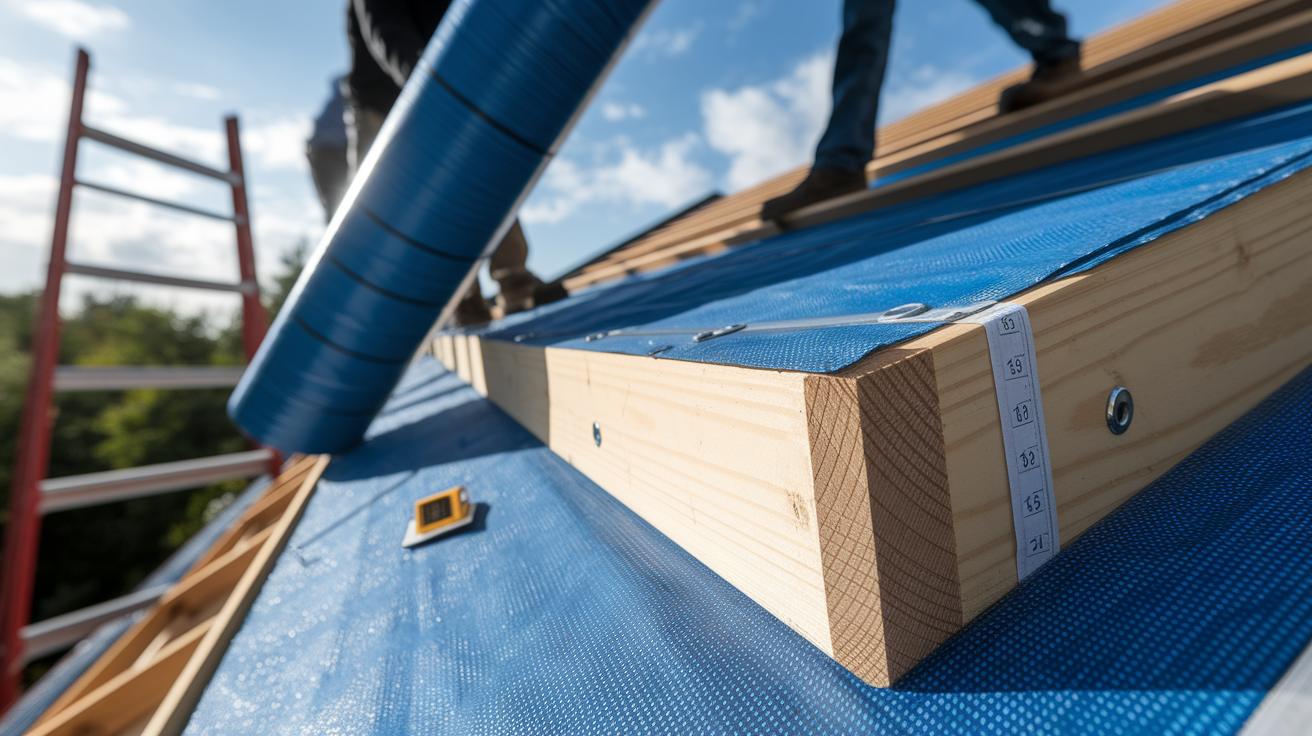
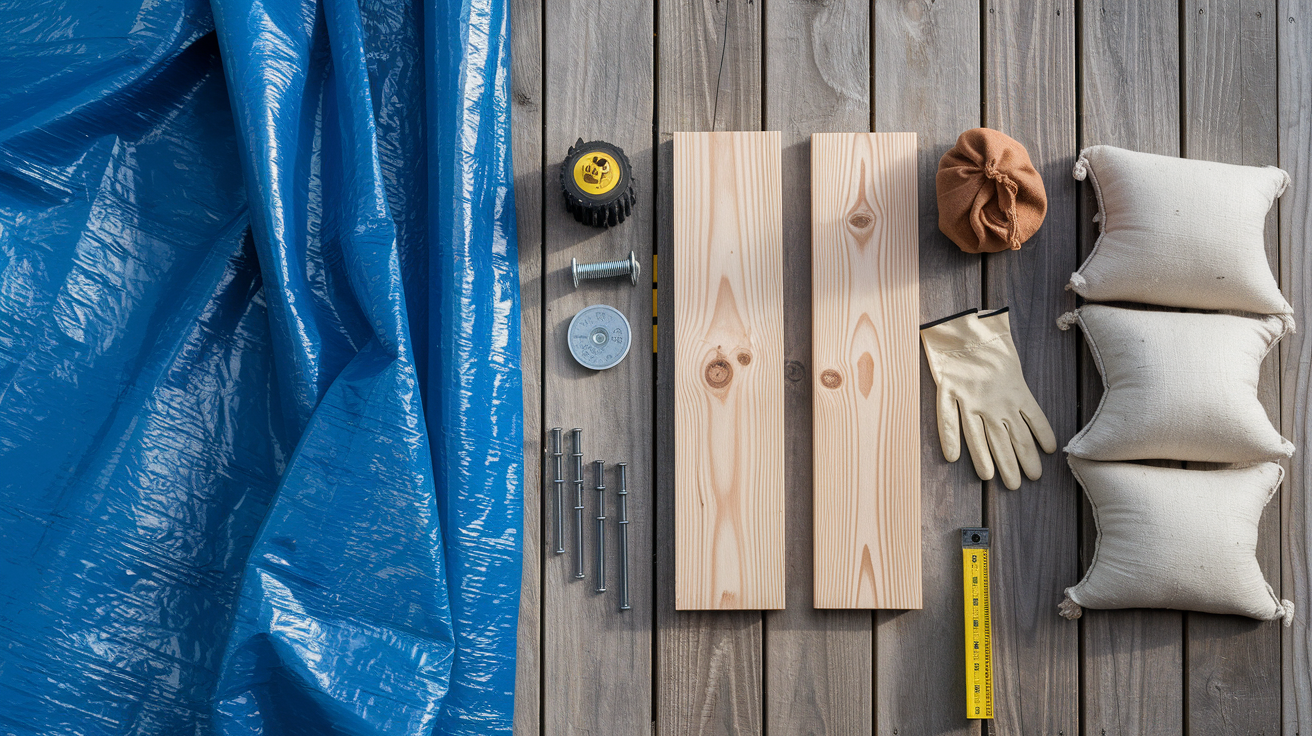
The tarp must extend at least 3 to 4 feet past every edge of the damaged area. If you cover only the hole, water running down the slope will find its way underneath. Pull the tarp tight across the surface so water can’t collect in sagging pockets. Standing water weighs the tarp down, stretches the material, and eventually tears grommets or seeps through seams.

Here’s the sequence to follow:

  1. Clear loose debris from the roof surface around the damage using a broom or your hands (wear gloves).
  2. Measure the damaged area and add 3 to 4 feet on all sides to determine minimum tarp size.
  3. Unroll the tarp on the ground to check for holes or weak grommets before you carry it up.
  4. Position the tarp so it covers from below the damaged area up and over the roof ridge when possible, letting it drape a few feet down the opposite slope.
  5. Stretch the tarp flat and smooth out wrinkles. Each fold or crease is a channel for water.
  6. Anchor the upper edge first, then work downward so gravity helps hold the tarp in place while you secure it.
  7. Use 5 to 8 sandbags, wood strips with screws, or weighted anchors along every edge to prevent wind lift and keep water from sneaking underneath.

Improper placement is the number one reason tarps fail. If the tarp stops short of the damage perimeter or sags in the middle, you’re just redirecting the leak instead of stopping it.

Step-by-Step Instructions for Proper Roof Tarp Installation

SCyNmuY_QiK5A6mrfXOceA

Roof tarp installation is methodical work. Rushing or skipping a step usually means you’ll be back up there adjusting it after the next rain.

Start by removing all loose shingles, nails, and debris from the area you plan to cover. Use a roofing shovel or stiff broom. You want a clean, relatively smooth surface so the tarp can lie flat. Debris left under the tarp will poke holes or create high spots where water pools.

Follow these steps in order:

  1. Measure the damaged section with a tape measure and write down the length and width.
  2. Add at least 3 feet to each side of those measurements to determine your minimum tarp dimensions.
  3. Lay the tarp flat on the ground and inspect every grommet and seam for tears or weak spots.
  4. With a second person, carry the folded tarp up the ladder and position it near the damaged area. Don’t unfold it fully until you’re ready to place it.
  5. Unfold the tarp so the upper edge extends over the roof ridge if the damage is near the peak, or so it reaches at least 4 feet above the highest point of damage if the roof slope allows.
  6. Smooth the tarp from the center outward, pressing out air pockets and wrinkles as you go.
  7. Wrap the top edge of the tarp around a 2×4 or similar wood strip, then fasten the wood strip to the roof with 2 inch roofing screws spaced every 12 to 18 inches. This distributes pressure and prevents tearing at the grommets.
  8. Repeat the wood strip method on the left and right edges, pulling the tarp taut before you fasten.
  9. Secure the lower edge the same way, angling the wood strip slightly so one end sits lower than the other to promote drainage off the tarp.
  10. Walk the perimeter and tug each section to confirm it’s tight, then add sandbags or additional fasteners at any spot that feels loose or could catch wind.

Once installed, check that water will flow down and off the tarp without hitting a ridge or fold. A wrinkle that holds even a shallow pool will work its way into a sag, then a tear.

Common mistakes at this stage include nailing the tarp directly to the roof without a backing board. Those nails rip through the first strong gust. Another is positioning the lower edge too high, leaving a gap where wind driven rain sneaks in. And many people forget to angle the anchor boards for drainage, so water dams behind a perfectly level strip and leaks underneath anyway.

Choosing the Right Tarp Size and Material

cF9Xwip6Tfa6f7bftKmFyw

Not all tarps are built to handle roof duty. A thin tarp from the discount bin might cover a woodpile, but it won’t survive wind, sun, and freeze thaw cycles on your roof.

Look for polyethylene tarps rated between 10 and 16 mil thickness. That range offers a balance of tear resistance and flexibility. Thin enough to drape over roof contours, thick enough to resist punctures from rough decking or nail heads. UV resistant coatings extend the tarp’s lifespan when it’s exposed to direct sun all day. High denier weaves (the thread count of the tarp fabric) add strength, especially at stress points like corners and grommets. Blue tarps are the most common and cheapest, but they degrade faster under UV exposure. Heavy duty silver or white tarps with reinforced edges and closer grommet spacing last longer and handle more abuse.

Key qualities to prioritize:

10 to 16 mil thickness for weather resistance and tear strength
UV resistant coating to prevent brittleness and cracking in sunlight
Grommets spaced 18 to 24 inches apart for secure anchoring without excessive tearing
Reinforced hems (double or triple fold) to handle tension from wind and fasteners
Waterproof rating confirmed by the manufacturer. Some “water resistant” tarps will leak under pooling or driving rain.

A 10×20 foot tarp typically costs $30 to $80 for contractor grade polyethylene, while a 20×30 foot heavy duty version runs $75 to $150. Spending an extra $40 now is cheaper than replacing a torn tarp mid storm or dealing with new water damage inside.

Safety Precautions When Working on a Roof

VO0Y1DmnQvOynjV2k3h6ow

Roofs are already slippery when dry. Add water, loose shingles, or moss, and the risk of falling goes up fast.

Wet roofs are the most dangerous. Water on shingles or metal creates a film you can’t grip. If it’s raining or the roof is still damp from the storm, wait. The tarp can go up as soon as conditions are safe, even if that’s a few hours later. Wind above 15 mph makes handling a large tarp nearly impossible. It acts like a sail and can pull you off balance or off the roof entirely. Check the forecast and plan your work during a calm window.

Use a safety harness if you’re stepping onto the roof surface, and anchor it to a solid roof mounted anchor point or a sturdy chimney. Harnesses won’t prevent a slip, but they’ll stop a fall. If you’re working from a ladder only, position it at a 4 to 1 ratio: for every 4 feet of height, the base should sit 1 foot away from the wall. Extend the ladder at least 3 feet above the roof edge so you have something to hold when you step on and off.

Never tarp a roof alone. A second person stabilizes the ladder, helps manage the tarp in wind, and can call for help if something goes wrong. If your roof is steeper than a 6 in 12 pitch (rises 6 inches for every 12 inches of run), or if you’re uncomfortable with heights, hire a professional. Emergency roof tarping services typically cost $200 to $500 and include the safety equipment and experience to do the job without injury.

Methods for Securing a Roof Tarp to Prevent Wind Lift and Water Intrusion

E22yXdRfRcC1Z1BxOcjW_A

A tarp that isn’t anchored correctly will flap, tear, or blow off entirely. The goal is to lock down every edge and prevent wind from getting underneath.

The most reliable method is the wood strip sandwich: wrap the tarp edge around a 2×4, then screw the board into the roof decking through the tarp. This spreads the load across the entire strip instead of concentrating stress at individual grommets. Use exterior grade screws, not nails. Nails pull out under repeated wind flexing. Space screws every 12 to 18 inches along the board. For overlap areas where two tarps meet, create a 6 to 12 inch overlap and secure both layers with a single wood strip running the length of the seam.

Sandbags work for short term coverage, especially along the lower tarp edge where you don’t want to penetrate the roof again. Use heavy duty plastic or burlap sandbags, 40 to 60 pounds each, and space them 2 to 3 feet apart. They won’t stop high wind, but they’ll hold the tarp in light to moderate conditions for a few days.

Securing Method Best For Durability
2×4 wood strips with screws Edges and ridgelines; long term anchorage High, lasts months if installed correctly
Sandbags Lower edges; temporary use under 2 weeks Low to moderate, shifts in high wind
Roofing nails through grommets Emergency fast fix only Low, tears grommets under stress
Adhesive roof tarps Flat or low slope roofs; avoiding new punctures Moderate, may lift at edges after UV exposure
Rope and ground anchors Securing lower tarp edge on accessible slopes Moderate, requires tensioning and adjustment

Incorrectly placed fasteners (driving screws into rotten decking, for example) won’t hold. Before you anchor, probe the wood with a screwdriver to confirm it’s solid. If the decking is soft or spongy, shift your anchor point to a firmer area or add a plywood backer under the 2×4 to spread the load.

Temporary vs. Long-Term Roof Tarp Solutions

gU_rSEfSVGlEZAO9-lZng

A roof tarp is not a roof. It’s a stopgap that buys you time to schedule repairs, file an insurance claim, or wait out the contractor backlog after a major storm.

Temporary tarps (basic polyethylene with standard grommets) are designed for 30 to 90 days of coverage. During that window, expect to inspect the tarp weekly and adjust or replace it if it tears, shifts, or starts to degrade from UV exposure. These tarps are fine if you’re scheduling a roofer within a month and just need to keep rain out until they arrive.

Heavy duty tarps with UV coatings and reinforced edges can last up to a year when properly anchored, but that’s still not a permanent solution. Even the best tarp will break down under sun, freeze thaw cycles, and wind. Water may still find its way under the tarp through small gaps, and any moisture trapped between the tarp and the decking can promote rot and mold growth underneath. Problems you won’t see until the tarp comes off.

Factors that shorten tarp lifespan:

Direct sun exposure causes UV breakdown and brittleness within weeks on low grade tarps
High winds stress grommets and anchor points, leading to tears
Snow load if the tarp sags, snow piles up and the weight can rip the material or pull fasteners loose
Poor anchoring that allows the tarp to flap creates fatigue stress and accelerates wear

The right approach is to treat every tarp as temporary and plan for permanent roof repair beneath it. If you’re past 90 days and still tarped, inspect the decking underneath for hidden moisture and rot before the new shingles go on.

When to Call a Professional Roofer

FMddKvA0TnG5nIVkEhl8nQ

Some roof damage is too severe, too steep, or too risky for a homeowner to tarp safely. Knowing when to stop and call a roofer prevents injuries and often prevents worse damage.

If you see structural deck damage (sagging plywood, broken rafters, or holes larger than a few square feet) do not climb onto that roof. The decking may not support your weight, and tarping over structural damage without shoring it up first can collapse the weakened section. Widespread shingle loss (more than 30 percent of a slope) or large punctures from falling trees usually mean the underlayment is compromised too. A tarp might slow the leaks, but you’ll need a professional to assess the full extent and whether temporary shoring or emergency repairs are necessary before tarping.

Timing matters as much as damage type. Water begins promoting mold growth in as little as 48 to 72 hours when conditions are warm and humid. If you can’t get the tarp up within a day of the storm and the forecast shows more rain, calling an emergency roofer keeps the timeline short. Many roofers offer same day or next day tarping services for $200 to $600, depending on the size and access difficulty. Worth it if the alternative is continued soaking and interior damage that adds thousands to your repair bill.

Professional roofers also bring the safety equipment, experience, and insurance coverage that homeowners don’t have. If your roof pitch is steeper than 6 in 12, if you’re uncomfortable on ladders, or if the damage is near a roof edge or valley where footing is unstable, let the pros handle it. One fall can cost more than a lifetime of roof repairs.

Common Mistakes That Lead to Continued Leaks

K-LAGB0iRbuzMY7Sam2sPw

Even a well intentioned tarp job can fail if you miss a key step or make an incorrect assumption about how water moves across a roof.

The most frequent error is using a tarp that’s too small. If the tarp doesn’t extend 3 to 4 feet past the damaged area on every side, water running down the slope will flow under the edge and into the same hole you’re trying to cover.

Other common mistakes include:

Leaving gaps along edges or at overlaps where wind driven rain sneaks in
Failing to secure all four sides. Anchoring just the top and bottom lets wind lift the sides and blow the tarp loose.
Placing anchors into rotten or water damaged decking that won’t hold screws or nails under tension
Nailing directly through grommets without a backing board, which tears the tarp the first time wind pulls on it
Installing the tarp with wrinkles or sags that collect water, adding weight and stress until the material rips
Skipping the ridge over drape when the damage is near the peak, allowing water to work underneath from above

Preventing these issues starts with taking the time to measure correctly, pull the tarp tight, and use proper anchoring techniques. Walk the tarp perimeter after installation and look for loose spots, folds, or gaps. If you see daylight under an edge or feel the tarp move when you tug it, add another anchor point or sandbag. The tarp should look flat, smooth, and immovable. If it flaps in a light breeze, it won’t survive the next storm.

Check the tarp after every significant rain or wind event. A small tear that starts at a grommet can spread across half the tarp in one heavy storm if you don’t catch it early. Repair small tears immediately with tarp repair tape or by adding a patch and a wood strip over the damaged area. If more than 20 percent of the tarp is torn or if anchors are pulling loose, replace the entire tarp before the next weather system arrives.

Final Words

You moved fast: found the leak, picked the right tarp, stretched it tight, and secured the edges so water can’t pool. Those actions slow the damage right away.

Remember safety, keep ladders at a 4:1 ratio, don’t work in high wind, and use wood strips or sandbags to hold edges. Take photos and moisture readings for insurance.

If the decking feels soft or the hole is big, call a pro within 48–72 hours.

These steps give you real roof tarp leak prevention and buy time for a proper repair.

FAQ

Q: Can I put a tarp on my roof to stop leaks?

A: You can put a tarp on your roof to stop leaks temporarily. It should extend 3–4 feet past the damaged area, be pulled tight, and be secured to prevent pooling and wind lift.

Q: How long will a 20 mil tarp last on a roof?

A: A 20 mil tarp typically lasts several months up to about a year, depending on UV exposure, wind, and how well it’s anchored. UV-resistant and heavy-duty tarps last longer.

Q: How long can a tarp stay on the roof?

A: A tarp can stay on a roof short-term, usually 30–90 days for emergency cover. Heavy-duty, well-anchored tarps may last up to a year, but you should schedule permanent repairs.

Q: Why are people putting blue tarps on their roof?

A: People put blue tarps on roofs as temporary emergency cover after storms to stop leaks quickly. Blue tarps are common and easy to find, but they’re not a long-term fix.

Electrical Hazard Safety Toe Shoes: Protection Standards and Top Options

0

Most electrical workers know their footwear needs to protect against shock, but many don’t realize their current boots might fail at the worst moment. Water contamination, worn soles, or the wrong safety toe can turn rated footwear into a liability faster than you’d think. Understanding what ASTM F2413 electrical hazard certification actually means, and which toe protection works for your specific job, helps you choose boots that protect against voltage and every other hazard you face on site. We’ll break down the protection standards, explain how different toe types affect your work, and show you what to look for in boots that keep you safe.

ASTM F2413 Standards and Protection Specifications

FKp64Og_SVKsAwnieXARsg

ASTM F2413 electrical hazard certification requires footwear to withstand 18,000 volts at 60 Hz for one minute with no current flow exceeding 1.0 milliampere under dry conditions. This rating means the shoes can work as a secondary protective barrier when workers accidentally contact live electrical circuits. The testing process involves placing the footwear on a conductive surface, filling it with small steel ball bearings or saline solution, then applying the specified voltage while measuring any current that passes through the sole. Footwear fails if current exceeds the 1.0 milliampere threshold or if the insulation breaks down during the test period.

Workers requiring electrical hazard safety toe shoes include:

  • Electrical workers installing, maintaining, or repairing electrical systems in commercial and residential buildings
  • Utility workers servicing power lines, transformers, and distribution equipment
  • Construction personnel working near underground or overhead electrical infrastructure
  • Telecommunications technicians handling fiber optic and copper cable systems near power sources
  • Manufacturing workers operating equipment with exposed electrical components or high voltage machinery
  • Power plant employees maintaining generation equipment, switchgear, and transmission systems

The protection works through non-conductive rubber or polymer materials in the sole and heel that block electrical current from traveling through the shoe to the ground. When a worker steps on or touches a live electrical source, the insulating sole prevents the body from becoming a path to ground, which is what causes electrical shock. This secondary protection matters most when primary safety measures fail, like damaged wire insulation or unexpected energized equipment. Workers need EH rated footwear any time they’re exposed to circuits carrying more than 50 volts, work with power tools in wet conditions, or perform tasks near energized electrical panels and junction boxes.

Safety Toe Types Available in EH-Rated Footwear

2bw9WdN5T7akMM1dcHBbsw

Electrical hazard footwear combines voltage protection with impact resistant toe caps, giving workers defense against multiple hazards simultaneously. The toe protection type affects weight, metal detector compatibility, and temperature transfer, making the choice important for specific work environments.

Composite Toe Protection

Composite toe caps use non-metallic materials like carbon fiber, Kevlar, or fiberglass to meet ASTM F2413 impact and compression standards without adding metal. These toes pass through metal detectors without triggering alarms, making them preferred for airport workers, security personnel, and facilities requiring frequent screening. Composite toes also provide better insulation than metal options since the materials don’t conduct heat or cold as readily. The lighter weight compared to steel reduces foot fatigue during long shifts, though composite caps typically require slightly more interior space than metal alternatives.

Steel Toe Protection

Steel toe caps deliver maximum impact resistance and durability in the smallest physical profile. The dense metal withstands repeated impacts better than other materials and maintains protection even after significant wear. Steel toes work best for heavy manufacturing, demolition, and construction environments where workers face severe crush hazards. The tradeoff comes in weight. Steel adds 8 to 12 ounces compared to composite options. It also transfers temperature, with metal conducting heat and cold directly to the foot. Steel also sets off metal detectors and can create sparks if struck against certain surfaces.

Alloy Toe Protection

Alloy toe caps use aluminum, titanium, or other lightweight metals to provide impact protection between composite and steel in both weight and strength. These toes offer better impact resistance than composite while weighing 30 to 50 percent less than steel. The thinner profile allows manufacturers to design shoes with more interior space and better fit. Alloy toes conduct temperature like steel but the reduced mass means less thermal transfer overall. They still trigger metal detectors but generate fewer security concerns than steel due to the lighter metal composition.

Specialty Toe Options

Carbon fiber toe caps represent the premium end of composite protection, offering impact resistance approaching steel while maintaining the lightest weight of any protective toe. Nano toe technology uses advanced composite materials engineered at the molecular level for maximum strength to weight ratio. Soft toe styles skip the protective cap entirely, serving workers who need electrical hazard protection in environments with minimal impact risks, like telecommunications work or electrical panel inspection where mobility and reduced weight matter more than toe impact defense.

Toe Type Material Weight Metal Detector Safe Best For
Composite Carbon fiber, Kevlar, fiberglass Lightest Yes Security, aviation, temperature extremes
Steel Hardened steel alloy Heaviest No Heavy manufacturing, demolition, maximum impact
Alloy Aluminum, titanium Medium No Construction, general industrial, balanced protection
Carbon Fiber Advanced carbon composite Very light Yes Precision work, extended wear, premium applications
Nano Toe Molecular-engineered composite Very light Yes Technology sector, clean rooms, agility-focused roles

ASTM F2413 Certification Standards for EH Safety Footwear

OXZR-fAGQSKJ0ckMiVPyRw

ASTM F2413 certification represents a comprehensive testing standard that evaluates multiple protective characteristics, with electrical hazard protection being one component. The certification process involves independent laboratory testing where footwear samples undergo standardized procedures to verify they meet minimum performance thresholds. Manufacturers submit production samples, not hand selected prototypes, ensuring the tested shoes represent what workers actually receive. The certification doesn’t expire, but manufacturers must retest if they change materials or construction methods that could affect protective performance.

The electrical hazard testing portion requires controlled environmental conditions with relative humidity between 50 and 60 percent and temperatures near 72 degrees Fahrenheit. Technicians fill each shoe with conductive material that simulates a foot, then place the shoe on a grounded steel plate. They apply 18,000 volts at 60 Hz through the conductive fill material for 60 seconds while monitoring current leakage through the sole. The footwear passes if leakage remains under 1.0 milliampere throughout the test period. Any breakdown in insulation or current exceeding the threshold results in immediate failure. Testing occurs on dry, clean footwear. Any contamination or moisture invalidates the results since real world conditions affect electrical resistance.

The 18,000 volt rating doesn’t mean the shoes protect workers who directly contact that voltage. Instead, it demonstrates the insulating capability of the sole and heel materials under controlled conditions. Real world protection depends on dozens of variables including sole thickness, wear patterns, moisture contamination, and the specific electrical fault scenario. The rating provides a standardized benchmark for comparing products, but workers should never view EH footwear as primary protection against electrical shock. It works as backup defense when other safety systems fail.

Certification limitations matter as much as capabilities. Water, oil, chemicals, and other contaminants dramatically reduce electrical resistance by creating conductive pathways through the sole material. Worn soles expose less insulating material, reducing protective capability even if no punctures or cracks appear. Temperature extremes affect rubber and polymer compounds, potentially compromising insulation. The ASTM rating applies only to current flow through the sole to ground. It provides no protection against arc flash, current between two body parts, or shock from sources other than ground contact.

Multi-Hazard Protection Features in EH Safety Footwear

0gx7adbRRyChBQC_n6g7Mw

Most electrical workers face multiple hazards simultaneously, which is why manufacturers integrate additional protective features into electrical hazard footwear. A utility worker splicing underground cables needs protection from voltage, slips on muddy surfaces, punctures from debris, and water intrusion. Rather than requiring separate footwear for each hazard, multi featured designs address the full range of workplace risks. The key is ensuring additional features don’t compromise electrical hazard protection. Some materials that improve slip resistance or waterproofing can reduce electrical insulation if poorly implemented.

Slip resistance and waterproofing represent the most common secondary features paired with electrical hazard certification. Slip resistant outsoles use specialized rubber compounds and tread patterns to maintain traction on oily, wet, or contaminated surfaces common in electrical work environments. Waterproof construction keeps feet dry in wet conditions but must be carefully engineered since moisture inside the boot can compromise electrical insulation. Manufacturers typically use waterproof membranes above the midsole level, keeping the electrically insulating sole layer dry even when the upper portion gets wet.

Additional protective features commonly integrated with electrical hazard certification include:

Slip resistant outsoles using oil resistant rubber compounds with multi directional tread patterns, tested to ASTM F2913 standards for coefficient of friction on wet and oily surfaces.

Waterproof construction incorporating breathable membranes like expanded PTFE that block liquid water while allowing moisture vapor to escape, keeping feet dry from both external and internal moisture sources.

Puncture resistant midsoles using flexible materials like woven Kevlar or composite plates that prevent sharp objects from penetrating through the sole while maintaining flexibility for natural foot movement.

Metatarsal guards adding impact protection over the upper foot and ankle area, defending against falling objects that might miss the toe cap or strike above it.

Static dissipative properties allowing controlled discharge of static electricity to prevent sparks in environments with flammable vapors while maintaining higher resistance than conductive footwear.

Chemical resistance using specialized polymers in sole compounds and upper materials that resist degradation from oils, solvents, acids, and industrial chemicals.

Oil resistant soles utilizing rubber compounds that maintain flexibility and integrity when exposed to petroleum products and industrial lubricants.

Heat resistant materials in sole compounds that withstand contact with hot surfaces up to specified temperatures, typically 300 to 500 degrees Fahrenheit for brief contact.

The distinction between electrical hazard and static dissipative (or ESD) footwear confuses many workers. EH footwear provides high electrical resistance to prevent shock, while ESD footwear provides controlled low resistance to safely discharge static electricity. These are opposite properties. You can’t have both in the same shoe. Workers in electronics manufacturing need ESD protection to prevent static discharge from damaging sensitive components. Workers around live circuits need EH protection to prevent shock. Wearing the wrong type creates serious hazards.

Cold weather insulation like 3M Thinsulate maintains EH certification because the insulating fibers don’t create conductive pathways. The insulation sits in the upper boot away from the sole layer that provides electrical protection. However, workers should verify that insulated boots maintain current EH certification since adding any material changes the electrical characteristics. Arc flash protection requires specialized garments beyond standard EH footwear. The electrical hazard rating addresses shock from ground contact, not the thermal and blast hazards from arc flash events.

Selecting the Right Electrical Hazard Safety Toe Shoes for Your Work Environment

SxjcVJN4T6i-R5h-eT6tcw

Different work environments present distinct combinations of electrical hazards and secondary risks that should guide footwear selection. A telecommunications technician working primarily indoors on low voltage circuits needs different protection than a utility line worker handling high voltage distribution systems outdoors in all weather conditions. The indoor technician might prioritize lightweight athletic styles with basic EH protection, while the outdoor worker requires waterproof boots with insulation, aggressive tread, and possibly metatarsal guards. Understanding the specific hazard profile helps match footwear capabilities to real world risks.

Job specific requirements extend beyond obvious electrical exposure to include surfaces walked on, environmental conditions, weight carried, and duration of wear. Workers who climb ladders need outsoles with ladder rung traction features. Those working on concrete floors all day benefit from maximum cushioning and shock absorption. Mobile workers covering miles daily want lightweight designs that reduce fatigue. Heavy equipment operators sitting most of the shift can accept heavier boots with maximum protection. Temperature extremes require insulation or ventilation features. Chemical exposure demands resistant materials in both soles and uppers.

Matching footwear features to workplace conditions prevents both under protection and over specification. Buying premium waterproof boots with metatarsal guards makes little sense for a technician working exclusively in climate controlled electrical rooms. Conversely, basic athletic EH shoes fail in outdoor utility work where puncture resistance, waterproofing, and ankle support matter as much as electrical protection.

Consider these factors when selecting electrical hazard safety footwear:

Primary electrical hazard assessment. Identify voltage levels encountered, frequency of exposure, and whether work involves energized circuits or lockout tagout procedures. Higher voltage and frequent live work justify premium EH footwear with verified recent testing certification.

Secondary protection needs. List additional workplace hazards including slip risks, impact hazards beyond toe area, puncture risks from debris, chemical exposure, and falling object risks. Prioritize the most frequent and severe exposures.

Environmental conditions. Account for indoor versus outdoor work, temperature ranges encountered, wet or dry conditions, and surface types. Outdoor workers in cold climates need insulated waterproof styles. Indoor workers in climate controlled spaces can use lighter, more breathable options.

Comfort requirements for job duration. Match cushioning, weight, and fit features to how long the footwear stays on. Workers standing 10 to 12 hours daily need maximum cushioning and lightweight construction. Mobile workers benefit from athletic shoe technology. Seated workers can accept heavier, more protective designs.

Budget constraints and replacement cycle. Factor in how often boots need replacement based on wear patterns. Budget options lasting six months might cost more annually than premium footwear lasting two years. Calculate total ownership cost rather than just purchase price.

Employer specifications and procurement policies. Verify whether your employer requires specific brands, features, or certification levels. Some companies maintain approved product lists or reimburse only certain footwear types. Check requirements before purchasing.

Certification verification and documentation. Confirm footwear carries current ASTM F2413 electrical hazard certification. Check for tags, labels, or documentation proving certification. Avoid unmarked footwear or products claiming “electrical hazard protection” without ASTM certification proof.

Comfort Technology and Innovation in Modern EH Safety Footwear

fwwosUWPTcifJhW1huJQQw

Modern electrical hazard footwear incorporates athletic shoe technology that was unimaginable in traditional work boots. Manufacturers recognized that comfort directly affects safety. Workers in painful footwear cut shifts short, work less carefully, or avoid wearing proper protection. By borrowing cushioning systems, lightweight materials, and ergonomic design from running and court shoes, today’s EH footwear delivers protection without the punishment. Rockport Works leads this approach by literally applying athletic shoe science to protective footwear, creating styles that feel like sneakers but meet full ASTM F2413 standards.

Cushioning systems address the reality that many electrical workers stand on concrete or hard surfaces for extended periods. Ortholite Comfort Foam uses open cell polyurethane that bounces back after compression, maintaining cushioning throughout long shifts. Comfortzone systems combine multiple foam densities, placing firmer support where the foot needs stability and softer cushioning where impact occurs. Shock absorption features in the heel and forefoot reduce the repetitive stress that causes foot, knee, and back fatigue. These technologies prevent end of shift pain without compromising the sole thickness and material density required for electrical hazard protection.

Breathability and moisture management prevent the swampy boot feeling that makes long shifts miserable. Modern moisture wicking linings pull sweat away from skin, moving it toward the boot’s outer layers where it can evaporate. Perforated insoles allow air circulation while maintaining structural support. Kodiak’s SOS Smell Out Science uses treated materials that resist bacterial growth, preventing the odor buildup common in protective footwear worn daily. These features matter for foot health. Moisture saturated boots cause blisters, fungal infections, and skin breakdown that force workers off the job.

Outsole technology has advanced beyond basic rubber compounds to engineered systems that optimize multiple performance factors. Vibram high performance rubber outsoles use specialized compounds that maintain flexibility in cold weather while resisting wear on abrasive surfaces. Multi density outsole construction places harder rubber in high wear zones like the heel while using softer, grippier compounds in the forefoot for traction. Ladder specific tread patterns include features that grip round rungs securely. The trick is achieving these performance benefits while maintaining the uniform, non-conductive sole required for electrical hazard certification.

Weight reduction technologies make eight hour shifts easier without compromising protection. Advanced composite toe caps deliver impact resistance in lighter packages than traditional steel. Engineered mesh uppers provide structure and support at a fraction of leather’s weight. EVA foam midsoles cushion and stabilize while weighing less than rubber. These weight savings add up. Reducing boot weight by just eight ounces per foot means lifting 800 fewer pounds during a mile of walking. Over a full shift, that difference prevents significant fatigue. The ergonomic design principle throughout modern EH footwear follows the foot’s natural motion rather than fighting it, reducing the break in period and long term joint stress.

Material Construction in Electrical Hazard Work Boots

t1D5tEn4QYO-XHVBswdfpg

Material selection for electrical hazard footwear starts with the sole and heel, where non-conductive compounds provide the actual voltage protection. Manufacturers use rubber or polymer materials specially formulated to maintain high electrical resistance even under compression and flexing. These compounds must resist degradation from oils, chemicals, and environmental exposure that could compromise insulation. The sole thickness matters. Thinner soles may meet the ASTM test when new but wear through the insulating layer faster than thicker constructions. Quality EH footwear uses multi layer sole construction with the insulating layer protected above wear exposed layers.

Upper materials balance durability, breathability, and protection based on the intended work environment. Full grain leather provides maximum abrasion resistance and durability for rugged outdoor work and construction sites. The natural material breathes better than most synthetics and develops a custom fit over time. Nubuck and suede leathers offer similar durability with a different texture and appearance. However, leather requires more maintenance and adds weight compared to synthetic alternatives. Modern synthetic uppers use engineered textiles that provide targeted reinforcement in wear zones while incorporating mesh panels for breathability. These materials typically weigh less and dry faster than leather but may not last as long in harsh conditions.

Insulation materials integrate into electrical hazard footwear without compromising the non-conductive sole properties since they sit in the upper boot away from the electrical barrier. 3M Thinsulate uses microfibers that trap body heat while allowing moisture vapor to escape, providing warmth without bulk. The insulation works for cold weather outdoor work in utilities, construction, and telecommunications where workers face temperature extremes. The key is ensuring the insulation doesn’t absorb and hold moisture, which could eventually affect electrical protection if water wicks down toward the sole layers.

Metal free construction serves workers who pass through metal detectors regularly or work in facilities prohibiting metal components. These designs use composite safety toes, non-metallic shanks for arch support, and plastic or composite hardware like eyelets and speed hooks. The completely non-metallic construction maintains full ASTM F2413 protection including electrical hazard certification while allowing passage through security screening. Aviation workers, power plant personnel entering high security areas, and telecommunications technicians in data centers benefit from metal free designs. The construction typically adds minimal weight compared to steel toe equivalents and eliminates concerns about metal conducting temperature extremes to the foot.

Sizing, Fit, and Break-In for EH Safety Toe Footwear

ggC0KNxkQ4e2TGNrn4fDPw

Proper fit directly affects both safety and comfort since poorly fitted electrical hazard footwear can compromise protection and cause injury through different mechanisms. Too tight boots restrict circulation and create pressure points that cause pain and blisters. Too loose footwear allows the foot to slide forward, jamming toes into the safety cap with each step. The heel should lock securely without slipping, preventing the friction that causes blisters during extended wear. Electrical hazard certification testing occurs on properly fitted boots, so significant fit deviation from the tested state may affect protection.

Safety toe caps require additional interior space compared to regular footwear, which affects sizing in ways many first time buyers don’t expect. The protective cap sits in front of the toes, which means your foot doesn’t slide all the way to the front like in athletic shoes. Most people need to size up by half to a full size in safety toe footwear to account for this toe cap space. The cap should never touch your toes during normal wear. You need roughly a half inch of clearance so toes don’t jam forward during downhill walking or sudden stops. Some workers find wider widths provide better overall fit by giving toes more room to spread naturally.

Break in periods vary by construction materials and individual foot shape. Full grain leather boots typically require one to two weeks of regular wear to soften and conform to your foot. Start with shorter shifts if possible, gradually increasing wear time as the boots adapt. Synthetic uppers usually require minimal break in, often feeling comfortable from the first wear. Even with proper break in, some discomfort is normal during the adaptation period as your feet adjust to the structure and support of safety footwear. Persistent pain, numbness, or severe blisters indicate fit problems rather than normal break in. Return or exchange boots that cause these issues rather than trying to force adaptation.

Follow these fitting tips when selecting electrical hazard safety toe footwear:

Measure and try on boots at the end of your work day when feet are at maximum size from swelling and expansion that occurs during activity.

Account for the toe cap space by ensuring at least a half inch of clearance between your longest toe and where you feel the safety cap.

Try boots with the same sock type and thickness you’ll wear during work, as sock variations significantly affect fit.

Check width requirements by verifying the boot’s widest part aligns with your foot’s widest part without pinching or excessive looseness.

Test with any custom insoles or orthotics you’ll use, as aftermarket insoles change interior volume and may require sizing adjustments.

Verify heel lock by ensuring your heel stays planted firmly without lifting during walking motion.

Width availability varies significantly across manufacturers and directly impacts fit quality for many workers. Reebok offers extensive width options with most styles available in medium and wide widths, plus extra wide, 4E, and 6E options for workers with broader feet. Rockport provides medium and wide widths across its collection. Kodiak focuses primarily on standard widths. Gender specific fitting matters because men’s and women’s feet differ in more than just size. Women typically have narrower heels relative to forefoot width, higher arches, and different proportions. Women’s specific electrical hazard footwear accounts for these differences in the last shape (the mold around which boots are built), providing better fit than simply scaling down men’s sizes.

Popular EH Safety Toe Shoe Styles and Categories

cD7dIUB6StWAwXiZdo2pDw

Electrical hazard safety footwear has evolved beyond the steel toe leather boot stereotype into diverse style categories that serve different work environments and worker preferences. This variety lets workers match footwear style to job requirements, with some choosing athletic inspired sneakers for mobility and light weight, while others select traditional 8 inch boots for maximum ankle support and protection. Understanding available style categories helps workers find options that meet both safety requirements and personal work style.

Athletic Work Shoe Styles

Athletic work shoes bring sneaker comfort and agility to electrical hazard protection. These low cut styles use EVA foam cushioning, breathable mesh uppers, and lightweight construction borrowed directly from running and court shoes. The Reebok Sublite Cushion Work series exemplifies this category with foam cushioning that rivals non-safety sneakers, making them popular with warehouse workers, technicians, and light industrial workers who walk miles daily. Athletic styles work well indoors or in clean environments where aggressive tread and waterproofing aren’t required. The low cut design provides maximum ankle mobility for climbing, kneeling, and varied movement patterns.

Traditional Work Boot Styles

Six inch and eight inch lace up boots deliver the durability and support that made work boots standard for generations. The higher cut provides ankle stability on uneven surfaces and prevents debris from entering the boot. Full grain leather construction resists abrasion and punctures better than lighter materials. Traditional boots like Kodiak’s 6 inch and 8 inch styles combine time tested construction with modern features like Vibram outsoles and updated cushioning. These boots serve construction workers, utility line technicians, and outdoor electrical workers who need maximum protection and support. The higher cut does restrict ankle flexibility compared to low cut styles, which is a worthwhile tradeoff in demanding environments.

Specialized Professional Styles

Tactical, military, and emergency service designs integrate electrical hazard protection into footwear built for specific professions. The Reebok Rapid Response RB military line provides AR670-1 compliant options for military electricians and engineers. Tactical styles like the Nano Tactical combine athletic shoe technology with features like side zippers for rapid deployment and reinforced toes for breaching work. Police, fire, and EMS styles address the unique requirements of emergency responders who need slip resistance, quick dry materials, and fluid resistance alongside electrical protection. These specialized designs recognize that different professions face distinct work conditions even when all require electrical hazard certification.

Alternative style options beyond athletic shoes and boots include:

Oxford work shoes offering dress shoe appearance with safety features for workers in customer facing roles or office industrial combination environments.

Slip on styles providing convenience for workers who frequently remove footwear while maintaining full safety protection when worn.

Boat shoe designs like Rockport’s Sailing Club series combining casual styling with slip resistance and electrical hazard protection.

Chukka boots delivering a middle ground between athletic shoes and traditional boots with ankle coverage in a more compact package.

Chelsea boots using elastic side panels for easy on off while providing the protection and support of traditional lace up boots.

Brand Options and Collection Availability for EH Footwear

kzD4RIBmRGGyQ3ObDi4FoA

Multiple manufacturers specialize in electrical hazard safety footwear, each bringing distinct design philosophies and collection breadth. Understanding the major brands helps workers identify which manufacturer’s approach aligns best with their specific needs, whether that’s maximum style variety, specialized features, or rugged work boot construction.

Reebok Work Collection

Reebok Work offers the most extensive electrical hazard collection with 218 total styles combining voltage protection with athletic inspired comfort. The collection splits into 147 men’s styles and 71 women’s styles, with 200 styles currently in stock for immediate availability. The range emphasizes athletic work shoes with 122 athletic styles leading the collection, but also includes 33 traditional work boots, 32 hunting and outdoor styles, 32 police/fire/EMS designs, and 18 military styles. This breadth means most workers can find multiple options that fit their work environment. Sizing spans from size 6 through 14 with extensive width availability including medium (216 styles), wide (213 styles), extra wide (5 styles), 4E (6 styles), and 6E (2 styles) options. The collection emphasizes multi feature integration with 137 styles combining electrical hazard and slip resistance, and 133 styles pairing EH with safety toe protection. Free shipping and free returns within the contiguous United States reduce purchase risk.

Rockport Works Collection

Rockport Works positions its 24 ASTM F2413 certified electrical hazard models at the intersection of style and protection. The collection includes 10 men’s styles and 14 women’s styles, with 23 currently in stock. Rockport’s defining characteristic is the integration of athletic shoe science and comfort technology into work footwear, incorporating lightweight shock absorption and advanced cushioning throughout the line. Popular series include More Energy, Sailing Club, Pulse Tech Work, Parissa Work, truFLEX Work, and Daisey Work. The company offers diverse style categories beyond traditional boots including booties, sneakers, boat shoes, oxfords, chukkas, and slip ons. This style variety appeals to workers who prioritize appearance alongside protection, particularly in retail, hospitality, and customer facing industrial roles. Sizing ranges from 4 to 8.5 in medium and wide widths. Free shipping covers all U.S. states except Alaska and Hawaii.

Kodiak Boots Collection

Kodiak Boots focuses on traditional work boot construction with 12 electrical hazard models emphasizing rugged durability and outdoor performance. The collection concentrates on 6 inch boots, 8 inch boots, and Chelsea boot styles rather than athletic shoes, serving workers in demanding construction, utility, and outdoor environments. Kodiak integrates high performance features like Vibram rubber outsoles for maximum traction and durability, 3M Thinsulate insulation for cold weather work, and waterproof construction on select models. The boots utilize technologies including Ortholite Comfort Foam, Kodiak SOS Smell Out Science for odor control, and both Comfortzone Lite and Comfortzone System cushioning. Available in black, brown, gray, and green colors, the collection offers composite safety toe, nano toe, and steel toe options. Sizing runs from 5 to 15 including half sizes. Price ranges span $100-149, $150-199, and $200-249, with most models falling in the mid range. Free shipping is available within the contiguous United States.

Brand Total EH Styles Men’s Options Women’s Options Key Features
Reebok Work 218 147 71 Extensive athletic styles, wide size/width availability, multi feature integration, free returns
Rockport Works 24 10 14 Athletic shoe science, advanced cushioning, style variety including oxfords and boat shoes
Kodiak Boots 12 12 0 Traditional boot construction, Vibram outsoles, 3M Thinsulate insulation, waterproof options

Price Ranges and Value Considerations for EH Safety Shoes

Electrical hazard safety footwear typically ranges from $100 to $250, with the majority of styles falling between $120 and $180. Budget friendly options in the $100-149 range provide ASTM F2413 electrical hazard certification and basic safety toe protection, usually in simpler constructions with fewer secondary features. Mid range footwear from $150-199 adds comfort technologies, better materials, and additional protections like slip resistance or waterproofing. Premium styles in the $200-249 range incorporate advanced cushioning systems, specialized outsole compounds, and multi feature protection combinations. The highest priced options don’t necessarily provide more electrical protection since all must meet the same ASTM standard. The price difference reflects construction quality, comfort features, and durability.

Features and materials that justify higher price points include genuine Vibram outsoles rather than generic rubber compounds, full grain leather uppers instead of synthetic materials, advanced cushioning systems like dual density foam or gel inserts, and waterproof membrane construction. Metal free designs often cost more due to the specialized composite materials required. Athletic inspired styles with extensive cushioning technology typically price higher than basic work boots despite sometimes using lighter weight materials. The brand name also affects pricing, with established safety footwear manufacturers commanding premiums over generic imports.

Total cost of ownership often matters more than purchase price alone. Budget boots lasting six months and requiring two purchases annually cost $200-300 per year. Premium boots lasting 18-24 months cost $200 once with no replacement expense during that period. Factor in the productivity loss and discomfort during break in periods for new boots. Keeping one quality pair longer often beats cycling through cheaper replacements. Foot health costs matter too since poor quality footwear contributes to pain, time off work, and potential medical expenses that far exceed the savings from buying cheap boots.

Value factors to consider when evaluating electrical hazard safety footwear price include:

Certification costs built into the price reflecting independent laboratory testing and quality control required to verify ASTM F2413 compliance.

Material quality determining how long the boots maintain structural integrity and protective capabilities before requiring replacement.

Construction methods with cemented soles typically costing less but separating sooner than stitched or direct attach construction.

Comfort technology features like memory foam footbeds, gel cushioning, and athletic shoe inspired midsoles that prevent fatigue related issues.

Durability expectations based on sole thickness, upper material abrasion resistance, and reinforcement in high wear zones.

Manufacturer warranties covering defects in materials and workmanship, with longer warranty periods indicating manufacturer confidence in construction quality.

Maintenance and Care for Electrical Hazard Safety Footwear

Proper maintenance extends footwear life while ensuring continued electrical hazard protection throughout the service period. The sole and heel provide the actual voltage protection, so any damage to these areas compromises safety even if the rest of the boot looks fine. Daily inspections catch developing problems before they create hazards. Check soles for punctures, embedded metal objects, or deep cuts that expose underlying layers. Look for cracks in the sole or separating layers that could allow moisture penetration or reduce insulating capability. Verify that stitching remains intact and no tears or holes appear in upper materials.

Cleaning methods affect both boot longevity and continued protection. Remove surface dirt and debris daily using a soft brush or damp cloth. Accumulated mud and chemicals degrade materials over time. For leather uppers, use leather specific cleaners that condition while cleaning rather than harsh detergents that dry and crack the material. Synthetic uppers tolerate mild soap and water but check manufacturer guidance since some treatments can affect waterproof membranes. Never use solvents or petroleum based cleaners that can degrade the rubber compounds in soles, potentially compromising electrical insulation. Clean boots thoroughly after exposure to chemicals, oils, or contaminants that might affect materials.

Follow these maintenance procedures to maximize electrical hazard footwear life and protection:

Conduct daily visual inspections before each shift, checking sole condition, upper integrity, and overall structural soundness. Look specifically for sole punctures, cracks, or separation between layers.

Use proper cleaning methods matched to material types, brushing off surface debris daily and deep cleaning weekly or after heavy soiling. Avoid harsh chemicals or solvents near rubber soles.

Employ correct drying techniques when boots get wet, using newspaper stuffing or boot dryers rather than direct heat sources. Never place wet boots near radiators, heaters, or in direct sunlight since rapid drying

Final Words

Electrical hazard safety toe shoes aren’t just another checkbox on a compliance form. They’re a critical barrier between you and serious injury when you’re working around live circuits.

The right pair combines ASTM F2413 certification with the specific protection features your job demands, whether that’s composite toes for lighter weight, waterproofing for wet conditions, or slip resistance for variable terrain.

Start with your actual workplace hazards. Match those to certified protection features. Verify the fit works for long shifts.

When your footwear does its job right, you don’t think about it. You just work safely, move confidently, and go home whole at the end of the day.

FAQ

What are electrical hazard safety-toe shoes?

Electrical hazard safety-toe shoes are specialized protective footwear designed with non-conductive soles and heels that resist electrical current flow, preventing electricity from passing through your body to the ground. These shoes meet ASTM F2413 standards and provide secondary protection against electrical shock in work environments where you might contact live electrical circuits. They combine impact protection from the safety toe with electrical insulation capabilities.

What is the OSHA standard for electrical safety shoes?

The OSHA standard for electrical safety shoes requires footwear to meet or exceed ASTM F2413 specifications for electrical hazard protection. OSHA mandates employers assess electrical hazards and provide appropriate protective footwear when workers face risk from live electrical circuits. The footwear must maintain non-conductive properties and pass voltage resistance testing under dry conditions to provide secondary electrical shock protection.

What are the OSHA rules for steel-toe shoes?

OSHA rules for steel-toe shoes require employers to provide protective footwear meeting ASTM F2413 standards when workplace hazard assessments identify foot injury risks from falling objects, compression, or punctures. The footwear must meet impact and compression resistance requirements specific to identified hazards. Employers must ensure workers wear appropriate safety footwear in designated areas and provide training on proper use and limitations.

Can electricians wear steel-toe shoes?

Electricians can wear steel-toe shoes if the footwear carries electrical hazard (EH) certification meeting ASTM F2413 standards for shock resistance. The steel toe provides impact protection while non-conductive soles and heels prevent electrical current flow through the body to ground. Modern EH-rated steel-toe footwear combines both protections, though electricians working in metal-detector environments may need metal-free composite toe alternatives instead.

Crawlspace Drainage Systems That Protect Your Home from Water Damage

0

Think the space under your floors is harmless? Think again.
Water and trapped vapor quietly eat at joists, insulation, and your home’s comfort.
Left unchecked, moisture leads to mold, rot, pests, and costly structural repairs.
A proper crawlspace drainage system—interior perimeter drains, a sump pump, and a solid vapor barrier—intercepts groundwater, channels it away, and keeps the crawlspace controlled.
In this post we explain the signs to watch for, the core components, and why the right installation protects your structure and wallet.

Understanding Moisture Problems That Require Crawlspace Drainage

XavNkD7xTYm-dSFNi0cn4A

Moisture gets trapped in crawlspaces for a handful of common reasons. A lot of homes were built with bare dirt floors that constantly release water vapor. Vented crawlspaces made sense back in the day, but they let humid summer air flow in and condense on cooler surfaces like floor joists and ductwork. Poor drainage around the foundation doesn’t help. Neither do leaking pipes or groundwater seeping up through the soil.

The risks start small and grow fast. Mold spreads on wet wood and insulation, releasing spores that drift up into your living areas through floor gaps and ductwork. Termites, snakes, and rodents are drawn to damp, sheltered spaces. Wood floor joists and support beams soften and rot when they stay wet. Soil erosion under support piers can shift and destabilize the whole structure. High crawlspace humidity migrates upward, making your entire house feel muggy and raising cooling costs.

You might see standing water that pools after storms or stays year round. Visible mold growth on floor joists, insulation, or foundation walls. Musty odors that rise into bedrooms and hallways. Soft, discolored, or crumbling wood on beams and supports. Rising indoor humidity levels that won’t come down even when the AC runs.

Installing a crawlspace drainage system when you spot these signs prevents damage from escalating. Water that soaks support piers and floor framing today can cost thousands to repair next year. A drainage system intercepts groundwater before it saturates the soil under your house, keeping structural supports dry and stable.

Core Components of Crawlspace Drainage Systems and How They Work

ItGBRxvNR766M19Rp8LJLg

An interior perimeter drain runs along the inside edge of your crawlspace foundation wall. Contractors dig a shallow trench about six inches deep and install a three inch perforated pipe wrapped in a filter sock. The trench is lined with gravel or pea stone so water can flow freely. All the water collected by the perforated pipe flows downhill to a central collection point called a sump basin.

A sump pump system has four parts that work together. The collection system is the network of perforated pipes that gather water from around the perimeter. The sump basin is a round pit dug two to three feet deep, usually in the lowest corner of the crawlspace. The sump pump sits inside the basin and turns on automatically when water reaches a certain level. The outlet drain is a discharge pipe that carries pumped water away from your foundation, often tying into an underground downspout line that exits at least ten feet from the house.

A vapor barrier is a thick plastic membrane laid over the soil to block water vapor rising from the ground. It also reduces the amount of liquid groundwater that seeps up through the dirt. A six mil barrier is the minimum, but ten mil, twelve mil, and twenty mil materials are more durable and puncture resistant. Vapor barriers work best when paired with a drainage system. They stop vapor but not liquid water that flows along the surface or through foundation cracks.

Adding a dehumidifier or full encapsulation makes the system stronger. Encapsulation seals all the crawlspace vents, insulates the foundation walls, and covers every surface with a heavy vapor barrier. A dehumidifier pulls moisture out of the air and drains into the sump basin or a separate discharge line. Together, drainage and encapsulation create a controlled environment that stays dry year round.

Component Purpose Typical Specs
Interior perimeter drain Collects groundwater before it saturates soil 6″ deep trench, 3″ perforated pipe with filter sock
Sump basin and pump Gathers and expels collected water 2’–3′ deep pit, automatic electric pump
Vapor barrier Blocks water vapor from soil 6–20 mil plastic membrane, sealed seams
Dehumidifier Reduces airborne humidity Continuous drain model with auto shut off

Installation Process for Crawlspace Drainage Systems

OY3G8prYQsyxxVZU1KZymA

Site prep starts with clearing out debris, old insulation, rodent nests, and anything else blocking access to the perimeter. The contractor needs a clean work area to dig trenches and inspect the foundation walls for cracks or active leaks. If the crawlspace is very low, workers may need to excavate additional headroom in certain spots to maneuver tools and materials.

Remove all debris, damaged insulation, and obstructions from the crawlspace floor and perimeter walls. Dig a shallow trench about five to six inches deep along the inside perimeter, keeping the bottom level and just below the soil line. Place three inch perforated drainage pipe wrapped in a filter sock into the trench, maintaining a level run all the way to the sump location. Line the trench with pea stone if the pipe has no sock, if the soil is mostly clay, or if clogging is a concern. Otherwise the sock alone may be sufficient. Excavate a sump pit two to three feet deep in the lowest corner or center point of the crawlspace. Install the sump basin, connect the perforated pipe to the basin inlet, and set the sump pump inside with a check valve on the discharge line. Route the discharge pipe from the pump to an exit point, tying it into an underground downspout drain or running it at least ten feet away from the foundation. Lay the vapor barrier over the soil and up the foundation walls, sealing seams with foundation seal tape and securing edges with foundation pins or adhesive.

Local building codes vary on trench depth, discharge routing, pump electrical requirements, and vapor barrier installation standards. Clay soils and high water tables often require thicker stone bedding and more robust pump capacity. Always verify your design with local experts and pull permits if your jurisdiction requires them. An inspection can catch problems before you close everything up.

Crawlspace Encapsulation and Vapor Barriers in Drainage Solutions

BeMKXT93QRCSNJZIy8le8g

Encapsulation means sealing the crawlspace to stop outside air and ground moisture from entering. Contractors close off all foundation vents with insulated vent covers, insulate the foundation walls instead of the floor joists, and cover every surface with a continuous vapor barrier. The result is a conditioned space that stays dry, stable, and much easier to control with a dehumidifier. Encapsulation solves humidity problems that a drainage system alone can’t fix. It stops vapor intrusion from soil and condensation from outdoor air.

Vapor barrier thickness makes a difference in durability and puncture resistance. Six mil and eight mil barriers are the minimum for code compliance in many areas, but they tear easily during installation and future maintenance. Ten mil and twelve mil barriers hold up better under foot traffic. Twenty mil reinforced barriers are the strongest option and make sense in crawlspaces with sharp rocks, frequent access, or a history of rodent damage. The barrier should cover the floor completely and run at least six inches up the foundation walls, with all seams overlapped and sealed with foundation tape.

Encapsulation eliminates condensation on floor joists and ductwork by controlling air temperature and humidity. It stops soil gases like radon and methane from drifting into living areas. Protects insulation and wooden supports from moisture damage and mold growth. Reduces pest habitat by creating a dry, sealed environment that discourages termites and rodents.

Costs of Crawlspace Drainage Systems and Price Factors

7dURnyqIQTWbg3nYfNwc5Q

Drainage system costs depend on crawlspace size, soil conditions, how much water you’re managing, and the quality of materials you choose. A basic interior perimeter drain with a sump pump for a small home might start around three thousand dollars. A larger crawlspace with difficult access, clay soils, and extensive excavation can run eight thousand or more. Labor makes up the majority of the cost because digging trenches in a low, tight crawlspace is slow, physical work. Sump pump quality matters too. A cheap pump may last three years, while a commercial grade cast iron model can run for a decade or longer.

Full crawlspace encapsulation typically costs around seventy five hundred dollars on average, though prices vary widely based on square footage, vapor barrier thickness, insulation type, and whether you add a dehumidifier. A fifteen hundred square foot crawlspace with twenty mil reinforced barrier, closed cell foam insulation, and a high capacity dehumidifier can exceed ten thousand dollars. Smaller jobs with minimal prep and standard materials might come in closer to five thousand. Most contractors provide itemized quotes so you can see exactly where the money goes.

Cost Factor Impact on Price
Crawlspace square footage Larger spaces require more trench length, pipe, gravel, and vapor barrier
Soil type and water table Clay soils and high water need deeper trenches, thicker stone, and stronger pumps
Access and headroom Low or obstructed crawlspaces slow down labor and may require extra excavation
Material quality Thicker vapor barriers, cast iron pumps, and reinforced pipe cost more but last longer
Permits and inspections Jurisdictions requiring permits add plan review fees and inspection scheduling time

Comparing Crawlspace Drainage System Options

vlK-Tc0PQJ-FFvft-g14EQ

Interior drainage systems with sump pumps offer the strongest protection because they intercept groundwater before it saturates the soil under your house. The perforated pipe collects water continuously, and the pump removes it automatically, even during heavy storms when exterior solutions can be overwhelmed. Interior systems also work well in tight spaces where exterior excavation isn’t practical. The trade off is that you need reliable electricity to run the pump, and you must maintain the system to prevent clogging or pump failure.

Exterior drainage systems and French drains are installed outside the foundation, usually during new construction or major excavation projects. They divert surface water and shallow groundwater away from the foundation before it reaches the crawlspace. Exterior French drains work best when combined with proper yard grading and downspout extensions. The downside is cost. Excavating around an existing foundation is expensive and disruptive. Exterior drains can clog with soil and tree roots over time, making them harder to service than interior systems.

Passive strategies like regrading your yard, extending downspouts, and cleaning gutters reduce the volume of water that reaches your foundation. These are affordable first steps and sometimes solve minor moisture problems on their own. But passive methods can’t handle high water tables, soil saturation, or homes built in low lying areas. If standing water still appears after you’ve fixed grading and drainage around the house, you need an active system with a sump pump.

Cost varies a lot. Interior systems run moderate to high. Exterior systems are high due to excavation. Passive strategies stay low. Maintenance differs too. Interior pumps need annual testing. Exterior drains are prone to root clogs. Passive methods require seasonal gutter cleaning and grading checks. Effectiveness depends on the problem. Interior systems handle severe water issues. Exterior drains work well for new builds. Passive methods only address minor surface runoff. Longevity matters. Quality interior systems last ten plus years with maintenance. Exterior drains last decades if protected from roots. Passive improvements last indefinitely if maintained.

DIY vs. Professional Crawlspace Drainage Installation

ZKIytRM1QOalHmjtiVMDsg

Homeowners with construction experience can handle a few moisture control tasks on their own. Installing a simple vapor barrier over bare soil is straightforward if the crawlspace has decent headroom and no active water. You can also extend downspouts, clean gutters, and make minor grading improvements without special skills. Sealing small foundation cracks with hydraulic cement or polyurethane caulk is another reasonable DIY project if the cracks are accessible and not structural.

Excavation, trenching, sump basin installation, and full encapsulation should be left to licensed contractors. Digging a level trench in a low crawlspace while wearing a respirator is exhausting and risky. Sump pump wiring must meet electrical code, and discharge lines need proper slope and connection points to prevent backflow and foundation undermining. Professional crews carry liability insurance, provide warranties on materials and labor, and know how to handle unexpected problems like buried utilities, contaminated soil, or structural issues that appear once the crawlspace is opened up.

Common DIY mistakes include underestimating trench depth and ending up with standing water because the pipe sits too high. Covering perforated drain tile with dirt instead of gravel causes immediate clogging. Running discharge lines too close to the foundation just recycles the water back into the crawlspace. Forgetting to install a check valve on the pump discharge allows water to flow backward when the pump shuts off. Using undersized pumps that can’t keep up during heavy rain floods the crawlspace despite the new drainage system.

How to Compare Contractor Quotes

Start with the materials list. Make sure every quote specifies vapor barrier thickness, sump pump brand and horsepower, pipe diameter, and whether the system includes a battery backup for the pump. A vague quote that just says “install drainage system” leaves room for cheap shortcuts. Next, compare warranties. The best contractors warranty their labor for at least two years and pass through manufacturer warranties on pumps and dehumidifiers. Check the scope of work too. One quote might include debris removal, vapor barrier sealing, and dehumidifier installation, while another only covers the drain and pump, leaving you to finish the encapsulation separately.

Maintenance Requirements for Crawlspace Drainage Systems

GjmhgApDSi-TdFSD_ZtR7g

Routine checks keep small problems from turning into system failures. Inspect your crawlspace twice a year, ideally in spring before storm season and in fall after heavy rains. Look for new standing water, damp spots on the vapor barrier, musty odors, and signs of pest activity. Test the sump pump by pouring a bucket of water into the basin and making sure it kicks on and discharges normally. If the pump hesitates, makes grinding noises, or doesn’t turn on at all, replace it before the next storm.

Sump pump discharge lines clog with mud, leaves, and ice. Walk the discharge route outside and check the pop up emitter or exit point to confirm water flows freely. In winter, make sure the line isn’t frozen solid. If you have an underground discharge, use a hose to flush the line once a year. Clean the sump basin itself by removing the pump, scooping out sediment and gravel, and wiping down the float switch. A dirty float can stick and prevent the pump from activating.

Monitor the dehumidifier drain connection and humidity levels with a simple hygrometer. Crawlspace humidity should stay below sixty percent year round. If it creeps higher, the dehumidifier may need a new filter, the drain line could be clogged, or the unit might be undersized for your space. Inspect vapor barrier seams and repair any tears or separations with foundation seal tape. Even a small gap allows water vapor to enter and raises humidity.

Test the sump pump by pouring water into the basin and confirming automatic operation. Clean the sump basin and float switch at least once a year. Flush the discharge line with a hose to remove debris and verify clear flow. Check vapor barrier seams and patch tears with foundation tape. Monitor crawlspace humidity with a hygrometer and service the dehumidifier filter and drain. Remove debris, leaf litter, and dead pests that accumulate around the perimeter.

Exterior Water Management That Supports Crawlspace Drainage

ubvuhoFORrKAUfMd3ByFsw

Interior drainage works best when you also control water before it reaches your foundation. Gutters and downspouts are the first line of defense. Clogged gutters overflow and dump thousands of gallons of roof runoff right against your foundation during every storm. Clean gutters in spring and fall, or install gutter guards if you have heavy tree cover. Even perfect interior drainage can’t keep up with concentrated roof water pouring onto the soil next to your house.

Downspouts must discharge at least ten feet from the foundation to be effective. Short plastic extensions that dump water three feet away just move the problem slightly farther out. The water still soaks into the soil and flows back toward your crawlspace. Rigid PVC extensions work, but underground downspout lines with pop up emitters ten feet or more from the house are cleaner and safer. The emitter opens when water flows and closes when it stops, keeping debris and pests out of the line. Your yard should slope away from the foundation at least six inches over the first ten feet. If it doesn’t, regrading with fill dirt and reseeding creates a natural drainage path that carries surface water away from the house.

Extend all downspouts at least ten feet from the foundation using rigid extensions or underground lines with pop up emitters. Regrade soil around the foundation to slope away at a minimum six inch drop over ten feet. Keep gutters clean and install gutter guards in areas with heavy leaf fall. Avoid planting shrubs and flower beds directly against the foundation. They trap moisture and their roots can crack foundation walls. Install a swale or shallow drainage ditch if your yard naturally channels water toward the house.

Signs of Crawlspace Drainage System Failure and When to Replace Components

at4gejO1Qk2mA286Pqaovg

Recurring standing water is the clearest sign your drainage system isn’t working. If puddles reappear after storms or the sump basin stays full even when the pump runs, the perforated pipe may be clogged, the pump may be undersized, or the discharge line could be blocked or broken. Musty odors that return after encapsulation suggest the vapor barrier has torn or the dehumidifier isn’t keeping up. A sump pump that cycles on and off rapidly without draining the basin usually means a stuck float switch, a clogged discharge line, or a failing check valve that lets water flow backward.

Sump pumps typically last five to seven years with regular use, though high quality cast iron models can run ten years or longer. If your pump is older than seven years and you’ve had no problems, consider replacing it preemptively before it fails during a storm. Dehumidifiers last eight to ten years on average. Vapor barriers don’t wear out, but they can tear if you have pest activity or if someone crawls around without being careful. Inspect and patch tears promptly, or replace heavily damaged sections.

Before and After Crawlspace Drainage Scenarios

A typical before scenario shows standing water pooling in low corners, visible mold on floor joists and rim boards, a damp smell rising into the first floor, and sagging insulation dripping with condensation. The soil may be eroded around support piers, leaving gaps and unstable footing. Homeowners often describe the crawlspace as unusable and worry about the floor feeling soft or springy overhead.

After installing an interior perimeter drain, sump pump, and sealed vapor barrier with encapsulation, the same crawlspace is dry, odor free, and bright when you shine a flashlight around. The vapor barrier covers every surface, seams are taped, and the dehumidifier hums quietly in the corner. Support piers sit on stable, dry soil. The musty smell is gone from upstairs rooms. Diagrams showing the trench layout, pipe routing to the sump basin, and discharge line path help visualize how water moves from collection to removal. Photos comparing moldy joists before and clean, dry wood after tell the story clearly.

Homeowner Considerations: Permits, Codes, Warranties, and Insurance

Local building codes govern how deep you dig trenches, where discharge lines can exit, and how sump pumps must be wired. Some jurisdictions require a dedicated GFCI protected electrical circuit for the pump. Others mandate battery backup systems or alarm notifications if the pump fails. Permit requirements vary. Rural areas may not require permits for crawlspace work, while cities often do. Pulling a permit adds a few hundred dollars and a week or two for plan review, but it also means an inspector verifies the work meets code before you close it up.

Warranties should cover materials and labor separately. A good contractor warranties labor for two to five years and passes through manufacturer warranties on pumps, dehumidifiers, and vapor barrier materials. Read the fine print to understand what voids the warranty, such as DIY modifications or missed maintenance. Insurance companies increasingly ask about moisture control measures during home sales and policy renewals. Installing a drainage system and encapsulation can improve insurability and may be required to maintain coverage in flood prone areas.

Requirement Why It Matters
Building permit Ensures work meets local code for trench depth, discharge routing, and electrical safety
Electrical code compliance Sump pump circuits must be GFCI protected and properly grounded to prevent shock hazards
Contractor warranty Protects you from defective workmanship and material failures for two to five years after installation
Insurance disclosure Some insurers require proof of moisture control before issuing or renewing policies in high risk areas

Final Words

Facing damp, musty air in the crawlspace? This guide showed when moisture needs attention, what system parts do the work, and the steps for installation and encapsulation.

We covered costs, exterior fixes, maintenance, signs of failure, and when to DIY or hire a pro. We also explained what to document for permits and insurance.

Acting fast protects floors and framing. Properly installed crawlspace drainage systems, paired with a vapor barrier and routine checks, stop repeat problems and make future repairs straightforward. You’ll have a safer, drier home.

FAQ

Q: What is the best drainage system for a crawl space?

A: The best drainage system for a crawl space is an interior perimeter drain paired with a sump pump and a vapor barrier (encapsulation); it stops water at the foundation, prevents mold, and lets you verify dryness.

Q: What are the four types of drainage systems?

A: The four types of drainage systems are interior perimeter drains with sump pumps, exterior perimeter (French) drains, passive surface grading and downspout extensions, and full encapsulation with vapor barrier and dehumidification.

Q: What are the downsides of a French drain?

A: The downsides of a French drain are clogging from silt or roots, ongoing maintenance, possible disruptive exterior excavation, and limited protection alone without a sump pump or encapsulation in high water tables.

Q: How much does it cost to install a crawl space drainage system?

A: The cost to install a crawl space drainage system is usually $2,000–$6,000 for an interior drain with sump; full encapsulation averages around $7,500, depending on access, home size, soil, and permits.

When to Tarp a Damaged Roof: Timing and Safety Steps

You’re staring at a hole in your roof, and here’s the question nobody wants to answer wrong: do you cover it right now, or can it wait? Delayed tarping turns small damage into serious restoration projects fast. Water migrates through insulation, ceilings sag, and mold starts growing within 48 to 96 hours. We’ll walk you through exactly when tarping becomes urgent, what safety factors determine DIY versus professional help, and how weather conditions affect your timing window.

Assessing Your Situation: DIY or Professional Help

p206_bZ1TuW7eKRu_mHy4g

The first big decision is figuring out whether you can handle this yourself or if you need to call in the pros. This choice affects your safety and how well you actually protect your home.

Safety Decision Factors

Some situations just aren’t DIY territory. If you’ve got a steep roof or you’re dealing with a two-story home (or higher), the fall risk shoots up fast. Extensive damage that needs multiple tarps across a huge area? That’s beyond what most homeowners can handle. Weather conditions matter too. Wind, rain, or ice make roof work dangerous no matter how experienced you are. If your roof structure looks compromised, like you can see sagging or the decking looks deflected, that’s a serious stability problem only professionals should touch. Power lines nearby create electrocution hazards you don’t want to mess with. Large fallen trees or heavy debris need equipment and know-how to remove before you can even think about tarping. When fire damage combines with roof damage, the structural integrity becomes unpredictable. Check out our Fire, Smoke, and Soot Damage services if you need assessment help after fire impacts. Nighttime emergencies with limited visibility make every other risk worse. And if you’re elderly or physically limited, professional services just make sense from a safety standpoint.

But some scenarios are DIY appropriate. Single-story homes with minor damage in a small, accessible spot can work for homeowners. Good weather conditions help. No rain, wind, or ice in the forecast gives you a safe work window. You need the right equipment though: an extension ladder rated for your weight plus materials, a heavy-duty waterproof tarp, wooden boards, and proper fastening materials. You absolutely need a helper. Roof tarping is never a one-person job. And there shouldn’t be any structural concerns like sagging or soft spots visible from the ground.

Damage Assessment Considerations

Professional inspection becomes critical when you can’t tell how bad things really are. A structural engineer or experienced roofer can evaluate load-bearing capacity, identify hidden damage in attic spaces and underlayment layers, and figure out safe access points. This assessment matters most when damage spans multiple roof areas, creating complexity in how you’ll cover and fasten everything. Chimney or wall damage next to roof openings might indicate bigger structural impacts. Signs of previous repairs failing suggest underlying issues that emergency tarping won’t fix. When you can’t determine damage extent from ground level, climbing up without professional evaluation risks both your safety and causing more damage by stepping in the wrong spot on compromised areas.

Professionals can handle emergency stabilization and tarping as a single service right after they assess things. This eliminates the gap between understanding what’s wrong and actually protecting against further damage.

Cost and Timeline Comparison

DIY material costs typically run $100 to $300 for tarps, boards, and fasteners. That assumes you already own a suitable ladder and basic tools. Professional services cost more upfront but you get expertise, safety equipment, proper materials, and liability coverage. Emergency response availability varies. During widespread storm events, professional services might be scheduled days out, while DIY happens immediately if conditions allow. Long-term cost implications matter though. Improper DIY installation that allows continued water intrusion can turn a $1,500 repair into a $10,000 problem within weeks.

Approach Typical Cost Range Timeline Safety Level Best For
DIY materials only $100-300 Same day if materials available Moderate to high risk Single-story, minor damage, experienced homeowner with helper
Standard professional service $500-1,500 24-48 hours in normal conditions Low risk Most situations, multi-story homes, uncertain damage extent
Emergency after-hours professional service $800-2,500 2-6 hours response Low risk Active leaks, severe weather approaching, nighttime emergencies
Professional assessment then DIY $150-400 assessment + $100-300 materials Assessment within 24-48 hours, DIY follows Moderate risk with informed approach Homeowners wanting expert damage evaluation before attempting DIY work

Most homeowner policies cover emergency tarping as “reasonable mitigation” within the claim settlement. The deductible applies to your total claim amount including tarping costs, not as a separate charge. Some policies include specific emergency repair allowances ranging from $500 to $2,500 before full claim approval is needed. Keep detailed receipts and documentation for reimbursement regardless of whether you go DIY or professional. Professional assessment typically costs $150 to $400 but it might prevent claim denial that results from improper DIY attempts that cause additional damage or fail to adequately protect the property.

Critical Situations That Require Immediate Roof Tarping

dOOdSk3xQLCQK9oSnPL7_Q

Tarping becomes urgent based on specific damage indicators you can spot from the ground or attic. Not every roof issue requires immediate tarping, but certain conditions create rapidly escalating damage if left exposed.

Active water intrusion or exposed roof structure demands immediate action. The difference between tarping today versus waiting until tomorrow can mean the difference between drying out some insulation versus replacing entire ceiling sections.

Critical damage scenarios requiring immediate tarping:

Active leaks with visible water entering the home, dripping from ceilings, or running down walls. Missing or lifted shingles exposing underlayment or roof decking to direct weather contact. Holes or punctures from fallen tree limbs, branches, or wind-blown debris. Hail damage creating cracks or penetrations in roofing material that compromise waterproofing. Wind damage that’s torn away sections of roofing, leaving large exposed areas. Ice dam damage causing water backup under shingles and into attic spaces. Exposed roof decking or structural framing visible from ground level after material failure. Storm damage occurring with more severe weather forecasted within 24 to 72 hours, even if current damage seems minor.

Timing urgency matters. Tarp within 24 to 72 hours maximum to prevent damage escalation. This window accounts for obtaining materials, arranging help, and waiting for safe weather conditions if storms are still active. Delays beyond 72 hours lead to interior water damage affecting ceilings, walls, and floors. Insulation becomes saturated and loses effectiveness. Wood framing begins absorbing moisture, creating conditions for mold growth within 48 to 96 hours of continuous exposure.

Quick action matters for insurance claim documentation too. Adjusters evaluate whether homeowners took reasonable steps to prevent further damage. Delayed tarping can complicate claims if the insurance company determines that additional damage occurred because you didn’t mitigate promptly.

Understanding the Risks of Delayed Roof Tarping

RbcgWx0CSzieDbQilyEQjQ

Roof damage compounds rapidly once water penetrates interior spaces. A small opening that seems manageable today becomes a major restoration project within days.

The 24 to 48 hour progression starts subtle but accelerates fast. Ceiling stains appear first, often as small discolored spots that expand with each rain event. Drywall absorbs water, becoming soft and starting to sag under its own weight. Insulation in attic spaces becomes saturated, losing its effectiveness and adding weight that roof framing wasn’t designed to support long term. Paint begins bubbling on interior ceilings and walls. Light fixtures and ceiling fans in affected areas can become electrical hazards as moisture reaches wiring.

The 48 to 96 hour progression creates structural concerns. Wood rot begins in roof decking and framing members as moisture content rises above 20 percent. This deterioration weakens the roof’s load-bearing capacity. Mold spores, which exist naturally in most environments, begin active growth in damp materials. Once established, mold spreads through porous materials like drywall, insulation, and wood. Structural weakening from prolonged moisture exposure can affect not just the damaged area but adjacent roof sections as water migrates through underlayment and sheathing.

Cost escalation follows this damage progression. A minor shingle repair addressing storm damage might cost $500 to $1,500 if tarped promptly and repaired within a reasonable timeline. The same initial damage, left untarped, can escalate to major interior restoration requiring mold remediation, ceiling replacement, insulation replacement, structural wood repair, and repainting. Total costs easily reach $5,000 to $20,000 or more depending on how long water intrusion continues and how far moisture spreads through building materials.

Insurance adjusters document whether homeowners took reasonable steps to prevent further damage. Policies typically require that you protect the property from additional harm after initial damage occurs. Failure to tarp a known roof opening can result in denial of claims for subsequent water damage that could have been prevented.

Weather Conditions and Tarping Timing

A-COJLoUTiW4TZwl6p9pVQ

Weather conditions are the primary factor determining tarping urgency beyond the damage itself.

Pre-storm tarping becomes critical if you discover damage with severe weather approaching within 24 to 72 hours. Tarp immediately even if current conditions are mild and the damage isn’t actively leaking yet. In coastal regions, this includes preventive tarping for existing minor damage before hurricane season intensifies. A small issue that’s been “fine” for weeks won’t stay fine through a hurricane’s wind-driven rain. Similarly, areas with severe thunderstorm patterns during spring and summer should address even minor roof concerns before storm season peaks.

Post-storm timing requires tarping as soon as conditions allow safe roof access. This typically means within 6 to 12 hours after a storm passes if there’s no active precipitation or high winds remaining. Wait for sustained winds to drop below 20 mph. Avoid roof work when surfaces are wet and slippery unless you’re dealing with an active interior leak that’s causing immediate damage. Tornado outbreaks and hurricane aftermath create special challenges. These events may overwhelm emergency services, with professional companies booked for days or weeks. This reality makes DIY capability valuable, but only if you can work safely. Widespread power outages, debris fields, and damaged infrastructure complicate both DIY and professional responses.

Seasonal and regional considerations change tarping priorities and methods. Winter tarping in northern snow belt regions requires ice dam damage response despite cold temperatures. Remove accumulated snow load from the damaged area before tarping, as additional weight stresses compromised structure. Prevent ice buildup on tarp edges by ensuring proper slope for drainage. Frozen materials make fastening more difficult. Spring and fall freeze-thaw cycles in transitional climates worsen damage rapidly. Water enters cracks during the day, freezes at night, expands, and enlarges the opening. This cycle turns small damage into major failures within days, requiring prompt action despite uncomfortable working temperatures. Summer allows longer work windows with extended daylight and generally stable conditions, but watch out for afternoon thunderstorms in many regions. Hail-prone areas including Colorado’s Front Range, Texas, and Oklahoma require careful assessment. Sometimes shingles are compromised but intact versus actual penetrations. If there’s no active leak, you may have time for professional assessment before tarping. For more guidance on storm damage assessment, check out our Storm, Wind, and Hail Damage services.

Extreme weather timing involves tough decisions. Nighttime emergency tarping should only be attempted by professionals with proper lighting equipment except in extreme active leak situations where interior damage is occurring rapidly. Even then, temporary interior containment with buckets and plastic sheeting may be safer than roof access in darkness. Hurricane and tornado damage may require immediate response despite debris field hazards and widespread contractor shortages. These situations test the limits of both DIY capability and professional availability.

Essential Materials for Proper Roof Tarp Installation

x-6kiD1Sha-579mFYJYEA

Choosing the correct materials determines tarping effectiveness and longevity under weather exposure.

Tarp Material Thickness Recommendation Weather Resistance Best For
Polyethylene 6-12 mil minimum (heavy-duty) Effective against mildew, UV rays, tears, and rot; lightweight and easy to handle Most residential applications, temporary coverage up to 90 days, budget-conscious homeowners
Vinyl 10-18 mil (commercial-grade) Superior protection against mold, mildew, tears, abrasions, and severe weather; heavier and more durable Extended tarping periods, harsh weather climates, commercial buildings, areas with high wind exposure
Canvas Not recommended Water-resistant only, NOT waterproof; allows seepage if standing water collects Canvas tarps should not be used for roof damage—they will fail under sustained rain exposure

Some polyethylene and vinyl tarps include fire-retardant treatments, which matter if the roof damage involves fire or if building codes in your area require fire-rated materials for certain applications.

Additional supplies create proper installation. You’ll need 2×4 wooden boards in 8 to 12 foot lengths, cut to appropriate sizes for creating anchor points along tarp edges. Galvanized nails or screws, minimum 3-inch length, secure boards without pulling through during wind stress. Sandbags or heavy objects provide additional weight along lower edges where nailing isn’t practical. A measuring tape ensures accurate sizing. A utility knife cuts tarps and trim boards. Work gloves protect hands from sharp edges, splinters, and fasteners. A safety harness should be used if available, particularly on steep or high roofs.

Boards serve two critical functions. First, they create solid anchor points by distributing stress across larger areas rather than concentrating force on tarp grommets, which can tear out under wind load. Second, they prevent the tarp material itself from tearing when fasteners are driven through it. Without boards, wind flapping will enlarge fastener holes and cause progressive failure.

Sizing requires measuring the damaged area and adding 4 feet of overlap on all sides. This overlap ensures water running off undamaged roof sections doesn’t channel under the tarp edges. It also provides material for proper fastening without leaving gaps. Standard residential tarps come in common sizes: 10×12 feet for small damage areas, 12×16 feet for moderate damage, and 20×30 feet or larger for extensive damage. Buy larger than you think you need. Excess tarp can be folded and secured. Insufficient tarp leaves gaps that defeat the entire purpose.

Step-by-Step Safe Roof Tarp Installation Process

kZUxGKnoQ_GGItmz7VvYWw

Work only in safe conditions with a helper present. Never attempt roof access during active storms, high winds above 20 mph, or when surfaces are wet and slippery. Watch for electrical hazards including downed power lines, damaged service entry points, and proximity of metal ladders or tools to any electrical equipment. Wet surfaces multiply fall risks even on shallow-pitch roofs.

Conduct safety inspection. Walk the property perimeter checking for downed power lines, damaged electrical service connections, and compromised chimney or wall structure adjacent to the roof. From ground level, assess whether roof structure shows sagging, deflection, or soft spots indicating framing damage. Check weather conditions and forecast. Don’t proceed if storms are approaching or if wind speeds exceed safe working limits.

Remove loose debris. Clear branches, damaged shingles, nails, and storm debris from the damaged area without disturbing materials that are still providing some protection. Work carefully around compromised areas. Avoid walking directly on damaged sections where roof decking may be weakened. Use a roof rake from ground level if possible for initial debris clearing.

Measure the damaged area. Calculate the needed tarp size with a 4-foot minimum overhang on all sides. For irregular damage, measure the longest length and widest width, then add 8 feet to each dimension. Account for roof features like chimneys or vents that you’ll need to work around. Confirm your tarp is large enough before carrying it onto the roof.

Position the tarp. Unfold the tarp on the ground and inspect it for defects, holes, or tears. Fold it loosely for easier handling on the roof. With your helper, carry the tarp to the roof using a stable, properly positioned ladder. Center the tarp over the damaged area with equal overhang on all sides. The tarp should extend from above the damage (upslope) to well below the damage (downslope) so water flows onto the tarp and off the roof rather than running under it.

Secure the peak side first. Attach wooden boards along the highest edge, starting from the peak or ridge. Position boards across the tarp edge, perpendicular to the roof slope. Drive nails or screws through the board and tarp into solid roof structure every 12 to 18 inches. This creates a weather-tight seal at the top and establishes the starting point for proper tarp tension. Make sure fasteners penetrate into roof decking or rafters, not just shingles.

Pull tarp taut and secure sides. Work downward from the peak toward the eaves. Pull the tarp tight to eliminate wrinkles and areas where water could pool. Loose tarps collect water, creating weight that stresses fastening points and may cause roof damage. Attach boards every 12 to 18 inches along both side edges. Drive fasteners into solid structure. Overlap multiple tarps by a minimum of 2 feet if the damaged area requires more than one tarp, and secure the overlap with boards at close intervals.

Weight the lower edge. Along the bottom edge (eave side), use sandbags or additional secured boards rather than fastening directly if the edge extends beyond solid roof structure. Ensure water will drain off the tarp, not pool in low spots. The tarp should create a smooth plane from peak to eave with no valleys or depressions where water accumulates.

Seal overlapping areas. If multiple tarps are needed, overlap by a minimum of 2 feet with the upslope tarp layered over the downslope tarp like shingles. Secure overlap points with boards running perpendicular to the slope. Check all edges for gaps or loose sections. Walk the perimeter from ground level after descending to verify complete coverage.

Typical tarp lifespan runs 90 days maximum under normal conditions, with 30 to 60 days being realistic in harsh weather exposure including high winds, intense sun, or temperature extremes. Degradation happens through several mechanisms. UV damage causes the material to become brittle, creating cracks that allow water penetration. Fastening failure occurs from wind stress repeatedly pulling against boards and grommets. Water pooling in low spots stretches material and stresses seams. Tears or punctures develop from wind-blown debris, falling branches, or animals walking across the tarp surface.

Establish an inspection schedule. Check the tarp weekly at minimum, and inspect within 24 to 48 hours after significant weather events including high winds, heavy rain, or snow. Look for loose boards or shifted positioning. Check that fasteners remain secure and haven’t pulled through materials. Verify no water is pooling on the tarp surface. Watch for tears, punctures, or areas where material shows brittleness from UV exposure. Extended tarping beyond 60 to 90 days increases risk of code violations in some jurisdictions, which may require permits for temporary structures or set time limits on emergency repairs. Plan for permanent repairs within this window to avoid both material failure and regulatory issues.

Documenting Roof Damage for Insurance Claims

TUxUHFfPQwWTOcLc6I0iPw

Thorough documentation protects your insurance coverage and claim value.

Photograph all damage from multiple angles before touching anything. Take photos from ground level showing the overall roof and house, then closer images of specific damage if safe to access those areas. Capture context showing how damage relates to the rest of the structure.

Take wide shots showing damage location and close-ups of specific damage points. Wide angles establish scope and location. Close-ups show detail like cracked shingles, exposed nails, tears in materials, or punctures from debris.

Document interior damage including ceiling stains, water marks on walls, wet or compressed insulation visible in attic spaces, and any belongings affected by leaks.

Save all receipts for emergency tarping materials and services. Keep itemized receipts showing purchase date, materials, quantities, and costs. If hiring professional services, obtain detailed invoices.

Create a written timeline documenting when damage occurred, when you discovered it, and when you tarped it. Include weather events, discovery circumstances, and actions taken.

Photograph the tarping process and final installation. Show the tarp coverage, fastening methods, and complete installed appearance from multiple angles. This proves you took reasonable mitigation steps.

Keep copies of contractor estimates and emergency service invoices. Collect multiple estimates if possible, showing the range of repair costs and approaches different contractors recommend.

Contact your insurance company within 24 to 48 hours of discovering damage, before or immediately after emergency tarping. Most insurers have 24-hour claim reporting lines. Tarping is a reasonable mitigation step that insurers expect responsible homeowners to take. It demonstrates you’re protecting the property from additional damage, which is typically a policy requirement. Ask specifically about coverage for emergency tarping costs, which are typically covered as part of the total claim but may have specific documentation requirements.

Request an adjuster inspection timeline. Ask whether temporary tarping affects coverage in any way and what documentation the company needs from you. Some insurers want photos before and after tarping. Others send adjusters to inspect before any work is done. Clarify these expectations early to avoid claim complications.

Special Tarping Considerations for Different Roof Types

MuFdEHBPSzW98OoJxt5ovw

Roof pitch, material, and features significantly affect tarping methods and difficulty.

Pitched and Steep Roofs

Gable, hip, and pyramid roofs require careful anchor point selection on steep slopes. Work from top down, establishing secure fastening at the ridge or peak first, then progressing downslope. This approach maintains tension and prevents tarp slippage. On pitches exceeding 6/12 (6 inches of vertical rise per 12 inches of horizontal run), fall protection equipment becomes essential. Steep roofs amplify every risk. Footing is less secure. Materials slide more easily. A slip that would be recoverable on a shallow pitch results in a fall on steep slopes.

Securing methods must prevent tarp slippage, which happens when wind gets underneath and lifts the material. Use board anchors every 12 inches on steep sections rather than standard 18-inch spacing. Consider running boards diagonally as well as perpendicular to the slope, creating a grid pattern that prevents shifting. On metal roofs, which are particularly slippery, exercise extreme caution or defer to professional installation.

Flat and Low-Slope Roofs

Flat commercial roofs present different challenges, primarily water pooling prevention. Even “flat” roofs have slight pitch for drainage, but damaged areas may create depressions where water collects. Position tarps to maintain or restore drainage flow toward existing drains or scuppers. Weight becomes the primary securing method rather than nails or screws, which can penetrate and damage membrane roofs made from EPDM, TPO, or PVC materials.

Use sandbags, concrete blocks, or other heavy objects around tarp perimeters. Avoid sharp-edged weights that can puncture the tarp or underlying roof membrane. Coverage of larger surface areas often requires multiple overlapping tarps. Each overlap should run a minimum of 3 feet on flat roofs (more than the 2-foot minimum for pitched roofs) because water movement is less predictable. Secure overlap areas with weighted boards or sandbag rows.

Complex Features and Penetrations

Tarping around chimneys requires creating sealed transitions without blocking the chimney’s existing flashing, which channels water around the penetration. Wrap tarp material up the sides of the chimney, securing with boards or weights. Don’t nail into chimney masonry or chase the metal flashing. If the chimney itself is damaged, that’s a separate concern requiring professional masonry or flashing repair.

Damaged skylights need broken glass removed safely before tarping over the opening. Work from below if possible, using a broom or tool to push glass outward and away from the building. Cover the interior opening with plastic sheeting to contain any remaining fragments, then tarp over the exterior opening with extra padding between the tarp and skylight frame to prevent sharp edges from tearing through.

Compromised ventilation areas present a dilemma. Attics need airflow to prevent moisture buildup and regulate temperature. However, damaged roof vents or ridge vents can’t perform this function while allowing weather intrusion. Tarp over severely damaged vents while maintaining airflow through undamaged vents elsewhere on the roof system. If all ventilation is compromised, temporary tarping takes priority over airflow. Address permanent repairs quickly to restore proper ventilation before moisture and heat buildup create secondary problems.

Valley areas where two roof planes meet require careful overlap and water channeling consideration. Water naturally concentrates in valleys, creating high flow volume. Extend tarps well up both roof planes from the valley center. Overlap tarps with the primary water flow direction, similar to how shingles are layered. Secure valley tarps with extra fastening points because wind tends to funnel through these areas with greater force.

Planning the Transition to Permanent Repairs

nBILcAtASIO5KN5ABZwRyw

Tarping is explicitly temporary, and permanent repairs must be planned immediately after emergency stabilization.

Contractor scheduling starts during the tarp period, not after it expires. Obtain multiple estimates from licensed, insured roofing contractors. Three quotes provide a good comparison of scope, approach, and cost. Expect 2 to 6 week lead times for reputable contractors under normal conditions. This timeline accounts for their existing project schedules, material ordering, and crew availability. Understand that post-disaster timelines extend significantly. After hurricanes, tornadoes, or widespread hail events, contractors may be booked months out. Some will travel from other regions to meet demand, but verifying credentials and references becomes even more important during these periods.

Repair scope decisions require working with contractors to assess whether targeted repairs suffice or if damage reveals a need for broader roof replacement. A 5-year-old roof with isolated storm damage usually warrants repairs. A 20-year-old roof showing general wear in addition to storm damage may make economic sense to replace entirely rather than patch. Consider roof age, existing condition of undamaged sections, whether repairs will blend visually with surrounding materials, and how much longer you expect the existing roof to last. Insurance settlements often account for depreciation, but replacing a nearly end-of-life roof may cost less out-of-pocket than you expect when factoring in future repair needs you’d face soon anyway.

Permit and code requirements vary by jurisdiction. Verify whether permanent repairs require building permits in your area. Most municipalities require permits for roof replacement and for repairs exceeding certain square footage or cost thresholds. Some allow minor emergency repairs without permits but require them for permanent work. Understand that some jurisdictions have time limits on temporary tarping before requiring permanent solutions or additional permits. Ninety days is a common limit. Exceeding this timeframe can result in code violations and fines, regardless of contractor availability or insurance processing delays.

Final Words

Get the tarp up fast when you spot damage. Whether you handle it yourself or call a crew, knowing when to tarp a damaged roof keeps small problems from turning into expensive disasters.

Check that tarp weekly. Keep your receipts. Line up a contractor while the temporary fix holds.

The clock starts the moment you see exposed decking or water coming through the ceiling. Tarp it, document it, and get permanent repairs scheduled within 60 to 90 days. That’s how you protect your home and your investment.

FAQ

Q: What is the 25% rule in roofing?

A: The 25% rule in roofing is a building code guideline stating that if roof repairs or replacement exceed 25% of the total roof area, the entire roof may need to meet current code standards rather than just matching existing materials.

Q: Does tarping a roof damage it?

A: Tarping a roof does not damage it when installed correctly using wooden boards as anchor points rather than penetrating fasteners, pulling the tarp taut to prevent pooling, and avoiding over-nailing into already compromised decking or shingles.

Q: How much do roofers charge to tarp a roof?

A: Roofers charge between $200 and $1,000 to tarp a roof depending on damage extent, roof size and pitch, materials needed, and whether emergency after-hours service is required, with most homeowner insurance policies covering tarping as reasonable mitigation.

Q: Why don’t roofers use tar anymore?

A: Roofers don’t use tar anymore because modern roofing systems rely on layered shingle, membrane, and flashing systems that provide better waterproofing, longer lifespan, and easier repairs than traditional hot tar application, though tar is still used for specific flat roof applications.

Ceiling Leak Repair Time: What to Expect

Think a ceiling stain is just a cosmetic problem? It isn’t. Stopping the leak fast and drying right are what keep repairs short. This post gives clear timeframes: surface-level fixes usually wrap in 1-2 days, moderate leaks with wet insulation take about 3-5 days, and large or contaminated damage can stretch to a week or more. You’ll learn what pros do first, why drying takes the longest, and the simple steps that cut repair time and prevent mold.

How Long Ceiling Leak Repair Takes (Fast Breakdown of Actual Timeframes)

Al-g0-rnSo-HBYIaUn1epg

Surface level ceiling damage often wraps up in 1–2 days. Deeper structural stuff or electrical problems usually need 4–7 days. Minor leaks might only take a few hours to a day or two, while moderate leaks generally run 3–5 days. Severe or widespread damage can stretch into several days or even weeks.

Minor leaks with no structural impact get dried and patched quickly. Often within 24 to 48 hours if the source is stopped and the ceiling material stayed mostly dry. Moderate damage, where water soaked into insulation or the drywall started sagging, typically needs 3–5 days for controlled drying, material removal, and replacement.

Large or severe ceiling leaks can stretch to 5–7 days or longer, especially those hitting multiple rooms, structural framing, or electrical systems. Full restoration timelines range from 2 to 21 days depending on how far the water went and what needs rebuilding.

Quick reference ranges:

  • Small surface leak: 1–2 days (drying, patching, repainting)
  • Moderate leak with insulation damage: 3–5 days (removal, drying, repair)
  • Large leak affecting structural members: 5–7 days
  • Severe flooding or multi-room water intrusion: 10–21 days or more
  • Emergency extraction and drying setup: within the first 24 hours

Factors That Influence Ceiling Leak Repair Time

rd3MqJD8S_SF3oIFHMNjNg

The size and category of the water intrusion have the biggest impact on how long repairs take. A small, clean water leak from a supply line can dry out in a couple of days. A large, contaminated leak from sewage or a roof failure can require weeks of extraction, containment, and staged rebuilding.

Ceiling material type also matters. Drywall absorbs water quickly and needs to be cut out and replaced when saturated. Plaster holds moisture longer and can be harder to dry without cracking. Insulation, once wet, often has to be removed entirely.

Major factors that lengthen repair time:

  • Large affected areas (multiple rooms, whole ceilings)
  • Greywater or blackwater contamination requiring sanitizing before reconstruction
  • Porous materials like drywall, carpet, and blown in insulation
  • Water inside structural members, ceiling joists, or wall cavities
  • Electrical systems exposed to water (requires inspection and clearance before work continues)
  • Hidden moisture pockets detected with thermal imaging or moisture meters

Step-by-Step Ceiling Leak Repair Timeline (From Leak to Full Restoration)

Qrx6WMFyRj-jE9tg5XR4Tw

Standard restoration starts with stopping the leak and confirming what got wet. Inspection within 24 hours lets technicians map the saturation zone and set up containment. Immediate water extraction uses industrial vacuums and pumps to pull out standing water and surface moisture, limiting how far the damage spreads.

Drying and dehumidification follow extraction. This stage runs 3–14+ days depending on how deep the water went and what materials absorbed it. Moisture meters track progress. Once readings return to normal, cleaning and sanitizing happen before any reconstruction begins, especially after contaminated water.

Reconstruction includes replacing wet drywall, insulation, and ceiling joists if needed, then finishing with paint or texture. Electrical work, if required, gets inspected and cleared before the ceiling is closed back up.

Total timeline depends on how many stages require deep work versus surface fixes.

Stage Typical Duration Key Actions
Inspection & Assessment Same day or within 24 hours Moisture mapping, thermal imaging, damage scope confirmation
Water Extraction Immediate to 24 hours Industrial vacuums, submersible pumps, surface moisture removal
Drying & Dehumidification 3–14+ days Air movers, dehumidifiers, moisture monitoring
Cleaning & Sanitizing 1–2 days Antimicrobial treatment, HEPA filtration (a filter that traps tiny particles), odor control
Repairs & Reconstruction 2–10+ days Drywall replacement, framing repairs, electrical work, painting, finishing

Drying Time and Why It’s the Longest Part of Ceiling Leak Repair

oKpYa-LJSkOcBd67_5M2Kg

Drying a ceiling is like drying a thick towel. The surface can feel dry while the inside is still wet. Professional drying with fans and dehumidifiers often takes 24–72 hours for surface and shallow moisture and 3–14+ days for structural or insulation saturated moisture.

Monitoring happens with moisture meters to confirm safe levels before repairs continue. If drying is rushed or skipped, moisture trapped inside drywall or framing can cause mold, warping, and odor that won’t go away even after the ceiling looks repaired.

Factors that extend drying time:

  • Water soaked into ceiling joists or structural beams
  • Wet insulation above the drywall (often requires removal rather than drying)
  • Limited airflow or high humidity in the home
  • Multiple layers of ceiling materials or thick plaster that hold moisture longer

How Different Leak Sources Impact Ceiling Leak Repair Time

IXJ0_HHtRnK0whF6dKKPjg

The source of the leak determines what has to be fixed before drying can even start. A broken pipe needs to be capped or replaced. A roof penetration needs to be sealed and tarped. An HVAC drain line needs to be cleared and reconnected.

Plumbing & Burst Pipe Leaks

Burst pipes release a large volume of water fast, soaking ceiling cavities and insulation within minutes. Extraction and containment happen immediately to limit spread. Once the pipe is repaired or replaced, drying equipment goes up and moisture monitoring begins. If the pipe burst happened above finished ceilings, drywall removal is common to confirm structural members are dry.

Roof & Attic Related Leaks

Roof leaks often go unnoticed until water has already soaked through insulation and started dripping into the living space below. The roof penetration or damaged shingle area needs to be patched or tarped before drying starts. Attic insulation removal is often required. If the leak was active during rain, moisture may have spread across multiple ceiling joists, extending the drying timeline.

HVAC, Condensation & Miscellaneous Leaks

HVAC drain line leaks and condensation drips tend to be slow but persistent. The moisture damage is usually localized but can sit unnoticed for days or weeks, creating mold. Repair starts with clearing the line or fixing the condensation source, then confirming the extent of hidden moisture with meters. If mold appears, containment and HEPA air scrubbing add time before repairs begin.

Emergency Ceiling Leak Repair Timeframes and What Happens in the First 48 Hours

KXJzRY7FQeWTKM882kVydw

The first 24–48 hours determine mold risk. Professionals often arrive same day, set drying equipment within hours, and perform initial assessment in the first day. Mold can begin in 24–48 hours. Structural weakening can occur within 48 hours if water stays in contact with drywall or framing.

Emergency response focuses on stopping further damage. That means shutting off the leak, pulling standing water, and getting airflow moving across wet surfaces. Containment with plastic sheeting limits moisture spread to other rooms. Dehumidifiers drop the indoor humidity so drying can happen faster.

Key emergency steps in the first 48 hours:

  • Stop the water source immediately (shut off main, repair pipe, tarp roof)
  • Extract standing water with a wet vacuum or sump pump
  • Set up air movers and dehumidifiers within 24 hours
  • Perform short inspection with moisture meters and thermal imaging to map saturation zones
  • Monitor moisture levels for 24–48 hours to confirm drying is progressing

DIY vs. Professional Ceiling Leak Repair Time

ZdTbaRH1SG-3eSuf0X9YWw

Small, surface only leaks can sometimes be repaired in a few hours if the leak is fully stopped, the ceiling material stayed mostly dry, and you have access to a dehumidifier and moisture meter. DIY works when the stain is small, there’s no sagging, no electrical involvement, and no signs of hidden moisture.

Larger leaks or those involving insulation, joists, or electrical systems must be handled by certified professionals. Once water gets inside wall cavities or ceiling framing, guessing at dryness creates mold and rot that shows up weeks later. Professionals use industrial equipment and monitoring tools to verify materials are safe to seal back up.

When DIY may be acceptable:

  • Small, clean water leak that is fully stopped
  • No sagging drywall, no electrical hazards, no musty odor
  • Surface moisture only, confirmed with a moisture meter
  • You can monitor moisture levels for 24–48 hours and readings drop consistently

When to call professionals immediately:

  • Active dripping, standing water, or visible sagging
  • Sewage or greywater contamination
  • Water soaked into insulation, ceiling joists, or electrical boxes
  • Mold visible or musty smell present

Insurance, Documentation, and How Claims Impact Ceiling Leak Repair Time

zWzkSsNATROi19MViinRCg

Early documentation with photos, timestamps, moisture readings, and technician reports helps reduce delays. Moisture monitoring typically occurs for 24–48 hours. Professional documentation strengthens claim approvals and supports supplements if hidden damage appears behind surfaces after drywall is opened up.

Insurance timelines vary by carrier, but most adjusters need a detailed damage scope before approving reconstruction work. If the scope changes, like when mold is found in the attic or a joist needs replacing, a supplement has to be written and approved before that work can proceed. Clear, early documentation speeds that process.

Contractors who work directly with adjusters can handle the supplement process without the homeowner stuck in the middle. That keeps the job moving instead of pausing every time new damage is discovered.

Required documentation to avoid claim delays:

  • Photos of the leak source, ceiling stains, and any visible structural damage
  • Moisture meter readings taken at multiple points over several days
  • Detailed scope of work from a licensed contractor
  • Receipts for emergency mitigation (extraction, drying, containment)
  • Notes on any electrical or structural findings that expand the repair scope

Final Words

Most ceiling leaks are fixed in a few hours to a couple of weeks: small surface leaks often done within a day, moderate repairs 3–7 days, and severe water intrusion or reconstruction may stretch longer.

Quick actions: stop the source, extract water, and start drying. That prevents mold and speeds repairs.

Watch the first 48 hours. That’s when drying and documentation matter most.

If you’re unsure, call a pro to confirm hidden damage and handle insurance paperwork. Knowing realistic ceiling leak repair time helps you plan, and we’ll get your home back to normal.

FAQ

Q: How long does it take to fix a ceiling leak?

A: The time to fix a ceiling leak depends on severity: minor fixes often take a few hours to 1–2 days, moderate repairs 3–5 days, and major restorations can run 2–21 days including drying and rebuild.

Q: Will drywall dry out after a leak?

A: Drywall will dry out after a leak if moisture is shallow; surface drying often takes 24–72 hours, but soaked drywall or wet insulation may need professional drying and sometimes replacement after moisture checks.

Q: Does home insurance cover ceiling leaks?

A: Home insurance may cover ceiling leaks when caused by sudden, accidental events; coverage varies by policy and cause. Document damage with photos and reports, then notify your insurer promptly to support the claim.

Q: How urgent is a ceiling leak?

A: A ceiling leak is urgent because mold and structural harm can begin in 24–48 hours; stop the source if safe, call a pro, and start drying and documentation right away to limit further damage.

Crawlspace Insulation Removal After Water Damage: Safety and Steps

0

When your crawl space floods, most homeowners tear out wet insulation immediately without checking if they actually need to or if they’re about to create a bigger health hazard. That’s the mistake. Wet fiberglass can’t be saved, but rushing the removal without proper safety gear, containment barriers, or a clear plan spreads mold spores straight into your living space. We’ll walk you through the right assessment steps, the safety equipment you actually need, the removal sequence that protects your home, and how to fix the moisture source so this doesn’t happen again six months from now.

Assessing Water Damage Extent in Your Crawl Space

siCudHXGSbWEJ6STxKPzqw

Start with a proper assessment. It tells you if you actually need removal or if you’re about to do unnecessary work. It also shows you if you’re not doing enough to stop the problem from getting worse.

Use a moisture meter to measure the wetness in your floor joists. Readings above 20% mean serious moisture trouble that needs action now. Check the insulation itself by touch and sight. Fresh water damage looks damp and dark. Older damage leaves watermarks, chalky white streaks or yellowish-brown mineral deposits on wood and insulation. Sagging insulation means it’s heavy with water and has lost contact with the subfloor above, creating gaps where cold air touches your floor directly. If you’re within 48 hours of discovering the leak, you’re still in the critical window to stop mold before it takes hold. After that timeframe, spores start growing fast. Wet fiberglass can’t be dried out and reused in a crawl space. It stays compressed and holds moisture even after it feels dry.

Take photos of everything before you touch anything. Your insurance company will want proof of damage extent, moisture readings, and what caused the problem. Document the water source. Plumbing leak, foundation crack, poor grading outside, or humidity from bare soil. Write down moisture meter numbers from several spots. Photograph visible mold, sagging material, standing water, and any structural damage you can see.

Here’s how to conduct a complete assessment inspection:

  1. Identify active water source (plumbing leaks, foundation cracks, drainage issues)
  2. Measure moisture levels in floor joists, insulation, and subflooring using moisture meter
  3. Check insulation for saturation, compression, or complete water absorption
  4. Document visible mold growth, discoloration, musty odors, and sagging joists
  5. Check for standing water or groundwater intrusion
  6. Assess whether 48 hour window has passed since water intrusion
  7. Photograph all damaged areas, material conditions, and moisture meter readings

Health Hazards, Safety Requirements, and Professional Intervention Thresholds

Q32MzBTHRtWNHHfYh43o0A

Here’s something most homeowners don’t realize: up to 50% of the air on your first floor comes from your crawl space. It’s called the stack effect. Warm air rises through your home and pulls replacement air up from below. When your crawl space has mold contamination, you’re breathing it upstairs. That’s not a small problem. It’s a direct health impact on everyone in the house.

Mold spores cause respiratory problems, allergy symptoms, and long term health issues when you breathe them during removal work. That’s why proper protective gear isn’t optional.

Look for visible mold before you start. It appears in black, green, white, or yellow colors. The texture can be fuzzy, slimy, or powdery. Check corners first, then around pipes and anywhere water collected. Mold starts growing on wet insulation within 24 to 48 hours after water gets in. The paper backing on fiberglass and trapped dust give mold the food it needs to spread, even though the glass fibers themselves don’t support growth. Once mold takes hold in insulation, moisture migrates to the structural wood around it, increasing wood decay risk and weakening your floor framing over time.

When professionals handle mold remediation, they apply antimicrobial treatment to structural wood and surfaces after removing contaminated materials. If the mold coverage is extensive or you see black mold, testing identifies the species and confirms what treatment is needed. After treatment, clearance testing verifies the space is safe before new insulation goes in. Professional help becomes necessary when the problem goes beyond basic removal. When structural integrity is compromised, toxic species are present, or electrical hazards exist in standing water.

Some situations require professional intervention, not DIY attempts.

Essential protective gear for DIY removal:

  • N95 or P100 respirator mask
  • Waterproof gloves
  • Safety goggles or face shield
  • Full body protective suit or disposable coveralls
  • Rubber boots
  • Head covering

Indicators requiring professional remediation:

  1. Mold covering more than 10 square feet of surface area
  2. Visible sagging joists or structural compromise from moisture damaged wood
  3. Black mold (Stachybotrys) or other toxic species identification
  4. Sewage contamination or category 3 water exposure
  5. Electrical hazards in wet crawl space
  6. Extensive damage affecting more than 30% of crawl space area

For comprehensive Water Damage Restoration services that coordinate assessment, remediation, and repairs in one sequence, professional contractors provide the expertise and equipment to handle complex moisture problems safely.

Step-by-Step Removal Process for Water-Damaged Insulation

4fvu39dRRDiqpPDJ8J441g

Set up containment barriers first. They prevent mold spores from spreading into your living space during removal. Seal off crawl space vents and access points with plastic sheeting and tape.

Removing fiberglass batts is different from removing blown in cellulose. Batts come out by hand in sections. Cellulose needs vacuum equipment because the loose material has absorbed water throughout and turned into wet pulp that won’t cooperate with manual removal. Both types create breeding grounds for mold, mildew, germs, insects, rats, and termites once they hit the crawl space floor wet. That’s why removal can’t wait.

Follow this removal sequence:

  1. Set up containment barriers to prevent spore spread
  2. Establish ventilation system with negative air pressure
  3. Remove fiberglass batts by hand, placing in heavy duty waste bags
  4. Use vacuum equipment for blown in cellulose or loose materials
  5. Remove all damaged vapor barrier materials
  6. Clean exposed floor joists and subflooring with antimicrobial treatment
  7. Seal waste bags and label as contaminated materials
  8. Arrange disposal through approved hazardous waste facility

Proper disposal matters. Contaminated insulation isn’t regular trash. Seal it in heavy duty bags, label it clearly, and take it to a facility approved for hazardous waste. Some waste management companies won’t accept mold contaminated materials in standard pickup. Check your local requirements before you start bagging. You don’t want six bags of wet insulation sitting in your driveway with nowhere to take them.

Identifying and Fixing Moisture Sources with Long-Term Prevention Strategies

vm-XPB4BSTWwIRRb7pitxA

Removing wet insulation without fixing what caused it is a waste of time and money. The new material will suffer the same damage. Always.

The most common moisture sources in crawl spaces are plumbing leaks from supply lines or drain pipes, foundation cracks that let groundwater seep in, poor exterior grading that directs rain toward your foundation instead of away from it, and sump pump failure when you actually need it during heavy rain. Missing or damaged vapor barrier over bare soil lets ground moisture evaporate up into the crawl space continuously. Gutters that overflow near the foundation pour hundreds of gallons right where you don’t want it. High humidity from poor ventilation traps moisture with nowhere to go. Some of these you can fix yourself. Foundation cracks, serious grading problems, and structural waterproofing need professional work.

Outside your home, make sure the ground slopes away from your foundation. At least 6 inches of drop over 10 feet of distance. Extend downspouts at least 6 feet from the house, farther if your soil drains slowly. Clean gutters twice a year so water doesn’t overflow and saturate the ground next to your foundation. These simple exterior fixes prevent a huge percentage of crawl space moisture problems before they start.

Comprehensive crawl space encapsulation provides long term moisture control by combining a heavy duty vapor barrier across the entire floor and up the foundation walls, sealing all vents, and adding a dehumidifier to maintain stable humidity levels year round. Smart sensors and humidity monitors give you early warnings when moisture starts building again, so you catch problems before damage happens. Monitoring systems track humidity levels and send alerts to your phone when readings go above safe thresholds.

Watch for rising energy bills with no usage changes, cold floors in winter, musty smells coming from vents, or visible condensation on crawl space surfaces. Those are warning signs that moisture is building again and needs immediate attention.

Common moisture sources:

  • Plumbing leaks from supply lines or drain pipes
  • Foundation cracks allowing groundwater intrusion
  • Poor exterior grading directing water toward foundation
  • Sump pump failure or inadequate capacity
  • Missing or damaged vapor barrier over exposed soil
  • Inadequate gutter maintenance causing overflow near foundation
  • High humidity levels from poor ventilation system

Preventative maintenance schedule:

  1. Quarterly crawl space visual inspection for moisture signs
  2. Annual gutter maintenance and downspout extension checks
  3. Bi-annual vapor barrier inspection for tears or displacement
  4. Monthly dehumidifier maintenance and humidity levels monitoring
  5. Spring grading inspection after freeze thaw cycles
  6. Fall foundation crack sealing before winter
  7. Annual plumbing inspection for slow leaks
  8. Seasonal ventilation system assessment and adjustment

Drying and Dehumidification After Crawl Space Insulation Removal

OGX3zLmzRmGJrTeX6458MQ

Target moisture levels below 20% in your floor joists before you install new insulation. Anything above that threshold means the wood is still too wet and will cause mold to grow on new material. Thorough drying prevents recurring problems. Check readings in multiple spots because moisture doesn’t distribute evenly.

You’ll need a commercial grade dehumidifier, not a small household unit. Calculate crawl space square footage and choose a dehumidifier rated for at least 1.5 times that area. Add air scrubbers if mold was present. They filter airborne spores while everything dries. Position fans to create airflow across wet surfaces, not just circulating air in one spot. Ventilation helps, but dehumidification does the heavy lifting in enclosed crawl spaces.

Drying time depends on how saturated everything got and your climate conditions. Light moisture might dry in 3 to 5 days with proper equipment. Extensive saturation can take 2 to 3 weeks. Foundation walls dry slower than wood. If you had standing water, expect the longest timeline. Don’t rush it. Installing new insulation over damp wood guarantees you’ll do this again in six months.

Material Target Moisture Level Typical Drying Time
Floor joists Below 20% 7-14 days
Subflooring Below 16% 10-18 days
Foundation walls Below 25% 14-21 days
Exposed soil with vapor barrier Below 80% relative humidity 5-10 days

Choosing Replacement Insulation Types for Water-Prone Crawl Spaces

1bnZKDroRZ-307M3mVZOCA

After you’ve dealt with water damage once, insulation type selection matters more. You don’t want to put the same material back in the same conditions and hope for different results.

Closed-Cell Spray Foam

Closed cell spray foam is waterproof. Water can’t penetrate the cells, so it won’t absorb moisture like fiberglass does. It acts as an air barrier and insulation in one application, with higher R value per inch than any other option. Typically R-6 to R-7 per inch. The cost is higher, usually two to three times more than fiberglass batts, but it doesn’t fall down, doesn’t compress when damp, and doesn’t create gaps. One limitation: it can mask ongoing moisture problems. If you still have a leak or humidity issue, closed cell foam hides it until the moisture damages the wood structure behind it. Fix your moisture sources first.

Open-Cell Spray Foam

Open cell spray foam is moisture permeable, which sounds bad but isn’t. It allows water vapor to pass through instead of trapping it, so you can detect moisture problems before they cause hidden damage. It creates an excellent air seal and keeps floors warm by eliminating drafts. The R value is lower than closed cell, around R-3.5 per inch, and it costs less. It’s appropriate when you install a separate vapor barrier on the crawl space floor to manage ground moisture, and you want the insulation itself to let you know if water gets in.

Fiberglass Batts with Proper Vapor Barrier

Traditional fiberglass batts still work in crawl spaces when moisture management is handled correctly. Install a heavy duty vapor barrier across the entire floor and up the foundation walls. Add a dehumidifier to maintain stable humidity below 60%. Use unfaced batts or batts with the facing installed correctly toward the living space. Fiberglass remains the lowest cost option and provides adequate thermal performance in a properly managed environment.

Crawl space encapsulation is the comprehensive moisture management approach that combines an insulation upgrade with complete vapor barrier coverage, sealed vents, and permanent dehumidification. It treats the crawl space as conditioned space instead of a vented, uncontrolled area. Encapsulation works with any insulation type, but it provides the foundation for long term moisture control that prevents future damage regardless of which material you choose.

Insurance Claims and Documentation for Water-Damaged Insulation Removal

iGsl24HfQVuXzKzWLXzvUg

Document everything before you start removing damaged material. Take photos first, then proceed. Insurance companies need proof of what happened, how extensive the damage was, and what caused it.

Most homeowners insurance policies cover sudden failures. A burst pipe, a water heater rupture, a washing machine hose that breaks. But they exclude gradual leaks you should have noticed and fixed earlier. Flood damage from outside groundwater requires separate flood insurance. High humidity damage from poor maintenance typically isn’t covered. If the water source is a covered peril, the resulting insulation damage and remediation usually fall under the claim. If the source isn’t covered, neither is the cleanup. Read your policy or call your agent before you assume anything.

Required documentation includes timestamped photos of all damaged areas before you touch anything, moisture meter readings from multiple locations written down with dates, written estimates from licensed restoration contractors showing scope and cost, receipts for any emergency response or temporary solutions you paid for, video walkthrough showing the full extent of damage, and documentation identifying the water source and what you did to repair it. The more detail you provide upfront, the faster the claim processes. Missing documentation leads to delays, disputes, and reduced payouts.

If you’re planning to sell the property later, proper documentation protects you from disclosure issues. Some states require you to disclose past water damage and mold. Having professional remediation records, clearance testing, and repair invoices shows you handled it correctly, which protects property value instead of raising buyer concerns.

Documentation items for insurance claims:

  • Timestamped photos of all damaged areas before removal
  • Moisture meter readings from multiple locations
  • Written estimates from licensed restoration contractors
  • Receipts for emergency response and temporary solutions
  • Video walkthrough showing damage extent
  • Water source identification and repair documentation

Crawl Space Insulation Removal Costs and Timeline Expectations

Mc9MSnsBRa2cIdk6aXYRxQ

Cost depends on crawl space size, how much damage you’re dealing with, what type of insulation you’re removing, and whether mold remediation is required. A small, lightly damaged area costs less than extensive contamination across a large crawl space.

Break down the costs by what’s included. Inspection and assessment typically run $150 to $500, giving you moisture readings, mold identification, and a written scope. Removal and disposal of contaminated insulation costs $2 to $4 per square foot depending on material type and access difficulty. Mold remediation adds $500 to $3,000 depending on coverage area and treatment required. Drying and dehumidification runs $300 to $1,500 depending on equipment needs and how long it takes, sometimes 10 days or longer if the damage was significant. Insulation replacement varies widely: fiberglass batts cost $1.50 to $3 per square foot installed, while spray foam costs $3 to $7 per square foot. Vapor barrier installation or full encapsulation adds $3 to $7 per square foot.

Timeline from emergency response through completion typically takes 1 to 3 weeks. The first 48 hours matter most for stopping mold growth. Removal happens fast, usually in one or two days. Drying takes the longest, anywhere from a few days to three weeks depending on saturation levels and climate. Replacement installation takes one to three days once everything is dry and treated.

Hire contractors with proper qualifications: state licensing for the work they’re doing, mold remediation certification if mold is present, general liability and workers comp insurance, knowledge of local building codes and permit requirements, and the specialized tools the job requires. Restoration contractors who coordinate multiple trades, water extraction, mold remediation, structural drying, insulation replacement, and repairs, provide value by managing the entire sequence so you’re not juggling five different companies. One team, one timeline, one point of contact. That’s how you get from water damage to finished without gaps, delays, or confusion. For coordinated planning across assessment, remediation, and repairs, visit FireFloodRescue.com to connect with professionals who handle the complete restoration sequence.

DIY removal seems cheaper until you factor in equipment rental, disposal fees, the learning curve, and the risk of incomplete remediation that leads to recurring problems. Inadequate drying, missed mold growth, or improper source correction often result in higher long term costs and negative property value impact when problems resurface during a future home inspection or sale.

Service Component Typical Cost Range Timeline
Inspection/Assessment $150-$500 1-2 days
Removal/Disposal $2-$4 per sq ft 1-2 days
Mold Remediation $500-$3,000 2-5 days
Drying/Dehumidification $300-$1,500 3-21 days
Insulation Replacement $1.50-$7 per sq ft 1-3 days
Vapor Barrier/Encapsulation $3-$7 per sq ft 1-3 days

Final Words

Crawlspace insulation removal after water damage isn’t optional when saturation has set in. It’s how you stop mold from spreading into your home and protect your floor joists from rot.

The process works when you assess the damage accurately, remove contaminated materials safely, fix the moisture source, dry everything thoroughly, and choose the right replacement materials for your situation.

Most homeowners underestimate the drying time and skip the source repair. That’s how you end up doing this twice.

If you’re past the 48-hour window or dealing with mold coverage, bring in professionals who can stabilize it fast and finish it right. Your home deserves a real fix, not a temporary patch.

FAQ

Is it okay to remove insulation from a crawl space?

Removing insulation from a crawl space is okay and necessary when water damage has saturated the material, since wet insulation loses effectiveness, promotes mold growth, and cannot be dried out successfully in humid crawl space environments.

What does water damaged insulation look like?

Water damaged insulation looks damp or saturated with visible sagging, compression, discoloration, watermarks, chalky white or yellowish-brown mineral streaks, possible mold growth in black, green, white, or yellow colors, and a musty odor indicating moisture absorption.

How much does it cost to remove insulation from a crawl space?

Crawl space insulation removal costs vary based on crawl space size, damage extent, mold presence, and disposal requirements, with typical projects ranging from a few hundred dollars for simple removal to several thousand for comprehensive remediation including mold treatment.

Does insulation need to be replaced if it gets wet?

Wet insulation needs to be replaced immediately because absorbed moisture permanently reduces R-value, causes compression that creates gaps reducing thermal performance, and creates breeding grounds for mold growth that cannot be fully eliminated once established in saturated materials.

How long does it take to dry a crawl space after water damage?

Drying a crawl space after water damage typically takes 3 to 10 days depending on saturation severity, with floor joists requiring moisture levels below 20% before replacement, though extensive damage in humid climates may require longer dehumidification periods.

Can you dry out wet crawl space insulation instead of replacing it?

You cannot effectively dry out wet crawl space insulation in most cases because fiberglass batts permanently compress losing insulating capacity, cellulose retains moisture for extended periods creating mold risk, and the humid crawl space environment prevents thorough drying.

What causes water damage in crawl space insulation?

Water damage in crawl space insulation is caused by plumbing leaks, foundation cracks allowing groundwater intrusion, poor exterior grading directing water toward the foundation, sump pump failure, missing vapor barriers over exposed soil, and inadequate ventilation creating condensation.

When should you call a professional for crawl space water damage?

You should call a professional for crawl space water damage when mold covers more than 10 square feet, structural sagging appears in floor joists, black mold or toxic species are visible, sewage contamination occurred, electrical hazards exist, or damage affects over 30% of the crawl space.

Soot on Walls After Candles: Easy Cleaning & Prevention Tips

That pretty candle could be staining your walls.
Soot happens when the flame doesn’t burn cleanly, tiny carbon particles float up and land on paint or ceilings.
Long wicks, drafts, and cheap paraffin or heavy fragrances make it worse.
This post shows safe, step-by-step cleaning for light and set-in soot, when to use a stain-blocking primer, and quick prevention moves so it doesn’t return.
No guesswork, just simple tests, the right cleaners, and repair-first steps to get your walls back to normal.

Why Candle Flames Leave Soot on Walls and Ceilings

dJXmZkNRYO-iFUYoJAaKw

Soot on walls after candles means the flame didn’t burn cleanly. When combustion falls short, carbon particles float upward or drift sideways on warm air currents. They land on cool surfaces near the candle: walls, ceilings, lampshades, picture frames. The longer your wick, the more soot you’ll see. Anything over 1/4 inch creates a taller flame that spits out more unburned carbon. A flame that flickers or dances in a draft makes things worse, because unstable burning releases particle bursts every few seconds.

Cheap paraffin candles produce more soot than cleaner waxes, especially when they’re loaded with heavy fragrances or dark dyes. Paraffin comes from petroleum. Mix it with synthetic fragrance oils (vanillin and other dense aromatic compounds) and the wax struggles to vaporize evenly. You end up with visible black residue that starts as fine powder on nearby surfaces and can turn greasy or sticky as it accumulates over multiple burns. Scented candles and soot residue go hand in hand when fragrance load exceeds what the wick can burn cleanly.

Drafts amplify soot production. A candle under a ceiling fan, near an open window, or next to an HVAC vent will flicker constantly and spray carbon particles across the room. The texture of the soot depends on the candle and where you burn it. Dry soot looks like fine black dust and wipes off easily at first. Oily soot (common with heavily fragranced candles or those burned too close to walls) smears when touched and clings harder to paint. Distance matters. A candle burning six inches from a wall deposits far more soot than one placed several feet away in open space. Air movement, candle quality, and placement together determine whether you notice light smudges or heavy black stains.

Understanding the Different Types of Candle Soot on Walls

g2mVZEzcTtuG4XrXpBrJYg

Not all candle soot behaves the same. Dry soot appears as light black powder you can sometimes blow off or vacuum without much effort. It comes from cleaner burning candles or short burn times, and it sits on the surface without penetrating paint. Oily soot is stickier and darker. It forms when paraffin wax or high fragrance loads produce heavier carbon particles mixed with vaporized oils. This type smears easily when wiped and often requires stronger cleaners like trisodium phosphate to lift fully. If the mark spreads when you touch it, you’re dealing with oily residue.

Candle soot differs from smoke damage caused by fires or heavy incense. Candle soot concentrates near the flame source: above the candle on the ceiling or on the wall directly behind the jar. Fire or cooking smoke spreads more evenly across a room and usually carries a stronger smell. If black marks cover large areas far from any candle, the source may be something other than normal candle burning, like a kitchen grease fire or a malfunctioning furnace.

Key differences between dry and oily candle soot:

  • Dry soot brushes off easily and leaves minimal residue on your fingers
  • Oily soot feels tacky or greasy and smears when touched
  • Oily soot often requires degreasing cleaners or solvent based treatments
  • Dry soot responds well to vacuuming and mild soap solutions

Safety Steps Before Cleaning Candle Soot on Walls

7AvLvNHrTQOJBkZDAWc4QQ

Soot contains fine carbon particles that can irritate your lungs and eyes if you work in a closed space without protection. Before you start cleaning, open windows and turn on a fan to move air through the room. If the soot covers a large area or feels greasy, wear disposable nitrile gloves, safety glasses, and an N95 respirator to avoid inhaling particles.

Pre-cleaning safety checklist:

  1. Ventilate the room by opening windows and running exhaust fans or portable box fans pointed outward
  2. Put on disposable gloves, safety glasses, and an N95 mask if cleaning more than a few square feet
  3. Test any cleaning solution on a hidden patch of wall (behind furniture or inside a closet) and wait 10 minutes to check for paint discoloration or surface damage
  4. Vacuum soot gently with a brush attachment, holding the nozzle about 0.5 to 1 inch from the wall to avoid smearing particles deeper into the paint
  5. Never mix cleaners. Don’t combine bleach with vinegar, ammonia, or any acid based product
  6. Cover floors and furniture near the work area with drop cloths or old sheets to catch falling soot and drips

Step-by-Step Methods to Remove Candle Soot From Painted Walls

Eh5OBsymTkCOV3c6sjFxUw

Mild Dish Soap Method

This method works for light, recent soot on painted walls. Mix 1 tablespoon of mild dish soap (like Dawn) with 1 cup of warm water in a small bowl.

  1. Vacuum the soot gently with a soft brush attachment, working top to bottom to avoid pushing particles into already cleaned areas
  2. Dampen a clean microfiber cloth in the soap solution and wring it out until barely wet
  3. Blot the soot mark gently without rubbing. Use light pressure and lift the cloth after each contact
  4. Rinse a second microfiber cloth in plain warm water, wring it out, and wipe the cleaned area to remove soap residue
  5. Blot dry with a fresh towel
  6. Allow the wall to air dry for 10 to 15 minutes, then inspect for remaining marks

Time estimate: 10 to 20 minutes for small marks.

Baking Soda or Vinegar Method

For stubborn marks that resist soap, baking soda paste or white vinegar provides gentle abrasion or mild acid action without harsh chemicals.

Baking soda paste:

  1. Mix 1 part baking soda with 1 part water in a small cup to form a thick paste
  2. Vacuum the soot first
  3. Apply a small amount of paste to a damp sponge or soft cloth
  4. Rub the soot in small circular motions with light pressure. The paste provides gentle abrasion
  5. Wipe away paste residue with a clean damp cloth
  6. Dry the area and check for streaks

White vinegar solution:

  1. Mix 1 cup white vinegar with 1 quart (4 cups) warm water
  2. Test the solution on an inconspicuous area, because vinegar can dull some paint finishes
  3. Dampen a cloth in the solution and blot the soot
  4. Rinse with plain water and dry

Time estimate: 20 to 40 minutes depending on the size and stubbornness of the stain.

Magic Eraser Caution Method

Melamine sponges like Mr. Clean Magic Eraser remove soot effectively but can strip paint sheen or leave dull spots if you press too hard.

  1. Dampen the Magic Eraser slightly with water. Don’t soak it
  2. Test on a hidden patch of wall to see how much paint sheen is removed
  3. Rub the soot gently with light, quick strokes
  4. Stop immediately if you see paint color transferring onto the sponge
  5. Wipe the area with a damp cloth and dry

Magic Erasers cost about $3 to $8 per pack depending on count. Use them only when soap and baking soda fail, and always test first.

Heavy or Set-In Candle Soot Removal for Walls and Ceilings

V14evEUOQJiYJVk4HouldA

When soot has been on the wall for weeks or months, or when oily residue won’t lift with soap, trisodium phosphate provides stronger cleaning power. TSP is an alkaline powder used for heavy duty degreasing before painting. It strips soot and oils but requires gloves and careful handling.

Old soot can penetrate paint and leave ghost stains even after surface cleaning. If cleaning reveals discoloration or if soot bleeds back through a fresh coat of paint, you’ll need a stain blocking primer before repainting. Shellac based primers like Zinsser BIN seal stains so they don’t reappear. Expect heavy soot cleanup and priming to take several hours spread across one or two days when you include drying time.

TSP cleaning and priming steps:

  1. Mix 1/4 cup TSP powder into 1 gallon of warm water in a bucket. Wear rubber gloves and eye protection
  2. Vacuum loose soot first
  3. Dip a nonabrasive sponge into the TSP solution, wring it out, and wipe the soot in straight lines, not circles
  4. Rinse the wall thoroughly with plain water using a clean sponge, then blot dry with towels
  5. Let the wall dry completely for 24 hours. If stains remain visible or bleed through when you test a small area with primer, apply one coat of shellac based stain blocking primer, wait for it to dry (usually 1 to 2 hours), and then apply one or two coats of flat or eggshell latex paint. A gallon of interior latex paint costs $25 to $60, and a quart of shellac primer runs $10 to $30

Never paint directly over soot. The carbon will discolor the new paint or cause it to peel.

Cleaning Candle Soot on Wallpaper, Textured Walls, and Specialty Surfaces

jf0yLdFaT4ywfqov5i5Kug

Porous or delicate surfaces hold soot in crevices and patterns, making standard wiping ineffective or risky. Wallpaper can absorb moisture and peel if over wetted. Popcorn or knockdown textured ceilings trap soot deep in the ridges. Dry cleaning sponges (also called chemical sponges or soot sponges) work best for these surfaces. They look like dense foam blocks and feel slightly tacky. Use them dry. Wetting them spreads soot and ruins their effectiveness.

Gently press the dry sponge against the soot and wipe in one direction. As the sponge darkens, rotate to a clean side or slice away the used layer with a utility knife. For textured walls, follow up with a soft bristle brush to dislodge particles from grooves, then vacuum with a brush attachment. If wallpaper is already stained or the texture is heavily sooted, professional cleaning may be necessary to avoid further damage.

Surface Recommended Method Notes
Vinyl or washable wallpaper Dry sponge first, then lightly damp cloth if needed Test in hidden seam; avoid soaking edges
Textured drywall or popcorn ceiling Dry sponge + soft brush + vacuum Do not scrub; particles lodge in texture
Unsealed wood paneling Dry sponge or wood oil cleaner Water can raise grain or cause warping
Fabric lampshades or curtains Vacuum gently; spot-clean or dry-clean Washing may set stains permanently

Odor Removal After Candle Soot Cleansing

B7Rmq-T5RKu6b87A8kxB6Q

Even after visible soot is gone, a faint smoky or greasy smell can linger in the room. The odor comes from carbon particles and fragrance oils that settled into porous materials like drywall, carpet, and upholstery. Cleaning the walls removes the surface layer, but some smell remains trapped in fibers and paint pores.

Activated charcoal and baking soda absorb odors over 24 to 48 hours. Place open containers of baking soda or activated charcoal bags near the cleaned area and leave them undisturbed. Replace them every few days until the smell fades. For persistent odors in large rooms or after heavy soot events, some restoration companies use ozone generators, but these machines require professional operation and temporary evacuation because ozone is harmful to breathe.

Quick odor removal options:

  • Baking soda in shallow bowls, changed every 2 to 3 days
  • Activated charcoal bags hung near the affected wall or placed on furniture
  • HEPA air purifiers running continuously for several days to capture remaining airborne particles and reduce smell

Preventing Soot on Walls When Burning Candles Indoors

Y0Qsti0mQ8eoL9Xp72kIcw

Most candle soot is preventable with careful burning habits and better candle choices. The biggest factor is wick length. A wick trimmed to 1/4 inch produces a stable, clean flame. Anything longer creates a tall, flickering flame that releases excess carbon.

Soot prevention checklist:

  1. Trim the wick to 1/4 inch before every burn using wick trimmers or small scissors
  2. Burn candles for 3 to 4 hours maximum per session. Longer burns overheat the wax and enlarge the flame
  3. Extinguish the candle if the flame flickers constantly, grows taller than 1 inch, or starts producing visible black smoke
  4. Keep burning candles at least 6 to 12 inches away from walls, curtains, and ceilings. Large pillar candles need a full 12 inches of clearance
  5. Avoid placing candles under ceiling fans, near open windows, or next to HVAC vents where drafts destabilize the flame
  6. Choose containers with enough diameter for a full melt pool. Narrow jars trap heat and can cause overheating and smoking
  7. Let the wax melt to the edge of the container on the first burn to prevent tunneling, but don’t exceed 4 hours of burn time
  8. Use candle holders that are stable, heat resistant, and rated for candle use. Never repurpose a glass jar not designed for heat
  9. Open a window slightly or run a low speed fan in the room to provide fresh air without creating a direct draft on the flame
  10. Inspect wicks for mushrooming (a small carbon ball at the tip) and trim it off before the next burn

Candle Types That Produce More or Less Soot

4FVypz1lRXGUURjp9uJJ4g

Wax type makes a measurable difference in soot production. Paraffin, a petroleum derived wax, is inexpensive and widely used, but it burns less cleanly than plant based waxes. Cheap paraffin candles mixed with synthetic dyes and heavy fragrance oils are the most common source of black soot on walls. Beeswax and soy wax produce far less visible soot because they burn at lower temperatures and vaporize more completely. Beeswax is especially clean and naturally fragrant, though it costs more, typically $8 to $30 for a pack of tapers or small pillars.

Wick construction also matters. Cotton braided wicks without metal cores burn more evenly than wicks with zinc or lead stabilizers. Wooden wicks create a crackling sound but can produce variable soot depending on the wax blend and fragrance load. Candles with minimal or no added fragrance produce less soot than heavily scented versions, because fragrance oils (especially vanillin and other dense aromatics) interfere with clean combustion. If you want scent without soot risk, choose candles labeled “clean burn” or those made with 100% beeswax or soy and lightly fragranced with essential oils.

Flame free alternatives eliminate soot entirely. Battery powered LED candles with realistic flicker effects provide ambiance without any combustion. Electric wax warmers melt scented wax cubes using a low wattage bulb, releasing fragrance without flame or smoke. These options cost $10 to $40 depending on features and are safe to leave unattended.

When to Hire Professional Soot Cleaning or Restoration Services

NaFc7TtMRL6wNKT_MyYl_A

Small candle soot marks on a few square feet of wall are manageable with household supplies. When soot covers large areas, penetrates textured ceilings, or appears on unsealed wallpaper or raw wood, professional cleaning becomes the practical choice. Restoration companies use industrial HEPA vacuums, dry chemical sponges, and specialized detergents that lift soot without spreading it. They also carry stain blocking primers and know which surfaces can be cleaned versus which must be sealed and repainted.

Professional wall cleaning starts around $300 for a single room, based on 2026 pricing data. Costs rise with square footage, surface complexity, and the need for priming or repainting. If soot damage is part of a larger smoke or fire event, full remediation may run into the thousands and often involves insurance claims. Document the damage with close up photos that include a ruler for scale, and note the date and candle brand if you remember it. Clear photos and written records help adjusters understand the scope.

Situations requiring professional help:

  • Soot covering more than 50 square feet or multiple rooms
  • Damage to popcorn ceilings, unsealed wallpaper, or historic plaster that standard cleaning might worsen
  • Oily soot that resists TSP and leaves stains even after scrubbing and priming
  • Any scenario where you suspect the soot came from a fire, furnace malfunction, or other non-candle source requiring air quality testing and full remediation

Final Words

Dark streaks run down the wall and the air smells faintly musty. Act now: ventilate, put on gloves and an N95, and check whether the soot is powdery or oily.

Use mild soap or a baking soda paste first; test a Magic Eraser. For set-in soot, use TSP and a stain-blocking primer. For wallpaper or textured walls, dry sponges and soft brushes work better.

Don’t skip documenting damage for insurance or calling pros for heavy jobs. With the right steps and prevention—trim wicks, avoid drafts, keep candles off walls—soot on walls after candles can be cleaned and the room restored.

FAQ

Q: Can candles cause black soot on walls?

A: Candles can cause black soot on walls when burning is incomplete—often from a too-long wick, drafts, or low-quality paraffin and heavy fragrance, leaving carbon particles that cling to cool surfaces.

Q: What removes candle soot from walls?

A: Removing candle soot from walls usually starts with mild dish soap and warm water, then baking soda or vinegar paste for tougher spots, and TSP or a stain-blocking primer for heavy, oily soot.

Q: Can you paint over candle soot on walls?

A: You can’t paint over candle soot on walls without cleaning and priming first; soot will bleed through. Clean, allow to dry, then apply a shellac-based stain-blocking primer before repainting.

Q: What does candle soot look like on walls?

A: Candle soot on walls looks like fine black powder or an oily smearing residue; dry soot dusts off easily, while oily soot smears, leaves a dark film, and can hold a musty smell.

Fire Damaged Door Frame Repair Made Simple

Think a little char on your door frame is just cosmetic? It isn’t always. Surface blackening often sands, fills, and seals back to normal, but soft, spongy, or warped wood means the frame won’t hold hinges or the latch and needs replacement. This post shows how to inspect the jamb, smell and touch for hidden damage, and follow clear safety steps. You’ll get step‑by‑step repairs for light and moderate burns, guidance on when to replace, and simple cost ranges so you know what comes next.

How to Repair a Fire‑Damaged Door Frame (Start Here)

1uUidpmpQGGCqBDQRF5fVg

Check the frame before you decide whether to repair it or tear it out. Surface charring that leaves the wood hard and stable can usually be repaired. If the burn goes deep enough that you can push a fingernail or screwdriver into the wood and it feels soft or crumbly, the structure is compromised and you’re looking at replacement.

Start by touching and smelling the frame. Charred wood that still feels solid can be cleaned, filled, and refinished. If you press on the burnt area and it gives, flakes, or feels spongy, the fire has eaten into the load‑bearing fibers. Heat also warps frames, even when there’s no visible char. A door that used to close tight and now sticks or won’t latch at all often means the frame twisted in the heat.

Here’s what tells you the severity you’re dealing with:

Surface char less than an eighth of an inch deep with hard wood underneath means you caught a break. Smoke odor that hasn’t soaked all the way through the grain is another good sign. But deep cracking or checks that run with the grain and open when you press them? That’s trouble. Same goes for structural softness where the wood compresses under light thumb pressure, or warping that prevents the door from closing or causes gaps at the latch or hinges.

Light damage means sanding, filling, and repainting. Moderate damage means cutting out bad sections and splicing in new wood. Severe damage means pulling the frame and starting over. The frame has to hold the door, the hinges, and the latch under stress. If the fire took that strength away, repairs won’t bring it back.

Identifying the Extent of Fire Damage

5kD430SGQyiZtwDwUnUoJw

Walk the perimeter of the frame and look at each jamb and the head. Blackened wood that still sounds solid when you tap it with a knuckle may only need surface work. Blistering paint is a warning that heat soaked through the finish and into the wood below, even if you don’t see char yet.

Check for deformation by closing the door slowly and watching the gaps. If the door used to fit evenly and now binds at the top or bottom, the frame moved. Fire doesn’t have to leave scorch marks to ruin alignment. Steam from extinguishing water also swells wood, and that swelling can stay or turn into cracks as the frame dries out unevenly.

Run your hand along all four edges of the frame and note any soft spots, splinters, or sections that feel punky. Measure the reveal (the gap between the door and the frame) at the top, bottom, and both sides. Differences of more than a quarter inch mean the frame shifted. Push gently on charred areas with the flat of a screwdriver to see if the wood compresses or crumbles.

Check every hinge screw by tightening it slightly. If screws spin or pull out easily, the wood around them is damaged. Look inside the frame pocket if you can access it, especially at the corners where the head meets the jambs. Hidden joint failures start there. Smell the frame. Smoke odor that lingers after cleaning usually means the damage goes deeper than the surface.

If more than one of these checks fails, you’re past cosmetic repair. If only the surface is affected and the frame still holds screws and stays square, you can fix it.

Safety Precautions Before Beginning Repairs

AOdk5oxaQQy4xppMnBVsgQ

Put on a respirator rated for fine particulates before you sand or scrape burned wood. Soot and ash contain chemicals from whatever burned (paint, foam, plastics) and inhaling that dust irritates your lungs and throat. Nitrile gloves protect your hands from splinters and from the black residue that sticks to everything.

Open windows and set up a fan to pull air out of the room. Fire‑damaged wood can splinter in unexpected directions when you work it, and the charred surface hides cracks. If electrical boxes or wiring run near the frame, verify the power is off before you start cutting or drilling.

Wear an N95 or P100 respirator to block soot and sanding dust. Safety glasses keep debris out of your eyes. Work gloves that allow grip but protect from splinters are worth it. Long sleeves prevent skin contact with soot and char.

If the frame feels unstable or leans, brace it with a temporary support before you remove damaged sections. A frame that’s holding the door but barely can shift or collapse once you start cutting.

Step‑by‑Step DIY Repair for Minor Fire Damage

YJ8CeXdlQZyBZ346FGz6nw

Minor fire damage means surface charring with solid wood underneath, no deep cracks, and a frame that still closes the door properly. This repair stabilizes the wood, fills cosmetic damage, and seals out smoke odor.

Remove the door and any hardware still attached to the frame so you have clear access to every surface. Wipe down the entire frame with a damp rag to remove loose soot, then scrub with a degreasing cleaner like TSP substitute and rinse.

Sand the charred surface with 80‑grit sandpaper on a block or orbital sander, working until you reach clean wood. Go slow and check often so you don’t remove too much material. Switch to 120‑grit and smooth the sanded area, feathering the edges so the repair blends into the undamaged wood.

Brush or spray wood hardener onto any areas that feel slightly soft or spongy. Let it soak in for the time listed on the bottle, usually 15 to 30 minutes. Mix two‑part epoxy wood filler and press it into any gouges, checks, or voids using a putty knife. Overfill slightly because the filler will shrink as it cures.

Once the filler is fully hard (often 2 to 4 hours), sand it flush with 120‑grit, then finish with 180‑grit for a smooth surface. Prime the entire frame with a stain‑blocking primer to seal smoke odor and prevent bleed‑through, then apply two coats of paint or stain to match the original finish.

Let each layer dry completely before moving to the next step. Rushing the process leaves soft spots under the paint that will dent or crack later. The wood hardener step is the one people skip, and it’s the reason DIY repairs fail six months later when a hinge screw pulls out.

Repairing Moderate to Severe Fire Damage

lr-oMXTXTnuEZ7RJgxSqOg

Moderate to severe damage means charring deeper than a quarter inch, visible cracks that open when the door swings, or sections where the wood has lost its structure. You can still repair this without replacing the whole frame, but you’ll be cutting out bad wood and splicing in new material.

Mark the damaged section with a pencil, extending at least two inches past the worst char into solid wood. Use a hand saw or reciprocating saw to cut out the bad section, making straight cuts so the new piece will fit cleanly. If the damage is near a hinge or latch, cut past the hardware mounting area and plan to reposition it on fresh wood.

Cut a replacement piece from lumber that matches the frame’s dimensions. Most interior frames are made from 1x or 5/4 stock. Dry‑fit the new piece, then secure it with construction adhesive and three‑inch structural screws driven at an angle through the new wood into the old. For deep burns on the face of the jamb, rout or chisel a clean recess, glue in a matching patch, clamp it until the adhesive sets, then sand flush.

You’ll need kiln‑dried lumber in the same species and thickness as the original frame. Two‑part epoxy adhesive or polyurethane construction adhesive. Structural screws, 3 to 4 inches long, with countersink heads. Shims, clamps, and a level to hold alignment while adhesive cures.

After the repair cures, plane or sand any edges that sit proud of the original surface. Prime and paint the entire frame so the repair disappears. Check the door’s operation before you finish. If it binds or the latch doesn’t catch, you’ll need to plane the repair or adjust the strike plate.

When a Fire‑Damaged Door Frame Must Be Replaced

PzvjYMJRQ7OzbQzNhqATNQ

Replace the frame when charring penetrates more than a quarter inch and you can compress the wood with thumb pressure. At that point the fire has destroyed the internal structure, and even after you fill and seal the surface, the frame won’t hold hardware or resist the forces of a door swinging and latching thousands of times.

Warping is the other clear signal. If the frame twisted enough that the door won’t close without forcing it, or if gaps at the hinges or latch are wider than three‑eighths of an inch, heat deformed the wood past the point where planing and shimming will fix it. Frames that have pulled away from the wall studs or show cracks at the corner joints are also done.

Replace immediately if you see char depth beyond 1/4 inch that leaves spongy or crumbly wood. Frame twist or bow that prevents the door from closing and latching. Hinge mounting areas so weakened that screws won’t hold or pull through.

Trying to repair a frame that should be replaced wastes time and materials. The door will sag, the latch will miss the strike, and within weeks you’ll be back to square one. Pull the trim, cut the nails or screws holding the frame to the rough opening, and install a new pre‑hung unit or build a new frame from scratch.

Estimated Costs for Repair or Replacement

KYAsGe0ZRfGBEpaycqsrGg

Minor repairs using sandpaper, wood hardener, filler, and paint cost between fifty and one hundred dollars in materials if you do the work yourself. Add another twenty to forty dollars if you need to buy a respirator, gloves, and brushes. Professional repair for light damage typically runs from one hundred fifty to four hundred dollars, depending on the extent of surface prep and whether the contractor needs to remove and rehang the door.

Full replacement of a standard interior door frame averages two hundred fifty to seven hundred dollars when you hire a carpenter. That price includes removing the old frame, installing a new one, shimming it plumb and square, and reinstalling trim. Solid wood or custom‑sized frames cost more than stock pine or finger‑jointed material.

Repair Type Typical Cost Notes
DIY surface repair $50–$100 Sandpaper, filler, primer, paint
Professional minor repair $150–$400 Includes labor, surface prep, refinish
Full frame replacement $250–$700 Remove old, install new, trim work

These numbers assume an interior door frame in a single‑family home. Fire‑rated frames, steel frames, or frames in commercial buildings cost more and often require licensed contractors and inspections.

Hiring a Professional for Fire‑Damaged Door Frame Repair

nYu_5GcURuaG7Gr8N46M0A

Hire a contractor when the damage extends into structural members, when the frame is part of a fire‑rated assembly, or when you’re unsure whether the repair will pass a building inspection. Fire damage specialists assess not just the wood you can see, but hidden issues like weakened wall studs, compromised drywall, and smoke penetration into insulation.

Professionals also use specialty products (shellac‑based sealers, odor‑blocking primers, and structural epoxies) that aren’t sold in most hardware stores. If you’re filing an insurance claim, a licensed contractor’s written estimate and scope of work carry more weight than a homeowner’s DIY repair log.

Look for proof of a contractor’s license and general liability insurance. References from recent fire‑damage or restoration projects. Familiarity with local building codes and fire‑door requirements if applicable. Willingness to provide a written estimate that breaks out materials and labor. Clear timeline for starting and finishing the work.

Ask whether the estimate includes disposal of damaged material, repainting, and reinstalling hardware. Some contractors charge separately for trim work or finish carpentry. Get the scope in writing so there’s no confusion about what’s covered.

Insurance and Documentation for Fire‑Damaged Door Frames

kP8B9E4eQfe2OsB5Olj73w

Take photos of every side of the frame before you touch anything. Shoot close‑ups of charred areas, cracks, and warping, and wide shots that show the door in context. Insurers need to see the extent of damage, and photos taken after you’ve started repairs won’t prove what the fire actually did.

Write a short description that lists what burned, what got wet during extinguishing, and what you’ve done since the fire. Keep receipts for any materials you buy and any contractor estimates you collect. Some homeowner policies cover both repair and full replacement, but the adjuster decides which route is appropriate based on the damage and the cost to restore the frame to its pre‑loss condition.

Claim approval depends on what caused the fire and whether your policy excludes certain events. If the fire started from covered causes (an electrical fault, a cooking accident), the frame repair or replacement usually falls under dwelling coverage. If you’re filing a claim, don’t throw away the damaged frame until the adjuster has inspected it or given you written permission to dispose of it.

Final Words

You’re staring at a burnt frame, loose paint, softened wood, maybe a warped jamb. First thing: check how deep the char is and stop further damage.

Use this guide for quick checks, safety steps, sanding and filling for minor burns, deeper fixes, clear replacement thresholds, cost ranges, and what to document for your insurer.

If it’s more than you want to tackle, hire a pro for fire damaged door frame repair so hinges align and the seal holds. With the right approach, the frame will be fixed and the door will work like before.

FAQ

Q: Can a fire door frame be repaired?

A: A fire-damaged or otherwise damaged door frame can often be repaired when damage is limited to surface char, hard blackening, or minor warping; replace if deep charring over 1/4 inch, structural softness, or hinge failure.

Q: How much does it usually cost to fix or replace a fire door frame?

A: The cost to repair or replace a fire-damaged door frame typically runs under $100 for DIY materials, $150–$400 for professional repairs, and $250–$700 for full replacement, depending on materials and labor.

How to Repair a Water Leak in the Ceiling Fast

You saw the ceiling stain weeks ago, figured it was nothing, and now that brown spot’s twice the size with paint peeling at the edges. Water damage doesn’t pause while you debate calling someone. It spreads through drywall, weakens joists, and creates conditions for growth you definitely don’t want breathing in your home. This guide walks you through stopping active leaks fast, finding the real source, and making solid repairs that actually last, whether you’re handling small stains yourself or need to know when it’s time to bring in a team that coordinates the whole fix from first drip to final paint match.

Emergency Steps to Stop a Ceiling Water Leak Right Now

euL1-1xQsi_RPd4sJat7w

If water’s dripping from your ceiling, you’ve got maybe a few minutes to act.

First thing, shut off your main water supply at the shutoff valve if you think the leak’s from plumbing. A burst pipe or bad connection. Then get to your breaker panel and kill electricity to that room. Don’t touch light switches or outlets anywhere near wet ceiling areas. Water and electricity together create serious shock hazards.

Grab buckets, big containers, whatever holds water and put them right under the drip. Throw down towels in a wide circle around the leak to catch splashing and protect your floors. If water’s pooling on furniture, move it away from the drip zone now.

For roof leaks happening during active rain, throw a tarp over the suspected roof area if you can get up there safely. Weight it down with boards or bricks. If your ceiling’s bulging with trapped water, carefully puncture the lowest point of that bulge with a small screwdriver to release water in a controlled way into your bucket. This prevents a sudden collapse that dumps gallons at once. Wear safety glasses and waterproof gloves whenever you’re working near damaged ceiling areas. Wet drywall can contain contaminants and sharp edges when it starts breaking apart.

Keep people and pets out of the room until you’ve figured out where the water’s entering and the ceiling stops actively dripping. Open windows if weather permits to start air circulation and reduce humidity buildup.

Identifying the Source of Your Ceiling Leak

fOfA-Qk5RdGhcahd9fzOyA

Visible water damage on your ceiling rarely sits directly below the actual entry point. Water travels along joists, pipes, and insulation before it finally soaks through and stains your drywall.

Plumbing-Related Ceiling Leaks

Check directly above the damaged ceiling for bathrooms, kitchens, laundry rooms, or water heater locations. Burst pipes release water fast, flooding through ceiling openings around light fixtures and creating large wet patches within minutes. Faulty pipe joints drip slowly behind walls and ceilings, showing up as small brown stains that grow over weeks. Walk into your attic or crawl space with a flashlight and inspect visible supply lines, drain pipes, and connections near where you see ceiling damage below. Look for active dripping, wet insulation, or water stains on the underside of your subfloor above. Toilet wax ring failures, shower pan leaks, and sink drain problems all send water straight down into ceiling cavities.

Roof and Weather-Related Leaks

Missing shingles after windstorms let rain and melting snow seep through roof decking. Old flashing around chimneys, vent pipes, and skylights cracks and separates, creating gaps where water enters during every storm. Ice dams form along roof edges in winter when heat escapes through your attic. Melting snow refreezes at the cold eave, trapping water that backs up under shingles. Clogged gutters overflow and send water running along fascia boards and into soffit vents, eventually reaching your ceiling. Check your attic during or right after rain to trace wet spots on the underside of roof sheathing back to their entry point. Nail holes from old roof repairs and lifted shingle edges also channel water inside.

HVAC and Condensation Problems

Air conditioning units produce condensation that drains into a pan and then through a drain line to the outside. When that drain pan cracks, rusts through, or its drain line clogs with algae and debris, water spills directly onto drywall below the unit. HVAC ducts running through hot attics sweat heavily during humid summer days, and that condensation drips along duct seams and onto ceiling drywall at connection points. Poorly insulated ducts make the problem worse. Bathroom exhaust fans that vent into attics instead of outside dump moist air that condenses on cold surfaces and eventually saturates insulation and ceiling material.

Structural and Other Sources

Water heaters in attic spaces or second floor utility closets can develop tank leaks or supply line failures that flood downward. Crawl space moisture from groundwater or plumbing leaks can wick up through floor joists and affect first floor ceilings in humid conditions. Less common causes include ice maker supply lines, washing machine hoses, and even aquarium leaks on upper floors.

If the leak pattern doesn’t match weather events, runs constantly, or appears in multiple ceiling areas, call a professional plumber to perform leak detection. Hidden pipe failures behind walls require specialized listening equipment and thermal imaging to locate without tearing open every ceiling.

Assessing Ceiling Water Damage Severity

r_6CAOymTCCE4Oww9xmvqQ

Press your fingertips gently against stained or discolored ceiling areas. Firm drywall that resists pressure with only surface discoloration means minor damage. Soft spots that compress under light touch, spongy texture, or areas that flex when pushed signal compromised drywall structure that won’t hold paint or support its own weight much longer.

Look for sagging sections where the ceiling dips below its normal plane, dark stains spreading around nail or screw heads, and peeling paint or texture that lifts away in sheets. These signs mean water’s saturated the drywall core and weakened the paper facing. Check corners and edges where ceiling meets walls for separation gaps.

Damage Level Visual Signs DIY or Professional
Minor stains only Surface discoloration, paint bubbling, no softness DIY suitable
Moderate damage Soft spots, small sagging areas, peeling texture DIY possible with care
Severe damage Large soft sections, visible sagging, persistent dripping Professional recommended
Structural compromise Joist damage, widespread rot, major sagging Professional required

Go into the attic above the damaged ceiling if you can access it safely. Pull back insulation to inspect ceiling joists for dark water stains, soft wood that crumbles when you press it with a screwdriver, or white fuzzy growth on wood surfaces. Wet insulation loses its effectiveness and needs replacement. It won’t dry properly once soaked and compressed. Widespread dark staining, musty odors, or visible growth from moisture across multiple joists means the problem’s existed longer than the ceiling stain suggests and requires professional assessment and possible air quality testing.

Check moisture levels and drying progress using an inexpensive moisture meter pressed against the ceiling surface and surrounding areas. Readings below 16% indicate dry material ready for repair. Minor stains with firm drywall may air dry naturally over 2 to 3 days with open windows and normal air circulation. Severe damage requires cutting out the wet ceiling section to expose the cavity, removing soaked insulation, and running fans pointed at the opening with a dehumidifier in the room. Monitor moisture readings daily until they drop to safe levels, typically taking 24 to 72 hours for moderate damage and up to a week for severe saturation. Hidden moisture trapped between ceiling layers or inside wall cavities extends drying time significantly and may require professional extraction equipment to prevent growth from starting in spaces you can’t see or reach.

Tools and Materials for Ceiling Leak Repair

Z96DHUnfTYSO6a2NuZ_LOQ

Gathering everything before you start prevents trips to the hardware store with a half finished ceiling and keeps your repair moving forward without delays.

Essential tools:

  • Utility knife or keyhole saw for cutting drywall cleanly
  • Measuring tape to size replacement pieces accurately
  • Drill or screwdriver for securing new drywall
  • Drywall saw for cutting straight lines and curves
  • Sanding block or pole sander for smoothing joint compound
  • Putty knife in 4 inch and 8 inch widths for spreading mud
  • Paint roller with extension pole and angled brush for edges
  • Moisture meter to confirm areas are completely dry before sealing

Required materials:

  • Replacement drywall pieces cut to size (standard 1/2 inch thickness for most ceilings)
  • Joint compound (premixed mud in 1 gallon or 5 gallon buckets)
  • Mesh tape or paper seam tape for covering joints
  • Stain blocking primer (oil based formula prevents bleed through)
  • Matching ceiling paint in flat or matte finish
  • Protective equipment including disposable gloves, safety glasses, and N95 dust mask
  • Drop cloths or plastic sheeting to protect floors and furniture

For textured or acoustic ceilings, you’ll need ceiling texture spray cans or hopper guns with texture compound to match existing patterns. Some patterns like popcorn texture require specific restoration products. Most paint stores offer computerized color matching services if you bring a paint chip scraped from an undamaged ceiling area.

Step by Step: Repairing Minor Ceiling Water Damage

f3L3_xR1QtykMtWJfEjUSA

Minor damage means the drywall stays firm when you press it and only the surface shows stains, bubbled paint, or damaged texture. The structural layer underneath remains solid.

Step 1: Scraping and Surface Preparation

Slide a wide putty knife under loose or bubbling paint and scrape it away using steady pressure. Work from the edges toward the center of damaged areas. Peel off any texture that lifts easily. Wipe the entire repair area with a barely damp cloth to remove dust and let the surface dry completely for at least 2 hours before moving to primer. The ceiling needs to feel bone dry to the touch.

Step 2: Applying Stain Blocking Primer

Water stains contain tannins and minerals that bleed through regular paint every time, showing brown marks no matter how many coats you roll on. Use oil based stain blocking primer (not water based) and brush or roll it across the entire stained area plus 2 inches beyond the visible edges. Before learning this, I painted over water stains three times and they kept bleeding through the next morning. Let the primer dry for the time listed on the can, usually 1 to 2 hours, and check that brown marks don’t show through the white primer surface.

Step 3: Texture Matching (If Needed)

Smooth ceilings skip this step. For textured patterns, practice your technique on cardboard first. Light orange peel texture comes from thinned joint compound rolled with a thick nap roller. Knockdown texture requires spraying texture compound and then lightly smoothing raised areas with a trowel after 10 minutes. Popcorn texture needs spray cans designed for ceiling repair, applied in multiple light coats from 2 feet away. Match the surrounding texture depth and pattern before it dries.

Step 4: Painting the Repaired Area

Take a paint chip from an undamaged ceiling spot to your paint store for color matching if you don’t have leftover paint. Use a short nap roller cover designed for smooth or lightly textured ceilings. Roll paint in steady overlapping passes without pressing hard. Heavy pressure creates roller marks that show up as shiny streaks. Feather the paint edges by rolling 6 inches past your repair area into the existing ceiling so the patch blends invisibly. Apply two coats, waiting 2 to 4 hours between coats for proper drying.

Step 5: Final Inspection

Check your repair under different lighting. Turn on room lights, open blinds, and look at the ceiling from multiple angles. Color matching looks different in natural daylight versus artificial light. The repaired area should disappear into the surrounding ceiling with no visible edges, texture differences, or sheen variation. Keep windows open or run a fan while primer and paint dry to move solvent fumes outside and speed curing time.

Complete Ceiling Drywall Replacement for Major Leaks

GbPZkmq9Ty6N6NIaTA-XgA

When ceiling drywall feels soft, sags below the surrounding surface, or shows widespread dark staining, you need to cut out the damaged section completely. Paint and primer won’t fix compromised structural layers.

Marking and Cutting Out Damaged Sections

Draw straight chalk lines from your damaged area outward until you reach solid ceiling joists on both sides. Joists typically run 16 or 24 inches apart. Use a stud finder to locate them or knock on the ceiling and listen for a solid thud instead of a hollow sound. Extend your cutting lines at least 6 inches past visible damage into firm drywall. Before cutting, turn off electricity and check the attic above for electrical wires, pipes, or ductwork running through that ceiling area. Put on safety glasses, gloves, and a dust mask. Score your chalk lines repeatedly with a sharp utility knife, cutting deeper each pass until you slice through the drywall. For speed, use a keyhole saw after scoring to punch through and cut along lines.

Inspecting and Repairing Structural Elements

Pull out the damaged drywall section and remove any wet insulation sitting on the back side of the ceiling. Inspect ceiling joists for dark water staining, soft spots that indent when you press a screwdriver against the wood, or white or black growth on the wood surface. Solid joists with only surface staining are fine. Joists that show soft rot, cracks, or sagging need sistered reinforcement (a new board fastened alongside the damaged one) or full replacement before you install new drywall. Replace wet insulation with new batts or blown material once the cavity is completely dry. Moisture meter readings below 16% confirm dryness.

Installing Backing and Support

Your new drywall patch needs solid attachment edges. Cut 1×3 or 2×4 wood cleats at least 6 inches longer than your ceiling opening. Slide them horizontally behind the existing drywall edges and screw them to the joists from below so half the cleat sits behind the old ceiling and half provides a nailing surface for your patch. Install cleats on all four sides of the opening.

Cutting and Securing Replacement Drywall

Measure your ceiling opening and cut a new drywall patch that fits the opening with edges landing on the wood cleats you just installed. Lift the patch into place and screw it to the cleats and joists using drywall screws spaced every 6 inches around the perimeter. Sink screws just below the surface without breaking the paper facing. The new drywall should sit flush with the surrounding ceiling. Not raised, not recessed.

Taping and Applying Joint Compound

Press mesh tape or paper tape along all four seams where new drywall meets old ceiling. Load a 4 inch putty knife with joint compound and spread it over the tape using firm, smooth strokes that press compound through the mesh. Feather the edges by angling your knife and spreading compound 4 to 6 inches beyond the tape onto the existing ceiling. This hides the transition line. Cover screw heads with small dabs of compound. Let everything dry overnight.

Sanding and Multiple Coats

Once the first coat dries hard, sand it smooth with 120 grit sandpaper on a sanding block. Dust masks are necessary here. Apply a second coat of compound with a wider 8 inch knife, feathering edges even farther out, maybe 8 to 10 inches. Let it dry and sand again. Most repairs need three coats of compound to hide seams completely. Check your work by shining a work light at an angle across the ceiling. Shadows reveal bumps and ridges you can’t see under regular lighting. Prime and paint the patched area following the same steps from the minor repair section above.

Wear your dust mask and safety glasses through the entire process, keep the room ventilated with open windows or a fan exhausting outside, and double check for hidden electrical wires or plumbing before cutting into any ceiling section.

Preventing Future Ceiling Water Leaks

hsfGPftTSUKr6zUwsRndgw

Prevention costs far less than water damage repairs and mostly requires building simple inspection habits into your home maintenance routine.

Multiple systems in your home can cause ceiling leaks. Your roof, plumbing, HVAC equipment, and ventilation all need periodic monitoring to catch small problems before water reaches your ceiling drywall.

Preventive maintenance schedule and actions:

  1. Conduct yearly roof inspections in spring and fall, looking for missing or cracked shingles, lifted edges, and damaged flashing around vents and chimneys. Replace broken materials and renew flashing sealant after major storms.
  2. Clean gutters and downspouts at least twice yearly in spring and fall to prevent ice dam formation in winter and overflow during heavy rain that runs back under roof edges.
  3. Inspect your attic every 3 to 4 months for dark staining on roof sheathing, condensation problems, adequate ventilation through soffit and ridge vents, and proper insulation coverage.
  4. Add foam pipe insulation sleeves to water supply lines in unheated spaces like attics, crawl spaces, and exterior walls, and monitor those areas during hard freezes.
  5. Run bathroom exhaust fans during showers and for 20 minutes after to move humid air outside instead of letting it condense on cold surfaces.
  6. Check HVAC drain pans under air handlers quarterly for standing water, rust, or cracks, and flush condensate drain lines with a vinegar solution to prevent algae clogs.
  7. Test shut off valves on washing machines, water heaters, and under sinks annually to confirm they work. Frozen valves won’t stop leaks when you need them.
  8. Apply mold resistant primer to bathroom and kitchen ceilings during repainting, and choose paint formulated to resist moisture and growth in high humidity areas.
  9. Use dehumidifiers in basements and other damp spaces to keep indoor humidity between 30 and 50% and reduce condensation on pipes, ducts, and ceiling surfaces.
  10. Schedule annual inspections with a professional plumber to check hidden pipe connections behind walls, under floors, and in ceiling cavities where you can’t see slow leaks developing.

Understanding Repair Costs, Timelines, and When to Hire Professionals

3ew0PIGStScb_raiLEedg

Repair costs depend on how much ceiling area needs work, whether you’re fixing drywall or plaster or acoustic tile, your local labor rates, and whether structural damage extends beyond surface repair into joists and framing.

DIY repairs save significant money because you’re only buying materials. Typically $50 to $150 for minor stain coverage with primer and paint, up to $300 for moderate drywall patching including new drywall, compound, tape, primer, and paint. Professional services charge for expertise, specialized moisture detection equipment, faster completion times, and warranties on completed work. They also handle the messy demolition and disposal.

Insurance claims for water damage often require professional restoration company involvement for documentation photos before demolition, detailed scope of work reports for adjusters, and certified completion statements. Take your own photos of the damage before starting any repairs if you’re considering filing a claim. Restoration companies coordinate directly with insurance adjusters and handle the paperwork process homeowners find confusing.

Repair Type DIY Cost Range Professional Cost Range Typical Timeline
Minor stain repair $50-$150 $200-$500 1-2 days DIY, same day professional
Small drywall patch $100-$250 $300-$800 2-3 days DIY, 1-2 days professional
Large section replacement $200-$500 $800-$2,000 3-5 days DIY, 2-3 days professional
Structural repair needed Not recommended $1,500-$5,000+ N/A DIY, 3-7 days professional
Full ceiling replacement Not recommended $2,000-$8,000+ N/A DIY, 5-10 days professional

Some ceiling leak situations exceed DIY capability and attempting repairs yourself risks your safety, creates building code violations, or produces inadequate repairs that fail within months. Professional assessment often reveals hidden problems you can’t see. Moisture meters detect wet areas that look dry, thermal imaging cameras find temperature differences from hidden leaks, and borescopes inspect inside wall and ceiling cavities without tearing everything open.

Critical situations requiring professional help:

  • Widespread growth or suspected problems behind ceiling surfaces requiring air quality testing, containment procedures during removal, and HVAC system decontamination to prevent health risks
  • Structural damage to ceiling joists, wall studs, or load bearing elements that need engineered reinforcement or replacement to maintain your home’s structural integrity
  • Hidden plumbing leaks requiring pipe location equipment, access through multiple ceiling layers or walls, and soldering or replacement of supply lines or drain pipes
  • Electrical hazards with wiring running through water damaged ceiling areas that need inspection and possible rewiring to prevent fire risks from corroded connections
  • Large scale damage covering multiple rooms or entire ceiling sections where repair complexity, material costs, and time requirements make professional service more practical
  • Situations requiring building permits or compliance with local building codes for structural work, plumbing modifications, or electrical repairs
  • Persistent leaks where you’ve tried locating the source but water keeps appearing and professional leak detection equipment is needed
  • Properties with second floor leaks affecting occupied living spaces below where fast professional response prevents damage escalation to flooring, walls, and first floor ceilings
  • When insurance claim documentation requires professional restoration services coordination with adjusters, scope verification, and certified completion statements

Professional plumbers and restoration services provide solutions with work warranties, specialized moisture detection tools that find hidden problems, and completion times that often justify the cost difference. Complex repairs involving structural elements like damaged joists, widespread rot, or situations with potential health risks particularly benefit from professional expertise, proper equipment, and liability insurance coverage.

Final Words

Knowing how to repair a water leak in the ceiling starts with fast emergency response and careful assessment.

Stop the water first. Identify where it’s coming from. Check if the damage needs patching or full replacement.

Minor stains and surface fixes work for DIY if you have the right materials and patience. Larger damage, structural problems, or mold growth means calling professionals who can handle it safely and completely.

Regular roof checks, gutter cleaning, and humidity control prevent most ceiling leaks before they start. That’s worth more than any repair.

FAQ

What to do when the ceiling is leaking water?

When the ceiling is leaking water, immediately shut off the main water supply if it’s plumbing-related, turn off electricity to affected rooms, place buckets to catch dripping water, and never touch wet electrical fixtures or switches.

Can a water damaged ceiling be fixed?

A water damaged ceiling can be fixed depending on the extent of damage. Minor stains and surface damage can be patched with joint compound and primer, while soft spots and sagging areas require cutting out damaged sections and installing replacement drywall.

Does homeowners insurance cover water leak from ceiling?

Homeowners insurance typically covers water leaks from ceiling when caused by sudden, accidental events like burst pipes, but may not cover gradual damage from neglected maintenance. Take documentation photos before repairs and contact your insurance adjuster to verify coverage for your specific situation.

What paint to use on a water damaged ceiling?

For a water damaged ceiling, always use oil-based stain-blocking primer first to prevent brown marks from bleeding through, then apply two coats of ceiling paint that matches your existing shade using a short-nap roller with steady strokes.

How long does it take to repair a ceiling water leak?

Ceiling water leak repairs take 1-2 days for minor stain fixes, 2-3 days for small drywall patches, and 3-5 days for large section replacements when doing DIY work. Professional services typically complete the same repairs in half the time using specialized tools.

When should I call a professional for ceiling water damage?

Call a professional for ceiling water damage when you see widespread mold growth, structural damage to joists, hidden plumbing issues, electrical hazards in wet areas, or large-scale damage covering multiple rooms that exceeds safe DIY capability.

How do I prevent ceiling water leaks from happening again?

Prevent ceiling water leaks by conducting yearly roof inspections, cleaning gutters seasonally, checking attic ventilation regularly, adding pipe insulation in unheated areas, running bathroom vent fans during use, and testing plumbing fixtures quarterly for early leak detection.

How much does ceiling water damage repair cost?

Ceiling water damage repair costs range from $50-$150 for DIY minor stain repairs to $200-$500 with professional help. Large section replacements cost $200-$500 DIY or $800-$2,000 professionally, while structural repairs requiring professionals run $1,500-$5,000 or more.

How do I identify where my ceiling leak is coming from?

Identify where your ceiling leak comes from by checking bathroom and kitchen plumbing above, inspecting the attic for roof damage or missing shingles, examining AC drip pans and HVAC condensation, and looking for water heater leaks. The water source may be located far from visible damage.

How do I know if ceiling water damage is serious?

Ceiling water damage is serious when you find soft spots by pressing gently, see sagging areas, notice persistent dripping, or discover joist damage and widespread wood rot. These warning signs indicate structural compromise requiring professional assessment rather than DIY repair.

Soot Damage After Fire: Essential Cleanup and Restoration Steps

0

You just watched flames get knocked down, but the real fight starts now. Soot isn’t harmless dust sitting on your walls. It’s acidic residue actively corroding surfaces, releasing toxic particles, and spreading contamination through your ventilation system while you read this. Every hour soot stays on your property increases permanent damage to metal, wood, electronics, and fabrics. Here’s what you need to know about cleanup, what you can handle yourself, when professionals aren’t optional, and how to stop corrosion before it destroys what the fire didn’t.

Critical Safety Steps and Immediate Actions After Fire Soot Damage

bJJY7geDSYSfXaYqEJQ2kw

Soot damage starts the second particles land. Acidic residue corrodes surfaces, penetrates materials, and creates health risks immediately. Not in days or weeks. Right now.

Soot contains toxic substances. Acids, chemicals, metals, dust, hazardous materials from whatever burned. Smoke particles irritate your lungs, eyes, throat. Deep inhalation causes breathing problems, worsens asthma, triggers bronchitis, and leads to serious respiratory illness that limits what you can do every day. Kids, older adults, anyone with respiratory issues faces real danger. These microscopic particles travel through ventilation, settling far from where the fire started and spreading contamination room to room.

Here’s what you need to do immediately, in order:

  1. Ensure the fire is completely out and it’s safe to enter – Get fire department clearance before you go inside
  2. Open windows and doors for ventilation, but don’t use fans – Fans spread soot particles and push them deeper into surfaces
  3. Shut off your HVAC system immediately – Don’t restart until a professional checks the entire system
  4. Identify and evacuate vulnerable persons if needed – Anyone with asthma, COPD, heart conditions, or immune problems should leave until cleanup finishes
  5. Document all damage with photos and videos before touching anything – Walk through every room and take wide shots plus close-ups of affected areas
  6. Put on full protective equipment before any contact with soot – No exceptions, even for quick looks
  7. Contain affected areas if possible – Close doors to heavily damaged rooms to stop particle spread
  8. Avoid touching or wiping contaminated surfaces yet – Wrong cleaning attempts spread soot and drive it deeper into materials
  9. Remove unaffected or lightly affected items from the edges of the damage zone – Move clean items away before particles settle on them
  10. Contact your insurance company and professional restoration services – Both calls should happen today

Documentation matters for your claim and your safety. Photograph all damaged items before disposal. Capture the full extent of contamination on walls, ceilings, floors, belongings, and any visible damage to structure or systems. Take photos from multiple angles. These images become your evidence when filing claims and figuring out what’s salvageable.

Before you touch anything in a soot contaminated area, you need this gear:

  • N95 masks – Regular dust masks don’t filter microscopic soot particles
  • Chemical resistant gloves – Latex or nitrile, not fabric or leather
  • Safety glasses or goggles – Soot particles irritate eyes on contact
  • Long sleeves – Cover all arm skin to prevent particle contact and absorption
  • Long pants – Same principle. No exposed leg skin
  • Closed toe shoes – Boots or sneakers you can clean thoroughly or throw out afterward

What Soot Damage Is and How It Affects Your Property

urpYc2BdSoiLK1aucVt66g

Soot is the black residue left when materials burn without enough oxygen for complete combustion. It’s mostly carbon, formed from incomplete burning of wood, coal, oil, plastics, synthetic materials. Smoke is different. It’s the gases and microscopic particles released during active burning, while soot is the solid residue that settles after.

Soot particles are nearly microscopic, smaller than typical household dust. These tiny particles don’t just fall straight down and stay put. They travel through ventilation, float on air currents, and settle far beyond where the fire started. A fire contained to one room sends soot particles through ductwork into distant bedrooms, settling on walls, ceilings, furniture, and belongings throughout your home. The particle size means soot behaves more like smoke. It moves, spreads, and gets into spaces you wouldn’t expect.

Soot is acidic. Damage starts the moment particles settle on surfaces.

The acidic and corrosive nature means it’s actively eating away at whatever it touches. Metal fixtures, wood framing, painted surfaces, electronics, fabrics. The corrosion process doesn’t pause. Every hour that passes with soot on your property increases permanent damage. Materials keep breaking down, odors set deeper, and restoration becomes more complex.

Different fires create different types of soot, each with distinct characteristics. Dry soot comes from fast burning fires fueled by paper, wood, and natural materials. It has a powdery, dusty consistency that spreads easily when disturbed. Wet soot results from slow burning, smoldering fires fed by plastics, rubber, and synthetic materials. This type is sticky, greasy, and smears when you try to wipe it. Protein residue comes from kitchen fires involving organic matter and cooking materials. It’s nearly invisible but creates intense, persistent odors that resist normal cleaning. Fuel oil soot happens during furnace malfunctions or oil burning equipment failures. Thick, greasy, and particularly difficult to remove from surfaces.

Surface type determines how deeply soot penetrates and how difficult restoration becomes. Porous materials like wood, drywall, unfinished concrete, fabrics, carpets, and insulation absorb soot particles deep into their structure, increasing the risk of permanent damage and persistent odors that resist cleaning. Non-porous surfaces like glass, metal, sealed countertops, ceramic tile, and finished hardwood keep soot on the surface where it sticks but doesn’t penetrate. These clean more successfully if you address them quickly.

Professional vs. DIY Cleanup: Making the Right Decision for Your Situation

2bNEQIXcRTygc_EbiKiz7Q

DIY cleanup is only appropriate for very minor, surface level soot on non-porous materials in small areas where no health vulnerabilities exist. We’re talking about a small amount of visible soot on a glass tabletop or metal fixture in a single room, where the fire got put out immediately, no smoke traveled through ventilation, and no one in the household has respiratory conditions.

Most fire soot situations exceed safe DIY capabilities. The health risks from toxic particles, the complexity of damage that spreads beyond visible areas, and the real risk of spreading contamination or driving it deeper through improper cleaning techniques mean professional help isn’t optional for anything beyond the most minor surface contamination. Standard household cleaning methods don’t work against smoke and soot damage. They usually make it worse.

Situation Factor DIY Appropriate Professional Required
Affected area size Single item or very small surface area under 2 square feet Multiple surfaces, entire room, or multiple rooms affected
Surface types involved Only non-porous hard surfaces like glass or metal Any porous materials, walls, ceilings, or fabrics contaminated
HVAC system exposure System was off and not affected System was running or smoke entered ducts
Odor presence No noticeable smoke odor remains Persistent smoke smell in any room
Health conditions of occupants No respiratory issues, no children or elderly present Anyone with asthma, COPD, allergies, or immune concerns
Insurance claim filing Not filing a claim for this incident Filing insurance claim requiring professional documentation
Visible structural involvement No damage to walls, ceilings, or building materials Any soot on drywall, wood, insulation, or structural surfaces
Time since fire occurred Immediate cleaning within first hour More than a few hours have passed, allowing corrosion to begin

DIY Soot Cleanup Methods and Techniques

7uNyJsUUSGifphH_nDDOTQ

DIY methods only work for minor, localized soot damage on non-porous surfaces. If you’re looking at soot on walls, fabrics, multiple rooms, or anything involving ventilation systems, stop here and call professionals.

The first step is always dry cleaning. Never wet. Soot is oily and powdery. Using water too early causes smearing and drives particles deeper into materials, creating worse damage. Start with a HEPA filter vacuum. Work from the outside edges of the contamination toward the center. This prevents spreading particles into clean areas. Use gentle suction without pressing the nozzle hard against surfaces. Change vacuum bags or clean filters frequently because soot clogs them fast. No smearing, no rubbing, just careful lifting of loose particles.

After vacuuming, use dry chemical soot sponges for residual contamination on walls and ceilings. These specialized sponges look like large, dry erasers made of vulcanized rubber.

Wipe in one direction only, lifting the sponge completely off the surface between strokes. As the sponge surface gets saturated with soot, rotate it to expose a clean section. When the entire sponge is darkened and stops picking up residue, replace it with a new one. Don’t rinse and reuse soot sponges. That releases particles back onto surfaces.

For wet cleaning hard, non-porous surfaces, mix 1 gallon of warm water with either a few drops of dish soap or 1 cup of white vinegar. That’s it. No harsh chemicals, no specialty products needed for minor cleanup. Wring cleaning cloths nearly dry before wiping. Work in small sections about 2 feet square. Rinse cloths frequently in clean water. Change your cleaning solution often as it gets contaminated. The key is minimal moisture. Damp cleaning, not wet scrubbing.

Never attempt DIY cleaning on electronics interiors, HVAC components, extensive damage areas covering multiple walls or rooms, porous materials with deep soot penetration like drywall or unfinished wood, or anything requiring insurance documentation. Professional assessment and cleaning is required for these situations. Household methods cause additional damage and void insurance coverage in many cases.

Cleaning Soot From Fabrics, Carpets, and Upholstery

DNvmYIr3TnaUNmimZ26ASQ

Porous textiles absorb soot particles deep into their fibers, creating unique challenges compared to hard surfaces. The microscopic particles embed between fabric threads, and the acidic, oily nature of soot means it bonds to materials and resists simple washing. Odors penetrate the entire fabric structure, not just surface fibers.

For washable fabrics like clothing, linens, and removable slipcovers, use your washing machine with hot water and regular detergent. Add 1 cup of white vinegar to the rinse cycle. Vinegar helps break down smoke particles and neutralize odors at a molecular level. Heavily affected items might need washing twice. After washing, sun dry items outdoors when possible. Sunlight provides natural deodorizing and helps break down remaining odor molecules that survived washing.

Carpets require a different approach. Start with thorough HEPA vacuuming using slow, overlapping passes to lift embedded particles. Then sprinkle baking soda liberally across the entire affected carpet area. Use a full box for a medium sized room. Let the baking soda sit for several hours, or overnight if possible, to absorb odors. Vacuum again with multiple slow passes. The baking soda helps neutralize acidic residue and pulls odor molecules out of carpet fibers.

Upholstered furniture and draperies often need professional cleaning or replacement. If persistent odor remains after treatment attempts, if visible staining won’t lift, if the fabric shows degradation or weakening, or if the items are expensive or hold sentimental value, professional content restoration gives you the best chance of successful recovery. Many upholstery fabrics and drapes can’t handle aggressive home cleaning without damage, and their construction, thick padding, multiple fabric layers, internal frames, traps soot particles where household methods can’t reach.

Soot Damage in HVAC Systems and Air Ducts

5Gw4esqJRDab-JM8cYZxcw

Microscopic soot particles infiltrate ductwork and travel through your entire ventilation system, spreading contamination far beyond where the fire started. Every register, every supply vent, every return air grille becomes a pathway for particle distribution. Soot settles inside ducts, on blower fan blades, throughout the furnace or air handler cabinet, and across filter surfaces.

When HVAC systems operate with soot laden ducts, they create a re-contamination cycle. Every heating or cooling cycle pulls contaminated air through the system and releases it back into living spaces. Clean rooms get re-contaminated. Freshly cleaned surfaces accumulate new particle deposits. The system becomes a distribution network for ongoing damage, making surface cleaning efforts ineffective as long as the ventilation system keeps circulating contaminated air.

Professional HVAC inspection and cleaning is mandatory before you restart the system. Certified technicians use specialized cameras to inspect ductwork interiors without tearing apart your walls. Negative air pressure cleaning systems capture particles instead of releasing them into your home. Sanitization treatments address microbial growth risks in ducts where soot and moisture create ideal conditions. Trying to clean duct interiors yourself is impossible. You can’t reach, can’t see, and can’t properly remove particles from the sheet metal surfaces and joints where contamination hides.

After professional duct cleaning, HEPA filter upgrades provide ongoing protection. Replace standard furnace filters with HEPA grade options rated MERV 13 or higher if your system can handle the airflow restriction. Change filters every 30 days during the first few months after restoration, then maintain a regular replacement schedule based on your HVAC technician’s recommendations.

Components requiring professional inspection after soot exposure:

  • Ductwork interior surfaces – All supply and return ducts throughout the system
  • Furnace or air handler cabinet and components – Interior surfaces where air moves through heating/cooling equipment
  • Blower motor and fan blades – Moving parts that distribute air and accumulate particle buildup
  • Filter housing and plenum areas – Spaces immediately before and after filter location where high particle concentration occurs
  • Return vents and supply registers – All grilles and covers throughout the home where air enters and exits ductwork

Electronics and Appliance Damage From Soot Exposure

CI7oFlq4QqelaLnKbkpwAw

Acidic soot particles cause corrosion on circuit boards, metal contacts, and internal electronic components even when contamination isn’t visible to the eye. The residue creates conductive pathways between components that shouldn’t connect, leading to short circuits, erratic behavior, and progressive failure over weeks or months. Trapped residue continues breaking down metals and causing component degradation long after the fire.

Safe external cleaning requires complete power disconnection first. Unplug devices entirely. Don’t just turn them off. Use only dry, soft microfiber cloths for gentle exterior wiping. No pressure, no scrubbing, just light surface cleaning to remove visible particles. Never spray cleaning liquids directly onto devices. Even “electronics safe” cleaners cause damage when moisture enters cases through vents, ports, or seams.

Internal electronic cleaning requires professional restoration technicians with specialized equipment. They use ultrasonic cleaning systems that remove particles from intricate circuit board surfaces without physical contact. Controlled environment restoration facilities prevent re-contamination during cleaning. Component level assessment identifies parts requiring replacement versus successful restoration. Attempting to open electronics yourself voids warranties, risks additional damage, and often makes professional restoration impossible.

Device Type Visible Soot Damage Signs Action Required
Computers and laptops Dark residue on vents, keyboard, or screen; unusual fan noise; intermittent operation Professional electronics restoration; do not power on until cleaned internally
Televisions and entertainment systems Film on screen; residue around vents; display issues; audio problems External cleaning only; professional assessment if performance issues occur
Kitchen appliances Visible soot on surfaces; odor during operation; electrical smell when running Clean non-electrical exterior surfaces; replace if soot entered motor or control areas
Small electronics and chargers Coating on device surfaces; charging issues; overheating during use External cleaning; replacement recommended for heavily contaminated items due to low cost versus restoration expense

Professional Soot Restoration Services and What They Include

D1jbecogQSWikauqZg-1QQ

IICRC certification standards ensure restoration technicians follow proper assessment protocols, maintain contamination control, comply with safety requirements, and provide documentation that insurance companies accept. Professional training covers soot particle behavior, cross contamination prevention, proper cleaning agent selection for different materials, structural drying integration when water damage accompanies fire damage, and the testing procedures that verify successful restoration. You can read more about what to expect from professional emergency services in our guide on Emergency Water Extraction and Flood Damage Restoration: What to Expect, which covers similar response processes for different damage types.

Specialized equipment makes professional restoration effective where household methods fail. Industrial air scrubbers with HEPA filtration continuously clean airborne particles during the entire restoration process, preventing re-contamination of cleaned surfaces. Ozone generators neutralize odor molecules through oxidation, a chemical process that household products can’t replicate. Thermal foggers disperse deodorizing agents that follow the same pathways smoke traveled, reaching inside walls, ductwork, and other hidden spaces. Hydroxyl generators provide odor treatment safe for occupied spaces when ozone use isn’t appropriate. Negative air machines create controlled pressure differentials that contain contamination within work areas. Industrial HEPA vacuums provide suction power and filtration efficiency beyond consumer equipment.

The professional mitigation process follows a structured sequence designed to prevent additional damage while systematically removing contamination. Initial assessment and testing identifies all affected areas, determines soot type, measures contamination levels, and develops the scope of work. Containment establishment isolates damaged areas with physical barriers and negative air pressure to prevent particle spread. Air quality control begins immediately with scrubbers and filtration. Systematic removal tackles surface contamination using appropriate methods for each material type, working from least to most contaminated areas. Deep cleaning addresses embedded particles in porous materials using specialized techniques and solutions. Deodorization neutralizes odor molecules at their source rather than masking smells. Final restoration rebuilds or refinishes damaged structural elements, and clearance testing verifies air quality and surface cleanliness before homeowners return.

Household cleaning products and methods can’t replicate these results. You lack the proper equipment to reach hidden contamination in wall cavities, ductwork interiors, and structural spaces. Surface cleaning without addressing particles behind walls and inside systems means odors return. Standard vacuums and cleaners spread particles rather than capturing them. No verification testing means you can’t confirm whether cleaning actually succeeded or just moved contamination around. The risk of cross contamination increases when untrained individuals attempt restoration without proper containment protocols.

Odor Elimination and Deodorization After Soot Damage

aJmxeM0sQpKBht08y2WPMQ

Soot odors persist even after visible residue disappears because contamination operates at the molecular level. Microscopic particles penetrate deep into porous materials. Drywall, wood framing, insulation, concrete, fabrics. Particles trapped in wall cavities, ductwork, and structural spaces continue off-gassing, releasing odor molecules into your air. The smell doesn’t fade on its own. It continues as long as contaminated materials remain in your home.

DIY temporary odor absorption methods provide minor relief but don’t solve the problem. Place bowls of white vinegar throughout affected rooms. The acetic acid in vinegar absorbs some airborne odor molecules. Position activated charcoal in open containers on shelves and floors to capture airborne smells. Sprinkle baking soda liberally on carpets and fabric surfaces, let it sit several hours, then vacuum thoroughly. These methods only mask or absorb airborne odors. They don’t neutralize the source. They provide temporary improvement, maybe reducing smell intensity by 20 to 30 percent, but contamination inside materials keeps releasing new odor molecules.

Professional deodorization technologies neutralize odor molecules at the source rather than temporarily masking them. Ozone treatment uses ozone gas (O₃) to oxidize odor molecules, chemically altering them so they no longer produce smell. Ozone generators create high concentrations that penetrate the same spaces smoke traveled, inside walls, through ductwork, into cabinets and closets. The space must be unoccupied during treatment, and proper ventilation afterward clears residual ozone before re-entry. Thermal fogging disperses petroleum based or water based deodorizing particles heated to a fog state. These tiny droplets follow smoke pathways, neutralizing odors in hidden cavities and hard to reach areas. Hydroxyl generators produce hydroxyl radicals that break down odor molecules through oxidation safe for occupied spaces. No evacuation required, making it appropriate when homeowners can’t relocate during treatment.

Signs that professional deodorization is necessary rather than DIY methods:

  • Persistent odor after multiple cleaning attempts – If you’ve cleaned surfaces thoroughly multiple times and smell remains unchanged
  • Smell returns or intensifies when heating or cooling system runs – Indicates ductwork contamination circulating odor molecules throughout home
  • Odor emanates from inside walls or cabinets – Smell coming from enclosed spaces means particles trapped in hidden areas
  • Smell intensifies with humidity or temperature changes – Off-gassing increases with environmental changes, indicating deep material penetration
  • Multiple rooms affected despite localized fire – Widespread odor means particles traveled through ventilation or structural pathways beyond cleaning reach

Hidden Soot Damage Behind Walls and in Structural Cavities

qR13ZuPnQz6vRIZKUmPGdw

Visible surface damage shows you only part of the contamination. What you see on walls, ceilings, and belongings represents surface level impact.

Soot particles infiltrate wall cavities, insulation layers, and structural spaces through cracks around electrical outlets, gaps at baseboards, plumbing penetrations through floors and walls, spaces around light fixtures, and building envelope openings. Smoke follows the path of least resistance. It moves through these openings, depositing particles inside walls where you can’t see, smell, or reach with surface cleaning methods. The particles settle on wood framing, electrical wiring, insulation batts, and the back surfaces of drywall.

Long-term consequences of unaddressed hidden soot create progressive structural problems. Ongoing corrosion attacks electrical wiring insulation and copper conductors, metal fasteners like nails and screws, steel framing components, and plumbing fixtures. Wood structural members and metal components weaken as acidic residue breaks down materials over months and years. Persistent odor releases continue as temperature fluctuations cause trapped particles to off-gas. Smell intensifies during summer heat or when heating systems operate in winter. Indoor air quality degrades as HVAC systems pull contaminated air from wall cavities and distribute it through living spaces. Potential health impacts accumulate from long-term low level exposure to particles containing toxic substances.

Thermal imaging cameras reveal temperature differences that indicate hidden contamination patterns behind walls. Invasive inspection by certified professionals includes removing small sections of drywall to visually assess cavity contamination, inserting borescope cameras through small drilled holes to inspect without major demolition, and air quality testing that detects particle concentrations in areas you can’t see. Visual surface inspection can’t detect the true extent of hidden damage. Professional assessment tools reveal what’s actually happening inside your home’s structure.

Soot Removal Timeline and Restoration Process Duration

Multiple factors affect how long complete restoration takes. Damage extent and affected square footage determine work volume. A single smoke damaged room requires days while whole house contamination needs weeks. Property size and layout influence access difficulty and time required to move between areas. Soot type and combustion source affect cleaning difficulty. Dry soot from paper cleans faster than greasy wet soot from burning plastics. Structural involvement and hidden contamination add time for invasive inspection, cavity cleaning, and reconstruction. Contents quantity affected changes timeline when pack-out services remove, clean, and store belongings off-site during structural work. Availability of specialized equipment, particularly during busy seasons when multiple properties need restoration simultaneously, impacts scheduling.

The restoration process follows distinct phases, each requiring specific duration. Emergency response and assessment happens within hours of your call. Technicians evaluate damage, establish containment, and begin stabilization the same day. Mitigation and containment takes one to three days depending on affected area size, establishing barriers, setting up air scrubbers, and removing standing water if fire suppression created secondary water damage (you can learn more about this in Understanding the Types of Water Damage and How to Address Them). Cleaning and soot removal requires the longest phase duration, from several days for minor damage to two weeks or more for extensive contamination. Deodorization follows cleaning and continues for two to five days as ozone treatment, thermal fogging, or hydroxyl generation runs continuously. Final restoration and reconstruction happens last if structural repairs are needed. Timeline depends on repair scope.

Rushing cleanup causes incomplete particle removal, recurring odor problems that require retreatment, progressive corrosion damage to materials that weren’t properly cleaned, and ultimately more expensive long-term remediation when shortcuts create bigger problems down the road.

Restoration Phase Minor Damage Duration Moderate Damage Duration Extensive Damage Duration
Initial assessment and planning 2-4 hours same day 4-8 hours over 1 day 1-2 days for complete evaluation
Emergency mitigation and containment 1 day 1-2 days 2-3 days
Cleaning and soot removal 2-3 days 5-7 days 10-14 days or longer
Deodorization and air quality restoration 2-3 days 3-5 days 5-7 days with multiple treatments
Final restoration and reconstruction Not typically required 3-5 days for minor repairs 1-3 weeks depending on structural scope

Cost Factors and Insurance Coverage for Fire Soot Restoration

Restoration costs vary significantly based on multiple factors. Affected square footage and number of rooms directly impact labor hours and materials needed. A single room costs substantially less than whole house contamination. Soot type and severity of contamination determine cleaning difficulty and chemical requirements. Light dry soot removes faster and cheaper than heavy wet soot or protein residue. Structural damage requiring reconstruction adds material and labor costs beyond cleaning. Contents restoration versus replacement affects total expenses when belongings need professional cleaning or must be discarded and replaced. Deodorization needs and technology required change costs. Simple ventilation costs nothing while multi-day ozone treatment or thermal fogging adds thousands. HVAC system cleaning extent ranges from simple filter replacement to complete duct cleaning and equipment decontamination.

Typical homeowner’s insurance policies cover fire and smoke damage as standard perils. Policies usually cover structural cleaning including walls, ceilings, floors, and building materials, contents restoration or replacement of damaged belongings, temporary living expenses if your home becomes unlivable during restoration, and professional mitigation services to prevent additional damage. Common exclusions include delayed reporting when homeowners wait weeks before filing claims and damage worsens, inadequate maintenance if the fire resulted from neglected equipment, and intentional acts. Read your specific policy or contact your agent to understand your coverage details.

The claims process starts with immediate notification to your insurance company. Call within 24 hours of discovering damage. An insurance adjuster inspects the property within a few days, documenting damage and determining coverage. Scope agreement happens when your restoration contractor and the adjuster agree on necessary work and costs. Work authorization allows restoration to begin once the insurance company approves the scope. Progress documentation continues throughout the project with photos and regular updates to the adjuster.

Immediate professional intervention costs less long-term compared to delayed DIY attempts. Acidic corrosion progresses every hour soot remains on materials, turning surface damage into replacement needs. Contamination spreads through air movement and improper cleaning attempts, increasing affected square footage and costs. Odors set permanently into materials when not addressed within days, requiring more expensive remediation later. Insurance claim complications arise when DIY damage makes it difficult to separate original fire damage from homeowner caused damage during cleanup attempts, potentially reducing claim payments.

Documentation items insurance companies typically require:

  • Incident date and cause description – Detailed explanation of what happened, when it occurred, and what burned
  • Comprehensive photo and video evidence taken immediately – Visual documentation of all damage before any cleaning or repairs
  • Professional assessment report from certified technician – Written evaluation of damage extent and required restoration scope
  • Itemized repair estimate with line item breakdown – Detailed cost breakdown by task, material, and labor
  • Detailed contents inventory with values – List of damaged belongings with descriptions, purchase dates, and estimated replacement values
  • Receipts for emergency services and temporary housing – Proof of expenses for immediate mitigation and living arrangements during restoration

Preventing Secondary Damage and Mold Growth After Soot Exposure

Fire suppression water mixed with soot creates acidic, moisture rich conditions ideal for rapid mold colonization and accelerated material corrosion. Water from firefighting efforts soaks into drywall, insulation, flooring, and structural materials already contaminated with acidic particles. The combination creates the perfect environment for microbial growth. Moisture, organic material to feed on, and compromised building materials that can’t resist colonization.

Progressive corrosion continues as acidic soot attacks materials over time, even after initial surface cleaning. Electrical wiring experiences insulation breakdown and conductor corrosion, increasing fire risk from damaged circuits. Metal fasteners including nails, screws, and structural connectors rust and weaken, compromising structural integrity. Wood framing absorbs acidic residue that breaks down lignin and cellulose, softening load bearing members. Plumbing fixtures and connections corrode, leading to eventual leaks and water damage. The corrosion process doesn’t stop until all soot residue is completely removed and neutralized.

Trapped moisture behind walls with soot contamination accelerates both mold growth and material degradation in ways that compound each other. Drywall deterioration happens as paper facing and gypsum core absorb moisture and acidic particles, losing structural integrity and crumbling. Wood rot develops in framing members when moisture and soot create conditions fungi need to colonize and digest wood fibers. Insulation breakdown occurs as wet, contaminated batts compress, lose R-value, and become breeding grounds for mold. Ongoing odor intensification continues as moisture reactivates soot particles, releasing stronger smells than dry contamination produced.

Timeline urgency matters because damage accelerates fast. Mold can begin colonizing within 24 to 48 hours in moist, soot contaminated areas. Visible growth appears within days if conditions remain favorable. Corrosion is ongoing from the moment soot contacts materials. Irreversible pitting and material loss begins within hours on sensitive metals. Prompt professional intervention minimizes compounding damage by removing moisture, extracting soot residue, and treating materials before permanent degradation occurs.

Pack-Out Services and Content Restoration for Soot-Damaged Belongings

Pack-out services involve removing your belongings from the property for cleaning, restoration, and secure storage at an off-site facility. Restoration companies recommend pack-out when extensive on-site damage requires lengthy restoration that makes the home unlivable, when workers need access to structure behind contents for wall and cavity cleaning, when high-value items need specialized treatment in controlled environments, or when climate controlled storage prevents additional damage during multi-week reconstruction projects.

The off-site cleaning facility process begins with detailed inventory documentation that photographs each item from multiple angles before treatment. Specialized cleaning techniques vary by item type. Electronics receive ultrasonic cleaning or component level restoration, fabrics get professional laundering with smoke neutralizing treatments, hard goods undergo appropriate cleaning based on material composition. Climate controlled secure storage protects items from temperature fluctuations, humidity, and theft while your home undergoes restoration. A detailed tracking system assigns each item a unique identifier, recording its condition, treatment received, and storage location. Owner approval happens before treatment begins on valuable or sentimental items, giving you control over restoration decisions.

Contents restoration technologies address contamination that household cleaning can’t touch. Ultrasonic cleaning uses high frequency sound waves in specialized solutions to remove particles from intricate items like jewelry, figurines, and complex electronics without physical scrubbing that damages delicate components. Ozone chambers deodorize contents through controlled ozone exposure that oxidizes odor molecules embedded in materials. Specialized textile restoration equipment includes commercial washing machines with precise temperature and chemical control, extraction systems that remove maximum moisture without fabric damage, and professional pressing equipment for final finishing. Electronics restoration with component level cleaning opens devices in contamination controlled environments, cleans circuit boards with appropriate solvents, tests function, and replaces damaged components. Document and photo restoration techniques include freeze drying wet materials, specialized cleaning for smoke residue on paper, and digital scanning for reproduction when originals sustain permanent damage.

Item Category Restoration Success Rate Typical Methods
Non-porous hard goods like glass and metal 90-95% when addressed quickly Ultrasonic cleaning, hand detailing, appropriate solvents for residue removal
Washable fabrics and linens 75-85% with professional treatment Specialized laundering, o

Final Words

Soot damage after fire spreads fast and corrodes surfaces immediately.

Start with safety first. Shut down your HVAC, wear protective gear, and document everything before you touch anything.

For minor surface damage on hard materials, careful DIY methods can work. But most situations need professional help because soot hides in places you can’t reach and keeps causing damage you can’t see.

The faster you act, the more you can save and the less it costs to fix.

We handle assessment, containment, deep cleaning, deodorization, and finish work as one coordinated plan so you get your home back to safe and comfortable.

FAQ

Is it safe to breathe in soot after a fire?

It is not safe to breathe in soot after a fire because soot contains toxic substances including acids, chemicals, metals, and hazardous combustion byproducts. Inhaling soot particles causes breathing issues, aggravated asthma, bronchitis, and severe respiratory illnesses, particularly dangerous for children, older adults, and those with existing respiratory conditions.

How long does soot stay in the air after a fire?

Soot can stay in the air after a fire for days or weeks depending on ventilation and containment efforts. Microscopic soot particles travel through HVAC systems and air currents, settling far from the original fire source and recirculating every time heating or cooling systems operate without proper filtration and duct cleaning.

How to clean up soot after a fire?

To clean up soot after a fire, start with HEPA vacuuming using gentle outside-in patterns, then use dry chemical sponges on walls and ceilings, followed by damp cloths with mild soap or vinegar solution on hard surfaces. Always wear N95 masks, gloves, safety glasses, and protective clothing before any contact with soot.

Why is my nose black soot after a fire?

Your nose shows black soot after a fire because you inhaled microscopic soot particles that stuck to nasal passages and mucous membranes. This indicates respiratory exposure to toxic combustion byproducts and means you need to wear proper N95 respiratory protection immediately and seek medical evaluation if breathing difficulty occurs.

What is the difference between smoke and soot?

The difference between smoke and soot is that smoke consists of gases and microscopic airborne particles released during active burning, while soot is the solid black carbon-based residue that settles on surfaces after incomplete combustion of materials like wood, oil, or plastics.

Can I clean soot myself or do I need professionals?

You can clean soot yourself only for very minor, surface-level damage on non-porous materials in small areas without health vulnerabilities. Professional restoration is required when odors persist, HVAC systems are contaminated, porous materials are affected, structural involvement exists, or anyone with respiratory conditions occupies the home.

Will soot damage get worse over time if not cleaned?

Yes, soot damage will get worse over time if not cleaned because soot is acidic and begins corroding surfaces immediately upon contact. Trapped soot residue continues causing metal corrosion, wood deterioration, persistent odors, and material breakdown inside structural cavities, increasing restoration costs and permanent damage risk.

Does homeowners insurance cover soot and smoke damage?

Homeowners insurance typically covers soot and smoke damage from fire events, including structural cleaning, contents restoration, professional mitigation services, and temporary living expenses. Coverage requires immediate notification, adjuster inspection, professional documentation with itemized estimates, and comprehensive photo evidence taken before cleanup begins.

How do professionals remove smoke odor that keeps coming back?

Professionals remove persistent smoke odor using specialized technologies including ozone treatment that oxidizes odor molecules, thermal fogging that penetrates the same pathways smoke traveled, and hydroxyl generators for occupied-space treatment. These methods neutralize odors at the molecular source rather than temporarily masking airborne smells like DIY methods.

What types of soot are there from different fires?

The types of soot from different fires include dry soot from fast-burning paper or wood fires with powdery characteristics, wet soot from slow-burning plastics or rubber with sticky properties, protein residue from kitchen fires that’s nearly invisible but intensely odorous, and fuel oil soot from furnace malfunctions with thick greasy characteristics.

Can electronics be saved after soot exposure?

Electronics can sometimes be saved after soot exposure depending on contamination severity and immediate response. Professional restoration technicians use ultrasonic cleaning and component-level assessment in controlled environments, but acidic soot causes progressive corrosion on circuit boards and metal contacts, making early professional intervention critical for successful recovery.

What should I do with my HVAC system after a fire?

You should turn off your HVAC system immediately after a fire and not restart it until professionally inspected and cleaned. Soot particles travel through ductwork spreading contamination throughout your entire home with every heating or cooling cycle, requiring specialized negative air pressure cleaning and HEPA filtration before safe operation.
Sealing Walls After Smoke Damage: Effective Restoration Steps

Think a fresh coat of paint will stop smoke smells? Think again.
Paint can fail when odor molecules and soot push back through.
Sealing walls the right way—after you ventilate, remove soot, and fully dry—stops smells and keeps stains from reappearing.
This post walks you through the start‑to‑finish restoration steps: what to do first, how to clean and choose the right sealer, how to apply it, and how to confirm the odor is gone.
No guesswork. Real steps that make repainting stick.

Start-to-Finish Workflow for Sealing Smoke‑Damaged Walls
76A1BcLfRMimBgQMcRYgeQ

Sealing walls after smoke damage stops odor molecules from bleeding through fresh paint and prevents lingering soot stains from reappearing months later. A proper sealer acts as a barrier, not just cosmetic coverage. Without it, you’ll smell smoke every time the walls warm up, and yellow-brown ghosts of soot patterns will slowly push through your new finish coats.

Before you roll or spray any sealer, the walls must be dry, and the soot must be removed. Ventilation comes first. Open windows, set up box fans blowing outward, and place dehumidifiers in every affected room to pull moisture left by firefighting efforts out of carpets, draperies, and wall cavities. Next, use dry cleaning sponges or a commercial soot cleaner to lift as much residue as possible. Only when surfaces are clean and bone dry should you apply a specialized smoke odor sealer like ULTRA RECON Smoke Odor Sealer, which encapsulates malodors and locks down stains on porous substrates.

Here’s the complete sealing workflow:

  1. Ventilate immediately. Open all windows and run fans throughout the house to dry wet materials and push smoke particulates outdoors.
  2. Remove loose soot. Wipe walls ceiling down with chemical sponges or HEPA vacuum loose particles before wet cleaning.
  3. Wet clean stubborn residue. Apply a heavy duty cleaner formulated for soot removal, then rinse and let walls dry completely.
  4. Select the right sealer. Choose shellac based, water based, or oil based primer depending on odor severity, substrate condition, and occupant sensitivity.
  5. Apply sealer generously. Use brush, roller, or airless spray to coat all affected surfaces in one or two thick, even layers.
  6. Verify odor encapsulation. Wait for full cure, then smell test the space before applying finish paint.

Skipping any step or sealing over damp, dirty walls wastes time and money. Odors trapped under primer without proper cleaning will migrate back. Moisture sealed inside drywall can trigger mold or cause paint to peel. The correct sequence (dry, clean, seal) ensures long term odor control and a finish that lasts.

Advanced Soot‑Cleaning Techniques Before Sealing
prITIBt5Q7WxHWSg8L65Ew

Dry cleaning always comes before wet cleaning. Start at the ceiling and work downward in straight, vertical strokes using a chemical sponge, a rubber like block designed to lift dry soot without smearing. When the surface of the sponge turns black and stops grabbing particles, slice off the dirty layer with a utility knife or discard the sponge and grab a fresh one. Never scrub in circles. That grinds soot deeper into paint and wallpaper.

Once dry soot is removed, stubborn oily residue (especially in kitchens where grease mixed with smoke) requires wet cleaning. Apply a commercial cleaner like RECON Heavy Duty Cleaner with a sponge or microfiber cloth, working in small sections and rinsing frequently. Let each cleaned section air dry or use fans to speed the process. Walls must be completely dry before you prime. If drywall paper is still cool to the touch or darker in color, keep drying.

Common soot removal tools and when to use each:

HEPA vacuum removes loose, powdery soot from textured surfaces, baseboards, and corners before any wet or dry wiping.

Chemical dry sponge is best for painted drywall, wallpaper, and flat ceilings with light to moderate dry soot.

Degreaser or TSP solution cuts through oily kitchen smoke film and heavy residue that dry sponges can’t lift.

Microfiber cloths are ideal for final wipe down and rinsing after wet cleaning. Lint free and reusable.

Soft bristle brush is useful on textured or porous surfaces like stucco and brick, paired with wet cleaner.

If soot or odor remains after two rounds of cleaning, you’re chasing hidden contamination. Check above drop ceilings, inside HVAC ducts, or behind switch plates. Clean those sources before sealing, or the smell will keep coming back.

Primer and Sealer Types for Blocking Smoke Odors on Walls

FrkgNnIkQwKU5bSzJMEEgA

Not all primers block smoke odor. Standard latex or oil primers may hide stains, but they won’t stop volatile odor molecules from migrating through the dried film. You need a product specifically formulated to encapsulate smoke compounds: shellac based, water based odor sealers, or specialty oil primers designed for fire restoration.

Shellac Based Odor Blocking Primers

Shellac primers like Zinsser BIN have been the contractor go to for severe smoke odor for decades. They dry in under 30 minutes, adhere to almost any substrate (even glossy or imperfect surfaces), and create a hard, vapor impermeable film that locks odors in permanently. You can apply shellac in temperatures as low as 10°F, which helps when winter fires leave homes unheated.

The trade offs: shellac is the most expensive sealer type, it smells strongly of alcohol for up to a week (you may need to run carbon filtered air scrubbers), and it requires cleanup with denatured alcohol. It’s also flammable during application. Because it’s vapor impermeable, shellac can trap moisture inside walls if applied before materials are fully dry.

Water Based Odor Sealers

Water based acrylic sealers cost less than shellac and produce minimal odor and VOCs, making them safer for occupied homes and chemically sensitive individuals. Many formulations allow water vapor to pass through the cured film, which is critical for exterior walls or basements where trapped moisture can cause peeling or mold. Products like ULTRA RECON Smoke Odor Sealer apply by brush, roller, or airless spray and are designed to encapsulate odors and block tough stains on multiple substrates.

Limitations: water based sealers require better surface prep because they don’t adhere as well to glossy or dirty substrates. You may need two coats to fully block heavy soot stains, and you can’t apply them below about 45°F.

Oil/Alkyd Stain Blocking Primers

Oil based primers are widely available at home centers and are often the least expensive option. They tolerate imperfect surfaces, sand easily, and block stains well. But most alkyd primers make no smoke odor containment claims. They’re built for water stains, tannin bleed, and general priming, not fire restoration. They also require mineral spirits for cleanup, smell strongly during drying, and face tightening VOC restrictions that limit availability in some states.

Primer Type Odor Blocking Stain Blocking VOC/Smell Level Best Use Cases
Shellac based Excellent Excellent High VOC; strong alcohol odor for ~7 days Severe smoke; cold weather; imperfect substrates
Water based acrylic Good to Very Good Good (may need 2 coats) Low VOC; minimal odor Occupied homes; sensitive occupants; vapor permeability needed
Oil/Alkyd Poor (not odor specific) Excellent Moderate to High VOC; persistent petroleum smell Stain blocking only; budget projects without odor issues

Applying Sealers Correctly on Smoke Damaged Walls

5-ExciqITPGfg2HDduUGJw

Thick, even coverage matters more than speed. Pour your sealer into a lined tray if rolling, or load your airless sprayer and set the tip size according to the product label. Most smoke sealers are thicker than standard paint and need a .015 to .017 tip. Brush application works well for small areas, trim, and edges, but rolling or spraying is faster for full walls and ceilings.

Start at the top corner farthest from the door and work in sections, overlapping each pass by about half. Don’t stretch the product too thin. A generous coat encapsulates better than two skimpy ones. For shellac primers, one coat is often enough if applied heavily. Water based sealers usually require two coats for full odor suppression, especially over dark soot stains. Let the first coat dry to the touch (shellac in 30 minutes, water based in 1 to 2 hours) before recoating.

Application tips for consistent results:

Mix thoroughly. Some sealers settle or separate in the can. Stir for at least two minutes before pouring.

Maintain wet edges. Work quickly enough that each new section overlaps still wet primer to avoid lap marks.

Check temperature and humidity. Shellac tolerates cold but water based products need 45°F minimum and moderate humidity to cure properly.

Seal ceilings first, then walls, then trim, so drips and overspray land on unpainted surfaces.

Don’t apply finish paint until the sealer is fully cured. Shellac cures fast but off gasses alcohol vapor for days. Water based sealers may feel dry in two hours but need 24 hours or more to harden enough for a topcoat. If you smell smoke after the sealer dries, you either missed a spot, didn’t clean thoroughly, or need a second sealer coat.

Safety and Ventilation Precautions During Smoke Damage Sealing
QTYGGI4AQdS2LjoA5SWu8w

Soot particles, especially from synthetic materials like foam or carpet, carry toxins: formaldehyde, benzene, and other volatiles that irritate skin, eyes, and lungs. Wear nitrile gloves, safety glasses, and a respirator with organic vapor cartridges and a P100 particulate filter when cleaning or applying solvent based sealers. Standard dust masks don’t filter chemical vapors.

Ventilation is non negotiable. Open windows on opposite sides of the room to create cross flow, and position box fans in windows blowing outward to exhaust fumes. If you’re using shellac primer, the alcohol vapor is flammable. Turn off pilot lights, avoid sparks, and keep a fire extinguisher nearby. The strong odor can also trigger headaches or nausea, so take breaks outdoors every 20 to 30 minutes.

For occupied homes or projects with sensitive individuals, run a HEPA air scrubber with activated carbon filtration while priming and for several days afterward. Carbon filters adsorb volatile organic compounds that HEPA alone can’t capture. If shellac odor lingers past one week, increase air exchange or switch to a water based sealer for remaining areas.

Essential safety gear and ventilation controls:

Respirator with organic vapor and P100 filters protects lungs from soot dust and solvent fumes during cleaning and priming.

Cross ventilation and exhaust fans push contaminated air outdoors and bring fresh air in. Critical during and after shellac application.

HEPA air scrubber with carbon filtration removes airborne particles and adsorbs lingering chemical odors in occupied spaces.

Repairing and Restoring Walls Before and After Smoke Sealing
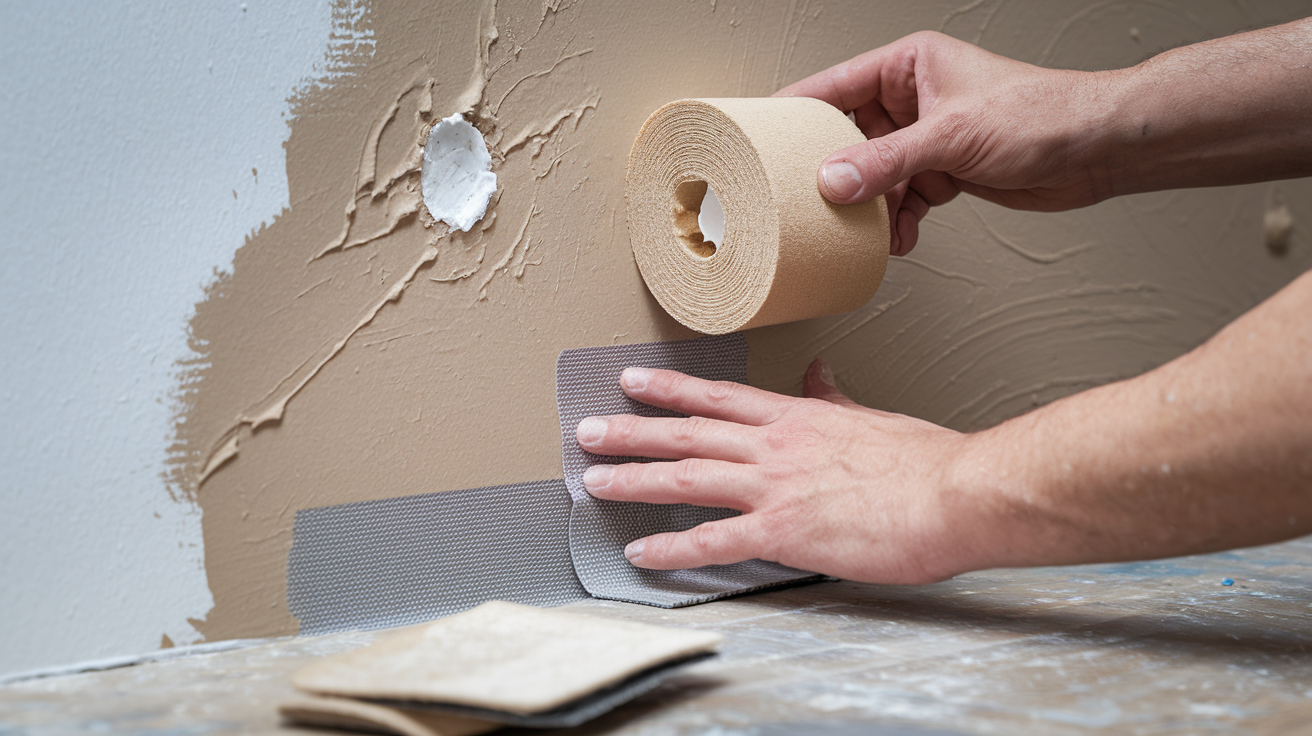
SPYBH7z-SW6ovTcyCfeudw

Small holes, cracks, and loose drywall tape must be fixed before you prime. Smoke often reveals damage that was easy to ignore before: screw pops, nail holes, seams that have pulled apart. Fill holes with lightweight spackle, wider cracks with setting type joint compound, and re tape any loose seams with mesh tape and a thin skim coat. Let repairs dry completely, then sand smooth with 120 grit paper.

Sanding creates dust, and dust on walls prevents sealer adhesion. After sanding, vacuum walls with a brush attachment, then wipe every surface with a tack cloth, a sticky, resin treated rag that picks up fine dust without leaving residue. If you skip this step, you’ll see grit bumps in your dried primer and rough texture in your finish coat.

Water based sealers are less forgiving of imperfect substrates than shellac or oil primers. If your walls are rough, stained, or previously coated with glossy paint, scuff sand with 80 grit paper to create tooth for the new sealer. Oil based and shellac primers stick to almost anything, but water based products may peel or fish eye over slick or contaminated surfaces.

Pre and post sealing repair sequence:

  1. Inspect for hidden damage. Check behind switch plates, inside closets, and above ceilings for soot, char, or water damage.
  2. Patch and fill. Repair all holes, cracks, and damaged drywall with appropriate compounds and let dry 24 hours.
  3. Sand repairs smooth. Use 120 grit paper on patches and 80 grit on glossy or rough areas that need tooth.
  4. Vacuum and tack. Remove all sanding dust with a HEPA vacuum and wipe surfaces with a tack cloth.
  5. Prime, then inspect again. After sealer dries, check for missed spots, bleed through, or new cracks that need a second fill and prime cycle.

If stains or odor bleed through after one coat of sealer, don’t start painting. Apply a second sealer coat and let it cure fully. Rushing to finish paint traps the problem under a cosmetic layer that will fail within months.

Eliminating Smoke Odors Before Sealing Walls
TP8mjnaaTaqDnalBP1PoPg

Sealing encapsulates odor molecules, but it doesn’t eliminate odor sources. If burnt carpet padding, charred insulation, or soot soaked HVAC ducts remain in the structure, sealing walls alone won’t solve the smell. Before you prime, walk every room and sniff: closets, behind appliances, inside cabinets. If you find concentrated odor, remove or clean the source.

Thermal fogging and hydroxyl generators are professional odor removal tools. Thermal fogging disperses a deodorizing fog that penetrates porous materials and neutralizes smoke compounds. Hydroxyl generators break down odor molecules with UV light and are safe to use in occupied spaces, unlike ozone machines, which are effective but require full evacuation and ventilation afterward. Activated charcoal placed in open containers absorbs airborne odors in enclosed spaces like closets or drawers.

Low cost DIY methods (bowls of baking soda, vinegar wipes, or open boxes of activated charcoal) help with light residual odor but won’t handle structural contamination. If you still smell smoke after cleaning, fogging, and ventilating, the source is still present.

Common hidden odor sources to remove before sealing:

Carpet padding and underlayment absorb smoke and hold moisture. Usually must be removed and replaced.

HVAC ducts and filters distribute soot throughout the house. Ducts need cleaning and filters immediate replacement.

Insulation in walls and attics is porous and impossible to clean. Remove and replace if saturated with smoke.

Contents and furnishings like upholstered furniture, drapes, and clothing hold odor and re contaminate cleaned spaces.

Hidden cavities are spaces above drop ceilings, behind baseboards, and inside wall chases that trap soot and smell.

Once sources are removed and surfaces cleaned, sealing locks down the remaining trace odors that cling to framing, drywall paper, and subfloors.

DIY vs Professional Smoke Damage Wall Sealing

0qRjRTH0QHONVaV0TVgOPQ

Homeowners can handle small, contained smoke events: a stovetop grease fire in one room, a fireplace backpuff that left soot on a single wall. The workflow is manageable. Ventilate, clean, dry, seal, paint. You’ll spend a weekend and a few hundred dollars on sealers, cleaning supplies, and basic PPE.

Whole house smoke damage from a structure fire is a different job. Professionals bring commercial grade HEPA air scrubbers, thermal foggers, moisture meters, and the training to find hidden contamination you’ll miss. They follow ANSI/IICRC S520 and RIA Guidelines, which specify inspection protocols, acceptable moisture readings, and Post Remediation Verification steps that confirm the structure is safe to seal and occupy. Certified restorers also document every step with photos and readings, which your insurer needs for claims and supplements when hidden damage appears.

When Homeowners Should Not DIY

If any of the following apply, hire an IICRC certified fire and smoke restoration contractor:

Smoke traveled through HVAC ducts. Ductwork cleaning and decontamination require specialized equipment and access.

Structural materials are charred or heat damaged. Hidden damage to framing, wiring, or sheathing needs inspection and safe removal.

Occupants are chemically sensitive or immune compromised. Professional grade containment, HEPA filtration, and low VOC methods reduce exposure.

Insurance claim is involved. Restorers provide the documentation, estimates, and communication with adjusters that protect your claim.

You smell smoke after two rounds of cleaning and sealing. The source is hidden, and finding it requires tools and experience.

Fire involved synthetic materials, plastics, or chemicals. Toxic residues require hazmat level PPE and disposal procedures beyond DIY scope.

Trying to DIY a job that needs professional intervention wastes money on materials that won’t solve the problem and delays the proper repair, which lets odors set deeper into porous materials.

Costs and Timelines for Sealing Walls After Smoke Damage
6bZGeS0aRD2D9Sa6L0VbOA

Sealer material costs range from $30 per gallon for basic oil primer to $80 or more per gallon for specialty shellac or high performance water based smoke sealers. A typical 12×15 room with 8 foot ceilings needs about two gallons for walls and ceiling at two coats, so figure $60 to $160 in sealer alone. Add cleaning supplies, sponges, PPE, and paint, and a DIY single room project runs $150 to $300.

Professional restoration and sealing timelines depend on damage extent and drying requirements. A small kitchen fire with localized smoke might take three to five days: one day for emergency cleaning and drying setup, two days for dehumidification and odor treatment, one day for sealing and priming, one day for final paint. Whole house smoke from a structure fire can take two to four weeks or longer if contents need pack out, HVAC cleaning, or structural demolition.

Shellac’s strong odor may require temporary relocation for sensitive occupants during application and cure, adding hotel costs to the project budget. Water based sealers allow same day re occupancy in most cases but take longer to fully cure.

Expense Factor Notes
Sealer material $30–$80/gal; shellac most expensive, oil least; water based mid range; coverage ~200–400 sq ft/gal depending on porosity
Professional labor $50–$100/hr typical; may include cleaning, sealing, and light repairs; whole house projects often bid as flat rate scope
Drying and odor equipment Air scrubbers, dehumidifiers, thermal foggers billed daily or per project; $200–$800 depending on size and duration
Temporary housing Required if shellac odor or safety concerns prevent occupancy; duration depends on ventilation and cure time

Final Words

Start by drying and ventilating the space so you’re not sealing trapped moisture or soot. That first step keeps odors from coming back.

We walked through quick prep—ventilation, basic soot removal, full drying—then picked the right sealer, how to apply it, and how to check the job. We also covered safety, repair needs, and when to call a pro.

Do the steps in order and document as you go. Proper sequencing makes sealing walls after smoke damage stick for good, and your room will feel right again.

FAQ

Q: Can you paint over smoke damage on walls?

A: You can paint over smoke damage on walls only after you remove soot, fully dry the surface, and seal with an odor- and stain-blocking primer; otherwise stains and smell will bleed through.

Q: Will Kilz cover smoke damage?

A: Kilz can cover some smoke damage, but coverage depends on the Kilz product; shellac- or oil-based Kilz primers block heavy stains and odors better than basic water-based formulas.

Q: Do you have to replace drywall after smoke damage?

A: You have to replace drywall after smoke damage only if it’s warped, crumbling, soaked, or charred; otherwise thorough cleaning, drying, and sealing usually restore the wall.

Q: How to fix smoke damaged walls?

A: To fix smoke damaged walls, remove loose soot with a dry sponge or HEPA vacuum, ventilate and dry, repair damaged drywall as needed, then apply an odor-blocking primer and repaint.
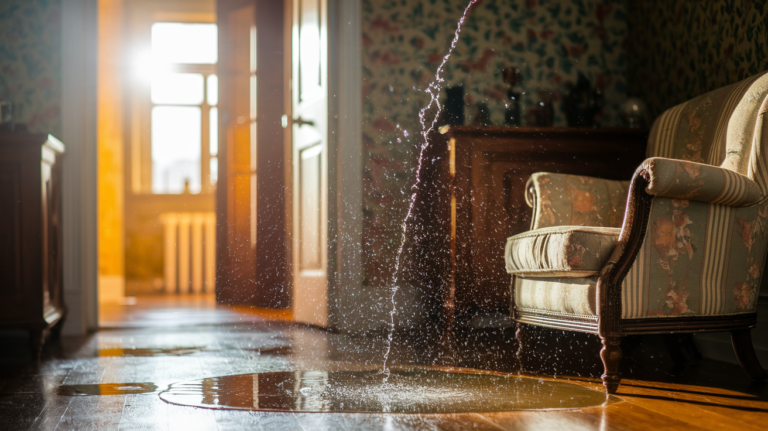
Property Damage Claim Requirements: What You Need to File Successfully

Waiting to report damage is the quickest way to lose your claim.
The first hours after a loss decide whether you get paid or get stuck in delays.
This guide walks you through the exact documents, photos, forms, and steps insurers expect so you can file successfully.
You’ll learn what to do right away, what to save, how to organize evidence, and how to meet deadlines so repairs don’t stall.
No guesswork, just clear steps to protect your home and your payout.

Immediate Actions Required After Property Damage Occurs

E9kZCqDGT4aVLG1lsodNUA

The first hours after property damage happen are everything. What you do right now determines whether your insurer pays or finds a reason to stall. Miss one step and you’re looking at delays, reduced payments, or a flat-out denial. Speed protects your property and your claim.

Stop more damage immediately. Board up broken windows, shut off water mains if pipes burst, move valuables out of wet zones, and keep every receipt for materials you buy. Don’t throw anything away. Insurers need proof, and once you toss damaged property, there’s nothing left to inspect or photograph. Grab your phone and capture everything from multiple angles, even if the scene’s chaotic. Turn on timestamp settings or make sure your camera’s recording date and time metadata.

Call your insurance company as soon as it’s safe. Most policies want to hear from you within 24 to 72 hours. Write down the claim number, the rep’s name, and the exact time you reported it. Keep a simple log with dates, times, who you talked to, and what was said. That log becomes your evidence if anyone questions your timeline later.

What you need to do immediately:

  • Get high resolution photos and videos with timestamps or saved metadata before you start cleanup.
  • Document temporary repairs with receipts for tarps, plywood, fans, and any contractor work you pay for.
  • Report the loss within 24 to 72 hours and write down the claim number and rep contact info.
  • Don’t discard damaged items. Keep them for the adjuster even if they’re wet, broken, or smell terrible.
  • Start a communications log. Note every call, email, and text with dates, times, names, and quick summaries.
  • Move undamaged stuff to a safe, dry spot and photograph where everything was originally if the scene’s stable enough.

Understanding Insurance Policy Requirements for Property Damage Claims

dtd4i15hRjCe6bwYsQ0wDA

Your policy language controls every requirement. Coverage limits, exclusions, notice deadlines, proof of loss procedures…it’s all spelled out in your declarations page and policy contract. Read both before damage happens, and check them again after every renewal. Coverage can shift without you realizing it.

Flood damage usually needs a separate flood policy and a separate claim. Homeowners policies cover your dwelling and personal property but often exclude certain water damage, wear and tear, and maintenance problems. Commercial policies add business interruption documentation and equipment inventories. Auto policies want police reports, VINs, and copies of your title or registration. Know which policy applies before you file.

Policy Type Key Documents Required Coverage Notes
Homeowners Declarations page, dwelling/contents inventory, contractor estimates, receipts, permits, mortgagee info Covers dwelling structure, personal property, sometimes temporary living expenses. Flood’s usually excluded
Auto Police report, VIN photos, title/registration, repair estimates, tow/storage receipts, rental records Collision, comprehensive, liability vary. Must verify driver and vehicle eligibility at time of loss
Commercial Business interruption records (revenue, payroll, invoices), equipment serial numbers, inventory counts, supplier contracts, financial statements Covers property and income loss. Requires proof of lost profits and operational disruption

Required Documentation for Meeting Property Damage Claim Requirements

JvYmasHmSAa5PlccFEEaag

Insurers deny claims when your documentation’s incomplete. Collect and organize evidence right away because waiting tanks quality and credibility. You need to prove what you owned, what got damaged, when it happened, and how much repairs cost.

Visual evidence comes first. Take high resolution photos and videos from every angle. Close-ups of damage, wide shots showing context, serial numbers or identifying marks on items. Turn on camera timestamps or preserve file metadata. Save original digital files and back them up in cloud storage or on an external drive. Photograph receipts, purchase invoices, and any records showing the property was maintained and undamaged before the event.

Organize everything into groups so the adjuster can review it fast. Create an itemized inventory listing every damaged item with description, quantity, approximate value, purchase date, and receipt or proof of ownership. Keep a communications log with dates, times, phone numbers, rep names, and summaries of what was discussed. Retain copies of all emails, texts, and written correspondence from the insurer.

Documentation groups you need to collect and preserve:

  • Visual evidence: Time stamped photos and videos, multiple angles per item, close-ups of serial numbers, wide shots showing room layouts, before and after comparisons when you have them.
  • Itemized inventories: Descriptions, quantities, values, purchase dates, receipts, serial numbers, proof of ownership for every damaged item.
  • Receipts for mitigation and temporary repairs: Invoices for tarps, plywood, fans, dehumidifiers, contractor labor, emergency services. Insurers reimburse reasonable mitigation expenses.
  • Repair estimates and contractor bids: Written, itemized scopes of work from licensed contractors detailing materials, labor, code upgrades, permits.
  • Official reports and supporting documents: Police, fire, or emergency services incident reports. Bank statements, credit card records, titles, product manuals, warranties.

Property Damage Claim Requirements for Adjuster Inspections and Assessments

ml1UjL9QRDqA3D7bs0XwJg

The adjuster inspection determines what your insurer pays. Adjusters review the cause of damage, the severity, and whether your documentation backs up your claim. Inspections typically happen within 3 to 14 days after you file, but catastrophic events can push scheduling back by weeks.

You’ve got to provide full access to the damaged property and cooperate with the inspection. Have your organized documentation ready with photos, inventories, estimates, and receipts in labeled folders or files. Answer questions honestly and completely. Don’t start major repairs before the inspection unless safety or further mitigation requires it. Unauthorized repairs can reduce or void coverage. If you disagree with the adjuster’s findings, request a re-inspection or hire an independent adjuster for a second opinion.

Preparing Documentation for the Adjuster

Organize your photos into folders by room or damage type. Print a summary inventory list and attach receipts or screenshots of online purchase confirmations. Gather at least one contractor estimate that matches the scope of damage the adjuster will see. Keep originals and bring copies to the inspection so you can hand over documents without losing your records. The adjuster’s going to ask for your claim number, policy number, and contact information. Have those ready along with a timeline of when the damage occurred and when you first noticed it.

Proof of Loss, Claim Forms, and Mandatory Submission Requirements

tfImEHZSS92ab6Jj_YqVZQ

Most policies require a formal proof of loss document within 30 to 90 days after the damage. This form’s a sworn statement listing what was damaged, the cause, the date, and the estimated cost. Missing the deadline can forfeit your right to payment. Read your policy to confirm the exact timeframe and submission method.

Proof of loss forms ask for your policy number, claim number, loss date, description of how the damage occurred, itemized lists of damaged property, repair estimates, and sometimes a notarized signature. Insurers may also request a recorded or sworn statement under oath, especially for large losses or when liability’s unclear. Submit everything the insurer requests and keep copies of every form, email, and piece of supporting documentation you send.

Use the insurer’s preferred submission method. Online portal, email, or certified mail. When mailing, send copies and keep originals. Include a cover letter listing every document enclosed, and request a confirmation receipt. Track deadlines on a calendar and follow up if you don’t receive acknowledgment within a few business days.

Form Type Required Information Typical Deadline
Proof of Loss Policy/claim numbers, loss date, cause description, itemized inventory, estimated costs, notarized signature 30 to 90 days from loss date (verify policy language)
Claim Notification Form Contact info, incident date/time/location, initial damage description, claim number assignment Immediate or within 24 to 72 hours
Sworn Statement / Examination Under Oath Detailed account of events, ownership verification, answers to insurer questions, recorded or transcribed testimony Scheduled by insurer. Typically within 30 to 60 days if requested
Supplemental Claim Documentation Additional estimates, hidden damage photos, updated inventories, receipts for completed mitigation As requested or when new damage discovered. Often 14 to 30 days after initial claim

Meeting Property Damage Claim Requirements for Repair Estimates and Contractor Documentation

KsmMRLrsTrS-o_8ijijE3w

Insurers base settlement amounts on repair estimates. Get at least two to three written, itemized estimates from licensed contractors to compare scope and pricing. Each estimate should break down materials, labor, permits, code upgrade costs, and related repairs like matching finishes or replacing damaged trim.

Verify contractor licensing, insurance coverage, and references before hiring. Ask if the contractor has experience documenting insurance repairs. Experienced contractors know how to write scopes that match policy language and adjuster expectations. Don’t choose based solely on the lowest bid. Make sure the scope covers hidden damage, code compliance, and quality materials. Keep copies of contractor licenses, insurance certificates, permits, and final invoices. Submit these documents to your insurer to release withheld or final payments.

What an acceptable repair estimate must include:

  • Itemized breakdown of materials (quantities, unit costs, product specs) and labor (hours, rates, tasks).
  • Scope of work describing each repair step, including demo, disposal, rebuilding, and finishing.
  • Permit and inspection requirements, including jurisdiction, estimated permit fees, and code upgrade costs.
  • Matching or betterment notes explaining when new materials must match existing finishes or when code requires upgrades beyond original condition.
  • Contractor license number, insurance certificate, business contact info, and references or proof of prior similar work.

Submission Deadlines, Claim Timelines, and Time-Sensitive Requirements

duv1nOEgQHiBm0UfH7dQJQ

Understanding timelines prevents missed deadlines that void coverage. Policies and state laws set specific windows for notification, proof of loss, suit filing, and dispute resolution. The average claim cycle runs about 24 days under normal conditions, but catastrophic events stretch timelines significantly.

Track every date in your communications log. Loss date, report date, adjuster inspection date, estimate submission date, settlement offer date, payment dates. Follow up if you don’t receive acknowledgment or updates within the insurer’s stated timeframe. Keep records of follow up calls and emails to prove you met deadlines and cooperated fully.

Typical claim timeline and key deadlines:

  1. Immediate notice (24 to 72 hours): Report the loss as soon as it’s safe. Record claim number and rep contact info.
  2. Adjuster inspection (3 to 14 days): Insurer schedules inspection. Catastrophic events may delay this by weeks. Provide organized documentation and full property access.
  3. Proof of loss and supporting documents (30 to 90 days): Submit completed forms, itemized inventories, photos, estimates, receipts, official reports. Verify exact deadline in your policy.
  4. Settlement decision and payment (7 to 90 days): Insurer reviews documentation and issues initial or final payment. Timelines vary by state law and claim complexity. Large losses and disputes extend this period.

Common Reasons Property Damage Claims Fail to Meet Requirements
F-dCvKuoSNm6zjEuxTKFFQ

Late filing tops the list of denial reasons. Missing the notice deadline, even by a day, can let insurers deny the entire claim. Insufficient documentation comes next. No photos, missing receipts, incomplete inventories, no contractor estimates. Failure to mitigate further damage also triggers denials. If you left a tarp off a roof and rain caused more loss, the insurer may refuse to pay for the preventable portion.

Unauthorized repairs before inspection or approval reduce settlements. Insurers argue they can’t verify the original damage if repairs erase the evidence. Excluded perils like wear and tear, maintenance issues, certain floods aren’t covered regardless of documentation quality. Inconsistent statements during recorded interviews or examinations under oath raise fraud concerns and can void coverage entirely.

Common denial triggers to avoid:

  • Late notification. Reporting the loss after the policy required notice period expires.
  • Insufficient or missing documentation. No photos, no receipts, incomplete inventories, or failure to preserve damaged items.
  • Failure to mitigate. Allowing further damage when reasonable temporary repairs could have prevented it.
  • Unauthorized repairs. Completing permanent work before insurer inspection and approval, erasing evidence of original damage.
  • Excluded perils or pre-existing damage. Claiming losses from maintenance issues, wear and tear, or uncovered events like certain floods or earthquakes.
  • Material misrepresentation or inconsistent statements. Providing conflicting accounts during sworn statements, examinations under oath, or recorded interviews.

Escalation Options When Property Damage Claim Requirements Become Disputed

p3x4bSVoSN2nenCWgXAnqw

When settlement offers fall short, gather additional evidence and request a re-inspection. Get a second contractor estimate with a more detailed scope, or hire a public adjuster to review your documentation and negotiate on your behalf. Public adjusters work for you, not the insurer, and charge a percentage of the settlement increase.

If hidden damage shows up after the initial claim, file a supplemental claim immediately. Document the newly discovered damage with photos, estimates, and expert reports. Insurers must evaluate supplemental claims under the same policy terms. Review your policy’s dispute resolution procedures. Many require appraisal, arbitration, or mediation before you can file suit. Request a litigation hold in writing to preserve all insurer documents, emails, and claims processing records if you anticipate legal action.

When to Seek Professional Help

Consult an attorney experienced in property insurance claims when the insurer denies coverage without adequate explanation, undervalues the loss significantly, or refuses to preserve records. Red flags include adjuster reports that contradict your contractor estimates by large margins, unexplained delays beyond policy timeframes, or settlement offers that ignore code upgrade costs or matching requirements. Attorneys can issue formal litigation holds, negotiate directly with insurer counsel, and file suit if the insurer acts in bad faith. Early legal help preserves your rights and prevents destruction of critical evidence like metadata, emails, and adjuster notes.

Final Words

First stop the water or secure the scene, take time-stamped photos and notes, and notify your insurer within 24-72 hours. No guesswork. Protect what you can with temporary repairs.

Next, organize photos, receipts, inventories, and get 2-3 contractor estimates so you’re ready for the adjuster and any proof-of-loss forms. Keep copies and log communications.

Following these property damage claim requirements keeps your claim on track and helps you move from cleanup to repair faster. We’ll help you through each step.

FAQ

Q: What are the 4 major classifications of property damage?

A: The 4 major classifications of property damage are structural (building), contents (personal items), loss of use (additional living expenses), and consequential financial loss (business interruption). Document each type clearly for claims.

Q: What not to say to the insurance adjuster?

A: What not to say to the insurance adjuster is any admission of fault, guesses about the cause, promises about repairs, or accepting the first offer; stick to factual statements and refer them to your documentation.

Q: How long do I have to make an insurance claim for property damage?

A: How long you have to make an insurance claim for property damage depends on your policy and state, but notify your insurer immediately—typically within 24–72 hours—and file proof of loss within 30–90 days.

Q: What is the average settlement for property damage?

A: The average settlement for property damage varies widely; minor home claims often run a few thousand dollars, while major losses can reach tens of thousands. Documentation and coverage limits set the amount.

Fire Damaged Ceiling Repair: Restore Your Home Safely

0

After a fire, your ceiling might look stable, but heat weakens joists and framing in ways you can’t see until it’s too late. Even small fires leave behind toxic soot, compromised electrical wiring, and water damage from firefighting that spreads through hidden cavities. This guide walks you through the critical safety steps, structural assessment, smoke remediation, and proper repair sequence you need to restore your ceiling safely and prevent hidden problems from causing failure later.

Emergency Response & Safety First Steps for Fire Damaged Ceilings

oKlq5Q0NQLapSeeYncNiGw

The moment you discover fire damage to your ceiling, safety is all that matters. A fire damaged ceiling puts you at immediate risk. Structural collapse, falling debris, compromised electrical systems, toxic residues. If your ceiling sags, shows large cracks, or looks unstable at all, get out and call 911. Heat weakens ceiling joists and framing, and even ceilings that look fine can fail without warning. Electrical wiring in ceiling cavities may have damaged insulation, creating shock hazards. Toxic soot and smoke coat surfaces and become airborne when you move around, so you need respiratory protection.

Before you touch anything or start cleanup, document the damage thoroughly. Photos and written descriptions. Take pictures from multiple angles showing the ceiling damage, surrounding walls, affected rooms, any visible structural components. Photograph smoke staining, charred materials, water damage from firefighting, debris. This documentation is essential for your insurance claim. Contact your insurance company within 24 to 48 hours to start the claim. Many policies require prompt notification, and delays complicate coverage.

Here are the 5 immediate steps after discovering ceiling fire damage:

  1. Evacuate if the ceiling looks unstable, sags, or has large cracks showing structural problems
  2. Call the fire department right away if you see smoke, smoldering materials, or suspect hidden fire in ceiling cavities
  3. Document everything with photos and written descriptions before any cleanup or removal starts
  4. Contact your insurance company within 24 to 48 hours to report damage and start your claim
  5. Secure the property from weather and unauthorized entry with tarps, boards, or temporary barriers

Professional restoration services and structural engineers determine whether your space is safe. They assess load bearing integrity, electrical hazards, contamination levels you can’t see. This assessment happens before any repair work begins.

Comprehensive Damage Assessment and Structural Evaluation

Wuj8pV2_QKOg7uvBxFt7SQ

Professional fire damage assessment examines every component, from surface staining to hidden structural compromise. This evaluation determines repair scope, safety concerns, whether reconstruction is even feasible.

The visual inspection identifies cracks, holes, discoloration, areas exposed to heat, smoke, or water. Inspectors document grainy soot residue, smoky odors, charred or melted materials throughout affected spaces. They examine ceiling surfaces for bubbling paint, sagging sections, texture changes that indicate heat exposure. Water stains reveal where firefighting saturated materials. Surface inspection provides the foundation for understanding damage extent.

Structural component evaluation examines ceiling joists, load bearing structures, framing members for compromised integrity. Heat weakens structural members even without visible charring, reducing their capacity to carry loads. Inspectors check for warping, cracking, delamination in wooden joists and beams. They assess whether sistering new joists alongside damaged ones provides enough support or whether complete replacement is necessary. Metal components like light fixture mounting boxes and HVAC hangers get evaluated for heat related failure. Temporary shoring may be required when load bearing components are compromised during repair.

Fire damage severity falls into six distinct levels:

• Surface residue requiring dry cleaning only, with light soot deposits that respond to HEPA vacuuming and dry sponges
• Light staining needing wet cleaning, where smoke created visible discoloration requiring chemical cleaning solutions
• Moderate damage requiring aggressive techniques, including specialized cleaners and multiple treatment applications
• Heavy contamination demanding restoration with intensive cleaning, sealing, possible material replacement
• Severe damage necessitating replacement, where cleaning isn’t cost effective or materials can’t be adequately restored
• Structural damage beyond repair, requiring complete removal and reconstruction of ceiling assemblies

Hidden damage in attic spaces requires special attention since insulation and framing conceal problems. Electrical wiring, junction boxes, light fixtures need inspection by licensed electricians for heat damage, melted insulation, connection integrity. Smoke travels through wall and ceiling cavities, contaminating areas far from visible fire damage. Structural repairs must be completed and approved before cosmetic work begins. Building codes and safety standards govern all repairs. Structural engineer involvement is often necessary to verify the building is safe for occupancy.

Smoke Remediation, Soot Removal, and Odor Control

fjaBu5HvQzyilEhkuILOlA

Smoke residue must be removed before structural repairs begin, or you’ll seal odor and contamination behind new materials. Timing matters because acidic smoke residues start etching surfaces within hours of exposure, permanently damaging paint, metal fixtures, even drywall facing. Different fire temperatures create different smoke types. Each requires specific cleaning methods. Low temperature fires produce wet smoke with sticky, smeary residues that require aggressive cleaning. High temperature fires create dry smoke with powdery deposits that respond to different approaches. The longer smoke residue stays on surfaces, the deeper it penetrates and the harder it becomes to remove.

The systematic cleaning sequence follows a specific order to prevent spreading contamination. HEPA vacuuming removes loose soot and debris first, working from ceiling to floor to prevent recontaminating cleaned areas. Dry cleaning sponges follow, using their chemical properties to absorb smoke residues without water. Wet cleaning comes next, using appropriate solutions for the specific smoke type present. Surfaces must dry completely before priming to prevent moisture from being trapped behind sealers. This approach addresses both visible contamination and embedded residues that cause persistent odors.

Smoke Type Fire Source Residue Characteristics Cleaning Approach
Wet Smoke Low temperature smoldering fires, plastics, rubber Sticky, smeary, strong odor, difficult to clean Aggressive cleaning with specialized solvents, multiple applications required
Dry Smoke High temperature fast burning fires, wood, paper Powdery, dry, easily smears when wiped Dry cleaning sponges first, then controlled wet cleaning
Protein Smoke Kitchen fires from organic materials Nearly invisible but extremely odorous, discolors varnishes Specialized enzyme cleaners, repeated treatments, strong sealing required

Smoke penetrates porous ceiling materials and remains after surface cleaning is complete. Odor causing molecules embed deep in drywall, insulation, structural members. Stain blocking primers seal these molecules before painting, preventing odor from bleeding through finish coats. These specialized primers contain ingredients that encapsulate smoke residue and create a barrier between contaminated surfaces and new finish layers. Standard primers fail on smoke damaged surfaces because they lack the sealing properties needed to contain persistent odors.

Professional odor elimination technologies address contamination that cleaning can’t reach:

• Ozone generators create powerful oxidizing molecules that break down odor molecules at a chemical level and penetrate porous materials deeply, but require complete evacuation during treatment
• Hydroxyl generators work safely during occupancy and neutralize organic compounds through advanced oxidation, making them suitable for occupied spaces during treatment
• Thermal fogging recreates the fire’s heat dynamics, with deodorizing fog penetrating where smoke traveled and neutralizing odor molecules chemically throughout hidden cavities
• Air scrubbers with HEPA filtration continuously clean the air during restoration work, capturing airborne particles and preventing cross contamination to clean areas

Water Damage and Moisture Control in Fire Damaged Ceilings
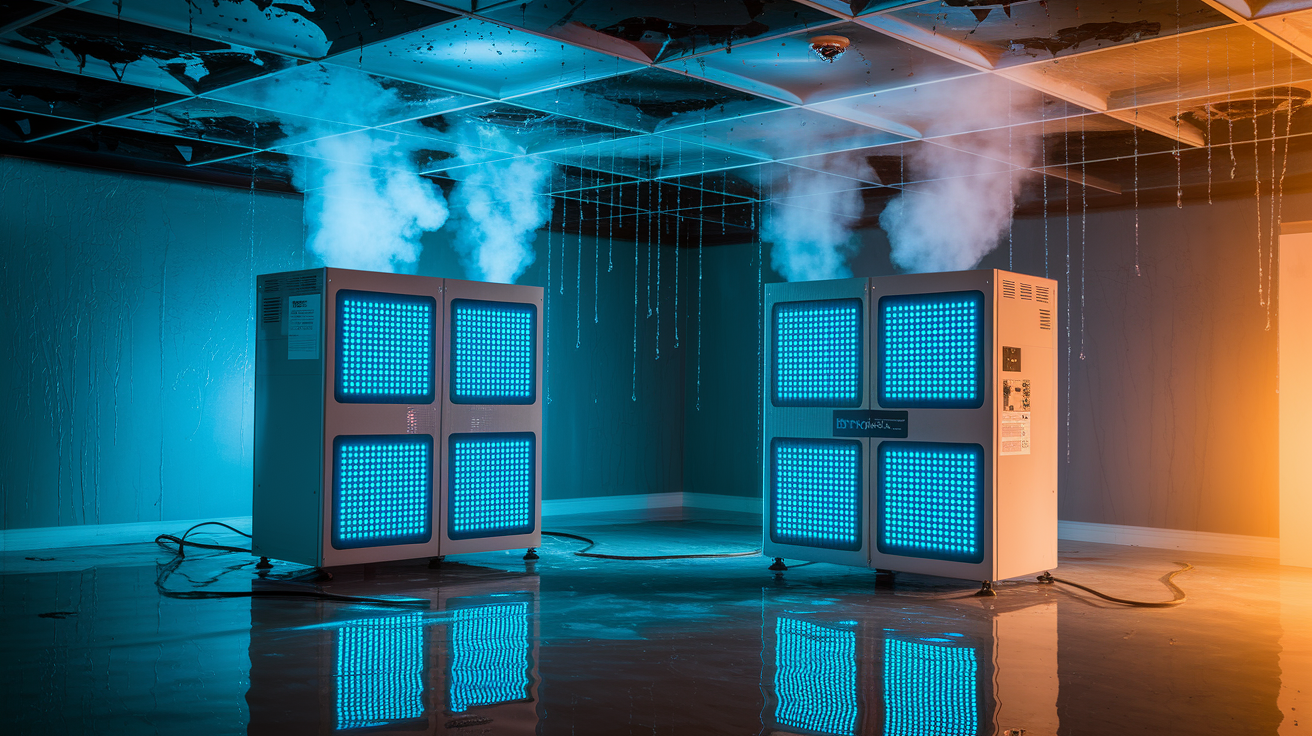
VtPSdEJ-SgSwuHWV8xl4yg

Firefighting water often causes more extensive damage than fire itself to ceiling materials. Hoses pump thousands of gallons into structures, and gravity pulls this water downward through ceiling assemblies. Water saturates insulation, drywall, ceiling joists, requiring removal and replacement even in areas with minimal fire damage. Soaked insulation loses its R value permanently and becomes a breeding ground for mold. Drywall paper facing delaminates when saturated, and the gypsum core loses structural integrity.

Moisture control begins immediately after the fire department clears the scene. Commercial dehumidification equipment extracts moisture from affected areas, processing hundreds of pints per day.

Professional restoration teams use moisture meters to verify complete drying before reconstruction begins. These meters measure moisture content deep in structural members, not just surface dampness. Readings must return to normal levels throughout the ceiling assembly before repairs proceed. Rushing this drying phase leads to trapped moisture and mold growth.

Trapped moisture leads to mold growth within 24 to 48 hours in warm conditions. Mold spreads rapidly through porous materials, requiring expensive remediation and posing health risks. Water damaged insulation can’t be salvaged and must be completely removed and replaced. Attempting to dry and reuse compromised insulation leaves moisture pockets that guarantee future problems. Drying must be complete before applying joint compound or paint, or moisture gets sealed behind finish surfaces, causing bubbling, peeling, odor problems.

Drywall and Plaster Ceiling Repair Methods After Fire

yvCPdW7nT9-YC7BrH6OgVg

Determining repair extent starts with identifying where damage ends and sound material begins. Small areas of surface damage may only need patching, while extensive fire exposure requires removing entire ceiling sections.

All compromised drywall sections must be removed back to ceiling joists for solid attachment points. Cut damaged sections using a straightedge to create clean, straight edges that overlap joists on either side. An oscillating multi tool provides precision cutting for drywall removal without damaging structural framing. Remove all charred, water damaged, or smoke saturated material down to bare joists if necessary. Temporary support may be required for any compromised load bearing structures during removal. Once damaged material is out, clean all exposed framing and joists to remove soot and debris before installing replacement pieces.

New drywall pieces must be measured and cut to fit exactly into the opening with smoothed rough edges. Use 1/2 inch drywall for most ceiling applications, though some building codes require 5/8 inch Type X fire rated drywall. Secure replacement pieces with drywall screws spaced 8 inches apart along joists, placing screws at least 3/8 inch from edges. Screws provide better stability than nails for securing ceiling drywall, especially overhead. Pre drill screw holes near edges to prevent cracking. Ensure the replacement piece sits flush with surrounding ceiling surfaces, shimming behind if necessary to achieve proper alignment.

The drywall repair sequence follows these 5 steps:

  1. Remove damaged sections by cutting back to the nearest ceiling joists, creating clean straight edges for solid attachment points
  2. Install replacement pieces, securing them with drywall screws spaced appropriately and ensuring flush alignment with existing ceiling surfaces
  3. Tape joints using mesh drywall tape, which provides better adhesion than paper tape and reduces the risk of future cracking
  4. Apply compound in multiple layers, starting with embedding coat over tape, then two or three finish coats with complete drying and feathering between applications
  5. Sand smooth when completely dry, using progressively finer grits to achieve a finish ready for priming and painting

Ceiling texture matching presents unique challenges for fire damaged ceiling repair. Popcorn, knockdown, smooth finishes each require specific techniques and materials. Practice texture application on scrap drywall before working on the ceiling to match existing patterns. Overhead work requires proper scaffold or sturdy ladder setup with platforms that allow comfortable reach without overextending. Mesh drywall tape application over seams and joints provides reinforcement, followed by generous amounts of joint compound applied and smoothed for blending. Joint compound must dry completely between applications, typically 24 hours per coat. Feather edges outward to blend repairs with surrounding surfaces, extending each coat slightly beyond the previous one. Learn detailed drywall repair techniques and materials selection for fire damage scenarios.

Specialized Ceiling Types: Popcorn, Acoustic Tile, and Drop Ceiling Restoration

fDUOHVfaSRqPhGmWNEzIzw

Three specialized ceiling types require different approaches than standard drywall when dealing with fire damage. Popcorn and textured ceilings, acoustic tile systems, drop ceiling grids each respond differently to fire, smoke, water exposure.

Popcorn and Textured Ceiling Fire Damage Repair

Popcorn ceilings installed before 1980 require asbestos testing before any cleaning or removal work begins. Many older popcorn textures contain asbestos fibers, and disturbing this material without proper containment creates serious health hazards. Testing costs $200 to $400 but prevents exposure to carcinogenic materials. If asbestos is present, certified abatement contractors must handle all removal work. HEPA vacuuming with soft brush attachments removes loose soot from popcorn textures without aggressive contact that dislodges texture material. Controlled misting with cleaning solutions, applied lightly to avoid saturating the texture, allows chemical cleaning without texture failure. Careful dabbing rather than rubbing prevents texture removal while addressing smoke staining. When cleaning fails to remove smoke damage adequately, encapsulation with specialized sealers locks in remaining contamination. Texture matching for partial repairs challenges even experienced professionals because spray texture patterns vary by application technique, gun settings, product formulation.

Acoustic Tile Ceiling Restoration After Fire

Porous acoustic tiles absorb smoke deeply, making replacement more cost effective than cleaning in most fire damage situations. Individual tile replacement involves carefully removing damaged tiles from grid systems and installing matching replacements. Finding exact tile matches for older installations can be difficult since manufacturers discontinue products regularly. Complete ceiling replacement becomes warranted when more than 30 to 40% of tiles show smoke damage, or when the grid system itself sustained heat damage. New acoustic tile systems cost less than extensive cleaning and treatment of heavily contaminated existing tiles. Insurance coverage often makes full replacement the practical choice.

Drop Ceiling Grid System Repairs

Grid systems require evaluation for heat damage to metal components, which can warp or lose strength when exposed to fire temperatures. Tile replacement in drop ceiling systems is straightforward. Lift damaged tiles out and drop new ones into place. Clean metal grid components using appropriate cleaners for smoke residue, paying attention to corners and connection points where soot accumulates. The advantage of complete replacement for insurance covered repairs is that new systems provide fresh, clean materials without contamination concerns, and installation goes quickly compared to cleaning and treating existing systems.

Insulation Replacement and HVAC System Considerations
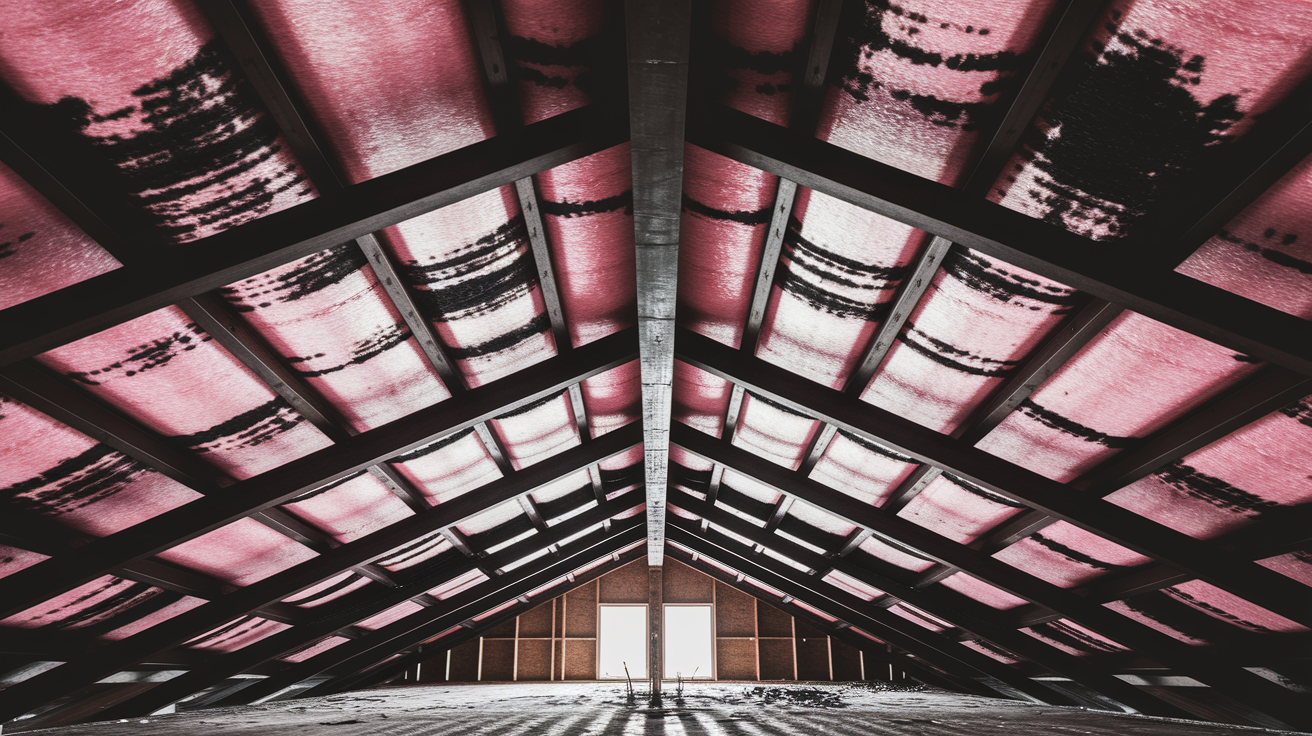
VrVxGHFQQXK9h_6rE4_76g

Ceiling fire damage always affects insulation above the damaged area. Fire exposed insulation must be completely removed because soot contamination, reduced R value, and odor retention make it unusable. Heat degrades insulation’s thermal properties permanently, and smoke particles embed throughout the material. Attempting to leave compromised insulation in place guarantees persistent odor problems and reduces energy efficiency.

Water damaged insulation from firefighting efforts requires complete removal even in areas with minimal fire exposure. Fiberglass insulation loses effectiveness when saturated and takes weeks to dry completely in enclosed ceiling cavities.

Cellulose insulation turns into heavy, soggy clumps when wet and promotes mold growth rapidly. Contaminated insulation must be properly bagged and disposed of according to local regulations for fire damaged materials. Some jurisdictions classify fire debris as special waste requiring specific handling.

HVAC ductwork evaluation determines whether smoke contamination requires professional cleaning. Ducts pull smoke throughout the system during and after fires, depositing residue on interior surfaces. Smoke particles then circulate to clean areas every time the system runs, spreading contamination and odor. Professional duct cleaning uses specialized equipment to remove smoke residue from sheet metal interiors. Ceiling cavity cleaning before new insulation installation ensures no soot or debris remains on framing members or behind new materials. Proper insulation replacement meets current building code requirements, which often exceed the R values of older insulation. This upgrade improves energy efficiency while addressing fire damage.

Electrical System and Light Fixture Repairs in Fire Damaged Ceilings

rhVrLVgdRha4TUYWePWwnw

Heat exposure damages electrical wire insulation even without visible burning, creating shock and fire hazards. Temperatures well below visible flame damage degrade plastic and rubber insulation on wiring, compromising its protective properties.

Junction box evaluation examines both the boxes themselves and all wire connections inside them. Metal boxes may show heat discoloration, while plastic boxes can melt or deform. Replace any junction box exposed to fire temperatures to ensure safe, code compliant electrical systems. All wire splices and connections require inspection for heat damage, corrosion, proper attachment.

Light fixture assessment determines when replacement is required versus simple cleaning. Heat exposure weakens fixture mounting, degrades sockets, damages wiring connections. Ceiling fan electrical connections and mounting box integrity after fire exposure need verification by licensed electricians because inadequate support leads to dangerous failures. Fans weigh 35 to 50 pounds and require properly rated mounting systems.

Licensed electrician involvement in all electrical repairs is non negotiable. Insurance companies require licensed work, building inspectors demand it, safety depends on it. Electrical repairs must be inspected and approved before concealment behind new drywall, so coordinate this inspection timing with your restoration schedule. Thermal damage to wire insulation that creates shock and fire hazards may not show visible signs, making professional evaluation essential even when wiring looks intact.

Sealing, Priming, and Paint Preparation for Fire Damaged Ceilings
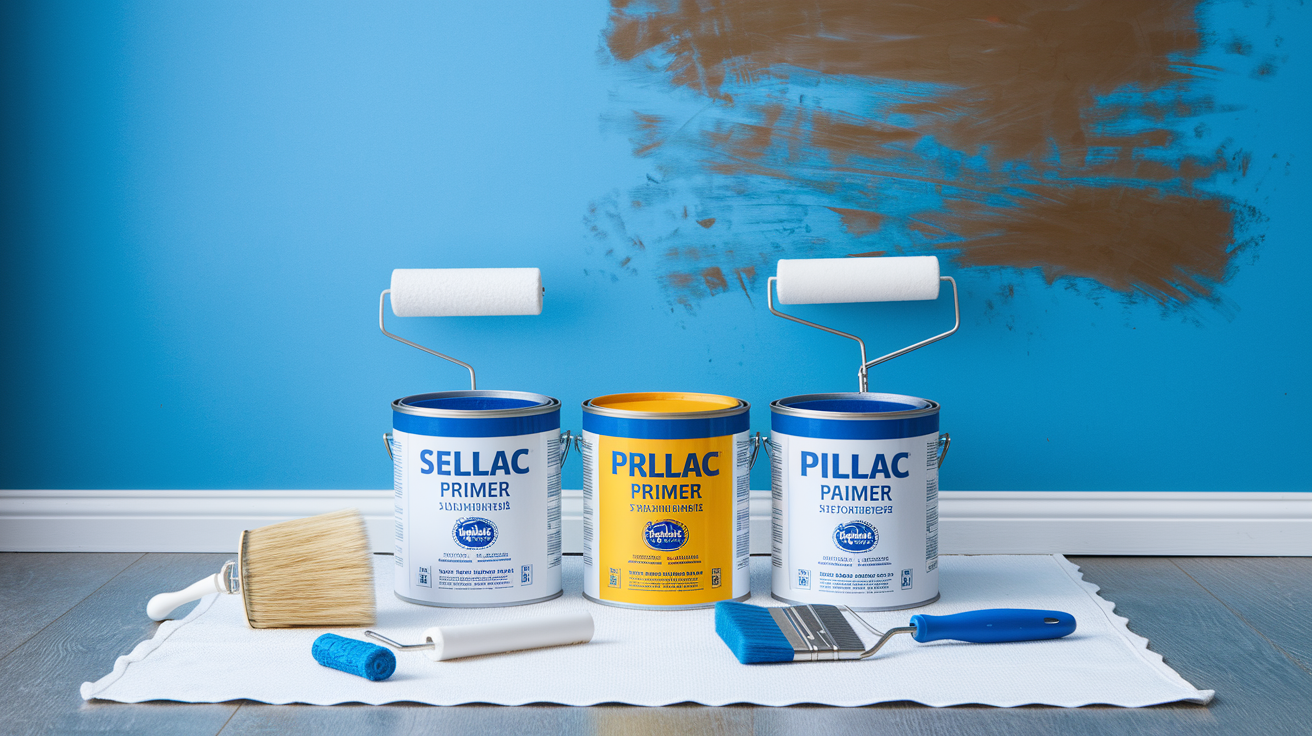
MB6QLfCeQk2ACcWswJcb3A

Standard primers fail on fire damaged surfaces because they lack the sealing properties needed to block smoke odor and prevent stain bleedthrough. Smoke damaged ceilings require specialized primers beyond regular paint products. These stain blocking primers contain shellac, oil based resins, or advanced polymers that encapsulate odor causing molecules and prevent them from penetrating through finish coats. Without proper primers, smoke odor returns within days or weeks, and brown staining appears through new paint.

Oil based stain blocking primers provide superior smoke sealing compared to water based products, though they require longer drying times and solvent cleanup. Shellac based primers offer the strongest odor blocking and fastest drying, making them ideal for severe smoke damage. Water based stain blockers work for light smoke exposure and offer easier application and cleanup. Surface preparation before primer application requires complete cleaning, drying, sanding to create proper adhesion. Any remaining soot or moisture reduces primer effectiveness. Multiple primer coat requirements depend on damage severity. Light smoke damage may need one coat, while heavy contamination requires two or three applications. Allow complete drying between coats, typically 3 to 4 hours for shellac based, 12 to 24 hours for oil based products.

Paint selection for ceiling specific formulations matters because standard wall paint doesn’t perform well overhead. Ceiling paints contain ingredients that reduce spattering during application and provide better coverage in one coat. They’re formulated to minimize roller marks and provide uniform appearance under various lighting conditions. Apply paint in thin, even coats with sufficient drying time between layers. Two finish coats over properly applied primer provide durable, professional results. Use quality roller covers designed for ceiling work to minimize texture and achieve smooth coverage.

Primer Type Best Used For Drying Time
Shellac Based Severe smoke damage, strongest odor blocking, heavy staining 45 minutes to 1 hour between coats
Oil Based Moderate to heavy smoke damage, excellent stain blocking, water damage 12 to 24 hours between coats
Water Based Stain Blockers Light smoke damage, easier cleanup, low odor application 2 to 4 hours between coats

Insurance Claims and Documentation for Ceiling Fire Damage

WLmZM2srSFm7Tv6NYDTIZA

Immediate documentation with photos before any cleanup begins protects your insurance claim and provides evidence of damage extent. Take photos showing the ceiling from multiple angles, close ups of specific damage areas, wide shots showing affected rooms in context.

The insurance adjuster evaluation process examines damage, determines coverage, authorizes repair scope. Adjusters document what they observe, take their own photos, compare your damage to policy coverage terms. They assess whether damage resulted from the fire event covered by your policy or from other causes. Their evaluation determines initial claim approval and payment amounts. Be present during adjuster visits to point out damage they might miss and answer questions about the fire event.

Proper documentation requirements include photos taken immediately after the fire, written descriptions of damage to all affected areas, contractor estimates for repairs, the fire department report detailing the incident. The NFIRS report contains details on the fire’s cause and estimated losses, supporting your claim documentation. Save all receipts for emergency repairs, temporary lodging, expenses related to the fire damage. Document conversations with insurance representatives, noting dates, times, what was discussed.

Insurance typically covers structural repairs to restore your ceiling to pre loss condition, smoke remediation including cleaning and odor elimination, temporary living expenses if your home is uninhabitable. Specialized techniques like ozone treatment or thermal fogging may require justification beyond basic cleaning, so obtain detailed estimates explaining why these services are necessary. Evaluation of replacement versus restoration costs influences whether insurance approves extensive cleaning or authorizes complete replacement. Sometimes replacing materials costs less than intensive restoration efforts. Additional living expenses coverage includes hotel costs, restaurant meals, other expenses while your home is being repaired. Understand whether your policy pays actual cash value (depreciated value) or replacement cost (full cost of new materials and labor). The difference significantly affects your out of pocket expenses. Work with insurance approved or experienced restoration contractors who understand claim documentation and can communicate effectively with adjusters. Some repairs require multiple estimates for insurance approval, particularly for expensive specialized treatments. Professional restoration techniques that insurance may cover vary by policy and damage severity.

Fire Damaged Ceiling Repair Costs and Pricing Factors

Repair costs vary dramatically based on damage severity, ranging from minor smoke cleaning at a few hundred dollars to complete ceiling reconstruction costing tens of thousands. Surface smoke damage requiring only cleaning and repainting runs $500 to $2,000 for a typical room. Moderate damage requiring drywall replacement, insulation, finishing costs $3,000 to $8,000. Severe structural damage with joist replacement, electrical repairs, complete reconstruction ranges from $10,000 to $30,000 or more.

Material cost factors include drywall prices ($12 to $20 per sheet), insulation costs ($0.50 to $2.00 per square foot depending on type and R value), electrical components for replacement fixtures and wiring, finishing products including primer, paint, texture materials. Specialty materials like fire rated drywall or acoustic tiles increase costs. Structural lumber for joist repairs or replacement adds significant expense, especially for large dimensional timbers. Hidden damage discoveries increase initial estimates when inspection reveals problems concealed behind ceiling surfaces or above insulation. This happens frequently because fire and smoke travel through cavities invisible during initial assessment.

Six repair cost components affect your total project price:

• Damage assessment fees ranging from $200 to $500 for professional evaluation, moisture testing, structural analysis, though some contractors include assessment in project pricing
• Structural repairs including joist replacement, framing reinforcement, temporary shoring during reconstruction, typically the largest cost component for severe damage
• Material replacement costs for drywall, insulation, electrical components, finishing products, varying based on quality and building code requirements
• Odor elimination treatments including ozone generation, hydroxyl treatment, or thermal fogging when needed to address persistent smoke smell, adding $500 to $2,000
• Finishing work covering taping, mudding, sanding, priming, painting, texture matching to blend repairs with existing surfaces
• Permit fees required by local building departments for structural, electrical, significant repairs, typically $100 to $500 depending on project scope

Labor costs for specialized trades vary by region and contractor experience. Structural work runs $75 to $150 per hour, electrical repairs cost $85 to $150 per hour, drywall installation and finishing ranges from $50 to $90 per hour, painting services cost $40 to $75 per hour. Emergency response services carry premium pricing, sometimes 50 to 100% above standard rates, because they involve immediate availability and after hours work. Regional cost variations reflect local labor markets, material availability, cost of living differences. Contractor availability impacts pricing during busy seasons or in areas with limited qualified restoration professionals.

Choosing Qualified Contractors for Fire Damaged Ceiling Restoration

Contractor selection matters critically for fire restoration because this work requires specialized skills beyond general contracting. Fire damage involves structural assessment, smoke remediation chemistry, moisture control expertise, understanding of building codes specific to fire repairs. General contractors without restoration training miss hidden damage, use inadequate cleaning methods, create problems that emerge months later. Restoration specialists understand the complete sequence from emergency stabilization through final finishing, coordinating trades and maintaining quality standards throughout.

IICRC certification demonstrates that restoration professionals have completed formal training in fire and smoke damage restoration, water damage mitigation, applied structural drying. This certification isn’t just a piece of paper. It represents hundreds of hours of education and tested competency. Insurance company approval matters because approved contractors understand claim documentation requirements, communicate effectively with adjusters, follow protocols that facilitate payment. Working with approved contractors often speeds claim processing and reduces payment disputes. Emergency response capabilities and availability separate restoration companies from standard contractors. Restoration firms maintain 24/7 availability, rapid response teams, equipment ready for immediate deployment. Verify proper licensing for all trades involved in your repairs. General contractors need state or local contractor licenses, electricians require electrical licenses, some jurisdictions mandate restoration specific credentials. Bonding protects you if the contractor fails to complete work, and insurance coverage (general liability and workers compensation) protects you from liability for accidents during repairs.

Five essential questions to ask fire restoration contractors reveal their qualifications and suitability:

  1. What certifications do your technicians hold, specifically IICRC credentials for fire and smoke damage restoration, and are these certifications current and verifiable?
  2. How much experience do you have with fire damage similar to mine in scope and severity, and can you provide references from recent projects I can contact?
  3. What is your experience working with insurance claims, including documentation, communication with adjusters, your approval status with major insurance carriers?
  4. What timeline do you estimate for my specific project, broken down by assessment, structural repairs, drying, reconstruction, finishing phases with realistic completion dates?
  5. What warranty coverage do you provide on your work, including duration, what’s covered, whether warranty protection transfers if I sell the property?

Contract considerations and work guarantees protect both parties and establish clear expectations. Review contracts carefully before signing, ensuring they specify detailed scope of work listing all services and materials, payment schedules tied to completed phases rather than upfront payment, timeline commitments with start and completion dates, change order procedures for addressing unexpected damage discoveries, warranty terms covering workmanship and materials. Quality contractors stand behind their work with written guarantees covering repairs for at least one year. Some offer longer warranty periods for structural work or waterproofing components.

Repair Timeline and What to Expect During Ceiling Fire Restoration

Timeline variability depends on damage extent, ranging from quick surface repairs to months long reconstruction projects. Minor smoke damage requiring only cleaning and repainting takes 3 to 5 days. Moderate damage with drywall replacement needs 2 to 3 weeks. Severe structural damage requiring joist replacement and complete reconstruction extends to 4 to 8 weeks or longer.

The emergency stabilization and assessment phase begins within hours of initial contact. Restoration teams secure the property against weather intrusion and further damage, using tarps to cover roof openings and boarding damaged windows. They extract standing water and begin drying operations immediately to prevent mold growth. Initial assessment documents damage extent and identifies safety concerns requiring immediate attention. This emergency phase typically completes within 24 to 48 hours, establishing a stable situation before detailed planning begins.

The repair and reconstruction phase involves multiple steps, each with specific duration requirements. Structural repairs including joist replacement or reinforcement take 3 to 7 days depending on extent. Permit requirements and inspection scheduling affect timelines when building departments must review and approve structural work before proceeding. Drying time requirements for water damage must be completed before repairs begin, typically 3 to 7 days with commercial dehumidification equipment. Moisture testing verifies complete drying before reconstruction starts. Drywall installation and taping takes 1 to 2 days, followed by joint compound application requiring 24 hours drying time between coats. Multiple compound coats mean 3 to 5 days from first application to final sanding. Primer application requires complete drying before painting begins, adding another 12 to 24 hours. Paint application in multiple coats with drying time extends finishing by 2 to 3 days. Hidden damage discoveries extend timelines when inspection reveals concealed problems. Material availability affects schedules when specialty products require ordering. Weather delays impact timelines during roofing or exterior work.

Damage Level Assessment Phase Repair Phase Finishing Phase Total Timeline
Light (surface smoke only) 1 day 1 to 2 days cleaning 2 to 3 days priming and painting 4 to 6 days
Moderate (drywall replacement) 1 to 2 days 5 to 7 days removal and installation 7 to 10 days taping, mudding, painting 2 to 3 weeks
Heavy (structural concerns) 2 to 3 days 10 to 14 days structural and material work 7 to 10 days finishing 3 to 4 weeks
Structural (joist replacement) 3 to 5 days including engineering 14 to 21 days structural repairs 10 to 14 days complete finishing 4 to 8 weeks

Preventing Future Ceiling Damage and Fire Safety Measures

Smoke detector placement matters after ceiling repairs, with units positioned according to manufacturer specifications and building codes. Install detectors on ceilings or high on walls, avoiding corners where dead air spaces reduce effectiveness.

Kitchen ventilation prevents grease accumulation that contributes to fire risk and creates cleaning challenges. Range hood systems vented to the exterior remove cooking smoke, grease particles, combustion byproducts before they deposit on ceiling surfaces. Clean range hood filters monthly to maintain effectiveness. Electrical safety practices reduce fire risk throughout your home. Avoid overloading outlets with multiple high wattage appliances on single circuits. Replace damaged electrical cords showing fraying or exposed wires. Use surge protectors for electronic equipment clusters. Install AFCI (Arc Fault Circuit Interrupter) breakers in bedrooms and living areas as required by current electrical codes. Attic ventilation reduces fire spread risk by maintaining cooler temperatures and preventing heat buildup. Proper ventilation systems include soffit vents for intake and ridge or gable vents for exhaust, creating continuous airflow.

Building code compliance for fire safety features includes properly rated drywall in certain locations, fire rated assemblies between garage and living spaces, adequate electrical system capacity. Maintain electrical systems and fixtures through regular inspection. Look for warm outlets, flickering lights, frequently tripping breakers indicating problems. Schedule electrical system evaluations every 3 to 5 years to identify deteriorating components before they fail.

Fireproof materials and fire rated assemblies for ceiling construction provide improved protection in new construction or major renovations. Type X drywall contains special additives that improve fire resistance. Fire rated ceiling assemblies meet specific time ratings, typically 30, 60, or 90 minutes of fire resistance. Regular inspection schedules for fire safety equipment ensure smoke detectors function properly, fire extinguishers remain charged and accessible, escape routes stay clear. Test smoke detectors monthly by pressing test buttons. Replace detector batteries annually or when low battery warnings sound. Replace entire smoke detector units every 10 years as sensors degrade with age.

Final Words

Fire damaged ceiling repair starts with safety assessment and ends with a ceiling that looks like the damage never happened.

The process moves through clear stages: stabilize the structure, remove all smoke and soot, dry everything completely, repair or replace damaged materials, seal odors, and finish with quality paint and texture matching.

Yes, it’s a coordinated effort involving structural work, electrical repairs, insulation replacement, and careful finishing. But when each step happens in order with the right materials and techniques, your ceiling gets back to normal.

Work with qualified restoration contractors who understand the full sequence. Document everything for insurance. And trust the process to protect your home and give you a solid, clean ceiling overhead.

FAQ

How much does fire damage restoration cost?

Fire damage restoration costs typically range from $3,000 for minor smoke cleaning to $50,000 or more for complete ceiling reconstruction, depending on damage severity, structural repairs needed, and the size of the affected area.

Does insurance rebuild a house after a fire?

Insurance typically covers fire damage repairs including structural work, smoke remediation, and temporary living expenses, though coverage depends on your policy type, with replacement cost policies providing fuller coverage than actual cash value policies.

Can you paint over a smoke-damaged ceiling?

You cannot paint directly over a smoke-damaged ceiling because smoke residue will bleed through standard paint. You must first clean the surface, then apply specialized stain-blocking primers designed to seal odors before painting.

What is the average cost to repair a ceiling with water damage?

Water-damaged ceiling repair costs average $500 to $1,500 for minor fixes and $2,000 to $5,000 for extensive damage requiring drywall replacement, insulation removal, structural drying, and complete refinishing to match existing textures.

How long does fire damaged ceiling repair take?

Fire damaged ceiling repair takes 3 to 7 days for minor smoke damage and 2 to 6 weeks for structural repairs, depending on damage extent, drying time requirements, permit approvals, and the number of coats needed for finishing work.

What are the first steps after discovering ceiling fire damage?

The first steps after discovering ceiling fire damage include evacuating if the ceiling appears unstable, documenting all damage with photos before cleanup, contacting your insurance company within 24 to 48 hours, and calling professional restoration services for safety assessment.

When do I need a structural engineer for fire damaged ceilings?

You need a structural engineer for fire damaged ceilings when load-bearing joists show charring, the ceiling sags or has large cracks, or when building inspectors require professional verification that repairs meet local codes before occupancy approval.

What certifications should fire restoration contractors have?

Fire restoration contractors should have IICRC certification for smoke and fire damage restoration, proper state licensing for construction work, general liability and workers compensation insurance, and preferably insurance company approval for direct claim billing.

How do professionals remove smoke odor from ceilings?

Professionals remove smoke odor from ceilings through HEPA vacuuming, specialized cleaning solutions, complete surface drying, stain-blocking primers that seal odor molecules, and advanced techniques like ozone treatment or thermal fogging for deep penetration.

Should I replace or clean fire damaged acoustic ceiling tiles?

You should replace fire damaged acoustic ceiling tiles rather than clean them because the porous material absorbs smoke deeply, making effective cleaning nearly impossible, and replacement often costs less than the specialized restoration attempts required.

Smoke Odor Sealing Before Painting That Actually Works

0

You can paint over smoke damage all you want, but the smell will always come back if you don’t seal it first. Most people waste money repainting every few months because they skip the crucial odor-blocking step between cleaning and topcoat. This guide walks you through the exact primers that stop smoke odor permanently and the five-step process that prevents yellowing stains and lingering smells from pushing through your fresh paint. Get it right once, or keep repainting forever.

Essential Products and Quick-Start Process for Smoke Odor Sealing
JzpXWLrySfG_yFrLwm_eRA

Smoke odor sealing needs specialized primers, not regular paint. The top two picks are B-I-N Shellac Primer by Zinsser for maximum strength and Zinsser Cover Stain Oil-Based Primer as a solid backup. You can grab both at most hardware stores, though the shellac-based B-I-N handles heavy nicotine and cigarette smoke better. These primers create a barrier between contaminated surfaces and fresh paint, stopping the endless cycle of repainting every few months when smells come back.

Smoke particles work their way into drywall over time, embedding deep and creating stains that push through standard paint. Without proper sealing, odors show up again within weeks and yellow nicotine stains reappear on your walls and ceilings. Total waste of paint and effort. Cigarette smoke creates progressive yellow discoloration that gets darker with exposure. Fire smoke leaves soot particles that keep releasing odor long after you can’t see the damage anymore.

Top Three Odor-Blocking Primers:

  • B-I-N Shellac Primer by Zinsser: best overall for heavy nicotine and smoke damage, ready for second coat in 45 minutes
  • Zinsser Cover Stain Oil-Based Primer: works well for moderate smoke stains and blocks multiple stain types
  • Kilz Original Oil-Based Primer: budget pick for lighter contamination

Five-Step Condensed Process:

  1. Deep clean walls with TSP solution and dry cleaning sponges to remove soot buildup
  2. Apply first coat of odor-blocking primer to all walls and ceilings
  3. Wait minimum drying time (45 minutes for shellac, longer for oil-based)
  4. Apply second primer coat for complete sealing
  5. After 3-day cure period, apply two topcoat layers

Comprehensive Primer Selection Guide: Comparing All Sealing Options
ZkxK4LO9QnGBp86FbFZaZw

Picking the right primer depends on three things: how bad the contamination is (light cooking smoke versus years of indoor cigarette use), your timeline when rental prep demands fast turnaround, and health concerns about VOC exposure during application in occupied homes. Light smoke from occasional cooking needs less aggressive treatment than decades of cigarette smoke that’s turned walls brown and created sticky buildup. Timeline matters because shellac products dry faster but smell stronger during application. Water-based options take longer but produce milder fumes.

Three primer categories handle smoke damage. Shellac-based primers work as maximum-strength sealers blocking the heaviest contamination. Oil-based primers serve as effective alternatives for moderate damage while also addressing water stains and wood tannin bleeding. Specialty water-based options provide lower VOC solutions for lighter contamination when indoor air quality concerns outweigh maximum sealing power needs. Shellac-based B-I-N by Zinsser uses shellac resin specifically designed to block soot stains and smoke odors, delivering the highest effectiveness. Oil-based primers like Zinsser Cover Stain lock in surface discoloration but require good ventilation and respirator use. Standard water-based primers usually can’t handle nicotine, though Ultra Recon Smoke and Odor Sealer is a newer water-based product designed specifically for nicotine sealing.

Primer Type Best For Drying Time Between Coats Full Cure Time Odor During Application Ventilation Required Effectiveness Rating Top Product
Shellac-Based Heavy nicotine/smoke damage 45 minutes 3 days Very Strong Respirator + cross-ventilation Highest B-I-N by Zinsser
Oil-Based Moderate smoke + multi-stain blocking 2-4 hours 24 hours Strong Respirator recommended High Zinsser Cover Stain
Water-Based Specialty Light smoke + low-VOC priority 1-2 hours 24 hours Mild Standard ventilation Moderate Ultra Recon Smoke Sealer

Go with shellac-based for rental prep with heavy cigarette smoke damage where previous tenants smoked indoors for years, creating sticky yellow residue everywhere. Choose oil-based when you’re combining smoke sealing with water stain or tannin blocking on wood surfaces, like paneling affected by both smoke and roof leaks. Pick water-based specialty when indoor air quality matters more than maximum sealing power, like working in occupied homes with kids or pets around. Severe contamination always needs shellac regardless of VOC concerns. Failed sealing wastes more time and money than dealing with stronger fumes upfront.

Surface Preparation and Deep Cleaning Before Applying Odor-Blocking Primer

LqOXpxhkREqovXakVKl7Wg

You can’t skip surface prep and deep cleaning before primer application. Primers won’t properly stick to smoke residue, oils, and soot buildup coating your walls and ceilings. Contaminated surfaces reduce primer effectiveness by creating a barrier between primer and substrate, preventing the bond that locks odors inside walls. Smoke particles embed into surfaces creating stains and odors that stick around for months without proper treatment. Skip the cleaning and your primer fails within weeks when odors return and yellow stains bleed through new paint.

Pre-primer wall cleaning involves two steps: dry cleaning sponge followed by TSP wash. Dry cleaning sponges remove soot and heavy nicotine buildup without spreading contamination or adding moisture that can damage drywall. TSP cleaner removes surface buildup after dry sponge treatment, getting embedded nicotine oils that dry sponges can’t lift. Trisodium phosphate breaks down greasy smoke residues, creating a clean surface for maximum primer adhesion.

Step-by-Step Cleaning Process:

  1. Use dry cleaning sponges first for heavy soot removal with downward wiping motions, don’t scrub in circles because that spreads contamination sideways
  2. Prepare TSP solution at 1/2 cup powder per gallon warm water in bucket, mix until completely dissolved
  3. Apply TSP solution with sponge scrubbing walls and ceilings, work in 4×4 foot sections so solution doesn’t dry before you rinse
  4. Rinse with clean water using separate sponge to remove TSP residue, which messes with primer adhesion if you leave it on
  5. Allow 24 hours minimum drying time before primer application, use fans to speed drying in humid conditions
  6. Sand loose or flaking material with 120-grit sandpaper after drying, remove any raised texture or peeling paint that creates uneven primer coverage

Protective gear during cleaning protects you from chemical irritation and contamination exposure. Wear nitrile gloves and safety goggles for TSP handling because the alkaline solution irritates skin. Open windows and position fans for ventilation, creating air movement that removes airborne particles disturbed during cleaning. Dispose of contaminated cleaning water outside rather than down household drains. Bag contaminated materials like disposable sponges and rags in sealed plastic before tossing. Protect your workspace with drop cloths covering floors and furniture, because TSP solution and dislodged soot create a mess.

Application Techniques, Safety Protocols, and Coverage Methods
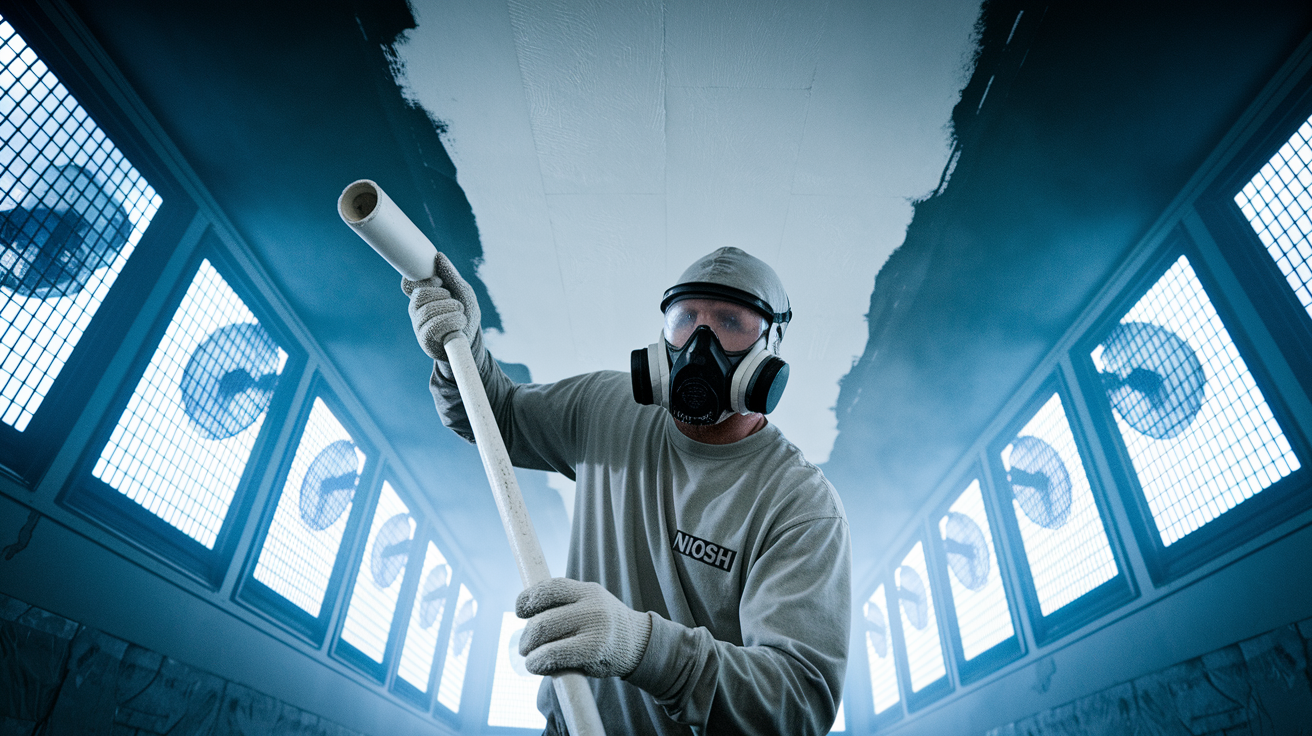
ylRkm4HfSrCcuS2Z2Wnivw

How you apply the primer affects sealing effectiveness by determining how completely it penetrates porous surfaces and covers contaminated areas. Primer thickness and surface type determine tool selection, with thicker shellac-based products needing more aggressive application than thinner water-based alternatives. Proper technique gives you complete coverage without thin spots that allow odor to migrate through gaps in dried primer film. Rolling primer onto walls promotes maximum adhesion by forcing material into surface texture and pores.

Prep for application by stirring primer thoroughly for 2 to 3 minutes to get consistent color and texture throughout the can. Especially important with shellac-based products that settle during storage. Cut in edges and corners first with a 2-inch angled brush before rolling large areas, creating clean lines along trim and ceiling junctions. Work in manageable sections maintaining wet edge, preventing lap marks where dried primer meets fresh application and creates visible lines on finished walls.

Five Application Methods:

  • Brush application for trim work, baseboards, door frames needing precision with 2-inch angled brush for edges and tight spaces around electrical outlets
  • Roller coverage for large wall and ceiling areas using 3/8-inch nap for smooth surfaces, 1/2-inch nap for textured walls with orange peel or knockdown texture
  • Spray application for cabinet surfaces, textured surfaces needing fast coverage in rental prep scenarios with multiple rooms
  • Back-rolling technique after spraying for maximum primer penetration into porous drywall, working material deeper than spray alone achieves
  • Edging technique around electrical outlets, light switches, and ceiling fixtures using painter’s tape and careful brush work to keep primer off hardware

Safety equipment isn’t optional when working with shellac and oil-based primers. Use a NIOSH-approved respirator mask with organic vapor cartridges. Paper dust masks provide zero protection against harmful fumes and VOC off-gassing during application. Wear nitrile gloves to prevent skin absorption of solvents and chemical components that penetrate latex gloves. Wear safety goggles for ceiling work and spray application protecting against drips and overspray. Set up cross-ventilation with exhaust fan in one window and intake in another, creating air flow that removes fumes from your workspace. Don’t run your HVAC system during application to avoid contaminating your entire house through ductwork circulation. Maintain minimum 4 hour ventilation period after application before re-entry without a respirator, allowing initial off-gassing to clear the workspace.

Coating strategy requires specific timing for proper curing and odor blocking. Check first coat coverage for missed spots or thin areas showing wall color through primer, mark problem zones for extra attention on second coat. Wait the minimum drying time between coats, 45 minutes for shellac-based B-I-N or 2 to 4 hours for oil-based products before recoating. Apply second coat for complete encapsulation and odor blocking. Single coats rarely provide enough barrier against heavy contamination. Wait the full 3 day cure period for shellac or 24 hours for oil-based before topcoat application, allowing complete hardening and off-gassing. Do a smell test after primer cure to verify effectiveness before proceeding to topcoat. Correcting failed sealing costs less before paint application than after.

Fire Damage Restoration and Heavy Smoke Contamination Sealing
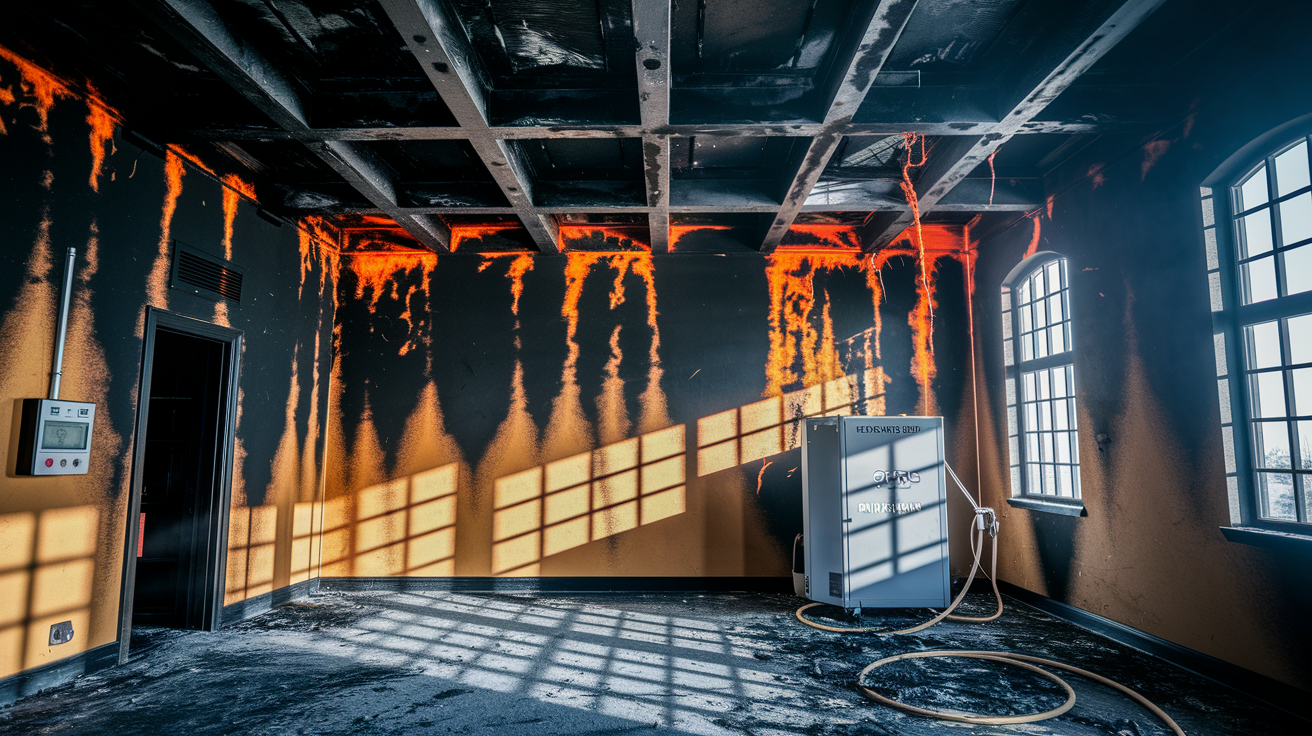
uLqdWpQaRjmiqB8Z3SMaZw

Fire damage restoration differs from routine smoke sealing by requiring structural assessment and moisture testing before any primer application begins. Structural assessment includes beam integrity inspection checking for char depth and load-bearing capacity reduction, especially on exposed wood framing in basements and attics. Test moisture content with a moisture meter at multiple wall locations. Surfaces must have moisture content below 12% before priming can begin. Wet or damp drywall prevents primer adhesion and traps moisture behind sealed surfaces, leading to mold growth and material failure within weeks. Figure out which materials can be sealed versus needing complete replacement. Heavily charred drywall with more than 1/4-inch char depth lacks structural integrity for primer adhesion.

Additional cleaning requirements for fire-affected surfaces go beyond standard TSP washing protocols. Heavy soot removal requires multiple dry sponge passes before TSP wash, working from ceiling downward to prevent contaminating cleaned areas with falling debris. Address char on wood surfaces with wire brush or coarse sandpaper, removing unstable material down to solid wood before applying primer. Deal with melted plastic or synthetic materials by scraping residue with a putty knife and disposing of contaminated material. Primer can’t seal melted substances that keep off-gassing indefinitely.

Extra odor elimination techniques work alongside primer sealing for fire-affected properties. Ozone treatment timing matters. Run the ozone generator for 24 to 48 hours after cleaning but before primer application, allowing ozone molecules to break down odor compounds in air and on surfaces. Vacate the property during ozone treatment because high concentrations irritate lungs and damage houseplants. Use thermal fogging for HVAC cleaning and air duct treatment to prevent recontamination from smoke particles deposited throughout ductwork system during the fire. Apply enzyme cleaners to concrete floors and basement areas where smoke penetrated deeply into porous masonry, breaking down organic compounds that primers can’t seal effectively. Learn more about comprehensive fire and smoke damage restoration approaches when damage exceeds cosmetic surface treatment.

Professional services become necessary when damage severity exceeds DIY capabilities. Extent of structural damage affecting load-bearing elements requires engineering assessment and repair permits before cosmetic work begins. Contamination in inaccessible areas like inside wall cavities requires wall removal and replacement rather than surface sealing. Hidden smoke damage keeps off-gassing behind sealed surfaces. Health hazards from third-hand smoke and toxic residue buildup require specialized equipment beyond consumer respirators, including negative air machines and professional-grade containment barriers. Insurance documentation requirements for property restoration claims typically need professional invoices and certificates of completion, making DIY work unsuitable for insurance-covered projects requiring warranty and liability coverage.

Selecting and Applying Compatible Topcoats After Smoke Sealing
afjEaE71TU-yONiUvA4Row

Topcoat compatibility matters because not all paints stick equally to different primer bases. Latex topcoats work on all primer types including shellac, oil-based, and water-based sealers without compatibility issues. Check manufacturer specifications before using specialty coatings or unconventional paint types to prevent adhesion failure. Finish selection affects durability and future cleaning ease, especially important for rental prep scenarios where tenant turnover requires washable surfaces that withstand repeated cleaning without paint damage.

Finish options serve different applications based on traffic levels and cleaning requirements. Flat finish works for low-traffic areas and ceiling coverage where light reflection creates glare, hiding surface imperfections better than glossier alternatives. Eggshell finish balances washability with appearance for living areas, providing subtle sheen that allows spot cleaning without showing scrub marks. Semi-gloss options work for trim, baseboards, and high-contact surfaces like door frames requiring frequent cleaning. Glossier surfaces resist dirt absorption and wipe clean more easily than flat paint.

Four Recommended Topcoat Types:

  • Standard acrylic latex paint for typical interior surfaces with good breathability and color options, covering sealed walls without special formulation requirements
  • Moisture-resistant formulations like PermaWhite for bathroom and kitchen applications preventing mold growth on sealed surfaces exposed to humidity
  • Washable semi-gloss or satin finishes for rental prep and tenant turnover situations enabling easy maintenance between occupancies
  • Low-VOC or zero-VOC alternatives for improved indoor air quality post-restoration and sensitive occupant needs, reducing chemical exposure after already dealing with primer fumes

Apply minimum two topcoats for opacity and durability over sealed primer. First coat requires 2 hour minimum drying interval before second coat application, though overnight drying produces better results by allowing complete solvent evaporation. Second coat goes on after first coat reaches complete dryness, showing consistent color without darker wet spots indicating trapped moisture. Coverage rate averages 350 to 400 square feet per gallon for smooth walls, though textured surfaces require 20 to 30% more paint due to increased surface area. Do a final smell test 24 hours after last topcoat application to verify complete odor elimination before calling the project done. Any remaining smoke smell means sealing failure requiring corrective action.

Cost Estimation and DIY Approach Versus Professional Smoke Sealing Services

VauZW07LRdy9qnV8YQpjZw

Cost breaks down into material expenses versus labor costs, with professional services typically charging $2 to $4 per square foot versus $0.50 to $1.00 per square foot for DIY materials alone. Project scope based on square footage affects bulk pricing. Treating an entire house qualifies for contractor discounts on primer and paint unavailable to individual buyers purchasing single gallons. Contamination severity affects material quantities significantly. Light smoke from a kitchen fire may need single primer coat covering 300 to 400 square feet per gallon, while heavy nicotine buildup from decades of indoor smoking requires two primer coats plus extra cleaning supplies including multiple boxes of dry sponges and several pounds of TSP powder.

Cost Category DIY Range Professional Range Notes
Primer Materials $40-60/gallon $35-50/gallon bulk Covers 300-400 sq ft, heavy contamination needs 2 coats
Topcoat Paint $25-45/gallon $20-35/gallon bulk Two coats required, 350-400 sq ft coverage per gallon
Tools and Equipment $80-150 Included in service One-time investment: respirator, rollers, brushes, sprayer rental
Cleaning Supplies $20-40 Included in service TSP, dry sponges, buckets, drop cloths, disposal bags
Labor/Service Fee Your time $200-800 per room Professional timeline 1-2 days versus DIY 2-3 days minimum

DIY approach requirements include intermediate skill level for application techniques including cutting in edges and maintaining wet edge to prevent visible lap marks on finished walls. Time commitment spans 2 to 3 days minimum for cleaning, two primer coats with mandatory drying intervals, and two topcoats with proper curing between layers. Physical demands include working on 8-foot walls and ceilings requiring ladder work and overhead rolling that strains neck, shoulders, and arms during extended application sessions. Safety management includes respirator use and proper ventilation setup, monitoring air quality and taking breaks when fume exposure causes headache or dizziness despite protective equipment.

Professional services provide better value in specific situations. Rental prep with tight timelines between tenant move-out and move-in requires completion within 3 to 5 days, faster than most DIY schedules allow while maintaining day jobs. House flipping requires quality documentation and warranty for buyer assurance during home inspection and final walkthrough. Property restoration involving fire damage beyond cosmetic repairs often coincides with water damage requiring coordinated professional repair, where insurance claims require professional invoices showing scope of work and materials used. Tenant turnover situations in multi-unit buildings benefit from consistent results across units, maintaining uniform appearance and sealing quality that reflects professional management standards. Complex projects affecting real estate value justify professional fees because sealing failure requiring complete redo costs more than hiring professionals upfront.

Troubleshooting Smoke Odor Return and Stain Bleed-Through After Sealing
8L7Ujb4RV2oxuwZJm0dQQ

Sealing failure symptoms appear weeks after completing paint work, indicating problems with primer application or contamination severity assessment. Persistent odor return 2 to 4 weeks after painting means incomplete encapsulation, where primer coat was too thin or contamination exceeded product capabilities. Yellowing prevention breakdown causes discoloration to reappear on walls and ceilings especially near windows and heat sources, where temperature fluctuations accelerate nicotine migration through failed primer barriers. Stain bleeding through topcoat layers despite primer application shows brown or yellow spots, particularly noticeable on white or light-colored paint where contrast highlights sealing gaps. Smoke particles can work into drywall and wooden surfaces creating hidden damage beyond visible areas, continuing to off-gas long after surface treatment appears complete.

Six Common Causes and Solutions:

  1. Insufficient surface prep leaving residue buildup preventing primer adhesion. Solution: strip failed areas to bare surface using paint scraper or chemical stripper, re-clean with TSP solution following original protocol, reapply primer at proper coverage rate with two full coats
  2. Wrong primer type selected for contamination severity (water-based on heavy smoke). Solution: apply shellac-based product over existing primer after light sanding with 120-grit sandpaper to improve adhesion between layers
  3. Inadequate primer coverage with single coat when contamination required two coats. Solution: lightly sand topcoat with 220-grit sandpaper, apply additional shellac sealer coat covering entire surface, re-topcoat after proper cure time
  4. Premature topcoat application before primer reached full 3 day cure time. Solution: allow complete off-gassing by waiting additional days, may require stripping and restart if solvent entrapment caused chemical reaction between uncured primer and topcoat
  5. Hidden contamination in ceiling tiles, behind baseboards, inside wall cavities, or attic spaces. Solution: expand treatment area by removing and replacing porous materials that absorbed deep contamination, seal backside of materials before reinstallation, treat HVAC system and attic spaces
  6. HVAC system circulating contaminated air from untreated ductwork. Solution: schedule professional air duct cleaning and treatment before resealing walls, replace all air filters with high-MERV rated alternatives, seal register openings during primer application

Testing effectiveness requires systematic odor evaluation over time. Do a smell test by closing the room for 24 hours with windows and doors shut, then entering to detect odor concentration without nose fatigue from continuous exposure. Compare before and after odor levels on a scale of 1 to 10 to quantify improvement, documenting whether sealing reduced smell by 50%, 75%, or 90%. Identify specific problem areas by smelling along baseboards and in corners where contamination hides, noting locations requiring spot treatment or additional primer application. Apply spot primer to test areas before committing to full re-coat, verifying that additional sealer resolves odor in a limited section before treating the entire room. Monitor results during a 2 week period when odors typically return if sealing failed, checking daily for smell intensity changes indicating primer breakdown. Document long-term prevention success at 30 day and 90 day intervals for warranty purposes in rental prep situations, creating records showing sustained odor elimination over time.

Final Words

Smoke odor sealing before painting isn’t optional if you want lasting results. It’s the foundation that keeps nicotine stains buried and odors locked down for good.

Clean the surfaces, use the right shellac or oil-based primer, let it cure completely, and apply quality topcoats.

Skip a step, and the smell comes back.

Follow the process, and you’ll have walls that look clean, smell clean, and stay that way.

FAQ

Q: What is the best primer to seal smoke smell?

A: The best primer to seal smoke smell is B-I-N Shellac Primer by Zinsser, which permanently blocks heavy nicotine and smoke odors better than oil-based alternatives. Shellac-based primers like B-I-N dry in 45 minutes between coats and provide maximum odor-blocking effectiveness for severe contamination.

Q: Can you paint over smoke smell?

A: You cannot paint over smoke smell with regular paint alone because smoke particles penetrate drywall and odors return within weeks without proper sealing. Specialized shellac-based or oil-based odor-blocking primers must be applied to cleaned surfaces before topcoat painting to permanently seal smoke odors.

Q: How to seal in smoke smell?

A: Sealing in smoke smell requires deep cleaning walls with TSP solution and dry sponges, then applying two coats of shellac-based primer like B-I-N to all affected surfaces. After the primer cures for three days, apply two topcoat layers to complete the odor-blocking process.

Q: Will Kilz paint cover cigarette smoke?

A: Kilz Original Oil-Based Primer will cover cigarette smoke in lighter contamination scenarios, though shellac-based primers like B-I-N work more effectively for heavy nicotine buildup. Kilz provides a budget-friendly option for moderate smoke stains when combined with proper surface cleaning and multiple primer coats.

Q: Why does smoke odor return after painting?

A: Smoke odor returns after painting when insufficient primer coverage, wrong primer type, or incomplete surface cleaning prevents proper molecular encapsulation of nicotine particles. Hidden contamination in wall cavities, HVAC ducts, or behind baseboards can also reintroduce odors even after visible surfaces are sealed correctly.

Q: How long should primer dry before topcoating over smoke damage?

A: Shellac-based primer should dry for three full days before topcoating over smoke damage to reach complete cure and maximum odor-blocking effectiveness. Oil-based primers require 24 hours minimum drying time, while rushing topcoat application before full cure causes sealing failure and odor return.

Q: Do I need professional help for fire damage smoke sealing?

A: You need professional help for fire damage smoke sealing when structural damage affects load-bearing elements, contamination reaches inside wall cavities requiring removal, or insurance claims require documented restoration. Heavy soot buildup, toxic residue, or rental preparation timelines also benefit from professional smoke sealing services.

Q: What safety equipment is required when sealing smoke odor?

A: Safety equipment required when sealing smoke odor includes NIOSH-approved respirator masks with organic vapor cartridges, nitrile gloves, safety goggles for ceiling work, and cross-ventilation with exhaust fans. Standard dust masks are insufficient for high-VOC shellac and oil-based primers that release harmful fumes during application.

Property Damage Claim Documentation: Required Forms and Checklists

0

Here’s your intro paragraph:

Did you know most insurance claim denials happen because of incomplete documentation, not because the damage isn’t covered? When disaster hits your home, gathering the right paperwork can mean the difference between a fair settlement and fighting for months over what you’re owed. The truth is, your insurance company will ask for specific forms, photos, receipts, and reports before they’ll pay a dime. This guide walks you through exactly what you need to collect, how to organize it, and when to submit it so your claim moves forward fast and you get the settlement your policy actually covers.

Master Checklist: All Documents Required for Your Property Damage Claim

2vNJhb0qSMCtB325CTZiQg

You need solid documentation to keep your insurance company honest. Having too much evidence beats having too little, especially when your settlement’s on the line.

What You’ll Need to Gather:

  1. Insurance Policy Documents – Grab your complete policy with the declarations page showing coverage limits, deductibles, and your policy number (check the Essential Policy Coverage section below)

  2. Photographic Evidence – Take tons of photos of each damaged item and area. Get closeups and wide shots from different angles, and turn on timestamp features if you’ve got them (see Visual Documentation section below)

  3. Video Recordings – Walk through with your phone recording, talking about what you’re seeing. Include security camera footage if you’ve got it (see Visual Documentation section below)

  4. Written Inventory Lists – Go room by room and write down every damaged item. Brand, model, age, what it looked like before, what it looks like now (see Visual Documentation section below)

  5. Purchase Receipts – Proof you owned it and what you paid. Credit card statements work if you can’t find the original receipt (see Essential Policy Coverage section below)

  6. Repair Estimates – Get licensed contractors to write up what needs fixing and what it’ll cost (see Working With Your Insurance Adjuster section below)

  7. Contractor Quotes – Pull multiple estimates so you know current market pricing. This matters even more after big disasters when prices jump (see Working With Your Insurance Adjuster section below)

  8. Incident Reports – Write down when it happened, where, and how. Timeline matters here (see Incident Reports section below)

  9. Police or Fire Department Reports – Official paperwork when you’ve got criminal damage, fire, or emergency services showed up (see Incident Reports section below)

  10. Weather Service Records – Official proof of storm conditions, rain amounts, wind speeds (see Incident Reports section below)

  11. Communication Records – Every email, text, and phone call with your insurance company. Dates, times, who you talked to (see Communication Log section below)

  12. Professional Assessments – Written estimates from repair pros on what things cost to fix or replace, especially after hurricanes or major events (see Working With Your Insurance Adjuster section below)

  13. Emergency Repair Receipts – Bills for temporary fixes. Tarps, boarding, water extraction, whatever you had to do fast (see Emergency Repairs section below)

  14. Building Permits – Copies of required permits and code compliance stuff (see Incident Reports section below)

  15. Proof of Loss Forms – The sworn statement documenting your claimed amount. Most insurers want this before they’ll settle (see Master Checklist section above)

  16. Maintenance Records – Documentation showing you took care of your property. This can affect how they value things (see Essential Policy Coverage section below)

  17. Tax Returns with Depreciation Schedules – For business property claims or expensive items where depreciation changes the settlement math (see Essential Policy Coverage section below)

  18. Property Lease Documents – Copy of your lease if it’s a rental, showing who’s responsible for what (see Incident Reports section below)

Before You Submit Everything:

• Make sure your claim number’s on each document

• Check that supporting docs are attached and sorted by category

• Look up your policy’s submission requirements. Online portal, mail, email to claims department

• Copy everything and note when you submitted it in your communication log

• Get confirmation they received it. Email confirmation or certified mail receipt

• Know that they might pay you in installments. Initial payment to start repairs, final payment when you’re done

Put copies everywhere. Digital files on your hard drive and in cloud folders with clear labels showing dates, locations, what’s what. Physical copies in accordion folders or binders, stored in a safe or somewhere secure away from the damaged property if possible. Keep this stuff for tax purposes and potential future problems. The IRS might want records of casualty losses and insurance reimbursements, and policy disputes can pop up months or years after you thought things were settled.

Documentation Process: Step-by-Step Evidence Collection
FBKKZEyGSFqoz3bWLXgrFw

Move fast after damage happens. It strengthens your claim and stops things from getting worse. But don’t do anything until you know it’s safe.

Here’s Your Sequence:

  1. Initial Safety Assessment – Check for hazards before you walk into damaged areas. Turn off main power if there’s water or electrical damage. Block off dangerous spots with caution tape. If the building looks unstable, get out

  2. Immediate Damage Documentation – Once it’s safe, photograph and video everything while it still looks exactly how the damage left it

  3. Emergency Stabilization Recording – Document any emergency repairs before you make them. Photograph tarps going up over leaks, record yourself boarding up broken windows, capture images of furniture you’re moving or covering

  4. Detailed Inventory Creation – Within the first day or two, create room by room written lists of everything damaged with descriptions and estimated values while it’s fresh in your mind

  5. Professional Assessment Scheduling – Contact licensed contractors within the first week to get repair estimates and expert opinions on how bad things are

  6. Ongoing Damage Monitoring – Photograph anything new that shows up over time. Mold growth, structural settling, secondary water damage. Date stamp everything

  7. Correspondence Documentation – Keep detailed notes of all insurance company conversations. Dates, times, who you talked to, from the moment you report the claim

  8. Final Submission Preparation – Organize everything you collected, check it against the master checklist, and submit according to what your policy requires

Most policies give you a window for reporting claims you can’t miss unless you want to pay out of pocket. Delays slow things down and might mess up your coverage, so call your insurance company within 24 to 48 hours even if you haven’t finished gathering everything yet.

Visual and Written Documentation: Photos, Videos, and Inventory Lists

IdhezVj-QJuNxTxnzs4aCA

Photograph everything. Closeups and distance shots from multiple angles. Turn on timestamp features if your camera or phone’s got them. Take wide shots showing the entire room or area, then move in for detailed closeups of cracks, water stains, broken components, destroyed finishes. Get context shots too. Include doorways, windows, or undamaged areas in the frame so the adjuster understands where the damage is and how much there is.

Record video with commentary. Walk through each affected area while recording, talking out loud about what you’re showing, when it happened, what you’re seeing. Video with audio creates a story that photos can’t. If you’ve got surveillance footage showing wind tearing off roof sections, water pouring through ceilings, or the moment a tree hit your building, include every second.

Document both damaged and undamaged areas. You might not know what proves useful later. Insurance companies sometimes question whether stuff existed before the damage, and photos of intact rooms show what your property looked like before the loss.

For Each Damaged Item, Note:

• Brand name and manufacturer

• Model number and serial number when you can see it

• Purchase date or approximate age

• Original purchase cost with receipts or credit card statements if available

• Detailed description. Size, color, features, anything special about it

• Condition before damage (new, excellent, good, fair)

• Condition after damage with specific description of what’s wrong

• Estimated replacement value based on current market pricing

• Reference to supporting docs like receipt number, photo file name, warranty paperwork

• Room location and whether it was attached or unattached property

Create written inventories describing every damaged item. Brand, model, features, age, before and after condition, value. Insurance companies love claiming losses are less than they actually are, and the gap between their valuation and reality can be huge. An insurance company might value office equipment at $50 based on depreciation schedules, while actual replacement cost of similar used equipment runs closer to $1,000. Detailed documentation with market research backs you up during settlement negotiations. Store photo and video files in multiple places. Computer hard drives and cloud storage with complete metadata, organizing files by room, damage type, or date with clear file names like “2024-01-15KitchenWaterDamageWide_Angle” instead of whatever your camera automatically names things.

Essential Policy Coverage and Financial Documentation

7SuIh6qfRZ6jSbf2xszbiw

Understanding your policy coverage, limits, and deductibles tells you what documentation you need and what you can actually claim. Look at your declarations page to find your coverage limits for dwelling, personal property, and additional living expenses, plus your deductible amount that you pay before insurance kicks in. Check for special limits on stuff like jewelry, electronics, or business equipment, and review exclusions that might affect your claim. Flood damage requires separate National Flood Insurance Program coverage, for instance.

Financial documentation includes purchase receipts showing original cost and purchase date, bank statements or credit card records proving transactions when you can’t find the original receipt, maintenance records showing you kept things up, and tax returns with depreciation schedules for business property or expensive items where depreciation affects what you get. These records prove you owned it and what it was worth.

Settlement offers might not cover repair costs completely, especially after catastrophic events when contractor and material prices shoot up past normal rates. Understanding the difference between replacement cost and actual cash value helps you know what to expect and when to push back.

Valuation Type Calculation Method Example Amount
Replacement Cost Current cost to replace item with similar new item at today’s prices $1,200 for new laptop computer
Actual Cash Value Replacement cost minus depreciation based on age and condition $400 for same laptop after depreciation deduction

Incident Reports and Official Documentation Requirements

lRhIJInISJqT2pNh5SJoig

You need police or fire department reports when damage involves criminal activity like vandalism or burglary, when fire damage happens and emergency services respond, or when your insurance company specifically asks for official documentation. Contact the responding agency to request copies of incident reports. Note report numbers and officer or investigator names in your communication log. These official reports provide third party verification of when and how damage occurred, which stops disputes about whether you’re covered.

Weather service records for storm damage claims prove that the damaging weather actually happened at your location on the date you reported. The National Weather Service provides historical weather data showing rainfall amounts, wind speeds, hail reports, and tornado confirmations that back up your claim. Building permits and code compliance documentation become necessary when repairs require permitted work. Your insurance company may request copies to verify that restoration meets local building codes and safety standards.

Flood damage may require a separate claim under the National Flood Insurance Program, not standard homeowner policies. Standard property insurance typically excludes flood coverage, which the insurance industry defines as water entering from ground level or rising water sources rather than roof leaks or burst pipes. If flooding contributed to your damage, contact the National Flood Insurance Program separately at 1-800-621-3362 or through FloodSmart.gov. This requires different claim forms, adjusters, and documentation procedures. Don’t assume your regular policy covers all water damage, and report flood damage to the appropriate program within the required timeframe to avoid denial.

Communication Log and Correspondence Documentation

CjGbrg_ySuaQIc5cjxeIVw

Logging all interactions with your insurance company and contractors creates a clear record of what was promised, what info got exchanged, and how your claim’s progressing.

Communication Details to Record:

• Date of contact in month, day, year format

• Time of contact. Use 24 hour format or clearly note AM/PM

• Name of person contacted. First and last name when provided

• Method of communication. Phone call, email, text message, in person meeting, certified mail

• Topics discussed with brief summary of what you talked about

• Commitments made by either party. Promised actions, follow up dates, documentation requests

• Claim number, reference number, or file number mentioned during the conversation

Document phone calls with insurance reps or contractors noting date, time, and what you discussed. A simple note might read: “January 15, 2024, 2:30 PM, spoke with Sarah Johnson, claims adjuster, claim #12345. Discussed water damage extent in basement. She requested contractor estimates by January 22. I asked about coverage for contents damage. She confirmed personal property coverage applies minus $1,000 deductible.”

Save all correspondence including emails and text messages. Don’t delete digital communications thinking they don’t matter. Forward claim related emails to a dedicated folder, screenshot text message conversations, and save voicemail messages when they contain claim info or instructions. Insurance companies sometimes dispute what was said or promised, and your records protect you during settlement negotiations or disputes. Keep all documentation including correspondence, photographs, and receipts for tax purposes and future disputes, organizing these records chronologically or by topic in clearly labeled physical and digital files that you can access fast when questions come up months or years later.

Emergency Repairs and Mitigation Efforts Documentation

bh_-Mu12S2yFbG_BXRSlkQ

Contact your insurance company before making emergency repairs. Some policies have rules about unauthorized repairs that could mess with coverage or reimbursement. Most policies require you to mitigate further damage, meaning you can’t just leave a hole in your roof or a broken window exposed to weather, but you should notify your insurer first when possible and get authorization for major emergency work.

Emergency repair steps you might document include using tarps or plastic sheeting for leaks, boarding up broken windows or doors with plywood, moving undamaged stuff to dry areas, and calling emergency response contractors for water extraction, structural stabilization, or debris removal. Photograph each temporary repair before, during, and after. Capture images showing the tarp being secured over the damaged roof section, the boarded window from inside and outside, or the water extraction equipment running. This documentation proves you took reasonable steps to prevent additional damage and shows the scope of emergency work you did.

Keep all receipts for emergency repair materials and services. They may be reimbursable under your policy. Tape and tarp purchases from hardware stores, plywood and lumber for boarding, emergency contractor invoices for after hours response, equipment rental fees, and labor costs all qualify as mitigation expenses your policy should cover. Your restoration timeline often depends on how fast you stabilize things, and proper documentation of these urgent first steps ensures you get reimbursed for necessary protective measures. Be ready to provide receipts for temporary repairs during your adjuster meeting, organizing these documents separately from permanent repair estimates so the adjuster can clearly see what you spent on immediate stabilization versus long term restoration.

Common Documentation Mistakes That Delay Claim Processing

mPoRiJ6ERquG_q_4PLp5mA

Delays in reporting claims can slow processing and potentially mess up your coverage eligibility, particularly as average claims cycle time increased to nearly 24 days in 2024, over 6 days longer than the previous year. Insurance companies love claiming losses are less than actual amounts, making complete initial documentation critical for faster payments and stronger legal cases when disputes happen.

Common Documentation Errors:

• Missing filing deadlines in your policy, which can range from 24 hours to several days depending on policy language and damage type

• Submitting incomplete inventories without detailed descriptions, valuations, or supporting documentation for claimed items

• Providing poor quality photos that are too dark, too far away, out of focus, or taken from limited angles that don’t show how bad the damage is

• Failing to keep receipts for emergency repairs, temporary housing, or other covered expenses that should be reimbursable

• Writing descriptions that lack specifics about damage location, cause, extent, or affected materials and components

• Omitting policy info like policy number, insured name spelling, or property address from submitted documentation

• Not maintaining communication logs that record dates, times, names, and content of conversations with adjusters or contractors

• Forgetting to document emergency repairs before making them, which makes it hard to prove necessity or cost of mitigation work

• Submitting only damaged area photos without context shots showing room layout, building location, or undamaged comparison areas

• Assuming verbal communications are enough without following up in writing through email or certified mail to create paper trails

Claim review happens faster when your initial submission is complete and organized. Insurance companies request additional documentation when initial submissions lack necessary info, and each request and response cycle adds days or weeks to processing time. Submit everything on the master checklist the first time, and your adjuster can move directly to assessment and settlement rather than sending follow up requests. After initial settlement, you can file supplemental claims for additional damages discovered during repairs, but these require their own documentation showing the newly discovered damage and explaining why it wasn’t included in the original claim.

Special Documentation for Different Property Damage Types
0kzXL3YLSaWGstjVVsaqfA

Catastrophic claims made up 46 percent of personal lines property claims in 2023, the highest percentage in 7 years. In 2024, 28 catastrophic weather events caused over 92 billion dollars in property damage nationwide. Different damage types require specialized documentation beyond standard photos and inventories.

Water and Flood Damage Documentation

Water source identification determines coverage eligibility, so document whether water entered from a burst pipe, roof leak, sewage backup, or ground level flooding. Take photos showing the water entry point, water level marks on walls, standing water depth, and moisture spread to surrounding areas. Professional moisture readings using specialized meters establish hidden water presence in walls, floors, and ceilings that cameras can’t capture. If mold growth appears or develops during the claim process, photograph it right away and request professional mold testing and documentation. Remember that flood damage may require a separate claim under the National Flood Insurance Program rather than your standard policy, so identify the water source clearly in your initial documentation.

Fire and Smoke Damage Documentation

Fire department reports provide official documentation of the fire incident, response time, fire cause determination, and damage assessment from trained firefighters. Request copies from the responding fire department and include the incident report number in your claim submission. Smoke residue documentation requires photos showing soot patterns on walls, ceilings, and contents, with closeups of affected surfaces before any cleaning attempts. Note smoke odor concerns in writing. Odor often sticks around even after visible soot removal and may require specialized cleaning or sealing. Structural integrity assessments from engineers or licensed contractors become necessary when fire damaged load bearing walls, floor joists, roof trusses, or other structural components. Your fire and smoke damage restoration process documentation should include air quality testing results, specialized cleaning requirements, and structural engineer reports when fire extended beyond cosmetic damage.

Storm and Structural Damage Documentation

Weather service records from the National Weather Service establish that documented severe weather occurred at your location on the claimed date. Download and save official weather reports showing wind speeds, hail size, rainfall amounts, or tornado confirmations for the date and time of your loss. Engineering reports and structural assessments become necessary when storm damage affects foundations, load bearing walls, roof structures, or overall building stability. Licensed structural engineers can evaluate damage extent and specify required repairs to restore structural integrity and safety. Roof and exterior damage documentation should include ground level photos showing overall roof condition, closeup photos of damaged shingles or materials, attic interior photos showing roof deck damage or water intrusion, and photos of damaged siding, windows, or other exterior building components from multiple angles and distances.

Working With Your Insurance Adjuster: Documentation and Assessment Process

qq7krA9bSrS9gInFzq_tFQ

Your insurance company typically assigns an adjuster within a couple days of filing to evaluate damage, review your documentation, and determine coverage extent and payout estimates. This adjuster becomes your primary contact for claim processing, so note their name, phone number, email address, and claim number in your communication log right away.

Before meeting the adjuster, review your policy for deductibles, coverage limits, and exclusions, and get professional repair estimates from licensed contractors. Understanding what your policy covers and what current repairs cost puts you in a stronger negotiating position. Scheduling contractor assessments before your adjuster meeting provides comparative estimates that support your position if the adjuster’s initial valuation seems low. Professional assessments from repair and valuation pros become particularly important after major events like hurricanes when contractor availability tightens and material costs increase.

Professional estimates should include detailed scope of work breaking down each repair task, specific material costs listing products, quantities, and unit prices, and labor expenses showing hourly rates, estimated hours, and total labor cost. A complete estimate might specify “Remove and replace 450 square feet water damaged drywall, $2.50 per square foot materials, $3.75 per square foot labor, total $2,812.50” rather than just “drywall repair $3,000.” This level of detail prevents disputes about what work is necessary and what it should cost.

Insurance adjusters evaluate damage, review documentation, and determine coverage extent and payout estimates during their site visit. Be ready to provide organized evidence including photos, repair estimates, and receipts for temporary repairs. Walk the adjuster through damaged areas, pointing out specific damage that might not be immediately visible like moisture in walls, structural concerns, or hidden damage behind finished surfaces. Answer questions directly, stick to facts about what happened and what was damaged, and don’t speculate about repair costs or coverage decisions during the initial assessment.

If settlement offers seem unsatisfactory, negotiation may require additional documentation like professional estimates, new photos and videos showing damage the adjuster might have missed, or consultation with a lawyer or insurance professional who specializes in property claims. You can request a second opinion or hire an independent adjuster if you disagree with the initial assessment. Settlement offers may not fully cover repair costs, especially after catastrophic events when contractor and material prices increase beyond normal market rates. Getting multiple comparative estimates from different licensed contractors demonstrates current market pricing and strengthens your negotiating position when your adjuster’s initial offer falls short of actual repair costs.

Final Words

Property damage claim documentation is your strongest defense against disputes and undervaluation.

Start documenting immediately after damage occurs, keep everything organized in multiple locations, and submit complete evidence the first time.

Save all correspondence, receipts, and professional estimates. Store copies digitally and physically.

The time you spend on thorough property damage claim documentation now prevents frustration and financial shortfalls later. When your claim is backed by clear photos, detailed inventories, and organized records, the process moves faster and you’re more likely to get a fair settlement.

We’ll help you protect what you’ve built.

FAQ

What should I avoid saying to an insurance adjuster?

You should avoid saying anything to an insurance adjuster that could be interpreted as accepting full responsibility for the damage, speculating about causes you’re uncertain about, minimizing damage extent before full assessment, or agreeing to settlement amounts without reviewing all repair costs and policy coverage details.

How do I write a property damage report?

A property damage report is written by documenting the time, place, and specific details of the incident, creating an itemized list of all damaged items with descriptions and estimated values, including photos from multiple angles with timestamps, and noting any responsible parties with their insurance information if applicable.

What documentation is needed for a documented loss claim?

A documented loss claim needs your insurance policy with coverage details, photographic and video evidence of all damage, room-by-room inventory lists with item values, purchase receipts and proof of ownership, repair estimates from licensed contractors, incident reports, correspondence records, and receipts for any emergency repairs already completed.

What are common examples of property damage?

Common examples of property damage include water damage from pipe leaks or roof failures, fire and smoke damage from household fires, storm damage including wind and hail impacts to roofs and siding, structural damage from tree falls or vehicle impacts, and flooding from natural disasters requiring separate flood insurance coverage.